首店经济

Search documents
中兴商业:上半年经营质量稳步提升 年轻化创新营销成效显著
Zheng Quan Shi Bao· 2025-07-17 19:12
Core Insights - The retail industry is experiencing a gradual recovery, with younger consumers driving increased foot traffic and engagement [2] - Zhongxing Commercial has successfully implemented innovative marketing strategies that focus on attracting families and younger demographics, resulting in significant sales growth [3][5] Marketing Strategies - In the first half of 2025, Zhongxing Commercial launched 10 promotional events over 71 days, accounting for 39% of the operating days, with these events generating 65% of total sales [3] - The marketing approach emphasizes cultural and artistic integration, featuring diverse activities such as music concerts, traditional craft exhibitions, and sports events to engage various age groups [3][4] Membership and Consumer Engagement - Membership consumption has shown positive growth, with the number of members increasing by 1.6% and consumption amount rising by 8.3%, leading to a membership consumption share of 75%, up by 4.3 percentage points [4] - The company is enhancing its digital transformation by leveraging short video content and optimizing its online presence, creating a seamless online-to-offline experience [4][5] Economic and Policy Context - The "first launch economy" is being utilized to introduce new products and services, enhancing the overall shopping experience and driving consumer interest [7][8] - Recent consumer policies, such as tax refunds for outbound travelers, are expected to stimulate demand and improve the retail environment [9][10] Future Outlook - Zhongxing Commercial aims to leverage its position as a leading regional player to activate local consumption potential and adapt to new consumer trends [10] - The company is committed to fostering innovative consumption scenarios and maintaining a youthful marketing approach to lead retail trends in Shenyang and Northeast China [10]


湾区首座大悦城首日客流破42万!“北方顶流”能否南方长红
Nan Fang Du Shi Bao· 2025-07-17 10:43
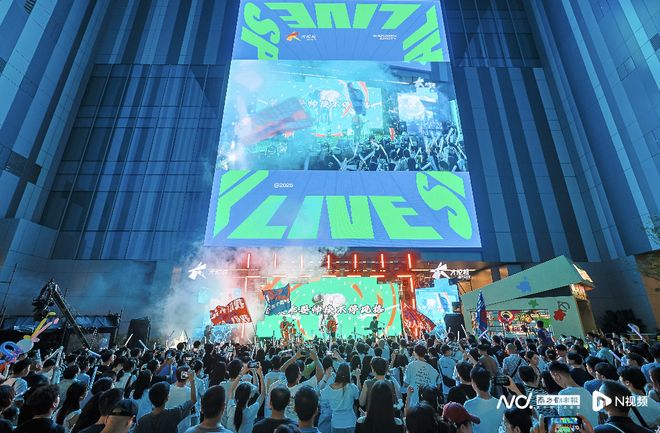
Core Insights - Shenzhen's first Joy City opened on July 12, marking a significant addition to the commercial landscape of the Guangdong-Hong Kong-Macau Greater Bay Area after 15 years of development and multiple delays [1] - The opening day saw over 420,000 visitors and nearly 20 million yuan in sales, with many brands achieving national and local sales championships [1][3] - The commercial environment in Shenzhen is highly competitive, with 21 new projects expected to open by 2025, adding a total of 1.8625 million square meters of commercial space [1] Group 1: Commercial Performance - Shenzhen Joy City attracted over 420,000 visitors on its opening day, generating sales close to 20 million yuan, excluding Apple and automotive sales [1] - Nearly 100 brands achieved national sales champions, and around 50 brands topped sales in Shenzhen [1] - The shopping center features over 400 quality brands, with more than 50% being first stores and customized stores, focusing on trends like family, trendy toys, and pet economy [3] Group 2: Innovative Offerings - The shopping center includes unique spaces such as an open-style trendy cross street, a 4,000 square meter rooftop garden, and a 30,000 square meter "underground city" [6] - The center hosts several themed pop-up stores, including Disney's Toy Story and other popular IPs, enhancing the social and experiential aspects of shopping [6][7] - The introduction of a Hema Fresh store, which is the first hot pot experience center in the nation, showcases innovative retail strategies [3] Group 3: Competitive Landscape - The commercial real estate market in Shenzhen is intensifying, particularly in Bao'an District, which is projected to have nearly 40 commercial complexes by 2024, totaling over 3.1 million square meters [10] - Major competitors include local developers like Hongrongyuan and established brands like K11, which have been expanding their presence in the region [10][11] - The increasing number of commercial complexes necessitates differentiation through effective brand attraction and a well-curated mix of retail offerings [11]

中免集团的差异化之道:以全球供应链与独家产品引领消费新生态
Jing Ji Wang· 2025-07-17 10:00
Core Insights - The retail market is entering a phase of stock competition, with homogenization becoming a core bottleneck for industry development. The operational strategy of China Duty Free Group (CDFG) demonstrates strong anti-cyclical and competitive resilience through a commercial ecosystem built on global direct sourcing networks, deep brand bundling, and exclusive product matrices [1] Group 1: Supply Chain and Competitive Advantages - The depth and breadth of the supply chain are fundamental to differentiating retail enterprises. CDFG has established direct cooperation with over 1,500 international brands, supported by eight customs-regulated logistics centers, ensuring full-chain quality control. This model provides three core advantages: direct sourcing eliminates potential risks from intermediaries, ensuring 100% authenticity; large-scale direct procurement grants strong bargaining power, allowing competitive pricing while ensuring genuine products; and solid vendor relationships are essential for obtaining exclusive distribution rights and limited products, laying the foundation for differentiated product strategies [2] Group 2: First Store Economy and Brand Attraction - CDFG's strategic layout focuses on the "first store economy," transforming retail space into a scarce resource to attract targeted customer traffic and provide brands with immersive physical storytelling. Notable examples include the introduction of the first double-decker flagship stores for Coach and Estée Lauder in Sanya, and the first innovative immersive whiskey museum in Haikou. In 2024, CDFG successfully introduced over 200 international and domestic brands, with 98 brands expected to open in Hainan, covering diverse sectors such as jewelry, skincare, fashion, and dining [4] Group 3: Exclusive Product Launch Strategy - CDFG employs a high-frequency "exclusive launch" strategy to ensure uniqueness and freshness on its shelves. This includes co-developing customized versions, exclusive sets, and global limited products with brands, effectively avoiding traditional price competition. Examples include exclusive sets with Estée Lauder and collaborations with brands like Qeelin and 周大福. The recent fifth CDFG Watch Festival featured over 50 brands and more than 7,000 products, with over 30 brands making their exclusive debut in Hainan, targeting the high-end watch collector market [5] Group 4: Platform Empowerment and Experience Innovation - CDFG's strategy extends beyond products to platform empowerment and experience innovation. The company leverages its global channel advantages to assist domestic brands like Fila and Li Ning in going global, enriching the duty-free sector while enhancing its platform value. Events like the "CDFG Hainan Duty-Free Shopping Festival" and collaborations with cultural IPs such as concerts create a new shopping experience that combines entertainment and consumption [9] Group 5: Commitment to Quality and Member Value - In an industry facing homogenization anxiety, member trust is a valuable asset. CDFG adheres to strict quality standards and brand positioning, aiming to provide members with the highest quality products and top international brands. By deepening strategic partnerships with leading brands, CDFG meets members' pursuit of unique value and exclusive experiences, forming a robust ecosystem that is difficult to replicate in the short term, thus leading the development direction of the tourism retail industry in China and globally [11]

奥莱“学霸”卷调改:百联、杉杉、比斯特争抢首店
3 6 Ke· 2025-07-17 02:22
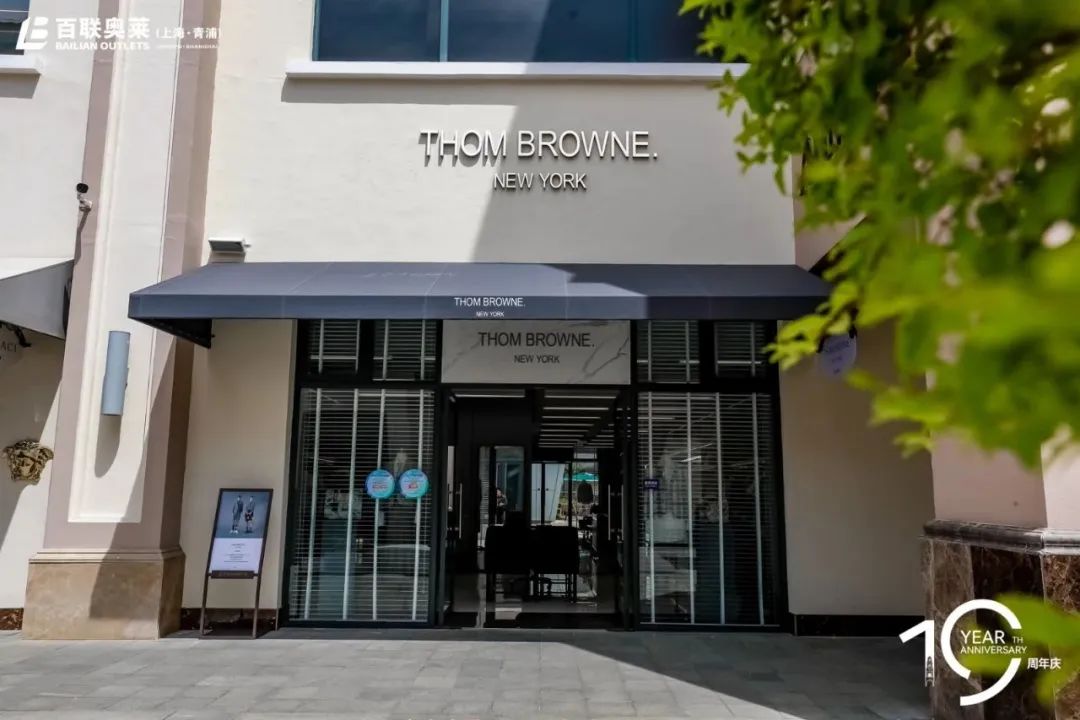
Core Viewpoint - The traditional perception of outlet malls as mere discount centers is evolving, with leading brands undergoing significant transformations to enhance their value proposition and customer experience [1][20][32]. Group 1: Industry and Brand Adjustments - Outlet malls are shifting from a focus on quantity to quality, emphasizing the introduction of new brands and enhancing the "first store concentration" metric [2][16]. - Major operators like Bailian, Sanzhichuan, and Shanshan are actively renewing their brand offerings and upgrading their facilities to attract more customers [1][2][20]. - The introduction of mainstream luxury brands remains crucial for maintaining the appeal and competitiveness of outlet projects [3][20]. Group 2: New Brand Introductions - New and unique brands are being introduced to differentiate outlet offerings, including niche sports and designer labels, enhancing the shopping experience [5][7][8]. - The trend of incorporating "new and unique" clothing brands is evident, with a focus on creating an inviting shopping environment rather than just discount-driven sales [8][20]. Group 3: Dining Experience Enhancements - Outlet malls are increasing their dining options to move away from being perceived as "dining deserts," with a significant rise in the number of restaurant brands [9][10]. - Data shows that by the end of 2024, there will be 3,906 restaurant brand outlets across 226 outlet projects, indicating a growing emphasis on food offerings [10][12]. Group 4: Space and Hardware Adjustments - A new wave of hardware upgrades is underway, with many outlet projects focusing on optimizing their space to enhance customer experience and emotional value [21][29]. - Several established outlet projects are undergoing expansions to increase their footprint and improve their competitive positioning in the market [22][23][26]. Group 5: Market Trends and Future Outlook - The outlet industry is witnessing a trend towards larger projects, with 34 new outlet malls over 100,000 square meters opening between 2022 and 2024 [26][28]. - The competition is shifting from merely offering discounts to providing unique experiences and emotional value, indicating a significant evolution in the outlet retail landscape [32].


小众品牌扎堆开业 首店经济带动时尚消费扩容
Bei Jing Shang Bao· 2025-07-16 11:08
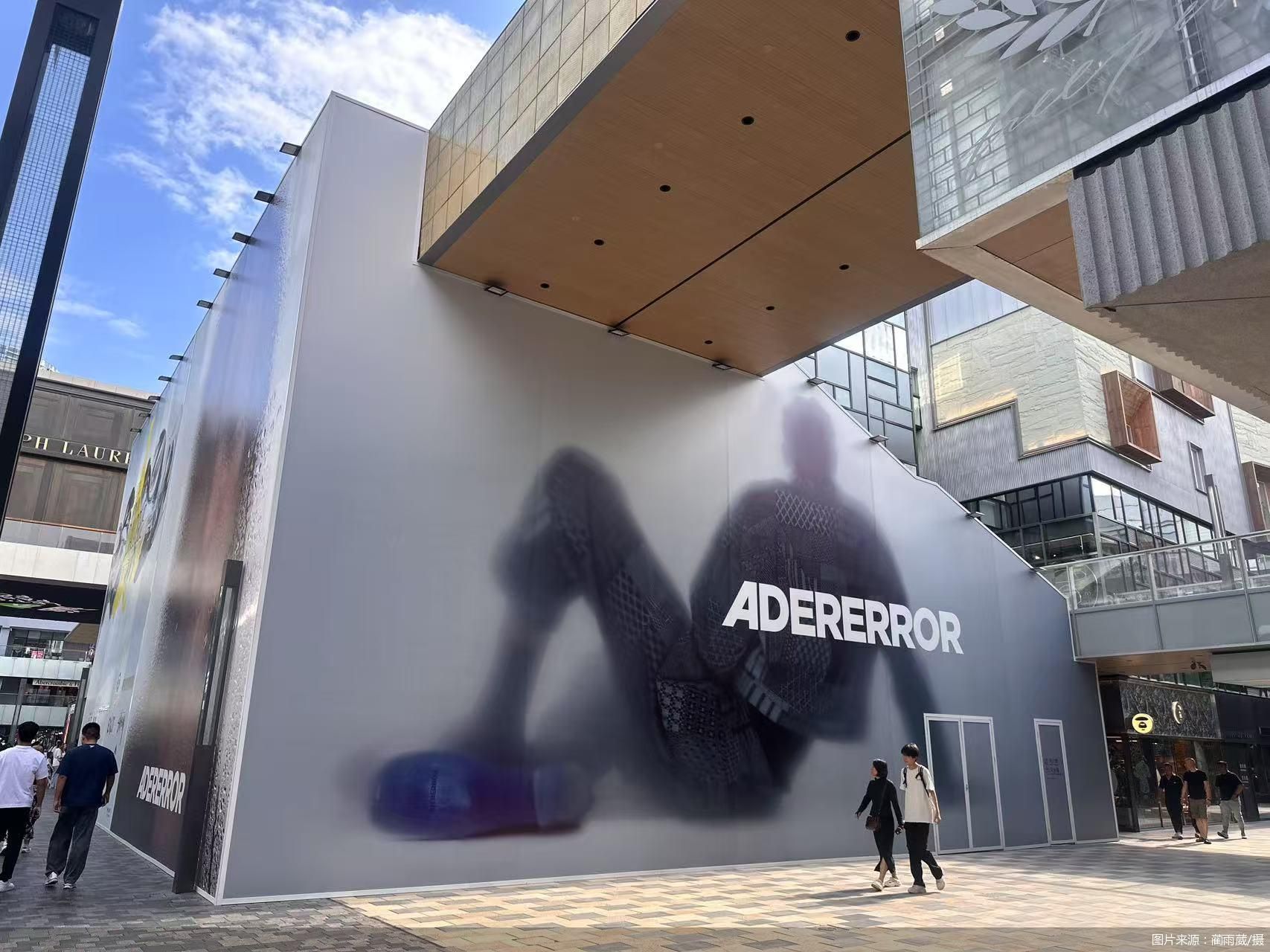
Core Insights - The rise of niche brands in Beijing's diverse consumer market is notable, with several international brands opening their first stores in the city, including Haglöfs, ADER ERROR, Polène, and emis [1][3][4] - These niche brands, while not yet widely established in China, have already garnered significant attention and a following overseas, indicating a strong potential for growth in the Chinese market [3][4] - The trend towards niche brands is becoming mainstream, with 79% of consumers in mainland China showing acceptance of these brands, reflecting a shift in consumer preferences [3][4] Industry Trends - The luxury goods sector is experiencing a slowdown, leading consumers to seek out innovative and lower-priced niche brands as alternatives [3] - The Beijing government has launched initiatives to boost consumption, encouraging the establishment of flagship and concept stores, which is expected to enhance the city's appeal as a global fashion consumption hub [4][6] - Niche brands are filling market gaps with unique designs and high cost-performance ratios, attracting specific consumer groups and contributing to regional economic vitality [6] Market Dynamics - The opening of flagship stores for niche brands is crucial for stimulating consumer spending and enhancing the attractiveness of shopping districts [4][6] - Social media plays a significant role in promoting these brands, creating a loyal customer base through engaging offline experiences and online discussions [6] - The competitive landscape is evolving, with international niche brands and local brands vying for market share, leveraging unique marketing strategies to convert short-term interest into long-term consumer loyalty [6]
淄博:稳住消费大盘 激活市场潜力
Sou Hu Cai Jing· 2025-07-16 10:06
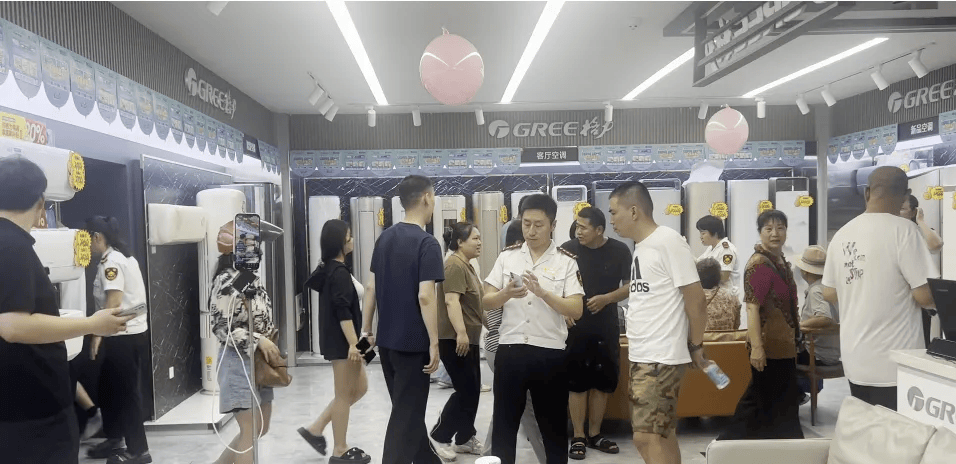
Core Insights - The consumption market in Zibo is experiencing significant changes and growth driven by various policies and new commercial forces Group 1: Consumption Data - During the Spring Festival (January 28 to February 3), Zibo recorded 10,428 transactions for mobile phones, tablets, and smart wearables, generating a consumption of 29.35 million yuan, a year-on-year increase of 118% [1] - During the Qingming Festival, monitored sales in key sectors reached 10.58 million yuan, up 12.14% year-on-year [1] - The "May Day" holiday saw sales in key commercial enterprises approach 800 million yuan, with monitored retail enterprises reporting a total sales of 35.8 million yuan, a 5.68% increase year-on-year [1] - The Dragon Boat Festival recorded total sales of 9.43 million yuan from 21 monitored retail and catering enterprises, marking an 11.07% year-on-year growth [1] Group 2: Policy Impact - The implementation of new consumption policies, including a "replace old with new" initiative, has been crucial in stimulating sustainable consumption growth and economic circulation [2] - The government has introduced various measures such as distributing 4 million yuan in consumption vouchers and expanding the scope of the "replace old with new" policy, which has provided solid support for the consumption market [2] - The policies have shifted consumer behavior from short-term spikes in spending to a more sustained growth pattern, enhancing the overall resilience of the consumption market [2] Group 3: Market Dynamics - The "replace old with new" policy has significantly impacted the market, with companies like New Star Appliances reporting a 23% year-on-year sales increase during the "618" shopping festival due to effective strategies and government support [3] - New Star Appliances achieved sales exceeding 32 million yuan during the summer consumption season, indicating strong consumer demand driven by policy support [5] - The opening of new commercial complexes, such as Xinma Wuyue Plaza and Hengtai City, has attracted significant foot traffic and sales, with 560,000 visitors and sales of 25 million yuan recorded in just ten days for Xinma Wuyue Plaza [5][7]
北京持续培育首发经济,今年前5月新增落地首店近400家
Xin Jing Bao· 2025-07-16 04:48
Core Insights - The "first store economy" has become a significant driver for urban consumption growth, as highlighted in the recent "Beijing Action Plan for Deepening Reform and Boosting Consumption" [1] - In the first five months of this year, Beijing has seen nearly 400 new first stores established and hosted around 200 events such as first exhibitions, performances, and showcases [1][2] Group 1: Policy and Economic Impact - Beijing is actively attracting first stores and launch events, enhancing the vitality of the first launch economy through policy initiatives [2] - The city has implemented a 3.0 version of the first store policy, which includes financial support to attract brand first stores and launch events [2] - Major commercial areas like Sanlitun Taikoo Li, Chaoyang Joy City, and Haidian Joy City have become hubs for first stores, significantly improving the quality of consumer supply and international influence [2] Group 2: Development of Launch Centers - The establishment of launch centers is being promoted to create a clustering effect for first launches, with 12 centers recommended for 2024 [2] - Notable brands such as Cartier, Lancôme, and Intel are being attracted to debut their products in Beijing [2] - The city plans to further develop launch centers in various districts to support the fashion and technology sectors [2] Group 3: Event Empowerment - The "2024 Global Launch Festival" has been initiated, featuring themed brand launches and promoting newly established first stores [3] - The festival is linked with major events like China International Fashion Week and the Olympic City Sports Culture Festival, showcasing Beijing's unique characteristics in sports, fashion, and technology [3]
南北商业顶流“混战”深圳,专家称“北方系擅长爆款逻辑,南方系注重场景美学”
Mei Ri Jing Ji Xin Wen· 2025-07-15 14:01
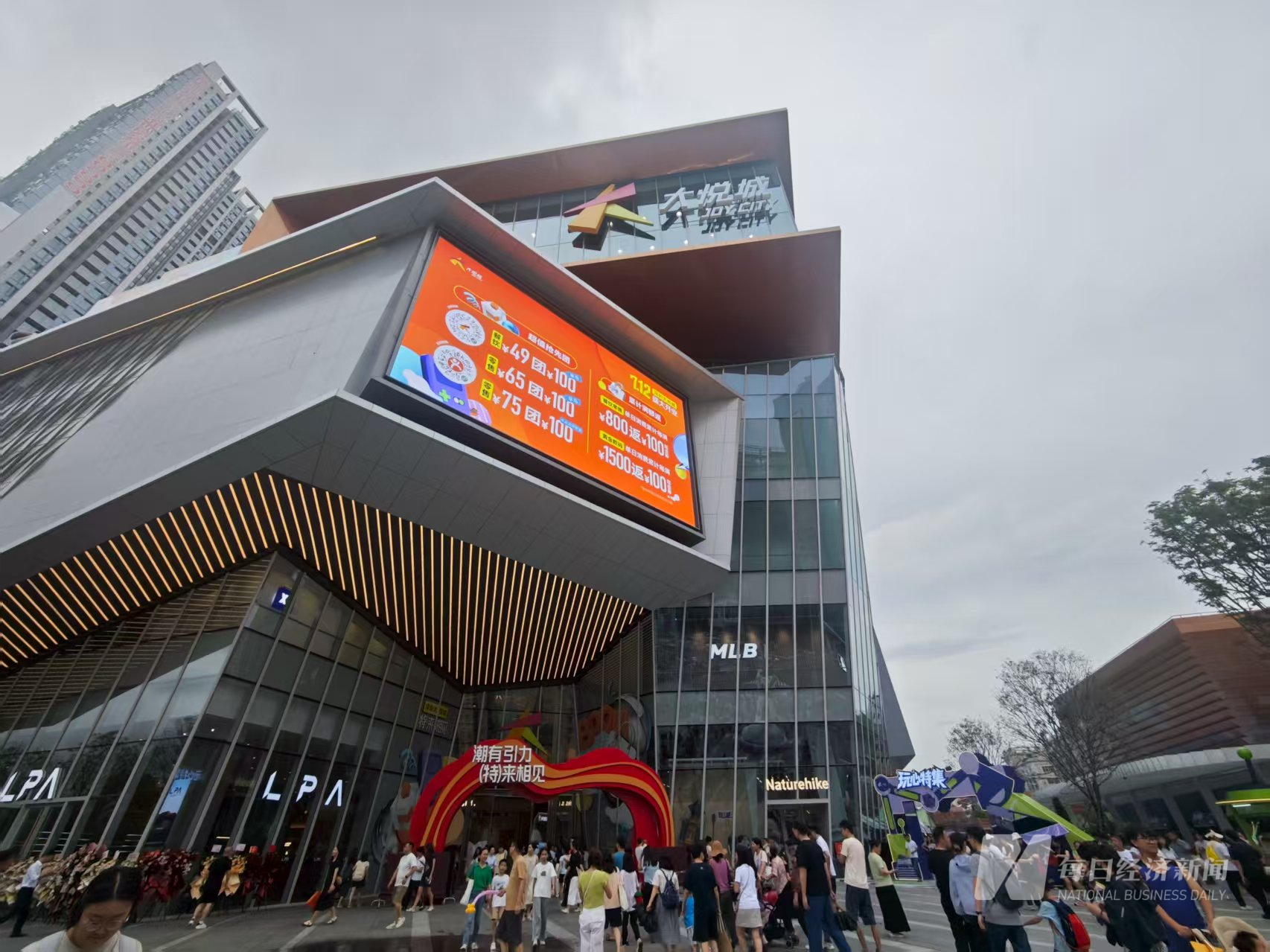
Core Viewpoint - Shenzhen's first Joy City officially opened on July 12, 2023, after 15 years of development and multiple delays, attracting significant consumer interest and sales on its opening day [1][5]. Group 1: Opening Day Performance - On its opening day, Shenzhen Joy City attracted over 420,000 visitors and achieved nearly 20 million yuan in sales [2]. - The project has a total area exceeding 730,000 square meters, with the shopping center covering approximately 250,000 square meters [5]. Group 2: Market Positioning and Competition - Shenzhen's diverse consumer base includes trend-seeking youth and quality-focused middle-to-high-income groups, leading to different strategies between northern and southern commercial entities [2]. - Northern commercial entities, like Joy City, typically leverage first-store economies and IP events to attract younger consumers, while southern counterparts focus on art exhibitions and immersive experiences to draw high-end clientele [2][10]. Group 3: Development Challenges - The development of Shenzhen Joy City faced significant challenges, including a 7-year negotiation for land acquisition and a lengthy demolition process, with the first phase completed in 2019 [5]. - The project was initiated in 2010 through a framework agreement with the Shenzhen Bao'an District government [5]. Group 4: Future Prospects and Expansion - By the end of 2024, Joy City plans to have 44 commercial projects in China, with 30 being heavy asset projects and 14 light asset projects, totaling a commercial area of 3.75 million square meters [7]. - The opening of Shenzhen Joy City is part of a broader trend, with multiple commercial projects, including K11 and other shopping centers, launching in Shenzhen this year [9]. Group 5: Market Dynamics - The commercial landscape in Shenzhen is becoming increasingly competitive, with nearly 40 commercial complexes in Bao'an District alone, totaling over 3.1 million square meters [9]. - The differentiation in commercial strategies between northern and southern entities reflects deeper corporate philosophies and market approaches [10][12].
英格卡购物中心中国区总裁朱洁敏:用“不内卷”创新精神打造“聚会体验中心”
Jing Ji Wang· 2025-07-15 10:00
Core Viewpoint - The article highlights the innovative approach of Ingka Shopping Centers in China, particularly through the introduction of the "Pippi Longstocking" exhibition, which aims to enhance consumer experience and community engagement while promoting unique brand experiences [3][4][10]. Group 1: Event and Experience - The "Pippi Longstocking" exhibition marks its first tour in China, aligning with Ingka's "Meeting Place" concept to create engaging experiences for consumers [3][4]. - The exhibition is designed to resonate emotionally with visitors, encouraging community gatherings and interactions [4][5]. Group 2: Business Strategy - Ingka Shopping Centers has introduced multiple first stores in Beijing, contributing to regional economic development and enhancing consumer experiences over the past decade [4][5]. - The company emphasizes the importance of unique experiences over mere novelty, focusing on long-term engagement with local consumers [5][9]. Group 3: Innovation and Market Positioning - Ingka Shopping Centers positions itself as a "Meeting Place," differentiating from traditional shopping centers by creating public spaces and diverse activities [6][7]. - The company has established an innovation department to explore new business models and integrate sustainability into consumer experiences [8][9]. Group 4: Community and Value Creation - The company views tenants as partners in value creation, providing marketing support and insights to enhance brand appeal and consumer experience [9]. - Ingka's philosophy centers on creating lasting value for customers and communities, moving away from low-efficiency competition [9].
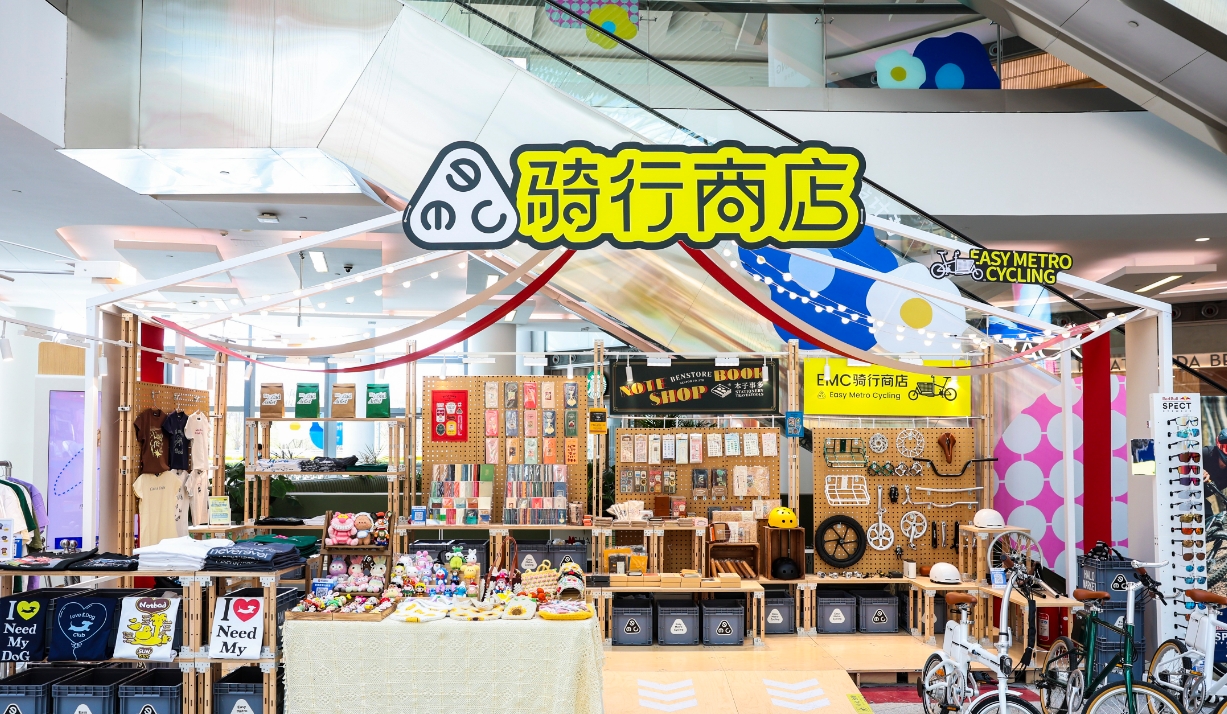
首日迎42万人次 热卖2000万元 大湾区首座大悦城宝安开业火爆
Shen Zhen Shang Bao· 2025-07-13 22:29
Group 1 - The opening of the COFCO Joy City in Bao'an District attracted over 420,000 visitors on its first day, generating nearly 20 million yuan in sales, excluding Apple and automotive sales [2] - More than 50% of the nearly 400 brands in the mall are either flagship or customized stores, highlighting the trend of new retail experiences [2] - The mall features popular pop-up stores and immersive experiences, including a Disney-themed exhibition, which successfully attracted a younger demographic and fans of pop culture [2] Group 2 - Unique stores such as the latest flagship of Huanying Cinemas and the Hema 3.0 store contribute to the mall's diverse offerings, enhancing its appeal [3] - The PARTYDAYMEGA flagship store combines various entertainment options, including bowling and VR experiences, positioning itself as an immersive entertainment venue [3] - Shenzhen plans to open 21 new projects by 2025, adding a total commercial area of 1.8625 million square meters, with Bao'an leading in new commercial developments [3]