城市更新

Search documents
城市更新工程
Xin Lang Cai Jing· 2026-01-25 20:19
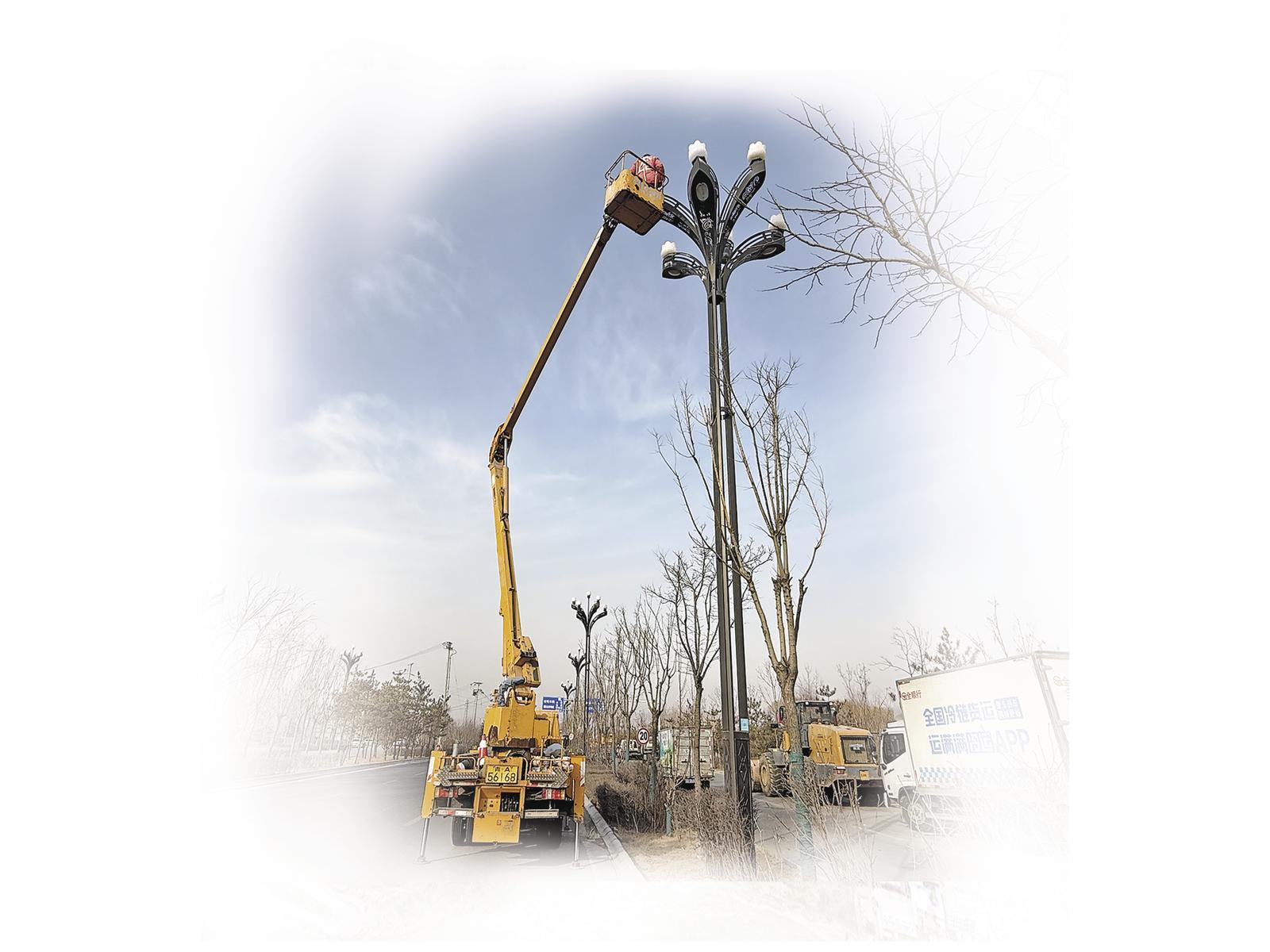
Core Viewpoint - The city of Xining is actively improving urban infrastructure, focusing on enhancing night lighting and wastewater management to ensure public safety and environmental standards are met [2][3][4] Group 1: Urban Infrastructure Improvements - Xining aims to eliminate black and odorous water bodies in urban and county areas, ensuring 100% compliance with Class A discharge standards for urban sewage treatment plants [2] - The city plans to install 300 new streetlights and repair 1,700 existing ones to improve nighttime safety for residents [2][4] - A total of 460 kilometers of drainage pipelines will be newly constructed or renovated to address flooding issues [2][3] Group 2: Progress and Community Response - The city has engaged China Railway Water Affairs Group to conduct comprehensive inspections of sewage treatment plants in Haixi and Guoluo, achieving a 100% compliance rate for sewage treatment plants [3] - Xining replaced 400 streetlights with new LED sources and repaired 4,785 faulty lights, maintaining an average lighting rate of over 98% [3] - Residents have expressed satisfaction with the improvements, noting enhanced safety and increased economic activity in night markets due to better lighting [4]

为何要坚持城市内涵式发展?
Xin Lang Cai Jing· 2026-01-25 19:17
Core Viewpoint - The government emphasizes the importance of "intrinsic urban development" to reshape the development logic of mega cities, with Beijing's urban renewal practices serving as a prime example [1][2]. Group 1: Intrinsic Urban Development - The plan report highlights the shift from "extensive expansion" to "intrinsic growth," focusing on optimizing existing urban spaces rather than expanding them indiscriminately [2][3]. - Intrinsic development relies on innovation and structural optimization, utilizing internal urban factors as the driving force for growth [2][3]. - Key characteristics of intrinsic development include a focus on optimizing existing spaces, balancing hardware and software improvements, and promoting systemic collaboration across urban planning [3]. Group 2: Urban Renewal Practices in Beijing - Urban renewal is identified as a core vehicle for intrinsic development, with innovative measures like "district-based renewal" and "self-renewal" transforming the concept into tangible urban changes [4]. - The renewal process in Beijing is characterized by systematic spatial restructuring and functional upgrades, moving beyond isolated projects to a comprehensive district improvement approach [4]. - The Longxindian Old Town project exemplifies this approach, integrating historical cultural elements into its planning and execution, thereby enhancing the area's cultural identity [5]. Group 3: Community Involvement and Governance - The urban renewal model in Beijing promotes a sustainable approach through government guidance, market operations, and public participation, fostering a collaborative governance model [6]. - The case of Huapicang Hutong illustrates the innovative solutions to property rights issues, enabling community consensus for the renovation of dilapidated buildings [6][7]. - The "micro-renewal" approach allows residents to maintain traditional layouts while upgrading living conditions, reflecting the essence of intrinsic development [7]. Group 4: Examples of Urban Renewal Projects - The Chaowai area focuses on attracting younger demographics by transforming existing structures and introducing trendy commercial spaces, achieving peak daily foot traffic of approximately 50,000 [8]. - The Dajixiang project emphasizes cultural restoration, turning traditional buildings into museums and integrating modern commercial elements to revitalize the area [8]. - The Yan Hua Living Area project showcases innovative flood management systems, enhancing the overall resilience of urban infrastructure [9].
2026北京两会|政协委员建言首都生态协同与科创升级
Bei Jing Shang Bao· 2026-01-25 15:44
Group 1: Urban Development and Green Initiatives - The Beijing Municipal Political Consultative Conference emphasizes the importance of enhancing urban green spaces and promoting ecological construction through various proposals, including expanding the city's green areas and improving the greenway system [2][3] - The second ring greenway has become a popular destination for citizens, highlighting the integration of historical significance and urban vitality [2] - Suggestions include creating therapeutic gardens in public buildings and enhancing waterfront spaces to promote ecological and recreational features [2] Group 2: Technological Innovation and Collaboration - The focus on the "14th Five-Year Plan" aims to leverage Beijing's educational and technological advantages to enhance regional innovation through collaboration, particularly in the Beijing-Tianjin-Hebei area [4] - Proposals include upgrading innovation platforms, enhancing resource sharing, and improving the conversion rate of technological achievements within the region [4] - Emphasis is placed on reforming governance in innovation platforms to empower researchers and optimize financial support for technology ventures [4] Group 3: Urban Renewal Strategies - The "14th Five-Year Plan" outlines a shift in urban renewal from partial improvements to systematic enhancements, focusing on spatial restructuring to align with national strategies [5][6] - The plan includes strict adherence to population control and ecological boundaries while promoting comprehensive area updates [6] - A sustainable update mechanism is proposed, emphasizing community involvement and cultural empowerment to achieve a balance between historical preservation and urban vitality [6] Group 4: Cultural and Economic Integration - The "14th Five-Year Plan" identifies the need for Beijing to develop as an international consumption center and cultural hub, breaking down industry barriers to foster integrated development [7][8] - The plan includes enhancing the sports event system and creating immersive consumer experiences through innovative spatial and business model designs [7] - The focus is on leveraging technology for better market predictions and enhancing operational efficiency in the cultural and tourism sectors [8] Group 5: Agricultural Development and Digital Transformation - Agricultural development is crucial for achieving modernization and creating a harmonious living environment in Beijing [9] - Proposals include optimizing rural layouts and promoting smart agriculture through digital transformation across the agricultural supply chain [9] - The plan aims to stimulate rural consumption through diverse economic activities and targeted promotional campaigns to enhance market engagement [9]
建筑材料行业周报:新一轮城市更新开启,关注消费建材底部向上的弹性-20260125
East Money Securities· 2026-01-25 14:49
Investment Rating - The report maintains an "Outperform" rating for the construction materials sector, indicating a positive outlook compared to the broader market [2] Core Views - A new round of urban renewal is beginning, which is expected to provide significant opportunities in the consumer building materials sector, effectively countering the decline in new housing market demand [8] - The report highlights that after a prolonged downturn in the real estate sector, profitability in various segments of the construction supply chain is starting to recover, particularly for leading companies that have undergone strategic adjustments [8] - The report emphasizes the potential for price increases in certain segments, such as waterproofing and coatings, as companies respond to improved market conditions [8] Summary by Sections Cement - The cement market is entering a seasonal downturn, with demand expected to decline. The average shipment rate for major regions has dropped to 29%, a decrease of approximately 10 percentage points [27][34] - The national average price for cement remains stable at around 353 RMB per ton, with minor fluctuations observed in specific regions [28][34] - The report suggests that after the Spring Festival, demand may recover as new key projects are expected to commence, potentially stabilizing prices [34] Glass - The glass market is also experiencing a decline in demand, with production capacity decreasing to approximately 14.95 million tons, the lowest in recent years [53] - The average price for float glass has increased slightly to 1,139 RMB per ton, with inventory levels decreasing [38] - The report indicates that the glass industry is facing profitability challenges, leading to accelerated production line cold repairs, which may help stabilize the market [53] Fiberglass - The fiberglass market is seeing stable pricing for both roving and electronic fabrics, with the price of 7628 electronic fabric currently at approximately 4.4-4.85 RMB per meter [55] - The report anticipates continued high demand for electronic fabrics, supported by structural adjustments and a shortage of high-end products [55] - Key recommendations include focusing on leading companies like China Jushi, with additional attention on International Composite Materials and Zhongcai Technology [55] Carbon Fiber - Carbon fiber prices are expected to remain stable in the short term, with the rapid development of commercial aerospace potentially driving new demand [55] - The report notes that the current price stability is a necessary step for increased market penetration, with significant growth expected in the aerospace sector [55] Consumer Building Materials - The report highlights the resilience of consumer building materials, with leading companies like Sanke Tree and Rabbit Baby showing strong growth potential as they emerge from profitability challenges [8] - The urban renewal initiative is expected to create substantial market opportunities, particularly for high-quality consumer building materials [8]


政协委员建言首都生态协同与科创升级
Bei Jing Shang Bao· 2026-01-25 14:33
Group 1: Urban Development and Green Initiatives - The Beijing Municipal Political Consultative Conference emphasizes the importance of enhancing urban green spaces and promoting ecological construction through various proposals [2][3] - Suggestions include addressing gaps in the greenway system to ensure seamless connectivity and enhancing urban infrastructure with green transformations [2] - The proposal also encourages the creation of therapeutic gardens in public buildings and improving waterfront spaces for better ecological and recreational integration [2] Group 2: Technological Innovation and Collaboration - The focus on enhancing the conversion rate of scientific achievements in the Beijing-Tianjin-Hebei region is highlighted, aiming to leverage educational and technological resources for innovation [3][4] - The plan includes upgrading collaborative platforms and mechanisms to stimulate talent and innovation, as well as optimizing financial support for technology ventures [3][4] - The initiative aims to integrate into global innovation networks and support major national technology projects, particularly in AI and biomedicine [4] Group 3: Urban Renewal Strategies - The "14th Five-Year Plan" outlines a shift in urban renewal from partial improvements to systematic enhancements, emphasizing the need for a "Beijing model" of urban renewal [4][5] - The strategy includes strict adherence to population control and ecological boundaries while promoting comprehensive area updates [5] - The goal is to create a sustainable urban renewal mechanism that balances historical preservation, green transformation, and urban vitality [5] Group 4: Cultural and Economic Integration - The importance of breaking down industry barriers to foster a new model of integrated development in culture, commerce, and tourism is stressed [6] - The plan includes enhancing the international sports event system and creating immersive consumer experiences through innovative spatial and operational designs [6] - The initiative aims to improve the international consumption environment and expand global cultural exchanges by hosting major international events [6] Group 5: Agricultural Digital Transformation - The need for digital transformation across the agricultural supply chain is emphasized, with a focus on smart agriculture and AI integration [7] - Proposals include optimizing rural layouts to enhance investment and consumption, as well as promoting diverse consumption scenarios in rural areas [7] - The strategy aims to stimulate market activity through various initiatives, including rural tourism and local consumption incentives [7]
城市更新需要政府、市场、社会等多方主体共同参与
Xin Jing Bao· 2026-01-25 14:20
Core Insights - Urban renewal is a key focus for Beijing in 2026, with the government emphasizing the implementation of urban renewal regulations [1] - The government aims to enhance urban renewal through a comprehensive policy toolbox that addresses various challenges and promotes multi-party participation [2][3] Group 1: Urban Renewal Initiatives - Beijing's government report highlights the completion of 1,225 old residential community renovations and significant improvements in 20 key areas [2] - The "Policy Incentive Toolbox" includes 75 policy measures across seven areas, focusing on building scale coordination, mixed-use support, and financial backing [2][3] - The toolbox aims to address bottlenecks in urban renewal, providing targeted policies for the transformation of dilapidated buildings and public space revitalization [3] Group 2: Strategic Planning and Asset Management - The 2026 land supply plan includes specific urban renewal indicators, signaling a shift towards prioritizing stock updates alongside new supply [4] - Urban renewal is evolving from simple real estate transactions to complex, interdisciplinary projects that require long-term strategic planning [4] - Effective asset management involves identifying and revitalizing underperforming assets, utilizing strategies such as usage, sale, rental, and financing [4]
建筑装饰行业周报:2025年固投数据有压力,继续关注政策助力下顺周期底部反弹机会-20260125
East Money Securities· 2026-01-25 13:29
Investment Rating - The report maintains an "Outperform" rating for the commercial aerospace and construction sectors, indicating a positive outlook for these industries [3]. Core Insights - The report highlights that fixed asset investment (FAI) in 2025 is under pressure, with a total of 485,186 billion yuan, representing a year-on-year decline of 3.8%, which is a worsening of 1.2 percentage points compared to the previous 11 months [15]. - Infrastructure investment, excluding power and water supply sectors, decreased by 2.2% year-on-year, also reflecting a larger decline than earlier in the year [15]. - Real estate development investment reached 82,788 billion yuan in 2025, down 17.2% year-on-year, with new construction area dropping by 20.4% [15]. - The report emphasizes the potential for a rebound in the construction and real estate markets driven by supportive macro policies, particularly in urban renewal initiatives [16]. Summary by Sections 1. Industry Outlook and Investment Recommendations - The report suggests focusing on high-quality cyclical stocks in the construction sector, particularly those benefiting from urban renewal policies and major infrastructure projects [16][19]. - Key companies such as China State Construction and China Energy Engineering reported year-on-year increases in new contracts, indicating a positive trend in capital expenditure among leading firms [16]. 2. Market Performance Review - The construction decoration index rose by 1.88%, outperforming the overall A-share index, which increased by 0.83% [14]. - Notable performers in the sector included chemical engineering (+10.70%) and steel structure (+7.71%) [14]. 3. Key Company Dynamics - Roman Holdings is projected to achieve a profit of 1.8-2 billion yuan in 2025, marking a turnaround from previous losses, driven by strong demand for computing power in major cities [19]. - The report also notes the increasing importance of satellite remote sensing applications in the commercial aerospace sector, with new policies aimed at developing a comprehensive resource utilization system [19]. 4. Financing and Debt Issuance - As of January 23, 2026, special bond net financing reached 1,704.9 billion yuan, with new issuances totaling 1,746 billion yuan, indicating a stable financing environment compared to previous years [20][21]. - The report highlights that city investment bonds have seen a net financing contraction of 219 billion yuan, with no special government bonds issued so far in 2026 [21].
北京市政协十四届四次会议举行记者会
Xin Jing Bao· 2026-01-25 11:53
Group 1 - The core focus of the meeting was on the implementation of the "14th Five-Year Plan" and how the Political Consultative Conference can contribute wisdom and strength to this initiative [1] - The discussion included topics such as the integrated development of education, technology, and talent, as well as urban renewal [1] - The meeting also addressed the collaborative development of culture, commerce, tourism, and sports, alongside the expansion of effective rural investment and market consumption [1]
北京将提升超大城市治理效能 运用数智技术赋能城市与生活
Xin Lang Cai Jing· 2026-01-25 11:01
Core Insights - Beijing aims to enhance governance efficiency in super-large cities over the next five years by focusing on digital transformation and data utilization [1] Group 1: Urban Governance and Planning - The draft outlines a strategy for optimizing urban space utilization, emphasizing a balance between reducing scale and optimizing structure while maintaining a baseline for construction land [2] - The city plans to implement a comprehensive urban renewal strategy, with annual investments in urban renewal expected to exceed 300 billion yuan by 2030 [4] Group 2: Urban Aesthetics and Infrastructure - The draft emphasizes the importance of urban design, aiming to enhance the aesthetic quality of the city through detailed design of public spaces and architectural features [3] - A capital landscape lighting system will be developed to integrate functional and aesthetic lighting, enhancing the visual appeal of key areas [3] Group 3: Smart Technology Integration - The plan includes accelerating the integration of smart technologies into daily life, improving the coverage and accessibility of smart living solutions [5] - A smart transportation system will be established, featuring interconnected traffic signals and expanded smart parking solutions [5] Group 4: Public Service Improvement - The draft proposes deepening the "immediate response to complaints" reform, enhancing the functionality of the 12345 citizen service hotline and establishing a collaborative mechanism for complex issues [6]
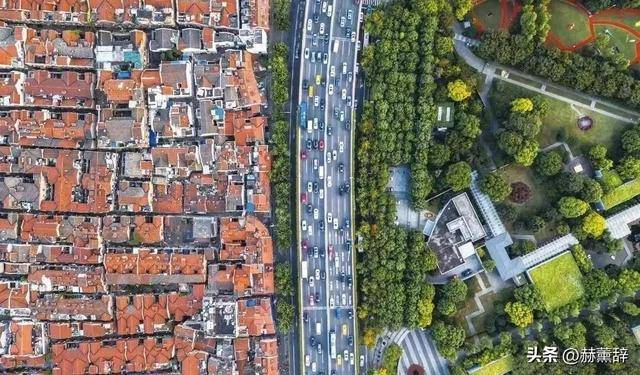
老房子又吃香了?只因住建部定调:2026年开始,这2类人或将受益
Sou Hu Cai Jing· 2026-01-25 09:14
Core Viewpoint - The article discusses a significant shift in the Shanghai real estate market, where older properties in prime locations are experiencing a dramatic increase in value, contrary to the trend of new developments in suburban areas [1][3][5]. Market Dynamics - In 2025, the transaction volume of second-hand homes in first-tier cities reached 519,000 units, a four-year high, with older properties under 3 million yuan accounting for 62% of the transaction volume in Shanghai [9]. - The price of older properties in prime areas, such as the Jing'an District, surged from 40,000 yuan per square meter to over 80,000 yuan within six months, indicating a strong demand from investors [5][7]. Policy Implications - The Ministry of Housing and Urban-Rural Development has positioned urban renewal as a "blue ocean," indicating a large-scale investment initiative aimed at revitalizing existing urban areas rather than merely cosmetic improvements [11]. - A series of policy measures, including tax reductions and incentives for property exchanges, are set to stimulate the market, with significant budgets allocated for urban renewal projects in Shanghai [13][15]. Investment Opportunities - Investors are focusing on older properties in core urban areas, betting on potential compensation standards that could reach 150,000 yuan per square meter if these properties are included in redevelopment plans [7][19]. - The article highlights two main groups benefiting from this trend: long-term property owners in prime locations and those looking to upgrade their living conditions, who can take advantage of favorable policies for property exchanges [17][19]. Economic Impact - The urban renewal initiative is expected to activate various sectors, from construction materials to smart home technologies, with substantial investments planned for the upcoming years [21]. - The shift from extensive urban expansion to refined urban management reflects a broader change in China's urban growth logic, emphasizing the importance of location and existing resources [22][23].