
绿水青山就是金山银山

Search documents
山水间颜色更亮,百姓日子焕然一新!解码“生态美”滋养“百姓富”转化密码
Yang Shi Wang· 2025-08-11 08:05
Group 1 - The concept of "Lucid waters and lush mountains are invaluable assets" has been guiding China's ecological and developmental transformation for 20 years, leading to a harmonious coexistence of ecology and development [1][3][19] - Anji County has transitioned from pollution and mining to green development, achieving a per capita income of 74,000 yuan in 2024, showcasing the benefits of ecological restoration [3][4][19] - The local economy has diversified with bamboo forests generating income through carbon trading and sustainable practices, leading to increased earnings for villagers [11][13] Group 2 - Anji County has seen a significant rise in tourism, with over 300 coffee shops established, transforming former mining sites into popular attractions [15][17] - The ecological environment in Yichun, Heilongjiang, has also improved, with the number of farmhouses in the scenic area increasing from 1 to 42 since 2016, driven by tourism [22][24] - Yichun's forest coverage rate is 83.8%, significantly above the national average, contributing to an estimated ecological product value of 4.24 trillion yuan annually from 2021 to 2023 [31][33]

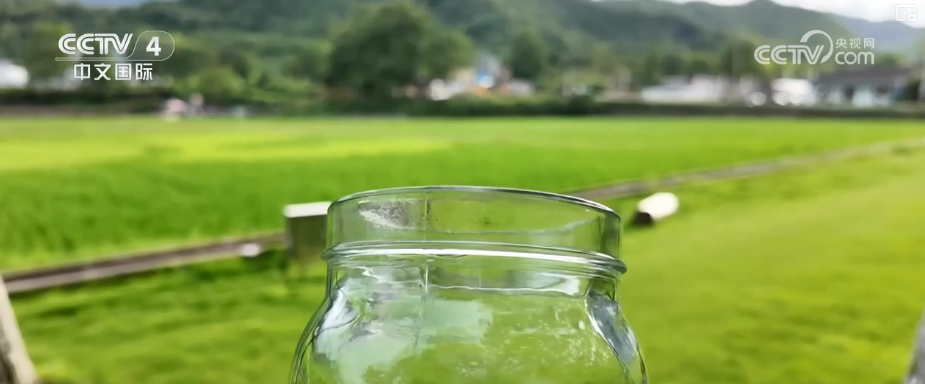
“两山”理念20年·下篇|从湖州到世界,为全球生态文明建设“打样”
Xin Lang Cai Jing· 2025-08-11 03:26
Core Viewpoint - Huzhou has successfully implemented the "Green Water and Green Mountains are Golden Mountains and Silver Mountains" philosophy, demonstrating that ecological protection and economic development can coexist and drive high-quality growth [1][2][3] Group 1: Ecological Restoration and Economic Development - Huzhou has transformed its ecological landscape through innovative systems, focusing on ecological restoration, industrial transition, and improved livelihoods [2][6] - The city has showcased successful case studies at international forums, including the United Nations, highlighting its sustainable development practices [3][5] - Huzhou's experience serves as a model for global ecological governance, illustrating the synergy between ecological civilization and economic prosperity [6][17] Group 2: Green Finance Innovation - Since 2017, Huzhou has pioneered green finance reforms, establishing a comprehensive green finance system that supports sustainable investments [10][11] - The total balance of green loans in Huzhou increased from 36.95 billion to 409.88 billion from 2017 to 2024, with an annual growth rate of 41% [11] - Huzhou has introduced over 150 green financial products, attracting interest from 117 cities across China [11][12] Group 3: Institutional Innovation and Governance - Huzhou has implemented the "River Chief System" to enhance river management, achieving significant improvements in ecological governance [14][25] - The city has established itself as a national model for ecological civilization, being the first city-level ecological civilization pilot zone approved by the State Council in 2014 [15][16] - Huzhou's governance framework emphasizes cross-departmental collaboration, enhancing the effectiveness of ecological management [15][16] Group 4: International Recognition and Influence - Huzhou has gained international recognition as the world's first ecological civilization international cooperation demonstration zone, showcasing its commitment to sustainable practices [20][24] - The city has been invited to share its experiences at major international events, reinforcing its role as a leader in ecological governance [20][24] - Huzhou's "Two Mountains" philosophy has been acknowledged as a valuable contribution to global sustainable development discussions [17][25]
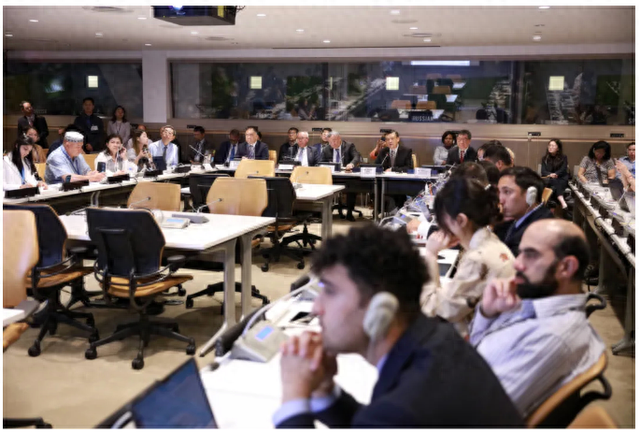
和音:共建清洁美丽世界的中国贡献与启示
Ren Min Ri Bao· 2025-08-11 03:25
Group 1 - The core idea of the articles emphasizes the integration of ecological protection and economic development, highlighting the concept that "lucid waters and lush mountains are invaluable assets" as a guiding principle for sustainable development [1][2][3] - Various countries are adopting China's ecological civilization construction experience, transforming natural resources into cultural and tourism resources, as seen in South Africa and Uzbekistan [1] - China's green industries, including new energy vehicles, photovoltaics, and wind power, are driving high-quality economic development and contributing significantly to global green energy projects [2] Group 2 - The articles stress that a good ecological environment is the most equitable public good and essential for people's well-being, showcasing China's successful practice of balancing rapid economic growth with effective ecological protection [3] - International cooperation in green energy projects is highlighted, with China collaborating with over 100 countries and regions, providing a significant share of the world's photovoltaic components and wind power equipment [2] - The commitment to ecological protection is framed as a shared responsibility of the international community, with China aiming to build a clean and beautiful world for future generations [3]
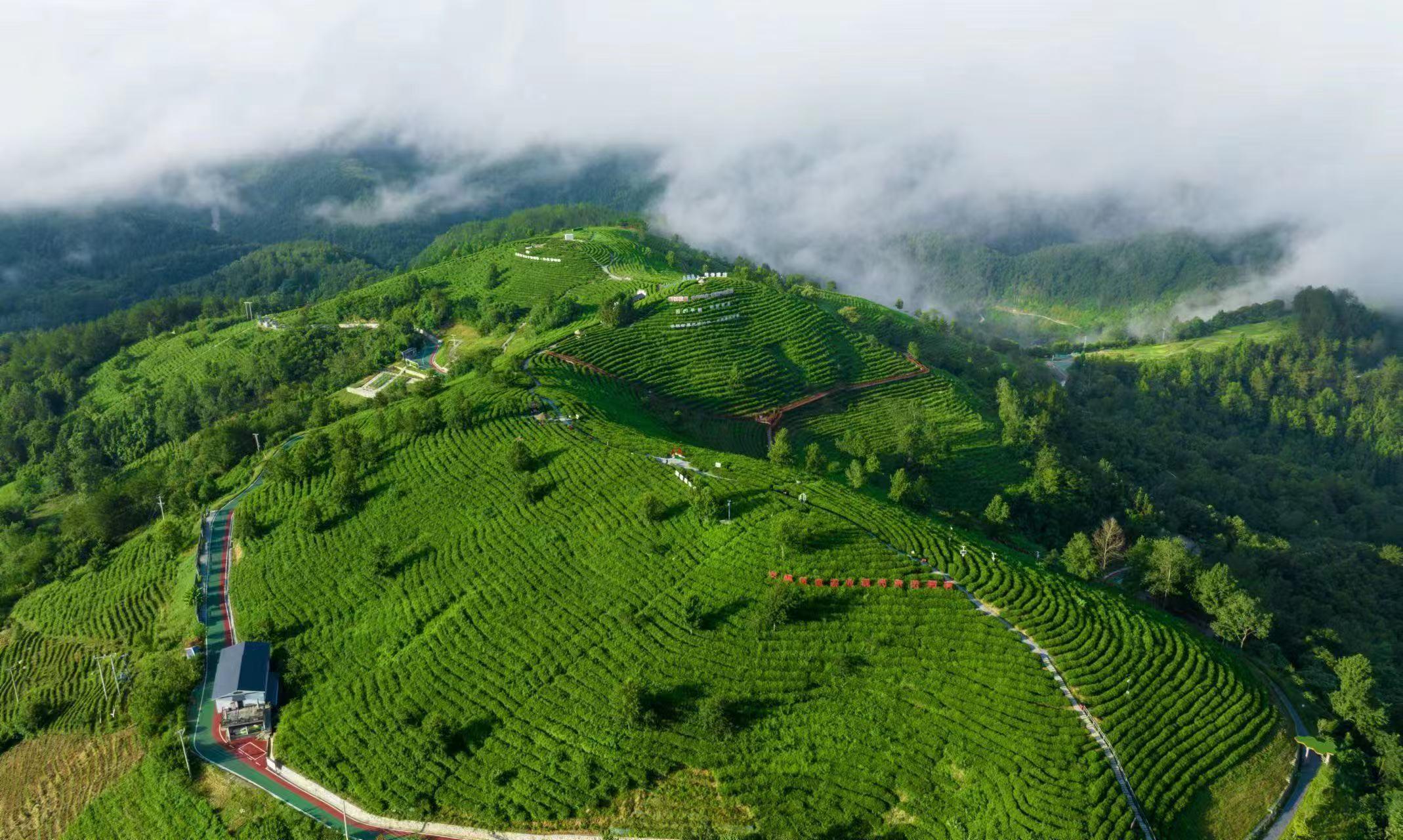
青山绿水间|茶海里的“金账本”
Yang Shi Xin Wen Ke Hu Duan· 2025-08-11 02:43
Group 1 - The core viewpoint of the article highlights the transformation of Jiangjiaping Village through tea cultivation, leading to improved livelihoods and tourism development [3][5][7] - The village has implemented efficient tea planting and renovation of old tea gardens, resulting in better ecological conditions and increased income for residents, with an average annual income exceeding 20,000 yuan in 2024 [5] - The integration of tea culture and tourism has attracted more visitors, contributing to the local economy and showcasing the village's journey out of poverty [7] Group 2 - The article emphasizes the importance of natural resources as both ecological and economic wealth, as stated by General Secretary Xi Jinping during his visit to the village [3] - The scenic beauty of the Phoenix Tea Mountain and the thriving tea industry have become significant draws for tourism, enhancing the village's reputation [7]
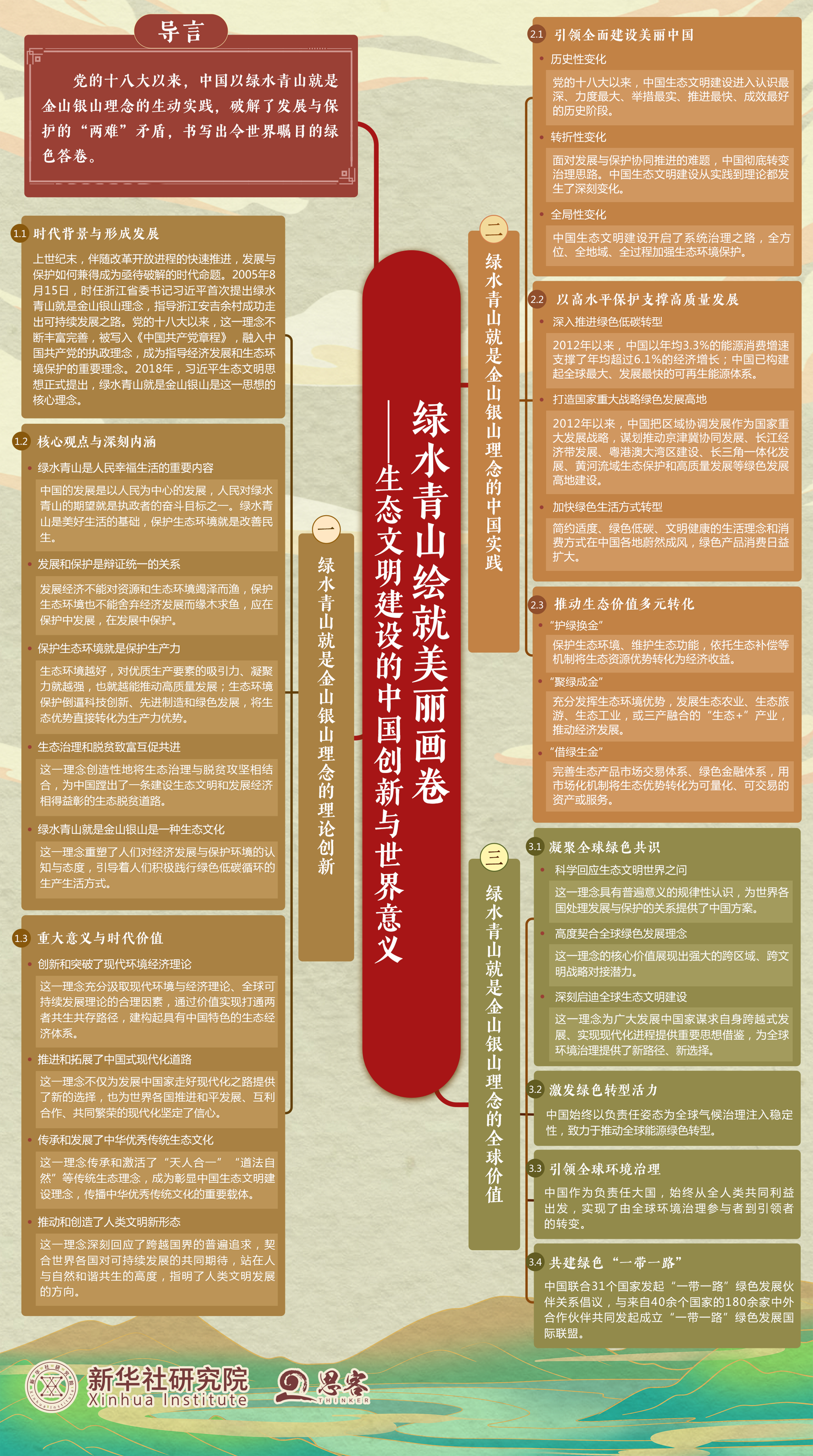
思维导图来了!一图了解《绿水青山绘就美丽画卷——生态文明建设的中国创新与世界意义》智库报告
Xin Hua She· 2025-08-11 02:28
导言 党的十八大以来, 金山银山理念的生动实践 护的"两难"矛盾,书写 色答卷。 1.1 时代背景与形成发展 上世纪末,伴随改革开放进程的快递 保护如何兼得成为亟待破解的时代命 月15日,时任浙江省委书记习近平 青山就是金山银山理念,指导浙江安 出可持续发展之路。党的十八大以来 断丰富完善,被写入《中国共产党章 国共产党的执政理念,成为指导经济 境保护的重要理念。2018年,习近 想正式提出,绿水青山就是金山银山 核心理念。 核心观点与深刻内涵 绿水青山是人民幸福生活的重要内容 o 中国的发展是以人民为中心的发展 青山的期望就是执政者的奋斗目标 山是美好生活的基础,保护生态环 生。 发展和保护是辩证统一的关系 发展经济不能对资源和生态环境竭 1.2 生态环境也不能舍弃经济发展而绿 保护中发展,在发展中保护。 保护生态环境就是保护生产力 生态环境越好,对优质生产要素的 力就越强,也就越能推动高质量发 保护倒逼科技创新、先进制造和绿 态优势直接转化为生产力优势。 生态治理和脱贫致富互促共进 这一理念创造性地将生态治理与脸 合,为中国膛出了一条建设生态文 相得益彰的生态脱贫道路。 绿水青山就是金山银山是一种生态文 ...
以“数”看“绿”!“两山”答卷二十年
Xin Hua She· 2025-08-11 01:56
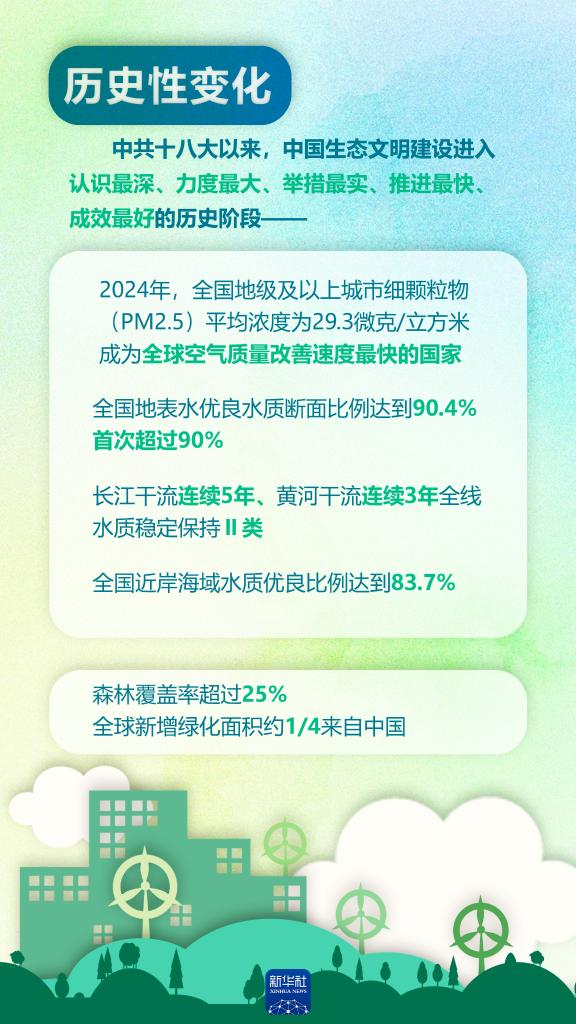
今年是"绿水青山就是金山银山"理念提出二十周年 党的十八大以来,这一理念成为生态文明建设的核心理念和行动指南 二十载光阴流转,源于浙江余村的思想星火,已燎原成神州大地的磅礴实践。 中共十八大以来,中国生态文明建设进入 认识最深、力度最大、举措最实、推进最快、 成效最好的历史阶段 -- 2024年,全国地级及以上城市细颗粒物 (PM2.5) 平均浓度为29.3微克/立方米 成为全球空气质量改善速度最快的国家 全国地表水优良水质断面比例达到90.4% 首次超过90% 长江干流连续5年、黄河干流连续3年全线 水质稳定保持Ⅱ类 全国近岸海域水质优良比例达到83.7% 森林覆盖率超过25% 全球新增绿化面积约1/4来自中国 转折性变化 面对发展与保护协同推进的难题,中国彻 底转变治理思路,从根本上解决生态环境问题 今天,一起以"数"看"绿",感受"两山"理念引领下的二十年山河蝶变 历史性变化 中国坚持绿色发展是发展观的深刻革命 2012年以来,碳排放强度累计下降超过35% 深入打好污染防治攻坚战,着力扭转生态环境 恶化趋势 和华市 绿水青山就是金山银山,核心就在于处理好发展与保护的关系,以高水平保护支撑高质量发展 深入 ...
故乡山水丨绿染华山碧水还
Yang Guang Wang· 2025-08-11 00:40
央广网北京8月11日消息(记者刘颖超)据中央广播电视总台中国之声《新闻和报纸摘要》报道, 今年是"绿水青山就是金山银山"理念提出20周年。中国之声特别策划《故乡山水》本期来到山东济南的 华山,推出《绿染华山碧水还》。 自2019年华山历史文化湿地公园开放以来,刘其广每天都会来湖边锻炼,风雨无阻。 刘其广:我天天坚持,一次也没落。 华山镇出产一种珍贵的花岗岩石材"济南青"。上世纪80年代,华山附近大大小小石料加工厂达到数 百家,刘其广的厂子是其中一家。 刘其广:当时我那还是个小厂,每个月都要出产1000多平方米板子。基本上当地人都干这个。 刘其广:这么好的景色,这么好的环境,现在我们都跟着受益了。 济南市园林规划设计研究院的园林总工段晓雁:实际上华山和鹊山这个地方自古就是一片水泽,我 们还是恢复它自然的山水格局,以及历史文脉的传承,同时对它的生态环境也是比较好的提升。 建设者通过深水区、浅水区和缓坡区的合理布置,种植多种水生植物,恢复湿地生态系统,还对因 过度开采留下的残破山体,进行重新塑形。 2019年5月1日,华山历史文化湿地公园正式开放,山水相映、云雾润蒸的"鹊华烟雨"景致再现。住 在附近的刘其广和朋友们 ...
以三大举措推动高水平保护与高质量发展协同共进
Zhong Guo Huan Jing Bao· 2025-08-11 00:21
Core Concept - The article emphasizes the importance of the "Green Mountains and Clear Water are Gold and Silver Mountains" concept, which has guided China's ecological and environmental protection efforts over the past 20 years, leading to significant improvements in environmental quality [1] Group 1: Building a National Action System for Ecological Protection - Every individual is a protector, builder, and beneficiary of the ecological environment, and it is crucial to transform high-level protection from policy rhetoric into a social consensus [2] - Deepening awareness through Xi Jinping's ecological civilization thought and utilizing traditional ecological culture can enhance public responsibility towards nature [2] - Innovative action platforms, such as ecological documentaries and community education, can integrate green practices into daily life [2] - Establishing mechanisms like volunteer points and corporate green credit evaluations can foster a collective responsibility for ecological protection [2] Group 2: Transforming Ecological Value into Economic Value - The transformation of green mountains into economic value relies on human effort and the right approach, recognizing the economic and social value of ecological services [3] - Developing unified ecological value accounting standards and an ecological asset balance sheet can make the economic value of ecological resources visible [3] - Implementing cross-regional ecological compensation mechanisms can ensure stable income for ecological guardians [3] - Establishing ecological damage compensation standards can hold ecological destroyers accountable, creating a system where protectors benefit, users pay, and destroyers are penalized [3] Group 3: Empowering Ecological Governance through Technology - Digital technologies are integrating into ecological civilization construction, enhancing traditional governance models to meet green and low-carbon development needs [4] - Utilizing AI, IoT, and cloud computing can create a comprehensive monitoring network for ecological governance [4] - Strengthening regional cooperation and transitioning from fragmented governance to systematic control can improve ecological governance efficiency [4] - Advancing digital, intelligent, and networked governance can facilitate proactive environmental management and scientific decision-making [4] Group 4: Future Directions for Ecological Civilization - The practice in China demonstrates that ecological protection is not a constraint but a driving force for high-quality development [5] - The next two decades should focus on deepening the ecological civilization concept, refining the value transformation mechanism, and enhancing technological empowerment [5]
总书记的人民情怀|“中国式现代化是人与自然和谐共生的现代化”
Ren Min Ri Bao· 2025-08-11 00:17
原标题:"中国式现代化是人与自然和谐共生的现代化"(总书记的人民情怀) 山河万里,映照初心。 "要一体推进治山治水治气治城,全面加强防沙治沙和流域水土流失治理"。今年7月,习近平总书记在 山西考察时殷殷嘱托。 "要持之以恒加强重点流域生态保护治理,深化污染防治攻坚,筑牢生态安全屏障。"今年5月,习近平 总书记在河南考察时明确要求。 为全局计,为长远谋。 从东北地区到青藏高原,从黄土高坡到东南沿海,一次次考察调研,一场场重要会议,习近平总书记心 系人民福祉、瞩望民族未来,推动人与自然和谐共生的中国式现代化行稳致远。 "我国建设社会主义现代化具有许多重要特征,其中之一就是我国现代化是人与自然和谐共生的现代 化,注重同步推进物质文明建设和生态文明建设。" 党的二十届三中全会《决定》提出:"中国式现代化是人与自然和谐共生的现代化。必须完善生态文明 制度体系,协同推进降碳、减污、扩绿、增长,积极应对气候变化,加快完善落实绿水青山就是金山银 山理念的体制机制。" ………… 这是阔步中国式现代化新征程的应有之义,也是全面推进强国建设、民族复兴伟业的战略抉择。 一部人类文明的发展史,就是一部人与自然的关系史。 习近平总书记对 ...

5年来黄河流域水土流失面积减少1.84万平方千米 改造黄土地 披绿又生金
Ren Min Ri Bao· 2025-08-10 22:50
Core Viewpoint - The news highlights the significant progress in soil and water conservation in the Yellow River Basin, emphasizing the transformation from barren land to green areas, which has led to ecological restoration and economic benefits for local communities [1][3][6]. Group 1: Soil and Water Conservation Achievements - As of the end of 2024, the vegetation area in the Yellow River Basin reached 541,300 square kilometers, with a soil and water conservation rate of 69.07% [1]. - Over the past five years, the area of soil erosion in the Yellow River Basin has decreased by 18,400 square kilometers [1]. - The soil and water conservation rate in Tianshui City increased from 75.80% at the end of 2020 to 78.01% by the end of 2024 [3]. Group 2: Economic Development through Ecological Restoration - In 2024, the sales of Huaniu apples in the Maiji District reached 640,000 tons, generating a revenue of 2.56 billion yuan [2]. - The village of Gaoxigou in Yulin City received over 100,000 tourists in 2024, showcasing the success of integrating agriculture with tourism [5]. - The average disposable income of villagers in Gaoxigou exceeded 25,000 yuan in 2024, reflecting the economic benefits of ecological improvements [5]. Group 3: Innovative Agricultural Practices - The introduction of smart agricultural technologies in the Huaniu apple base has led to a 90% rate of high-quality fruit production [2]. - In Yonghe County, the area of land treated for soil erosion reached 987.4 square kilometers, with the soil conservation rate increasing from 44.7% in 2020 to 48.3% in 2024 [9][10]. - The implementation of reverse slope terracing and mechanization in farming has resulted in an increase in average crop yield by over 300 jin per mu, with income rising by more than 500 yuan [10]. Group 4: Long-term Strategies and Research - The Suide Soil and Water Conservation Scientific Experiment Station has conducted over 600 specialized research projects, achieving more than 150 scientific results related to soil erosion and conservation [7]. - Shanxi Province has constructed 270 new sedimentation dams and treated over 700,000 mu of sloped farmland since the 14th Five-Year Plan, with a soil conservation rate reaching 65.5% [10]. - Future plans include enhancing soil conservation mechanisms and improving regulatory efficiency to further strengthen soil and water conservation efforts [10].