绿色低碳转型

Search documents
农行陕西省分行授信150亿助力千亿级煤化工项目绿色转型
Zhong Guo Jin Rong Xin Xi Wang· 2025-12-30 08:35
Group 1 - The core project of Shaanxi Coal Group's Yulin Chemical is the construction of a 15 million tons/year coal quality clean and efficient conversion demonstration project, which is part of the first batch of four trillion-level chemical projects in Shaanxi Province for 2024 [1] - Agricultural Bank of China (ABC) Shaanxi Branch provided a significant financial support of 15 billion yuan, marking the largest financial backing since its establishment [1] - The project aims to utilize coal quality conversion technology to produce high-value-added materials and biodegradable products through coal-to-olefins and coal-to-aromatics pathways, thereby extending the industrial chain [1] Group 2 - Upon completion, the Yulin Chemical Phase II project is expected to form a trillion-level industrial cluster, providing crucial support for the construction of a trillion-level modern energy industrial cluster in Shaanxi [2] - The project will lead the upgrade direction of the coal chemical industry and explore the coupling development of "coal chemical + new energy," contributing to the high-end, diversified, and low-carbon development of the industry [2] - Since 2023, ABC Shaanxi has approved over 10 green energy chemical projects, with a total approval amount reaching 50 billion yuan, providing solid financial support for the construction of the Yulin National Energy Revolution Innovation Demonstration Zone [2]

《电力中长期市场基本规则》解读之二︱新型电力系统下的电力中长期市场重构“组合拳”
国家能源局· 2025-12-30 07:54
近日 ,国家发展改革委、国家能源局印发《电力中长期市场基本规则》,废止《电力中长期交易基本规则》(发改能源规 〔 2020 〕 889 号) 和 《电力中长期交易基本规则 —— 绿色电力交易专章》(发改能源〔 2 024 〕 1123 号)。《电 力中长期交易基本规则》是我国电力市场化改革的关键里程碑。在其推动下,市场规模实现跨越式增长,市场体系得以初 步构建,规则框架基本统一,有效提升了交易规范性与透明度,为全国统一电力市场 建设奠定了坚实基础。随着 双碳 目 标的深入推进 和 电力体制改革的不断深化 , 以高 比例新能源为主体的新型电力系统加速构建, 电力市场 基础 规则体系 建设迎来了新要求、新挑战。 在此背景下,《电力中长期市场基本规则》审时而生。 此次修订 并非一次常规的条款修补,而是立足 新型电力系统建设 全局的 " 系统性重构 " ,是涵盖主体范围、市场协同、交易机制、绿电消纳等各方面系统性提升的 " 组合拳 " ,标志着 我国电力市场化改革迈入适应能源结构转型的新阶段。面对市场运行与发展的挑战,《电力中长期市场基本规则》主要进 行了以下四个维度的优化提升。 一、契合新型电力系统:明确新型经营主 ...

渤海化学安全有机液储放氢示范项目投用,氢能储运工程化迈出关键一步
Quan Jing Wang· 2025-12-30 03:16
Core Viewpoint - The successful launch of the safe organic liquid hydrogen storage and release demonstration project by Tianjin Bohai Chemical Co., Ltd. marks a significant breakthrough in the engineering and demonstration application of domestic hydrogen storage technology, aligning with the company's "14th Five-Year" strategic plan to promote high-quality and efficient utilization of hydrogen resources [1][3]. Group 1: Project Implementation and Technology - The demonstration project, implemented in collaboration with Zhongqiangyuan An (Beijing) Technology Co., Ltd., focuses on the research and development of key technologies for safe organic liquid hydrogen storage and release [2]. - The project has achieved breakthroughs in catalyst systems, process optimization, and system integration, resulting in a complete and engineered solution for hydrogen storage and release equipment [2][3]. Group 2: Strategic Importance and Industry Impact - The project reduces reliance on overseas technology paths and provides a more feasible solution for the promotion of hydrogen energy in industrial applications by enhancing safety and adaptability [3]. - The project is part of the company's strategic focus on hydrogen energy and related new energy technologies, which are seen as crucial for optimizing business structure and facilitating green transformation during the "14th Five-Year" period [3][4]. Group 3: Future Development and Market Viability - The company plans to gradually establish a closed-loop system encompassing hydrogen storage, transportation, and end-use based on the self-developed hydrogen storage and release equipment [4]. - The demonstration project serves as a practical reference for technology selection and industry decision-making as the hydrogen energy sector transitions from policy-driven to market-oriented and engineering-focused [4].

山东机制电价探索:如何平衡绿色转型与工业经济
Zhong Guo Dian Li Bao· 2025-12-30 00:19
Core Insights - The implementation of the market-oriented pricing mechanism for renewable energy in Shandong Province marks a significant shift towards market-driven cost transmission in the renewable energy sector [1][3][10] - The new pricing mechanism aims to balance the reasonable returns for renewable energy companies while considering the impact of price fluctuations on consumer electricity costs [1][3] Group 1: Market Mechanism and Pricing - The new pricing mechanism allows for the full integration of wind and solar power into the electricity market, with prices determined through market competition [1][3] - The average price for the new energy mechanism in Shandong is reported to be 5.6 cents per kilowatt-hour, the highest in the country [1] - The mechanism shifts the costs associated with the volatility of renewable energy to consumers, impacting their electricity costs directly [3][5] Group 2: Economic Impact and Industry Transformation - The implementation of the mechanism is expected to create structural cost pressures in the short term, particularly affecting high-energy-consuming industries such as non-ferrous metals, building materials, petrochemicals, and steel [5][6] - The pricing mechanism is anticipated to drive investment in energy-saving technologies and encourage industries to move towards higher value-added sectors [6][9] - The long-term effects of the pricing mechanism may lead to a decrease in energy consumption per unit of GDP, promoting a more efficient economic model [6][11] Group 3: Challenges and Future Considerations - The transition to a market-based pricing mechanism raises concerns about potential systemic risks in the electricity market due to price signal distortions [10] - Balancing the dual goals of achieving carbon neutrality and maintaining industrial competitiveness will be crucial in future energy planning [9][11] - The experience in Shandong could serve as a reference for broader national reforms in energy marketization and system transformation [11]
明年起我国调整部分商品关税,将带来哪些影响?一文解读
Yang Shi Xin Wen· 2025-12-29 22:15
Core Viewpoint - The State Council Tariff Commission has announced the 2026 tariff adjustment plan, effective from January 1, 2026, which will modify the import tariff rates and categories for certain goods, impacting various industries. Group 1: Impact on Industries - The adjustment of tariffs on bio-aviation kerosene indicates a significant potential for the petrochemical industry's green and low-carbon transformation, with production increasing fourfold from January to October 2025 compared to 2024 [1]. - The inclusion of tariffs for intelligent bionic robots and cleaning robots will assist industries and companies in accurately grasping trade data and assessing overseas market trends [1]. - Targeted adjustments to tariffs on urgently needed equipment and intermediate products, including important recyclable raw materials, will help reduce costs and support the development of relevant national industries [1].
Everllence中国总经理:拓展在华合作生态
Xin Jing Bao· 2025-12-29 11:40
Core Viewpoint - The company aims to become an indispensable technology partner in China's low-carbon development journey, focusing on green transformation in the shipping industry and supporting the country's "dual carbon" goals through a comprehensive zero-carbon technology matrix [1]. Group 1: Strategic Initiatives - The company plans to deepen cooperation with local partners in China, expand production capacity, and enhance the technology supply system for green low-carbon transformation [1][2]. - The company will provide diverse and forward-looking power solutions for China's shipping industry, facilitating a smooth transition from traditional to intelligent and green power [1][2]. - The company aims to leverage its expertise in carbon capture, utilization, and storage (CCUS) and efficient heat pump technologies to enhance resource utilization efficiency and stimulate new vitality in traditional industries [2]. Group 2: Local Operations and Collaborations - The company will accelerate the localization of its production base in Changzhou to improve responsiveness to local market demands [2]. - The company intends to collaborate deeply with long-term partners such as China Shipbuilding Power, China Merchants Group, COSCO Shipping, and Shuangliang in key areas like green ship power and clean energy applications [2]. Group 3: Future Goals for 2026 - By 2026, the company aims to deepen strategic cooperation with Chinese shipyards, engine manufacturers, shipowners, and energy companies to promote the large-scale manufacturing of two-stroke and four-stroke green engines [2]. - The company expects a significant increase in order volume in the green ship power sector, solidifying the foundation for business growth in China [2]. - The company will continue to invest in R&D, utilizing its digital platform for real-time monitoring and intelligent optimization of ship efficiency and carbon emissions [3].
2024年长三角区域发展指数稳步提升 区域高质量发展行稳致远 - 国家统计局
Guo Jia Tong Ji Ju· 2025-12-29 09:36
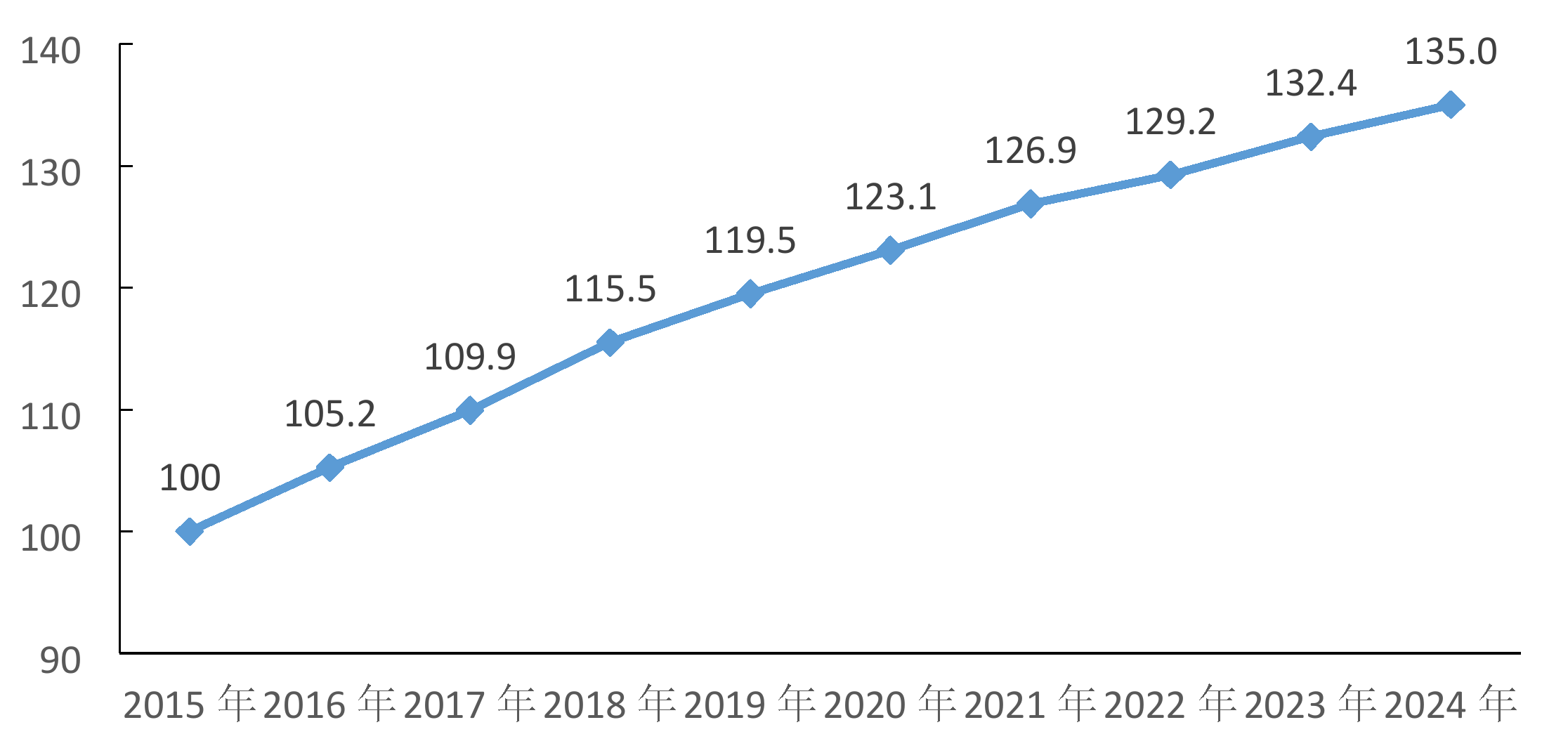
Core Insights - The Yangtze River Delta (YRD) region is solidifying its role as a strong growth engine and a model for high-quality development, with significant advancements in technological and industrial innovation, high-level openness, ecological protection, and improved public welfare in 2024 [1] Economic Development - The YRD's demonstration index for high-quality economic development reached 129.8 in 2024, a 2.4 increase from 2023, and an average annual increase of 2.3 since 2018 [2] - The region's GDP reached 33.17 trillion yuan, 1.5 times that of 2018, accounting for 24.7% of the national total, a slight increase of 0.1 percentage points from 2023 [2] - The digital economy is thriving, with the value added by the information transmission, software, and IT services sector reaching 1.88 trillion yuan, 2.3 times that of 2018, and nearly 30% of the national total [2] Innovation and R&D - The innovation co-construction index rose to 160.6 in 2024, an increase of 8.2 from 2023, with an average annual growth of 6.4 since 2018 [3] - R&D investment in the region reached 1.12 trillion yuan, a 10.5% increase from 2023, representing 30.9% of the national total [3] - The region saw nearly 300,000 new invention patents, with a per capita rate exceeding 12 patents per 10,000 people, 1.6 times that of 2018 [3] Infrastructure and Connectivity - The coordination index for the YRD remained stable at 131.0 in 2024, with an average annual increase of 4.4 since 2018 [4] - The region's railway network expanded to over 15,000 kilometers, a 43.6% increase since 2018, with high-speed rail accounting for over half of the total [4] - The income disparity among residents across provinces narrowed from 2.68:1 in 2018 to 2.40:1 in 2024 [4] Environmental Protection - The green co-protection index reached 163.8 in 2024, a 6.3 increase from 2023, with an average annual growth of 5.6 since 2018 [5] - The air quality improved, with an average of 84.5% of days classified as good air quality across 41 cities, a 0.8 percentage point increase from 2023 [5] - The proportion of good quality surface water reached 94.3%, an increase of 0.9 percentage points year-on-year, marking a historical high [6] Trade and Economic Openness - The openness index for the YRD was 106.6 in 2024, reflecting a resilient outward-oriented economy [7] - The region's total import and export volume exceeded 16 trillion yuan, accounting for 36.5% of the national total, with exports nearing 10 trillion yuan, representing 39.1% of the national total [7] - The seventh China International Import Expo attracted 3,496 exhibitors from 129 countries, with intended transactions exceeding 80 billion USD, of which the YRD accounted for 34% [7] Public Welfare and Services - The public welfare index increased to 130.4 in 2024, a 0.9 increase from 2023, with an average annual rise of 3.1 since 2018 [8] - The average disposable income per capita reached 57,137 yuan, a nominal increase of 5.2% year-on-year [8] - The number of hospital beds in the region increased to 1.6525 million, a rise of 361,800 since 2018, with nearly 7 beds per 1,000 people [8]
合理设定目标、找到最佳路径 提升发展新质生产力实践本领与能力
Yang Shi Wang· 2025-12-29 07:23
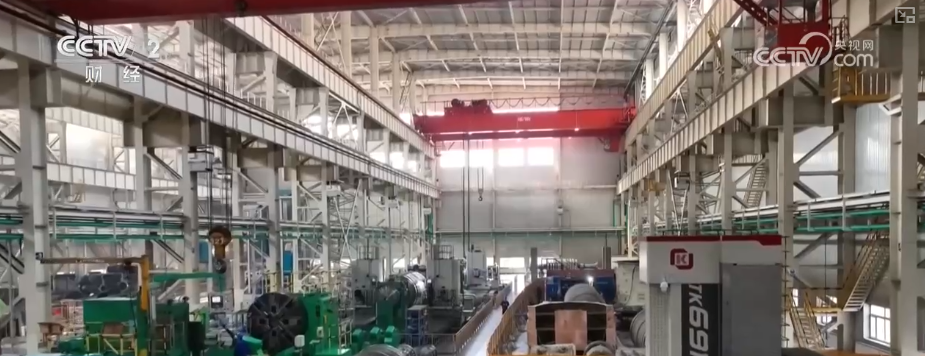
Group 1 - The core viewpoint emphasizes the need for tailored development of new productive forces, adhering to practical realities and specific analyses [1][4] - The National Development and Reform Commission (NDRC) advocates for a unified national strategy to optimize major productivity layouts and prevent redundant construction and "involution" competition [4] - Local advantages should be leveraged, encouraging regions to identify their roles in the national development framework and set reasonable goals based on their resources and industrial foundations [7] Group 2 - A modern infrastructure system is to be constructed, focusing on new infrastructure, comprehensive transportation systems, new energy infrastructure, and modern water networks [12] - There is a push for breakthroughs in key core technologies across various sectors, including integrated circuits, industrial mother machines, high-end instruments, basic software, advanced materials, and biomanufacturing [14] - Policies will be implemented to promote green finance and consumption, facilitating the green and low-carbon transformation in key areas such as industry, urban construction, transportation, and energy [17] Group 3 - The establishment of an open, shared, and secure national integrated data market and technology market is prioritized, alongside the development of technology finance to enhance capital market functions [19]
生态环境部、国家发改委等七部门联合印发重要行动方案
中国能源报· 2025-12-29 06:27
Core Viewpoint - The "Beijing-Tianjin-Hebei Beautiful China Pilot Zone Construction Action Plan" aims to enhance ecological environment quality, promote green low-carbon transformation, and establish a collaborative governance model in the region by 2027 [4][5]. Group 1: Overall Requirements - The plan emphasizes the need for significant improvements in ecological environment quality, targeting an average PM2.5 concentration of 33 micrograms per cubic meter by 2027, with a 3.2 percentage point increase in the proportion of good water bodies compared to 2024 [6]. - By 2030, the region aims to achieve a comprehensive improvement in ecological environment quality and establish a modern ecological governance system [6]. Group 2: Green Low-Carbon Transformation - The plan includes a focus on accelerating the green low-carbon transformation of industrial structures, promoting industries such as hydrogen energy, biomedicine, and new energy vehicles [7]. - It sets a target for coal consumption in the region to continue declining, with renewable energy consumption in Beijing expected to increase by approximately 10 percentage points compared to 2020 by 2027 [7]. Group 3: Environmental Quality Improvement - The action plan outlines measures to combat air pollution, including the implementation of a differentiated production control during heavy pollution days and the promotion of ultra-low emissions in key industries [9]. - It aims to enhance water quality through various initiatives, including the management of pollution from combined sewer overflows and the protection of water sources [10]. Group 4: Ecological Protection and Restoration - The plan emphasizes the construction of ecological safety barriers and the enhancement of ecosystem quality, with a focus on protecting forests, grasslands, wetlands, and marine environments [11]. - By 2027, the region aims to stabilize the ecological quality index (EQI) and establish biodiversity experience sites and educational bases [11]. Group 5: Technological Innovation - The plan highlights the importance of technological innovation in environmental governance, including the development of an integrated monitoring network and the application of modern technologies in ecological protection [15]. - It encourages the development of green financial products to support the transition to a low-carbon economy [15].

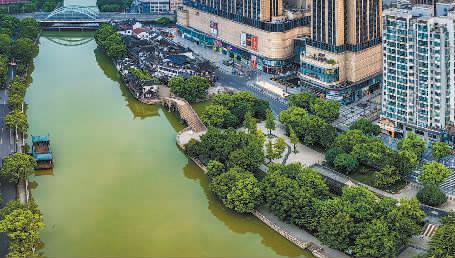
钟楼:生态文明建设展现新图景
Zhong Guo Huan Jing Bao· 2025-12-29 02:38
Core Viewpoint - Jiangsu Province's Changzhou City is actively promoting a green and low-carbon transformation in the Zhonglou District, achieving significant progress in pollution prevention and control, leading to improved environmental quality and biodiversity [2] Environmental Quality Improvement - As of the end of November, the PM2.5 concentration in Zhonglou District was 29.2 micrograms per cubic meter, a year-on-year decrease of 6.1%, marking the best level for the same period since monitoring began [2] - The observation of the national second-level protected wild animal, the fish eagle, at the He Garden bird observation station indicates increased biodiversity [2] Green and Low-Carbon Transformation - The district has made strides in the comprehensive governance of "hazardous, polluting, disordered, and low" enterprises, completing the remediation of 400 companies in the year, including the closure of 50 and the upgrading of 350 [2] - A total of 1,868.56 acres of low-efficiency land have been reclaimed and revitalized [2] - The Xinggang International Intelligent Manufacturing Park in Zhonglou Economic Development Zone has been selected as a near-zero carbon pilot park for 2025 [2] - The Wuxing Experimental Primary School has received the Green Flag honor from the 12th batch of International Eco-Schools [2] Environmental Governance Capacity - The district completed eight ecological environment infrastructure projects, including the first phase of the comprehensive renovation of urban sewage collection and treatment in Zouqu Town, and the urban sewage pipeline project [2] - A total of 10 kilometers of new urban sewage pipelines were constructed, achieving a centralized treatment rate of over 90% for urban domestic sewage [2] - The district hosted an emergency drill for sudden environmental incidents, enhancing the emergency response capabilities of logistics parks and coordination among multiple departments [2]