全国统一大市场

Search documents
刘元春:2026年内需有望筑底回稳
21世纪经济报道· 2025-12-30 09:24
中央经济工作会议指出,2026年要更好统筹国内经济工作和国际经贸斗争,实施更加积极有为 的宏观政策,持续扩大内需、优化供给,因地制宜发展新质生产力,纵深推进全国统一大市场 建设,持续防范化解重点领域风险,着力稳就业、稳企业、稳市场、稳预期,推动经济实现质 的有效提升和量的合理增长。 如何看待2025年经济表现?2026年应追求怎样的经济增速?如何展望2026年经济形势?如何 更好地提振消费?如何继续实施更加积极有为的宏观政策?要重点推进哪些结构性改革?带着 这些问题,21世纪经济报道记者专访了上海财经大学校长刘元春。 刘元春表示,2026年将沿着两条主线展开: 一是短期扩内需和控风险 ,对冲各种周期下行力 量,促进投资周期、债务周期以及房地产周期筑底反弹; 二是持续推进创新驱动增长模式的 构建 ,久久为功持续聚焦现代化产业体系、科技自立自强等系统布局,推动我国基础研发、 产业升级、科创金融等形成穿越周期的力量,并进一步形成微观主体的盈利能力,助力产业结 构转型升级,为解决短期周期问题提供中长期发展的解决方案。 记者丨周潇枭 编辑丨李博 2025年前三季度我国经济同比增长5.2%,尽管四季度经济面临下行压力,但 ...

专访刘元春:2026年继续强化创新驱动布局,内需有望筑底回稳
2 1 Shi Ji Jing Ji Bao Dao· 2025-12-30 07:07
21世纪经济报道记者周潇枭北京报道2025年前三季度我国经济同比增长5.2%,尽管四季度经济面临下 行压力,但是全年有望实现5%左右的增长目标。 具体来看,尽管面临国际经贸斗争,2025年1-11月份我国货物出口同比增长6.2%,实现较高增长,出口 表现韧性十足。1-11月份社会消费品零售总额同比增长4%,服务零售额同比增长5.4%,消费仍在持续 恢复,尤其是升级类服务消费增长较快。1-11月份,固定资产投资同比下降2.6%,高技术产业投资维持 较高增长。 中央经济工作会议指出,2026年要更好统筹国内经济工作和国际经贸斗争,实施更加积极有为的宏观政 策,持续扩大内需、优化供给,因地制宜发展新质生产力,纵深推进全国统一大市场建设,持续防范化 解重点领域风险,着力稳就业、稳企业、稳市场、稳预期,推动经济实现质的有效提升和量的合理增 长。 《21世纪》:2025年前三季度经济增长5.2%,预计四季度经济增速如何?如何看待2025年经济表现? 刘元春:按照大家的核算,从需求端来看,四季度经济增速预计在4.5%左右;供给端表现会好一些, 像四季度工业增加值增速预计在4.8%左右,因此最终核算下来,四季度GDP增速预计 ...
市委经济工作会议召开 挑大梁走在前推动高质量发展 确保“十五五”开好局起好步
Zheng Zhou Ri Bao· 2025-12-30 02:57
Core Viewpoint - The meeting emphasized the importance of implementing the economic work plan for 2025, focusing on high-quality economic development and ensuring a strong start for the "14th Five-Year Plan" [1][2]. Group 1: Economic Performance and Goals - The city has made progress in economic operations, integrating into the national unified market, enhancing innovation, and upgrading industries [1]. - The overall requirement for next year's economic work is to adhere to Xi Jinping's thoughts, implement the spirit of the 20th National Congress, and focus on high-quality development while ensuring safety [2]. - The city aims to achieve effective qualitative improvements and reasonable quantitative growth in the economy, ensuring a good start for the "14th Five-Year Plan" [2]. Group 2: Key Tasks for Economic Development - Eleven key tasks were identified, including enhancing the integration into the national market, expanding effective investment, and promoting innovation-driven development [3]. - The focus will be on traditional industries' digital transformation, developing emerging industries, and fostering a modern service industry [3]. - The city plans to optimize urban development, enhance the functions of central cities, and promote cultural tourism integration [3]. Group 3: Leadership and Governance - The meeting highlighted the need for strong leadership in economic work, improving capabilities, and fostering a conducive environment for development [4]. - Emphasis was placed on aligning actions with the city's decisions to ensure a solid foundation for the "14th Five-Year Plan" [4]. - The importance of enhancing the business environment and promoting effective investment was reiterated [5].
陕西将强化统筹落实经济工作重点任务
Zhong Guo Jing Ji Wang· 2025-12-30 02:34
2026年陕西经济工作头绪多,会议指出要纲举目张,抓好重点任务落实。一是统筹推进扩投资和促消 费,用足用好"两重""两新"政策,滚动推进项目谋划储备、组织实施、投产达效,着力激发民间投资活 力,精心开展提振消费专项行动和服务消费提质惠民行动,扩大优质商品和服务供给,更好挖掘内需拉 动经济增长的潜能。二是统筹推进科技创新产业(300832)创新和金融服务,以西安区域科技创新中心 建设和教育科技人才一体发展强化高质量科技供给,以"三项改革"和科技金融改革协同促进科技创新和 产业创新深度融合,以"秦创原"产业创新聚集区建设和链长制推动产业体系优化升级,更好培育发展新 质生产力。三是统筹推进深层次改革和高水平开放,落实全国统一大市场建设"五统一、一开放"要求, 深化开发区管理制度、国资国企、要素市场化配置等关键性改革,优化外事外贸外资外经外宣联动机 制,提升自由贸易试验区制度型开放水平,加强横向经济技术协作,推动构建中欧班列经济圈,更好释 放发展的动力活力。此外,还要统筹推进城乡融合和区域联动,统筹推进降碳减污扩绿增长,统筹推进 民生保障和社会建设,统筹推进问题整改和风险出清,推动各项部署安排落地见效。 2026年是 ...
在奋力谱写中原大地推进中国式 现代化新篇章中挑大梁、走在前
Zheng Zhou Ri Bao· 2025-12-30 01:01
Group 1: Economic Performance - The city's economy has shown stable and orderly operation, maintaining a good development trend with an industrial added value growth of 8.8% from January to November, with 70% of 38 major industry categories experiencing growth [1] - Fixed asset investment has increased by 4%, ranking third among national central cities [1] - The total number of market entities in the city has reached 2.226 million [1] Group 2: Innovation and Technology - The establishment of the Central Plains Science and Technology City Innovation Alliance and the Harbin Institute of Technology Zhengzhou Higher Research Institute has been announced, with over 15,000 technology-based enterprises and 274,000 young talents retained [1] - The intensity of R&D investment in society is expected to reach 3% [1] Group 3: Manufacturing and Industry - By the end of November, the city's total vehicle production reached 956,300 units, a year-on-year increase of 16.52%, with 508,000 units being new energy vehicles [1] - The digital economy scale is expected to exceed 800 billion yuan for the year [1] Group 4: Logistics and Trade - Zhengzhou Airport's cargo and mail throughput exceeded 1 million tons, making it a member of the global "million-ton club" for air cargo [1] - The China-Europe Railway Express has operated over 3,000 trains, a year-on-year increase of 50%, and cross-border e-commerce transactions reached 160 billion yuan, ranking among the top in the country [1] Group 5: Governance and Social Welfare - The governance system led by party building has been continuously improved, enhancing social welfare and maintaining social stability [1]
全力以赴确保实现“十五五”良好开局
Zheng Zhou Ri Bao· 2025-12-30 00:48
社论 奋斗创造历史,实干成就未来。市委经济工作会议深入学习贯彻习近平总书记在河南考察时重要讲 话精神,贯彻落实中央经济工作会议、省委经济工作会议精神,总结今年全市经济工作,分析当前经济 形势,聚焦"1+7+7+7"工作部署,安排明年工作任务,必将动员全市上下坚定信心、奋勇争先,全力以 赴扛起"挑大梁、走在前"重任,扎实推动经济高质量发展,确保"十五五"开好局、起好步。 今年是很不平凡的一年,市委、市政府团结带领全市人民,深入学习贯彻习近平总书记在河南考察 时重要讲话精神和关于河南及郑州工作的重要论述,全面深化"三标"活动,逐季召开经济运行分析会 议、组织重大项目建设现场勘查活动,接续出台一系列推动经济向好的政策举措,推动全市经济运行逆 势上扬、平稳有序,保持了较好发展态势。 预计全年地区生产总值突破1.5万亿元。前11个月,全市规上工业增加值增长8.8%,居国家中心城 市第1位,固定资产投资增长4%,居国家中心城市第3位;工业投资同比增长26.2%,连续11个月保持 20%以上高速增长,成功入选国家要素市场化配置综合改革十大试点城市,是入选的唯一北方省会城 市;郑州机场货邮吞吐量超100万吨、成为全球航空货运 ...
挑大梁走在前推动高质量发展 确保“十五五”开好局起好步
Zheng Zhou Ri Bao· 2025-12-30 00:42
12月29日,市委经济工作会议召开,深入学习贯彻习近平总书记在河南考察时重要讲话精神和关于 河南及郑州工作的重要论述,全面落实中央经济工作会议、省委经济工作会议精神,总结2025年经济工 作,分析当前形势,聚焦"1+7+7+7"工作部署,安排明年重点任务,动员全市上下坚定信心、奋勇争 先,全力以赴扛起"挑大梁、走在前"重任,扎实推动经济高质量发展,确保"十五五"开好局、起好步。 省委常委、市委书记安伟出席会议并讲话。 市委副书记、市长庄建球主持会议并作总结讲话。 安伟指出,今年以来,市委、市政府团结带领全市人民,深入学习贯彻习近平总书记重要讲话重要 指示批示精神,全面深化"三标"活动,推动经济运行稳中有进、稳中有升,融入服务全国统一大市场建 设取得突破,创新动能持续增强,产业升级向新向好,开放活力充足,治理效能提升,保持了较好发展 态势。要肯定成绩、正视问题,统一思想、坚定信心、保持定力,切实增强做好经济工作的责任感、紧 迫感,在服务全国全省大局中展现郑州更大担当。 安伟强调,明年经济工作的总体要求是,以习近平新时代中国特色社会主义思想为指导,深入贯彻 党的二十大和二十届历次全会精神,全面落实中央、省委经济工 ...
高质量发展故事汇|纵深推进全国统一大市场建设
Bei Jing Ri Bao Ke Hu Duan· 2025-12-30 00:15
Core Viewpoint - The construction of a unified national market is a significant decision made by the central government, essential for building a new development pattern and addressing long-term national development strategies [5]. Group 1: Market Construction and Challenges - China, as the world's second-largest consumer market with over 1.4 billion people and more than 190 million business entities, has a substantial advantage in market resources that supports economic growth and innovation [5]. - The establishment of a unified national market has seen positive outcomes, including improved market infrastructure and smoother flow of goods and services, but challenges such as local protectionism and market segmentation remain [7][10]. - Recent measures have been implemented to eliminate market barriers, such as the reduction of the negative list for market access to 106 items, a nearly 30% decrease since 2018 [7]. Group 2: Competition and Quality - The phenomenon of "involution" in competition, characterized by low-price and low-quality practices, has been identified as detrimental to market mechanisms and innovation [8]. - The government has initiated actions to curb "involution" in various industries, including the solar and automotive sectors, emphasizing the importance of quality and standards in fostering healthy competition [8][9]. Group 3: Open Market Strategy - The construction of a unified national market is not a closed system but aims to promote reform and openness, facilitating both domestic and international economic cycles [9]. - The negative list for foreign investment has been reduced to 29 items, with all manufacturing sector restrictions eliminated, indicating a commitment to high-level openness [9]. Group 4: Case Studies - The cross-network electricity trading mechanism has been established, allowing for significant electricity transfers across regions, exemplifying the practical implementation of a unified market [12]. - The flower industry in Yunnan has transitioned from unregulated sales to standardized production, enhancing market access and pricing for quality products [13]. - The rapid introduction of new drugs, such as "Kexaira," into the Chinese market through Hainan's pilot policies demonstrates the effectiveness of streamlined regulatory processes and local production capabilities [15][16].
何言:枢纽与支点
He Nan Ri Bao· 2025-12-29 23:30
Group 1 - The core theme of the economic work in Henan for the year is the "big market," emphasizing the strategic importance of expanding domestic demand to stabilize China's economy [3][6][9] - Henan's economic indicators show significant growth, with industrial added value increasing by 8.4%, import and export value rising by 13.5%, and retail sales of consumer goods growing by 5.8% in the first 11 months of the year [2] - The establishment of a unified national market is seen as essential for achieving high-quality development and gaining a competitive edge in international markets [2][4] Group 2 - The construction of a modern market infrastructure system is crucial for enhancing Henan's market hub functions and facilitating the integration into the national unified market [49][52] - The logistics and transportation network in Henan is being developed to break regional barriers, with significant investments in high-speed rail and container ports to enhance connectivity [27][28] - The province aims to transform its transportation and logistics hubs into industrial and economic hubs, attracting major enterprises and fostering industry clusters [31][32] Group 3 - The retail and consumption landscape in Henan is vibrant, with a population of nearly 100 million and a middle-income group exceeding 22 million, indicating substantial market capacity and consumer potential [18][19] - The rise of e-commerce and retail giants in Zhengzhou reflects the region's attractiveness for business, driven by supply chain advantages and a growing consumer base [19][22] - The local government is actively promoting policies to enhance the business environment, streamline regulations, and support the growth of the private economy, which is crucial for the province's economic health [40][46][45]


纵深推进全国统一大市场建设(高质量发展故事汇·第14期)
Ren Min Wang· 2025-12-29 22:23
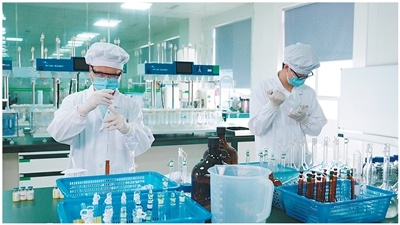
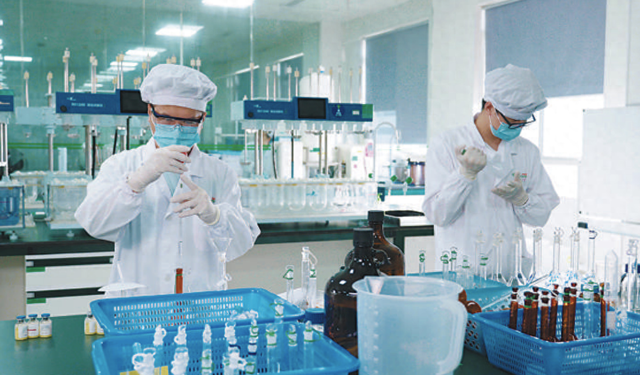
本期主讲人:习近平经济思想研究中心副主任 李玉举 视频报道请看人民日报客户端、"人民网+"客户端,英文报道请看环球时报英文版客户端 海南先声药业实验室,工作人员在做实验。 人民网记者 皇甫万里摄 云南昆明斗南花卉市场一角。 受访者供图 闽粤联网工程福建云霄换流站。 资料图片 建设全国统一大市场,是以习近平同志为核心的党中央作出的重大决策。这不仅是构建新发展格局的基 础支撑和内在要求,也是关乎国家发展全局和长远的战略之举。 当今世界,市场是最稀缺的资源。作为全球第二大消费市场,中国拥有14亿多人口、超1.9亿户经营主 体,这样超大规模且极具增长潜力的市场,是我国发展的巨大优势和应对变局的坚实依托,对资源集 聚、创新激励、产业升级、经济增长发挥着有力支撑作用。如何用好市场资源和优势?纵深推进全国统 一大市场建设,至关重要。 近年来,我们加强战略谋划和顶层设计,出台关于加快建设全国统一大市场的意见,围绕完善法律规范 或操作指引,制定系列配套措施,推动全国统一大市场建设取得积极成效——市场基础制度不断完善, 市场设施互联互通显著增强,商品服务和资源要素流动更加顺畅,统一大市场的规模效应和集聚效应不 断彰显。但是我们也 ...