稀土出口管制

Search documents
英媒抨击西方稀土战略:只会口头功夫,当中国真正扣动扳机时,本不该感到惊讶
Guan Cha Zhe Wang· 2025-07-08 08:13
Core Viewpoint - China's control over rare earth exports has become a significant leverage point against Western countries, particularly impacting the U.S. automotive industry and forcing policy adjustments in trade relations [1][4][5]. Group 1: China's Rare Earth Control - China's recent measures to control rare earth exports are described as more impactful than previous economic strategies, threatening major sectors like the automotive industry [2][4]. - The article highlights that Western countries have long recognized the importance of rare earth minerals but have failed to invest adequately in alternative sources, leading to their current vulnerability [1][5]. Group 2: Impact on U.S. and Western Industries - The U.S. government has been forced to reconsider its stance on tariffs due to the potential impact of rare earth shortages on its automotive sector, which is a critical part of its manufacturing base [4][6]. - Despite some efforts to diversify supply chains, such as investments in Australian mines, Western countries remain heavily reliant on Chinese rare earth supplies, with many manufacturers holding only a week's worth of inventory [5][6]. Group 3: Legal and Strategic Framework - China has established a legal framework for restricting strategic exports, which allows it to target the pain points of trade partners effectively [4][5]. - The Chinese government emphasizes that its export controls are in line with international practices and aim to protect national security while considering the reasonable needs of other countries [6].

中国又反击了,欧洲认清现实:无牌可打
Sou Hu Cai Jing· 2025-07-07 16:21
Group 1 - The article discusses the geopolitical dilemma faced by the EU as it navigates between the US and China, highlighting its attempts to establish trade agreements with the US while simultaneously managing its relationship with China [1][3][11] - The EU has imposed trade barriers against Chinese products, citing unfair competition, which has led to retaliatory measures from China, including anti-dumping investigations on EU products [1][6][17] - The EU's exports to China are declining while imports from China are increasing, prompting EU decision-makers to tighten restrictions on Chinese goods [6][11][18] Group 2 - The EU is exploring new trade partnerships with a group of 11 countries, excluding the US and China, indicating a shift in its trade strategy [5] - Despite the EU's criticisms of China regarding trade practices and geopolitical issues, the economic interdependence between the two regions limits the EU's ability to exert pressure on China [11][13] - The article notes that the EU's reliance on Chinese industrial materials remains significant, complicating its stance against China [10][18] Group 3 - The EU's recent measures to restrict Chinese participation in public procurement for medical devices are framed as necessary for fair competition, but have led to reciprocal actions from China [6][9] - The article highlights the EU's ongoing challenges in balancing its trade policies with both the US and China, as it faces pressure from both sides [8][10] - The EU's leadership is expected to continue pressing China for more stable supply channels for critical materials like rare earths during upcoming summits [15][18]
何立峰近期将访日,日本拟再提租熊猫
日经中文网· 2025-07-07 07:42
Core Viewpoint - The visit of Chinese Vice Premier He Lifeng to Japan during the Osaka Expo is aimed at strengthening Sino-Japanese relations, with discussions expected to include the request for the lease of giant pandas and issues related to rare earth export controls [1][2][3]. Group 1 - He Lifeng is scheduled to visit Japan on July 11 during the "National Day" of China at the Osaka Expo, where he will meet with members of the Japan-China Friendship Parliamentary Alliance [1][2]. - The Japan-China Friendship Parliamentary Alliance plans to reiterate the request for leasing giant pandas during the meeting, as Japan currently has only two pandas left at Ueno Zoo after four were returned to China [2][3]. - He Lifeng's visit coincides with Japan's upcoming House of Councillors election, which may influence the selection of meeting participants from the parliamentary alliance [3]. Group 2 - During his stay in Osaka, He Lifeng is also expected to hold discussions with business leaders from the Kansai region, particularly regarding China's recent tightening of rare earth export controls [3]. - The Osaka Expo is notable for its participation from 158 countries and regions, highlighting the international significance of the event [3].
火烧眉毛了,特朗普终于服软,24小时内,美国对华连退三步
Sou Hu Cai Jing· 2025-07-06 03:38
Group 1 - The core point of the article is the unexpected concessions made by the U.S. towards China on July 3, which included lifting restrictions on key components for the C919 aircraft, chip design software, and ethane exports [2][3][27] - The concessions were a response to China's strategic control over rare earth exports, which significantly impacted U.S. industries, particularly the automotive sector [9][12][21] - The U.S. automotive giants, such as General Motors and Ford, expressed urgent concerns over the potential halt in production due to rare earth material shortages, prompting the need for negotiations with China [12][27] Group 2 - Trump's rationale for the concessions was based on the claim that China had not adhered to the Geneva tariff agreement, although this was disputed as China had complied except for rare earth export controls [5][7] - The negotiations led to a mutual understanding where China agreed to relax controls on civilian rare earth exports in exchange for the U.S. lifting its non-tariff export restrictions [7][14] - The article highlights that while the U.S. made concessions, China also benefited as it had already made significant progress in self-research and development of technologies related to the lifted restrictions [17][19][29] Group 3 - The article emphasizes that the U.S. is facing challenges in establishing a new rare earth processing supply chain due to China's dominance in low-cost processing technology, which could take years to replicate [24][26] - The concessions made by the U.S. are seen as a strategic move to alleviate immediate pressures, including debt repayment and maintaining alliances, while the long-term benefits for China are expected to outweigh those for the U.S. [15][27][29] - The overall conclusion suggests that the mutual concessions may lead to a more favorable position for China in the technology sector, as it continues to advance its capabilities regardless of U.S. restrictions [19][29]
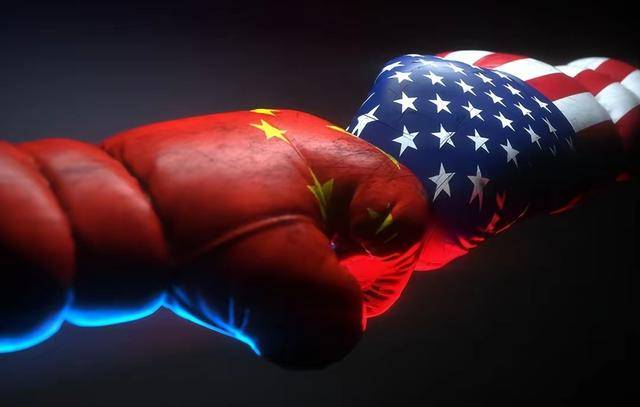
2国交锋升级,白兰地和钢铁全中招!欧盟诬陷援俄,中方果断还击
Sou Hu Cai Jing· 2025-07-06 01:29
Group 1 - The recent tensions in China-EU relations are primarily due to issues surrounding rare earths and trade policies, highlighting a discrepancy between the EU's proclaimed "strategic autonomy" and its actions [1][3] - China has imposed anti-dumping duties of 27.7% to 34.9% on imported brandy from the EU for five years, signaling a response to the EU's stance on tariffs and accusations regarding China's support for Russia [3][5] - The EU's previous statements about the impracticality of decoupling from China contrast sharply with its current criticisms of China's export controls, indicating a shift in strategy influenced by its relationship with the US [3][6] Group 2 - German Foreign Minister Annalena Baerbock criticized China's export controls on key materials, claiming they harm Sino-German trade relations and China's image as a reliable partner [5][6] - China's position emphasizes a commitment to peace and non-provision of lethal weapons, countering accusations of military support to Russia, which reflects a strategic concern about potential shifts in US focus post-conflict [6][7] - The EU's aggressive stance towards China may backfire, as evidenced by China's previous imposition of anti-dumping duties on EU steel products, suggesting that continued provocations could undermine the EU's strategic interests [7]
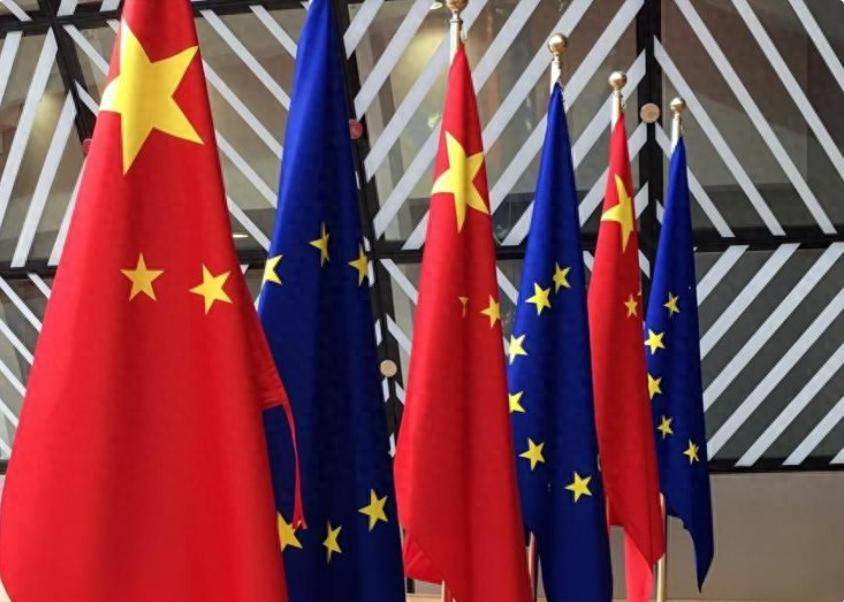
印太稀土联盟悄然成型?四国齐聚美国,中方做了个29年来的重大决定
Sou Hu Cai Jing· 2025-07-05 12:49
Core Viewpoint - The meeting between U.S. Secretary of State Rubio and foreign ministers from Australia, India, and Japan aims to strengthen cooperation in the Asia-Pacific region, particularly in the area of critical mineral supply chains [1][3]. Group 1: Strategic Cooperation - The four nations are initiating a "Quad Critical Minerals Action" to ensure the security and diversification of critical mineral supply chains, enhancing economic security and overall resilience [1]. - Rubio emphasized the importance of diversifying supply sources for key minerals, which are crucial for high-tech and various other industries [1][3]. Group 2: Concerns Over Supply Chain - The joint statement from the foreign ministers highlighted concerns over China's strengthened export controls on rare earths, which have raised serious worries about supply chain reliability [3]. - The four countries are wary of over-reliance on any single nation for resource supplies, which they believe could jeopardize national security [3]. Group 3: China's Position - China holds a dominant position in the global rare earth market, being a major producer and exporter, which has led to dissatisfaction among the U.S., Japan, India, and Australia regarding their dependence on Chinese supplies [3]. - China's recent amendments to its mineral resources law aim to enhance the security of its mineral resources and promote sustainable mining practices, reflecting a broader strategy to safeguard national interests [5][7]. Group 4: Regulatory Measures - China has implemented stricter controls on rare earths to combat issues like smuggling and illegal mining, reinforcing its commitment to national security in this critical sector [7]. - The Chinese government has established a tracking system for rare earth magnets, requiring producers to submit detailed transaction information to enhance oversight [7].
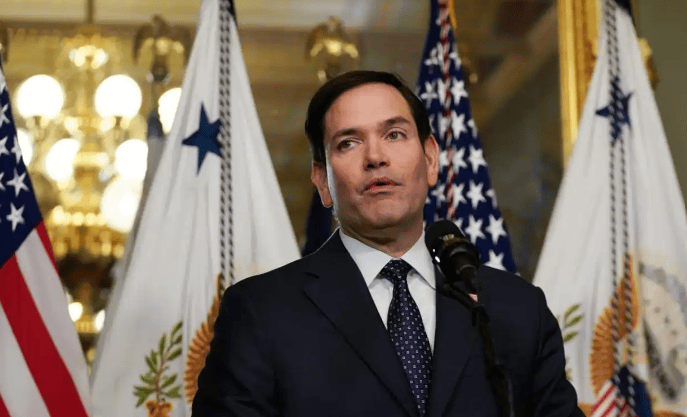
王毅就乌克兰危机阐述中方立场
中国基金报· 2025-07-04 00:53
Core Viewpoint - The article emphasizes China's consistent stance on the Ukraine crisis, advocating for peace talks and refraining from providing lethal weapons to conflict parties, while also highlighting China's role in international peace efforts [4][5]. Group 1: Ukraine Crisis - China maintains a clear and consistent position on the Ukraine crisis, promoting dialogue and negotiation while avoiding the provision of lethal weapons to any party involved in the conflict [4]. - The Chinese government has actively engaged with global southern countries to form the "Friends of Peace" group at the UN, aiming to gather support for ceasefire and peace initiatives [4]. - Despite significant differences among involved parties, China believes that dialogue is preferable to conflict, advocating for a comprehensive and sustainable peace agreement in Europe [5]. Group 2: China-Europe Relations - The year 2025 marks the 50th anniversary of China-Europe diplomatic relations, which have evolved from minimal cooperation to a comprehensive strategic partnership, with daily trade volumes now equivalent to past annual totals [7]. - China emphasizes the importance of viewing the China-Europe relationship as a partnership focused on cooperation, autonomy, and mutual benefits, urging both sides to cherish past efforts and work towards a more resilient future [7][8]. - Despite attempts by some to undermine China-Europe relations, China remains committed to supporting European integration and strategic autonomy, asserting that its policies towards Europe have remained stable and consistent [8]. Group 3: Global Stability and Economic Contribution - China positions itself as a stabilizing force in the current chaotic international landscape, emphasizing its non-involvement in wars and conflicts, and its commitment to peaceful resolutions through dialogue [9]. - The country contributes approximately 30% to global economic growth annually, while also promoting a market-oriented, rule-based, and international business environment [9]. - China advocates for the protection of the legitimate rights of developing countries, particularly smaller nations, by opposing unilateral sanctions and non-interference in domestic affairs [9].
王毅:稀土不会成为中欧之间的问题
证券时报· 2025-07-03 23:22
据新华社消息,当地时间7月3日,中共中央政治局委员、外交部长王毅在柏林同德国外长瓦德富尔共同会见记者并现场回答提问。 针对记者问及欧洲企业关注中方稀土实施出口管制问题,王毅表示,对军民两用物项实施必要管制是各国行使主权,也是应尽国际义务。中方的政策符合国 际惯例,也有利于维护世界和平稳定。稀土出口从来不是、也不应成为中欧之间的问题。只要遵守出口管制规定并履行必要程序,欧洲企业的正常需求将得 到保障。中方主管部门还为欧洲企业设立了"快速通道",有人故意在中欧之间炒作此事是别有用心。 值得一提的是,商务部此前也多次谈及稀土相关问题。 商务部6月26日下午召开例行新闻发布会。有记者就对欧盟稀土出口审批情况提问。 商务部新闻发言人何亚东表示,中国一贯高度重视维护全球产供链的稳定与安全,依法依规不断加快对稀土相关出口许可申请的审查,已经依法批准一定数 量的合规申请,并将持续加强合规申请的审批工作。中方愿就此进一步加强与相关国家的出口管制沟通对话,积极促进便利合规贸易。 综合自:新华社、央视新闻 责编:李丹 校对:刘星莹 版权声明 证券时报各平台所有原创内容,未经书面授权,任何单位及个人不得转载。我社保留追 究相关 行 ...
刚接受中国帮助的友国,令人没想到,转头就要帮美国解决稀土问题
Sou Hu Cai Jing· 2025-07-02 08:52
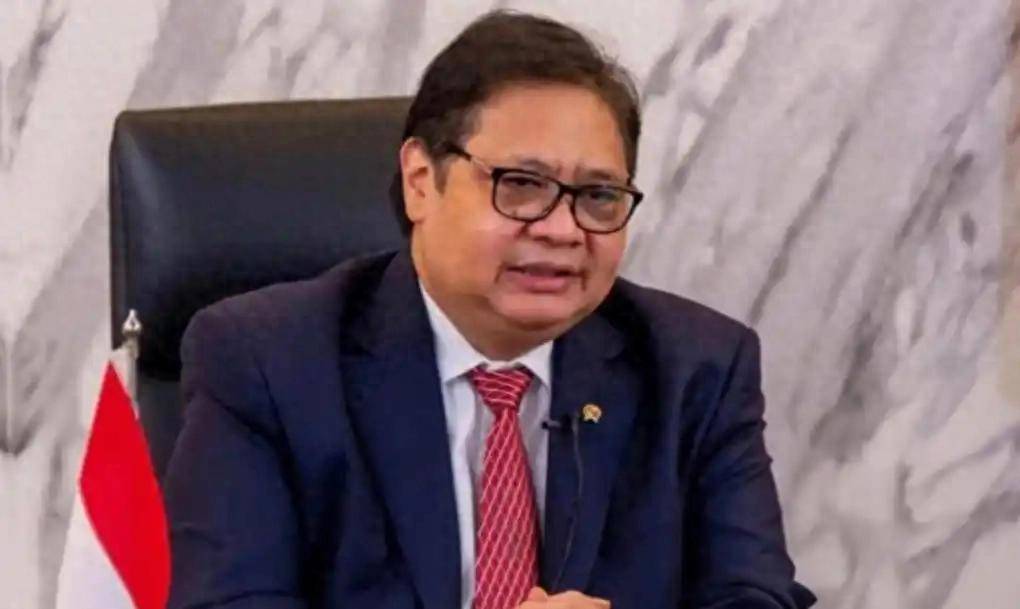
Group 1 - Indonesia's Economic Coordinating Minister Erlangga announced a strategic proposal to the U.S. for joint investment in a rare earth mineral project, coinciding with the impending 32% punitive tariffs set by the Trump administration [1][14] - The project aims to establish the largest electric vehicle battery supply chain in ASEAN, highlighting Indonesia's ambition in the electric vehicle sector [2] - Indonesia possesses significant rare earth reserves of 12 million tons, which is a crucial factor in its negotiations with the U.S. and its plans for a rare earth export ban by December 2024 to enhance its bargaining power [16][20] Group 2 - The U.S. faces a critical dependency on China for rare earth elements, with the Pentagon acknowledging that its stockpiles could only last 60 days in the event of a complete Chinese export ban [29] - Despite the U.S. having substantial rare earth resources, its refining technology lags significantly behind China's, which holds 92.3% of the global rare earth separation capacity [7][22] - Indonesia's pivot towards the U.S. is seen as a response to the trade pressures from China, reflecting a broader trend of smaller nations navigating between major powers [11][12] Group 3 - The geopolitical landscape is complicated by the fact that many countries, including Japan and members of the EU, are struggling with rare earth shortages, indicating a widespread crisis in securing these critical materials [24][26] - The historical context reveals a shift in U.S. policy, where initial claims of independence from Chinese supply chains have been contradicted by urgent requests for high-purity rare earth supplies from China [28] - Indonesia's strategy may ultimately face challenges due to the entrenched dominance of China in the rare earth supply chain, making it difficult for any new partnerships to significantly alter the existing dynamics [20][28]
必须提供稀土!欧盟给中国30天时间,中方一道铁令给出回应
Sou Hu Cai Jing· 2025-07-01 11:49
Group 1 - The European Union is facing a significant shortage of rare earth materials, prompting a demand from EU officials to China to resolve export issues within a month [1][4][9] - The EU's request highlights a sense of urgency and pressure on China, reflecting the severe impact of rare earth shortages on European manufacturing, particularly in high-tech sectors [4][7][9] - China currently holds over 90% of the global rare earth refining capacity, making it a critical player in the supply chain for various industries, including electric vehicles and renewable energy [6][7] Group 2 - The recent crisis was triggered by U.S. tariffs on Chinese products, leading to China's implementation of stricter export controls on rare earths, which has caused panic among Western industries [4][11] - In response to the EU's demands, China has reiterated its commitment to responsible management of global supply chains while emphasizing compliance with its export regulations [9][11][14] - China has introduced new regulations requiring companies engaged in rare earth activities to report information about their core technical personnel, aiming to enhance control over sensitive technologies and prevent intellectual property leaks [14][12]