
食品安全

Search documents
连锁餐饮,责任也要“连锁”(微观)
Ren Min Ri Bao· 2025-11-12 22:19
Core Insights - The article emphasizes the importance of brand consistency and quality in the chain restaurant industry, highlighting that the chain restaurant model is increasingly favored by consumers due to its stable quality and unified branding [1] Group 1: Industry Trends - The chain restaurant penetration rate in China has increased from 15% in 2020 to 23% in 2024, indicating a growing trend towards brandization and scale in the restaurant industry [1] - Chain restaurants face management challenges due to their wide geographic coverage and numerous outlets, which can lead to quality decline and food safety issues if not properly managed [1] Group 2: Food Safety Responsibility - The recent regulations from the State Administration for Market Regulation aim to enforce food safety responsibilities among chain restaurants, ensuring consumer safety and improving corporate governance [1][2] - A clear "responsibility chain" is necessary for chain restaurants, involving all stakeholders from headquarters to individual outlets, to effectively manage food safety risks [2] Group 3: Management and Standards - Implementing standardized management practices across all outlets is crucial for maintaining consistent food safety and quality, allowing consumers to trust the brand regardless of location [2] - Regular evaluations and risk prevention measures should be established to address potential food safety issues across all operational stages, from procurement to delivery [2] Group 4: Consumer Trust and Market Growth - Building consumer trust through transparency in food safety practices, such as real-time kitchen monitoring and ingredient sourcing, is essential for long-term success in the chain restaurant sector [3] - Ensuring food safety is not only a regulatory requirement but also a fundamental aspect of boosting consumer confidence and stimulating market growth [3]
万店规模后 塔斯汀陷入高开高关困局
Bei Jing Shang Bao· 2025-11-12 15:47
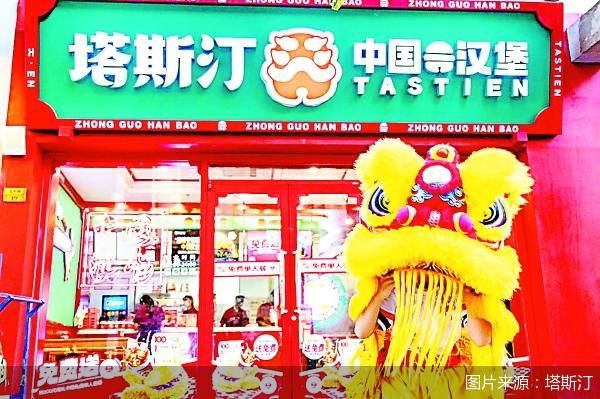
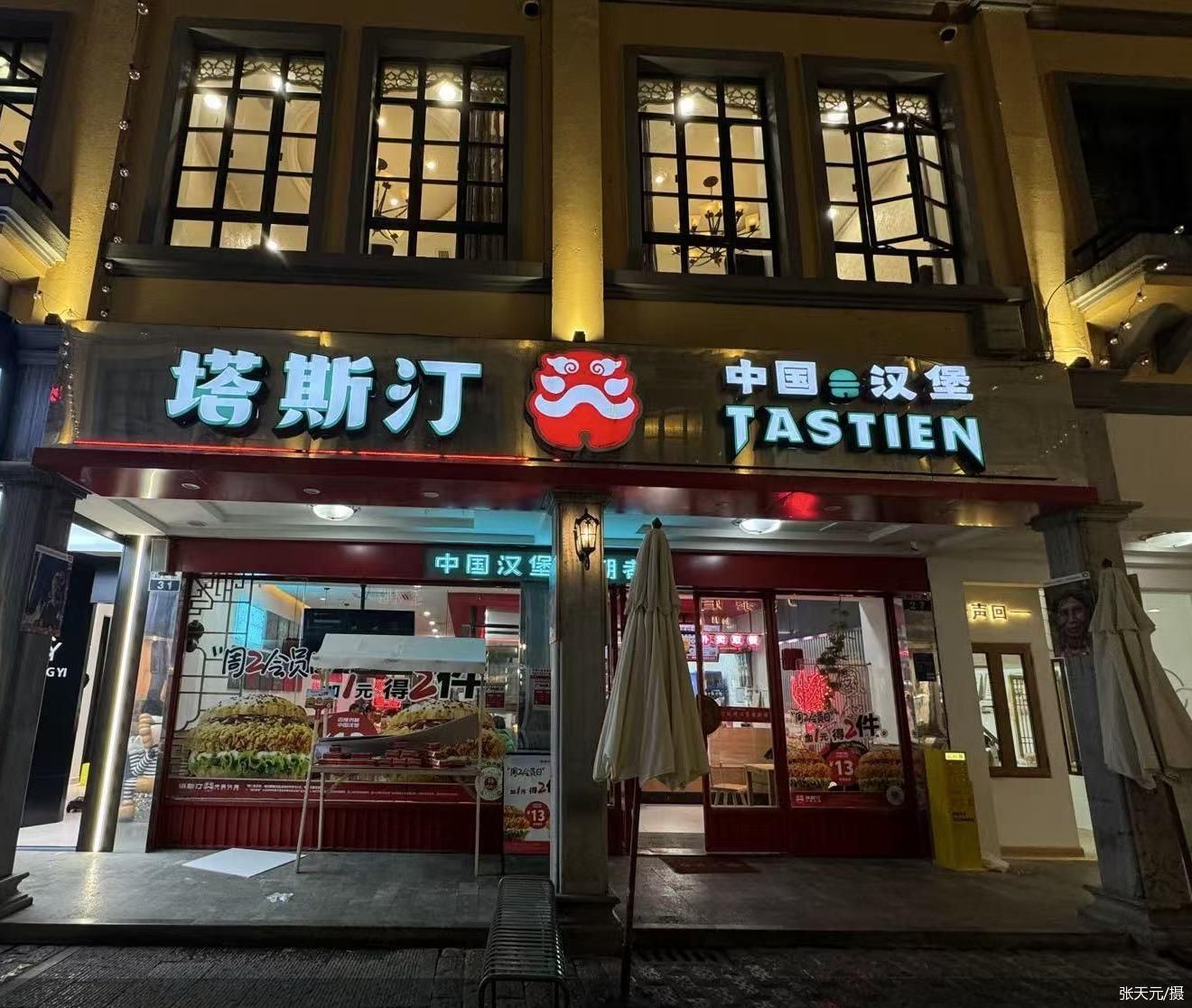
Core Insights - Tasting has surpassed 10,000 stores in China, achieving rapid growth but facing challenges with a high rate of store closures, indicating a "high open, high close" trend [1][5][9] - The brand's expansion strategy includes targeting lower-tier cities and experimenting with smaller store formats to penetrate first-tier markets [3][6] - Recent corporate changes, including a significant increase in registered capital and a shift in ownership, have led to speculation about a potential IPO, likely in Hong Kong [7][8] Expansion and Market Position - Tasting ranks third among Western fast-food brands in China, with 10,700 stores, surpassing McDonald's China, which took over 30 years to reach its scale [3][5] - The majority of Tasting's stores are located in lower-tier cities, with over 48% situated in residential areas, while only 7.5% are in first-tier cities [3][5] - The brand is also focusing on campus stores, which have grown from a few to over 500 in the past year [3] Operational Challenges - Tasting's rapid expansion has led to a significant number of closures, with 1,012 new openings and 755 closures in the last 90 days, raising concerns about operational stability [5][6] - Food safety issues have emerged, including incidents of customers finding raw meat in burgers, which have damaged the brand's reputation [6][9] - The company must address these food safety concerns and improve operational management to maintain consumer trust and brand integrity [6][9] Financial and Strategic Considerations - Recent changes in Tasting's corporate structure suggest preparations for an IPO, with a focus on enhancing brand reputation and ensuring sustainable profitability [7][8] - The capital market is increasingly valuing restaurant brands based on profitability rather than just store count, making it essential for Tasting to demonstrate the sustainability of its franchisee profitability [8][9] - To succeed in the competitive fast-food market, Tasting needs to convert its scale advantage into profitability by addressing food safety, optimizing its franchise model, and enhancing supply chain efficiency [9]

“开停双高”引争议 塔斯汀万店规模下的“闯关”难题
Bei Jing Shang Bao· 2025-11-12 13:27
Core Insights - Tasting has surpassed 10,000 stores in China, achieving rapid growth but facing challenges with a high rate of store closures, indicating a "high open, high close" trend [1][4][5] - The brand ranks third among Western fast-food chains in China, with 10,700 stores, surpassing McDonald's China, and primarily focuses on new first-tier and lower-tier cities [3][4] - Recent changes in Tasting's corporate structure and capital increase have led to speculation about a potential IPO, likely in Hong Kong [6][7] Expansion and Market Strategy - Tasting's store distribution shows that over 48% of its locations are in residential areas, with a significant presence in lower-tier cities [3][4] - The company is experimenting with smaller store formats in first-tier cities to reduce costs and increase market penetration [3][5] - Tasting has rapidly expanded its campus store presence, growing from a few locations to over 500 in less than a year [3] Operational Challenges - The brand has faced food safety issues, including incidents of serving undercooked meat, which have raised concerns about its operational management and brand reputation [5][6] - The high rate of store closures alongside rapid openings highlights potential instability in store management and operational quality [5][7] Financial and Market Position - Tasting's recent corporate changes, including a significant capital increase from approximately 1.03 million to 118 million yuan, suggest preparations for potential public listing [6][7] - The market is shifting focus from store quantity to the profitability of individual locations, emphasizing the need for Tasting to demonstrate sustainable profitability for its franchisees [6][7] Competitive Landscape - Tasting faces intense competition in the fast-food sector, particularly in the hamburger category, with both established and new brands entering the market [7] - The company must balance rapid expansion with maintaining quality and addressing food safety to convert its scale advantage into profitability [7]
麻六记一门店引发多人腹泻,开业半个月被整改
新浪财经· 2025-11-12 10:11
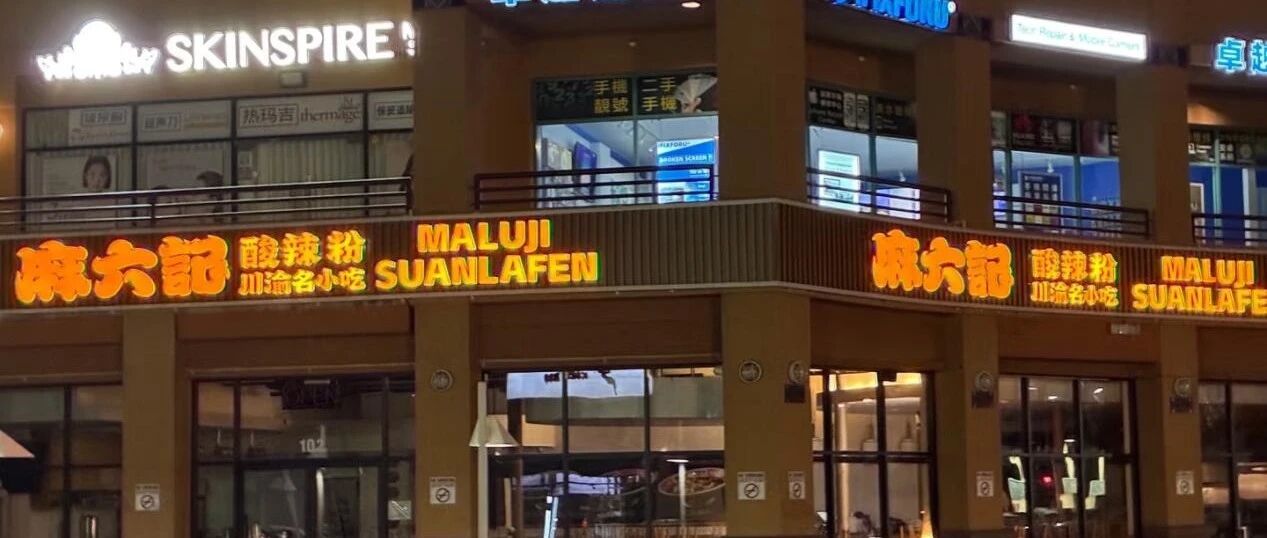
Core Viewpoint - The recent complaints from multiple consumers regarding food safety issues at the Ma Liu Ji restaurant in Los Angeles have raised significant concerns about the establishment's hygiene and compliance with health regulations [3][5][8]. Summary by Sections Consumer Complaints - Numerous consumers reported experiencing symptoms such as vomiting and diarrhea after dining at the Ma Liu Ji location in Los Angeles, with some describing severe abdominal pain and fatigue [3][5]. - Social media posts highlighted issues with food quality, including complaints about overly salty dishes and unappetizing flavors, leading to adverse health effects the following day [5][7]. Health and Safety Violations - The restaurant, which opened on October 28, has been closed by local health authorities due to violations of health and safety regulations [8][10]. - The Los Angeles Public Health Department is actively investigating the situation, although specific details have not been disclosed [10]. Company Response - The official response from Ma Liu Ji has been limited, with customer service indicating that food safety issues are taken seriously and will be reported to the product department [11]. - A related account from the "Ma Liu Ji Spicy Noodles Diamond Plaza" location expressed regret over the complaints and announced a refund offer for affected customers [10][11]. Previous Issues - The brand has a history of food safety concerns, including a recall earlier this year due to moldy products, which has contributed to ongoing consumer dissatisfaction [13][14]. - Complaints on platforms like Black Cat Complaints have accumulated, with issues ranging from moldy products to foreign objects found in food [13][14]. Business Expansion Plans - Despite the current challenges, the brand aims to expand significantly, with plans to cover 80% of second and third-tier cities within three years, as stated by the founder [14].
北京市海淀区市场监督管理局关于2025年食品安全监督抽检信息的公告 (2025年第7期)
Zhong Guo Zhi Liang Xin Wen Wang· 2025-11-12 08:47
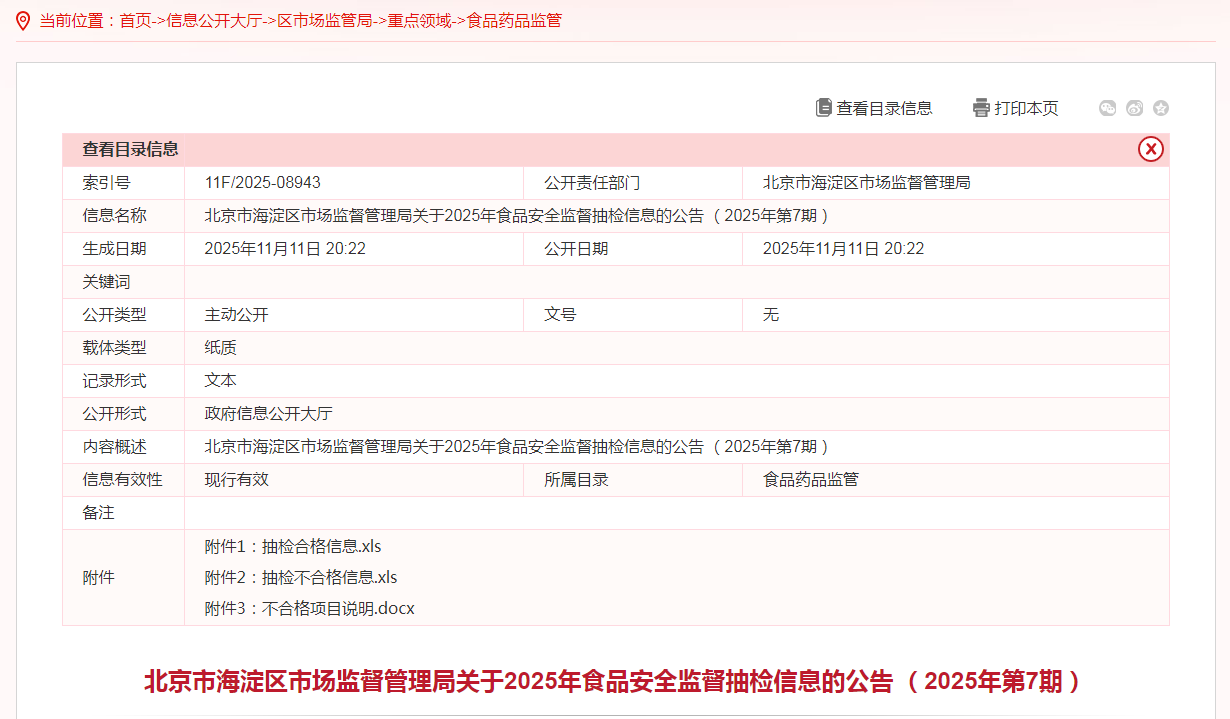
Summary of Key Points Core Viewpoint The announcement from the Haidian District Market Supervision Administration in Beijing details the results of food safety inspections conducted from September 29 to October 28, 2025, revealing that out of 276 food samples tested, 256 were compliant while 20 were found to be non-compliant. Group 1: Overall Inspection Results - A total of 276 food samples, including edible agricultural products, were inspected [2][3] - Out of these, 256 samples were found to be compliant, resulting in a compliance rate of approximately 92.5% [3] Group 2: Non-Compliant Samples - The non-compliant samples included various products from different companies, with specific violations noted: - Beijing Jinfeng Chengxiang Technology Co., Ltd. had iron stick yam with residues of mefenoxam and manganese salt exceeding safety standards [3] - Beijing Dongfanghong Catering Co., Ltd. had chili peppers with residues of thiamethoxam exceeding safety standards [3][4] - Beijing Chaoshifa Chain Co., Ltd. sold flat-leaf onions with thiamethoxam exceeding safety standards [4] - Beijing Qianxi Longteng Technology Development Co., Ltd. had mangoes and ginger with pesticide residues exceeding safety standards [4][5] - Other non-compliant products included various vegetables and meats with issues such as excessive moisture and pesticide residues [5][6][8] Group 3: Regulatory Actions - The Haidian District Market Supervision Administration has initiated investigations and actions against the companies responsible for the non-compliant products [8][9]
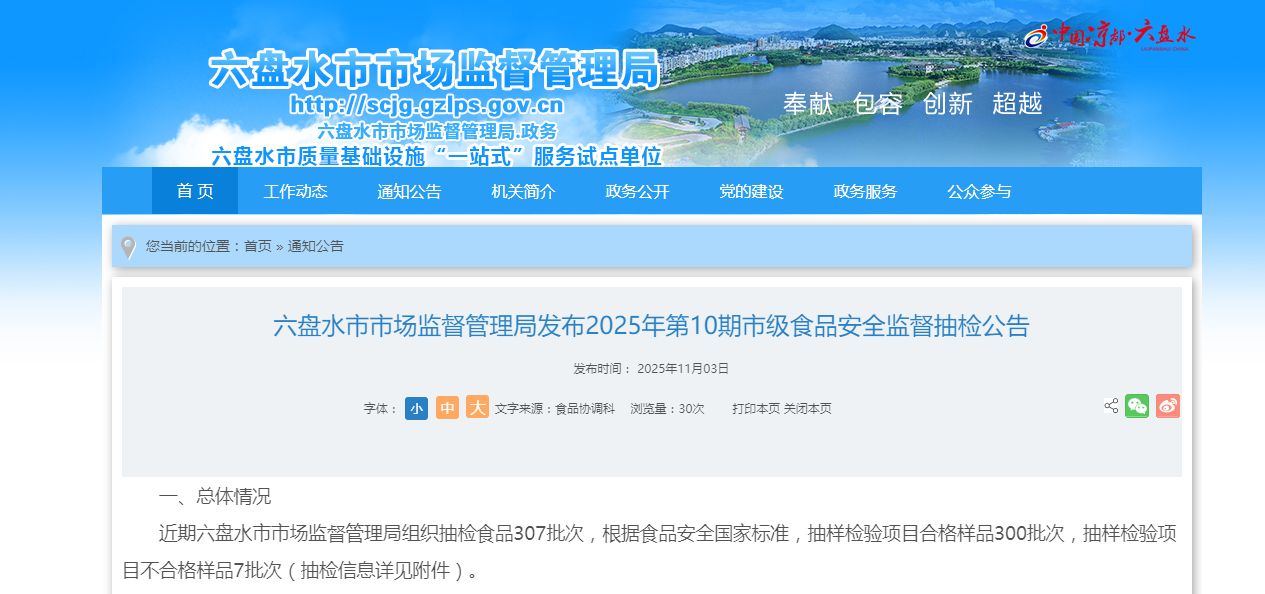
贵州省六盘水市市场监督管理局发布2025年第10期市级食品安全监督抽检公告
Zhong Guo Zhi Liang Xin Wen Wang· 2025-11-12 04:54
Overall Situation - Recently, the Liupanshui Market Supervision Administration conducted a food safety inspection of 307 batches, with 300 batches passing and 7 batches failing the inspection [1]. Disposal Measures - For the non-compliant products identified during the inspection, the Liupanshui Market Supervision Administration has implemented measures such as removal from shelves, recall, and investigation in accordance with the Food Safety Law of the People's Republic of China. A special investigation has been initiated to determine the batches, quantities, and causes of the non-compliance, along with corrective actions to mitigate food safety risks [2].
聚光科技跌2.04%,成交额5734.96万元,主力资金净流出1165.49万元
Xin Lang Cai Jing· 2025-11-12 03:03
Core Viewpoint - The stock of 聚光科技 (Juguang Technology) has experienced a decline in recent trading sessions, with a year-to-date increase of 6.01% but a significant drop over the past 60 days of 20.96% [1] Financial Performance - For the period from January to September 2025, 聚光科技 reported a revenue of 2.05 billion yuan, a year-on-year decrease of 11.10%, and a net profit attributable to shareholders of -62.34 million yuan, a decrease of 152.98% [2] - The company has distributed a total of 630 million yuan in dividends since its A-share listing, with 112 million yuan distributed over the last three years [3] Shareholder Information - As of September 30, 2025, the number of shareholders of 聚光科技 increased by 13.30% to 23,000, while the average circulating shares per person decreased by 11.74% to 19,483 shares [2] - The top ten circulating shareholders include Hong Kong Central Clearing Limited, which holds 13.82 million shares, a decrease of 5.19 million shares from the previous period [3] Stock Market Activity - On November 12, the stock price of 聚光科技 fell by 2.04% to 15.88 yuan per share, with a trading volume of 57.35 million yuan and a turnover rate of 0.80% [1] - The company has appeared on the龙虎榜 (top trading list) once this year, with the last occurrence on April 9 [1]

新莱应材跌2.58%,成交额1.26亿元,主力资金净流入45.00万元
Xin Lang Zheng Quan· 2025-11-12 01:39
Company Overview - Xinlai Yingcai, established on July 12, 2000, and listed on September 6, 2011, is located in Kunshan, Jiangsu Province, and specializes in the production and sales of self-developed clean stainless steel integrated system key components [1][2] - The company's main business revenue composition includes: sterile packaging materials 48.63%, high-purity and ultra-high-purity application materials 31.30%, clean application materials 13.83%, and food equipment 6.25% [1] Stock Performance - As of November 12, Xinlai Yingcai's stock price decreased by 2.58% to 53.34 CNY per share, with a trading volume of 1.26 billion CNY and a turnover rate of 0.81%, resulting in a total market capitalization of 21.752 billion CNY [1] - Year-to-date, the stock price has increased by 97.34%, but it has seen a decline of 4.06% in the last five trading days and 18.80% over the past 20 days, while it has risen by 48.62% over the last 60 days [1] Financial Performance - For the period from January to September 2025, Xinlai Yingcai achieved operating revenue of 2.255 billion CNY, representing a year-on-year growth of 4.31%, while the net profit attributable to shareholders decreased by 26.66% to 145 million CNY [2] - The company has distributed a total of 185 million CNY in dividends since its A-share listing, with 85.065 million CNY distributed over the past three years [3] Shareholder Structure - As of September 30, 2025, the number of shareholders increased by 4.27% to 56,400, with an average of 5,098 circulating shares per person, a decrease of 4.09% [2] - The top ten circulating shareholders include Hong Kong Central Clearing Limited as the third-largest shareholder with 7.3725 million shares, and several ETFs and mixed funds among the top ten [3]

“双十一”网售食品抽检结果公布
Qi Huo Ri Bao Wang· 2025-11-11 23:39
Core Viewpoint - The State Administration for Market Regulation has conducted a special inspection of food sold online during the "Double Eleven" shopping season, completing a total of 3,347 batches of tests [1] Group 1: Inspection Overview - The special inspection covered 11 major online platforms, including Douyin, Kuaishou, and Taobao (including Tmall), and involved 2,288 live streaming rooms [1] - The inspection focused on 23 categories of food products, including convenience foods, alcoholic beverages, and pastries, which are heavily promoted during this shopping season [1] Group 2: Findings - No non-compliant samples were found in categories such as grain processing products and biscuits [1] - Issues were identified with sweet potato vermicelli, which was found to be adulterated, and some weight-loss claimed candies, herbal teas, and solid beverages contained laxative components such as sennoside A and B [1] Group 3: Regulatory Actions - The State Administration for Market Regulation has urged local market regulatory departments to conduct investigations and take action against the non-compliant food products to control food safety risks and enforce food safety responsibilities [1] Group 4: Consumer Guidance - Consumers are advised to choose platforms and merchants with complete qualifications when purchasing food online and to carefully check food production licenses and ingredient lists, avoiding exaggerated claims such as "extreme low prices" and "miraculous effects" [1]
“双十一”擦亮眼:部分“减肥”糖果、代用茶、固体饮料被检出导泻成分
Zhong Guo Jing Ji Wang· 2025-11-11 14:44
Core Viewpoint - The State Administration for Market Regulation has conducted a special inspection of food sold online during the "Double Eleven" shopping season, completing a total of 3,347 inspections across major platforms [1] Group 1: Inspection Details - The special inspection covered 11 major online platforms, including Douyin, Kuaishou, and Taobao (including Tmall), and involved 2,288 live streaming rooms [1] - The inspection focused on 23 categories of food products, including convenience foods, alcoholic beverages, and pastries [1] Group 2: Findings - No non-compliant samples were found in categories such as grain processing products and biscuits [1] - Issues were identified with sweet potato vermicelli, which was found to be adulterated, and some weight-loss claims in candies, herbal teas, and solid beverages contained laxative components such as sennoside A and sennoside B [1] Group 3: Regulatory Actions - The State Administration for Market Regulation has urged local market regulatory departments to investigate and address the non-compliant food products found during inspections, aiming to control food safety risks and enforce food safety responsibilities [1] - Consumers are advised to choose platforms and merchants with complete qualifications and to carefully check food production licenses and ingredient lists, avoiding exaggerated claims such as "extreme low prices" and "miraculous effects" [1]