
制造业转型升级

Search documents
管涛:中国出口韧性从何而来
Di Yi Cai Jing· 2025-11-16 13:21
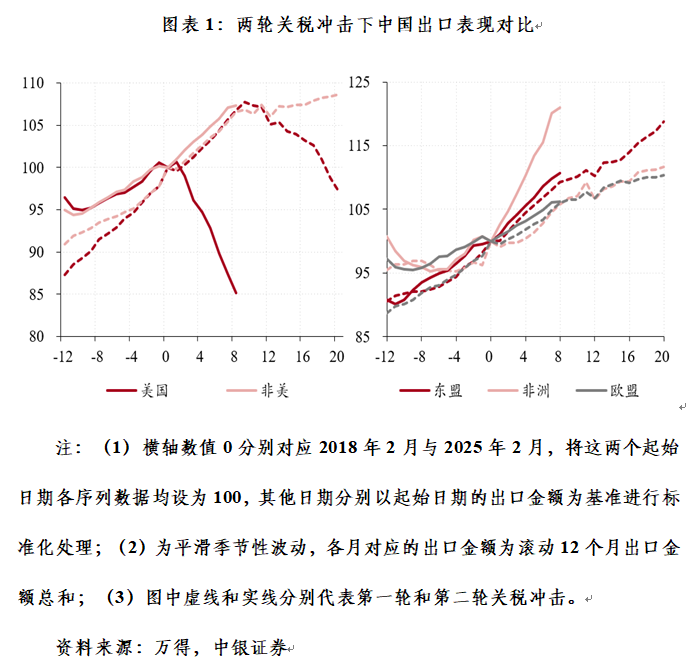
Core Viewpoint - China needs to be vigilant about the weakening momentum of global economic growth and the recurring external trade conflicts that may disrupt external demand in the coming year [1] Group 1: Export Market Diversification - The trade conflict initiated by Trump has led to a significant increase in tariffs on Chinese exports, with rates rising from 34% to as high as 125% [2][3] - Despite the intensified trade conflict, China's reliance on the U.S. for exports has decreased, with the share of exports to the U.S. dropping from around 20% at the end of 2018 to about 10% [3][4] - China's exports to ASEAN and Africa have seen significant growth, with year-on-year increases of 14.3% and 26.1% respectively, contributing positively to overall export growth [4] Group 2: Export Product Structure Optimization - The structure of China's export products has improved, with the share of high-tech industrial products rising to 53.3% in September 2023, marking a historical high [5][7] - The growth in high-tech industrial exports has been driven by machinery and audio-visual equipment, which saw their export shares increase to 42.6% and 8.5% respectively [5][7] - The RCA index for various industrial products indicates that while labor and resource-intensive products have seen a decline in comparative advantage, other categories have shown significant improvement [9][12] Group 3: Concerns Behind Export Resilience - A significant portion of China's exports consists of intermediate goods, with 51.1% of total exports being intermediate products, indicating a reliance on further processing in other countries like Vietnam [13][15] - The IMF report highlights that while China's intermediate goods trade has increased, the export of final goods remains primarily directed towards Europe and North America, raising concerns about the sustainability of this trade structure [15] - The continuous decline in export prices since 2023 has led to a trend of "trading price for volume," which may provoke increased trade protectionism against China [15][17]

前10月我国进出口总值同比增长3.6%
Mei Ri Jing Ji Xin Wen· 2025-11-09 13:36
Core Insights - China's foreign trade maintained steady growth in the first ten months of 2023, with a total import and export value of 37.31 trillion yuan, an increase of 3.6% year-on-year [1] - Exports reached 22.12 trillion yuan, growing by 6.2%, while imports were 15.19 trillion yuan, remaining stable compared to the previous year [1] Monthly Performance - In October, the total value of imports and exports was 3.7 trillion yuan, a slight increase of 0.1% [1] - Exports in October were 2.17 trillion yuan, showing a decline of 0.8%, marking the first negative growth in monthly exports since the second half of the year [1][2] - Imports in October were 1.53 trillion yuan, increasing by 1.4%, continuing a five-month growth trend [1] Factors Influencing Export Trends - The decline in October's export growth was attributed to high base effects from the previous year, fewer working days due to the Mid-Autumn Festival, and the impact of high tariffs from the U.S. [2][3] - The export value in October, when measured in U.S. dollars, decreased by 1.1%, with a significant drop in growth rate compared to September [2] High-End Manufacturing and Trade Dynamics - In the first ten months, exports of electromechanical products reached 13.43 trillion yuan, growing by 8.7%, accounting for 60.7% of total exports [4] - Exports of integrated circuits increased by 24.7%, while automotive exports grew by 14.3% [4] - Private enterprises played a crucial role in foreign trade, with their import and export value reaching 21.28 trillion yuan, a growth of 7.2%, representing 57% of total foreign trade [5] Regional Trade Performance - Despite a continued decline in exports to the U.S., exports to the European Union showed positive growth, with an overall increase of 8.4% [5] - Notable growth was observed in exports to Germany (10.6%), France (7.9%), and Italy (9.6%) [5]
第八届进博会参展企业再创新高,央行连续12个月增持黄金丨一周热点回顾
Di Yi Cai Jing· 2025-11-08 02:50
Group 1: Trade and Export - In the first ten months of the year, China's total goods trade value increased by 3.6% year-on-year, with a slight decrease of 0.4 percentage points compared to the previous nine months [1] - In October, exports decreased by 0.8% in RMB terms and 1.1% in USD terms, marking the first negative growth since February this year, slightly below market expectations [1] - Exports to the US saw a significant decline of 25.2%, which pulled down the overall export growth by 3.8 percentage points [1] - Despite the decline, new export drivers such as "new three samples" products and green products like railway electric locomotives and wind power generators maintained double-digit growth [1] Group 2: Monetary Policy and Debt Management - The People's Bank of China resumed government bond trading in October, injecting 20 billion yuan into the banking system, marking the end of a suspension since January [2][3] - The scale of bond purchases in October was relatively low compared to previous months, indicating a cautious approach by the central bank to avoid rapid declines in interest rates [3] - The establishment of a Debt Management Department by the Ministry of Finance aims to enhance the management and monitoring of government debt, aligning with high-quality development goals [6] Group 3: Economic Events and Trends - The eighth China International Import Expo (CIIE) opened with over 4,000 participating companies, including 290 Fortune 500 firms, showcasing a strong international interest in the Chinese market [4][5] - China's central bank has increased its gold reserves for 12 consecutive months, reaching approximately 2,304.457 tons, reflecting a strategic move to diversify foreign reserves amid global uncertainties [8][9] - The ongoing US government shutdown has reached a record 36 days, with potential economic losses estimated at $11 billion if it continues, impacting key economic data releases [10][11]
中国10月出口增速转负
Di Yi Cai Jing Zi Xun· 2025-11-07 14:46
Core Viewpoint - China's foreign trade shows resilience, but export growth has declined due to a slowdown in external demand [2] Group 1: Trade Performance - In the first ten months of 2025, China's total import and export value reached 37.31 trillion yuan, a year-on-year increase of 3.6%, with exports growing by 6.2% and imports remaining stable [2] - The export growth rate for the first ten months decreased by 3.5 percentage points compared to the previous three quarters [2] - In October, exports fell by 0.8% in yuan terms and 1.1% in dollar terms, marking the first negative growth since February of this year [2] Group 2: Factors Affecting Export Growth - The decline in October's export growth is attributed to three main factors: high base effects from the previous year, reduced working days due to the Mid-Autumn Festival, and the impact of U.S. tariffs [3][4] - The export growth to the U.S. saw a significant drop of 25.2% in October, contributing to a 3.8 percentage point decrease in overall export growth [4] Group 3: Resilience in Exports - Despite external challenges, China's exports maintain strong resilience, supported by trade diversification and the ongoing global AI investment boom [5] - In the first ten months, trade with ASEAN and the EU grew by 9.1% and 4.9%, respectively, while trade with the U.S. decreased by 15.9% [5] Group 4: Export Categories - Mechanical and electrical products accounted for over 60% of exports, with integrated circuits and automobiles showing double-digit growth [6] - In October, chip exports grew by 26.9% and automobile exports by 34.0%, indicating a shift towards higher value-added products [6] Group 5: Future Outlook - Export growth is expected to rebound to around 2.0% in November, but overall export momentum is anticipated to weaken in the fourth quarter [7] - Policies to stabilize foreign trade are likely to support enterprises in shifting exports to domestic sales and expanding export credit insurance coverage [7]
中国10月出口增速转负
第一财经· 2025-11-07 13:46
Core Viewpoint - China's foreign trade shows resilience, but export growth has declined due to a slowdown in external demand [3] Group 1: Export Performance - In the first ten months of 2025, China's total import and export value reached 37.31 trillion yuan, a year-on-year increase of 3.6%, with exports growing by 6.2% [3] - The export growth rate for the first ten months decreased by 3.5 percentage points compared to the previous three quarters [3] - In October, exports fell by 0.8% in yuan terms and 1.1% in dollar terms, marking the first negative growth since February of this year [3][4] Group 2: Factors Affecting Export Growth - The decline in October's export growth is attributed to three main factors: high base effect from last year, fewer working days due to the Mid-Autumn Festival, and the impact of high tariffs from the U.S. [5] - Exports to the U.S. saw a significant drop of 25.2% year-on-year in October, contributing to a 3.8 percentage point decrease in overall export growth [5][6] Group 3: Resilience in Exports - Despite external challenges, China's exports remain resilient, supported by trade diversification and a surge in AI investments, which have boosted chip and automobile exports [8] - In the first ten months, exports to ASEAN and the EU grew by 9.1% and 4.9%, respectively, while trade with the U.S. decreased by 15.9% [8][9] Group 4: Export Composition - Mechanical and electrical products accounted for over 60% of exports, with integrated circuits and automobiles experiencing double-digit growth [9] - In October, chip exports grew by 26.9% and automobile exports by 34.0%, indicating strong performance in these sectors [9] Group 5: Policy Support and Future Outlook - The export growth rate is expected to rebound to around 2.0% in November, but fourth-quarter export momentum is anticipated to weaken compared to the previous quarters [11] - Policies to stabilize foreign trade may include supporting enterprises in shifting exports to domestic sales and expanding export credit insurance coverage [11]
中国10月出口增速转负,集成电路和汽车继续两位数增长
Di Yi Cai Jing· 2025-11-07 11:39
Core Viewpoint - China's exports show resilience despite a slowdown in growth due to external demand weakening, with a total import and export value of 37.31 trillion yuan in the first ten months of 2025, reflecting a 3.6% year-on-year increase [1] Group 1: Export Performance - In the first ten months of 2025, exports grew by 6.2%, while imports remained stable compared to the previous year [1] - The export growth rate decreased by 3.5 percentage points compared to the previous three quarters, with October showing a decline in exports of 0.8% in yuan terms and 1.1% in dollar terms, marking the first negative growth since February [1] - The decline in October exports was influenced by a high base from the previous year, reduced working days due to the Mid-Autumn Festival, and ongoing high tariffs from the U.S. impacting global trade [2] Group 2: External Factors - The U.S. tariffs have led to a significant drop in exports to the U.S., with a year-on-year decrease of 25.2% in October, contributing to a 3.8 percentage point drop in overall export growth [2] - Other regions also experienced a decline in export growth, with exports to the EU, Japan, ASEAN, and Belt and Road countries showing varying decreases in growth rates compared to the previous month [3] Group 3: Resilience in Exports - Despite external challenges, China's exports remain resilient, supported by diversification in trade and a surge in AI investments and domestic manufacturing upgrades, particularly in chip and automotive exports [4] - In the first ten months, trade with ASEAN and the EU grew by 9.1% and 4.9%, respectively, while trade with the U.S. decreased by 15.9% [4] Group 4: Product Categories - Mechanical and electrical products accounted for over 60% of exports, with significant growth in integrated circuits (24.7%) and automobiles (14.3%), while labor-intensive products saw a decline [5] - In October, chip exports grew by 26.9% and automobile exports by 34.0%, indicating strong performance in these sectors [5] Group 5: Future Outlook - Export growth is expected to rebound to around 2.0% in November, but overall export momentum is anticipated to weaken in the fourth quarter compared to the previous three quarters [6] - Policies to stabilize foreign trade are expected to support enterprises in shifting exports to domestic sales and expanding export credit insurance coverage [6] - The Shanghai export container freight index rose by 10.5% in late October, indicating stable demand in European shipping routes and positive market conditions for North American routes [6]
财政部:加快培育壮大发展新动能
Sou Hu Cai Jing· 2025-11-07 09:51
Core Insights - The report emphasizes the strengthening of industrial innovation and technology supply, focusing on advancing key core technology breakthroughs and actively nurturing emerging and future industries [1] - It highlights the continuous promotion of manufacturing transformation and upgrading, along with improving the allocation and management of fiscal science and technology funds to enhance the effectiveness of technological investments [1] - There is a significant push to support the digital transformation of small and medium-sized enterprises (SMEs), encouraging more SMEs to develop specialized and innovative capabilities [1] - The report also mentions the deepening of the construction of a unified national market, ensuring equal treatment of various business entities in fiscal subsidies and government procurement to create a favorable environment for business development [1]
2025年10月贸易数据解读:上年同期基数抬高叠加外需放缓,10月出口同比增速转负
Dong Fang Jin Cheng· 2025-11-07 07:36
Export Performance - In October 2025, China's export value decreased by 1.1% year-on-year, marking the first negative growth since February and a slowdown of 9.4 percentage points compared to September[2][3] - Exports to the United States fell by 25.2%, contributing to a 3.8 percentage point decline in overall export growth[4] - The average year-on-year export growth for September and October combined is 3.5% when excluding the high base effect and working day adjustments[3] Import Trends - October 2025 saw a 1.0% year-on-year increase in imports, but the growth rate slowed by 6.4 percentage points from September[8] - Imports from the United States dropped by 22.8%, with the decline widening by 6.7 percentage points compared to the previous month[8] - Key imports such as crude oil and soybeans showed improved growth rates, with crude oil imports down by only 0.3% and soybean imports up by 11.4%[9] Market Dynamics - The high base effect from last year, combined with fewer working days due to the Mid-Autumn Festival, significantly impacted October's export figures[3][4] - Despite external pressures, China's export resilience is attributed to diversification efforts and strong growth in sectors like AI, chips, and automobiles, with chip exports rising by 26.9% and automobile exports by 34.0%[5] - The ongoing high tariffs from the U.S. are expected to continue affecting China's exports, particularly to the EU, ASEAN, and Belt and Road economies, which are projected to see declining growth rates[6] Future Outlook - November's export growth is anticipated to rebound to around 2.0%, but the overall export momentum is expected to weaken in the fourth quarter compared to the 6.1% growth in the first three quarters[6] - The Chinese government is likely to implement policies to support export enterprises, including enhancing domestic sales channels and providing financial support to struggling companies[7] - The impact of domestic policies aimed at boosting internal demand is expected to influence import growth positively in the coming months[10]
强化产业链供应链韧性 护航“智造”进阶每一步
Jin Rong Shi Bao· 2025-11-05 01:05
Core Insights - The manufacturing industry is crucial for the national economy, showing simultaneous growth in scale and quality, with innovation and resilience enhancing continuously [1] - During the "14th Five-Year Plan" period, China's manufacturing value-added is expected to increase by 8 trillion yuan, contributing over 30% to global manufacturing growth [1] - The manufacturing sector is undergoing a transformation towards integration, intelligence, and sustainability, with a focus on strengthening the resilience and stability of supply chains [1] Manufacturing Industry Overview - China's manufacturing value-added accounts for nearly 30% of the global total, maintaining the world's largest manufacturing scale for 15 consecutive years [1] - The country leads in the production of most of the 504 major industrial products globally [1] Financial Support for Traditional Industries - Continuous financial investment is essential for optimizing traditional industries, addressing challenges such as financing difficulties and slow updates [2] - The financial leasing industry is actively supporting the transformation of manufacturing enterprises by providing tailored financial solutions [3] Policy and Financial Leasing Initiatives - Recent government policies encourage financial leasing companies to provide long-term funding support for advanced manufacturing, focusing on digital transformation and green equipment [3] - Local governments, such as in Henan and Foshan, are implementing financial leasing subsidies to support equipment updates in manufacturing [3] Innovative Financial Solutions - Financial leasing companies are moving beyond traditional models to offer customized solutions for different stages and scales of manufacturing enterprises [4] - Innovations include risk compensation pools and carbon emission rights pledging to address specific pain points in the industry [4] Digital Transformation in Financial Services - The integration of advanced technologies like big data and AI is enhancing the efficiency of financial leasing services, allowing for quicker access to funds for manufacturing enterprises [5] - Digitalization efforts are aimed at optimizing business processes and improving service quality [5] Challenges and Opportunities in Financial Leasing - The financial leasing industry faces challenges in covering small and medium-sized enterprises and enhancing cross-sector service capabilities [6] - There is a need for improved digital collaboration and data sharing within the industry to fully leverage digitalization for supply chain support [6]
苏试试验三季报彰显高质量发展韧性 “设备+服务”双轮驱动构筑长期成长基石
Quan Jing Wang· 2025-10-28 07:29
Core Viewpoint - Su Shi Testing (300416) has demonstrated robust growth in its operating performance for the first three quarters of 2025, with both revenue and net profit increasing, showcasing strong business resilience and development potential in a complex macroeconomic environment [1] Financial Performance - For the first nine months of 2025, the company achieved revenue of 1.532 billion yuan, a year-on-year increase of 8.95%; in the third quarter alone, revenue reached 541 million yuan, up 10.57% year-on-year, indicating an accelerating business development trend [2] - The net profit attributable to shareholders for the first three quarters was 157 million yuan, a year-on-year increase of 7.14%, maintaining stable overall profitability [2] - Notably, the net profit excluding non-recurring gains and losses reached 149 million yuan, a significant year-on-year increase of 13.92%, highlighting the substantial improvement in the quality of core business profitability [2] - R&D investment for the first three quarters of 2025 amounted to 125 million yuan, a year-on-year increase of approximately 10%, continuously fueling product and service upgrades [2] Policy and Asset Quality - The company is actively leveraging national support for technological innovation and advanced manufacturing, with subsidiaries benefiting from tax incentives totaling over 5.46 million yuan [3] - As of September 30, 2025, total assets reached 5.105 billion yuan, a 1.43% increase from the end of the previous year; credit impairment losses and asset impairment losses decreased significantly by 68.10% and 31.28%, respectively, reflecting effective management of accounts receivable and asset quality [3] - Despite fluctuations in net cash flow from operating activities, the company has ensured the safety and flexibility of its overall cash flow through meticulous financial planning [3] Strategic Development - The company is expanding into high-growth emerging sectors while maintaining its traditional business advantages, achieving key breakthroughs in qualifications and capabilities [4] - Recent achievements include obtaining third-party laboratory recognition from Seres (601127) and PTCRB laboratory authorization, enhancing its service offerings in various testing areas [4] - The company is focusing on emerging sectors such as commercial aerospace, aviation equipment, intelligent robotics, and new energy, significantly advancing its testing capabilities [4] Laboratory Network Expansion - The national laboratory network is steadily advancing, with the headquarters project in Wuhan expected to be completed by the end of 2026, and new laboratories in Shenyang and Shenzhen enhancing service capabilities [5] - The ongoing improvement of the laboratory network and the realization of scale effects are expected to stabilize the profitability of subsidiaries [5] Shareholder Structure and Market Outlook - The shareholder structure remains stable, with the controlling shareholder holding 31.93% of the shares, and the employee stock ownership plan reinforcing the alignment of interests [6][7] - Research institutions have recognized the company's growth potential, with a consensus net profit forecast of 294 million yuan for 2025, representing a year-on-year increase of 28.04% [7] - The average target price from institutions is 19.50 yuan, with a strong market confidence reflected in the "buy" ratings from multiple institutions [7]
