
协同发展

Search documents
CCEA全国营地教育大会吸引过万人线上线下参与,达成多项合作
Xin Jing Bao· 2025-11-25 16:09
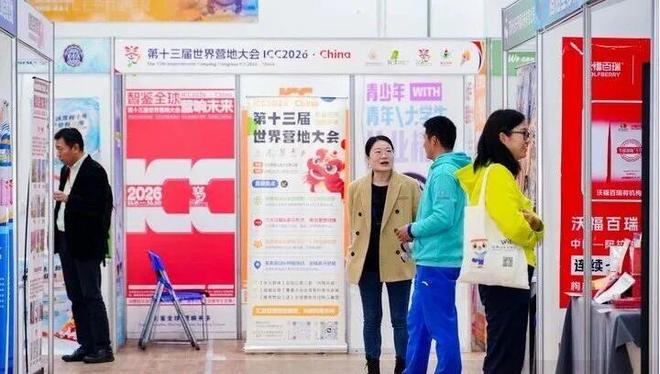
Core Insights - The 9th CCEA National Camp Education Conference recently concluded in Shaoxing, Zhejiang, featuring various activities including keynote speeches, roundtable forums, workshops, and the release of the 2025 National Camp Education Industry White Paper [1][2][5] Group 1: Conference Highlights - The conference lasted four days and included a variety of events such as keynote lectures, roundtable discussions, and a technology exhibition [1] - Keynote speakers addressed topics like global trends, policy interpretation, AI in education, and psychological growth [1] - The conference attracted over 800 industry participants on-site and over 10,000 online attendees, indicating strong interest in camp education [5] Group 2: Policy and Industry Development - A significant focus was on the evolution of camp education policies since 2016, emphasizing the integration of education with practical labor and social practice [1] - The "New Media and New Technology" forum reached a consensus on the importance of technology empowering rather than replacing education [1] - The conference also highlighted the need for a collaborative ecosystem in the industry to ensure sustainable development during transformative periods [1] Group 3: Future Events and Collaborations - The 2026 ICC World Camp Conference is scheduled to be held in Zhangjiakou, Hebei, from November 6 to 10, 2026, marking the first time the event will take place in mainland China [5] - CCEA and the Asia Data Group established a partnership to enhance the future of the World Camp Conference and the industry ecosystem [2]


2025中国奶业品质创享会举办
Zhong Guo Jing Ji Wang· 2025-11-13 03:06
Core Viewpoint - The "2025 China Dairy Quality Creation Conference" held at the 8th China International Import Expo showcases China's dairy industry's confidence in quality, highlighting its rapid development over the past 20 years to bridge the gap with developed countries [1] Group 1: Industry Development - The Chinese dairy industry has made significant strides in approximately 20 years, overcoming a gap of over a century with developed nations [1] - The industry emphasizes a collaborative development philosophy, focusing on a model of "upstream symbiosis, midstream co-creation, and downstream sharing" [1] Group 2: Product Showcase - Notable products such as JinDian New Zealand Pure Milk, JinLingGuan RuiHu, MuEn Milk Powder, MuEn Butter, and Global Selection Cream were featured at the event [1] - Representatives shared stories behind these products, emphasizing meticulous attention to detail in sourcing, innovation, nutrition, and packaging [1] Group 3: Partnerships and Collaborations - Cargill's representative highlighted that the pursuit of quality in collaboration with Yili has led to optimized management systems and upgraded industry chain collaboration [1] - GEA's representative noted that several jointly developed smart manufacturing devices based on Yili's high standards have become industry benchmarks globally [1] - Yili launched the "Quality Partner, Co-Creation" initiative to establish a collaborative development ecosystem focused on shared responsibilities and outcomes with partners committed to quality standards [1]

全球GDP20强城市最新出炉:洛杉矶险胜东京,重庆12,苏州惊险入围
Sou Hu Cai Jing· 2025-11-08 18:46
Core Insights - The latest global city GDP rankings reveal a diverse development landscape, with New York leading by a significant margin, followed closely by Los Angeles and Tokyo in a tight competition [1][3] - China showcases strong performance with five cities making the top twenty, including Shanghai, Beijing, Shenzhen, Guangzhou, and Suzhou, highlighting the robust vitality and resilience of Chinese urban economies [1][5] Group 1: City Rankings and Economic Performance - New York tops the list with over 9 trillion, while Los Angeles narrowly surpasses Tokyo with approximately 6.78 trillion vs. 6.68 trillion [3] - Los Angeles benefits from its core position as California's economic engine, driven by advanced manufacturing, digital entertainment, and international trade [3] - Tokyo remains a leading financial hub in Asia, focusing on digital transformation and green growth, supported by significant R&D investment [3] Group 2: China's Economic Growth - Chongqing ranks 12th globally with a GDP of 3.21 trillion, leveraging its strategic position as a key node in the new western land-sea corridor [5] - The city has seen substantial growth in high-tech manufacturing and modern services, with a notable increase in retail sales surpassing 1 trillion [5] - Suzhou claims the 20th position with a GDP of 2.67 trillion, showcasing its industrial strength and innovation-driven economic clusters [7] Group 3: Innovation and Development Trends - The competition among cities has evolved into a new phase characterized by innovation leadership and collaborative development [8] - The collective rise of Chinese cities is reshaping the global economic landscape, emphasizing the importance of development models and industrial vitality [8]

经济观察丨四年9万亿,大湾区“强磁场”引世界瞩目
Sou Hu Cai Jing· 2025-11-04 10:43
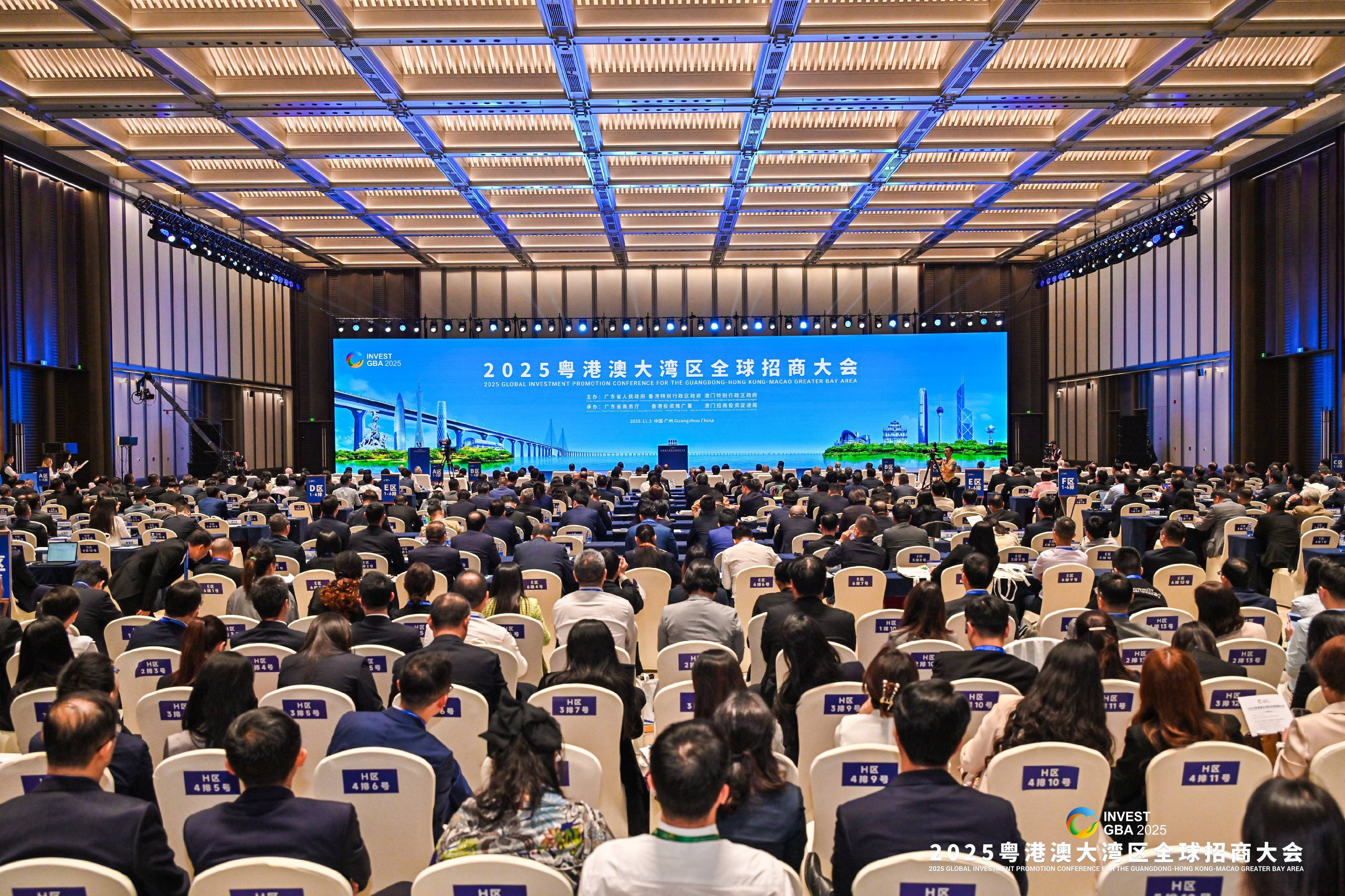
Core Insights - The 2025 Guangdong-Hong Kong-Macao Greater Bay Area Global Investment Conference successfully gathered global investors, achieving a total investment and trade amount of 2.03 trillion yuan with 2,073 projects signed [1][4] - The conference highlighted the region's strong industrial foundation and favorable economic conditions, which provide stable development expectations for global investors [4][6] Group 1: Investment Achievements - The conference has seen a cumulative signing amount of 7 trillion yuan over the past three years, with an overall project commencement rate of 88.1% [1] - This year's conference resulted in 2,073 investment and trade projects, with 21 representative projects signed on-site [1][4] Group 2: Industrial Strength - Guangdong boasts a complete industrial system with all 31 manufacturing categories, fostering nine trillion-level industrial clusters [4] - The advanced manufacturing and high-tech manufacturing sectors in Guangdong saw value-added growth of 5.4% and 6.4% respectively in the first three quarters of this year [4][6] Group 3: Policy Support - Guangdong's government has introduced a comprehensive policy framework to attract global investors, including a detailed "Guangdong Industrial Investment Map" [6] - Financial incentives include rewards for new foreign investment projects and substantial funding support through industry funds and loan interest subsidies [6][7] Group 4: Talent and Land Resources - Guangdong has reserved 20,000 acres of land for new quality productivity projects, while Hong Kong has planned 30,000 hectares for urban development [7] - Talent attraction initiatives have successfully drawn over one million graduates to Guangdong and more than 5,000 high-end talents to Hong Kong [7] Group 5: Regional Collaboration - The collaboration among Guangdong, Hong Kong, and Macao creates a competitive development community, enhancing the region's attractiveness to investors [8] - Hong Kong serves as a vital link for global market access, while Macao focuses on building a favorable investment environment through its unique advantages [8][9]
“大企帮小店”的协同之智(纵横)
Ren Min Ri Bao· 2025-11-03 22:20
Core Insights - The "Big Enterprises Helping Small Shops" initiative in Zhejiang has significantly improved the operational efficiency of small businesses by sharing resources, leading to a reduction in procurement costs by over 50% and a steady increase in customer traffic [1][2]. Group 1: Initiative Overview - The initiative aims to address the challenges faced by individual businesses, such as funding shortages and supply chain issues, by leveraging the resources of large enterprises [1][2]. - A structured support mechanism has been established, where small shops can express their difficulties, large enterprises provide resources, and the government facilitates the process [2]. Group 2: Benefits of Collaboration - The collaboration between large enterprises and small shops not only helps in overcoming operational challenges but also optimizes the supply chain, enhancing market resilience [3]. - The integration of technology from large enterprises with the flexibility of small shops fosters a mutually beneficial cycle of growth and transformation [3].
宝钢股份(600019):量利环比增长,高端产品占比稳步攀升
Minsheng Securities· 2025-11-02 11:26
Investment Rating - The report maintains a "Recommended" rating for the company, with a current price of 7.37 yuan [5]. Core Views - The company reported a revenue of 232.436 billion yuan for the first three quarters of 2025, a year-on-year decrease of 4.29%. However, the net profit attributable to shareholders increased by 35.32% to 7.959 billion yuan, and the net profit excluding non-recurring items rose by 46.43% to 8.036 billion yuan [1]. - In Q3 2025, the company achieved a revenue of 81.064 billion yuan, reflecting a quarter-on-quarter increase of 3.28% and a year-on-year increase of 1.83%. The net profit for Q3 was 3.081 billion yuan, up 26.00% quarter-on-quarter and 130.31% year-on-year [1]. Summary by Sections Revenue and Profitability - For the first three quarters of 2025, the company sold 39.26 million tons of steel, a year-on-year increase of 1.97%. In Q3 alone, steel sales reached 13.95 million tons, marking a 7.39% year-on-year increase and a 6.65% quarter-on-quarter increase [2]. - The gross profit per ton of steel improved in Q3 2025, with the company achieving a gross profit of 451 yuan per ton, an increase of 57 yuan per ton from the previous quarter [2]. Future Outlook - The company is focusing on deepening product management and leveraging export opportunities, with differentiated product sales increasing by 13.9% year-on-year to 25.689 million tons [3]. - The company has made strategic acquisitions, including a 49% stake in Ma Steel, which has led to a significant increase in crude steel production capacity [3]. - Key projects are progressing, including the development of high-end silicon steel and zero-carbon steel products, which will enhance the company's high-end product capacity [3]. Financial Forecast - The company is projected to achieve net profits of 10.766 billion yuan, 12.195 billion yuan, and 13.567 billion yuan for the years 2025, 2026, and 2027, respectively. The corresponding price-to-earnings ratios (PE) are expected to be 15, 13, and 12 [4][8].

跨国指数40.09% 潍柴绘制国际化发展蓝图
第一商用车网· 2025-10-27 08:18
Core Viewpoint - Weichai Group has successfully expanded its international presence through strategic acquisitions and collaborations, showcasing its strong competitive edge in the global market [4][8][17]. Group 1: Company Overview - Founded in 1946, Weichai Group is a leading multinational industrial equipment company in China, employing 100,000 people globally [2]. - The company has established itself as a significant player in the internal combustion engine sector, focusing on international market expansion [2]. Group 2: International Expansion Strategy - Weichai began its global layout over a decade ago, transitioning from export trade to international mergers and acquisitions, significantly accelerating its internationalization in recent years [4]. - The company has implemented a "self-innovation + open innovation + craftsmanship innovation + basic research innovation" technology innovation system, supported by a global collaborative R&D platform [5]. Group 3: Key Acquisitions and Collaborations - Notable acquisitions include the purchase of Baudouin in 2009, the acquisition of luxury yacht manufacturer Ferretti Group in 2012, and partnerships with KION Group and Linde Hydraulics [6]. - Weichai's strategic investments have enabled it to enter high-end industrial forklift and hydraulic technology markets, overcoming previous limitations in high-end hydraulic components [6][8]. Group 4: Performance and Growth - In the first three quarters of this year, Weichai's overseas exports showed remarkable performance, with engine segment export revenue increasing by 30% year-on-year [9]. - The company has maintained high-quality growth in overseas revenue and profits over the past five years, establishing a strong "Weichai" brand globally [9]. Group 5: Collaborative Development Outcomes - During the recent global partner conference, Weichai's overseas members shared their growth experiences, highlighting the successful integration and sustainable growth achieved post-acquisition [10]. - KION Group reported a revenue increase from 4.7 billion yuan in 2012 to 11.5 billion yuan in 2024, attributing this growth to Weichai's support [10]. - Baudouin's generator sales have seen significant growth, emphasizing the advantages gained from Weichai's resources and production capabilities [11]. Group 6: Future Outlook - Weichai's overseas members are expected to leverage collaborative advantages for breakthroughs in technology innovation, market expansion, and customer service, contributing to high-quality global industrial ecosystem development [17].
高效协同向世界级湾区迈进
Jing Ji Ri Bao· 2025-10-25 23:10
Core Insights - The article discusses the characteristics and competitive advantages of world-class bay areas, highlighting their role as engines of economic growth and innovation [1][3][4] Group 1: Characteristics of World-Class Bay Areas - Strong agglomeration and diffusion effects of production factors, starting from natural port advantages, leading to significant economic hubs [1] - Open innovation ecosystems exemplified by the San Francisco Bay Area, which has developed a complete innovation network involving universities, research institutions, and tech companies [2] - Efficient transportation infrastructure and collaborative governance structures, evolving from single-core cities to multi-center networks [2] Group 2: Competitive Advantages of the Guangdong-Hong Kong-Macao Greater Bay Area - The Greater Bay Area generates 1/9 of China's economic output with less than 0.6% of the national land area, surpassing mature bay areas like New York and San Francisco [4] - A complementary industrial structure with Shenzhen focusing on innovation, Guangzhou on commerce, and Hong Kong on finance, enhancing urban functional integration [4] - Strategic value as a testing ground for high-level openness, leveraging Hong Kong's role as an international financial center to connect domestic and global markets [4] Group 3: Challenges and Recommendations - Complex cross-regional project approval processes and reliance on policy-driven coordination highlight the need for institutional innovation and streamlined governance [5] - Disconnection between academic research and market needs, along with barriers to the flow of innovation factors, necessitates the establishment of an efficient collaborative innovation system [5] - Weaknesses in global market functions and institutional standards require ongoing efforts to align with international trade rules and enhance the competitive environment [5]
佳电股份:电机与核电业务协同发展 加快战略升级步伐
Zhong Guo Zheng Quan Bao· 2025-10-17 20:17
Core Viewpoint - The company, Jiadian Co., Ltd., aims to enhance its position as a leading manufacturer and service provider of electric drive systems, focusing on high-end and intelligent product development while expanding its nuclear power business for synergistic growth [1][7]. Technology Empowerment - Jiadian Co., Ltd. has established a "dual headquarters" model in Jiamusi and Harbin to enhance technological innovation, with a focus on product engineering applications and cutting-edge research [2][3]. - The company emphasizes a culture of innovation, encouraging new ideas and collaboration with research institutions to improve product quality and technological advancement [3][4]. Product and Market Development - The company’s product range includes 347 series and nearly 4000 varieties of electric motors, covering various industries such as petrochemicals, coal, metallurgy, and nuclear energy [6]. - Jiadian Co., Ltd. is actively developing high-efficiency, energy-saving, and nuclear motors to adapt to market changes and enhance product competitiveness [6][7]. Strategic Layout - The company operates three production bases in Jiamusi, Suzhou, and Harbin, strategically positioned to meet market demands and support its transformation strategy [5][6]. - Digital transformation initiatives, including the establishment of a high-pressure motor digital assembly workshop, have significantly improved production efficiency and product quality [6]. Collaborative Development - The company is focused on integrating its electric motor and nuclear power sectors to leverage competitive advantages and create new growth opportunities [7][8]. - Jiadian Co., Ltd. has strengthened its market position in the nuclear power sector by acquiring a 51% stake in Harbin Electric Motor, enhancing its competitive edge in the nuclear market [8][9].

新晨动力拟1.47亿元收购中航兰田装备53%权益 10月16日下午复牌
Zhi Tong Cai Jing· 2025-10-16 04:14
Group 1 - The company, Xinchen Power (01148), has entered into a share acquisition agreement to purchase 53% equity in the target company, AVIC Lantian Equipment, for approximately RMB 147 million, with an additional investment of USD 5 million post-acquisition [1][2] - Following the completion of the share transfer, the company will hold about 60% equity in the target company, which will become a subsidiary of Xinchen Power [1] - The target company specializes in manufacturing vehicles, special equipment, and mining machinery, as well as automotive parts and industrial robots [1] Group 2 - The acquisition aligns with the company's strategy to enhance growth through the integration of complementary businesses, leveraging the target company's strong reputation in the special and non-road vehicle sectors [2] - The acquisition is expected to expand the company's product offerings and market reach, particularly in the special and non-road vehicle markets, thereby creating additional value for shareholders [2] - The integration of administrative, R&D, procurement, and project management functions is anticipated to achieve economies of scale, reduce redundant costs, and improve overall operational efficiency [2]