多极化

Search documents
美国向G7要求征税,首个国家回应了!日本的表态让美很失望
Sou Hu Cai Jing· 2025-09-17 11:47
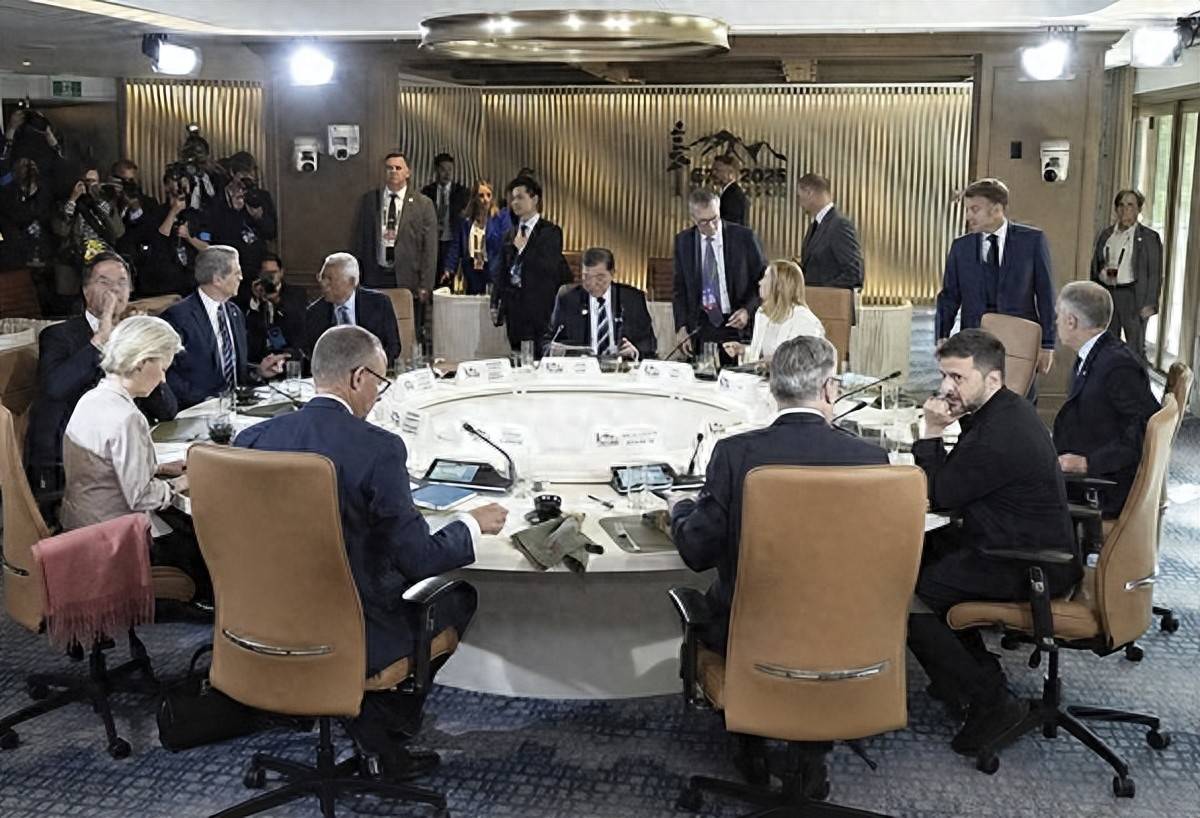
Core Viewpoint - The article discusses the recent tensions within the G7 regarding U.S. President Trump's call for imposing tariffs on China and India for purchasing Russian oil, highlighting Japan's refusal to support this initiative and the implications for U.S. influence in global politics [1][3][10]. Group 1: U.S. Position and G7 Dynamics - Trump is pushing G7 allies to impose tariffs on China and India, claiming that doing business with Russia should have consequences [1][3]. - The U.S. stance is met with hesitation from other G7 members, indicating a shift in the traditional dynamics where the U.S. could easily rally support [10][12]. - Japan's finance minister publicly disagrees with the U.S. proposal, emphasizing that the rationale for tariffs is insufficient and overly simplistic [5][8]. Group 2: Japan's Strategic Position - Japan's refusal to support U.S. tariffs is rooted in its strong economic ties with China, making it impractical to sever relations over the issue of Russian oil purchases [5][7]. - The Japanese government is cautious about potential retaliatory measures from China, recalling past experiences from trade disputes [7][12]. - Japan's position reflects a broader trend among nations seeking to navigate complex geopolitical landscapes without aligning too closely with either the U.S. or China [8][13]. Group 3: Implications for Global Trade - The article suggests that the era of U.S. dominance in setting global trade rules is waning, as countries like Japan assert their own interests [10][15]. - The G7's internal divisions may weaken U.S. leverage in international negotiations, as countries prioritize their own economic stability over collective actions [12][15]. - Japan's stance may signal a growing trend among nations to adopt a more pragmatic approach to international relations, balancing cooperation and independence [13][17].

11国共谋反制美国,这一次,特朗普恐要吃不了兜着走
Sou Hu Cai Jing· 2025-09-14 12:43
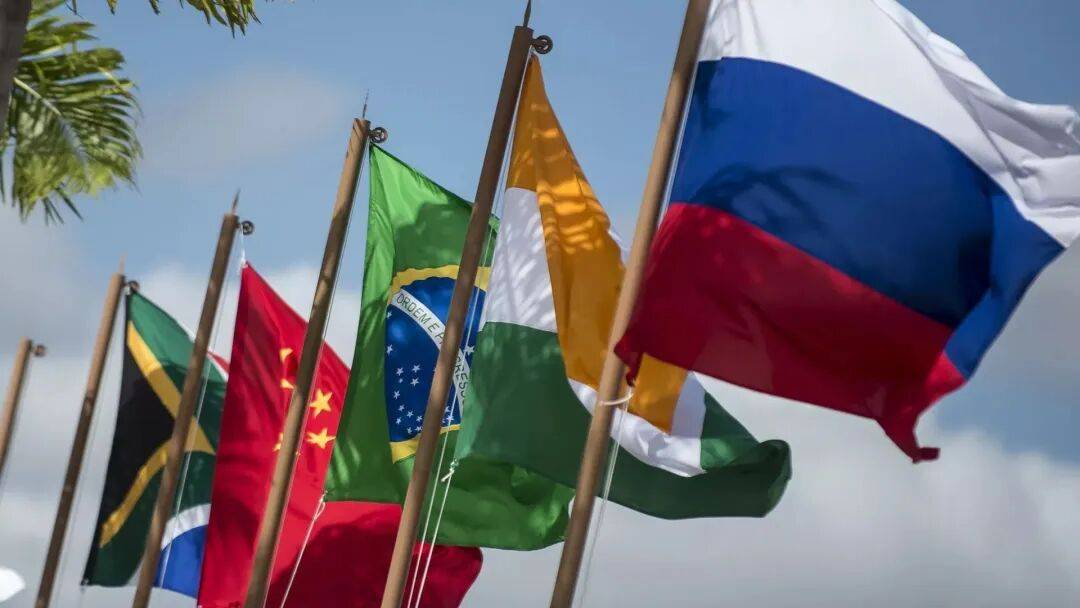
Group 1 - The core issue is the formation of an alliance among 11 countries, including BRICS nations, in response to Trump's aggressive tariff policies, which are perceived as economic coercion [2][3] - The alliance is a reaction to the punitive tariffs imposed by the U.S. on key exports from countries like Brazil and India, leading to significant economic distress [3][4] - The countries involved are taking coordinated actions to counter U.S. tariffs, indicating a shift towards collective economic strategies [2][3] Group 2 - The first strategy involves "de-dollarization," where the countries aim to conduct trade in their local currencies to undermine the U.S. dollar's dominance [4][5] - The second strategy is implementing reciprocal tariffs on U.S. goods, targeting key agricultural exports to the U.S. [6][7][9] - The third strategy focuses on infrastructure projects to reduce reliance on U.S.-controlled trade routes, such as the revival of the "Two Oceans Railway" in South America [10][11] Group 3 - The fourth strategy emphasizes energy cooperation among the countries, reducing dependence on U.S. energy markets and promoting local currency transactions in energy trade [12][13][14] - The collective response from these countries is expected to challenge U.S. economic hegemony and alter global trade dynamics [16][19] Group 4 - The situation reflects a broader shift in global power dynamics, with emerging economies like BRICS gaining influence and challenging Western dominance [20][22] - The U.S. faces increasing domestic backlash due to rising consumer prices and discontent among agricultural producers affected by tariffs [16][18] - The alliance's success may encourage more countries to join, further isolating the U.S. and accelerating the trend towards a multipolar world [22][23]
美议员访华示好,特朗普却逼欧盟对华加税,欧洲作何选择?
Sou Hu Cai Jing· 2025-09-13 07:48
Group 1 - The article highlights the contradictory actions of the U.S. government, where President Trump is seeking assistance from the EU to impose tariffs, indicating a shift from unilateralism to a more collaborative approach [1][4][10] - The potential impact of a 100% tariff on U.S. companies like Ford and Apple is significant, with Ford's vehicle prices potentially doubling, leading to a drastic reduction in market share in China [12][14] - European companies, particularly in the automotive and luxury goods sectors, are expressing strong opposition to U.S. tariffs, emphasizing their deep integration with the Chinese market [51][53] Group 2 - The article discusses the rising global trade tariffs, which have reached their highest levels in 15 years, and the implications of a trade war involving over $750 billion in trade [10][49] - The response from emerging markets like China and India is proactive, as they seek to diversify their trade partnerships and reduce reliance on the U.S. [29][33] - The article notes that multinational companies are planning to reconfigure their supply chains to mitigate risks associated with trade tensions, with 41% of companies indicating plans to do so within 18 months [53][55]
马来西亚学者:马中紧密合作助力共同应对挑战
Xin Hua She· 2025-09-04 05:45
Core Viewpoint - Malaysia's close cooperation with China is essential for advancing its socio-economic development and enhancing economic resilience amid complex international circumstances [1] Group 1: Economic Development - Malaysia's 13th Five-Year Development Plan emphasizes education reform to cultivate high-skilled talent and focuses on the development of artificial intelligence, digital technology, and renewable energy [1] - China has made significant achievements in these fields, providing support and experience for Malaysia's development [1] Group 2: Trade Relations - Recent U.S. tariff policies on Malaysia highlight the importance of deepening cooperation with other trade partners [1] - Malaysia is actively exploring new markets and expanding existing trade relationships, particularly with China, to ensure growth in high-value and innovative sectors [1] Group 3: Strategic Partnerships - Malaysia's increasing engagement with China, BRICS countries, and the broader Global South reflects its commitment to promoting a multipolar world [1] - Expanding economic and strategic partnerships will help Malaysia continue its national development and enhance economic resilience amid challenges and uncertainties [1] - The cooperation between Malaysia and China exemplifies how strategic collaboration among developing countries can drive sustainable growth and strengthen regional supply chains, improving competitiveness in a complex international landscape [1]
莫迪到访中日后,川普失去了理智,取消访印计划,欧洲也背刺美国
Sou Hu Cai Jing· 2025-09-01 07:38
Core Points - The article discusses the deterioration of US-India relations due to tariff disputes initiated by the Trump administration, leading to the cancellation of a planned visit by Trump to India [3][5]. - India has responded to US tariffs by filing a complaint with the WTO and implementing countermeasures against US agricultural products [8][9]. - Modi's diplomatic efforts include securing significant investments from Japan and strengthening ties with China, indicating a strategic balancing act in response to US pressures [13][19]. Group 1: US-India Relations - The US imposed a 25% tariff on Indian steel and aluminum, resulting in a $7.6 billion loss for India [5]. - The US further escalated the trade conflict by imposing an additional 26% tariff on Indian goods, leading to the postponement of trade negotiations [11]. - Modi's denial of Trump's claims regarding mediation in the India-Pakistan conflict has contributed to the diplomatic stalemate [11]. Group 2: Diplomatic Actions - Modi signed a $46.87 billion investment commitment with Japan, focusing on strategic sectors like semiconductors and clean energy [15]. - The collaboration aims to establish India as a significant semiconductor manufacturing hub over the next four to five years [15]. - Modi's visit to China for the Shanghai Cooperation Organization summit reflects India's intent to maintain close ties with China while balancing relations with the US and Japan [17][19]. Group 3: European Response - European nations are expressing dissatisfaction with US trade policies, particularly the Inflation Reduction Act, which they view as protectionist [21][25]. - A collective response from several EU countries indicates a growing rift between the US and its traditional allies, which may impact US strategic interests in the Indo-Pacific region [25][27]. Group 4: Strategic Implications - The cancellation of Trump's visit and the ongoing tariff disputes have introduced uncertainty into the Indo-Pacific geopolitical landscape [29]. - India's flexible strategy of engaging with both the US-Japan alliance and the Shanghai Cooperation Organization is reshaping regional power dynamics [31]. - This balancing act allows India to mitigate the impact of US sanctions while securing energy cooperation with Russia under the SCO framework [31][33].
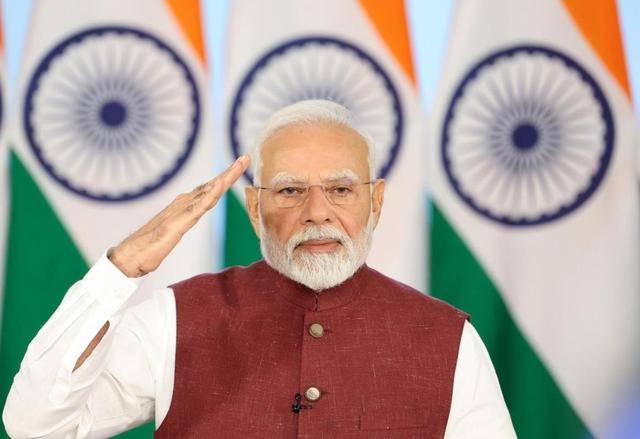
美国罕见把中国捧上神坛,中国成了香饽饽,美俄印三国争相巴结
Sou Hu Cai Jing· 2025-09-01 02:31
Group 1 - The U.S. Treasury Secretary's recent remarks reflect a significant shift in attitude towards China, moving from labeling it as the "largest economic and military competitor" to praising its economic progress and describing it as a "great country" [1] - U.S.-China trade data shows a projected 8.7% year-on-year increase in trade volume in the first half of 2025, with U.S. agricultural exports to China reaching a historical high and Boeing's orders from China accounting for 35% of its global total [3] - The U.S. has adopted a differentiated approach in its tariff policies, notably excluding China from recent tariff increases while imposing significant tariffs on other countries, indicating economic pressures [3] Group 2 - The U.S. has taken a confrontational stance towards India, imposing a 25% tariff on Indian imports, which raises the overall tariff rate to 50%, while India has responded with its own countermeasures [5] - The U.S. economy is facing challenges, with a projected GDP contraction of 0.5% in Q1 2025 and an annual growth forecast of only 1.8%, the largest decline among developed economies [6] - The trade war has resulted in significant financial losses for American households, averaging about $2,800 annually, and has disproportionately affected low-income families [6] Group 3 - China has strategically reduced its reliance on U.S. agricultural products, notably halting new orders for U.S. soybeans and increasing imports from Brazil, leading to a significant drop in U.S. soybean exports [8] - China is also diversifying its economic strategies by reducing its holdings of U.S. Treasury bonds and placing certain critical rare earth elements on a "licensing list" [10] - The relationship between China and India is improving, with high-level diplomatic engagements aimed at discussing trade and border issues, contrasting with the escalating tensions between the U.S. and India [11] Group 4 - The international landscape is shifting towards a multipolar world, with China gaining respect from the U.S. and attracting countries like Russia and India, as cooperation begins to replace confrontation [15] - Brazil has taken legal action against the U.S. at the WTO, indicating growing discontent among nations regarding U.S. trade policies [15]

欧洲要成 “桌上菜”?法国高官捅破实话:美国靠不住,中俄伊还在逼
Sou Hu Cai Jing· 2025-08-31 16:58
Group 1 - The warning from French Chief of Staff Burkhard highlights Europe's potential decline in the face of great power competition, indicating that Europe may become "table scraps" in geopolitical struggles [1] - The U.S. withdrawal from its protective role has left Europe in a state of confusion, as NATO's requirement for increased military spending to 2% of GDP puts financial pressure on European nations [3][6] - The military pressure from Russia, particularly its capabilities in Ukraine and energy leverage, poses a significant threat to European security [4][6] Group 2 - China's economic penetration through initiatives like the Belt and Road has raised concerns about Europe's industrial competitiveness and political decision-making [4] - The threats from North Korea and Iran further complicate Europe's security landscape, with North Korea gaining modern warfare experience and Iran's actions destabilizing energy routes [4] - Europe's internal fragmentation, characterized by defense system incompatibility and rising far-right political movements, exacerbates its vulnerability in the face of external challenges [5][6] Group 3 - The metaphor by Blinken, "not at the table, then on the menu," encapsulates Europe's diminishing role as a rule-maker and its current precarious position [8] - To regain agency, Europe must shift from reliance on U.S. military support to investing in its own defense industry and seek cooperation in areas like climate change and global governance [8] - The decline of Europe serves as a reminder that no power is permanent, and without a transition to strategic autonomy and internal unity, the warnings of Burkhard may materialize [8]
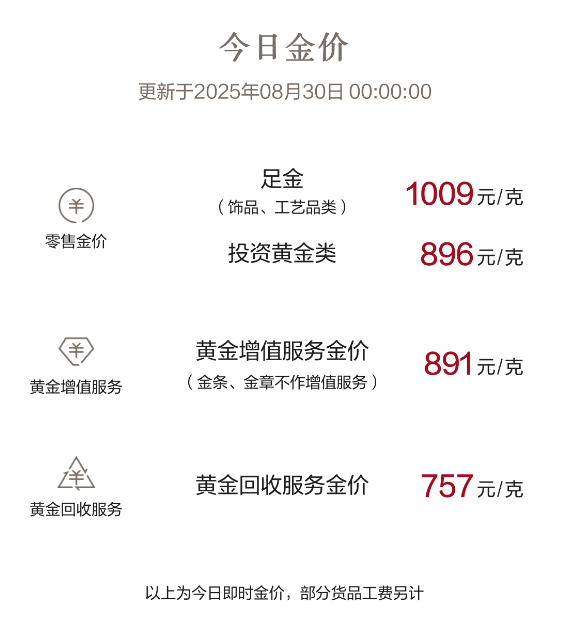
金价,三连涨!
Sou Hu Cai Jing· 2025-08-30 04:09
Group 1 - Gold prices have been rising for three consecutive days, with significant increases noted, including a rise above $3,430 per ounce and reaching $3,440 per ounce on the London market [1] - COMEX gold prices have also surpassed $3,500 per ounce, with a daily increase of 0.9% [1] - Hong Kong-listed gold stocks have generally risen, with notable increases such as China Gold International up 8.64% and Lingbao Gold up 15.46% as of the market close on the 29th [1] Group 2 - The recent rise in international gold prices is linked to concerns over the independence of the Federal Reserve, leading to increased investor demand for safe-haven assets [7] - The Federal Reserve is expected to lower interest rates by 25 basis points in September, with further cuts anticipated in the next 3-6 months, influencing market expectations [7] - Political interventions, such as the dismissal of a Federal Reserve board member, have raised doubts about the central bank's independence, further driving investors towards gold [7] Group 3 - Analysts predict that the bullish trend in gold prices will continue, driven by factors such as declining interest rates, high inflation, and low economic growth [9] - Morgan Stanley forecasts that central bank gold purchases will reach approximately 850 tons by 2025, with gold prices potentially hitting $4,000 per ounce sooner than expected [9] - Bank of America analysts expect gold prices to continue rising, projecting a price of $4,000 per ounce by mid-2026 due to inflation and potential interest rate cuts [9]
无视美国威胁,莫迪做出“炸裂”决定,印度下月将增加进口俄罗斯石油
Sou Hu Cai Jing· 2025-08-29 23:06
Core Viewpoint - India plans to significantly increase its oil imports from Russia, doubling its procurement volume compared to August, which translates to an additional 150,000 to 300,000 barrels per day [3][4][5]. Group 1: Economic Implications - The increase in oil imports is driven by attractive pricing, with discounts on Urals crude oil expanding to $2 to $3 per barrel compared to Brent, up from $1.5 in August [5]. - Approximately 40% of India's oil demand is currently met by Russian supplies, highlighting India's position as the largest buyer in the global oil market [5][6]. - The geopolitical tensions and sanctions against Russia have created a unique opportunity for India to optimize its energy structure and support economic growth [5][8]. Group 2: Geopolitical Context - India's decision to ramp up oil imports from Russia serves as a direct counter to U.S. trade pressures, showcasing a strategic shift in its foreign policy [4][6]. - The move reflects India's desire to maintain a balanced diplomatic stance, avoiding significant angering of Western nations while strengthening ties with Moscow [6][8]. - The ongoing sanctions against Russia may inadvertently accelerate the "de-dollarization" of energy transactions, as Russia seeks to offer larger discounts to non-Western markets like India [7][8]. Group 3: Strategic Autonomy - The current geopolitical landscape provides emerging nations like India with a valuable opportunity to assert strategic autonomy in energy procurement [8]. - India's actions illustrate that in the realm of national interests, relationships are fluid, and decisions are driven by pragmatic considerations rather than ideological alignments [8].

特朗普有3个失误,鲁比奥也承认犯错!美国在贸易战上输给了中国
Sou Hu Cai Jing· 2025-08-20 05:44
Group 1 - Trump's underestimation of China's resilience and the miscalculation of the U.S. economy's ability to withstand high tariffs led to significant economic consequences for the U.S. [3][4][18] - The trade war initiated by Trump resulted in rising costs for American businesses and increased prices for consumers, impacting the agricultural sector severely [4][18] - Despite the negative media portrayal, Trump's support base remains strong due to his policies that resonate with conservative voters, particularly regarding immigration and economic nationalism [6][9] Group 2 - The global landscape shifted towards a multipolar world as Trump's "America First" policy forced countries to navigate between U.S. and Chinese interests, leading to increased cooperation with China [13][15] - China's domestic market has become a significant pillar of its economy, contributing 79.1% to its growth by 2025, showcasing its ability to adapt and thrive despite U.S. tariffs [15] - The misjudgment of allies' support for the U.S. strategy against China revealed a lack of understanding of global economic dynamics, as many countries continued to engage with China despite public alignment with U.S. policies [15][18]