夜经济

Search documents
高瓴押注,COMMUNE幻师要上市:当海伦司市值缩水九成,酒馆生意还吃香吗?
Xin Lang Cai Jing· 2026-01-12 14:53
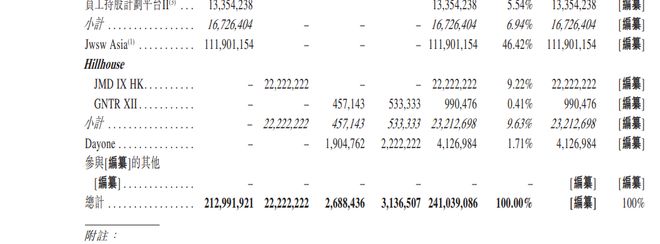
Core Viewpoint - COMMUNE, a restaurant and bar brand under JI WU SI WEI Co., has officially submitted its prospectus for an IPO on the Hong Kong Stock Exchange, aiming to capitalize on the growing restaurant and bar market in China, which is valued at over 100 billion yuan [1]. Company Overview - JI WU SI WEI was established in 2016 and is headquartered in Zhuhai, Guangdong, with its first restaurant in Wuhan. The company plans to expand to 112 locations by September 2025 [1]. - The brand has achieved significant revenue growth, surpassing 1 billion yuan in 2024, and holds a market share of approximately 7.8%, which is double that of its closest competitors [1]. Financial Performance - For the fiscal year 2023-2024, JI WU SI WEI's revenue increased from 845 million yuan to 1.074 billion yuan, a year-on-year growth of 27.1%. Net profit also rose from 50.5 million yuan to 53.98 million yuan, marking a 6.8% increase [4]. - In contrast, competitor HAILUNSI saw a decline in revenue from 1.209 billion yuan to 752 million yuan during the same period, with net profit dropping from 181 million yuan to a loss of 77.97 million yuan [4]. Market Positioning - JI WU SI WEI operates a direct management model with all its restaurants being company-owned, while HAILUNSI relies heavily on franchising [4]. - The company emphasizes a diverse operational model, offering services across various meal times, which is seen as a competitive advantage over HAILUNSI's focus on budget-friendly offerings [5]. Expansion Plans - The IPO proceeds will be used to expand the COMMUNE network, with plans to open 150 to 190 new locations from 2026 to 2029 [5]. - The company aims to enhance its market presence in first and second-tier cities, where it currently operates nearly 90% of its locations [6]. Challenges and Risks - Despite revenue growth, JI WU SI WEI has faced challenges in profitability, with adjusted net profit declining from 73.45 million yuan to 66.19 million yuan in 2024, indicating a "growth without profit" scenario [9]. - Rising costs in raw materials and employee benefits have contributed to this trend, with raw material costs increasing by 39% and employee costs by 38% in 2024 [9]. Competitive Landscape - The only publicly listed competitor in the same sector is HAILUNSI, which has seen a significant decline in market value, dropping from a peak of 30.295 billion HKD to 1.152 billion HKD [3][6]. - Analysts suggest that JI WU SI WEI's differentiated business model and strong brand positioning may lead to a successful IPO, although market sentiment may affect its valuation [6].

湖南南岳:衡山脚下夜缤纷
Xin Lang Cai Jing· 2026-01-12 02:30
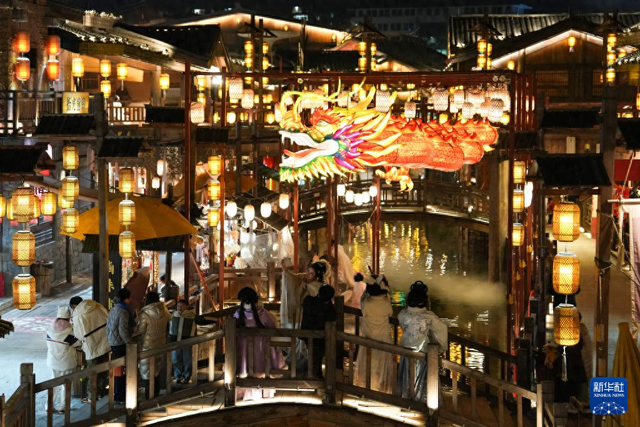
来源:新华网 1月9日,游客在南岳里赏景游玩。 南岳里位于湖南省衡阳市南岳区,北望衡山,是以"庙会民俗"为主题的美食文化街区,集餐饮、住宿、 旅拍、演出等消费业态于一体,为游客提供多元体验。近年来,当地挖掘历史文化底蕴,通过打造夜间 消费新场景、新业态,推动夜经济发展。 新华社记者 陈振海 摄 pagebreak 1月9日,游客在南岳里观看水上舞蹈演出。 南岳里位于湖南省衡阳市南岳区,北望衡山,是以"庙会民俗"为主题的美食文化街区,集餐饮、住宿、 旅拍、演出等消费业态于一体,为游客提供多元体验。近年来,当地挖掘历史文化底蕴,通过打造夜间 消费新场景、新业态,推动夜经济发展。 新华社记者 陈振海 摄 pagebreak pagebreak 这是1月9日在南岳里拍摄的打铁花表演。 南岳里位于湖南省衡阳市南岳区,北望衡山,是以"庙会民俗"为主题的美食文化街区,集餐饮、住宿、 旅拍、演出等消费业态于一体,为游客提供多元体验。近年来,当地挖掘历史文化底蕴,通过打造夜间 消费新场景、新业态,推动夜经济发展。 新华社记者 陈振海 摄 1月9日,游客在南岳里观看水上舞蹈演出。 南岳里位于湖南省衡阳市南岳区,北望衡山,是以"庙 ...
规范夜市经济秩序 守护“烟火气”里的安全感——钦州市市场监管系统集中开展“夜”查专项行动
Xin Lang Cai Jing· 2026-01-10 08:11
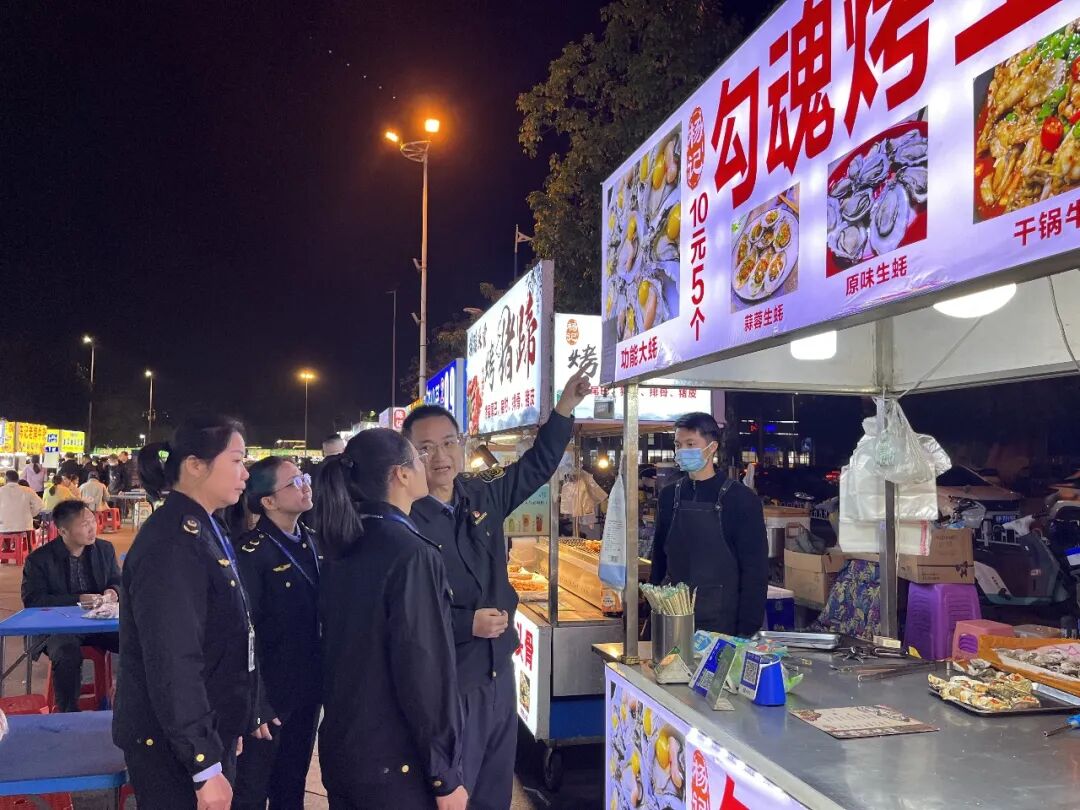
Core Viewpoint - The article emphasizes the importance of ensuring food safety in night markets to protect consumer interests and promote the healthy development of the "night economy" in Qinzhou [1]. Group 1: Regulatory Actions - The Qinzhou Market Supervision Bureau, in collaboration with local regulatory bodies, has initiated a special action to inspect night markets, focusing on consumer safety and food quality [1]. - Enforcement teams conducted surprise inspections at various night markets, including Hongfa Market and World Trade Plaza, checking compliance with food safety regulations, such as the use of expired ingredients and proper food storage temperatures [2][3]. Group 2: Education and Compliance - During inspections, enforcement personnel not only checked food safety compliance but also educated vendors about relevant laws, including the Food Safety Law, to promote awareness and responsibility among food operators [3][5]. - The regulatory authorities plan to maintain frequent inspections and strengthen oversight to prevent food safety violations, ensuring a safe dining environment for residents [5].
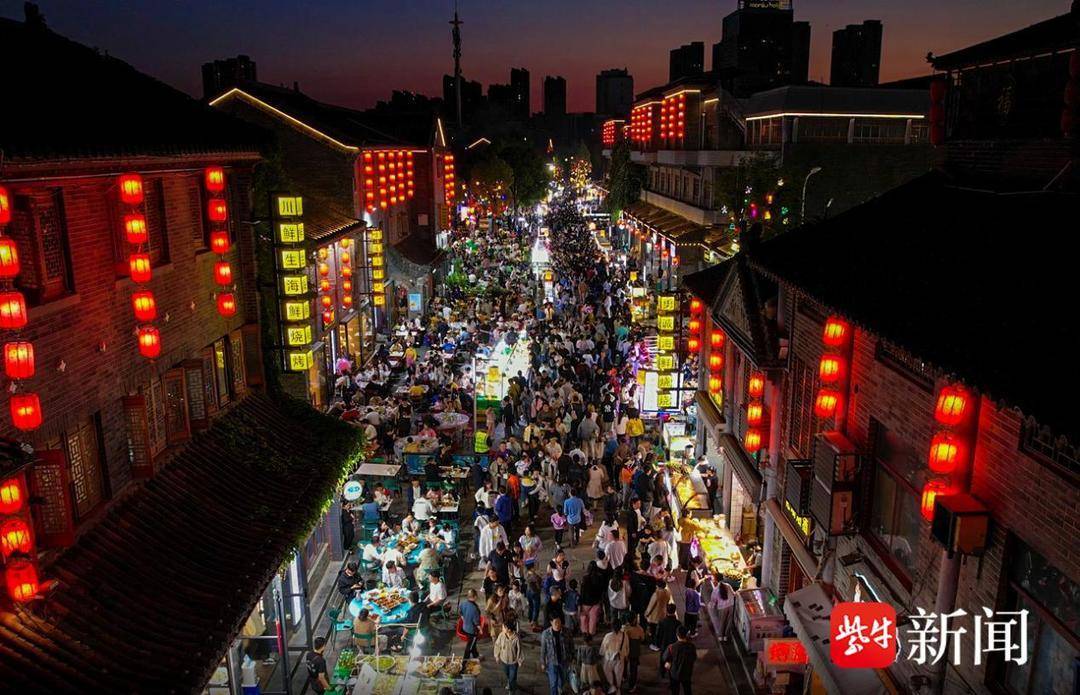
连云港海州:“夜经济”激活古城新活力
Yang Zi Wan Bao Wang· 2026-01-09 13:11
Core Viewpoint - The night economy in Lianyungang's Haizhou district is emerging as a new driving force for regional development, characterized by a vibrant mix of night tours, dining, entertainment, and shopping experiences [1] Group 1: Night Economy Development - The night economy is becoming a significant contributor to regional growth, with various activities such as night tours, food experiences, and shopping events attracting both locals and tourists [1][4] - The transformation of traditional streets into lively night markets is enhancing the area's appeal, with a focus on cultural and culinary experiences [4][9] Group 2: Key Attractions - Democracy Road Old Street serves as a cultural hub, blending historical architecture with modern attractions, providing visitors with a unique atmosphere and various entertainment options [3][4] - Salt River Lane is highlighted as a culinary hotspot, featuring nearly 200 vendors offering local seafood and snacks, making it a must-visit destination for both residents and tourists [4][5] - Dong Salt River Street offers a range of recreational activities, including an ice carnival and various amusement rides, catering to families and enhancing the overall night experience [7] Group 3: Cultural Integration - Kongwang Mountain has been recognized as a premier night climbing destination, integrating cultural tourism with innovative experiences, and attracting significant visitor numbers [9] - The area is implementing a "one street, one feature" strategy to enhance the uniqueness of different commercial streets, promoting diverse business models and immersive performances [9]

戏剧、冰雪、美食……东城夜经济,暖“出圈”!
Xin Lang Cai Jing· 2026-01-09 10:26
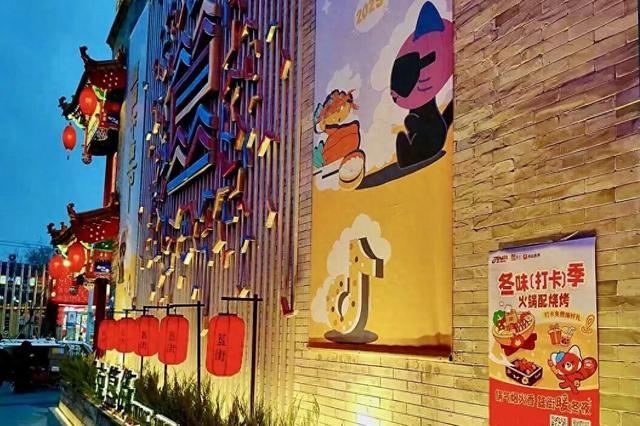
Group 1 - The core idea of the article highlights the vibrant night economy in Dongcheng District, Beijing, showcasing its diverse consumption scenarios and becoming a preferred destination for citizens and tourists during winter nights [1][29] - Dongcheng District has been recognized in the 2025 "Night Beijing" list released by the Beijing Municipal Bureau of Commerce, emphasizing its rich cultural and culinary offerings [1][29] - The district features five major commercial areas that cater to various consumer needs, enhancing the overall night-time experience [1][29] Group 2 - The "2025 Beijing Autumn and Winter Hot Pot and Barbecue Festival" is taking place in Guijie, attracting numerous visitors with its vibrant food scene and special promotions [6][3] - Guijie is known as a "late-night canteen" in Beijing, with popular restaurants like Beiping Sanxiong Hot Pot drawing crowds, especially during winter [3][4] - The festival includes over 20 hot pot and barbecue vendors, offering discounts and interactive activities to engage consumers [6][29] Group 3 - The article describes the lively atmosphere at Qianmen Street, which has transformed into a "city camping site" with numerous food stalls and entertainment options [8][9] - The presence of live music performances and food stalls creates a unique winter evening experience for visitors [9][11] - Vendors report high sales, with some selling over 10,000 yuan worth of products in a day, indicating strong consumer interest [11] Group 4 - The article emphasizes the popularity of immersive theater experiences in Dongcheng, with venues like the Happy Mahua A99 Theater attracting young audiences [13][19] - The theater's performances, such as "Rain Village Notes," have sold out multiple shows, reflecting a growing demand for diverse cultural offerings [19][21] - Traditional theaters in Wangfujing also remain vibrant, providing high-quality drama experiences for audiences [22][24] Group 5 - Ice skating and indoor skiing facilities in Dongcheng offer unique recreational options for residents and visitors during winter nights [26][28] - The indoor ice rink has been upgraded to enhance the consumer experience, while the simulated skiing venue allows year-round access to skiing activities [26][28] - These facilities cater to families and individuals, promoting physical activity and social interaction during the winter season [26][28] Group 6 - The article concludes that Dongcheng District aims to continuously enrich its winter night consumption scenes and improve service quality to sustain the growth of its night economy [29][1] - The combination of culinary delights, cultural performances, and recreational activities paints a vibrant picture of the district's winter night economy [29][1]
“首店引擎”点燃城市活力 太原小店区以“五维跃升”擘画商业新图景
Zhong Guo Xin Wen Wang· 2026-01-06 10:01
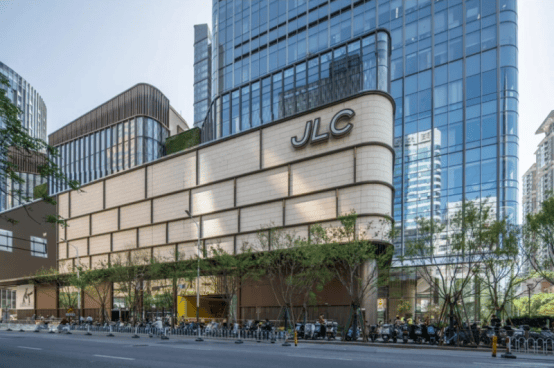
打破传统商业边界,鼓励"首店+"多元模式创新。北美新天地引入爬宠公园(全国首店)、次元峡谷(山西 首店)、photoism(太原首店)等特色配套首店,打造"可逛、可玩、可拍"的复合空间;王府井百货首设跨 国运动品牌UNDER ARMOUR(安德玛)、KAILAS(凯乐石)等专柜,并探索提供专业服务;华宇百花谷 将元叙XR(山西首店)、搏瑞伍运动中心(山西首店)等娱乐休闲与教育培训首店与夜经济深度融合。同 时,顺应"人工智能+消费"趋势,科大讯飞在天美新天地、华宇百花谷均开设门店,小度入驻华宇百花 谷,支持数字化服务空间落地。盒马鲜生"生鲜超市+餐饮+即时配送"的新零售模式(山西首店落户太原 茂业天地),更将消费场景延伸至家庭生活全链条,实现业态多元与功能互补。 活力跃升:从"静态招牌"到"动态引擎" 激活城市夜间新消费 中新网山西新闻1月6日电 "更具活力、更加宜居、更有品质"三者有机统一,是城市高质量发展的核心 关键。作为全市经济高质量发展的主引擎,小店区正在全面落实太原建设全国先进制造业基地、高能级 现代服务业集聚区安排部署,坚持智能化、绿色化、融合化发展方向,构建特色鲜明、优势突出、竞争 力强的现代产业 ...
场景跨界上新“加速跑” 花样新“夜”态点亮夜经济托举消费升级
Yang Shi Wang· 2026-01-06 03:31
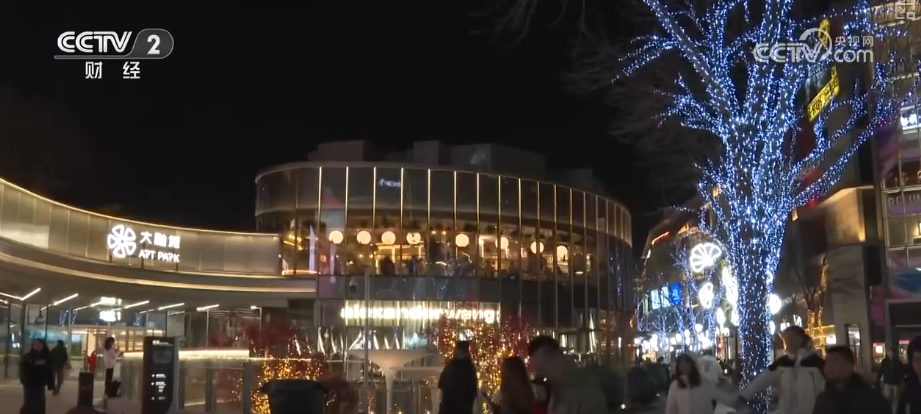
央视网消息:即便是寒冷的冬夜,各地的夜间消费也是一片暖意融融的景象。在北京,从潮流商业体到河边市集,市民游客冬夜休 闲有了新的选择。 当商圈夜潮涌动之时,北京的户外夜市同样热力十足。在通州运河畔的月亮河小镇,冬日市集上的特色美食与文创潮玩,与艺术景 观和灯光构建出夜间消费乐园。 这里是通州月亮河夜市的美食市集。尽管现在天气有些冷,但可以看到还是有许多前来游玩逛吃的朋友。这里汇聚了100多家美食 摊位,可以实现"一站式"打卡多地风味。 在蓝色港湾商区,非遗剪纸化作流光溢彩的灯组,吸引游人驻足。作为"夜京城"核心地标,这里融合文旅、购物、餐饮、娱乐等多 元业态,夜间消费持续升温。 夜幕降临,灯火璀璨的中关村大融城已成为客流聚集地。这里集结了70余家时尚零售与特色餐饮首店,引入众多国际潮流品牌和各 色特色店铺,让购物升级为兼具时尚气息与生活美学的休闲场景。消费者步入主题美食街区,沉浸式感受社交型美食体验的乐趣。 在丰富的消费业态基础上,中关村大融城还"把公园搬进商场",屋顶花园和下沉广场串联成游园动线,为消费者带来独特的休闲体 验。 中国社科院大学商学院教授魏翔表示,夜经济实质上是在时间上托举消费升级,白天和夜间通 ...
创新精神+实干作风!江苏多措并举促消费
Sou Hu Cai Jing· 2026-01-05 10:31
Core Insights - Jiangsu has achieved a steady and quality improvement in consumer development since the "14th Five-Year Plan," with a projected retail sales total of 44,922.1 billion yuan in 2024, reflecting a year-on-year growth of 4.6% [1] - The province's retail sales growth in the first half of 2025 is expected to rank first in the nation, driven by synchronized policies and market dynamics [1] Policy Support - Jiangsu has established a comprehensive consumption policy support system, providing substantial subsidies and practical measures to bolster consumer growth [3] - The "Su New Consumption" brand has been upgraded, with over 12,000 consumption promotion events held during the "14th Five-Year Plan," distributing approximately 2.54 billion yuan in consumption vouchers and digital currency red packets [3] - In 2025, themed activities such as "Su New Consumption Spring Benefits" and "Warm Winter Shopping Season" have been launched, covering various consumer scenarios [3] Consumption Trends - The "old-for-new" consumption model has gained traction, with policies driving over 351 billion yuan in consumption growth from 2024 to 2025, benefiting over 25.2 million consumers [5] - Retail sales of home appliances and 3C digital products under the "old-for-new" policy saw a year-on-year increase of 11.2% [5] - The demand for energy-efficient and smart appliances has surged, with sales of level 1 and 2 energy-efficient products growing by 34.7% and 44.0%, respectively [5] Market Environment Optimization - Jiangsu has launched a three-year action plan to optimize the consumption environment, proposing 62 quantifiable measures to enhance supply quality and consumer rights [6] - The province aims to achieve a 95% compliance rate for consumer goods by 2027 and has initiated various measures to boost consumer capacity through skills training and community service improvements [6] Innovative Consumption Scenarios - Jiangsu is fostering new consumption forms by integrating various sectors, leading to the emergence of first-store economies and night economies [7] - The "Su Super" football league has become a significant driver of consumption, with related events attracting over 573.4 million visitors and generating 3.54 billion yuan in consumption [7] - Nighttime consumption has been promoted through the establishment of 50 night-time consumption clusters, enhancing the vibrancy of urban life [9] Digital Consumption Growth - The online retail sales of physical goods in Jiangsu reached 1,086.05 billion yuan in 2024, accounting for 24.2% of total retail sales [10] - In the first 11 months of 2025, online retail sales grew by 16.3%, contributing 97.9% to the growth of retail sales above designated size [10] Consumer Demand Evolution - Jiangsu's consumer market is characterized by a shift towards quality, green, personalized, and diversified consumption, driven by rising income levels [11] - In 2024, the per capita disposable income in Jiangsu reached 55,415 yuan, with a growth rate of 5.2%, indicating strong consumer purchasing power [11] - The retail sales of sports and entertainment products surged by 17.4%, reflecting a growing demand for quality lifestyle products [11] Green and Smart Consumption - The demand for green and smart products is rapidly increasing, with retail sales of new energy vehicles soaring by 37.9% in 2024 [12] - The sales of energy-saving appliances and wearable smart devices also experienced significant growth, indicating a trend towards sustainable consumption [12] Tourism and Education Spending - Tourism and education are emerging as key areas of consumer spending, with nearly 40% of respondents planning to increase their travel expenditures in 2026 [14] - The focus on unique experiences and natural beauty in tourism reflects a shift in consumer preferences towards quality and personalized offerings [14]
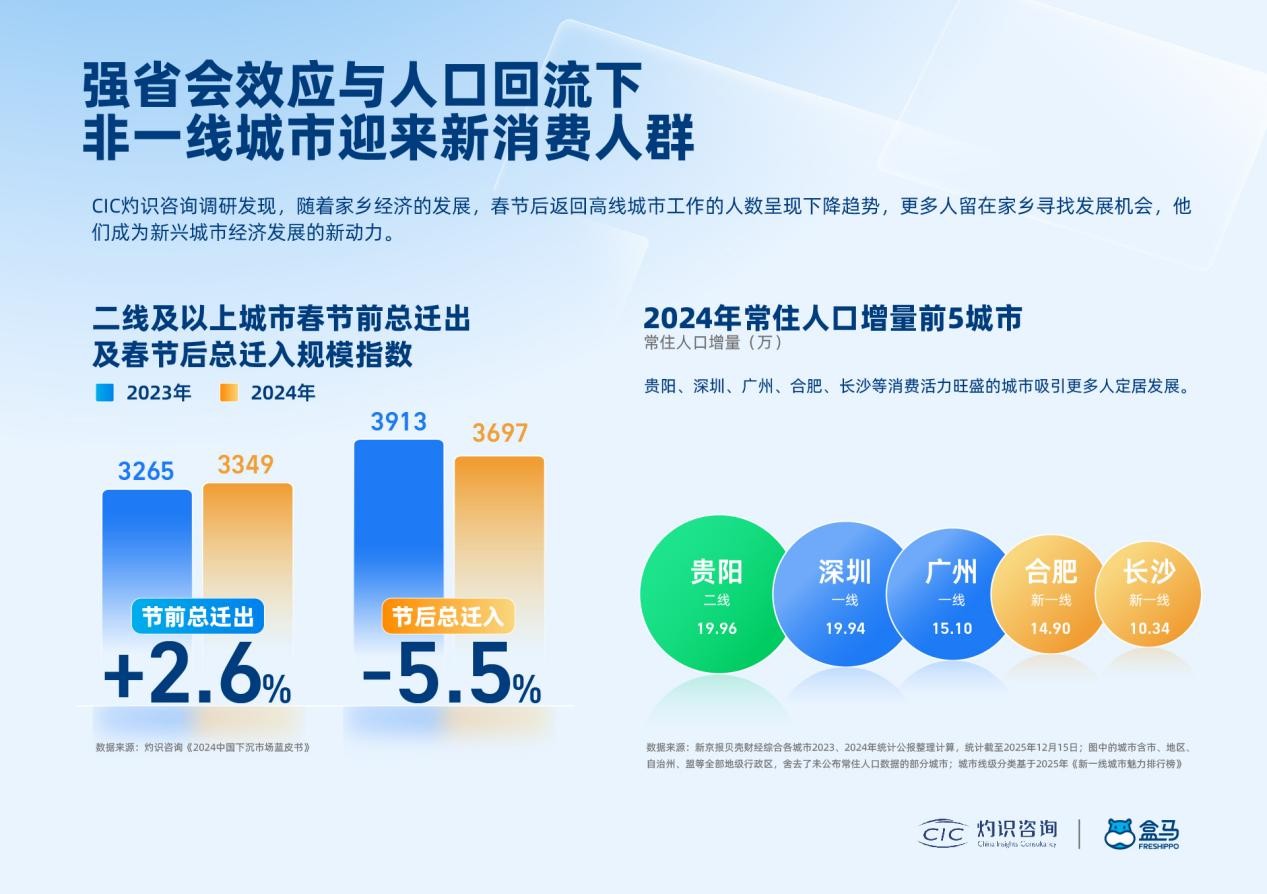
盒马发布“盒区房指数” 有效人口与结构性购买力成消费新引擎
Bei Jing Shang Bao· 2026-01-05 09:28
北京商报讯(记者 赵述评)1月5日,盒马发布《2025年百城"盒区房"消费力报告》,首次提出"盒区房 指数",基于线下门店日均订单、笔单价及日均进店客流衡量盒马线下门店活跃度。数据显示,石家庄 指数飙升至171,徐州达141,临沂达127,均显著高于全国重点城市均值(基准指数100)。这一指数不 仅反映了门店热度,更折射出新兴城市消费市场的结构性变迁。 "盒马2025年整体营收同比增速超40%,已服务超1亿消费者。"2026年新年第一天,盒马CEO严筱磊在 全员信中披露的业绩,与"盒区房指数"形成呼应。 在泰州吾悦广场,盒马入驻前商场20点后人流回落;入驻后,"逛街完在盒马吃火锅、买菜回家"成为常 态,21点人潮未退,商场打烊时间自然延后。扬州吾悦广场因盒马闭店时间为22点,将营业时间调整为 8:58至自然闭店。 报告认为,新兴城市夜经济发展潜力巨大,需要有充分的消费场景进行承接,盒马等新零售品牌及其他 体验类、休闲类文化品牌提供了很好的解决方案。 商务部研究院副研究员洪勇分析,在人口净流入明显、服务业占比高的非一线城市,"盒区房"覆盖密度 和消费活跃度快速提升,说明消费潜力更多取决于"有效人口"和"结构性购 ...
新兴城市消费力加速释放,从“盒区房指数”看零售市场消费新格局
3 6 Ke· 2026-01-05 02:56
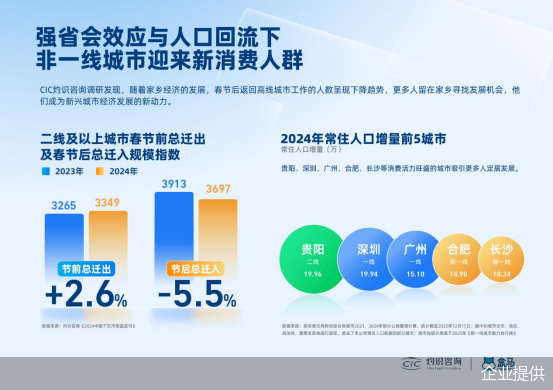
Core Insights - The report indicates that the retail sales of consumer goods in China increased by 4% year-on-year from January to November 2025, surpassing both the same period last year and the overall growth for the entire year [1] - The "Box District Housing Index" was introduced to measure the activity of Hema's offline stores, with cities like Shijiazhuang, Xuzhou, and Linyi showing indices significantly above the national average [1][5] Group 1: Population Influx and Consumption Dynamics - Emerging cities are experiencing growth driven by continuous population inflow and the "strong provincial capital" strategy, leading to a new consumer demographic that is reshaping local consumption ecosystems [2] - Hema has expanded into 40 new cities, including Shijiazhuang and Linyi, with reports indicating that these new stores are experiencing immediate high traffic upon opening [5] Group 2: Quality Demand and Consumption Upgrade - The report highlights a significant shift in consumer behavior towards quality living, with high-end brands increasingly entering the market to meet the demand for quality consumption [7] - Hema's data shows that consumers in emerging markets are now regularly purchasing high-end products, indicating a normalization of quality consumption [10] Group 3: Night Economy and Consumption Patterns - The report notes that the entry of new retail brands like Hema is extending consumer shopping hours and altering traditional consumption patterns, particularly in emerging cities [12] - The night economy is identified as a significant growth area, with Hema's presence contributing to longer shopping hours and increased foot traffic in shopping areas [12][14]