
房住不炒

Search documents
房地产行业:“十五五”中国房地产市场趋势展望
中指研究院· 2025-12-27 08:15
Investment Rating - The report does not explicitly state an investment rating for the real estate industry. Core Insights - The report outlines a significant shift in China's real estate policy from emphasizing "housing is for living, not for speculation" to focusing on stabilizing the market and preventing declines during the "14th Five-Year Plan" period [7][22]. - The real estate market reached a peak in 2021, followed by a deep adjustment phase, with a notable decline in new housing sales and a shift in market dynamics towards improvement-driven demand [8][20]. - The "15th Five-Year Plan" anticipates a gradual stabilization of supply and demand in the real estate market over the next five years, with an expected average annual sales area of new residential properties between 700 million to 800 million square meters [15][16]. Summary by Sections 1. Summary of the "14th Five-Year Plan" Real Estate Market Situation - **Policy Environment**: The transition from a focus on preventing overheating to stabilizing the market was marked by various supportive measures, especially in response to the COVID-19 pandemic [7][22]. - **Market Characteristics**: The total sales area of new residential properties during the "14th Five-Year Plan" was approximately 5.8 billion square meters, a 25% decrease compared to the "13th Five-Year Plan" [8]. - **Corporate Landscape**: The number of large real estate companies has decreased, with only 11 companies remaining in the billion-yuan sales category by 2024, indicating increased market concentration among state-owned enterprises [9]. 2. Outlook for the "15th Five-Year Plan" Real Estate Market - **Development Environment**: Economic growth is anchored to achieving a per capita GDP level of a moderately developed country by 2035, with a focus on expanding domestic demand [10][11]. - **Market Forecast**: The report predicts that the total housing demand during the "15th Five-Year Plan" will be approximately 4.98 billion square meters, with a significant portion driven by urban population growth and improvement needs [15][16]. - **Development Trends**: The report highlights a normalization of urban differentiation, with a focus on high-quality housing in core cities, and emphasizes the importance of urban renewal and corporate transformation to adapt to new market conditions [17][18].
国家定调了!北京打响楼市松绑第一枪,2026将着力稳定房地产市场
Sou Hu Cai Jing· 2025-12-26 19:14
Core Viewpoint - Beijing's real estate market is experiencing a significant policy adjustment aimed at stimulating consumption and addressing housing needs, particularly for non-local residents and families with multiple children [3][5][42]. Policy Adjustments - The new policy, effective immediately, focuses on key areas such as purchase restrictions, credit, and housing provident fund adjustments [3][5]. - The requirement for non-local families to purchase homes within the Fifth Ring has been reduced from three years of social security or tax payments to two years, and outside the Fifth Ring, it has been further relaxed to one year [7][9]. - Families with two or more children are now allowed to purchase an additional property within the Fifth Ring, addressing their housing needs [10][12]. Financial Implications - Financial institutions will no longer differentiate between first and second homes, implementing a unified mortgage interest rate, which is currently around 3.2% [14]. - The minimum down payment for second homes using the housing provident fund has been reduced from 30% to 25%, easing the financial burden on homebuyers [14][16]. Market Dynamics - The adjustment in land auction processes aims to lower the barriers for companies to acquire land, potentially increasing new housing supply [16]. - Compared to other cities, Beijing's policy changes are not the most aggressive, but they serve as a significant signal for national market trends [20][22]. Broader Context - The adjustments reflect a broader trend of easing restrictions in major cities, with other cities like Guangzhou and Shenzhen already implementing more lenient policies [20][26]. - The policy changes are designed to balance the local market with surrounding areas, avoiding excessive pressure on neighboring cities [28]. Future Outlook - The overall impact of these policy changes on the housing market remains uncertain, as many potential buyers are still hesitant due to concerns about falling prices and income stability [30][32]. - The long-term goal of these adjustments is to stabilize housing prices and ensure that the real estate market serves the public's housing needs effectively [40][42].

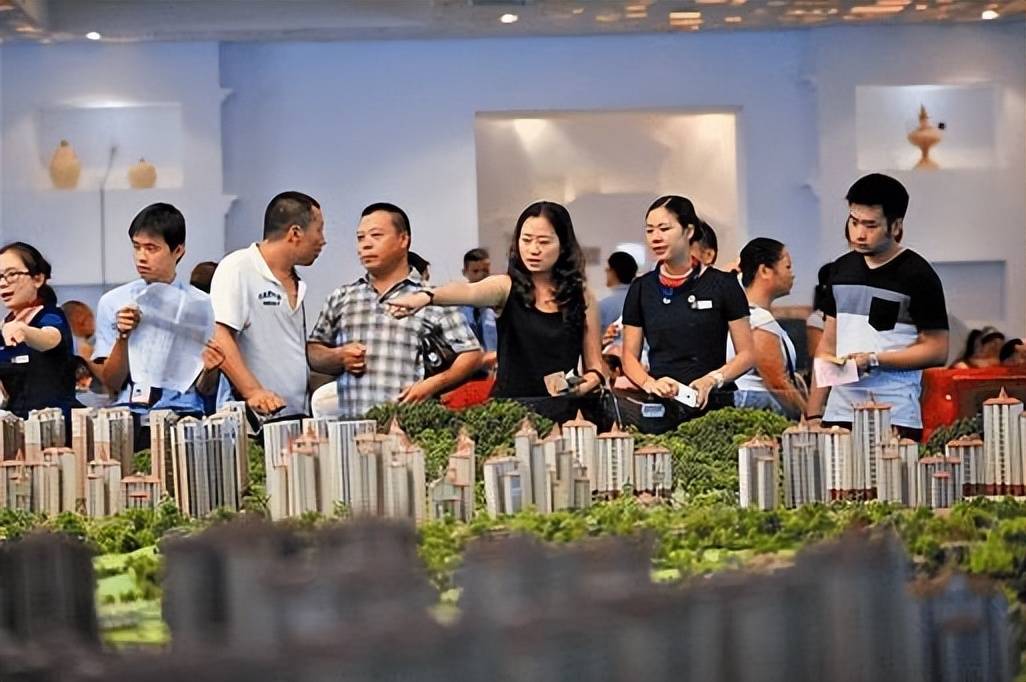
房产中介说漏嘴:今明两年买房,牢记这7个字,“买旧、买大、不买三”
Sou Hu Cai Jing· 2025-12-26 17:37
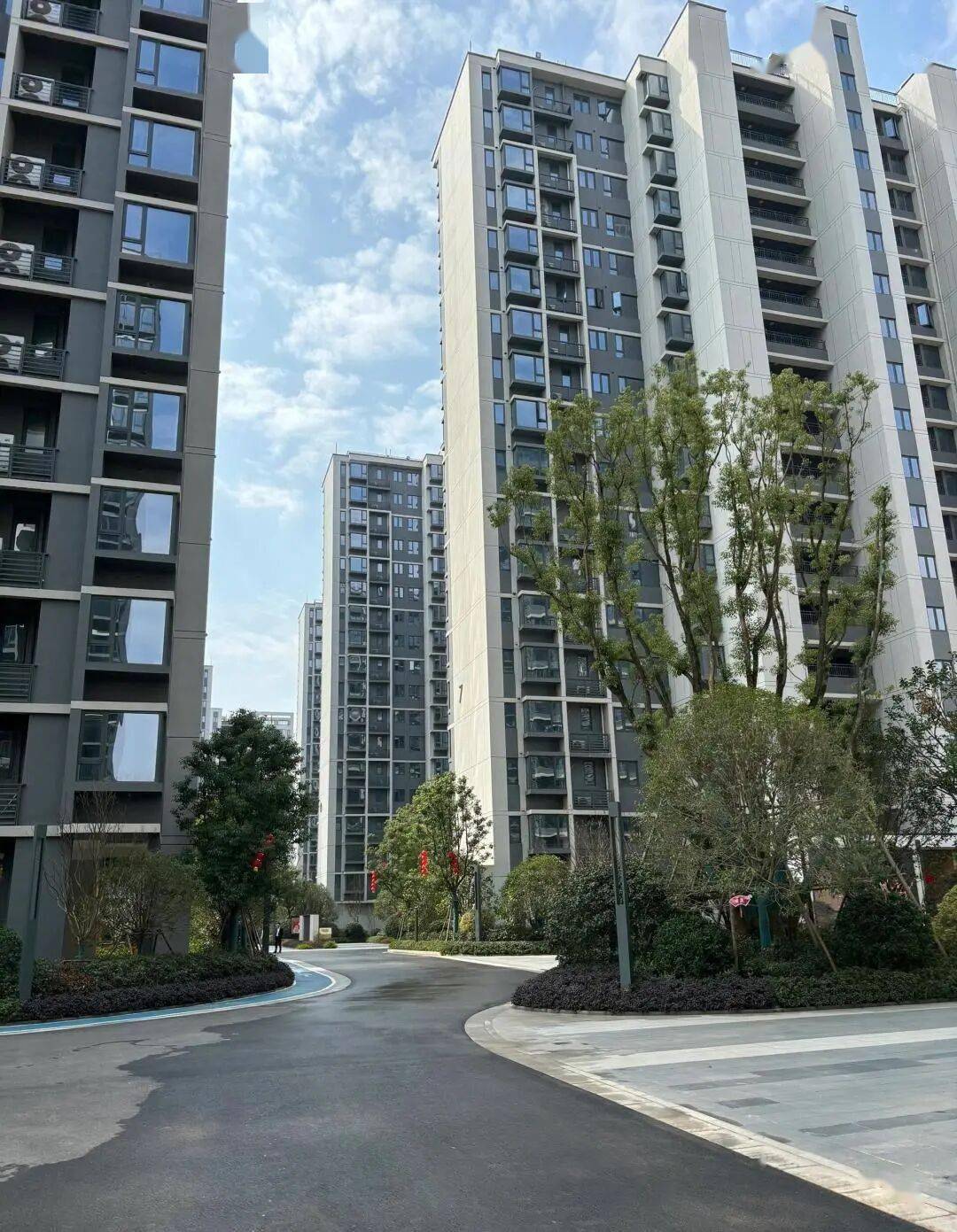
Core Viewpoint - The article emphasizes a strategic approach to real estate investment, advocating for the purchase of older, larger properties while avoiding certain types of investments that may lead to significant financial loss. Group 1: Why "Buy Old"? - The term "old" refers to properties built 5 to 15 years ago located in core urban areas, known as "next-new second-hand houses" [5] - Second-hand houses have prices that reflect real market negotiations, unlike new houses which may have inflated prices due to branding and marketing [7] - Properties in established areas come with complete amenities, such as transportation, shopping, education, and healthcare, providing immediate benefits without long waiting periods [8][10] Group 2: Why "Buy Big"? - "Big" refers to selecting spacious and well-equipped units within one's budget, rather than merely seeking larger square footage [12] - Given the high transaction costs in the current real estate market, it is advisable to invest in larger homes that can accommodate future family needs, ensuring stability and harmony [14][18] - The demand for larger homes is driven by families looking to upgrade, making these properties more liquid and secure investments [18] Group 3: "Do Not Buy Three" - Avoiding Pitfalls - Avoid purchasing properties in poorly planned suburban developments that lack immediate infrastructure and may take years to realize their potential [21] - Steer clear of properties developed by small developers with unclear financial stability, as they pose risks of delays, poor quality, or even project failures [23] - Refrain from buying unconventional or poorly designed layouts that may hinder future resale opportunities [26]
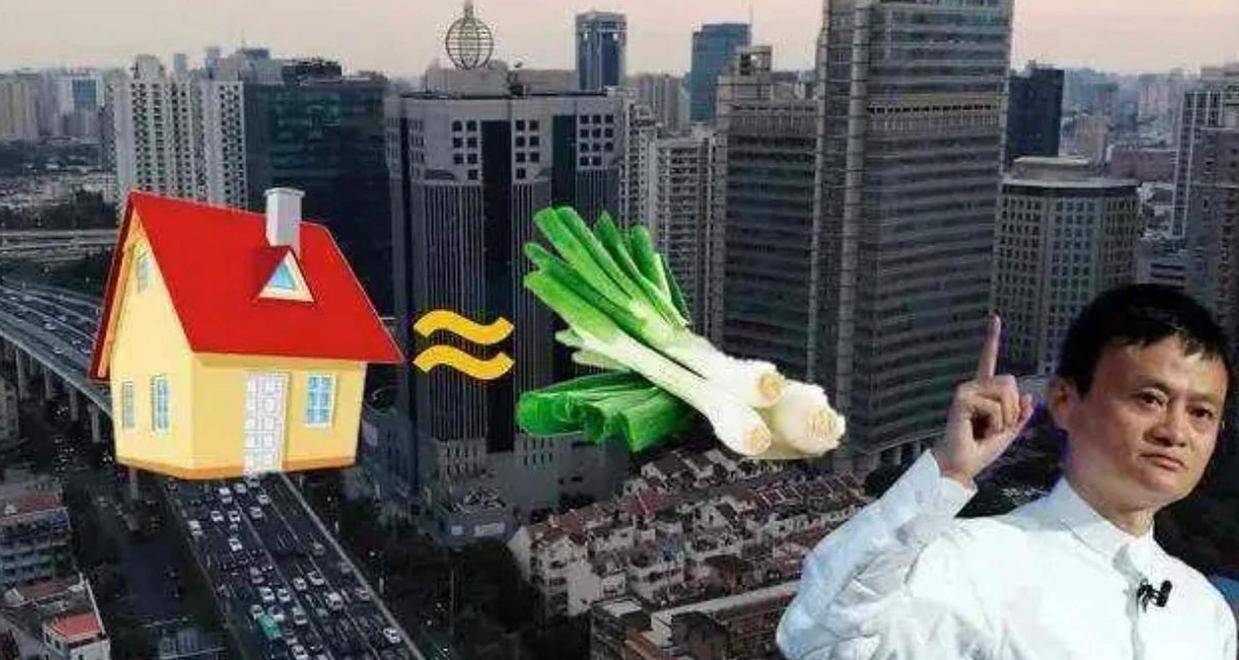
马云预言成真?2026年开始,房地产市场或将迎来4大转变?
Sou Hu Cai Jing· 2025-12-21 10:04
楼市发展,牵动着万千家庭的心弦,它在市场经济中占据举足轻重的地位。对于普通百姓而言,拥有一个稳定的家,远胜于四处漂泊的租房生活。能否实现 安居梦想,很大程度上取决于个人的经济实力。 展望2026年,楼市将走向何方?许多人或许感到迷茫。然而,商业巨擘如马云,早在多年前就对房地产行业提出了发人深省的预言,诸如"房价如葱"等观 点,尽管带有夸张和警示的意味,但其核心在于预见市场终将回归理性,凸显居住的本质属性。 综合考量当前的政策导向、经济形势以及人口结构等宏观因素,2026年前后,中国房地产行业极有可能迎来一场深刻而具有结构性的变革。 以下基于现有信息与发展趋势,对可能出现的四大转折方向进行深入剖析: 一、政策逻辑的根本性转变:从"经济引擎"转向"民生保障" 转折核心: 房地产的角色将彻底转变,不再是拉动经济增长的主要工具,而是回归其本源,成为保障民生和社会稳定的基础性行业。 具体表现: "市场归市场,保障归保障"的双轨制加速构建: 商品房市场将更大程度地接受市场规律的调节,房价的涨跌波动将成为常态。与此同时,政府将大力推进 保障性住房建设、城中村改造以及"平急两用"公共基础设施建设,旨在构筑一张覆盖广大工薪阶层 ...
重磅!中央传递房地产维稳信号,寻常百姓买房卖房要抓住哪些机遇?
Sou Hu Cai Jing· 2025-12-13 06:57
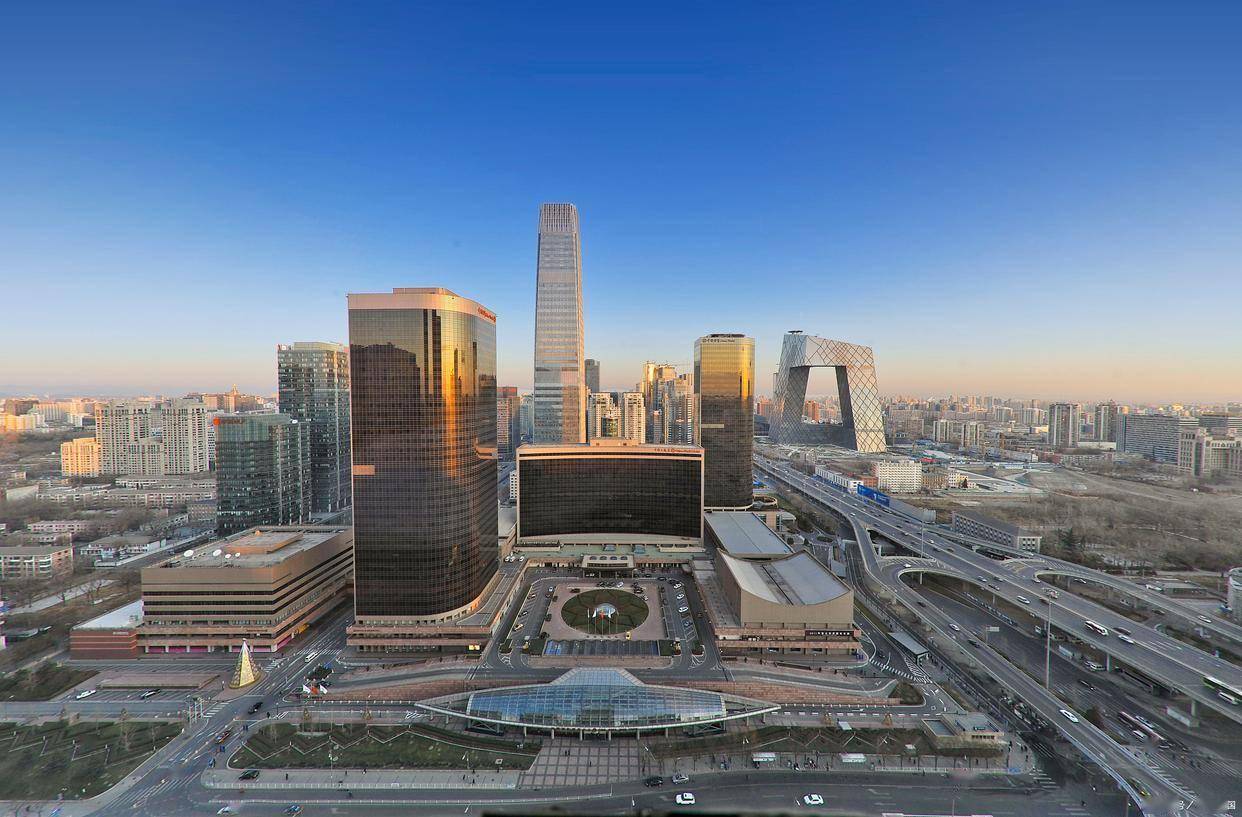
Core Viewpoint - The recent emphasis on "stabilizing the real estate market" by the central government signals a significant shift in policy direction, moving from emergency measures to a long-term recovery plan for the real estate sector [1][3]. Policy Shift - The focus has shifted from "rescue" and "risk prevention" to "controlling increments, reducing inventory, and optimizing supply," indicating a more strategic approach to managing the real estate market [3]. - "Controlling increments" means stricter regulations on new construction, especially in areas with excess housing supply [3]. - The new approach encourages the acquisition of existing properties for affordable housing, effectively addressing unsold inventory while increasing the supply of social housing [3]. - The emphasis on "optimizing supply" suggests a future focus on building quality housing that meets actual demand [3]. Market Conditions - The most dangerous phase for the real estate market has passed, with over 5.6 trillion yuan in funding provided to reliable developers, helping to stabilize the market [5]. - Market differentiation is emerging, with some cities showing signs of recovery while others remain stagnant [5]. Implications for Buyers - Current conditions present a "policy dividend window," where the cost of purchasing a home is at historical lows, with mortgage rates for first-time buyers dropping to the 3% range [7]. - Various incentives, such as subsidies for multi-child families and tax reductions for home purchases, are available to ease financial burdens [8]. - Buyers are advised to prioritize safety and liquidity when purchasing homes, focusing on properties from developers on the "white list" and those with strong resale potential [8]. Recommendations for Sellers - Sellers should consider offloading properties in third- and fourth-tier cities with weak local economies, as these areas face declining prices and high inventory [11]. - Properties that are old, small, or located in less desirable areas should also be considered for sale, as they may struggle to attract buyers [13]. - It is recommended to retain primary residences and high-quality properties in core urban areas, as these assets are likely to maintain their value over time [13][15]. Market Dynamics - The future market will likely see 90% of ordinary properties stagnating or declining in value, while only 10% of high-quality properties will retain their worth [15]. - Decision-making should be tailored to specific cities, neighborhoods, and individual properties, moving away from a one-size-fits-all mentality [16].

2026年楼市官方定调!三大底线曝光,这样买房最稳妥
Sou Hu Cai Jing· 2025-12-13 01:17
Core Viewpoint - The central economic work conference has outlined a clear roadmap for the real estate market in 2026, emphasizing the need to stabilize the market and manage risks associated with the sector [1][3]. Group 1: Market Stabilization Strategies - The primary task for the real estate market in 2026 is to stabilize it, which is framed within the context of risk management. This marks the fourth consecutive year that this focus has been highlighted, indicating a strong commitment to both risk prevention and market stability [3]. - The conference proposed three key strategies: controlling new construction, reducing inventory, and improving supply quality. This means that the government will moderate the pace of new developments, focus on selling existing properties, and encourage the construction of high-quality homes that meet consumer needs [3]. Group 2: Policy Bottom Lines - There are several critical bottom lines that must be maintained in 2026: - Housing prices must not experience a "cliff-like" drop, as the core goal is to stabilize the market and prevent panic-induced declines [5]. - Market transactions should not become "frozen," ensuring that there is basic liquidity in the market to avoid extreme scenarios of zero transactions in certain areas [5]. - Key real estate companies must not face a "domino effect" of defaults, as this could lead to a broader credit crisis within the industry [6]. Group 3: Financial Support and Local Policies - A comprehensive set of financial support measures is expected, including maintaining low down payment ratios and mortgage rates, with potential for further reductions. Additionally, reforms to the housing provident fund system are anticipated to broaden coverage and increase flexibility for users [8]. - Local governments are encouraged to implement targeted policies, such as acquiring existing properties for affordable housing, which can help reduce inventory while increasing the supply of affordable homes. Some regions are already offering home purchase subsidies, particularly for families with multiple children [8]. Group 4: Implications for Buyers and Investors - The overarching policy logic aims to balance housing demand and supply while preventing systemic risks. For first-time buyers or those looking to upgrade, the lowered barriers to entry and potential subsidies present a favorable environment for purchasing homes [11]. - For existing homeowners, especially those with multiple properties, it is crucial to recognize that the era of widespread price increases has ended, and market differentiation is expected to become more pronounced [11]. - High-leverage investors should remain cautious, as income instability could lead to significant repayment pressures [11]. Group 5: Future Market Dynamics - The 2026 real estate market will focus on "stability" and "differentiation," with a shift away from one-size-fits-all policies towards more localized strategies [12].
2026年,是尽快买房,还是再等一等,马云李嘉诚不谋而合
Sou Hu Cai Jing· 2025-12-05 02:27
Core Insights - The real estate market is shifting back to its fundamental purpose of providing housing, as emphasized by industry leaders like Jack Ma and Li Ka-shing, indicating a departure from speculative investment trends [1][7][21] Market Differentiation - The differentiation in the real estate market is evident between cities, with first-tier and strong second-tier cities like Shanghai, Hangzhou, and Chengdu maintaining stable housing markets due to solid industries and an influx of young people [4][10] - In contrast, many third and fourth-tier cities are experiencing oversupply and declining demand, leading to significant price drops and difficulty in selling properties [5][9] Investment Strategy - In the current market, making the right choice is more critical than simply buying quickly; purchasing in declining areas can lead to significant financial losses [9][10] - Investors are advised to focus on core locations and properties with strong fundamentals rather than speculative purchases [7][17] Policy Signals and Opportunities - Positive signals from government policies indicate a push for high-quality development in real estate, which may lead to the easing of restrictions on housing consumption [13][15] - The government is investing in urban renewal projects, enhancing the value of older properties and creating opportunities in revitalized areas [15][18] Recommendations for Buyers - Buyers should abandon speculative mindsets and prioritize properties that serve their living needs, focusing on quality and location over size [17][19] - Attention should be given to areas benefiting from policy incentives, such as new urban developments and infrastructure improvements, which can enhance property value [18][19]
人口告别世界第一?二孩催生无效后,国家终于向住房出手了
Sou Hu Cai Jing· 2025-12-04 21:31
Group 1 - The changing population structure is significantly impacting social development, with declining birth rates and India's population surpassing China's raising concerns about fertility issues [1][3] - High housing prices and the cost of raising children are major factors limiting young people's willingness to have children, with the cost of raising a child in major cities reaching two to three million [1][3] - The concept of "fewer and better births" has become prevalent, leading to a decrease in newborns, with China's birth rate dropping to 1.15% in 2021, below the international warning line of 1.5% [3] Group 2 - High housing prices are a barrier to marriage, with the average housing price in China exceeding 10,000 yuan per square meter in 2021, making home ownership nearly impossible for young graduates with limited income [3][5] - The pressure of housing costs has led many young people to delay marriage or remain single, with the number of single adults reaching 240 million in 2018 [5] Group 3 - Addressing the housing issue is seen as key to encouraging higher birth rates, as providing affordable housing can alleviate living burdens and enable families to raise children [7] - The government has aimed to return housing to its residential purpose since 2016, with policies leading to a general decline in housing prices in the second half of 2021 and increased construction of affordable housing [8] Group 4 - Reducing the cost of raising children is also crucial, with suggestions for tax and housing subsidies to ease the financial burden on families, alongside increasing the availability of childcare facilities [10] - A collective societal effort is needed to alleviate young people's living pressures, enabling them to start families and contribute to reversing the declining population trend [12]
58安居客研究院张波:年轻人不想被高房价绑架,房地产新时代是要“服务于人”
Sou Hu Cai Jing· 2025-11-27 02:47
Core Insights - The forum highlighted the transition in China's real estate sector from a focus on property as a wealth generator to a more sustainable model that prioritizes living quality and community needs [2][16] - The "14th Five-Year Plan" emphasizes the need for diversified income sources for urban residents, signaling a shift away from the "property-centric" wealth logic [7][10] Group 1: Real Estate Market Trends - 70% of urban household wealth is tied to real estate, meaning a 10% fluctuation in property prices can impact trillions in household assets [7] - New residential prices in 70 major cities have been declining, with a 0.4% month-on-month drop in September and a 0.6% drop in second-hand housing prices, marking the largest decline since last year's fourth quarter [7][10] - In first-tier cities, second-hand housing prices have decreased by 3.2% year-on-year, with some hot school district properties in Guangzhou and Shenzhen seeing price drops exceeding 20% from peak values [7] Group 2: Land Finance Transformation - Local governments are shifting from "incremental land sales" to "stock operation," indicating a move away from reliance on land finance, which has historically been a significant revenue source [4][10] - Over 80% of local government revenue comes from land sales, but there has been a 10% year-on-year decline in land transfer fees in key cities, while some core cities like Shanghai and Beijing have seen a 19.7% increase in land sales revenue [10][11] - The new model proposed in the "14th Five-Year Plan" focuses on improving existing properties and enhancing their quality and efficiency, such as converting idle office buildings into residential spaces [11] Group 3: Youth Housing Challenges - Young people, particularly those born in the 1990s and 2000s, are increasingly rejecting traditional milestones like homeownership, marriage, and parenthood due to financial pressures, with housing costs consuming over 70% of their average income [12][13] - The "14th Five-Year Plan" aims to address youth housing issues by optimizing affordable housing supply and ensuring quality living conditions, which could encourage young people to consider marriage and family [13][14] - A survey indicated that 68% of young people would consider marriage and children if stable affordable housing were available, highlighting the need for housing solutions that do not compromise their financial freedom [13] Group 4: Future Outlook - The future of real estate will focus on understanding and meeting the needs of residents rather than merely increasing the quantity of housing [15][16] - The "14th Five-Year Plan" serves as a guiding framework for transitioning the real estate sector towards a model that supports sustainable living and community well-being, moving away from the "land myth" [15][16]

国家出手买房!释放什么信号?你还在等房价下跌吗?
Sou Hu Cai Jing· 2025-11-25 12:21
Core Insights - The article discusses the recent government interventions in the real estate market, highlighting a series of supportive policies aimed at stabilizing the market and addressing housing demands [1][8] - It emphasizes the importance of understanding policy directions and market changes rather than merely waiting for price fluctuations [1] Financial Policies - In 2025, the central bank implemented multiple rounds of policy adjustments, significantly lowering mortgage rates, with the public housing fund loan rate reduced by 0.25 percentage points, saving residents over 20 billion yuan annually in interest [3] - The commercial mortgage rates also remained low, with the first mortgage rate in major cities like Shanghai and Beijing dropping to a historical low of 3.05%, resulting in substantial savings on interest payments compared to previous years [4] Tax Incentives - A comprehensive tax reduction policy was introduced in 2025, expanding the coverage and benefits for homebuyers, including a reduction in the deed tax rate for homes up to 140 square meters and including second homes in major cities [5] - The first month of the policy saw a tax reduction of 11.69 billion yuan, indicating a significant impact on transaction costs and market efficiency [5] Supply and Demand Coordination - The government is accelerating the construction of affordable housing while also facilitating the acquisition of existing homes, creating a dual supply system to meet housing needs [6] - Financial support mechanisms, including a 300 billion yuan re-loan for affordable housing, are in place to ensure the effective implementation of these policies [6] Market Signals - The real estate market is showing signs of stabilization, with a narrowing decline in housing prices and some cities experiencing price increases, indicating a positive trend [7] - The government's focus is on stabilizing supply and demand, reducing costs, and enhancing housing security, rather than inflating property prices [7] Conclusion - The series of policies introduced in 2025 reflect a commitment to stabilize the real estate market and protect livelihoods, providing clear guidance for potential homebuyers [8] - A balanced and sustainable real estate market is emerging under the government's supportive measures, encouraging rational purchasing decisions based on individual needs and economic capabilities [8]
