绿色发展理念

Search documents
刘建宁:新质生产力如何撬动区域协调发展
Jing Ji Ri Bao· 2025-10-10 00:03
Core Viewpoint - The article emphasizes the importance of cultivating new productive forces characterized by digitalization and greening, which serve as engines for industrial transformation and solutions for regional development imbalances [1][2]. Group 1: New Productive Forces - New productive forces are defined as advanced productive qualities that are driven by innovation, featuring high technology, high efficiency, and high quality, aligning with new development concepts [1]. - The breakthrough and application of cutting-edge technologies such as artificial intelligence, quantum information, and life sciences lead to a qualitative leap in productivity [1]. Group 2: Regional Development Challenges - The uneven and uncoordinated distribution of innovation resources, along with structural issues, hinders the development of new productive forces [2]. - Regions with innovation resources may struggle to achieve scale effects due to insufficient support, while others may lack high-end factors necessary for transformation [2]. Group 3: Collaborative Innovation Networks - Strengthening technological innovation is essential for developing new productive forces, requiring a more complete regional innovation system [3]. - Breaking down regional barriers and promoting the sharing of major technological infrastructure and resources can facilitate knowledge spillover and technology transfer [3]. Group 4: Institutional Innovation - To foster new productive forces and regional coordination, it is crucial to eliminate institutional barriers that hinder the free flow of factors such as technology, data, and talent [4]. - Establishing mechanisms for cost-sharing and benefit-sharing in cross-regional industrial transfers and infrastructure projects is necessary [4]. Group 5: Green Development - New productive forces are inherently green, and their cultivation must be based on harmonious coexistence between humans and nature [4]. - Promoting a green and low-carbon transformation of development methods can effectively convert ecological value into economic value, achieving a balance between high-quality development and environmental protection [4].
新质生产力如何撬动区域协调发展
Jing Ji Ri Bao· 2025-10-09 22:40
Core Insights - The article emphasizes the importance of cultivating new productive forces characterized by digitalization and greening, which serve as engines for industrial transformation and regional development [1][2] Group 1: New Productive Forces - New productive forces are defined as those driven by innovation, moving away from traditional economic growth models, and characterized by high technology, efficiency, and quality [1] - The emergence of cutting-edge technologies such as artificial intelligence, quantum information, and life sciences is expected to lead to a qualitative leap in productivity [1] Group 2: Regional Development Challenges - The uneven distribution of innovation resources and structural issues in regional development are identified as bottlenecks for the growth of new productive forces [2] - The article highlights the need to break down regional barriers, optimize resource allocation, and establish a unified national market to accelerate the cultivation of new productive forces and achieve regional coordination [2] Group 3: Innovation and Collaboration - Strengthening technological innovation and creating a comprehensive regional innovation system are crucial for developing new productive forces [3] - The article suggests promoting cross-regional collaboration in tackling key technologies and establishing innovation centers to facilitate knowledge spillover and technology transfer [3] Group 4: Institutional Innovation - The need to eliminate institutional barriers that hinder the free flow and efficient allocation of factors such as technology, data, and talent is emphasized [4] - The article advocates for reforms in market-oriented allocation of factors and the establishment of mechanisms for cost-sharing and benefit-sharing in cross-regional industrial transfers [4] Group 5: Green Development - New productive forces are inherently linked to green productivity, and fostering these forces requires a foundation of harmonious coexistence between humans and nature [4] - The article calls for the establishment of a clean, low-carbon, and efficient regional energy system, promoting green industrial chains and transforming ecological value into economic value [4]
体系化学理化研究 | 构建21世纪政治经济学的几点思考
Sou Hu Cai Jing· 2025-10-06 09:18
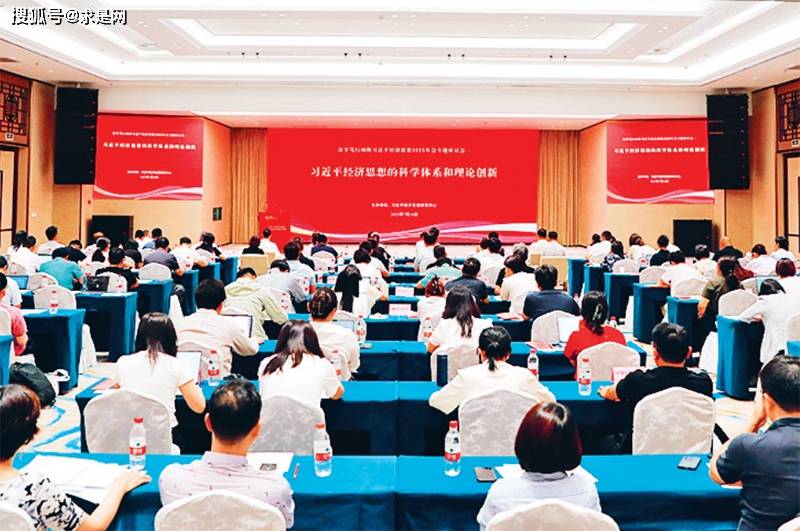
Core Ideas - The article emphasizes the need to construct a 21st-century political economy that reflects China's unique experiences and offers solutions to global challenges, guided by Xi Jinping's economic thought [1][3][5] Group 1: Theoretical Framework - Xi Jinping's economic thought serves as a comprehensive theoretical summary for China's economic development, providing a foundation for the construction of a 21st-century political economy [3][4] - The historical context of political economy shows that significant theoretical advancements arise from profound reflections on transformative practices, indicating that China's reform and modernization can inspire new theories [4][5] Group 2: Global Context and Challenges - The world is undergoing unprecedented changes, with issues such as economic imbalance, widening wealth gaps, and ecological crises becoming increasingly complex, necessitating a return to classical political economy concerns [1][2] - The dominance of Western economic paradigms has limited China's academic discourse and global understanding, highlighting the importance of developing a political economy that reflects Chinese practices and engages in international dialogue [5][6] Group 3: Key Issues in Political Economy - The fundamental purpose of development should focus on ethical values and social equity, moving beyond the Western economic model that often leads to wealth polarization [6][7] - The dynamics of development must consider new drivers such as technological innovation and data factors, emphasizing the role of new productive forces in shaping economic growth [6][8] - The relationship between economy and politics is crucial, with a need to clarify the roles of political parties, government, and markets in economic governance [7][8] Group 4: Environmental and Global Governance - Addressing the relationship between development and the environment is essential, advocating for a green development model that harmonizes economic growth with ecological sustainability [11][12] - The article discusses the challenges of economic globalization and the need for a fairer global governance system, proposing that China's initiatives can contribute to a more inclusive global economic order [12][13]

创新川菜文化 四川饭店启动“红火百味·百姓川菜节”
Bei Jing Shang Bao· 2025-09-29 09:38
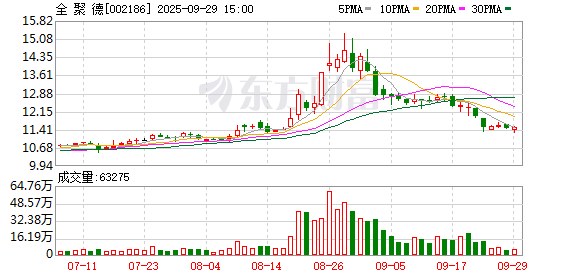
北京商报讯(记者张天元)9月29日,北京老字号四川饭店迎来建店66周年庆典。活动现场,全聚德集 团副总经理、四川饭店总经理马绪伦率队庄严敬匾。 同时,活动现场启动"红火百味·百姓川菜节"。北京老字号协会会长陈文,全聚德集团副总经理、四川 饭店总经理马绪伦,四川饭店第二代传承人、川菜大师于建民共同挑起象征吉祥长寿的寿面,为祖国和 品牌庆生,宣布川菜节正式开幕。据介绍,川菜节活动期间,六家门店同步推出手工酱汁伴手礼及"红 火百味"主题套餐,涵盖辣味代表菜,让传统口味与现代消费场景深度融合。 此外,四川饭店积极响应社会号召,马绪伦总经理带领六家门店店长共同宣读《厉行节约、反对浪费倡 议书》,承诺以身作则,践行绿色发展理念,将节约理念融入日常经营,为行业树立标杆。 (文章来源:北京商报) ...
创新川菜文化 四川饭店启动“红火百味•百姓川菜节”
Bei Jing Shang Bao· 2025-09-29 09:29
Core Points - The Sichuan Restaurant, a time-honored brand in Beijing, celebrated its 66th anniversary on September 29, with a ceremony led by the Deputy General Manager of Quanjude Group and the General Manager of Sichuan Restaurant, Ma Xulun [1] - The event also marked the launch of the "Red Fire Flavors: Common People's Sichuan Cuisine Festival," featuring a symbolic longevity noodle dish prepared by key figures in the industry [1] - During the festival, six locations will offer handmade sauce gifts and themed set meals that integrate traditional spicy dishes with modern consumer experiences [1] - Sichuan Restaurant is committed to promoting green development by advocating for waste reduction and resource conservation, as demonstrated by the public commitment made by the management team [1] Company Initiatives - The Sichuan Restaurant is actively engaging in community initiatives by launching the "Red Fire Flavors" festival to celebrate its heritage and promote Sichuan cuisine [1] - The restaurant's management has pledged to incorporate the concept of resource conservation into daily operations, aiming to set a benchmark for the industry [1]
威海:化肥农药做“减法”,农业效益增“加法”
Qi Lu Wan Bao Wang· 2025-09-25 15:25
Core Viewpoint - Weihai City is committed to the development concept of "lucid waters and lush mountains are invaluable assets," focusing on rural revitalization and integrating green development into agricultural production, achieving significant results in modern agricultural development [1][2] Group 1: Agricultural Production Enhancements - The city emphasizes grain production and strengthens agricultural technology services, implementing three major actions: technology for seedling enhancement, pest control, and increasing yield per unit area [1] - The coverage of soil testing and formula fertilization technology remains above 90%, guiding farmers to apply fertilizers based on needs [1] - A total of over 460,000 acres have adopted integrated water and fertilizer technology across major crops such as wheat, corn, peanuts, and apples [1] Group 2: Pesticide Reduction and Efficiency - The city has increased monitoring and early warning for crop pests and diseases, with over 40 monitoring points surveying 162 types of pests [2] - A total of 90 city-level pest reports have been issued, providing timely guidance on pest control [2] - The promotion of green pest control technologies includes establishing demonstration bases for integrated pest management, focusing on eco-friendly and low-residue pesticides [2]
天津市水土流失面积和土壤侵蚀强度连续6年“双下降”
Zhong Guo Xin Wen Wang· 2025-09-23 06:21
Core Points - Tianjin has achieved a continuous decline in both soil erosion area and intensity for six consecutive years, with a reported soil erosion area of 172.84 square kilometers in 2024, a reduction of 5.15 square kilometers from the previous year [1] - The city has reached a water and soil conservation rate of 98.55% in 2024, ahead of the 2025 target, indicating a positive trend in soil erosion prevention efforts [1] Group 1: Water and Soil Conservation Efforts - Since the 14th Five-Year Plan, Tianjin has implemented various projects such as the Beijing-Tianjin sand source management and ecological comprehensive management of the Yanshan Mountains, resulting in a cumulative soil erosion control area of 21.18 square kilometers [2] - The city has completed the construction of 66 ecological clean small watersheds, enhancing the agricultural irrigation system in the Jizhou mountainous area and improving water retention and soil conservation capabilities [2] Group 2: Economic and Environmental Impact - During the 14th Five-Year Plan period, the soil erosion control projects have increased annual water retention by over 1.26 million tons, with annual increases in crop yields of over 1.15 million kilograms and fruit yields of over 180,000 kilograms, generating direct economic benefits of 3.77 million yuan [2] - The Tianjin water authority has enforced strict regulations on soil conservation, identifying and addressing 384 illegal projects during the 14th Five-Year Plan period, achieving a 100% enforcement rate [2]
如何为新能源汽车产业健康发展保驾护航?
Ren Min Wang· 2025-09-15 09:44
随着"双碳"目标持续推进,新能源汽车市场份额以及产业规模有望进一步扩大。我国车企要进一步提升 产品性能和质量,推动新能源汽车与数字信息、智能交通等领域深度融合,让新能源汽车更聪明、更安 全、更可靠。 站在新的起点,期待我国新能源汽车产业继续锚定创新驱动发展战略,不仅壮大自身,还能带动其他高 科技产业的快速发展,共同推进我国向制造强国的目标迈进。 科技创新是新能源汽车产业发展的核心驱动力。有关企业持续加大研发投入,产学研联合攻坚克难,在 驱动电机、动力电池、电控系统三大关键领域不断取得突破,在持续提升新能源汽车性能的同时,有效 降低成本。智能网联技术加速应用,车辆智能化、网联化水平不断提高,为用户带来更便捷、更智能的 驾乘体验,进一步提高产品竞争力。我国新能源汽车产业已形成自主可控、完备高效的全链条产业体 系,创新驱动保障产业稳健前行。 充电设施建设更是确保新能源汽车"走四方"的关键。截至今年7月底,我国充电基础设施数量达1669.6 万个,形成全球最大规模充电网络。充电设施布局日益完善,缓解消费者充电焦虑,推动新能源汽车市 场快速发展,为新能源汽车长途出行提供有力保障。再加上比燃油车更低的使用成本,消费者对新 ...
AI、新能源、文旅成高频词 四川与南亚东南亚打开合作新空间
Si Chuan Ri Bao· 2025-09-11 00:26
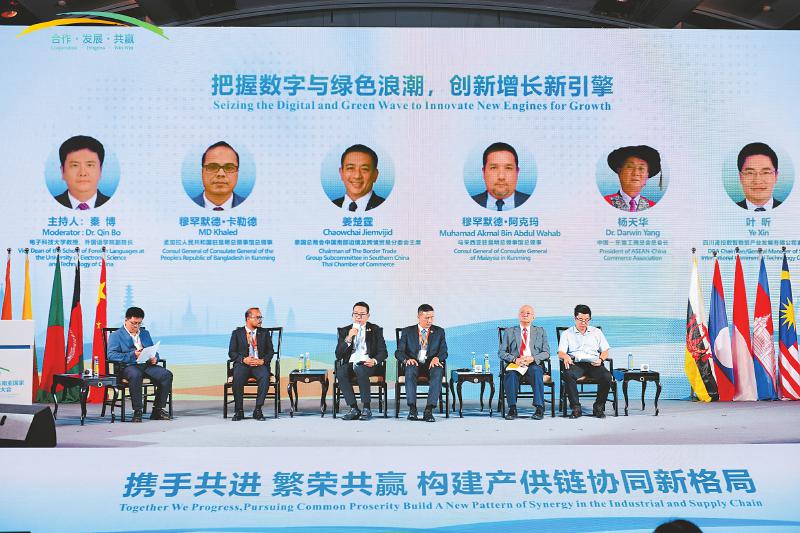
Group 1 - The 2025 Sichuan-South Asia and Southeast Asia Economic and Trade Cooperation Conference was held in Chengdu, showcasing the openness and cooperation potential between Sichuan and these regions [2] - The conference highlighted the increasing trade cooperation between Sichuan and Thailand, with Sichuan's exports to Thailand reaching 171 billion yuan, a year-on-year increase of 170% [4] - Thai companies, such as Charoen Pokphand Group and Tsingtao Group, have made significant investments in Sichuan's agricultural and beverage sectors, indicating strong bilateral economic ties [5] Group 2 - In the first seven months of this year, Sichuan's imports from Sri Lanka surged by 800%, reflecting the vast potential for economic collaboration [7] - Digitalization, renewable energy, and cultural tourism were frequently mentioned as key areas for future cooperation, with opportunities for Sichuan's enterprises in these sectors [8][9] - A partnership was established between a Chengdu-based digital technology company and the Thai Chinese Business Center to facilitate government procurement, addressing the challenges faced by Sichuan enterprises in international markets [10]
提前49天突破2000万吨!策克口岸煤炭进口稳中向好
Yang Guang Wang· 2025-09-10 08:33
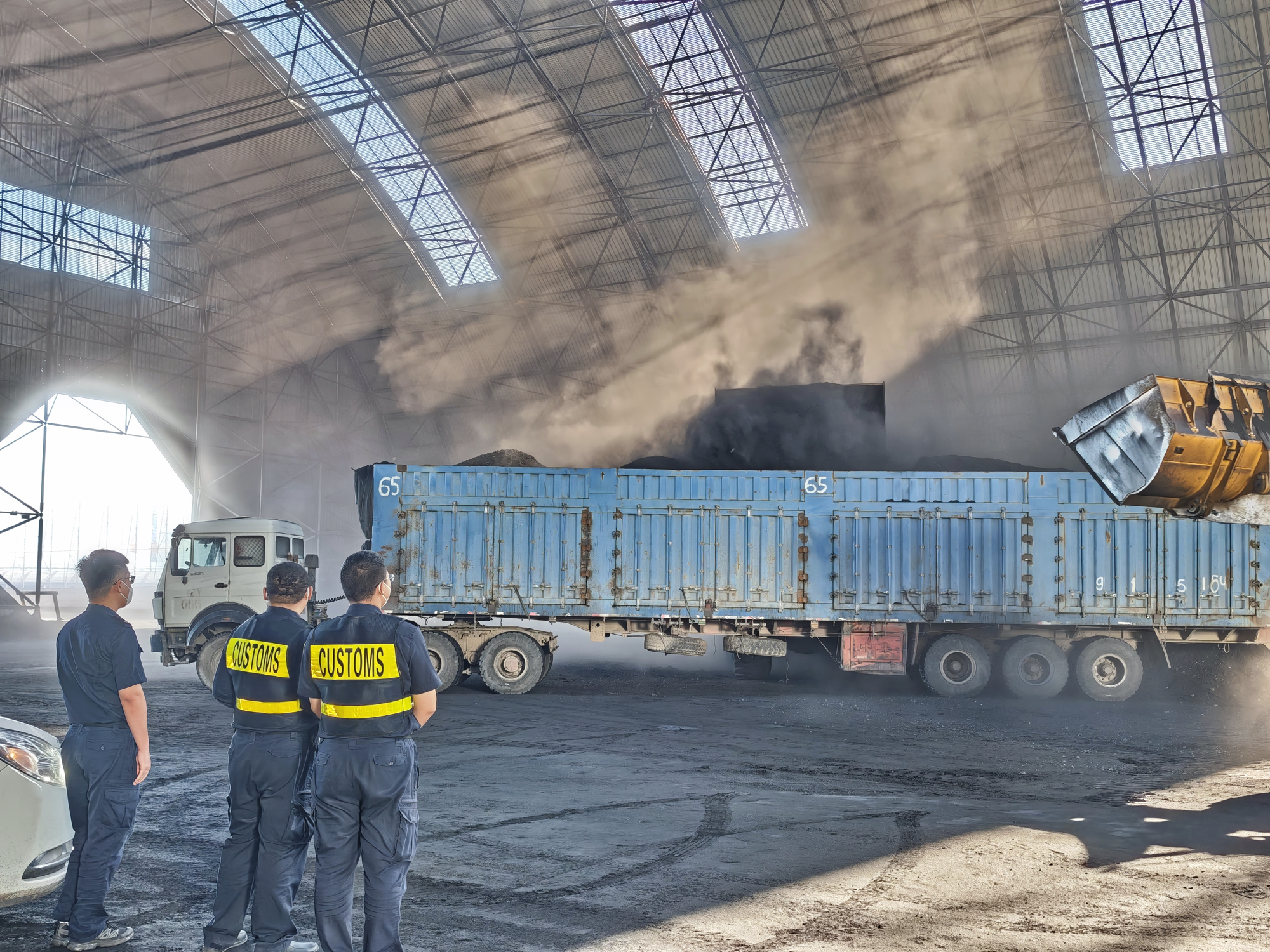
Core Insights - The coal import volume at the Ceke Port in Inner Mongolia's Alxa League has exceeded 20 million tons as of September 8, 2024, achieving this milestone 49 days earlier than the previous year, with a year-on-year growth of 18.5% [1] Group 1: Import Volume and Efficiency - The increase in coal import volume is attributed to improved customs clearance efficiency and innovative customs service models [1] - New services such as "enterprise coordinators" and "one-stop service packages" have been implemented to address urgent business needs, transforming the process from multiple visits to a "zero-run" approach [1] - The upgraded government cloud system has significantly enhanced vehicle recognition and customs clearance efficiency, working in conjunction with new transportation modes like AGV unmanned vehicles and smart heavy trucks [1] Group 2: Customs Oversight and Environmental Protection - The Ejin Customs has successfully supervised the return of 836.45 tons of non-compliant imported coal, valued at nearly 240,000 yuan, marking the first return operation of 2025 [4] - This action reflects the customs' commitment to comprehensive supervision and the implementation of green development principles [4] - The Ceke Port plays a crucial role in the Belt and Road Initiative and the China-Mongolia-Russia Economic Corridor, ensuring the smooth operation of the energy supply chain while safeguarding ecological security [6]