绿色建材

Search documents
六部门:严禁新增水泥熟料、平板玻璃产能
第一财经· 2025-09-24 07:59
Core Viewpoint - The "Work Plan for Stabilizing Growth in the Building Materials Industry (2025-2026)" aims to enhance profitability, technological innovation, and the scale of green building materials, with a target of exceeding 300 billion yuan in revenue from green building materials by 2026 [1][8]. Group 1: Key Tasks - Strengthening industry management by prohibiting new cement clinker and flat glass production capacity, requiring capacity replacement plans for new and renovated projects, and promoting unified actual and registered capacity [2][10]. - Enhancing technological innovation in the industry by expanding advanced inorganic non-metallic materials, accelerating the development of advanced ceramics and superhard materials, and cultivating key resource industries such as graphite and fluorite [2][12]. - Expanding effective investment through digital and green transformation, promoting the establishment of "zero" factories in the cement and flat glass industries, and revising national standards for safety glass and insulation materials [2][14][20]. Group 2: Consumption Demand Expansion - Continuously promoting green building materials in rural areas and implementing government procurement policies to support green materials, thereby enhancing building quality [2][23]. - Encouraging local governments to create directories of green building materials that suit local consumption habits and establishing experience centers for green materials [2][23]. Group 3: Open Cooperation - Strengthening international cooperation with countries along the Belt and Road Initiative, promoting the export of building materials, technologies, and standards [3][26]. - Enhancing overseas project contracting services by leveraging green and low-carbon technology advantages in cement and flat glass [3][26].

工信部等六部门:严禁新增水泥熟料、平板玻璃产能 新建改建项目须制定产能置换方案
Di Yi Cai Jing· 2025-09-24 07:12
Core Viewpoint - The Ministry of Industry and Information Technology, along with five other departments, has issued the "Building Materials Industry Stabilization and Growth Work Plan (2025-2026)", aiming for recovery and growth in the building materials sector, with a projected revenue of over 300 billion yuan from green building materials by 2026 [1][2]. Group 1: Key Tasks - Strengthening industry management by prohibiting new cement clinker and flat glass production capacity, requiring capacity replacement plans for new projects, and enhancing regulatory standards for cement and flat glass [2]. - Enhancing industrial technological innovation by expanding the advanced inorganic non-metallic materials industry and improving supply capabilities in key resource sectors such as graphite and magnesium [2]. - Expanding effective investment through digital and green transformation initiatives, including the development of digital transformation solutions and the establishment of "zero" factories in the cement and flat glass industries [2]. - Expanding consumer demand by promoting green building materials in rural areas and supporting the establishment of cooperation mechanisms between upstream and downstream enterprises in the inorganic non-metallic materials sector [2]. - Deepening open cooperation by strengthening industrial collaboration with countries along the Belt and Road Initiative and promoting the internationalization of building materials products, technologies, and standards [2].
菏泽|第20届林交会意向成交额和项目投资额达38.19亿元
Da Zhong Ri Bao· 2025-09-24 00:51
Summary of Key Points Core Viewpoint - The 20th China Forest Products Trade Fair achieved a total intended transaction amount and project investment of 3.819 billion yuan, reflecting significant changes in the timber industry driven by a green wave [2][6]. Group 1: Event Overview - The event, held from September 19 to 21 in Caoxian, attracted 126,900 visitors and resulted in an intended transaction amount of 1.639 billion yuan and project investment of 2.18 billion yuan [2]. - The fair has become a highly regarded and impactful professional exhibition in the forestry sector over the past 20 years [2]. Group 2: Product Innovations - A featured product, the negative ion functional board made from high-quality wood such as Russian birch and domestic cedar, was highlighted for its ability to release high concentrations of negative ions, improving indoor air quality [4]. - The board has been recognized as a recommended product at the fair, showcasing a model for sustainable building materials [4]. Group 3: Market Trends - The shift from merely selling timber to offering health-oriented solutions is evident, with companies focusing on ecological responsibility and consumer health [5][6]. - The pet economy was a notable highlight at the fair, with 24 local companies showcasing over 500 pet-related products, indicating a diversification in the timber industry's offerings [7][8]. Group 4: International Expansion - The fair attracted international buyers from 14 countries, facilitating the global reach of Chinese timber products [9]. - A procurement matching event resulted in over 80 companies participating, with an intended transaction amount exceeding 80 million yuan, indicating a strong interest in international collaboration [9].
调研速递|北京中关村科技发展(控股)股份有限公司接受天风证券等12家机构调研,透露多项业务关键要点
Xin Lang Cai Jing· 2025-09-15 09:23
Core Insights - The company conducted a specific object research meeting with 12 institutions, including Tianfeng Securities and Huashan Securities, to discuss various business aspects [1] Group 1: Business Performance - Sales revenue of Schisandra Injection increased by 38% year-on-year in the first half of 2025, with a gross margin growth of 18% [2] - The company anticipates achieving "volume through price" in the long term due to market access advantages from centralized procurement [2] Group 2: Product Development - The company has two in-development methylphenidate products that offer broader applicability and flexible dosage adjustments compared to traditional sustained-release tablets [2] Group 3: Financial Performance - Operating cash flow significantly declined, with accounts receivable rising from 956 million to 1,024 million, primarily due to a 1.28% decrease in cash income from sales and a 4.18% increase in cash outflow for purchases [2] - The sales collection structure improved, with cash settlements accounting for 60.57% and bank acceptance bills for 37.88% [2] Group 4: Strategic Initiatives - The company has obtained green building material certification and aims to develop low-energy, low-emission products, marking a significant breakthrough in the renewable energy sector [2] - Cost reduction and efficiency improvement measures are being implemented through organizational streamlining and resource integration [2] Group 5: Risk Management - The controlling shareholder is actively communicating with creditors to address debt issues through extensions and restructuring, while maintaining operational independence from the listed company [2]


中 关 村(000931) - 2025年9月15日投资者关系活动记录表
2025-09-15 08:46
Sales Performance - The sales revenue of Schisandra Injection in the first half of 2025 increased by 38% year-on-year, while the gross margin rose by 18% compared to the previous year [3] - Despite the increase in revenue, the medical sales volume did not see a significant rise due to delays in the centralized procurement process [3] - Future prospects indicate that products with centralized procurement status may achieve the expected "price for volume" effect as hospital development progresses [3] Accounts Receivable and Cash Flow - Accounts receivable increased by 7.06% from the beginning of the year, which is within the normal fluctuation range for the company [4] - Operating cash flow declined primarily due to a 1.28% decrease in cash received from sales and a 4.18% increase in cash paid for purchases [4] - The structure of sales collection improved, with cash payments accounting for 60.57%, bank acceptance bills at 37.88%, and commercial acceptance bills at only 1.55% [4] Green Building Materials - The subsidiary, Zhongshi New Materials, has obtained green building material certification and aims to create a low-energy, low-emission, high-performance production system [5] - Key plans include the use of recycled aggregates and green additives, low-carbon production processes, and the development of green products [5] - The company successfully entered the wind power concrete tower market, marking a significant breakthrough in the new energy sector [5] Elderly Care Business - The company is implementing measures to control or reduce losses in its elderly care business by optimizing management and resources [6] - The elderly care segment has been restructured into three business units to enhance management efficiency [6] - Focus on improving service quality and occupancy rates through dedicated management teams and enhanced service protocols [6] Debt Restructuring - The controlling shareholder, Gome Holdings, is actively communicating with creditors to address significant debt pressures and liquidity risks [7] - Proposed strategies include debt restructuring, asset disposal, and increasing collateral to mitigate risks associated with share pledges [7] - Continuous communication with creditors is aimed at reaching a consensus on debt resolution solutions [7] Corporate Governance - The company maintains independence from its controlling shareholder, with no non-operating fund occupation or illegal guarantees affecting its interests [8] - The relationship with the controlling shareholder has not materially impacted the company's daily operations, ensuring healthy business development [8]
驻奥克兰总领馆经商处出席2025新西兰国际建筑业博览会
Shang Wu Bu Wang Zhan· 2025-09-05 17:28
Group 1 - The 2025 New Zealand International Construction Expo was organized by the New Zealand Chinese Construction Industry Association and attended by consuls from the Chinese consulate in Auckland [1] - During the event, it was highlighted that China is promoting green building and developing green building materials, while New Zealand is reforming its construction industry to allow various foreign building materials into the local market [2] - The expo lasted for two days, attracting over a hundred well-known companies and brands, with an expected attendance of more than 10,000 people [4] Group 2 - The event showcased products from Chinese manufacturers, including structural materials, decorative materials, smart home appliances, and kitchen and bathroom products [4] - There is an emphasis on mutual learning and collaboration between the industries of both countries to promote green and low-carbon transformation [2] - The meeting between President Xi Jinping and Prime Minister Luxon earlier in June underscored the importance of deepening trade and investment cooperation in areas such as technology innovation and infrastructure [2]

曹总领航西南建材平台:互联网 + 激活行业新动能!
Sou Hu Cai Jing· 2025-09-05 03:50
Industry Overview - The construction materials industry in China is undergoing a critical transformation driven by urbanization and steady infrastructure investment, with the market size expected to exceed 6.8 trillion yuan in 2024 [1] - The Southwest region is leading in demand growth, with a market size projected at 1.2 trillion yuan and an annual growth rate of over 12% due to strategic initiatives like the Chengdu-Chongqing Economic Circle [1] - The industry is shifting from "scale expansion" to "quality improvement," with increasing demand for green and smart building materials, and a trend towards regional and specialized development [1] Key Industry Characteristics - Accelerated green transformation driven by national "dual carbon" policies, with the market share of green building materials rising from 25% in 2020 to 40% in 2024, growing at 5 percentage points annually [2] - Urgent need for supply chain integration as over 80% of small and medium-sized enterprises face high procurement costs and inventory pressures [2] - Significant regional demand differentiation, particularly in the Southwest, where major infrastructure projects are driving strong demand for basic construction materials [2] Internet Integration in the Industry - The integration of "Internet +" technology is addressing traditional pain points in the construction materials industry, enhancing high-quality development [2] - The establishment of efficient supply-demand matching systems through online platforms is reducing procurement costs and time, exemplified by a 8% cost reduction and a 3-day procurement cycle for a construction company [4] - Supply chain efficiency is improved through digital management and smart logistics, leading to a 35% increase in inventory turnover and a reduction in logistics losses from 5% to 2% [5] Service Innovation and Market Expansion - The internet provides diverse channels for showcasing and servicing products, with online platforms reducing customer acquisition costs by 30% and increasing repurchase rates by 25% [6] - The Southwest Building Materials Trading Platform, founded by an experienced industry leader, aims to break regional barriers and optimize supply chains through digital means [7] - The platform integrates over 3,000 suppliers, allowing precise matching based on various criteria, which reduces logistics costs by 40% for local procurement [7] Digital Management and Resource Sharing - The platform offers a digital supply chain management system that allows real-time inventory management and order processing, enhancing operational efficiency [8] - Shared warehousing services and dedicated logistics solutions are implemented to reduce inventory costs and improve delivery efficiency [8] Financial and Marketing Support - The platform provides supply chain financial services to alleviate funding pressures for small enterprises, with loan approval times reduced from 15 days to 3 days [9] - Marketing tools and online store setup services are offered to enhance the digital presence of suppliers, while blockchain technology is used to improve product traceability [9] Future Outlook - The Southwest Building Materials Trading Platform aims to empower local enterprises and optimize regional supply chains, contributing to the digital transformation of the construction materials industry [12] - The ongoing integration of digital tools is expected to facilitate collaborative supply chains, digital transactions, and specialized services, propelling the industry towards high-quality development [12]
研判2025!中国生态板行业市场现状、出口规模、竞争格局及未来趋势分析:环保型产品成为市场宠儿,行业集中度提升[图]
Chan Ye Xin Xi Wang· 2025-09-01 01:16
Industry Overview - Ecological board is an important decorative engineered wood product, known for its good aesthetics, resistance to deformation, high strength, good toughness, and wood-like texture, widely used in interior decoration and renovation [1][2] - The ecological board originated in Europe and has gradually replaced traditional boards due to its environmental performance and advanced technology [1][7] - The ecological board market in China is projected to reach a scale of 185 billion yuan in 2024 [1][7] Market Trends - The share of environmentally friendly ecological board products is expected to increase to 48% during 2024, with ENF-grade products accounting for 43%-48% [1][7] - The largest ecological board base in China is located in Liuzhou, Guangxi, which produces over 20% of the national output of fine wood boards and ecological boards [1][9] Competitive Landscape - The top ten brands in the ecological board industry have increased their market share from 35% in 2020 to 48% in 2024, driven by leading companies like Penghong Wood Industry, Tubao, and Fuxiang Wood Industry enhancing R&D and product innovation [1][13] - The ecological board industry has a relatively low technical barrier, allowing many small and medium-sized enterprises to enter the market, resulting in a diverse range of competitors [1][12] Future Development - The ecological board industry is expected to evolve towards multi-functional products, strengthened technical barriers, and increased global competition, driven by rising consumer health demands and stricter environmental policies [1][14]


亚泰集团: 吉林亚泰(集团)股份有限公司2025年半年度报告
Zheng Quan Zhi Xing· 2025-08-29 16:53
Core Viewpoint - Jilin Yatai Group's 2025 semi-annual report indicates a slight increase in revenue despite ongoing challenges in the construction and real estate sectors, with a focus on optimizing asset structure and reducing debt [1][2]. Company Overview and Financial Indicators - The company reported a revenue of approximately CNY 3.04 billion for the first half of 2025, representing a 3.67% increase compared to the same period last year [2]. - The total profit for the period was approximately -CNY 992 million, an improvement of 13.22% year-on-year [2]. - The net profit attributable to shareholders was approximately -CNY 823 million, showing an 11.27% improvement from the previous year [2]. - The company's net assets decreased by 32.58% to approximately CNY 1.87 billion compared to the end of the previous year [2]. Industry Analysis Construction Materials - The national cement production was 815 million tons, a year-on-year decrease of 4.3%, but the decline rate has narrowed [3]. - The cement industry is experiencing weak demand but improved profitability due to rising prices in Northeast China and decreasing coal prices [3]. Real Estate - Real estate development investment decreased by 11.2%, with new housing starts down by 20.0% and sales area down by 3.5% [3]. - The market is characterized by investment contraction and a narrowing decline in sales, with local policies aimed at stabilizing the market [3]. Pharmaceutical Industry - The pharmaceutical sector is expected to grow due to increasing demand for high-quality medicines driven by economic development and an aging population [3]. - The company has established a comprehensive health management service through its extensive pharmacy network [3]. Operational Discussion - The company is focusing on reducing debt and stabilizing operations while optimizing its asset structure [4]. - In the construction materials sector, the company is collaborating with large enterprises on urban renewal and infrastructure projects [4]. - The real estate sector is prioritizing inventory reduction and cost management, leveraging national policies to accelerate land monetization [4]. Financial Investment - The company holds a 30.81% stake in Northeast Securities and a 6.88% stake in Jilin Bank, focusing on equity management to enhance overall investment returns [7][9].

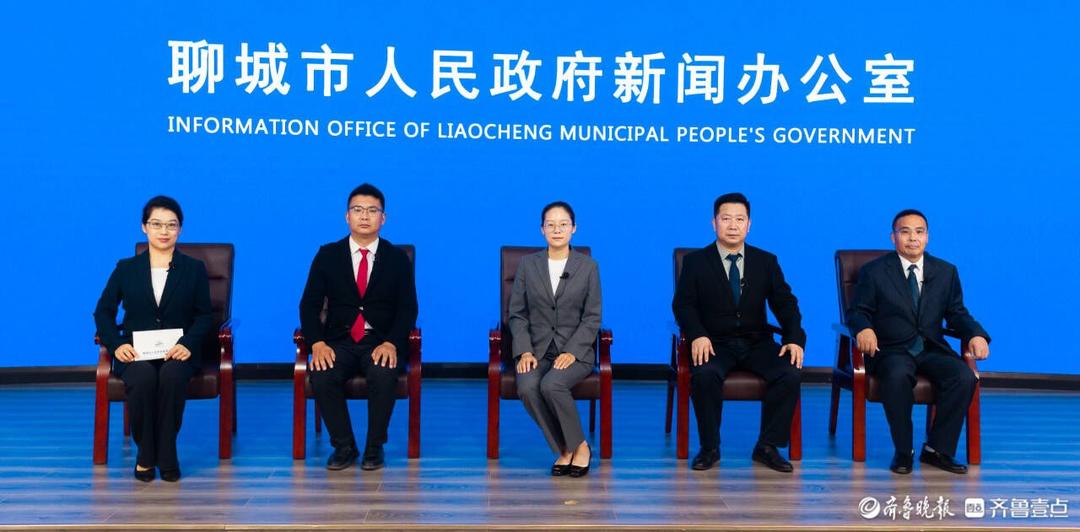
向“绿”而行,向“新”而生,聊城推动绿色建材全产业链绿色发展
Qi Lu Wan Bao Wang· 2025-08-29 13:50
Group 1: Industry Development - The city of Liaocheng is actively promoting the development of the green building materials industry chain, with 266 enterprises in the sector, of which 35.7% are traditional building materials companies and 64.3% are new-type building materials companies [1] - The green building materials industry generated a revenue of 82.72 billion yuan and a total profit of 4.03 billion yuan [1] - Liaocheng has established national and provincial-level industrial clusters, including "Shandong Province Guan County Coated Steel Plate Products" and "Dong'a County New Building Materials" [1] Group 2: Technological Advancements - Companies like Shandong Baiyiyuan Windows Co., Ltd. are leading the industry by focusing on high-quality, high-performance, and cost-effective aluminum system windows, incorporating digital production systems to enhance efficiency [2] - The city aims to improve technological innovation levels by developing new patent technologies and core technologies in the green building materials sector [4] Group 3: Policy and Strategic Initiatives - The government is focusing on promoting the use of green building materials in government investment projects and star-rated green building projects, targeting a 50% application rate by the end of 2025 [5] - Efforts are being made to enhance the recycling economy by improving the production technology of recycled building materials and establishing long-term monitoring mechanisms for their application [4][5] - Liaocheng is actively seeking to attract new technologies, processes, and materials from industrially concentrated regions to strengthen its building materials industry [6]