美丽经济

Search documents
“颜值经济”里的“首创”基因
Mei Ri Shang Bao· 2025-12-04 23:30
Core Insights - The article highlights the transformation of the beauty economy in Gongshu District, Hangzhou, driven by technology and innovation, particularly through the development of AI-powered tools in the medical beauty sector [1][4][6]. Group 1: AI Technology in Beauty Industry - The AI Qizhi Design Robot developed by Jing Doctor can analyze over 80,000 facial data points, allowing for precise beauty assessments and personalized recommendations [1][2]. - The robot has become a key attraction in stores, significantly improving operational efficiency by enabling staff to serve multiple clients simultaneously [2][3]. Group 2: Investment and Development - Jing Doctor has invested over 100 million yuan in R&D since 2015, establishing a dedicated team of over 60 people to innovate in the beauty technology space [3]. - The establishment of a collaborative research platform, such as the Smart Medical Beauty Research Center, supports innovation and development in personalized medical beauty solutions [3][4]. Group 3: Industry Growth and Structure - Gongshu District has attracted nearly 300 medical beauty and related enterprises, creating a comprehensive ecosystem that includes production, sales, and professional services [5][6]. - The district has implemented a three-year action plan for the medical beauty industry, aiming to enhance its development and support through funding and talent policies [4][5]. Group 4: Consumer Confidence and Regulation - The introduction of the "Anxin Payment" system addresses consumer concerns about prepayment in beauty services, ensuring funds are securely managed [7]. - The establishment of the first district-level Medical Beauty Special Committee and the "Rights Protection Fund" enhances consumer protection and industry self-regulation [7]. Group 5: Economic Impact - The medical beauty industry in Gongshu has seen rapid growth, with revenues exceeding 3.8 billion yuan in 2023 and projected to surpass 4.55 billion yuan in 2024, reflecting a consistent growth rate of around 20% [6][8].
云城冬日藏“春天”,与格桑花海共赴“向往的生活”
Nan Fang Nong Cun Bao· 2025-11-26 14:04
Core Viewpoint - The article highlights the winter blooming of the Gesang flower in Yunfu City, which has become a significant attraction, showcasing the region's efforts in developing a "beautiful economy" through agricultural tourism and local product promotion [13][24]. Group 1: Flower Attraction - The Gesang flower, blooming in various colors, creates a picturesque scene that attracts visitors, making it feel like spring in winter [6][7]. - Visitors express joy and surprise at the beauty of the flower sea, with many taking photos and sharing their experiences on social media [8][10]. Group 2: Economic Impact - The flower sea has positively impacted local agriculture, particularly increasing the sales of sweet potatoes during their peak season [18][19]. - Local vendors report high foot traffic and sales, with trial samples quickly running out due to the influx of visitors [20][21]. Group 3: Upcoming Events - The article mentions an upcoming event on December 5, which will showcase local agricultural products and include various engaging activities for visitors [25][26][27]. - This event is part of a broader initiative to enhance rural tourism and promote local specialties, further contributing to the region's economic development [13][26].


超万亿化妆品市场,国货品牌占比超一半!
Shang Wu Bu Wang Zhan· 2025-11-20 17:29
Core Insights - The domestic cosmetics market in China is projected to exceed 1 trillion yuan in 2024, with domestic brands capturing 55.2% of the market share [1] - The recent policy from the National Medical Products Administration aims to enhance industry support and foster the growth of competitive domestic cosmetic brands [6] Group 1: Market Trends - The rise of domestic brands is attributed to their incorporation of traditional Chinese cultural elements, appealing to consumers seeking products with cultural value [1][2] - During the recent "Double 11" shopping festival, domestic beauty brands performed exceptionally well, with 5 out of the top 10 beauty sales on Douyin being Chinese brands [2] Group 2: Innovation and Technology - As of mid-2023, 80 new cosmetic raw materials have been registered, with 70 from local companies, indicating strong momentum in raw material development [3] - Chinese companies are achieving breakthroughs in high-end cosmetic ingredients, such as hyaluronic acid, which accounts for 80% of global sales [3] Group 3: Policy Support - The recent policy document emphasizes innovation, regulatory optimization, and industry empowerment to stimulate market growth and reduce burdens on companies [6] - Local governments are also implementing supportive measures, such as financial incentives for key laboratories and initiatives to promote "Shanghai manufacturing" [6] Group 4: Cultural and Scientific Integration - The integration of cultural narratives and scientific research is essential for domestic cosmetics to enhance their market competitiveness [5][7] - The focus on "Eastern aesthetics" aims to position more domestic beauty brands on the global stage [7]

财经聚焦丨超万亿化妆品市场,国货品牌占比超一半!
Xin Hua Wang· 2025-11-19 09:49
Core Insights - The domestic cosmetics market in China is projected to exceed 1 trillion yuan in 2024, with domestic brands capturing 55.2% of the market share [1][7] - The rise of domestic beauty brands is attributed to their incorporation of traditional Chinese culture and innovative product development [1][3] Market Overview - The National Medical Products Administration has released guidelines to enhance the cosmetics industry, focusing on policy support to foster competitive domestic brands [1][7] - The "Double 11" shopping festival saw domestic brands performing well, with 5 out of the top 10 beauty brands on Douyin being Chinese [2] Consumer Trends - Consumers are increasingly valuing cultural significance and emotional resonance in products, moving beyond basic functionality [2][3] - The integration of traditional cultural elements into product design and marketing is appealing to younger consumers [1][2] Innovation and Technology - As of mid-2023, 80 new cosmetic raw materials have been registered, with 70 from local companies, indicating strong domestic innovation [3][4] - Chinese companies are achieving breakthroughs in high-end raw materials, such as hyaluronic acid and ergothioneine, enhancing product efficacy [3][4][6] Policy Support - Recent policies aim to stimulate innovation, reduce corporate burdens, and optimize the market environment for the cosmetics industry [7][8] - Local governments are implementing supportive measures, such as financial incentives for approved laboratories and initiatives to promote brand development [7][8] Industry Outlook - The continuous improvement of regulatory frameworks and local policies is expected to support the transition from a "cosmetics manufacturing country" to a "cosmetics powerhouse" [8] - The emphasis on cultural identity and scientific research is anticipated to drive the growth of domestic beauty brands on a global scale [8]

双11国货美妆持续增长,李佳琦直播间赋能美丽经济
Yang Zi Wan Bao Wang· 2025-11-10 08:05
Core Insights - The 17th Double 11 shopping festival highlights the significant role of beauty products, with a notable increase in sales of high-efficacy skincare products like serums and creams during this year's event [1] - Live-streaming e-commerce is emerging as a crucial driver for the growth of the "beauty economy," facilitating consumer insights, new product promotion, and brand value reconstruction [1] Group 1: Consumer Trends - Consumer demand is becoming more precise, with a clear shift towards "moisturizing and repairing" skincare needs, leading to a preference for high-efficacy single products over large sets [2] - The understanding of personal skincare needs is maturing, prompting consumers to favor targeted solutions that meet specific skincare steps [2] Group 2: Brand Performance - The brand Han Shu achieved nearly 50% growth on the first day of Double 11, focusing on ingredient research and launching representative products like the "X Peptide" cream [2] - Traditional domestic brands are successfully transitioning to technology-driven anti-aging brands, aligning with market demands through effective consumer education [2] Group 3: New Product Launches - Live-streaming platforms have become essential for new brands and products, with a significant increase in the number of new products launched during this year's Double 11 [3] - The introduction of sample events in live-streaming sessions has allowed consumers to experience products more thoroughly, contributing to the success of new launches like the Baique Ling Jade Cream [3] Group 4: Emerging Brands - New brands such as Zhan Mei Ya and Tong Pin are showing strong growth, becoming key players in the Double 11 "dark horse" category [4] Group 5: Domestic Brand Growth - Domestic beauty brands are experiencing a comprehensive surge, with Shanghai-based brands like Shuang Mei achieving over 100% sales growth on the first day of Double 11 [5] - The brand's successful content strategy has helped it reach a broader audience, leading to products selling out immediately upon launch [5] - The role of live-streaming platforms is pivotal in validating new products and accelerating the growth of emerging brands while helping traditional brands reshape their image [5]
总投资超50亿元的“美妆小镇”11月9日开工
Mei Ri Shang Bao· 2025-11-10 01:40
Core Insights - The "Moshang PARK" project in Linping New Town marks a significant expansion of the fashion industry in the area, with a total investment exceeding 5 billion yuan and covering approximately 284 acres [1][2] - The project aims to create a national-level beauty and fashion industry headquarters, integrating various functions such as design, brand operation, supply chain management, and live e-commerce [1][2] Group 1 - The project officially commenced construction on November 9, with the first phase covering about 84 acres and an investment of approximately 1.5 billion yuan, set to be completed by the end of 2027 [1] - Moshang PARK will fill the gap in the beauty industry within Linping, complementing the existing fashion industry cluster in Yishang Town, which has focused primarily on apparel [2] - The establishment of Moshang PARK is expected to attract numerous leading domestic and international beauty brands, research institutions, and related enterprises, enhancing the local beauty economy [2] Group 2 - The park plans to recruit over 100 quality fashion enterprises and provide comprehensive services including business registration, tax services, policy application, and talent training [2] - Additional facilities such as an international exhibition center, consumer districts, and flagship stores will be developed to create a multi-scenario environment for office, exhibition, and consumption [2] - This initiative supports Hangzhou's ambition to become a "new fashion capital" by establishing a robust ecosystem for the beauty and fashion industries [2]
贵州玉屏:非洲菊绽放“美丽经济”
Ren Min Wang· 2025-10-24 01:52
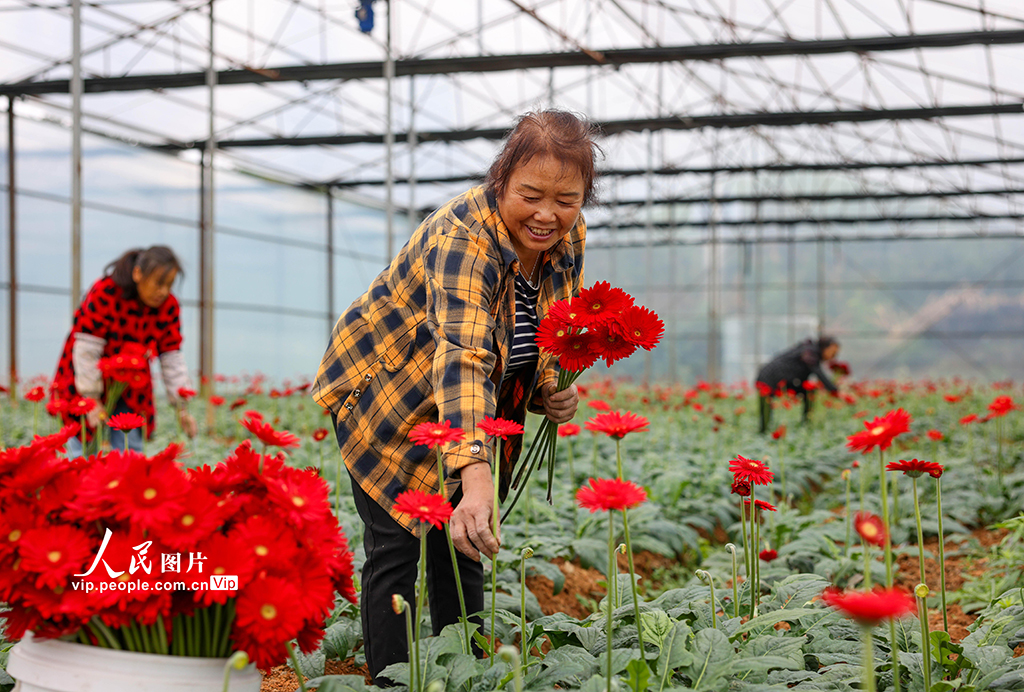
Core Insights - The article discusses the economic development driven by the African daisy flower in Yuping, Guizhou, highlighting its role in promoting the "beautiful economy" [1][2][3][4][5]. Economic Impact - The cultivation of African daisies has significantly boosted local income, with farmers reporting an increase of over 30% in their earnings due to the flower's popularity [1][2]. - The local government has invested in infrastructure and marketing to support the flower industry, aiming to attract more tourists and enhance the region's economic profile [3][4]. Industry Growth - The African daisy industry in Yuping has seen rapid growth, with production areas expanding to over 1,000 hectares, contributing to the local economy [2][5]. - The flower has become a key product for local exports, with sales reaching millions, indicating a strong market demand [1][3]. Community Development - The rise of the African daisy industry has led to job creation, with many locals finding employment in cultivation, processing, and tourism-related services [4][5]. - Community initiatives have been launched to promote sustainable practices in flower farming, ensuring long-term benefits for the environment and local residents [2][3].
带给跨国企业面向未来的更优选择
Ren Min Ri Bao· 2025-10-21 22:20
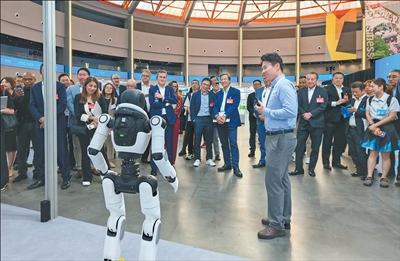
Group 1: Global Business Engagement - Entrepreneurs from 17 countries gathered in Shanghai to discuss the theme "Open, Innovation, Inclusion - Towards Shanghai's Development Strategy 2030," reflecting their confidence in China's development prospects and the global value of the Chinese market [1] - The event highlighted China's transformation from a "world factory" to a "global innovation hub," with companies expressing their intent to launch new products and technologies in China [2][3] Group 2: Investment and Market Opportunities - Mizuho Securities (China) Co., Ltd. became the first foreign-funded securities firm approved in China this year, indicating strong growth potential in China's bond market [5] - China is continuously optimizing its business environment and expanding institutional openness, with significant reductions in foreign investment restrictions across various sectors [5][6] Group 3: Consumer Market Trends - The Chinese market is witnessing new consumption trends such as health consumption, silver economy, and cultural tourism, presenting opportunities for multinational companies [7] - Companies like L'Oréal and Novartis are increasing their investments in research, production, and services in China, reflecting confidence in the market's resilience and potential for growth [7][8]

浙江“美丽经济”何以超千亿? “四妆共美”成共富新密码
Zhong Guo Xin Wen Wang· 2025-10-03 05:40
Core Insights - The cosmetics market in Zhejiang has seen a surge in consumer activity during the National Day holiday, supported by a robust industry valued at over 100 billion yuan, with a projected output of 122.5 billion yuan by 2024, ranking third in the country [1] - In the first half of 2025, Zhejiang's cosmetics exports reached 6.642 billion yuan, marking a year-on-year increase of 12.4%, accounting for over a quarter of the national total [1] Industry Development - The growth of the cosmetics industry is attributed to localized and clustered development strategies, with Lishui's ecological beauty industry showing significant progress, achieving an output value of 3.68 billion yuan in the first half of 2025, a 58% increase [2] - Shaoxing has emerged as a leader in raw material manufacturing, with the number of large-scale enterprises in the province's raw material sector ranking first, including a company producing over 40% of the nation's collagen solid raw materials [2] Policy and Integration - The Zhejiang Provincial Drug Administration has introduced 18 measures to support high-quality development in the cosmetics industry, promoting the integration of cosmetics with culture, tourism, and e-commerce [3] - In Zhuji, the combination of pearl cosmetics with local cultural tourism has led to innovative marketing strategies, generating monthly sales of around 10 million yuan through live streaming [3] - The fundamental approach to advancing "Zhejiang Beauty" involves reform, quality enhancement, and integration, with a focus on deepening the connection between the beauty economy and common prosperity [3]
“美丽经济”持续升温供销两旺 为假日消费“增色添香”
Yang Shi Wang· 2025-09-30 07:31
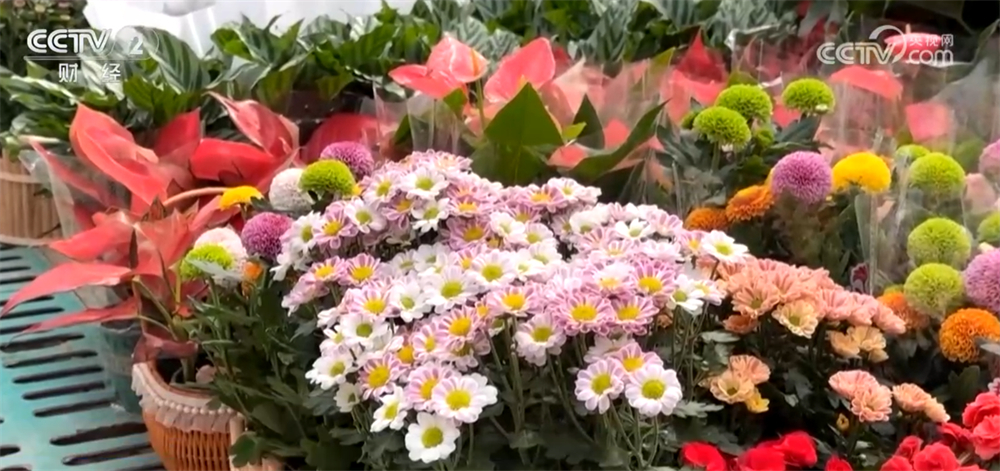
Core Insights - The "beautiful economy" is thriving in Taiyuan, Shanxi, as the local flower market becomes lively ahead of the holiday season [1][3] Group 1: Market Trends - A large flower market in the Xinghualing District of Taiyuan is bustling with merchants displaying vibrant flowers, attracting many citizens [1] - Colorful flowers are the most popular among consumers, with merchants preparing auspicious flowers to meet the demand [3] Group 2: Consumer Behavior - Citizens in Shanxi express a desire to refresh their surroundings during the National Day holiday by purchasing new flowers to enhance their mood [4] - Merchants highlight specific flowers like "Golden Fruit," which symbolizes wealth, and various盆景 (potted plants) that carry auspicious meanings, such as "Green Fortune" [6]