
自由贸易港

Search documents
海南封关打开了什么
Guo Ji Jin Rong Bao· 2025-12-20 14:46
Core Viewpoint - The establishment of Hainan Free Trade Port marks a significant step in China's high-level opening-up strategy, signaling the country's commitment to deepening openness and improving the institutional environment for foreign investment amidst rising global trade tensions and protectionism [1][4]. Group 1: Implementation of Hainan Free Trade Port - On December 18, Hainan Free Trade Port officially commenced operations, with the first batch of goods benefiting from "zero tariffs" and other special measures successfully entering the market [2]. - The new regulatory model of "first line open, second line controlled" was implemented, allowing for significant cost savings for businesses, exemplified by a ship carrying 179,000 tons of petrochemical raw materials that saved nearly 10 million yuan in import costs [2]. - Siemens Energy inaugurated a gas turbine assembly base in Hainan, marking the first major foreign investment project post-closure, highlighting the port's appeal for manufacturing and investment [2][10]. Group 2: Long-term Benefits and Policy Framework - The closure is designed to create a clearer and more predictable regulatory environment, facilitating higher levels of openness while managing risks effectively [3]. - The "zero tariff" policy has expanded significantly, increasing the number of zero-tariff items from over 1,900 to more than 6,600, raising the overall zero-tariff level from 21% to 74%, which is expected to save import equipment companies about 20% in tax costs [6][7]. - The "processing value-added 30% tax exemption" policy allows eligible enterprises to import raw materials, process them in Hainan, and sell them to the mainland without incurring import duties, resulting in significant tax savings [6]. Group 3: Investment and Talent Attraction - The low corporate tax rate of 15% for encouraged industries has attracted nearly 4,300 enterprises to benefit from this policy, leading to a significant influx of talent and capital into Hainan [7]. - The personal income tax policy provides exemptions for high-end and scarce talent, further enhancing Hainan's attractiveness as a destination for skilled professionals [7]. - Over the past five years, Hainan has seen the establishment of 8,089 foreign-invested enterprises, with actual foreign investment reaching 102.5 billion yuan, indicating its growing status as a global investment hotspot [11]. Group 4: Future Development and Digital Economy - The Hainan Free Trade Port is expected to enter an "industry carrying" phase, focusing on developing tourism, modern services, high-tech industries, and tropical agriculture, supported by a comprehensive industrial framework [12]. - Significant investments in digital infrastructure, including international submarine cables and data centers, are being made to support the growth of the digital economy and new computing power industries [13]. - The integration of policies and industry direction is anticipated to create a multi-layered attraction for enterprises, capital, and residents, with the potential for replicable and scalable institutional experiences beyond Hainan [13].
海南封关首日,网友热议:最大失意者或许不是李嘉诚,而是霍氏家族
Sou Hu Cai Jing· 2025-12-20 09:14
Core Viewpoint - The official launch of Hainan's zero-tariff policy on December 18 marks a significant shift in the regional economic landscape, positioning Hainan as a "super converter" for global market integration, which may adversely affect Hong Kong's retail sector and real estate values [1][11]. Group 1: Impact on Hong Kong - Hainan's zero-tariff policy directly threatens the foundation of Hong Kong's retail industry, which is crucial for sustaining high real estate rents [1]. - The potential decline in retail performance could lead to a decrease in property values, impacting major real estate investors like Li Ka-shing [1]. Group 2: The Case of Nansha and the Ho Family - The Ho family, who invested heavily in Nansha with the vision of creating a "Little Hong Kong," may face significant setbacks as Hainan's development overshadows their ambitions [3][19]. - The Ho family's early investments in Nansha, exceeding 8 billion RMB, were aimed at transforming the area into a thriving urban center, but the new national strategy for Nansha emphasizes a different direction focused on technology and livability [5][9]. Group 3: Strategic Shifts - The national plan for Nansha, which prioritizes innovation and modern living, diverges from the Ho family's original vision of a free trade hub, indicating a shift in regional development priorities [9][11]. - The emergence of Hainan as a free trade port diminishes the appeal of Nansha's previous aspirations, making it less competitive in attracting global business [11][19]. Group 4: Comparative Analysis of Investment Strategies - Li Ka-shing's global asset allocation strategy allows him to adapt to changing market conditions, potentially mitigating losses from Hong Kong's retail sector by investing in Hainan [15][17]. - In contrast, the Ho family's long-term commitment to Nansha reflects a deeper connection to regional development, but they risk missing out on immediate opportunities presented by Hainan's rise [17][19]. Group 5: Legacy and Future Prospects - Despite the challenges posed by Hainan's development, the Ho family's contributions to Nansha have laid a foundational role in the area's growth, ensuring their historical significance remains intact [19].


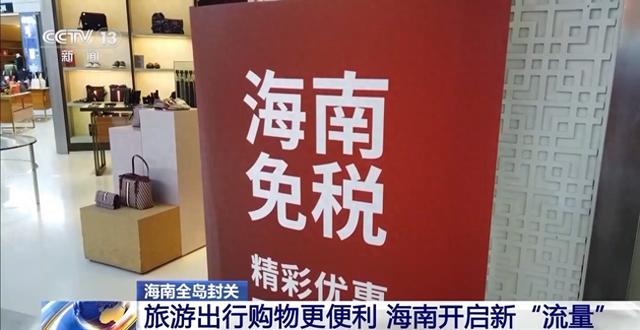
旅游购物更便利,海南开启新“流量”
Xin Lang Cai Jing· 2025-12-20 06:42
Core Insights - The official launch of the Hainan Free Trade Port's full island closure operation has not changed the procedures for domestic and international tourists, making shopping more convenient and cost-effective [1] - Hainan's rich tropical tourism resources continue to attract a large number of domestic and international visitors, especially with the new tariff policies enhancing shopping experiences [1] - The expansion of visa-free access for citizens from 86 countries has significantly facilitated inbound tourism [1] Group 1: Economic and Trade Development - Hainan's geographical features shape its island economy, and the Free Trade Port construction aims to align with international high-level economic and trade rules, promoting the free flow of production factors and benefiting more consumers [3] - The continuous expansion and increase of flight routes have provided convenient conditions for trade and personnel exchanges between Hainan and other countries and regions [5] Group 2: Aviation and Transportation - The Free Trade Port will open third and fourth freedom rights for domestic and foreign carriers traveling to and from Hainan, and expand necessary air rights arrangements, including the fifth freedom [7] - These policy measures will facilitate airlines from relevant countries and regions to operate routes to third countries or regions via Hainan, enhancing its status as a new aviation hub [7]
小编同大家分享下自由贸易港的含义
Sou Hu Cai Jing· 2025-12-20 04:11
Core Concept - The article discusses the concept and development of free trade ports, highlighting their role as highly open economic zones that facilitate trade and investment with minimal restrictions [2][3]. Group 1: Definition and Historical Context - A free trade port is defined as a specific area within a country where goods, capital, and personnel can move freely, with most goods exempt from tariffs [2]. - The historical origins of free trade ports can be traced back to the establishment of the Livorno Free Port in Italy in 1547, with modern examples including Singapore, Hong Kong, and Dubai [2]. Group 2: Differences from Traditional Bonded Zones - Unlike traditional bonded zones that primarily offer "duty-free storage," free trade ports provide comprehensive urban functions, allowing offshore trade and international financing [3]. - Dubai's Jebel Ali Free Zone exemplifies this, permitting 100% foreign ownership and offering a 50-year tax exemption, along with residential and educational facilities [3]. Group 3: Unique Features of China's Free Trade Ports - China's free trade port construction features unique institutional designs, such as the "zero tariff" management plan for imported goods by 2025 and the implementation of "six freedoms" by 2035 [3]. - Hainan is pioneering a "data customs" regulatory model to promote digital economy development while ensuring security [3]. Group 4: Functional Evolution and Legal Framework - Modern free trade ports have evolved beyond mere transshipment trade to become comprehensive platforms, with Hong Kong being the third-largest financial center globally [4]. - Legal frameworks, such as Singapore's Free Trade Zone Act and Hainan's Free Trade Port Law, provide a stable environment for market participants, contributing to a 32% year-on-year increase in new market entities in Hainan [4]. Group 5: Impact of Digital Technology - Digital technologies are reshaping the structure of free trade ports, with Singapore's "Trade Information Highway" enabling paperless customs clearance and Hainan's "Single Window" 3.0 version reducing clearance times [4]. - The application of blockchain technology in Dubai's free zone allows for real-time verification of cross-border transactions, enhancing international trade facilitation [4]. Group 6: Global Value Chain and Future Prospects - In the context of global value chain restructuring, free trade ports are taking on new historical missions, with Hainan's cross-border e-commerce trade with ASEAN countries increasing by 150% post-RCEP [5]. - Future developments will focus on regulatory alignment in areas such as green trade and digital tariffs, contributing to a higher-level open economy [5].
深刻理解全岛封关运作的里程碑意义
Hai Nan Ri Bao· 2025-12-19 23:29
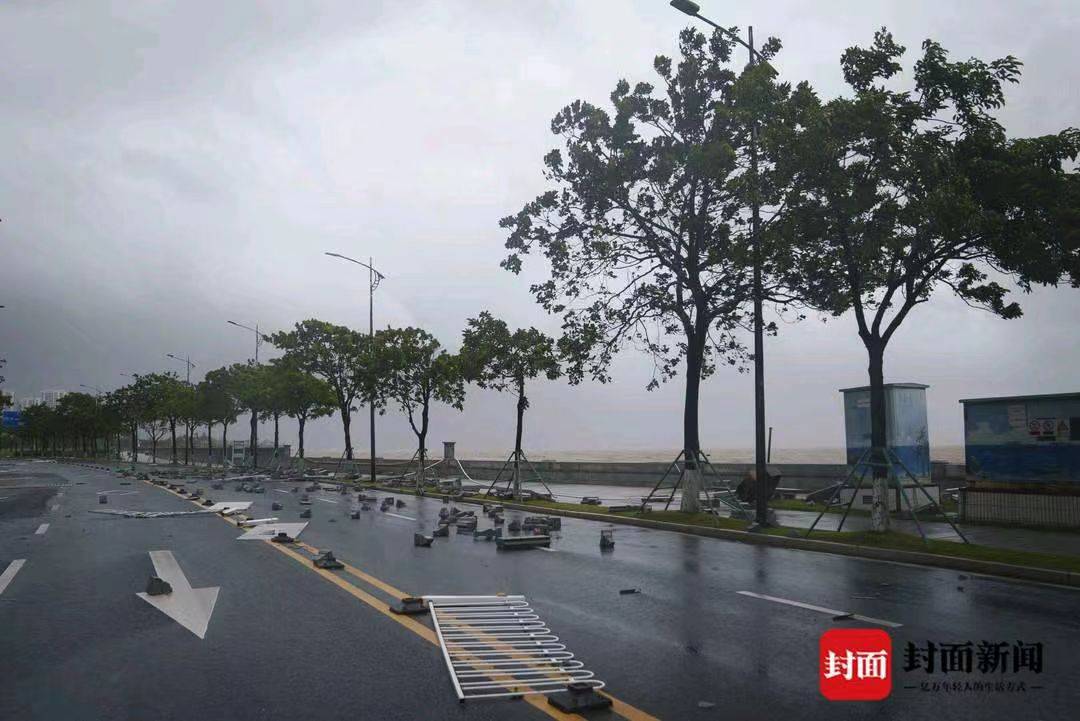
根据《海南自由贸易港建设总体方案》确定的"三步走"安排,到2025年,要初步建立以贸易自由便 利和投资自由便利为重点的自由贸易港政策制度体系,并适时启动全岛封关运作;到2035年,自由贸易 港制度体系和运作模式更加成熟,成为我国开放型经济新高地;到本世纪中叶,全面建成具有较强国际 影响力的高水平自由贸易港。 现在回过头来看,这一趟远征,是从大国博弈和世纪疫情叠加的艰难时期起步的。当时,外界的风 浪很大、看法很多,面前的任务很重、路很难走。但按照党中央的要求一步一个脚印坚定走下去,海南 自由贸易港建设的第一步目标已经顺利实现了,硬是把看似不可能的事变成了可能,进而变成了铁的现 实。 深刻理解全岛封关运作的里程碑意义 ——海南自由贸易港全岛封关运作系列评论之一 本报评论员 多年后的本世纪中叶,怎么看待如今的海南自由贸易港全岛封关运作?或许,正如站在2025年12月 18日的时间节点上,回望近半个世纪前的1978年12月18日。那一天,党的十一届三中全会拉开了中国改 革开放的序幕。其作始也简,其将毕也必巨。 什么是重要里程碑?那是界定里程、标示方向的关口。 万事开头难,对于"全世界都没有现成经验"的事来说尤其如此。 ...
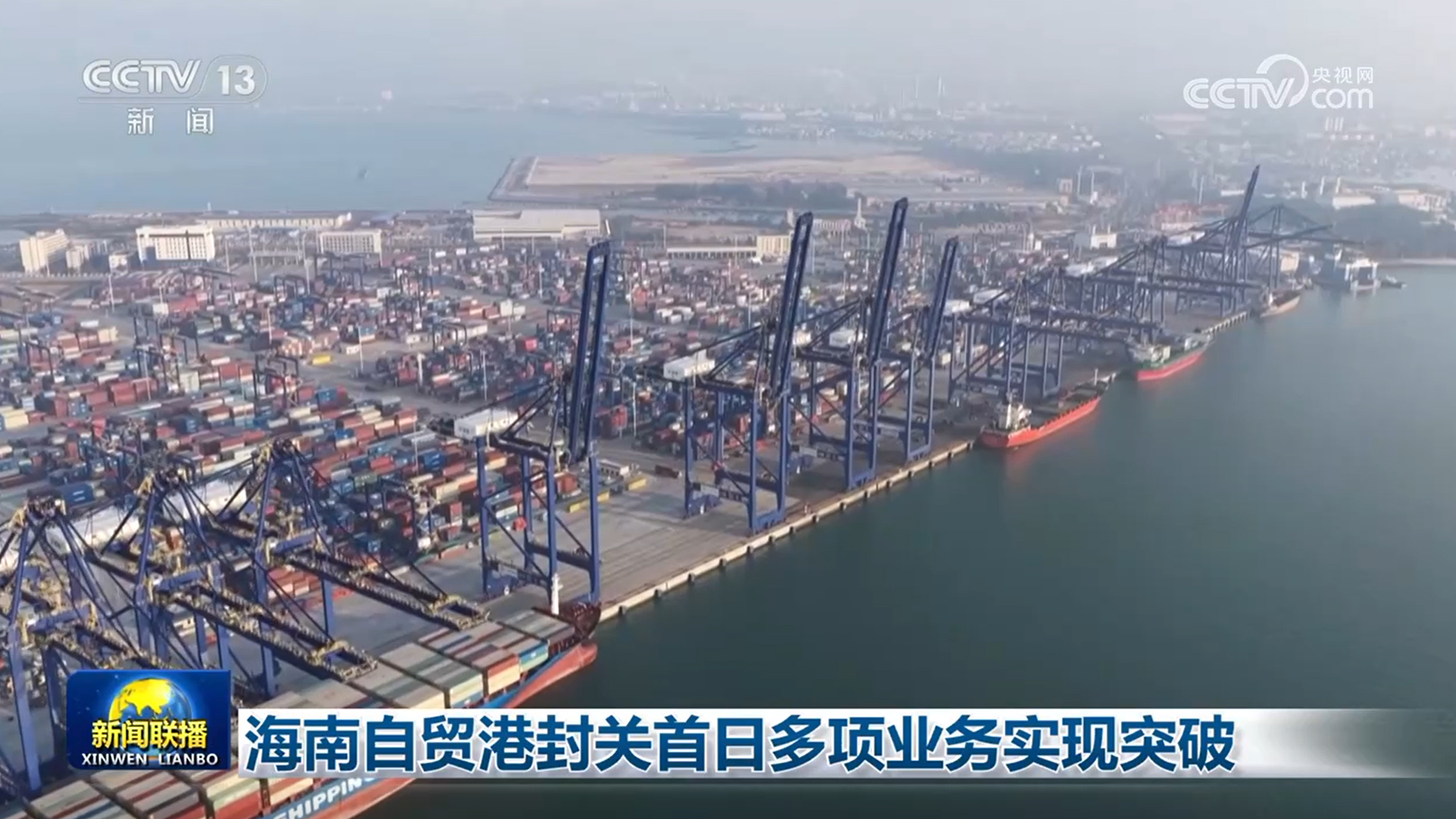
海南自贸港封关首日多项业务实现突破
Yang Shi Wang· 2025-12-19 12:17
Group 1 - The core viewpoint of the news is the successful implementation of the Hainan Free Trade Port's first day of closure, which has led to the establishment of open policies, improved resource allocation, and an expanding range of benefits for various businesses [1] Group 2 - On the first day of closure, customs supervision reported "zero tariff" imports valued at 360 million yuan, primarily consisting of crude oil, aviation equipment, and medical devices, indicating an increasing openness to foreign trade [3] - The customs also reported 14.689 million yuan in domestic processing value-added goods exempt from tariffs, with a total tariff exemption of 808,000 yuan, mainly involving medical devices, pharmaceuticals, and food products, reflecting a growing beneficiary group [3] - The first batch of value-added processing exempt from tariffs has been successfully implemented, with Hainan Refining and Weida Chemical establishing a cooperation chain from "raw materials to processing to value addition" [3] Group 3 - On the first day of closure, three international vessels completed registration at the Yangpu Port, bringing the total registered vessels to 80, with a total capacity exceeding 7.5 million deadweight tons [5] - Investment expansion is evident, as a Belgian company in Chengmai has completed production line upgrades, increasing capacity by 30% and introducing two new product series [5]
海南启动全岛封关运作,外媒称“国际企业表现出越来越多的兴趣”
Sou Hu Cai Jing· 2025-12-19 06:57
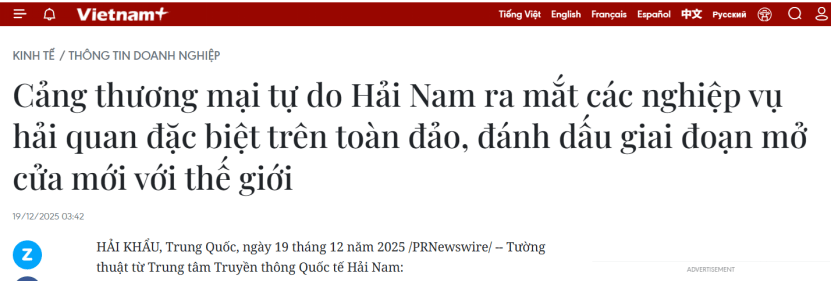
12月18日,海南自由贸易港全岛封关运作正式启动,"零关税"商品范围扩大到6600多个税目。 有分析人士称,对消费者而言,海南自由贸易港实现全岛封关运作后,到海南出差、旅游、生活如常,不需要任何额 外证件,对于文旅消费也将有更好的体验。 越南通讯社近日发文称,海南自由贸易港于2025年12月18日起在全岛实施特殊海关业务,此举助力海南打造成2025年 特色自由贸易港和2035年国际竞争力港,吸引更多国际企业投资,支持"双循环"发展战略及区域合作。 报道还提到,国际企业表现出越来越多的兴趣。一些跨国公司最近已扩大在海口、三亚和洋浦经济开发区的业务,被 海南的税收优惠政策和简化的行政程序所吸引。随着政策的细化,预计未来将有更多金融开放、数据治理和人才政策 的发布。 ...
左千户:海南封关后,欧美很快会问:我们还有什么优势?
Sou Hu Cai Jing· 2025-12-19 06:53
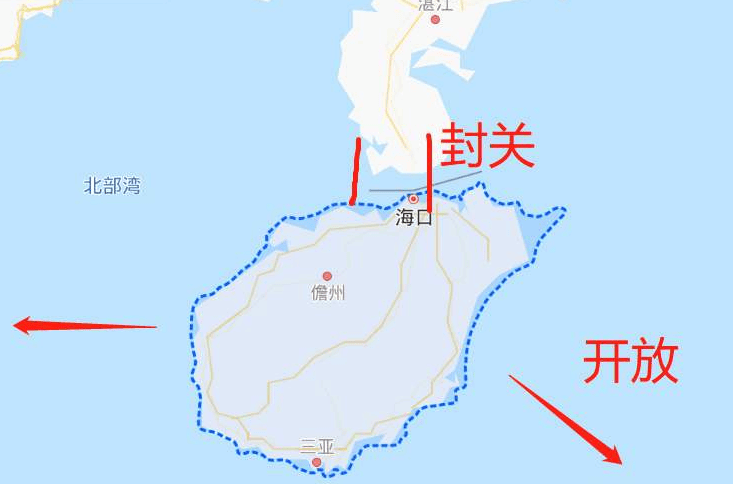
Core Insights - The establishment of Hainan Free Trade Port marks a significant milestone in China's new phase of economic development, implementing a policy of "one line open, one line controlled" to facilitate international trade and investment [1][21]. Group 1: Policy and Economic Impact - Hainan Free Trade Port will implement zero tariffs on over 6,600 types of goods, covering 74% of product categories, alongside various tax incentives and financial liberalization measures [2]. - The "one line open" policy allows foreign products, except those on a negative list, to enter Hainan without tariffs, promoting the free flow of goods, capital, and personnel [15]. - The "one line controlled" policy requires that goods crossing from Hainan to other regions in China adhere to standard customs regulations, ensuring that the economic activities within Hainan do not impact other provinces [15]. Group 2: Historical Context and Development - The concept of "closure" in customs, as applied to Hainan, is a progression from the historical development of bonded zones and free trade areas in China, which began in 1990 [7]. - The evolution of Hainan into a free trade port is compared to Hong Kong's historical development as a free trade zone, highlighting the need for China to enhance its high-end service and financial sectors [9][13]. Group 3: Infrastructure and Logistics - Yangpu Port is designated as a key channel for the "one line open" policy, transitioning from a pilot zone to a high-quality development demonstration area for the free trade port [17]. - Yangpu Port has seen a significant increase in container throughput, with a 293% year-on-year growth in transshipment containers from January to November 2025, indicating its potential as a regional shipping hub [17][18]. Group 4: Strategic Importance - Hainan's development as a free trade port is positioned as a strategic response to the need for China to attract international economic elements and enhance its own economic system amid global trade tensions [20][21]. - The shift from a passive integration into the global economy to an active absorption of international resources is emphasized as a key aspect of Hainan's role in China's broader economic strategy [21].
12月18日,海南自由贸易港全岛封关。记者直击——全岛封关第一天
Sou Hu Cai Jing· 2025-12-19 06:11
Core Viewpoint - Hainan Free Trade Port has officially launched its full island customs closure, marking a significant step in China's high-level opening-up strategy, with a focus on facilitating trade and investment while maintaining regulatory oversight [8][9][38]. Group 1: Customs Closure and Operations - The customs closure is defined both physically and institutionally, allowing for a high level of openness while maintaining regulatory control [9]. - The first international passenger flight after the customs closure arrived at Sanya Phoenix International Airport, indicating the start of increased international travel [8][10]. - The number of visa-free countries for entry into Hainan has more than doubled since 2018, with significant increases in individual visa-free travel and business-related entries [11][12][14]. Group 2: Trade Facilitation Measures - The customs process has been significantly streamlined, reducing the number of required declaration items from 105 to 33 for certain goods, which has led to cost savings for businesses [15]. - The range of "zero tariff" goods has expanded from over 1,900 to 6,600 tax items, increasing the proportion of zero-tariff goods from 21% to 74% [15]. - The establishment of the "China Yangpu Port" ship registration policy allows for more favorable conditions for shipping companies, enhancing Hainan's attractiveness for maritime operations [16][17]. Group 3: Port and Inspection Infrastructure - The new "second-line" ports are expected to handle over 80% of Hainan's truck traffic, with significant investments in infrastructure to support efficient customs operations [18][21]. - The first day of customs closure saw successful testing of the new inspection processes, with vehicles passing through in an average of 2 minutes [19]. - The integration of data across various regulatory bodies has improved the efficiency of customs operations, allowing for better coordination and faster processing times [20][21]. Group 4: Economic Impact and Business Opportunities - The launch of customs closure has led to increased business activities, with companies like CRRC International Vehicle Industry (Hainan) completing customs-free maintenance on imported engines, reducing costs by over 15% [27][28][30]. - The new policies have also stimulated consumer spending, with the duty-free shopping limit for residents increasing significantly, leading to a 27.1% year-on-year growth in duty-free sales [34][36]. - The logistics and supply chain processes have been enhanced, with a 60% increase in efficiency for customs clearance of duty-free goods, benefiting both businesses and consumers [37].

重塑开放边界,全球最大自贸港下一步怎么走?
Sou Hu Cai Jing· 2025-12-19 01:34
Core Insights - Hainan has officially launched its free trade port with the implementation of full island closure, marking a significant step towards global openness and trade facilitation [2][4][19] - The establishment of the free trade port is seen as a critical phase in China's broader strategy for economic reform and opening up, with a focus on creating a systematic environment for the free flow of people, goods, and capital [8][12] Summary by Sections Development and Implementation - The first batch of international vessels and foreign workers have been registered in Hainan, with the first zero-tariff goods processed, indicating the operationalization of the free trade port [2][4] - Hainan's free trade port aims to establish a policy system focused on trade and investment facilitation by 2035, with a long-term goal of becoming a high-level free trade port by mid-century [2][11] Economic Impact - The first shipment of zero-tariff petrochemical raw materials amounted to 179,000 tons, valued at nearly 400 million yuan, saving companies approximately 10 million yuan in costs [4][6] - The range of zero-tariff goods is set to expand from 1,900 to about 6,600 tax items, covering approximately 74% of all goods, with a focus on production-related items [11][12] Policy and Regulatory Framework - The free trade port's design includes "one line open, two lines controlled, and free movement within the island," which is crucial for maintaining market security while promoting openness [4][6] - The introduction of a dual 15% income tax policy aims to attract foreign investment, although its implementation details remain complex and a point of concern for businesses [8][9] Future Prospects - Hainan's free trade port is expected to serve as a testing ground for broader national reforms, with the potential to influence tax system optimization and regulatory practices across China [15][19] - The province has seen a significant increase in foreign investment, with actual foreign capital utilization reaching 102.5 billion yuan, growing at an average rate of 14.6% annually [18]
