
茶文化

Search documents
“茶都”杭州带来了哪些“新意”?
Hang Zhou Ri Bao· 2025-05-22 03:19
Core Insights - The 7th China International Tea Expo is currently taking place in Hangzhou, attracting tea enthusiasts from around the world to celebrate tea culture [1] - Hangzhou is a significant birthplace of Chinese tea culture, with a long history of tea production, and is focusing on promoting tea culture and industry development [1] Industry Overview - The tea industry in Hangzhou is set to have a tea plantation area of 558,000 acres and a tea production volume of 33,000 tons in 2024, reflecting a 5.3% increase from the previous year [1] - The expo features a dedicated "Hangzhou Pavilion" showcasing the achievements of the local tea industry, emphasizing the integration of AI technology in tea production [1] Exhibition Details - The exhibition is divided into display and sales areas, featuring various tea products, including traditional and innovative tea items [2] - The event will continue until May 25, allowing attendees to taste and purchase quality tea products, as well as participate in online tea culture activities through mobile platforms [2]
国际茶日,一片树叶写传奇!
Xin Hua She· 2025-05-22 00:20
Core Insights - Tea is recognized as one of the three major beverages globally, with its origins in China and a significant cultural and economic impact [1][10]. Industry Overview - As of 2024, China's tea garden area remains stable at approximately 50 million acres, with tea production expected to exceed 3.7 million tons [1]. - The tea industry in China is characterized by a diverse range of products, including green tea, black tea, oolong tea, and specialty teas, supported by ongoing technological innovations [7]. Economic Impact - The tea industry has a substantial economic footprint, with the development of tea-related tourism and local economies. For instance, the Wenxin Tea Village in Henan attracted over 160,000 visitors during the recent holiday, benefiting over 20,000 local farmers with an average annual income increase of over 30,000 yuan [3][6]. - The comprehensive output value of Yingde black tea in Guangdong is projected to exceed 10 billion yuan by 2025, showcasing the industry's growth potential [6]. Technological Advancements - The tea sector is experiencing significant technological advancements, including the development of new tea tree varieties and innovative processing techniques that enhance product quality and efficiency. The mechanization rate for premium tea processing has reached over 90% [7]. - Research institutions are focusing on improving seed innovation capabilities and developing diverse, convenient tea products to meet the evolving consumer demands, particularly among younger demographics [7]. Cultural Significance - Tea is deeply embedded in Chinese culture, symbolizing hospitality and social connection. Various tea types and their production techniques have been recognized as national intangible cultural heritage [10]. - The global tea culture has expanded, with over 60 countries producing tea and more than 2 billion people consuming it, establishing tea as a significant cultural symbol worldwide [10].

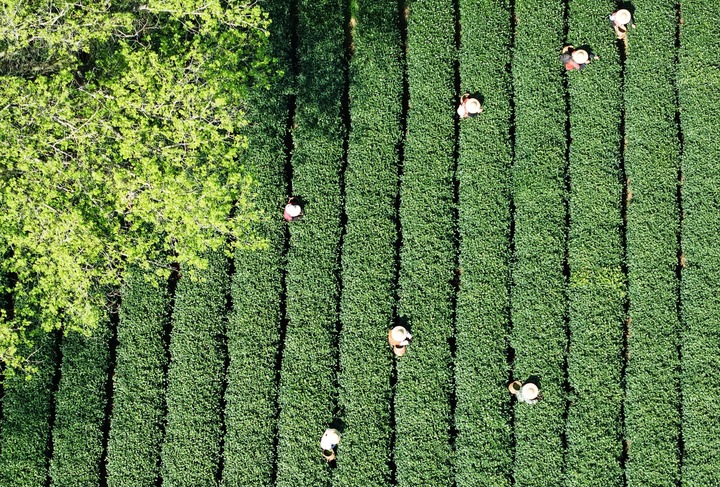
学习进行时丨习近平总书记与“茶”的故事
Xin Hua She· 2025-05-21 14:04
Core Points - The article emphasizes the significance of tea as a cultural symbol of China and highlights the importance of tea industry development and cultural exchange as recognized by General Secretary Xi Jinping [2][4][18] - It discusses Xi Jinping's personal experiences and stories related to tea, showcasing his connection with local communities and the tea culture during his tenure in Fujian [3][7][8][18] - The article outlines Xi Jinping's vision for the modernization of the tea industry, focusing on product structure optimization, brand strategy, and cultural development [14][18] Group 1: Cultural Significance of Tea - Tea is portrayed as a vital cultural element that embodies the values of humility, harmony, respect, and reverence in Chinese civilization [2][4] - The establishment of International Tea Day on May 21, 2020, by the United Nations is highlighted as a recognition of tea's global importance [2][4] Group 2: Xi Jinping's Engagement with Tea - Xi Jinping's personal anecdotes about tea, including his first experience with "lei tea" and interactions with local villagers, illustrate his deep connection to the tea culture [5][6][8] - His efforts in promoting tea culture and industry during his time in Fujian, where the province accounted for nearly 20% of China's total tea production, are noted [14][18] Group 3: Development of the Tea Industry - The article mentions Xi Jinping's initiatives to enhance the tea industry, including modernizing production methods and promoting ecological practices [18][19] - It emphasizes the role of tea in poverty alleviation and rural revitalization, with Xi Jinping encouraging local farmers to leverage tea for economic growth [18][19]
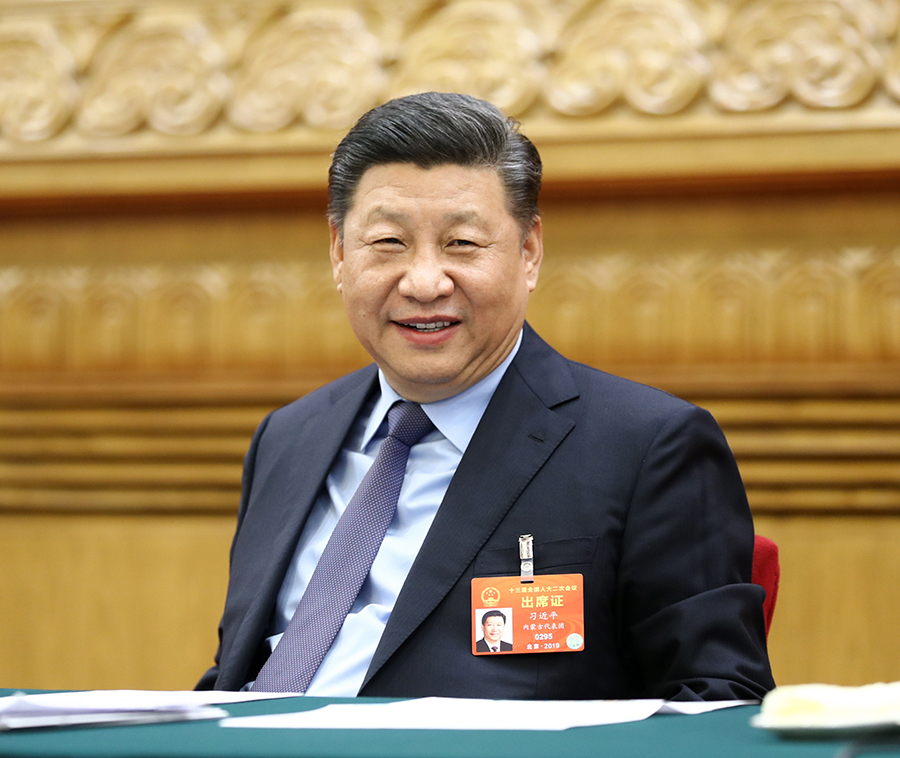
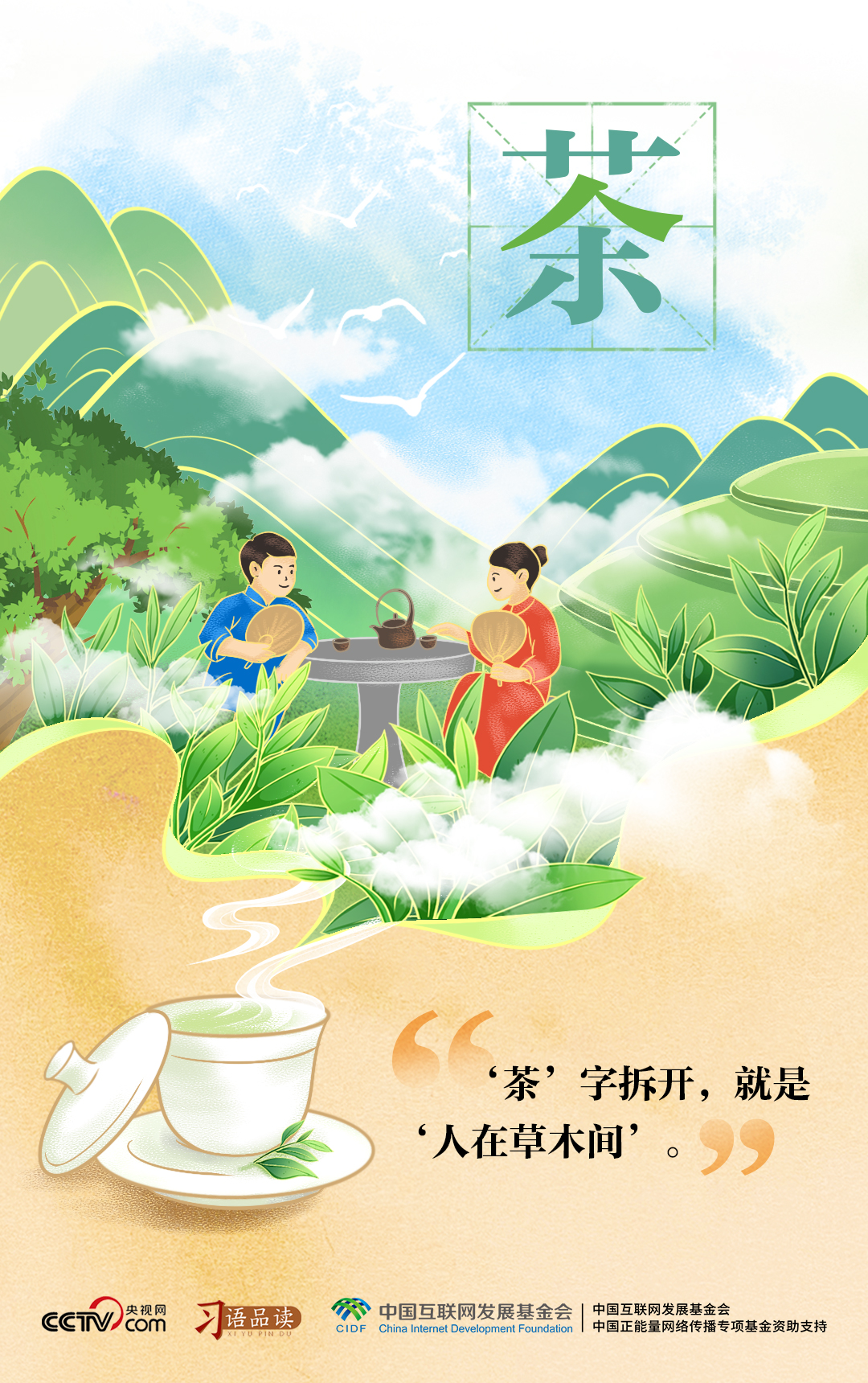
天天学习|“茶”字拆开,就是“人在草木间”
Yang Shi Wang· 2025-05-21 12:32
Core Viewpoint - The article highlights the significance of tea in Chinese culture, its economic value, and its role in promoting ecological sustainability, as well as the recognition of tea-related heritage by international organizations [3][4][8]. Group 1: Cultural Significance of Tea - Tea has been an integral part of Chinese life, symbolizing harmony with nature and cultural richness, as illustrated by the recent inclusion of "Pu'er Jingmai Mountain Ancient Tea Forest Cultural Landscape" in the World Heritage List [3]. - Xi Jinping's interpretation of the character "tea" as "person among plants" emphasizes the relationship between humans and nature, reflecting the deep cultural connotations of tea [3][4]. Group 2: Economic Value of Tea - The tea industry is a crucial economic sector in China, with significant contributions to rural income and economic transformation, as evidenced by the continuous growth in Zhejiang's tea production over the past two decades [5][6]. - In 2024, China's total dry tea production is projected to exceed 3.45 million tons, with a total output value of 334.5 billion yuan, benefiting over 30 million tea farmers [7]. Group 3: Ecological Sustainability - Tea cultivation has inherent ecological advantages, contributing to green development and ecological civilization, with studies showing a 61% reduction in carbon emissions from eco-friendly tea farming practices [4]. - The promotion of low-carbon tea technologies has led to significant decreases in carbon emissions for certified tea gardens, highlighting the industry's potential for sustainable practices [4]. Group 4: Cultural Heritage and Modern Relevance - The recognition of "Chinese Traditional Tea-making Techniques and Related Customs" as an intangible cultural heritage by UNESCO underscores the importance of preserving tea culture [8]. - The modern resurgence of tea culture among younger generations, as seen in social media trends, indicates a growing appreciation for traditional practices and their cultural significance [9].
5月22日,到汕尾陆丰赴一场茶香盛宴
Nan Fang Nong Cun Bao· 2025-05-21 07:02
Core Points - The first Lu Feng Tea Culture Tourism Promotion Season and Tea King Competition will be held on May 22, 2025, at the cultural center of Lu Feng City, aiming to promote Lu Feng tea culture and support high-quality development of the tea industry [2][3][27] - The event will showcase traditional tea-making techniques and modern technology integration, including IoT monitoring and AI optimization, revitalizing the Lu Feng tea industry [9][10] - The Tea King Competition will feature a blind evaluation by experts, ensuring fairness and highlighting the quality of Lu Feng tea [12][15][17] Industry Development - The event is part of the "Hundred Million Project" initiated by the Lu Feng government, focusing on rural revitalization through tea culture [3][27] - A seminar on building a modernized tea industry chain will be held during the event, discussing topics from seedling technology to e-commerce marketing [20][21] - The integration of traditional and modern elements in the event, including performances and the announcement of a tea culture ambassador, reflects the diverse development of Lu Feng tea culture [24][25] Event Details - The Tea King Competition will take place on May 22, from 10:00 to 18:00, at the Lu Feng City Cultural Center [30] - A seminar on the modernized tea industry chain will occur on the same day from 20:00 to 21:00 [31] - The opening ceremony of the first Lu Feng Tea Culture Tourism Promotion Season will be held on May 23, from 9:00 to 10:00 [34]

2025首届茶道师培训在成都开班
Zhong Guo Xin Wen Wang· 2025-05-18 01:12
Group 1 - The first tea ceremony teacher training program is held in Chengdu, aiming to promote traditional Chinese culture through a combination of theory and practice [1] - The training emphasizes the philosophical essence of tea culture, which has evolved from ancient times and integrates Confucianism, Buddhism, and Taoism [1] - The program is part of a national strategy to strengthen cultural identity and aims to enhance the integration of the tea industry with service sectors, contributing to rural revitalization and cultural tourism innovation [1] Group 2 - Tea culture serves as an important symbol of Chinese civilization, facilitating cultural exchange and showcasing the depth and warmth of Chinese culture to the world [2] - The tea ceremony embodies the concept of "harmony in diversity," reflecting the inclusive wisdom of Chinese culture throughout history [2]
“国际博物馆日”中茶博邀你畅玩
Hang Zhou Ri Bao· 2025-05-16 03:14
Core Points - The upcoming "International Museum Day" on May 18 will focus on the theme "The Future of Museums in a Rapidly Changing Society" [3] - The China Tea Museum will host a new exhibition titled "Song Dynasty Style and Jizhou Kiln Tea Utensils Exhibition," running from May 18 to August 18, showcasing restored Jizhou kiln tea utensils and integrating AI technology for an enhanced viewing experience [3][4] - The museum will also offer a "6+1" tea culture education program, emphasizing six major tea types and cultural heritage, inviting tea enthusiasts to explore the depth of Chinese tea history [3] Activities and Engagement - Free guided tours will be available on May 18 at 10:00 and 14:00 in the museum's Chinese and World Tea Culture exhibition halls, allowing visitors to experience tea culture closely [4] - A special tea culture handbook will be distributed for free to visitors, while supplies last [4] - The museum is recruiting volunteers for its 2025 Green Leaf Volunteer program, aimed at individuals passionate about tea culture and public service, with a signing event on May 18 [4]
精彩预告!陆河县首届斗茶大赛即将火热“开斗”
Nan Fang Nong Cun Bao· 2025-05-15 14:05
Core Viewpoint - The first Luhe County Tea Culture Series event, the Luhe County Tea Competition, aims to promote local tea culture and industry development through a competitive platform for tea enterprises, experts, and consumers [2][10][11]. Group 1: Event Overview - The Luhe County Tea Competition will take place at the Guangdong Academy of Agricultural Sciences Tea Research Institute, focusing on tea as a medium to foster development [3][10]. - The competition is part of a broader initiative to enhance the local tea industry and is aligned with the "Hundred-Thousand-Ten Thousand Project" which aims for initial results by 2025 [9][10]. - A series of tea culture exhibitions and exchange activities will accompany the competition, including spring tea picking and tea brand naming [14][15]. Group 2: Competition Details - The competition will showcase various tea categories, including black tea, green tea, and different types of single bush tea, highlighting the diversity of Luhe tea [20][21]. - A rigorous evaluation method, the "Five Factor Evaluation Method," will be employed to assess the teas based on appearance, color, aroma, taste, and leaf quality [23][25][28]. - The judging process will utilize blind tasting to ensure fairness, with results confirmed before revealing the identities of the samples [26][28]. Group 3: Judging Authority - The judging panel consists of experienced experts from the tea industry, ensuring the credibility of the competition results [32][37]. - Notable judges include directors and professors from various agricultural and tea research institutions in Guangdong [34][36]. Group 4: Awards and Recognition - The competition will feature multiple awards, including a "Tea King" award for the highest quality tea, along with gold, silver, and bronze awards based on the percentage of submitted samples [42][44]. - The awards aim to recognize the hard work of tea producers and enhance their brand credibility in the market [45].
滚动|对歌、擂茶、DIY……英德茶企花式炫五一
Nan Fang Nong Cun Bao· 2025-05-03 08:30
Core Viewpoint - The article highlights the vibrant tea culture and innovative activities organized by tea companies in Yingde, Guangdong, during the May Day holiday, showcasing the integration of traditional tea-making techniques with modern experiences to attract visitors and promote the local tea industry [2][4][6]. Group 1: Industry Overview - Yingde is recognized as the "World High Aroma Black Tea" region, with 180,000 acres of tea gardens contributing to its rich tea culture [2][3]. - The tea industry in Yingde is leveraging technology and cultural heritage to enhance production capabilities and create new experiences for consumers [3][4][6]. Group 2: Event Highlights - Various activities are planned for the May Day holiday, including "mountain song duets" and non-heritage experiences, aimed at engaging visitors and promoting local culture [12][13]. - The event features interactive programs such as water sports, tea-making experiences, and cultural performances, designed to attract families and young people [14][22][24]. Group 3: New Offerings - The opening of the "Tea Coffee" shop at Yingde showcases a blend of Yingde black tea and coffee, with promotional offers such as half-price for the second cup and a picnic area for visitors [25][26][28]. - The Red Flag Tea Factory is transforming into a hub for modern experiences, offering various interactive activities and discounts for motorcycle enthusiasts [36][40].
“五一”假期去哪玩?八大处中国园林茶文化节下周开幕
Xin Jing Bao· 2025-04-25 05:46
新京报讯(记者王景曦)4月25日,记者在第二十四届八大处中国园林茶文化节新闻发布会上了解到, 第二十四届八大处中国园林茶文化节将于4月30日至5月5日在北京八大处公园举行。 茶文化节期间,多场民乐和云南特色文化演出将轮番上演。此外,现场活动丰富,朋友圈集赞即可参与 非遗手工制作、手打银器,还可体验云南民族服饰、品尝云南小粒咖啡和云南米线,沉浸式感受云南的 文化魅力。 据悉,云南省现存约30万亩树龄超百年的古茶树,西双版纳、普洱等地的古茶园成为世界茶叶文化遗产 的"活化石"。协办本次文化节的勐腊县是普洱茶核心产区之一,其普洱茶以"香扬水柔、陈化生韵"的独 特风格,被誉为"普洱皇后",游客来到北京八大处公园茶文化节现场就可感受当地普洱茶的独特风韵。 八大处公园管理处党组书记、主任王浩表示,本次茶文化节不仅面向普洱茶爱好者,更是面向大众。茶 文化节策划了众多活动,让游客参与到品茶、论茶、斗茶活动中,还可以带着自己的普洱茶现场请专家 品鉴,加深对普洱茶文化的理解。 本届茶文化节恰逢"2005年普洱茶文化北京行活动"二十周年,活动将以茶马古道精神为纽带,创造性构 建连接云南勐腊古茶山与北京八大处古刹园林的文化桥梁,开创 ...