
轻资产转型

Search documents
融创、碧桂园,重大突破
Di Yi Cai Jing· 2025-11-06 14:36
Core Insights - Major breakthroughs in debt restructuring have been achieved by leading private real estate companies, Sunac and Country Garden, with significant reductions in their debt burdens [2][3] - The debt restructuring process has accelerated, shifting from primarily extending debt terms to substantial debt reduction, with many companies reducing their overseas debt by over 50% [2][6] Company Developments - Sunac's overseas debt restructuring plan, amounting to approximately $96 billion, was approved by the Hong Kong High Court, effectively achieving a "debt-to-equity" conversion [3][4] - Country Garden's restructuring plan, covering about $177 billion in debt, received over 75% approval from creditors, aiming for a debt reduction of approximately $117 billion, translating to a 66% reduction [3][4] Industry Trends - The debt restructuring models have fundamentally changed, with a focus on direct debt reduction rather than mere extensions, indicating a significant shift in the approach to managing financial distress [6][7] - The successful restructuring of several major firms, including CIFI and Shimao, reflects a broader trend of improving creditor attitudes and a more pragmatic approach to debt recovery [5][7] Future Outlook - The completion of debt restructuring is expected to alleviate short-term repayment pressures and interest costs for real estate companies, allowing them to focus on "guaranteeing delivery" and transitioning to asset-light business models [8][9] - The industry is poised for transformation, with companies likely to pivot towards property management, asset management, and other light-asset operations, leveraging their existing capabilities [8][9]



融创碧桂园相继获债务重组突破 房地产风险化解窗口期来临
Di Yi Cai Jing· 2025-11-06 12:39
Core Insights - Major breakthroughs in offshore debt restructuring have been achieved by leading private real estate companies, including Sunac and Country Garden, indicating a significant shift in the industry's approach to debt management [2][3]. Company-Specific Summaries - Sunac's offshore debt restructuring plan, amounting to approximately $9.6 billion, has been approved by the Hong Kong High Court, effectively achieving a "debt-to-equity" conversion that nearly eliminates its offshore debt [4][5]. - Country Garden's offshore debt restructuring plan has received over 75% approval from creditors in both voting groups, with a total debt of approximately $17.7 billion involved, leading to an expected debt reduction of about $11.7 billion, or 66% [4][5]. Industry Trends - The debt restructuring process for real estate companies has accelerated, shifting from primarily extending debt maturities to substantial debt reduction, with many companies achieving over 50% debt reduction [3][7]. - The current restructuring efforts are expected to alleviate short-term repayment pressures and interest costs for companies, allowing them to focus on project delivery and transitioning to asset-light business models [3][8]. Market Implications - The successful restructuring of debts by major firms is seen as a critical step towards restoring financial health and improving the overall credit environment for private real estate companies [8][9]. - The shift in creditor attitudes towards more pragmatic solutions reflects a recognition of the challenges in debt recovery, leading to a preference for restructuring plans that enhance debt repayment rates [8][9]. Future Outlook - The completion of debt restructuring is anticipated to provide a crucial window for companies to pivot towards asset-light operations, focusing on property management and other less capital-intensive business models [9][10]. - The ongoing efforts to resolve financial risks in the real estate sector are expected to lay a solid foundation for long-term healthy development, despite existing challenges [9][10].
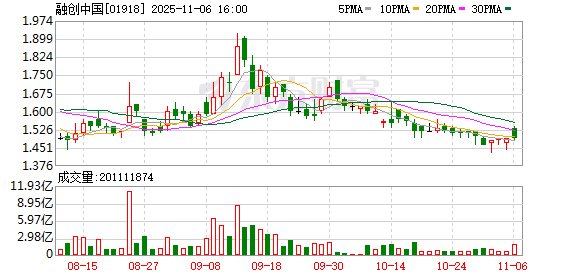
融创碧桂园相继获债务重组突破,房地产风险化解窗口期来临
Di Yi Cai Jing· 2025-11-06 12:33
Core Viewpoint - The recent debt restructuring breakthroughs by major private real estate companies like Sunac and Country Garden provide an opportunity for the industry to focus on "ensuring delivery of properties" and transitioning to asset-light models [2][4][10] Debt Restructuring Progress - Sunac's offshore debt restructuring plan, amounting to approximately $9.6 billion, was approved by the Hong Kong High Court on November 5, while Country Garden's plan received over 75% approval from creditors on November 6 [2][3] - Country Garden's debt restructuring involves a total debt of about $17.7 billion, with an expected debt reduction of approximately $11.7 billion, achieving a debt reduction ratio of around 66% [3][4] - Sunac's restructuring has effectively cleared its offshore debt, with a total scale of about $9.55 billion [3][4] Industry Trends - The debt restructuring process has accelerated, with many companies shifting from "extension-focused" strategies to "substantive debt reduction," with most firms reducing their offshore debt by over 50% [2][7] - The restructuring has led to significant improvements in companies' balance sheets, extending debt maturities and reducing financial costs [4][8] Market Sentiment - Creditors are becoming more pragmatic, recognizing the challenges in debt repayment and preferring restructuring solutions to enhance recovery rates [8] - The acceleration of risk clearance among major real estate companies is alleviating systemic concerns regarding private firms, which may improve the overall credit environment [8] Future Opportunities - Post-restructuring, companies are expected to focus on asset-light business models, such as property management and asset management, which require less capital investment and can help restore cash flow [9][10] - The industry is transitioning from incremental development to stock operation, with significant opportunities in property management and asset revitalization [9]
欠薪千万、巨亏16亿!昔日家居巨头暴雷!
商业洞察· 2025-11-06 10:29
Core Viewpoint - The article discusses the financial struggles of Meike Meijia, highlighting its significant losses and the impact on employees and suppliers, reflecting broader challenges in the high-end home furnishing industry [3][8][12]. Group 1: Financial Performance - Meike Meijia reported a net loss of 2.89 billion in 2022, 4.63 billion in 2023, and 8.64 billion in 2024, accumulating over 16 billion in losses over three years [8]. - As of the first half of 2025, the company had only 1.56 billion in cash but faced short-term debts of 18.3 billion, resulting in a debt-to-asset ratio of 63% [9]. Group 2: Employee and Supplier Impact - Over 200 former employees across North and South China are involved in a wage dispute, with total unpaid wages exceeding 10 million [4]. - Suppliers have also faced difficulties, winning lawsuits for renovations but only receiving one-third of the owed payments, with many cases still unresolved [6]. Group 3: Operational Challenges - The company has closed approximately 30 underperforming stores in 2024 and an additional 4 in the first half of 2025, indicating a need to reduce fixed costs amid declining revenues [10]. - High inventory levels have led to significant write-downs, as unsold furniture accumulates in warehouses [10]. Group 4: Strategic Missteps - The heavy asset model has strained cash flow, with the company failing to adapt to changing market conditions and consumer preferences [11][14]. - The shift in consumer demand towards smart products and the tightening of real estate policies have further exacerbated the company's challenges [12][14]. Group 5: Future Outlook - The transition to a light asset model poses risks, as maintaining service quality across franchises remains uncertain [15]. - The company must prioritize employee welfare and trust with partners to navigate the current economic downturn and regain market position [15].


酒店湘军:卖楼易,扭亏难
3 6 Ke· 2025-11-06 03:24
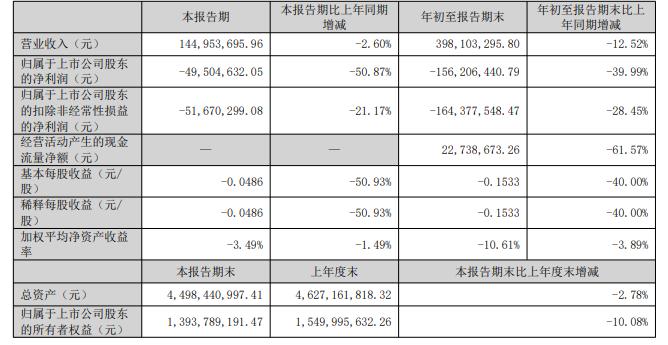
Core Viewpoint - Huatian Hotel, a well-established state-owned hotel group, reported a significant decline in revenue and an increase in net losses for the first three quarters of 2025, prompting the company to sell off assets to alleviate financial pressure and focus on its core hotel business [2][7][30]. Financial Performance - For the first three quarters of 2025, Huatian Hotel achieved a revenue of 398 million yuan, a year-on-year decrease of 12.52%, and a net loss attributable to shareholders of 156 million yuan, down 39.99% [2][8]. - In Q3 2025, the revenue was 145 million yuan, a decline of 2.60%, with a net loss of approximately 49.5 million yuan, representing a 50.87% decrease year-on-year [3][8]. Asset Disposal Strategy - Huatian Hotel announced the intention to transfer 70% of its subsidiary, Yongzhou Huatian City Real Estate, with a base price of approximately 52.54 million yuan, as part of its strategy to reduce heavy asset burdens [3][4]. - The sale is seen as a move to maximize asset value at a high point and to provide funding for the company's focus on its hotel operations and light asset transformation [6][10]. Challenges and Market Position - The company has been under financial pressure, with continuous losses since 2014, and is facing internal conflicts among shareholders regarding strategic execution and declining revenues [26][31]. - Huatian Hotel's market share is being squeezed by external competition, with a significant increase in the number of hotels in Hunan province, where it operates [32][34]. Strategic Direction - The company aims to transition towards a light asset model, focusing on hotel services, which currently account for 83.16% of its revenue, while real estate contributes only 0.96% [11][10]. - Huatian plans to open 10-15 new managed hotels in 2025, particularly in third and fourth-tier cities, and to enhance its brand presence through a dual-brand strategy [36][37].

代建行业竞争白热化,房企如何破局
Xin Lang Cai Jing· 2025-11-06 02:09
Core Insights - The real estate industry is undergoing a transformation, with construction agency services becoming a significant direction for companies, leading to accelerated expansion among leading construction firms [1][2] - The competition in the construction agency sector is intensifying, prompting companies to adhere to long-term strategies rather than pursuing blind scale expansion [1][4] Industry Overview - The overall scale of construction agency services has significantly increased, with six leading companies adding over 10 million square meters of new construction agency scale in the first three quarters of 2025 [2] - The top 20 construction agency firms saw a year-on-year increase of 31% in new signed construction area, totaling 15,771 million square meters [2] - Green City Management leads the sector with over 2,700 million square meters of new construction area, approximately double that of the second-ranked firm [2] Types of Construction Agency Services - Construction agency services are categorized into government, commercial, and capital agency types, each serving different market needs [3] - Government agency services focus on public projects such as affordable housing and schools, while commercial agency services are the most prevalent, providing management services to clients lacking development capabilities [3] - Capital agency services are the most complex, often involving financial institutions to manage distressed assets [3] Competitive Landscape - The competition among construction agency firms is becoming more specialized, with companies focusing on niche markets to establish differentiated advantages [4] - Recent government policies have increased the precision and detail of construction agency regulations, raising the professional requirements for firms [4][5] - Companies are encouraged to broaden their focus to include urban renewal projects and affordable housing, as these areas present significant opportunities [5] Strategic Recommendations - Firms are advised to deepen their engagement in specialized fields and enhance service quality to achieve sustainable growth [5][6] - Emphasis on long-term strategies, project fulfillment rates, and client satisfaction is crucial for success in a competitive environment [5][7] - Companies should innovate their business models and explore high-value, high-barrier niche markets to avoid price competition [5][6] Emerging Trends - The shift towards managing distressed assets reflects a broader change in the real estate industry's underlying logic, moving from new development to revitalizing existing assets [6][7] - The "guarantee delivery" policy has created substantial demand for professional intervention in construction and delivery projects, providing clear business opportunities for capable construction agencies [6][7]
从星巴克合营看洋品牌的本地化生死局
Sou Hu Cai Jing· 2025-11-05 07:41
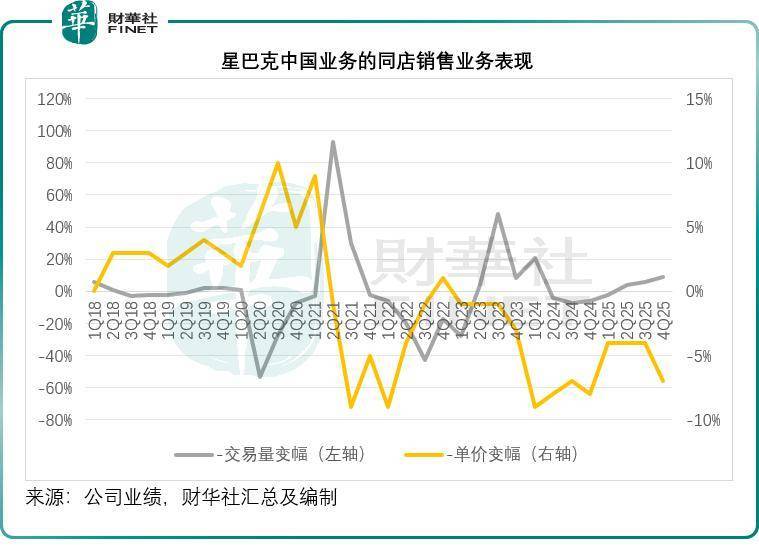
Core Insights - Starbucks has announced a strategic partnership with Boyu Capital to establish a joint venture for its retail operations in China, with Boyu holding up to 60% of the equity [1] - This move reflects a broader trend among foreign brands in China, emphasizing the importance of local partnerships and operational control to navigate market challenges [2][3] - The joint venture represents a shift from a heavy asset model to a lighter asset approach, allowing Starbucks to maintain brand ownership while reducing operational burdens [8] Company Challenges - Starbucks' "third space" model is showing signs of fatigue in the Chinese market, with high operational costs and strategic indecision impacting its performance [4] - The company has faced increased competition from local brands and lower-priced competitors, leading to a paradox of rising transaction volumes but declining average spending [6][7] - Despite a growing coffee consumer base in China, Starbucks struggles to maintain its market position amid fierce competition from brands like Luckin Coffee [6][7] Capital Strategy - The joint venture with Boyu Capital allows Starbucks to transition from a heavy asset operation to a model focused on revenue sharing and brand licensing, optimizing risk and returns [8][9] - Starbucks will retain 40% equity in the joint venture and continue to earn licensing fees, ensuring a stable cash flow while benefiting from market growth [9] - This partnership aligns with a trend among foreign brands in China, where capital cooperation has become essential for navigating complex market dynamics [10][12] Market Dynamics - The competitive landscape in China is intensifying, with independent coffee brands and fast-food chains aggressively targeting the same consumer base [6][7] - The rise of local competitors has led to a significant increase in the number of coffee drinkers, yet Starbucks has not capitalized on this growth effectively [6][7] - The operational model of local brands, which often includes flexible pricing and strategic location choices, poses a significant challenge to Starbucks' traditional high-end positioning [6][7] Lessons from Other Brands - Other foreign brands like McDonald's and Yum China have successfully implemented local partnerships to enhance operational efficiency and market penetration [10][11] - The experiences of these brands highlight the importance of balancing local operational control with maintaining brand integrity and long-term value [12][18] - Successful models involve a mix of equity sharing and licensing fees, allowing for both local responsiveness and stable revenue streams for the parent company [10][11][18]

百强房企10月销售总额环比增长3.7%;深铁集团同意向万科提供最多220亿元贷款
Mei Ri Jing Ji Xin Wen· 2025-11-02 21:47
Group 1: Real Estate Sales Performance - In October, the total sales of the top 100 real estate companies in China increased by 3.7% month-on-month, but the total sales from January to October decreased by 16.3% year-on-year, with the decline rate widening by 4.1 percentage points compared to the first nine months of the year [1] - The strong sales performance in October was led by companies such as Greenland Holdings, Xingyao Real Estate Group, and China State Construction Smart Land [1] - Despite 48 companies showing month-on-month growth in October, the cumulative scale remains under pressure, particularly for lower-tier companies, which may force them to accelerate product upgrades and promotional sales [1] Group 2: Financing and Corporate Governance Changes - Shenzhen Metro Group agreed to provide Vanke with a loan of up to 22 billion yuan, which will help alleviate the company's debt repayment pressure and strengthen market expectations for risk resolution [2] - Zhuhai Free Trade Zone Group plans to convert a debt of 5.122 billion yuan owed to Gree Real Estate into capital reserves, improving Gree Real Estate's asset-liability structure and enhancing its risk resistance [3] - Xu Rong has been appointed as the new chairman of China Resources Land, aligning with the company's transformation strategy and enhancing its ability to integrate policy resources [4] - Lin Junjie has taken over as chairman and general manager of Midea Real Estate, which coincides with the company's focus on light asset transformation, leveraging his extensive investment experience to support the company's strategic direction [5]



40亿欧元,欧莱雅又从开云集团进货了
3 6 Ke· 2025-10-23 23:58
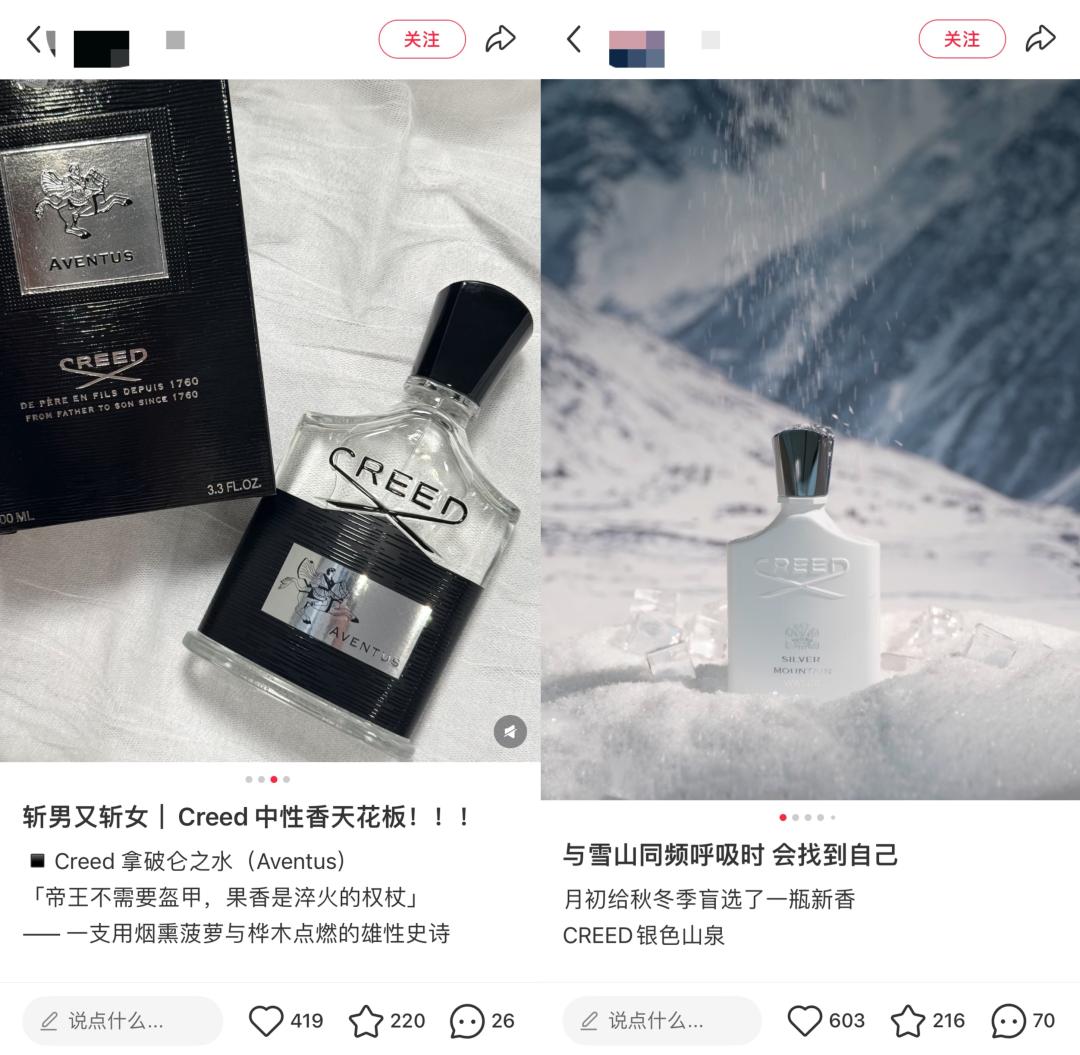
Core Viewpoint - The transaction between L'Oréal and Kering, valued at €4 billion, signifies a strategic alignment where Kering divests its beauty segment under financial pressure, while L'Oréal expands its market presence in the luxury beauty sector [1][2]. Group 1: Kering's Strategic Shift - Kering has sold its high-end fragrance brand Creed to L'Oréal, marking a significant move as Creed has a rich history of over 265 years and was previously acquired for €3.5 billion [3][5]. - The sale reflects Kering's need to address its financial challenges, with a debt of €9.5 billion and a 16% decline in total revenue in the first half of 2025 [6][7]. - Kering's new CEO, Luca de Meo, is implementing a strategy focused on simplifying and restructuring the brand portfolio, which includes delaying the acquisition of Valentino to prioritize financial health [6][7]. Group 2: L'Oréal's Growth Strategy - L'Oréal's acquisition of Kering's beauty division is seen as a strategic opportunity to enhance its luxury beauty portfolio, particularly with the potential of Gucci's beauty business, which is currently under Coty until 2028 [8][9]. - L'Oréal's CEO, Nicolas Hieronimus, expressed confidence in replicating the success of YSL beauty with Gucci, which has a market potential three times larger than YSL [11]. - The company has been actively investing in the high-end fragrance market, indicating a clear intent to strengthen its position in this lucrative segment [12][16]. Group 3: Market Dynamics and Future Outlook - The global high-end fragrance market is projected to reach $400 billion by 2025, with significant growth expected in the Chinese market, where high-end fragrances are gaining traction [15][18]. - Competitors like Estée Lauder and LVMH are also intensifying their efforts in the high-end fragrance space, indicating a competitive landscape that L'Oréal will need to navigate effectively [15][16]. - The integration of multiple luxury brands into L'Oréal's portfolio will test its ability to manage brand transitions and capitalize on market opportunities in the high-end beauty sector [14][18].

*ST南置回复深交所问询:拟1元出售房地产业务,聚焦轻资产转型
Xin Lang Cai Jing· 2025-10-15 13:59
Core Viewpoint - Nanguo Real Estate plans to sell its real estate development and leasing assets and liabilities to its controlling shareholder's wholly-owned subsidiary for 1 yuan, aiming to accelerate its transformation into a comprehensive urban operation service provider [1]. Group 1: Asset Sale and Financial Impact - The company received an inquiry from the Shenzhen Stock Exchange regarding its restructuring plan, ongoing operational capability, and related transactions [1]. - Since 2021, the company has reported continuous losses, with net profits of -867 million yuan, -1.693 billion yuan, and -2.238 billion yuan for the years 2022 to 2024, respectively [1]. - The company’s net assets were negative by the end of 2024, leading to a risk warning for delisting [1]. - The accounting treatment for the asset sale will result in a significant decrease in total assets and liabilities, with net assets expected to turn positive post-transaction [2]. Group 2: Future Development Plans - Nanguo Real Estate disclosed plans for the current year and the next two years, focusing on expanding urban operation services, advancing digital empowerment, and enhancing property management to improve competitiveness and profitability [2]. - The controlling shareholder and actual controller have committed to resolving competition issues in phases [2]. Group 3: Inventory and Asset Management - The company explained the rationale for retaining certain inventories, valued at 51.9162 million yuan as of April 2025, primarily consisting of unsold parking spaces and non-real estate development project inventories [1]. - The retention of inventory is influenced by factors such as transaction taxes, capital reserves, and sales disputes, with plans to expedite the resolution of related asset disputes [1].
