饥饿营销

Search documents
LABUBU快闪店预约秒罄,限时又限购!还要与优衣库跨界联名
第一财经· 2025-06-17 13:29
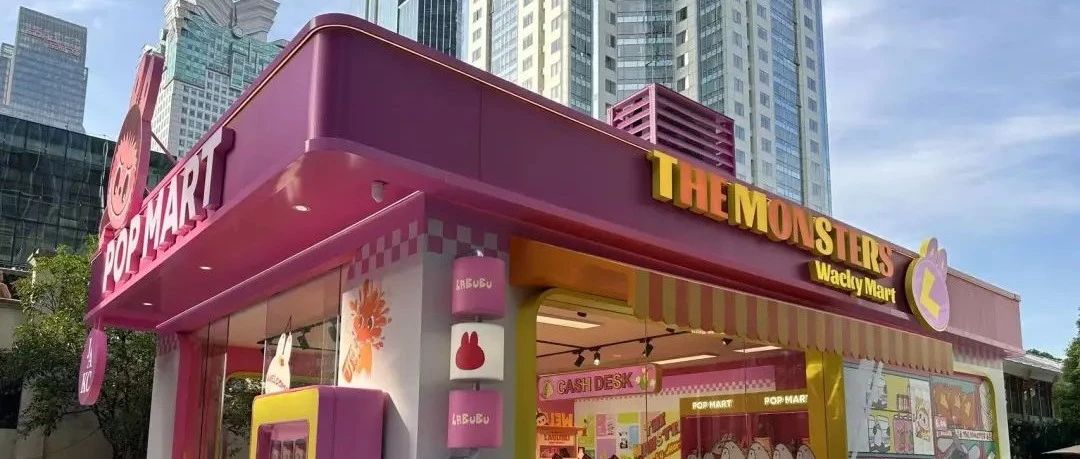
Core Viewpoint - The LABUBU brand is actively expanding its presence in the trendy toy industry through various commercial operations and cross-industry collaborations, despite facing challenges from counterfeit products [1][12]. Group 1: LABUBU's Commercial Operations - LABUBU has launched a limited-time pop-up store called "THE MONSTERS怪味便利店" in Shanghai, with similar stores in Beijing, Guangzhou, and Chengdu, operating from mid-June to the end of July [3][4]. - The pop-up store requires customers to make reservations, which sell out within seconds, indicating high demand and effective marketing strategies [2][3]. - The store limits customer entry to prevent overcrowding, allowing only a small number of customers at a time, which enhances the exclusivity of the shopping experience [4][5]. Group 2: Cross-Industry Collaborations - Uniqlo announced a new collaboration with LABUBU, set to launch on August 29, featuring adult t-shirts priced at 99 yuan and children's t-shirts at 79 yuan, marking the fifth collaboration between the two brands [8][10]. - This partnership aims to broaden LABUBU's product range beyond toys, integrating into daily consumer goods, which can enhance brand visibility among younger audiences [10][11]. - The collaboration is seen as a strategic move for both brands, with LABUBU gaining access to a wider market and Uniqlo appealing to a younger demographic [11]. Group 3: Market Performance and Counterfeit Issues - LABUBU's parent company, Pop Mart, has seen a significant stock price increase of 100% since March, with a staggering 11-fold increase since the beginning of 2024 [13]. - The company's revenue for Q1 2025 surged by 165% year-on-year, with domestic revenue growing by 95% to 100% and overseas revenue increasing by 475% to 480% [13]. - Authorities are cracking down on counterfeit LABUBU products, emphasizing the need for proper licensing and the protection of intellectual property rights [14][15].


再论泡泡玛特 历史大顶!
Sou Hu Cai Jing· 2025-06-16 12:52
如果你了解的够多,你会发现故事只是在不同的时间重复发生,没有任何新意,即便是跳崖也一样。 当你苦口婆心的劝他们,前面是悬崖,赶紧刹车,但是他们情绪正高涨,置若罔闻。 此时,我只能苦笑。 从我上一篇文章《泡泡玛特历史大顶》后,又有的新的动向(想看数据分析的,重点看第一篇文章): 1、泡泡玛特股价从262,最高涨到了283,现回落至266,涨幅1.5%。 2、一款131cm高的蓝色Labubu在香港永乐拍卖会上拍出108万的天价。 3、泡泡玛特说市场需求太大,自己产能跟不上。 大家看事情,得看到本质。比如,大家看到拍卖,一件艺术品或古董拍出了天价,动不动几个亿,不要 盲目上头。 其实,很多都是左手倒右手的游戏,古董是自己离岸公司的,古董是什么不重要,真假也不重要,重要 是它是自己的。自己用境内的钱拍下来,这样以来资金就合法出境了。 还有的操作是,把价值10万的东西,拿到拍卖场所,安排黑钱在不同拍卖场,用1000万的价格拍走。这 样拍卖的人钱就洗白了。 4、王宁当年上综艺节目融资路演的视频刷屏了,当时他讲了潮玩的逻辑。 我太了解资本市场里面"市值管理"的玩法了,也太了解新事物营销与价值的逻辑了,所以有时候就感 慨: ...

谁在坐收LABUBU渔翁之利
Bei Jing Shang Bao· 2025-06-12 06:28
Core Viewpoint - The rise of counterfeit LABUBU products is challenging the IP protection of Pop Mart, as demand for the original products remains high while the counterfeit market flourishes [1][6][16]. Group 1: Market Dynamics - The LABUBU 3.0 series has seen a significant demand, with the original priced at 594 yuan per set, while counterfeit versions are sold for 300-750 yuan, sometimes even exceeding the original price [1][6][7]. - Counterfeit LABUBU products are being marketed aggressively, with some sellers claiming that high-quality fakes are nearly indistinguishable from the originals, thus catering to consumer demand [6][10]. - The secondary market for LABUBU products is thriving, with prices for original items skyrocketing; for instance, a hidden version originally priced at 99 yuan has been sold for as much as 3580 yuan [6][10]. Group 2: Legal and Regulatory Challenges - Legal experts indicate that producing counterfeit LABUBU products can lead to various forms of liability, including civil, administrative, and even criminal responsibilities [1][14]. - Regulatory bodies are intensifying efforts to combat counterfeit products, with reports of significant seizures of unregistered LABUBU items by customs [11][13]. - Despite the crackdown, some manufacturers continue to operate in the counterfeit market, indicating a persistent demand that outstrips supply for original products [9][10]. Group 3: Company Response and Strategy - Pop Mart is facing challenges in scaling production to meet the high demand for LABUBU, with plans to increase output significantly over a short period [15]. - The company is exploring strategies to enhance IP protection, including dynamic supply strategies and collaborations with creators to transform counterfeit interest into user-generated content [16]. - The complexity of IP enforcement is highlighted, as the company has faced numerous legal challenges, including 288 civil lawsuits and 11 administrative actions against counterfeit sources in 2024 alone [15].
财经观察丨太抢手,英国停售!“塑料茅台”labubu到底啥来头?缘何全球受宠?
Sou Hu Cai Jing· 2025-05-30 14:32
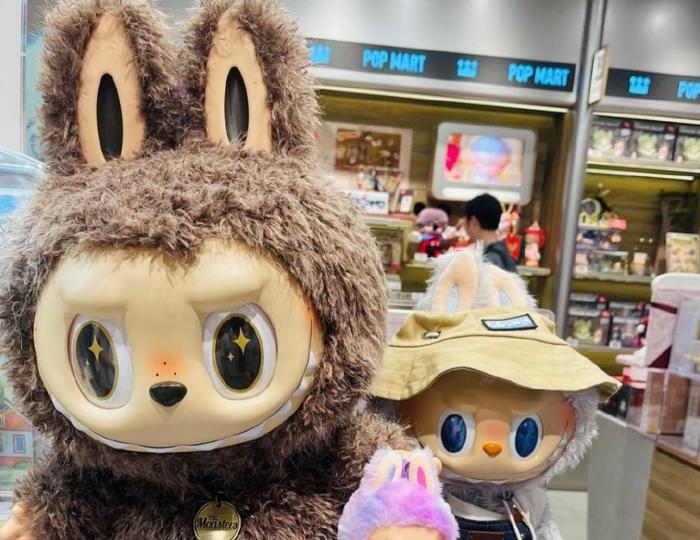
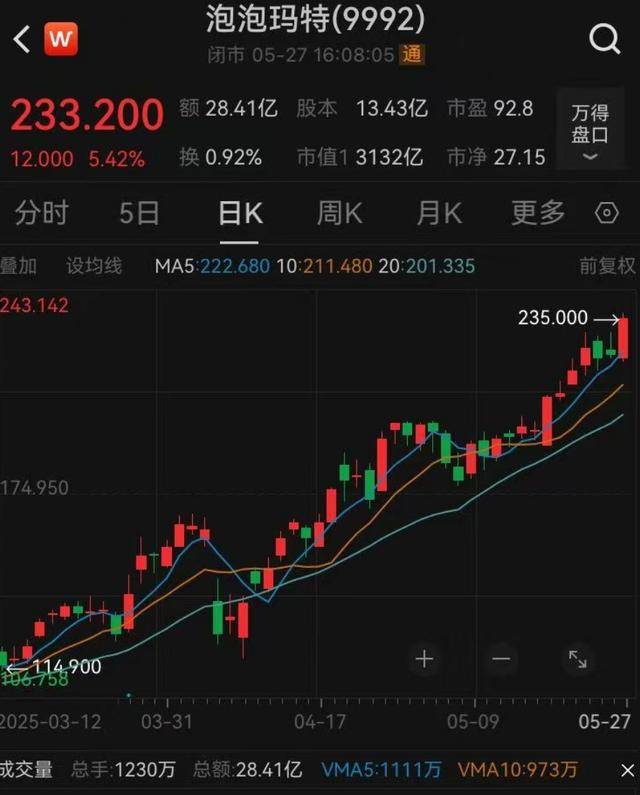
"买labubu堪比理财" 今年以来,来自中国的泡泡玛特实现了海外市场的爆发式增长以及股价的一路飙升。5月27日,泡泡玛 特大涨5.42%,股价再创历史新高,每股报233.2港元,总市值3132亿港元,今年股价已上涨160%。 泡泡玛特股价飙升背后,labubu(泡泡玛特人气ip)正横扫全球。 据媒体报道,有资深玩家表示,"labubu就是年轻人的茅台——不见得自己喝、但你一定要抢,抢到了 心情愉悦,不想要还能高价转卖。" 所属系列2024年营收暴增7倍 从财报数据来看,泡泡玛特近年来的业绩呈现出显著增长态势。2024年度,其营收高达130.4亿元,增 速为106.92%,实现了极速扩张。与此同时,同期归母净利润也达到了31.25亿元,增长态势十分明显。 labubu这个潮玩界的超级ip已经不能用火爆来形容,而是"火得一塌糊涂"。 据橙柿新闻报道,杭州的"谷子玩家"(指潮玩收藏者)ayo说,"labubu太火爆了,预约都买不到,要抽 签或者加价买。" 记者发现,泡泡玛特labubu系列的价格因版本和稀缺程度价格会有所不同,基础款的盲盒售价通常为99 元,整盒(含多个盲盒)价格可能在850元左右。 不过,一些联 ...
小米YU7不公布售价?雷军惹众怒
Sou Hu Cai Jing· 2025-05-22 09:57
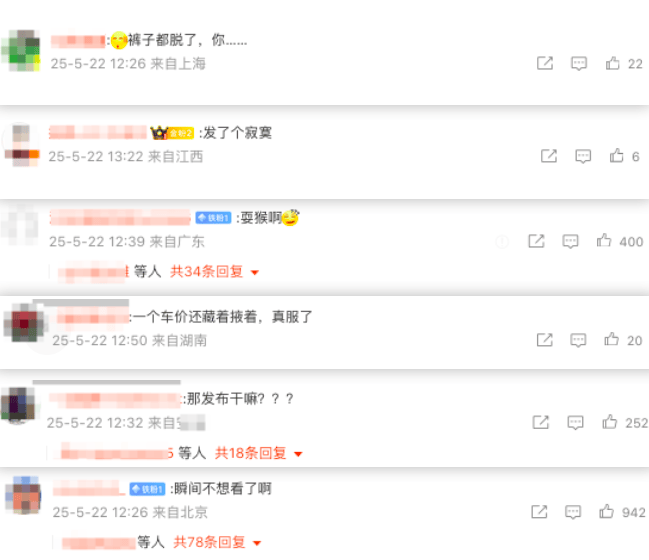
裤子都脱了,你…… 发了个寂寞、耍猴啊、一个车价还藏着掖着,真服了、瞬间不想看了啊、那发布干嘛??? 大家不要误会,以上这些都是雷军本人该条微博下的真实评论。 起因是自5月19号,官宣小米YU7发布以来,热度不断,车圈消息真是离谱给离谱开门,离谱到家了。 但5月22号的今天,突然又给大家浇了盆冷水,雷军发文表示YU7预计7月正式上市,今晚预发布会,不 会公布正式价格,也不会开启小定。 千呼万唤始出来,犹抱琵琶半遮面 两款绿银新配色和内饰都出了,结果雷军给你来了个回马枪。 雷军好像跟太乙真人一样在说,你打我噻?你打我噻? 当然,有些着急上头的朋友们当然不惯着,直接在雷军评论区开始"用泥巴种荷花,用石头砌小楼"了, 精彩程度一绝。 当然,也怪不得大家着急,毕竟你在5月19号说过了"发布"二字,这几天过去了,如今22号,两款配色 和内饰都出了,结果反手表示只是"预发布会"。 这么说就是相当于:公布了所有的外观和内饰,然后价格未出,小定也暂未开启。 颤抖吧!友商 虽然,雷军这波操作让屏幕前的"准车主们"颇为不满。不过待产品真要上市,更不高兴的恐怕是友商。 就像去年的小米SU7,发布会后便让友商们一片哀嚎。时至今日,S ...

卫生巾比演唱会门票难抢?黄子韬主理品牌朵薇限时定量售卖引争议
Xin Jing Bao· 2025-05-21 14:19
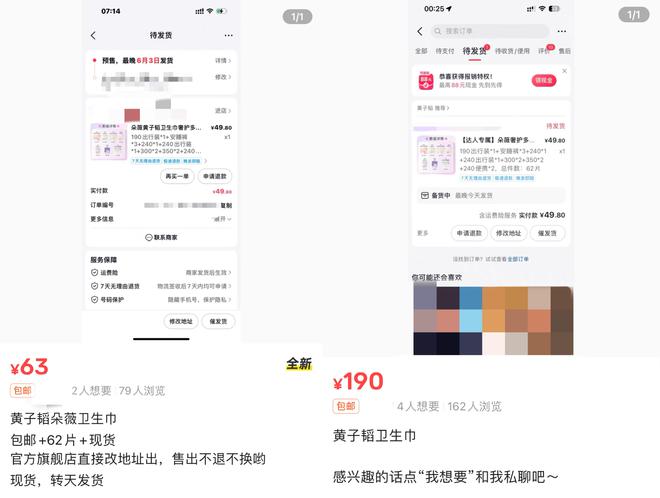
明星效应是把"双刃剑",带火了黄子韬主理的卫生巾品牌"朵薇",也招来了"黄牛"高价倒卖。 5月20日,新京报贝壳财经记者从电商平台朵薇旗舰店获悉,由于工厂产能受限,暂定每天中午12点和 晚上7点两个时段,通过各平台旗舰店适量放货销售,"目前都是预售,现货都已经卖完了",该店铺客 服人员表示,但对于产能恢复周期未能给出明确时间表。 二手平台的"黄子韬卫生巾"转卖帖。 这一销售模式引发部分消费者对品牌方"饥饿营销"的质疑。明星效应在初创品牌营销中具有天然流量优 势,但过度依赖限量策略可能引发市场信任危机。值得关注的是,供需失衡已催生二级市场溢价交易现 象,原价49.8元的卫生巾组合装被"黄牛"加价卖到高达190元。 卫生巾比"演唱会门票都难抢"?朵薇客服:目前均为预售 直播现货全部售罄、GMV(商品交易总额)超4000万元,卫生巾品牌朵薇一经发布,便收获亮眼的销 售数据。 "当所有人提起朵薇的时候,(希望)大家想到的不是明星黄子韬,而是一个真正的企业家。"在朵薇新 品发布会上,黄子韬透露了自己的"野心",并宣布了卫生巾的售卖机制和价格——包含迷你巾、日用 装、夜用装和安心裤等共62片的组合装售价49.8元,平均每 ...
月入两万,吃不起面包“爱马仕”
创业邦· 2025-05-18 03:07
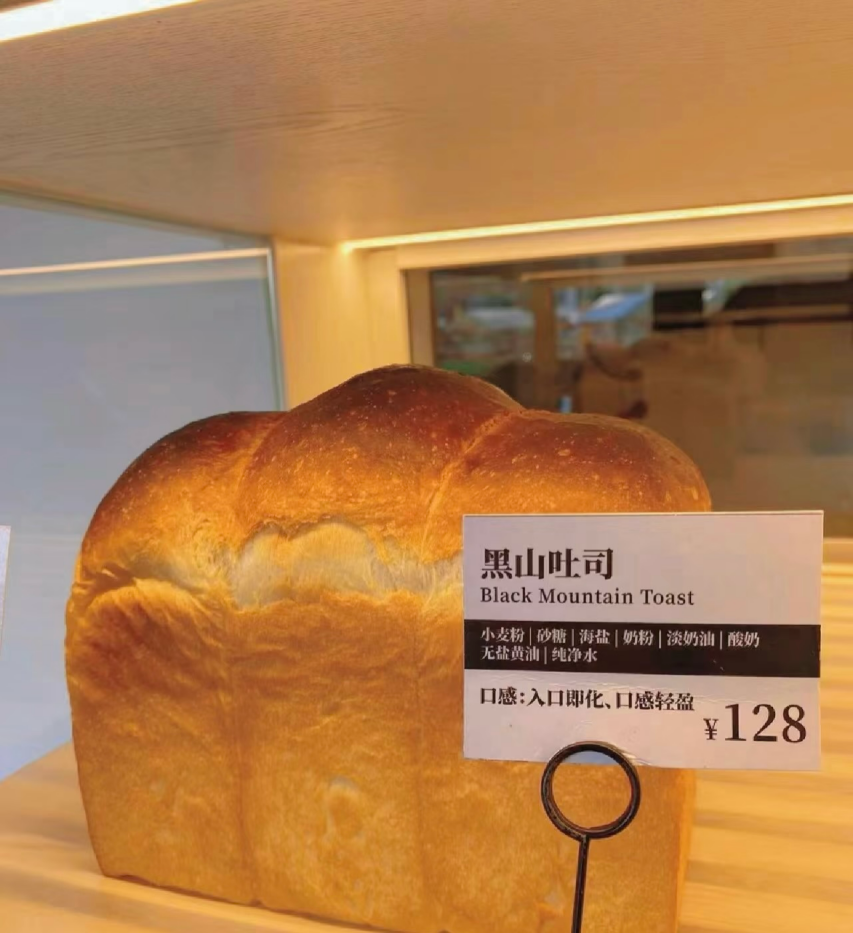
Core Viewpoint - The article discusses the rising trend of expensive bread in China, highlighting how it has transformed from a street food to a luxury item, with consumers expressing shock at the high prices of certain bakery products [5][21]. Price Trends - The price of bread has significantly increased, with items like black mountain toast priced at 128 yuan and strawberry cream tarts at 39 yuan, leading to consumer complaints about the cost [3][5]. - A survey indicated that 70% of respondents were only willing to pay under 10 yuan for bread, while less than 10% could accept prices above 20 yuan [5][6]. Consumer Behavior - Young consumers are increasingly drawn to high-priced bread, which is positioned between everyday items and luxury goods, satisfying a "light luxury" desire without being overly burdensome [15][21]. - The social aspect of purchasing these expensive breads is emphasized, as they serve as a form of social currency, with consumers buying them for sharing on social media [16][19]. Marketing Strategies - Brands employ scarcity tactics, such as limited purchases and exclusive releases, to create a sense of urgency and desirability among consumers [16][19]. - The use of social media for marketing is prevalent, with brands generating buzz before opening new locations, leading to long queues and heightened consumer interest [19][21]. Brand Positioning - Many high-end bread brands utilize foreign language names and cultural references to create a perception of sophistication and exclusivity [10][11]. - The design and ambiance of these bakeries are also crucial, with a focus on aesthetics that appeal to consumers' desire for a luxurious experience [10][11]. Challenges Ahead - The high operational costs associated with maintaining a premium brand image pose significant challenges for these bakeries, particularly in terms of rent and labor costs [21][22]. - The industry faces issues of product homogeneity and low technical barriers, making it difficult for brands to maintain a competitive edge [21][22]. - Consumer habits in China differ from those in Western countries, with bread not being a staple food, leading to lower repeat purchase rates for high-priced items [22][23]. Future Outlook - The sustainability of the expensive bread trend is uncertain, as brands must address challenges related to cost management, product innovation, and consumer behavior to avoid becoming a fleeting trend [25].

月入两万,吃不起面包“爱马仕”
凤凰网财经· 2025-05-17 13:34
Core Viewpoint - The article discusses the rising trend of expensive bread in China, highlighting how it has transformed from a common food item to a luxury product, with consumers expressing shock at the high prices [1][3][17]. Group 1: Price Trends - The price of bread has significantly increased, with some items starting at 50 yuan, and average spending at premium bakeries reaching around 60 yuan per person [2][3][12]. - A survey indicated that 70% of respondents were only willing to pay under 10 yuan for bread, showing a disconnect between consumer expectations and current market prices [1][2]. Group 2: Branding and Marketing Strategies - Premium bread brands utilize creative naming and branding strategies to create a sense of luxury, often incorporating foreign language elements and cultural symbols [6][7]. - The design and ambiance of these bakeries are also tailored to enhance the consumer experience, with a focus on aesthetics and social media appeal [8][9]. Group 3: Consumer Behavior - The phenomenon of "hunger marketing" is prevalent, where limited availability and exclusivity drive consumer demand, leading to long queues and even scalping [12][14]. - Social media plays a crucial role in promoting these brands, with consumers often purchasing products for social validation rather than regular consumption [16][19]. Group 4: Challenges Ahead - High operational costs and the challenge of scaling up while maintaining quality pose significant risks for premium bread brands [17][18]. - The industry faces issues of product homogeneity and low consumer repurchase rates, as bread is not a staple food in China compared to Western countries [19][20].

起个洋名贵三倍,贵价面包刺痛中产
Feng Huang Wang Cai Jing· 2025-05-17 11:27
Core Insights - The article discusses the rising trend of expensive bread, which has transformed from a street food to a luxury item, with prices significantly increasing over the past two years [3][11] - Consumers express disbelief at the high prices, with many feeling that the cost of bread has become exorbitant, often exceeding the price of a full meal [1][3] Price Trends - Current prices for premium bread start at 50 yuan, with some items like the "Wellington Beef Croissant" priced at 58 yuan and average spending at B&C reaching 59 yuan [3][11] - A survey indicated that 70% of respondents were only willing to pay under 10 yuan for bread, highlighting a disconnect between consumer expectations and current market prices [3][11] Branding and Marketing Strategies - Premium bread brands utilize creative naming and branding strategies to create a sense of luxury, often incorporating foreign language elements and cultural symbols [6][8] - The design and ambiance of these bakeries are also tailored to enhance the consumer experience, with many featuring stylish interiors that encourage social media sharing [7][10] Consumer Behavior - The phenomenon of "hunger marketing" is prevalent, where limited availability and exclusivity drive consumer demand, leading to long queues and high resale values [11][12] - Social media plays a significant role in promoting these brands, with consumers often purchasing bread as a status symbol or for social currency rather than for regular consumption [11][12] Challenges Ahead - High operational costs and the challenge of scaling while maintaining quality pose significant risks for premium bread brands [13][17] - The industry faces issues of product homogeneity and low technical barriers, making it difficult for brands to differentiate themselves in a crowded market [13][14] - Consumer habits in China, where bread is not a staple food, limit the potential for repeat purchases, creating a barrier to long-term success for these premium brands [15][16]
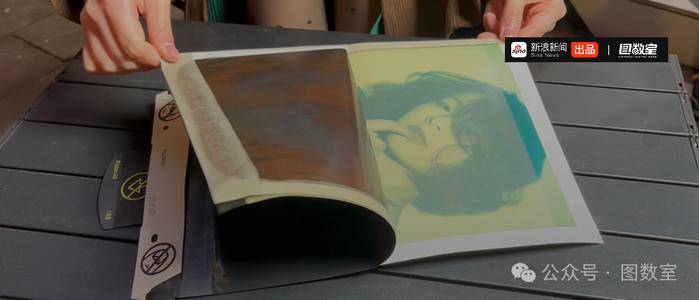
图数室|撕拉片价格暴涨43倍,年轻人开始为“过期浪漫”买单
Xin Lang Cai Jing· 2025-05-15 12:28
Core Viewpoint - The rise of "peel-apart film" among young consumers reflects a blend of nostalgia, scarcity marketing, and celebrity influence, leading to a significant increase in prices and demand for this once-common photography medium [2][14][27] Group 1: Market Dynamics - The price of peel-apart film has skyrocketed from 70 yuan to 3000 yuan, marking a 28-fold increase, which outpaces even gold [2][7] - The main manufacturers, Polaroid and Fujifilm, have ceased production, resulting in a scarcity that drives up the value of existing stock [5][14] - The average transaction price for peel-apart film on second-hand platforms has reached 1800 yuan, indicating a robust secondary market [16] Group 2: Consumer Behavior - Approximately 80% of consumers are motivated by the desire to replicate the aesthetic associated with celebrities who use peel-apart film, creating a social currency around these images [14][16] - The "one shot, one peel" nature of the film enhances its perceived value, tapping into consumers' desires for unique experiences and collectibles [13][27] - The trend has led to a cultural shift where the experience of taking and sharing photos has become more important than the technical quality of the images [27] Group 3: Technical Aspects - Peel-apart film operates on a unique chemical process that eliminates the need for traditional development, making it appealing for instant photography [5] - However, the film has a high failure rate, with over 40% of expired film failing to develop properly, which adds an element of risk to the experience [18] - The production of peel-apart film has not been entirely lost, as some companies are attempting to recreate it, although at a higher cost and limited availability [11] Group 4: Cultural Impact - The phenomenon of peel-apart film has been amplified by social media, where users share their experiences, contributing to its status as a trendy item [16][21] - The nostalgia associated with older photography equipment, such as CCD cameras and disposable film cameras, has also seen a resurgence, driven by a desire for unique and authentic photographic experiences [19][27] - The overall trend indicates a shift in consumer values, where emotional and aesthetic satisfaction takes precedence over technical specifications in photography [27]