
共同富裕

Search documents
钟宏武:中国企业ESG工作正面临三大核心挑战
Sou Hu Cai Jing· 2025-10-31 10:05
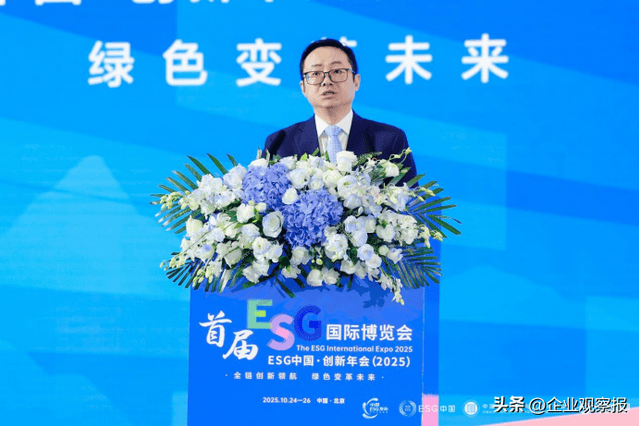
来源:企业观察报 10月24日—26日,ESG中国·创新年会(2025)暨首届ESG国际博览会在北京首钢园召开。活动期间, 责任云研究院院长、教授钟宏武接受《企业观察报》采访,对中国企业ESG工作的前景、所面临的挑战 和应对之法陈述了自己的观点。 01 三大核心挑战 钟宏武认为,中国企业当前的ESG工作已由"概念引入"迈进"深化落地"阶段。但面对全球ESG标准不统 一、中国经济转型提速等背景,中企的ESG工作正面临三大核心挑战。 一是标准割裂与"走出去"适配难题。 全球ESG披露框架如ISSB、GRI、欧盟CSRD等与中国本土政策如财政部《企业可持续披露准则——基 本准则(试行)》、沪深北交易所《上市公司可持续发展报告指引(试行)》等仍处于"并行期"。 若想同时满足上述多套标准,企业(尤其是跨国经营企业)需要投入大量资源进行数据拆分、指标转 换,无疑会增加合规成本。更关键的是,部分国际ESG评级机构对中国企业的评价存在"认知偏差",如 对共同富裕、乡村振兴等中国特色议题的权重分配不足,导致评级结果与实际贡献不匹配,影响国际资 本信任。 二是重要性议题识别与价值传导断层。 在宏观经济增速换挡、部分行业产能过剩的 ...

学习笔记|加大保障和改善民生力度,推进共同富裕
2 1 Shi Ji Jing Ji Bao Dao· 2025-10-31 08:27
Core Viewpoint - The 20th Central Committee of the Communist Party of China has approved the "Suggestions for Formulating the 15th Five-Year Plan for National Economic and Social Development," emphasizing the importance of improving people's livelihoods and achieving common prosperity as the foundation of modernization [2]. Employment and Economic Development - The plan prioritizes high-quality and sufficient employment, advocating for an employment-first strategy and the establishment of a supportive employment promotion mechanism [2]. - It aims to enhance collaboration between industry and employment, fostering new job roles and supporting enterprises in maintaining and expanding jobs [3]. Income Distribution and Social Equity - The plan calls for improvements in the income distribution system, emphasizing labor-based distribution and increasing the proportion of residents' income in national income distribution [4]. - It seeks to enhance the income of low-income groups and expand the middle-income population, promoting a more equitable distribution structure [4]. Social Security and Welfare - The plan proposes the establishment of a comprehensive social security system, including national coordination of basic pension insurance and the development of a multi-tiered pension system [5]. - It aims to improve medical insurance coverage and expand unemployment and work injury insurance, ensuring broader protection for various employment forms [5]. Consumer Confidence and Domestic Demand - The enhancement of the social security system is expected to boost consumer confidence and expand domestic demand, contributing to the creation of an olive-shaped society [6]. - The plan outlines specific policy directions in education, housing, healthcare, and public services, indicating a commitment to improving living standards during the 15th Five-Year Plan period [6].
把人民至上作为推进共同富裕的根本遵循
Huan Qiu Shi Bao· 2025-10-31 04:24
Group 1 - The core viewpoint emphasizes the importance of improving and safeguarding people's livelihoods as a key focus of the "15th Five-Year Plan" [1][7] - The plan aims to enhance public products and services, balancing economic vitality with social inclusion and ecological stability [8][12] - The government will prioritize high-quality employment and income distribution reforms to ensure social equity [3][11] Group 2 - The "15th Five-Year Plan" highlights the need for investment in human capital to adapt to the challenges posed by artificial intelligence and emerging technologies [4][13] - There is a focus on improving healthcare systems and increasing life expectancy, with a target of reaching an average life expectancy of 80 years [5][6] - The plan includes measures to ensure equal access to basic public services, addressing regional disparities and enhancing social mobility [6][10] Group 3 - The strategy involves strengthening the collaboration between industry and employment, promoting short-term skills training to meet market demands [2][11] - The plan aims to innovate asset accumulation systems to optimize income distribution and support low-income groups [3][12] - The government will enhance public investment in healthcare, education, and social security to foster economic resilience and social cohesion [9][12]
省政府新闻发布会解读江苏怎样在促进全体人民共同富裕上作示范既要“苏大强”,也要“苏共富”
Xin Hua Ri Bao· 2025-10-30 23:20
Economic Growth and Income Distribution - During the "14th Five-Year Plan" period, per capita disposable income in Jiangsu Province is projected to increase from 47,500 yuan in 2021 to 55,400 yuan in 2024, with the urban-rural income ratio narrowing from 2.16:1 to 2.04:1 [1] - The provincial government emphasizes the importance of promoting common prosperity and has initiated various measures to address social concerns, including high-quality employment and urban-rural integration [2] Employment and Job Creation - Jiangsu aims to maintain an average annual urban employment increase of over 1.35 million during the "14th Five-Year Plan," ranking second nationally, with a targeted urban survey unemployment rate kept below 5% [3] - The province plans to implement a series of policies to support enterprises and stabilize employment, including a 18 billion yuan employment stabilization subsidy [3] - Innovative recruitment strategies, such as hosting job fairs outside sports events, have led to the organization of 328 "talent night markets" and the provision of 164,000 job positions in the first three quarters of the year [4] Support for Entrepreneurship and Innovation - Jiangsu has launched initiatives to support entrepreneurship, assisting 120,000 individuals and distributing over 2 billion yuan in entrepreneurial subsidies and guaranteed loans [5] - The province has attracted 3,135 domestic and international PhD graduates and established 79 national-level postdoctoral research stations, the highest in the country [5] Social Security and Welfare - Jiangsu's social security system aims to expand coverage and improve benefits, with over 61.6 million people enrolled in basic pension insurance, and an annual increase of over 400,000 [6] - The average monthly minimum standard for basic living allowances has increased by 5.2% to 919 yuan, benefiting 620,000 individuals [7] Rural Development and Income Growth - Jiangsu is focusing on rural revitalization to reduce urban-rural income disparities, with initiatives like the development of village-level collective economies and targeted funding for rural projects [8] - The province has allocated 5.796 billion yuan in subsidies for the construction of livable and workable rural areas, with 2,280 such villages already established [9]
“十五五将是怎样的五年”系列评论之五:把人民至上作为推进共同富裕的根本遵循
Huan Qiu Wang· 2025-10-30 23:13
Group 1: Core Perspectives - The "15th Five-Year Plan" emphasizes improving and safeguarding people's livelihoods as a key aspect of modernization, aiming for common prosperity for all [1][7][12] - The plan reflects a shift from merely pursuing economic growth to ensuring social equity, ecological balance, and the provision of public goods and services [8][10][12] Group 2: Employment and Skills Development - The "15th Five-Year Plan" addresses challenges to high-quality employment posed by international trade barriers, geopolitical tensions, and advancements in artificial intelligence [2] - It advocates for a collaborative approach among government, market, and society to enhance employment mechanisms and promote short-term skills training to adapt to market demands [2][3] Group 3: Income Distribution and Social Equity - The plan aims to improve the fairness and proportion of labor remuneration in income distribution, particularly in the context of the platform economy [3] - It encourages collective wage negotiations in key industries and promotes innovative asset accumulation systems to enhance income structures for low-income groups [3][12] Group 4: Human Capital Investment - The "15th Five-Year Plan" highlights the need for substantial investment in human capital to adapt to the rapid advancements in artificial intelligence and emerging industries [4] - It calls for a comprehensive upgrade of education systems to foster innovative talents and new industry workers capable of collaborating with intelligent machines [4][12] Group 5: Health and Well-being - The plan projects an increase in average life expectancy to 80 years, reflecting significant progress in public health and social inclusivity [5][6] - It emphasizes the importance of healthcare data sharing and the establishment of a robust healthcare system to meet rising public health demands [6][12] Group 6: Public Services and Infrastructure - The "15th Five-Year Plan" stresses the need for equitable public service provision to bridge regional and urban-rural gaps [6][10] - It advocates for increased public investment in healthcare, education, and social security as a means to enhance economic resilience and social cohesion [9][11] Group 7: Overall Development Strategy - The plan promotes a holistic development approach that integrates economic vitality with social fairness and ecological stability [8][12] - It aims to redefine prosperity beyond mere wealth accumulation, focusing on sustainable and inclusive growth that enhances citizens' well-being and security [12]
“十五五”规划建议的18个新提法 释放哪些重要信号?
Mei Ri Jing Ji Xin Wen· 2025-10-30 15:27
Group 1: Economic and Social Development - The "15th Five-Year Plan" emphasizes the importance of technology and innovation, mentioning "technology" 46 times and "innovation" 61 times, highlighting the need for original and disruptive innovations [1] - The plan includes measures to improve people's livelihoods, such as expanding free education and exploring the extension of compulsory education [1][16] - It proposes to enhance public service spending to boost consumer capacity, indicating a shift towards improving the consumption environment [7][10] Group 2: Future Industries and Technological Innovation - The plan aims to promote emerging industries like quantum technology, biotechnology, hydrogen energy, and artificial intelligence as new economic growth points [2][3] - It suggests establishing a risk-sharing mechanism for future industry investments to address uncertainties in technology and market [4][5] - The plan calls for a comprehensive implementation of "Artificial Intelligence+" to drive research and development across various sectors [6][7] Group 3: Consumption and Housing - The plan proposes to eliminate unreasonable restrictions on consumption in sectors like automobiles and housing, signaling a new phase in consumer development [8][19] - It aims to optimize the supply of affordable housing to meet the basic needs of urban wage earners and disadvantaged families, marking a shift from a "safety net" to a "universal" approach [19] Group 4: Energy and Environmental Goals - The plan sets a target for peak coal and oil consumption, aligning with the broader goal of achieving carbon neutrality by 2030 [9] - It emphasizes the need for a new energy system and the development of clean energy sources to support this transition [9] Group 5: Fiscal and Monetary Policy - The plan advocates for a more proactive fiscal policy to enhance sustainability and stimulate effective investment [10] - It suggests a stable and continuous approach to fiscal and monetary policies during the "15th Five-Year Plan" period [10] Group 6: Trade and International Cooperation - The plan focuses on expanding market access and opening up service sectors, indicating a shift towards enhancing service trade competitiveness [11][12] - It highlights the importance of developing green trade and intermediate goods trade to stabilize foreign trade [12][13]
专访招商基金李湛:把握五大赛道机遇,拥抱中国式长期主义
Nan Fang Du Shi Bao· 2025-10-30 13:51
Core Insights - The "15th Five-Year Plan" emphasizes high-quality development and marks a critical period for achieving socialist modernization, with a focus on strategic priorities and specific areas of action [2][5][6] Economic and Policy Focus - The plan continues to prioritize high-quality development while shifting from quantitative economic growth indicators to qualitative improvements and reasonable growth [5][6] - Key areas of policy focus include enhancing macroeconomic policy consistency, upgrading traditional industries, and improving social policies to invest in human capital [7][8] Industry Opportunities - Several sectors are expected to experience significant growth opportunities, including strategic and future industries such as renewable energy, aerospace, and quantum technology [8][9] - Traditional industries will undergo high-end, intelligent, and green upgrades, benefiting from technological innovation and industrial internet solutions [8][9] - The integration of modern services and the digital economy is highlighted, particularly in areas like digital trade and health care [8][9] Investment Strategies - Public funds are encouraged to embrace "Chinese-style long-termism" by aligning their investment strategies with the long-term perspectives outlined in the five-year plan [9][10] - The asset management industry is seen as a crucial player in funding allocation and value discovery, with a focus on supporting technological innovation and green transformation [10][11] Challenges and Considerations - The asset management sector faces challenges such as the need for "patient capital" and the complexities of valuing new technologies [11] - Investors are advised to be cautious of speculative bubbles and to focus on long-term growth opportunities while maintaining a balanced asset allocation [12][13]

李强发表署名文章
Ren Min Ri Bao· 2025-10-30 08:57
Core Viewpoint - The article outlines the guiding principles for China's economic and social development during the "15th Five-Year Plan" period, emphasizing the importance of strategic planning and implementation to achieve modernization goals [2][3]. Group 1: Historical Context and Strategic Positioning - The "15th Five-Year Plan" period is positioned as a critical phase in achieving socialist modernization, serving as a bridge between past achievements and future goals [3][4]. - The plan aims to solidify the foundation for modernization and address challenges while promoting high-quality development [4][5]. Group 2: Guiding Principles and Development Goals - The guiding ideology for the "15th Five-Year Plan" includes adherence to Marxism, the importance of high-quality development, and the need for comprehensive reforms [7][8]. - Six principles are outlined: party leadership, people-centered development, high-quality growth, comprehensive reform, effective market and government collaboration, and the balance of development and security [8]. Group 3: Implementation Strategies - Emphasis on constructing a new development pattern that prioritizes domestic circulation while maintaining international engagement [10][11]. - The integration of technological and industrial innovation is crucial for fostering new productive forces and enhancing competitiveness [11][12]. - Focus on improving public welfare and promoting common prosperity as essential components of modernization [12][13]. Group 4: Risk Management and Safety - The plan highlights the need to balance development with safety, ensuring resilience against various risks and challenges [13]. - A comprehensive approach to risk prevention and management is necessary to safeguard high-quality development [13]. Group 5: Future Directions - The article calls for a collective effort to implement the guiding principles and achieve the goals set forth in the "15th Five-Year Plan" [14].
李强同志署名文章:“十五五”时期经济社会发展的指导方针
Ren Min Ri Bao· 2025-10-30 04:38
Core Viewpoint - The article outlines the guiding principles for China's economic and social development during the "15th Five-Year Plan" period, emphasizing the importance of achieving socialist modernization and addressing both domestic and international challenges [1][2][3]. Group 1: Historical Context and Strategic Positioning - The "15th Five-Year Plan" period is positioned as a critical phase in the journey towards socialist modernization, serving as a bridge between past achievements and future goals [2][3]. - The plan aims to solidify the foundation laid during the "14th Five-Year Plan" and to address key challenges while promoting high-quality development [3][4]. Group 2: Guiding Principles and Ideological Framework - The guiding ideology for the "15th Five-Year Plan" includes adherence to Marxism, Mao Zedong Thought, Deng Xiaoping Theory, and Xi Jinping's Thought on Socialism with Chinese Characteristics for a New Era [5][6]. - Six principles are emphasized: comprehensive party leadership, prioritizing the people, promoting high-quality development, deepening reforms, combining effective markets with proactive government, and balancing development with security [7]. Group 3: Practical Implementation and Development Strategies - The plan calls for a focus on domestic circulation while maintaining international engagement, aiming to strengthen the domestic market and enhance economic resilience [8][9]. - Emphasis is placed on technological and industrial innovation to foster new productive forces, with a focus on integrating education, technology, and talent development [9]. - The plan highlights the importance of improving people's livelihoods and promoting common prosperity, addressing disparities in public services and income distribution [10]. Group 4: Security and Risk Management - The article stresses the need to integrate development with security, ensuring that economic growth is underpinned by a robust safety framework [11]. - It advocates for proactive risk management and the establishment of mechanisms to prevent systemic risks while promoting high-quality development [11]. Group 5: Future Outlook and Commitment - The article concludes with a call for unity and action under the leadership of the Communist Party, emphasizing the commitment to advancing China's modernization and national rejuvenation [12].
尽力而为 量力而行 汇聚合力——论全面发力“十五五”⑥
Jie Fang Ri Bao· 2025-10-30 01:40
Core Viewpoint - The articles emphasize the importance of a people-centered approach in urban development and governance, highlighting the need for high-quality development that enhances the well-being of citizens and addresses their pressing needs [1][2][3]. Group 1: Urban Development Goals - The goal of building a "modernized people's city" is to create an innovative, livable, beautiful, resilient, civilized, and intelligent urban environment, shifting from large-scale expansion to improving existing resources [1][2]. - The focus on sustainable urban development must consider demographic changes, resource constraints, and diverse interests, while also adapting to new technologies and emerging societal needs [1][3]. Group 2: Governance and Policy Implementation - Effective governance requires a balance between immediate needs and long-term strategies, ensuring that policies are not only quantitative but also qualitative, considering comprehensive benefits and costs [3][4]. - The importance of engaging market and social forces in problem-solving is highlighted, suggesting that innovative approaches can leverage more resources and create greater impact [4].