贸易关税

Search documents
长海股份20250428
2025-04-28 15:33
Summary of Changhai Co., Ltd. Q1 2025 Earnings Call Company Overview - **Company**: Changhai Co., Ltd. - **Industry**: Glass Fiber and Resin Products Key Financial Metrics - **Q1 2025 Revenue**: 763 million CNY, up 31.35% YoY, up 0.53% QoQ [3] - **Net Profit**: 82.17 million CNY, up 61.78% YoY, up 13.62% QoQ [3] - **Net Profit (Excluding Non-recurring Items)**: 87.19 million CNY, up 92.63% YoY, up 38.64% QoQ [2] - **Glass Fiber Sales Volume**: 97,000 tons, with glass fiber yarn accounting for 56% and products for 44% [2] Product and Market Insights - **Product Structure Adjustment**: The company plans to increase the production of wind power-related products, expecting a semi-annual output of 40,000 tons [2][6] - **Export Proportion**: Approximately 23% of sales were exports in Q1, with Europe accounting for about 30% of exports [2][7] - **Profitability**: Glass fiber net profit per ton is around 770 CNY, while resin is about 570 CNY [2][3] Cost Management - **Cost Reduction**: Achieved through new kilns reducing energy consumption and a new powder processing plant expected to lower costs by approximately 100 CNY per ton [4][19] - **Product Pricing**: Price increases for thermoplastic and wind power-related products were noted, while other glass fiber product prices remained stable [3] Inventory and Production Capacity - **Inventory Level**: Approximately 35 days as of April 2025 [16] - **Production Capacity**: Near full production capacity with actual output of 97,000 tons in Q1, aiming for over 400,000 tons for the year [17] Trade and Regulatory Environment - **Impact of Tariffs**: The company is considering passing additional tariffs onto customers to avoid significant declines in gross margin and net profit [12] - **EU Anti-dumping Duties**: The outcome of the EU's anti-dumping duties is expected in May or June, which could impact sales depending on the tariff levels [9] Future Outlook - **Sales Forecast**: The company anticipates maintaining strong sales momentum, with a target of over 400,000 tons for the year if market conditions remain favorable [17] - **Focus Areas**: Future development will prioritize chemical business, optimizing new kilns and powder plants, and monitoring the impact of tariffs on overseas demand [24] Additional Insights - **Product Mix Strategy**: Plans to reduce production of thermosetting and aggregate products while increasing direct yarn and product production, as the latter is a competitive advantage [14] - **Market Demand**: Wind power fabric demand is significant, with the company seeking to balance production capacity to meet multiple customer needs [18]

有色及新能源周报:贸易关税迷雾重重,有色板块偏强-20250428
Guo Mao Qi Huo· 2025-04-28 11:11
1. Report Title and General Information - **Report Title**: [有色及新能源周报] - Trade Tariff Uncertainties Loom, Non - ferrous Metals Sector Shows Strength [1] - **Date**: April 28, 2025 [1] - **Research Institution**: Guomao Futures, Non - ferrous Metals Research Center [1] 2. Report's Core View - The non - ferrous metals sector is relatively strong despite the uncertainties of trade tariffs. The market sentiment is affected by various factors such as macro - policies, supply - demand relationships, and inventory levels of different metals [1][16] 3. Industry Investment Ratings No specific industry investment ratings are provided in the report 4. Summary by Directory 4.1 Non - ferrous Metals Price Monitoring - **Price Data**: The report provides the closing prices, daily, weekly, and annual price changes of various non - ferrous metals and related indices, including the US dollar index, exchange rate CNH, copper, aluminum, zinc, lead, nickel, tin, alumina, stainless steel, industrial silicon, and lithium carbonate [6] 4.2 Copper (CU) - **Influencing Factors and Driving Forces** - **Macro Factors**: Bearish. The Politburo meeting did not mention large - scale stimulus policies, and there are uncertainties in Sino - US tariff negotiations. The IMF lowered the global GDP growth forecast [9] - **Raw Material End**: Bullish. The spot processing fee of copper ore decreased, and the port inventory increased [9] - **Smelting End**: Neutral. The profits of smelters using spot and long - term contracts of copper ore decreased, but production did not decline significantly [9] - **Demand End**: Bullish. The copper - product开工 rate rebounded in March, and downstream demand improved recently [9] - **Inventory**: Bullish. Domestic copper inventory decreased, and global visible inventory decreased [9] - **Investment View**: Bearish. Although the market sentiment has improved, the shadow of US tariffs may still suppress copper prices [9] - **Trading Strategy**: Short - term bearish for unilateral trading; no arbitrage strategy recommended. Key risks include US tariff policies, counter - measures of major countries, domestic smelter production cuts, and copper inventory changes [9] 4.3 Zinc (ZN) - **Influencing Factors and Driving Forces** - **Macro Factors**: Neutral. The Fed may take action in June, and there are signs of easing in Sino - US trade frictions, but the domestic Politburo meeting was less than expected [87] - **Raw Material End**: Bearish. Domestic processing fees were flat, and imported processing fees increased. Zinc concentrate inventory increased, and the impact of the mine accident in Peru was limited [87] - **Smelting End**: Neutral. There will be more maintenance in Yunnan and Guangxi in May, but some regions plan to increase production. New production capacity will be released in June [87] - **Demand End**: Neutral. The downstream开工 rate was mixed last week, and raw material inventory decreased this week [87] - **Inventory**: Bullish. Zinc ingot social inventory decreased, and it is expected to remain low, supporting zinc prices [87] - **Investment View**: Sideways. The long - term bearish logic remains, but short - term sentiment improvement and low inventory support the rebound [87] - **Trading Strategy**: Wait - and - see for unilateral trading; pay attention to the far - month reverse arbitrage. Key risks include unexpected increases in processing fees, overseas mine disturbances, and macro - recession risks [87] 4.4 Nickel (NI) - **Influencing Factors and Driving Forces** - **Macro Factors**: Bearish. The Politburo meeting provided limited incremental policy information, and there are uncertainties in Sino - US trade frictions [191] - **Raw Material End**: Bullish. The Indonesian PNBP policy took effect, increasing mine costs. Domestic port inventory decline slowed, and the rainy season in the Philippines is ending [191] - **Smelting End**: Neutral. Pure nickel production is high, nickel - iron prices have fallen, and some MHP projects in Indonesia have reduced production [191] - **Demand End**: Slightly bearish. Stainless steel production may decrease in April - May, and the new energy demand has some positive signs but overall market demand expectations are pessimistic [191] - **Inventory**: Neutral. Domestic and foreign inventories have slightly decreased but remain at high levels [191] - **Investment View**: Sideways. Nickel prices may fluctuate, and attention should be paid to the cost range of electrowinning nickel [191] - **Trading Strategy**: Wait - and - see for unilateral trading; gradually take profit on the long - nickel and short - stainless - steel arbitrage. Key risks include changes in nickel - related policies in resource - rich countries and global macro - disturbances [191] 4.5 Industrial Silicon (SI) and Polysilicon (PS) - **Industrial Silicon** - **Supply End**: Neutral. National weekly production decreased slightly, and the number of open furnaces decreased. Production in different regions had different trends [285] - **Demand End**: Neutral. Demand from polysilicon, organic silicon, and aluminum alloy sectors was mixed, with polysilicon production and profit declining, and organic silicon production and profit also under pressure [285] - **Inventory End**: Neutral. Visible inventory and industry inventory were basically stable, and warehouse - receipt inventory was high [285] - **Cost and Profit**: Bullish. The average cost increased, and the profit decreased. Profits in major production areas declined [285] - **Investment View**: Sideways. The market is pessimistic, but the downside may be limited. It is recommended to wait and see [285] - **Trading Strategy**: Wait - and - see for unilateral trading. Key risks include production resumption and reduction by large factories and environmental policy changes [285] - **Polysilicon** - **Supply End**: Neutral. National weekly production was basically stable, and some major producers may continue to implement production cuts. Newly - put - into - production capacity is ramping up [286] - **Demand End**: Bearish. The production of silicon wafers increased slightly, but the profit decreased, and the terminal demand may shrink after the peak installation season [286] - **Inventory End**: Bearish. Factory inventory increased significantly [286] - **Cost and Profit**: Bullish. The average cost decreased, but the profit continued to decline, and the profit in major production areas also decreased [286] - **Investment View**: Sideways. The fundamental and delivery logics are in conflict. It is recommended to pay attention to the volume of registered warehouse receipts [286] - **Trading Strategy**: Hold short positions for unilateral trading. Key risks include production resumption and reduction by large factories and environmental policy changes [286] 4.6 Lithium Carbonate (LC) - **Supply End**: Bullish. National weekly production decreased, and production from different sources had different trends. March production increased, and April production is expected to be stable [360] - **Import End**: Bearish. The import volume in March increased [360] - **Demand End**: Bearish. The production of lithium iron phosphate and ternary materials decreased, and although new - energy vehicle production and sales are expected to be good, the overall demand support is weak [360] - **Inventory End**: Bearish. Social inventory was basically stable, and warehouse - receipt inventory increased rapidly [360] - **Cost and Profit**: Bearish. The production cost and profit of external - purchase ore - based lithium extraction decreased, while the profit of integrated lithium extraction was positive [360] - **Investment View**: Bearish. The short - term futures price is expected to be weak [360] - **Trading Strategy**: Bearish for unilateral trading; 11 - 12 reverse arbitrage. Key risks include mine - end production cuts, environmental policy changes, and disturbances from major power battery manufacturers [360]
黄金多空激战,为下一轮单边洗盘!
Sou Hu Cai Jing· 2025-04-28 04:49
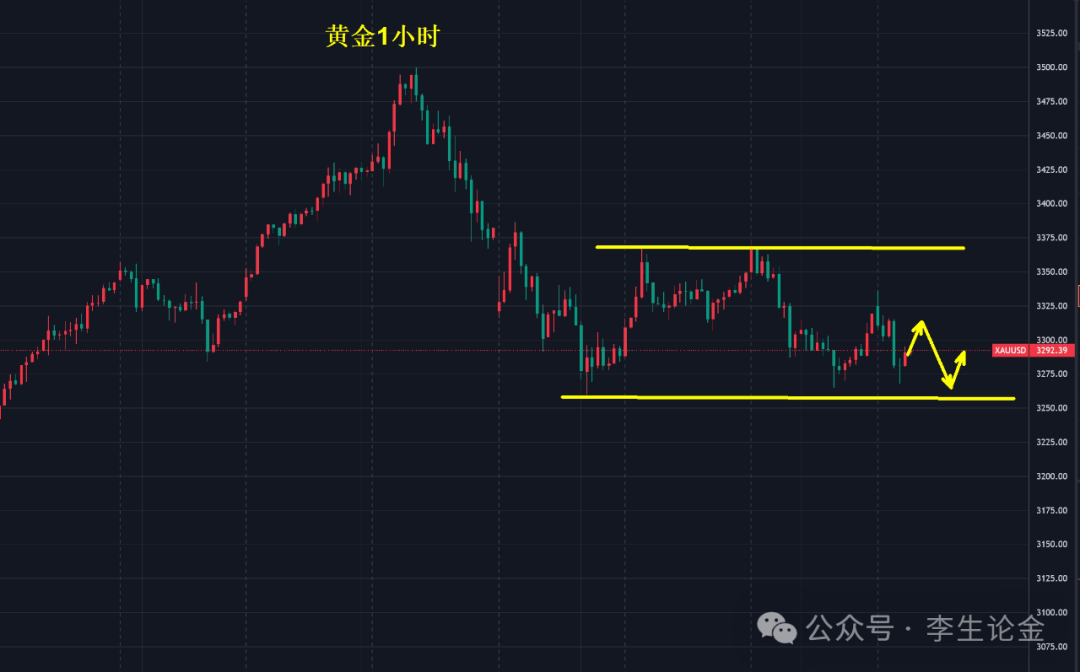
五一长假将至,黄金市场多空进入激烈争夺当中,4月份受特朗普贸易关税影响,黄金市场上演暴涨暴跌的行情,4月初自3155下跌200美元,之后自2960 涨到3500美元,涨幅超500美元,再从3500滑铁卢至3300美元下方! 一个月时间,黄金的波幅跌近1000美元,这在历史上也是很罕见的,全球对等关税引发恐慌性的抛盘,待市场冷静下来后大量资金涌入黄金市场推高金 价。 随着金价越来越高,价格波动的幅度也越来越大,以前主要的波动集中在美盘,这个月大部分剧烈的波动发生在亚盘时段,尤其是早上开盘后波动非常动 辄50,100美元。 为什么假期会出现大的单边波动?原因在于国内黄金停盘,无法有效与国际接轨,大量获利盘选择离场持币过节,担心假期受国际市场消息影响导致不可 控风险加剧,再加上节假日保证金提高,倒逼投资者补充保证金或离场。 机会,往往是在这个时候出现的,恐慌的背后就是机遇,上周黄金收较长上影线,多头动力有所减缓,市场避险情绪也慢慢从贸易冲突中开始降温,美股 等资产下跌有所收敛。 长期而言,黄金向下的空间有限,但对于杠杆交易者,不仅要关注长期大方向的预判,更要把握当下多空的转换,3385美元上周反弹并没有突破,也就是 ...

沃尔沃卡车业务将在北美裁减 1000 名员工
汽车商业评论· 2025-04-25 14:56
撰 文 / 钱亚光 设 计 / shelly 来 源 / www.ttnews.com,www.freightwaves.com 4月23日,在沃尔沃卡车北美公司(Volvo Trucks North America, VTNA)和Mack卡车2025年第一季 度财报电话会议的最后时刻,沃尔沃集团首席执行官马丁·伦德斯泰特(Martin Lundsted)抛出了一 个重磅消息,该集团北美卡车业务将在未来几周内裁员约1000人。 Mack卡车及其前母公司雷诺工业车辆公司在2000年被沃尔沃卡车北美公司以18亿美元收购。 VTNA 和Mack卡车在新河谷(3400 人)、利哈伊谷(2800 人)和哈格斯敦(1700 人)的制造工厂 共雇用了 7900 名员工。 此前预计两家公司将有约800名员工被解雇。伦德斯泰特表示,称由于需求疲软和经济不确定性, 这两家公司还将再裁减约200个工作岗位。 沃尔沃集团首席财务官马茨·巴克曼(Mats Backman)表示,由于关税的影响以及所谓的"抢购 潮"预期落空,沃尔沃下调了业绩预期。 4月中旬有消息称,Mack公司位于利哈伊谷的装配厂将有多达 350 名员工被通知离职。Tr ...
3 Stocks To Watch For When Tariffs Subside
MarketBeat· 2025-04-25 13:10
Core Viewpoint - The global financial markets are closely monitoring the potential impacts of President Trump's trade tariffs, which could affect stocks across various countries and sectors. Two scenarios are presented for retail investors to consider regarding their portfolio strategies [1][2]. Group 1: Trade Environment Scenarios - A challenging trade environment could lead to sustained global GDP growth slowdown, but this scenario is deemed less likely as effective de-globalization would require significant cuts to the world economy [2]. - A more probable scenario involves a resolution of trade issues between the United States and its trading partners, alleviating fears related to tariffs [2]. Group 2: Investment Opportunities - Three stocks are highlighted as strong investment opportunities once tariff fears subside: Alibaba Group (NYSE: BABA), West Fraser Timber Co. (NYSE: WFG), and Canadian National Railway (NYSE: CNI) [3]. - Alibaba Group is noted for its strong market position despite recent negative sentiment surrounding China's stock market, with a current price of $119.16 and a potential price target of $150.36, indicating a possible upside of 26% [4][7]. - West Fraser Timber, a major Canadian lumber exporter, is expected to recover as clarity returns to the market, with a current price of $72.75 and a price target of $100.40, suggesting a potential increase of 38% [8][11]. - Canadian National Railway is positioned to benefit from increased lumber production and exports, with a current price of $97.58 and a price target of $120.36, indicating a potential upside of 23% [13][15].



总台记者观察丨美对墨番茄加税 “特供”成“特愁”
Yang Shi Xin Wen Ke Hu Duan· 2025-04-24 01:19
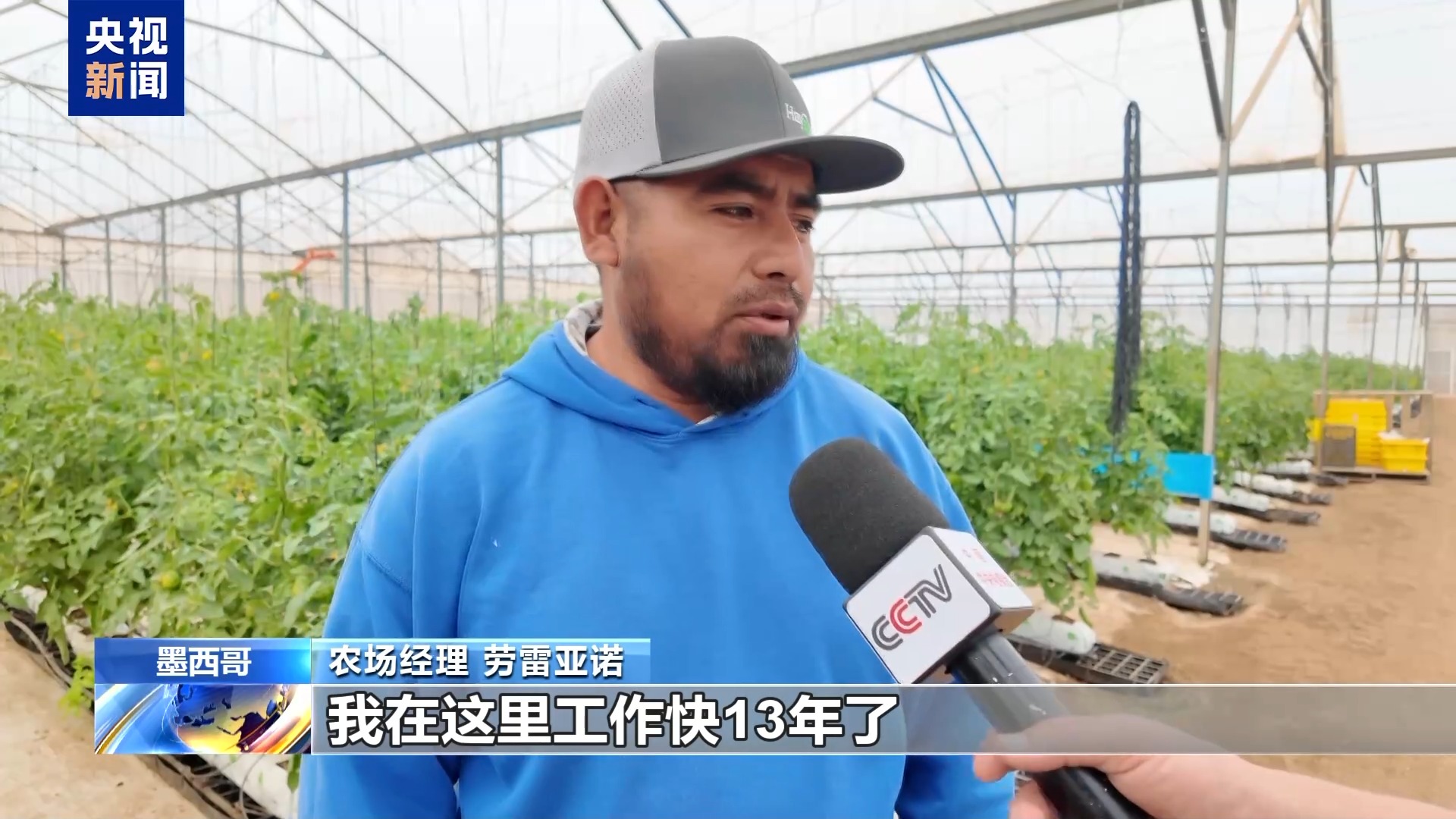
Core Viewpoint - The U.S. government's decision to impose a 20.91% tariff on most tomatoes imported from Mexico threatens the livelihoods of hundreds of thousands of Mexican tomato farmers, as the U.S. is the primary market for Mexican tomatoes [1][3]. Industry Impact - The farm in Baja California, Mexico, produces various crops, including tomatoes, with a total area of approximately 150 acres and 33,000 tomato plants in one greenhouse [1][3]. - The farm's initial goal for tomato exports to the U.S. was 300,000 pounds (approximately 136,078 kilograms) this year, but the new tariff has created uncertainty regarding these sales [3]. - The "heirloom" tomatoes produced are primarily for export, with no domestic market in Mexico, meaning that failure to export would result in total losses for farmers [5][7]. - In 2023, Mexico's tomato export value exceeded $3 billion, with an export volume of about 2 million tons, where the U.S. accounted for 99.8% of this volume [7]. Supply Chain Concerns - The imposition of tariffs threatens the established and efficient supply chain for Mexican tomatoes, which has developed over many years [9]. - The tariff policy is expected to weaken the export capacity of Mexican farms, reduce investment willingness among farmers, and negatively impact the entire supply chain reliant on tomato transportation, including trucking, packaging, and distribution [9]. - The uncertainty and fixed cost pressures may force some businesses to exit the market, and even if tariff policies change in the future, the damaged production and sales chains will be difficult to restore in the short term [9][10]. Broader Economic Effects - The situation is dire not only for the specific farm but for the entire Mexican agricultural sector, as the adverse effects of the tariff could lead to widespread job losses [10][12]. - The pressure on the trade chain highlights the vulnerability of farmers' livelihoods in Mexico, indicating a significant economic challenge ahead [12].
Banner(BANR) - 2025 Q1 - Earnings Call Transcript
2025-04-17 16:02
Financial Data and Key Metrics Changes - Banner Corporation reported a net profit available to common shareholders of $45.1 million or $1.3 per diluted share for Q1 2025, compared to $1.09 per share for Q1 2024 and $1.34 per share for Q4 2024 [8][20] - Core earnings for Q1 2025 were $59 million, up from $53 million in Q1 2024, with revenue from core operations increasing to $160 million from $150 million year-over-year [9][10] - The return on average assets was 1.15% for Q1 2025, reflecting strong core deposit base and expense control [9] Business Line Data and Key Metrics Changes - Total loans increased by $84 million in the quarter, with a year-over-year growth of 5%, driven primarily by construction and development loans [16][22] - Core deposits represented 89% of total deposits, with a 3% increase year-over-year [10][22] - Delinquent loans increased to 0.63% of total loans, up from 0.36% a year ago, indicating a higher interest rate environment's impact [13] Market Data and Key Metrics Changes - The agricultural loan portfolio remains a concern due to tariff implications, with agriculture representing 3% of the loan book [19][37] - The consumer mortgage portfolio saw a modest increase of $9 million, while home equity lines of credit declined by $4 million [18] - The commercial and small business loan totals declined by $16 million quarter-over-quarter, primarily due to paydowns on larger commercial lines of credit [16] Company Strategy and Development Direction - The company continues to focus on a super community bank strategy, emphasizing client relationships and core funding [10] - Banner Corporation aims to maintain a moderate risk profile while navigating current market volatility [8] - The company has received multiple accolades, including being named one of America's Best Banks and one of the most trustworthy companies [11][12] Management's Comments on Operating Environment and Future Outlook - Management expressed caution regarding the economic environment, anticipating a slowdown due to tariffs and other uncertainties [19][91] - The company plans to continue robust portfolio reviews and maintain close contact with borrowers to understand long-term implications [19] - Management remains optimistic about market share opportunities despite economic challenges [91] Other Important Information - The company announced a core dividend of $0.48 per common share, reflecting a 13% increase in tangible common equity per share year-over-year [10] - The reserve for credit losses provides coverage of 1.38% of total loans, indicating a strong capital position [15] Q&A Session Summary Question: Margin expectations and components - Management indicated that funding costs were flat throughout the quarter, with expectations for net interest margin expansion if the Fed maintains rates [32] Question: Agricultural sector concerns - Management acknowledged ongoing caution regarding the agricultural sector due to tariff implications and rising input costs [34][35] Question: Pipeline and client demand - Management noted that pipelines continue to grow despite uncertainty, with clients eager to proceed once clarity is achieved [48] Question: Competitive dynamics and growth opportunities - Management highlighted that growth in California is driven by new talent and successful client acquisition [107] Question: Capital plans and stock buyback - Management confirmed a focus on maintaining the core dividend and is considering options for capital deployment, including potential stock buybacks [66][68]

Time to Buy Alibaba and PDD After Tariff Exemptions?
MarketBeat· 2025-04-17 11:46
Core Viewpoint - The market sentiment towards Chinese stocks has soured due to trade tariff concerns, but recent exemptions by President Trump may create a more favorable environment for companies like Alibaba and PDD Holdings [1][2][5]. Group 1: Alibaba Group - Alibaba has seen a significant drop of 77% from its 52-week high, yet it outperformed the S&P 500 index with a net performance of 39.1% in the last quarter [6][7]. - Analysts from Citigroup have maintained a Buy rating for Alibaba, with a price target of $169 per share, indicating a potential upside of 48.1% from current levels [8]. - Alibaba's diversified business model, which includes cloud computing and data centers, positions it well to mitigate the impacts of tariffs [9]. Group 2: PDD Holdings - PDD Holdings is expected to benefit from the exemption on parcels valued at $800 or less, enhancing its competitive edge in the market [10]. - The company's market capitalization has grown to over $125 billion, and its stock is currently trading at 58% of its 52-week high, suggesting significant upside potential [11]. - Analysts have set a consensus price target of $169.91 for PDD, indicating a potential upside of 79.3% from current prices [12].


Trump Tariffs: Here's What JPMorgan Investors Need to Know
The Motley Fool· 2025-04-15 13:23
Core Viewpoint - JPMorgan Chase has demonstrated resilience amid stock market volatility, with shares down only 1% year to date, outperforming the S&P 500's 9% decline, supported by a strong balance sheet and global diversification [1] Financial Performance - In the first quarter earnings report, JPMorgan exceeded Wall Street estimates with an 8% year-over-year revenue increase and earnings per share (EPS) of $5.07, reflecting a 14% rise from the previous year [2] - All three business segments of JPMorgan reported revenue growth, with the Commercial & Investment Bank benefiting from a positive economic outlook and increased trading activity [4][5] - Key financial metrics included a 2% year-over-year increase in average loans and deposits, and a 12% rise in book value per share, reaching $119.24 [6] Economic Outlook - The bank's guidance for full-year net interest income is $94.5 billion, a 1% increase from last year, but this is subject to change due to the evolving macroeconomic environment [7] - The Trump administration's trade policy overhaul, including a 10% baseline tariff on most imports, has raised concerns about potential economic disruptions, with JPMorgan's chief economist estimating a 50% probability of recession [8] Market Implications - The uncertainty surrounding tariffs has led to a slowdown in mergers and acquisitions, which could negatively impact JPMorgan's investment banking and commercial lending businesses [10] - A potential recession could particularly affect the consumer banking sector, increasing loan defaults and credit losses, although trading may benefit from market volatility [11] Valuation Considerations - JPMorgan's shares are trading at a premium, with a price-to-earnings (P/E) ratio of 11.6 and a price-to-book (P/B) value of 2.0, suggesting that if conditions worsen, there may be room for the stock to decline further [12][13] Investment Perspective - Despite strong fundamentals and disciplined capital management, the current market conditions do not present a compelling buying opportunity for JPMorgan shares, advocating for a cautious wait-and-see approach [14]


Why This Beaten-Down Oil Stock Could Skyrocket 51% in 2025
MarketBeat· 2025-04-15 11:01
Over the past two weeks, the world has been shaken into a new paradigm as President Trump has rolled out an aggressive new plan for global trade through tariffs between the United States and its biggest trading partners. While reports suggest that most countries have approached the United States to negotiate the state of these tariffs, one loose end is still filling markets with uncertainty. And that country is China. Marathon Petroleum TodayMPCMarathon Petroleum$124.87 +1.44 (+1.17%) 52-Week Range$115.10▼ ...