单边主义

Search documents
关税或猛增100%!美国果然出尔反尔,中方已经对美撂下重话,九三阅兵不必给特朗普留座了?
Sou Hu Cai Jing· 2025-08-11 06:22
商务部发言人指出,美方做法"违反国际经贸规则,沦为世界经济史上的笑话";外交部发言人强调"关税战由美方挑起, 中方不愿打但绝不退缩"。国务院关税税则委员会公告,自4月10日同步将原产于美国的进口商品关税税率从84%上调至 125%,实现严格对等反制。公告特别说明:鉴于当前税率下美商品已无对华出口可行性,若美方继续加码,中方将不予 跟进税率竞赛——既展现强硬底线,亦为谈判预留理性空间。 据智通财经报道2025年4月10日,美国政府宣布将对中国输美商品的"对等关税"税率从84%大幅提高至125%,叠加此前已 生效的20%芬太尼相关附加关税,部分商品实际税负率突破145%历史峰值。美方声称此举旨在"纠正贸易失衡",但此举 背离WTO规则、脱离市场逻辑,本质是将关税异化为政治胁迫工具。 智库测算显示,若3000亿美元中国商品关税全面实施,美国将流失超200万就业岗位(农业、零售、制造业首当其冲)。 中西部农场主担忧农产品对华出口中断;大型零售商警告终端消费者将承担超125%税负转嫁成本。耶鲁实验室研究表 明,他国反制情境下,美方关税推高美国个人消费支出价格指数(PCE)涨幅扩大2.1%,加剧通胀失控风险。彼得森研 究 ...

特朗普威胁无效,50%关税生效前48小时,中方为巴西送去五年大单!各国已经收到信号
Sou Hu Cai Jing· 2025-08-11 06:22
Core Viewpoint - The imposition of a 50% punitive tariff by the U.S. on Brazilian goods has created a tense situation in Brazil, but China's timely support with a five-year trade agreement has provided a significant boost to Brazil's economy and altered the global trade dynamics [1][3][4]. Group 1: U.S. Tariff Impact - The U.S. tariff, effective August 6, targets 35.9% of Brazil's exports to the U.S., including key products like coffee beans and beef, which could lead to significant economic losses for Brazil, estimated at 175 billion Brazilian Reais annually [3][4]. - The tariff is perceived as a political maneuver by the U.S. to influence Brazil's internal politics, particularly regarding investigations into former President Bolsonaro [3][4]. Group 2: Brazil's Response - Brazilian President Lula has publicly denounced the tariff as politically motivated and has indicated the possibility of retaliatory measures against U.S. agricultural and industrial products [4][5]. - Brazil's agricultural sector has highlighted the U.S. dependency on Brazilian exports, advocating for WTO intervention and seeking alternative markets to mitigate the impact of the tariffs [5]. Group 3: China's Support - China has stepped in to support Brazil by granting export qualifications to 183 Brazilian coffee companies, potentially generating over $5 billion in annual exports to China [5][7]. - The collaboration includes logistical support through direct shipping routes and financial assistance via currency risk management, enhancing the trade relationship between China and Brazil [7]. Group 4: Global Trade Dynamics - The situation reflects a broader shift in global trade, with China's actions countering U.S. unilateralism and promoting a more cooperative trade environment among developing nations [8][10]. - The evolving relationship between China and Brazil serves as a model for South-South cooperation, moving beyond simple trade to deeper strategic collaboration [8][10].

不服就干!印度打响反击第一枪,通告全球,断的就是特朗普退路
Sou Hu Cai Jing· 2025-08-11 02:00
Group 1 - India is at the center of global trade dynamics, facing significant pressure from the U.S. due to Trump's tariff policies aimed at addressing trade deficits, with tariffs reaching up to 50% on Indian goods starting August 2025 [2] - The trade conflict reflects deeper geopolitical considerations, as India utilizes historical data to challenge the U.S. on its perceived double standards, particularly regarding agricultural market barriers and energy imports from Russia [4][5] - India's strategic response includes a careful balance of retaliatory measures and diplomatic maneuvers, such as submitting a proposal for retaliatory tariffs to the WTO without immediate implementation, allowing room for negotiation [7][8] Group 2 - The conflict highlights the complexities of global economic governance, with emerging economies like India demanding fair rules rather than unilateral concessions, signaling a potential end to the era of unilateral pressure [8] - India's actions, including the revival of tourism visas for Chinese citizens and easing restrictions on Chinese investments, indicate a strategic pivot towards the East amidst Western pressures [7] - The situation underscores the challenges faced by the Trump administration, as the reliance on tariffs may not effectively resolve trade deficits, especially given India's large population and significant energy and agricultural needs [8]
最后24小时,54国站队中国:要让中国成为全球顶流,特朗普没料到
Sou Hu Cai Jing· 2025-08-10 08:22
Group 1 - The recent global tariff order signed by Trump has led to significant backlash, with 54 countries expressing support for China and advocating for its leadership in the global economy [1][4] - The tariff measures imposed by the U.S. on 69 countries have resulted in severe economic impacts, such as a 35% tariff on Canadian auto parts, a 50% tariff on Brazilian soybeans, and a 25% tariff on Indian industrial products [4][8] - Even small and impoverished nations like Lesotho are affected, facing a 15% tariff due to accusations of currency manipulation and overcapacity, highlighting the widespread confusion and anger among affected populations [8] Group 2 - The burden of the tariffs is primarily falling on American consumers, with nearly 90% of tariff revenues being borne by U.S. importers, leading to increased prices for goods such as a 40% rise in shoe prices at Walmart and an overall annual expenditure increase of at least $2,400 per American household [10] - In response to the tariffs, China has proactively established a free trade zone with 53 African countries, significantly boosting trade, with exports of South African citrus to China surging by 88.6% [13][15] - China's economic presence in Africa is growing, with exports of construction machinery increasing by 58.5%, and the internal trade volume of the African free trade zone rising from $192.2 billion to $520 billion [15] Group 3 - The unilateral tariff policies of the U.S. are accelerating global support for China, particularly in Africa, where over 55% of smartphones and 70% of solar panels are produced by China, overshadowing U.S. influence [17] - The U.S. is facing unprecedented challenges to its hegemonic system, with legal rulings against Trump's tariffs and retaliatory measures from traditional allies, including a 25% retaliatory tariff from the EU [19] - The increasing support for China from 54 countries indicates a potential shift in global trade dynamics, with the possibility of the end of dollar hegemony as China signs 31 economic partnership agreements [23][27]

果然不出中国所料,特朗普对全球征税,高兴不到一天,噩耗就来了
Sou Hu Cai Jing· 2025-08-10 06:36
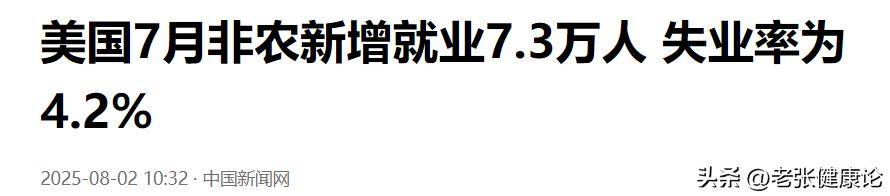
Group 1 - Trump's recent tariff policy has led to significant pressure on traditional allies like Japan, South Korea, and the EU, forcing them to comply with energy procurement contracts from the U.S. [1] - The new tariff rates, which can reach up to 41%, represent the highest import duties in nearly a century, with a minimum of 10% imposed on countries with trade surpluses with the U.S. [3] - The U.S. labor market showed signs of weakness, with a sharp decline in non-farm employment and an increase in the unemployment rate, indicating economic fragility [5] Group 2 - Trump's accusations against the Labor Department's data, labeling it as fabricated, reflect his frustration with the economic situation and his attempts to shift blame to the Biden administration [7] - The resignation of Federal Reserve Governor Kugler led to volatility in the bond market, with a drop in short-term Treasury yields, adding to market uncertainty [9] - A recent poll indicated Trump's approval rating has fallen to 40%, the lowest since his return to the political scene, highlighting increasing partisan divisions in the U.S. [10] Group 3 - Despite claims of attracting significant energy orders and manufacturing investments, global markets remain skeptical of Trump's protectionist policies, which may hinder the stability of the U.S. unemployment rate [11] - The U.S. economy is on the brink of recession, with the Federal Reserve's rate cuts failing to reverse the downward trend [12] - The U.S. has been overly critical of China's manufacturing sector, while major investment banks express optimism about China's capacity reduction policies, contrasting with the uncertain economic outlook for the U.S. [13] Group 4 - The increase in tariffs has raised production costs without enhancing product competitiveness, leading to a capital shortage in the U.S. market [14] - Although tariffs have temporarily filled the U.S. treasury, they are unlikely to change the long-term trend of economic decline [14] - The challenge remains for the U.S. manufacturing sector to regain its former glory amidst a landscape of dwindling investments [16]
关税扳手拧痛美国民生,破坏全球齿轮 | 新漫评
Zhong Guo Xin Wen Wang· 2025-08-10 05:09
Core Viewpoint - The recent implementation of new tariffs by the U.S. on multiple trade partners has raised the overall tariff level to its highest point since 1935, leading to increased operational costs for American businesses and rising inflation, ultimately affecting consumers negatively [1] Group 1: Tariff Impact - The new tariffs range from 10% to 50%, significantly increasing the operational costs for U.S. companies [1] - The overall tariff level in the U.S. has reached its highest since 1935, indicating a substantial shift in trade policy [1] Group 2: Economic Consequences - The trade war is causing inflation to rise, resulting in higher prices for goods faced by American consumers [1] - The unilateral approach of the U.S. government is perceived as a sacrifice of other countries' interests for short-term advantages [1] Group 3: Global Trade Dynamics - The U.S. strategy reflects a clear unilateralism and economic hegemony mindset, undermining the stability of the multilateral trade system [1] - The actions taken by the U.S. are seen as a form of economic colonialism disguised as protectionism, aiming to create a trade system that serves U.S. interests [1] Group 4: International Relations - The tariffs are exacerbating distrust and opposition within the international community, damaging global supply chain cooperation [1] - The long-term consequences of these policies may ultimately backfire on the U.S. itself, undermining international cooperation and trust [1]
关税或猛增100%!美国彻底对华摊牌了,中方撂下重话,九三阅兵不必给特朗普留位置了?
Sou Hu Cai Jing· 2025-08-10 02:57
Group 1 - The core viewpoint of the article highlights the escalating trade tensions between the US and China, particularly focusing on the potential for a 100% tariff on Chinese imports related to Russian energy if a peace agreement in the Russia-Ukraine conflict is not reached [1][7] - The article emphasizes China's firm stance against US pressure, asserting that there are no winners in a tariff war and that China is prepared to defend its interests [3][12] - The US's use of tariffs is portrayed as a strategy to weaken China's energy ties with Russia and to extract concessions in trade negotiations, reflecting a broader trend of unilateralism in US foreign policy [7][10] Group 2 - The article discusses China's response strategies, including leveraging its economic strength and expanding domestic demand to mitigate reliance on the US market, as well as enhancing diplomatic relations with other countries to counter US unilateralism [7][9] - It notes the potential impact of increased tariffs on global supply chains, which could lead to higher production costs for US companies reliant on Chinese goods, thereby affecting their competitiveness [9][10] - The article raises concerns among other nations regarding US unilateralism, prompting them to seek diversified trade partnerships to reduce dependency on the US market [10]
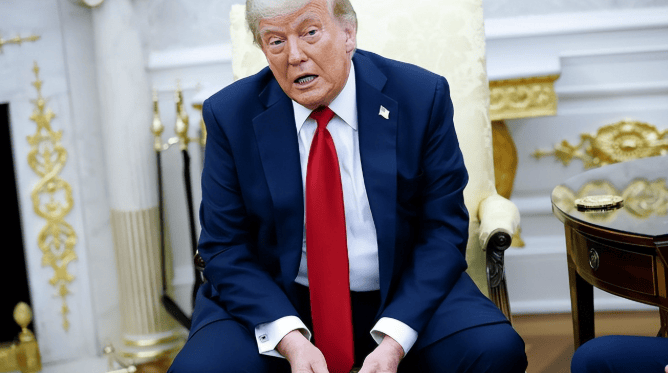
单边主义损及贸易 葡萄牙谴责美国“对等关税”不对称性
Sou Hu Cai Jing· 2025-08-09 18:31
Core Viewpoint - The implementation of the "reciprocal tariffs" by the United States has led to significant dissatisfaction in Europe, particularly affecting exporters like those in Portugal [1][3] Group 1: Impact on European Exporters - The unilateral nature of the U.S. tariffs is seen as asymmetric and poses serious challenges for European exporters, including those from Portugal [1] - Portuguese automotive and machinery producers will face additional costs when entering the U.S. market, increasing their operational burdens [3] Group 2: Statistical Evidence - Portugal's exports to the U.S. saw a dramatic decline of 39.4% year-on-year in June, dropping from €55.7 million in June 2024 to €33.8 million [3] - In the second quarter, exports to the U.S. decreased by 13.9% year-on-year, falling from €141.9 million to €122.1 million [3] Group 3: Broader Trade Implications - The protectionist measures from the U.S. contradict the direction of global multilateral trade system development, which should be based on balanced interdependence and openness [3] - Portugal advocates for a more equitable and clearly defined international trade system as a proponent of multilateralism [3]

难怪特朗普老实了!美国财政部长透露细节,中美谈判果然不简单!中国当场送给美国一句话
Sou Hu Cai Jing· 2025-08-09 08:29
Group 1: Recent Diplomatic Dynamics - The Trump administration has been active in diplomacy, particularly regarding the Russia-Ukraine conflict, aiming to facilitate a ceasefire without European involvement [3] - The U.S. has adopted a hardline stance on global tariff policies, imposing tariffs on major trade partners like India and the EU, indicating significant trade tensions [4] Group 2: Insights from U.S.-China Negotiations - U.S. Treasury Secretary Bessent revealed intense negotiations over sovereignty issues, with China asserting its right to purchase Russian oil and maintain its own security needs [5] - The Chinese delegation demonstrated preparedness and flexibility in discussions about tariff exemptions and energy cooperation, indicating a strong negotiating position [5] Group 3: Underlying Motivations for Trump's Shift - The Trump administration faces dual pressures from the Russia-Ukraine situation and U.S.-China trade negotiations, prompting a reassessment of its hardline tariff strategies [7] - Domestic inflation and upcoming midterm elections are influencing the Trump administration to reconsider the effectiveness of its trade policies with China [7] Group 4: Future Implications of U.S.-China Relations - Structural conflicts between the U.S. and China remain unresolved, with potential for temporary agreements on tariffs and energy procurement, but long-term competition is expected to escalate [9] - The evolving global power dynamics are reflected in the shifting alliances and the impact of U.S. unilateralism on its relationships with allies [9][11]
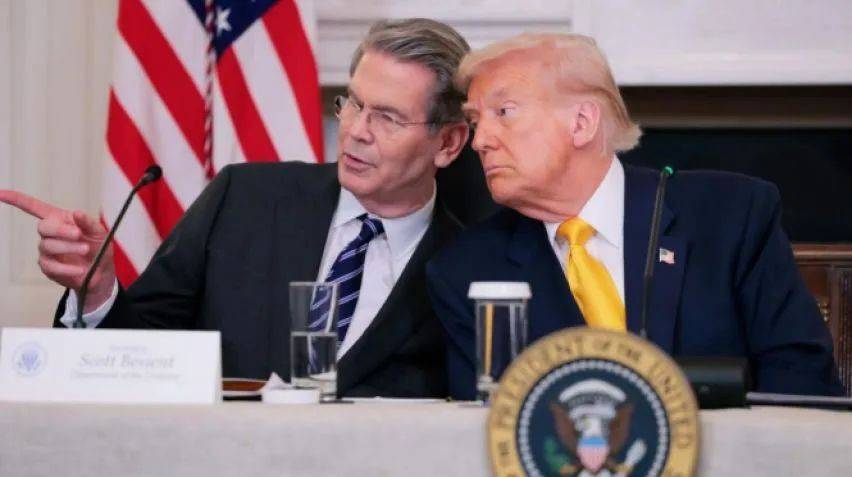
美日关税协议生变!日本还能翻盘吗?
Sou Hu Cai Jing· 2025-08-09 07:16
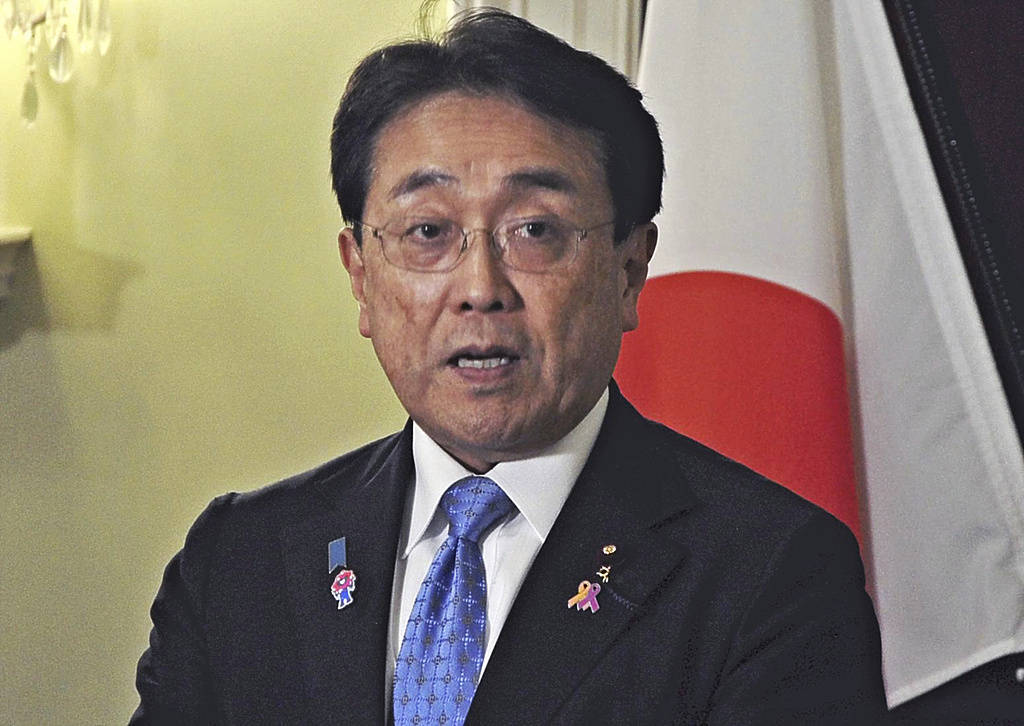
赤泽亮正表示,此前与美方反复确认,针对现有税率低于15%的商品,在8月税率提高后总税率应为15%。而美国政府日前发布的公告显示,日本 已被征税商品需在现有税率之上再加15%,内容与协议不符,对日本不利。 日美新一轮关税协议8月7日正式生效。同一天,日本政府发布更新版的2025财年实际国内生产总值(GDP)增长预期数据,从先前预期的1.2%下 调至0.7%。其下调预期的主要原因之一是美国加征关税的影响。 日本经济再生担当大臣赤泽亮正 8月6日上午,日本经济再生担当大臣赤泽亮正表示,美国方面公布的8月7日开始征收关税的官方公告与此前日美双方达成的协议不一致,此前在7 月22日,美国与日本达成贸易协议,日本适用的所谓"对等关税"税率将为15%。由于"对等关税"包含所谓10%的"基准关税"4月起已在征收,8月起 日本适用的税率将从10%提高到15%。 第一,在安全上,日本依靠美国,所以在这方面日本受到很大的牵制。 虽然知道日美关税是强扭的瓜,但怎么这么快就变味了? 第二,在贸易方面,日本对美国的出口有顺差,基本上三分之一以上是汽车,日本汽车对美国汽车具有巨大的竞争优势。在这一情况下,日本就 必须艰苦谈判。 中国世贸组 ...