贸易保护主义

Search documents
专栏作家 | 美关税大棒扰动下全球贸易形势观察
Sou Hu Cai Jing· 2025-10-24 07:50
Core Viewpoint - The article discusses the impact of the U.S. government's shift towards protectionism and unilateral trade policies on global trade dynamics, highlighting the challenges and changes in trade forecasts from reputable organizations like WTO and UNCTAD [2][3]. WTO Insights - The WTO reports that the direct impact of tariff increases on global goods trade will have a lag effect, primarily manifesting in the second half of 2025 and into 2026 [4]. - Despite the tariff increases, global goods trade growth for 2025 has been revised upward to 2.4%, significantly higher than the previous forecast of 0.9% [4]. - The service trade growth forecast has been adjusted downwards, with expected growth rates of 4.6% in 2025 and 4.4% in 2026, primarily due to a slowdown in transportation and tourism sectors [5]. - Different regions show varied performance in goods exports, with Asia leading at 10.4% growth in the first half of 2025, while Europe shows a slight decline of 0.3% [5]. UNCTAD Insights - UNCTAD indicates that global trade remains robust despite uncertainties, with a 2.5% quarter-on-quarter growth in goods and services trade in Q2 2025 [7]. - The manufacturing sector, particularly the electronics and automotive industries, continues to drive global trade growth [7]. - UNCTAD forecasts a continued increase in global trade for Q3 2025, with goods trade expected to grow by approximately 2.5% and services trade by about 4% [7]. - Negative factors affecting trade include ongoing U.S. trade policy uncertainties and geopolitical tensions, which may alter regional trade dynamics [8]. - Positive factors include stronger economic growth and limited spillover effects from negative policies, supporting further trade growth [9]. China's Trade Performance - China's foreign trade has shown resilience, with a 4% year-on-year increase in goods trade in the first three quarters of 2025, despite external pressures from U.S. tariffs [10]. - Exports grew by 7.1% to 19.95 trillion yuan, while imports slightly decreased by 0.2% to 13.66 trillion yuan [10]. - The current global trade disruptions highlight the importance of predictable trade conditions, as emphasized by WTO Director-General Ngozi Okonjo-Iweala [10].


特朗普称“是中国逼我的”,美媒炸锅,美国船商已乖乖向中国交钱
Sou Hu Cai Jing· 2025-10-24 05:46
Group 1 - Trump's recent comments on imposing a 100% tariff on Chinese goods were unexpectedly hesitant, labeling the policy as "unsustainable" [1][3] - The shipping industry in the U.S. has shown signs of compromise in response to China's countermeasures, indicating a growing concern over the impact of tariffs [3][4] - Major corporations, including defense giant Lockheed Martin, have expressed opposition to Trump's tariff proposals, recognizing the potential for escalating tensions and retaliatory actions from China [4][8] Group 2 - The U.S. shipping industry is heavily reliant on Chinese-built vessels, with significant portions of fleets and order books consisting of Chinese ships [9][10] - The introduction of a special port fee for U.S. vessels by China is a direct response to U.S. tariffs, with fees set to increase progressively over the coming years [12][18] - The American shipping association has requested urgent negotiations with the government to address the financial pressures caused by these tariffs and fees, but the government remains firm on its policies [21][23] Group 3 - The ongoing trade conflict has led to a shift in shipping routes, with vessels originally destined for the U.S. now rerouting to the UK and EU, highlighting the disruption caused by tariff policies [8][27] - The uncertainty surrounding the duration of these tariffs and fees is a major concern for the shipping industry, as it complicates long-term planning and operations [10][18] - The imposition of tariffs and fees is expected to increase costs for American consumers, as these expenses are likely to be passed down the supply chain [8][27]
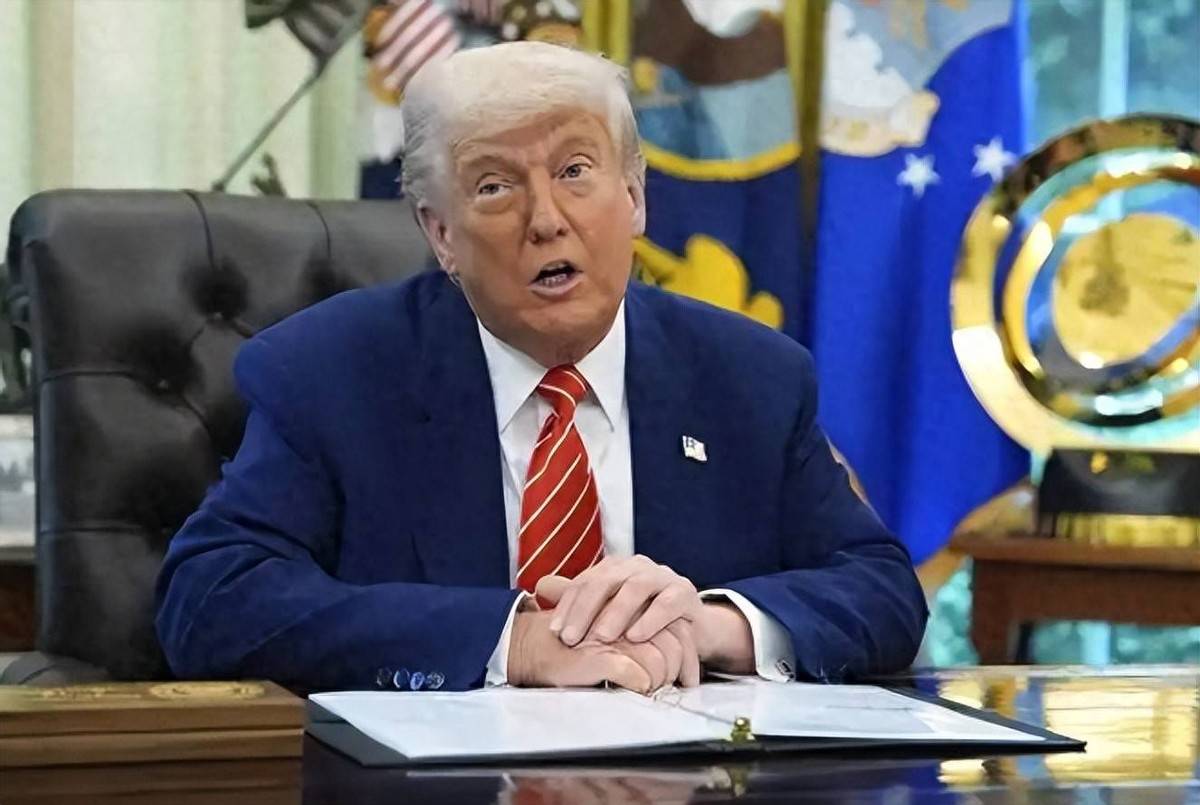
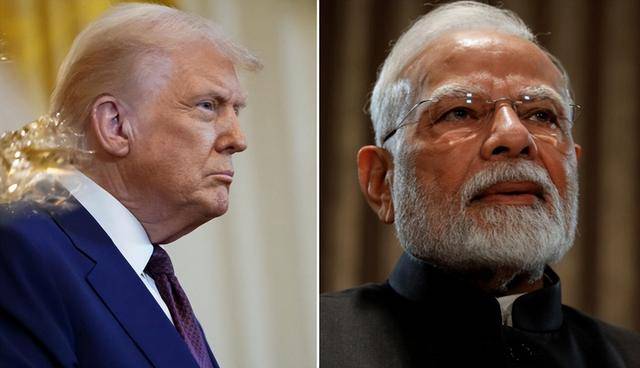
特朗普关税轰炸,印度出口逆势开花
Sou Hu Cai Jing· 2025-10-24 01:50
Core Insights - The U.S. imposed a 50% tariff on Indian imports targeting oil purchases from Russia, leading to a significant drop in India's exports to the U.S. by 37.5% over four months [1][3] - Contrary to expectations, India's economy has not faltered; instead, it has diversified its export markets, with nearly twenty countries, including China, Russia, and Brazil, absorbing Indian goods [1][3] - The tariffs have inadvertently catalyzed a strategic upgrade in India's foreign trade, prompting a reevaluation of market layouts and accelerating integration with global markets [3][5] Trade Dynamics - Despite the decline in exports to the U.S., trade activities with other markets are rapidly increasing, showcasing India's self-centered economic strategy to withstand external pressures [3][5] - The Indian government is enhancing domestic logistics and trade infrastructure while stimulating local demand and supporting small and medium enterprises, mitigating the negative effects of tariffs [5][7] - India's export composition is becoming more balanced and resilient, reducing reliance on the U.S. market and transforming the tariff pressure into a growth engine [5][7] Strategic Response - The trade friction exemplifies a strategic contest rather than a mere numerical win or loss, with India leveraging policy tools and market diversification to stabilize economic growth [5][7] - The resilience and strategic wisdom displayed by India in response to U.S. tariffs highlight the importance of adaptability in the face of pressure from larger economies [7] - The ongoing trade dynamics serve as a mirror reflecting the complexities of global trade, where economic resilience and strategic acumen can prevail over unilateral policy pressures [7]
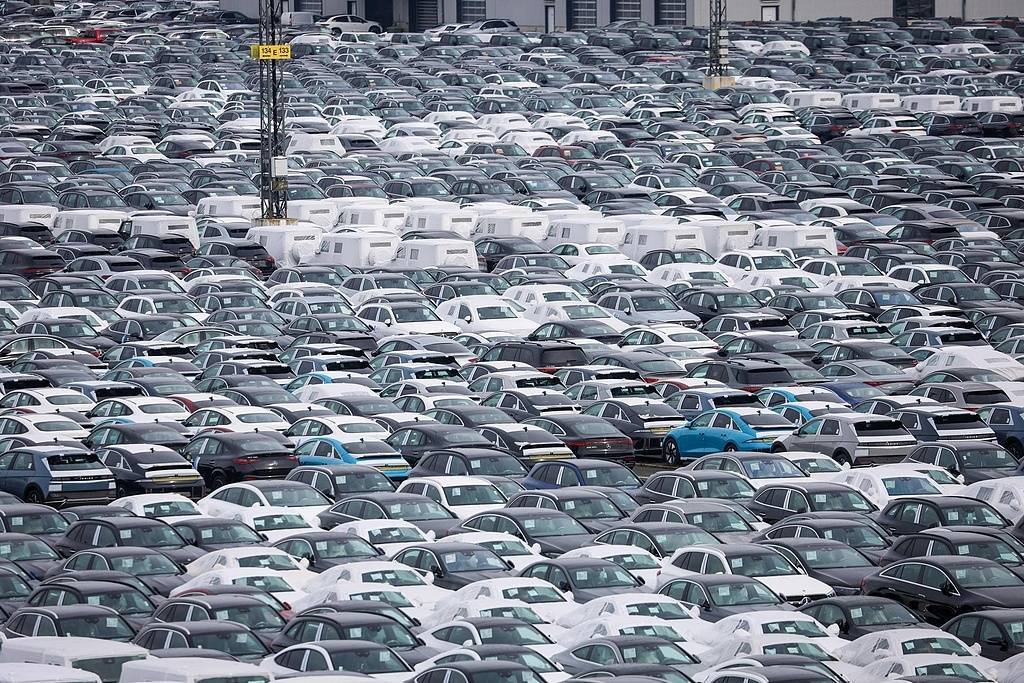
德国联邦统计局数据显示:今年前8月,中国再成德最大贸易国
Sou Hu Cai Jing· 2025-10-23 23:40
Core Insights - The trade dynamics between Germany and the U.S. have shifted significantly due to U.S. tariff policies, with China becoming Germany's largest trading partner again [1][2][5] Trade Dynamics - In the first eight months of the year, Germany's trade with China reached €163.4 billion, surpassing trade with the U.S. at €162.8 billion [2] - German exports to the U.S. have decreased by 7.4% year-on-year, totaling €99.6 billion, with a notable drop of 23.5% in August alone [2][4] - The decline in exports to the U.S. is attributed to reduced demand for traditional German goods such as automobiles, machinery, and chemicals due to U.S. tariffs [2][4] Sector-Specific Impacts - The automotive sector saw a 23.5% year-on-year decline in exports to the U.S. following the imposition of a 25% additional tariff on imported cars [4] - The machinery sector is also experiencing pessimism, with about one-third of surveyed companies rating the current situation as "bad" or "very bad," potentially leading to job cuts [4] Economic Outlook - Despite a slight increase in exports of pharmaceuticals, IT, and electronics, these gains are insufficient to offset losses in core industries [4] - The Ifo Institute's survey indicates a slight increase in optimism among exporters, but no sustainable improvement is evident [6] - Germany's economic growth forecast for this year is only 0.2%, with a more optimistic outlook of 1.3% for the next year, driven by domestic investments rather than overseas demand [6][7] Bilateral Trade Relations - China's trade with Germany has shown an 8.3% increase in imports, reaching €108.8 billion, while exports from China to Germany grew by 10.9% in September [5] - Analysts express concerns about Germany's increasing dependency on China, although they acknowledge the strong complementary nature of the economic relationship [5][7] - Future cooperation between Germany and China is expected to remain strong in traditional sectors as well as in green transformation, service trade, smart manufacturing, and digitalization [5][7]
APEC峰会将至 多方探寻合作新路径
Zhong Guo Qing Nian Bao· 2025-10-23 23:38
Group 1 - The core theme of the APEC summit is "Building a Sustainable Tomorrow," focusing on three priority areas: enhancing connectivity, promoting innovation, and achieving inclusive growth and prosperity [2][3] - South Korea will lead discussions on two key issues: AI transformation and demographic changes, aiming to foster multilateral cooperation to address common challenges [2][3] - The APEC summit is expected to attract significant global attention, as it may reshape trade, diplomacy, and the global technology landscape [2][3] Group 2 - South Korea aims to establish "Artificial Intelligence Cooperation" as a focal point during the APEC summit, with expectations for a joint leaders' document on AI [3] - The APEC Economic Policy Report for next year will provide specific directions for building a secure AI ecosystem and narrowing the digital divide [3] - The upcoming APEC Business Leaders' Summit will gather around 1,700 global business leaders and officials, potentially leading to new AI partnerships and joint statements on digital governance and sustainability [4] Group 3 - APEC faces challenges from rising protectionism and unilateralism, which threaten the foundational principles of free trade and regional integration [5][6] - The current global economic environment poses significant challenges to trade growth, with calls for APEC to reinforce supply chain cooperation and enhance regional trust [6] - The upcoming summit's declaration may reflect the growing trend of protectionism, raising questions about the commitment to multilateral trade principles [6] Group 4 - The APEC summit holds significant political and diplomatic importance for South Korea, providing an opportunity to showcase its diplomatic capabilities and enhance its role in regional affairs [7] - China is set to host the APEC summit in 2026, with discussions on macroeconomic stability, innovation, and digital transformation being highlighted [8] - China's role as a stabilizing force in promoting trade and investment liberalization is recognized, with ongoing efforts to enhance its influence in the Asia-Pacific region [9]
国际观察|从德国最大贸易伙伴更替看美关税冲击
Xin Hua She· 2025-10-23 22:41
Group 1 - The latest data from the Federal Statistical Office of Germany indicates that China has surpassed the United States as Germany's largest trading partner in the first eight months of 2025, largely due to U.S. tariffs and trade barriers [1] - Germany's exports to the U.S. from January to August amounted to €101 billion, a year-on-year decline of 6.5%, with August exports alone dropping to €10.9 billion, a 20.1% decrease compared to the previous year, marking the lowest level since November 2021 [1] - In contrast, trade between Germany and China showed resilience, with total bilateral trade reaching €166.3 billion in the same period [1] Group 2 - A survey by the German Chamber of Commerce reveals that over half of the surveyed companies plan to reduce trade with the U.S., and about a quarter are considering suspending or canceling investments in the U.S. due to the uncertainty caused by U.S. tariff policies [2] - The automotive and parts sector, a major source of trade surplus for Germany, has been significantly impacted since the U.S. imposed tariffs on imported cars and related goods in April, leading to a net job loss of approximately 51,500 in the German automotive industry over the past year [2] - Major companies like Mercedes-Benz, Volkswagen, Bosch, and Continental have announced spending cuts in response to the increased costs of German goods in the U.S. market due to high tariffs [2] Group 3 - The number of corporate bankruptcies in Germany reached a 12-year high in July, with expectations that over 22,000 companies will file for bankruptcy this year, averaging more than 60 per day [3] - The President of the German Central Bank noted that U.S. tariffs and policy uncertainty are suppressing economic growth in Germany, particularly affecting key industrial sectors [3] - The Munich Institute for Economic Research forecasts that Germany's economy will grow by only 0.2% in 2025 due to the ongoing impact of U.S. tariff policies and other factors [3]

【环球财经】从德国最大贸易伙伴更替看美关税冲击
Xin Hua She· 2025-10-23 14:09
Group 1 - The latest data from the German Federal Statistical Office indicates that the United States is no longer Germany's largest trading partner as of the first eight months of 2025, with China taking its place. This shift is closely related to the U.S. imposing tariffs and increasing trade barriers, reflecting the impact of protectionist measures on U.S.-EU economic ties [1] - From January to August this year, Germany's exports to the U.S. amounted to €101 billion, a year-on-year decrease of 6.5%. In August alone, exports were €10.9 billion, a month-on-month decline of 2.5% and a year-on-year drop of 20.1%, marking the lowest level since November 2021 [1] - In contrast, trade between Germany and China showed resilience, with total bilateral trade reaching €166.3 billion in the first eight months of this year [1] Group 2 - A survey by the German Chamber of Commerce reveals that over half of the surveyed companies plan to reduce trade with the U.S. due to the uncertainty caused by U.S. tariff policies, with about a quarter of companies indicating plans to suspend or cancel investments in the U.S. [2] - The automotive and parts industry, a major source of Germany's trade surplus with the U.S., has been significantly impacted since the U.S. imposed tariffs on imported cars and related goods in April this year, leading to continuous pressure on German exports [2] - According to a report by consulting firm Ernst & Young, approximately 51,500 jobs in the German automotive sector have been lost over the past year, representing nearly 7% of total jobs in the industry, making it the most severely affected sector [2] Group 3 - The number of corporate bankruptcies in Germany reached its highest level in 12 years in July, with expectations that over 22,000 companies will file for bankruptcy this year, averaging more than 60 companies per day [3] - The President of the German Central Bank, Joachim Nagel, stated that U.S. tariffs and policy uncertainty are suppressing Germany's economic growth, particularly impacting the industrial sector during a critical adjustment period [3] - The Munich Institute for Economic Research predicts that due to the ongoing effects of U.S. tariff policies, Germany's economy is expected to grow by only 0.2% in 2025 [3]
国际观察丨从德国最大贸易伙伴更替看美关税冲击
Xin Hua Wang· 2025-10-23 12:51
新华社柏林10月23日电 题:从德国最大贸易伙伴更替看美关税冲击 新华社记者李函林 与此同时,德国工商大会调查显示,美国关税政策正加剧企业的不确定性,超过一半受访企业计划减少 对美贸易,约四分之一企业表示将暂停或取消在美投资。德国管理学家赫尔曼·西蒙指出,美国关税政 策使德国企业对美出口面临巨大挑战,如果失去在美市场份额,企业必须开拓其他市场。 美国一直是德国重要出口市场,其中汽车及零部件行业是德国对美贸易的主要顺差来源。然而,自今年 4月美国对进口汽车及相关商品加征关税措施生效以来,德国对美出口持续承压。 咨询公司安永报告显示,在截至今年6月底的过去一年内,德国汽车行业净减岗位约5.15万个,占全部 岗位近7%,成为受冲击最严重的工业部门。德媒报道称,美国高额关税抬高了德国商品在美售价,迫 使梅赛德斯-奔驰、大众等整车制造商,以及博世、大陆集团、采埃孚等零部件供应商陆续宣布开支削 减计划。 与此同时,企业裁员潮和破产数量持续增加,加剧市场担忧。DHL宣布将在年底前裁员约8000人,西 门子宣布到2027年9月约6000人的裁员计划;到2030年,德国最大钢铁制造商蒂森克虏伯钢铁计划裁员 约1.1万人,博世计 ...
从德国最大贸易伙伴更替看美关税冲击
Xin Hua She· 2025-10-23 08:58
Group 1 - The United States is no longer Germany's largest trading partner as of the first eight months of 2025, with China taking its place, largely due to U.S. tariffs and trade barriers [1] - Germany's exports to the U.S. fell to €101 billion, a decrease of 6.5% year-on-year, with August exports alone dropping 20.1% compared to the previous year, marking the lowest level since November 2021 [1] - In contrast, trade between Germany and China showed resilience, with total trade reaching €166.3 billion in the same period [1] Group 2 - Over half of the surveyed German companies plan to reduce trade with the U.S. due to the uncertainty caused by U.S. tariff policies, and about a quarter are considering pausing or canceling investments in the U.S. [2] - The automotive sector, a major contributor to Germany's trade surplus with the U.S., has been significantly impacted, with approximately 51,500 jobs lost in the automotive industry over the past year [2] - Major companies like Mercedes-Benz and Volkswagen are announcing spending cuts due to increased prices of German goods in the U.S. market caused by high tariffs [2] Group 3 - The number of corporate bankruptcies in Germany reached a 12-year high in July, with over 22,000 companies expected to file for bankruptcy this year, averaging more than 60 per day [3] - The German economy is projected to grow only 0.2% in 2025, significantly affected by U.S. tariffs and policy uncertainties, particularly impacting the industrial sector [3]
欧盟打来电话,苦求两个小时,稀土出口这件事,中国还是没松口
Sou Hu Cai Jing· 2025-10-23 06:08
Group 1 - The EU has expressed concerns over China's rare earth export controls, but China remains firm on its strategic position [1][3] - A video meeting lasting approximately 120 minutes took place between China's Commerce Minister Wang Wentao and EU economic official Šefčovič, discussing key trade issues including rare earth export controls and the EU's anti-subsidy investigation into Chinese electric vehicles [3] - China will implement new export restrictions on five rare earth elements starting November 8, 2025, with stricter approvals required for rare earth and permanent magnet exports from December 1, 2025 [5] Group 2 - Despite the restrictions, China continues to export rare earths to the EU, with the export volume to the EU being three times that to the US [5] - The acquisition of the Dutch company Nexperia by China's Wingtech Technology has led to tensions, with the Netherlands taking control of the company under US pressure due to national security concerns [6] - The EU's increasing trade protectionism and its broad interpretation of "national security" are causing friction, particularly in the context of the Nexperia issue [8] Group 3 - The relationship between China and the EU is facing challenges due to rising trade protectionism and accusations of unfair competition, particularly regarding electric vehicles [8] - The EU's linkage of economic issues with geopolitical concerns, such as the Ukraine war and China's relationship with Russia, is exacerbating trade tensions [8][10] - The underlying issues stem from the EU's "double standards" and external pressures, which could shift the relationship from cooperation to confrontation, impacting global economic stability [10]