
产业升级

Search documents
重磅信号!国家级并购基金要来了
Sou Hu Cai Jing· 2026-01-20 19:49
Core Insights - The Chinese government is planning to promote a series of significant projects in high-tech industries, with a focus on establishing a national-level merger and acquisition (M&A) fund to enhance government investment and support innovation and entrepreneurship [2][4] - The M&A market in China has shown strong vitality due to policies encouraging industrial mergers, with a notable increase in the number and scale of newly established M&A funds in 2025, marking a structural adjustment in the private equity investment market [2][3] Group 1 - The National Development and Reform Commission (NDRC) is set to formulate a strategic plan for expanding domestic demand from 2026 to 2030, aiming to lead new supply with new demand [2] - In 2025, 305 listed companies participated in the establishment of 321 industrial M&A funds, with a total fundraising scale reaching 297.51 billion yuan, showing significant growth compared to 2024 [3] - Newly established M&A funds are concentrated in strategic sectors such as advanced manufacturing, healthcare, artificial intelligence, automotive, new materials, and semiconductors, indicating their role in implementing national industrial policies [3] Group 2 - M&A funds are positioned as key vehicles for promoting industrial upgrades and are tasked with integrating local industrial chain resources [4] - The market is transitioning towards a new exit ecosystem centered on M&A due to tightening IPO exit channels and increasing demand for revitalizing existing assets [4] - The establishment of national-level M&A funds is expected to open a new chapter in the integration of capital and industry in the Chinese capital market in 2026 [4]
“现代国企大家谈·强化创新引领 建设世界一流”研讨会专家发言摘编丨以新质生产力为引擎,构筑国企高质量发展新范式
Sou Hu Cai Jing· 2026-01-20 17:05
Core Viewpoint - The seminar on "Strengthening Innovation Leadership to Build World-Class State-Owned Enterprises" emphasizes the role of central enterprises in driving high-quality development through innovation and technology breakthroughs [1] Group 1: Innovation and Technology - Central enterprises are seen as crucial to national strategic technological power, tasked with overcoming key core technologies and leading industrial upgrades [1] - The exploration and practice of new productive forces by central enterprises, exemplified by China State Construction Engineering Corporation (CSCEC), highlight significant advancements in areas such as integrated photovoltaic architecture and intelligent manufacturing [3][4] - CSCEC's innovative capabilities allow for rapid market competitiveness and brand influence, showcasing a shift from traditional manufacturing to intelligent and automated production processes [4] Group 2: Role Transformation of State-Owned Enterprises - The transformation of CSCEC illustrates how state-owned enterprises (SOEs) are evolving from traditional labor-intensive roles to becoming technology-driven, platform-oriented, and service-oriented entities [5] - The integration of cutting-edge technology and energy-saving solutions in projects like the world's largest indoor ski resort signifies a fundamental shift in the perception of construction enterprises [5] - CSCEC's role has expanded from being a mere contractor to an ecological leader, emphasizing the importance of innovation and value creation in the modern enterprise landscape [6] Group 3: Industry Logic and Ecosystem Development - CSCEC is transitioning from a single node in the industrial chain to an ecosystem leader, focusing on comprehensive solutions that generate ongoing environmental and economic benefits [6] - The company is fostering cross-industry integration, as seen in projects that combine construction, cultural tourism, high-end manufacturing, and low-temperature engineering [6] - The shift from competition to collaborative ecosystems among CSCEC and other industry players promotes a healthier, more competitive environment, aligning with the broader economic, innovation, and social responsibilities of central enterprises [7]


中美GDP差距再次缩小!25年中国GDP达20万亿美元,占美国GDP的64%
Sou Hu Cai Jing· 2026-01-20 15:42
Group 1 - The core viewpoint is that China's GDP is projected to reach $20 trillion by 2025, reducing the gap with the US to 64%, indicating a significant economic shift rather than mere catching up [1][4][6] - The 64% ratio reflects China's resilience in the face of global economic challenges, maintaining its position as the world's second-largest economy despite external pressures [6][9] - The strong performance in foreign trade, with exports growing by 6.1% and a historic trade surplus exceeding $1 trillion, highlights the shift towards high-tech products in China's export portfolio [11][16] Group 2 - Despite robust external trade, domestic consumption growth is only 3.7%, and investment is declining, indicating a structural imbalance in the economy [18][20] - The fluctuation of the exchange rate significantly impacts the perception of China's GDP in dollar terms, with the yuan's strength affecting the reported economic size [21][23] - The overall economic data may appear strong, but if household income does not increase and financial pressures remain, consumer confidence and spending will be adversely affected [25][26]
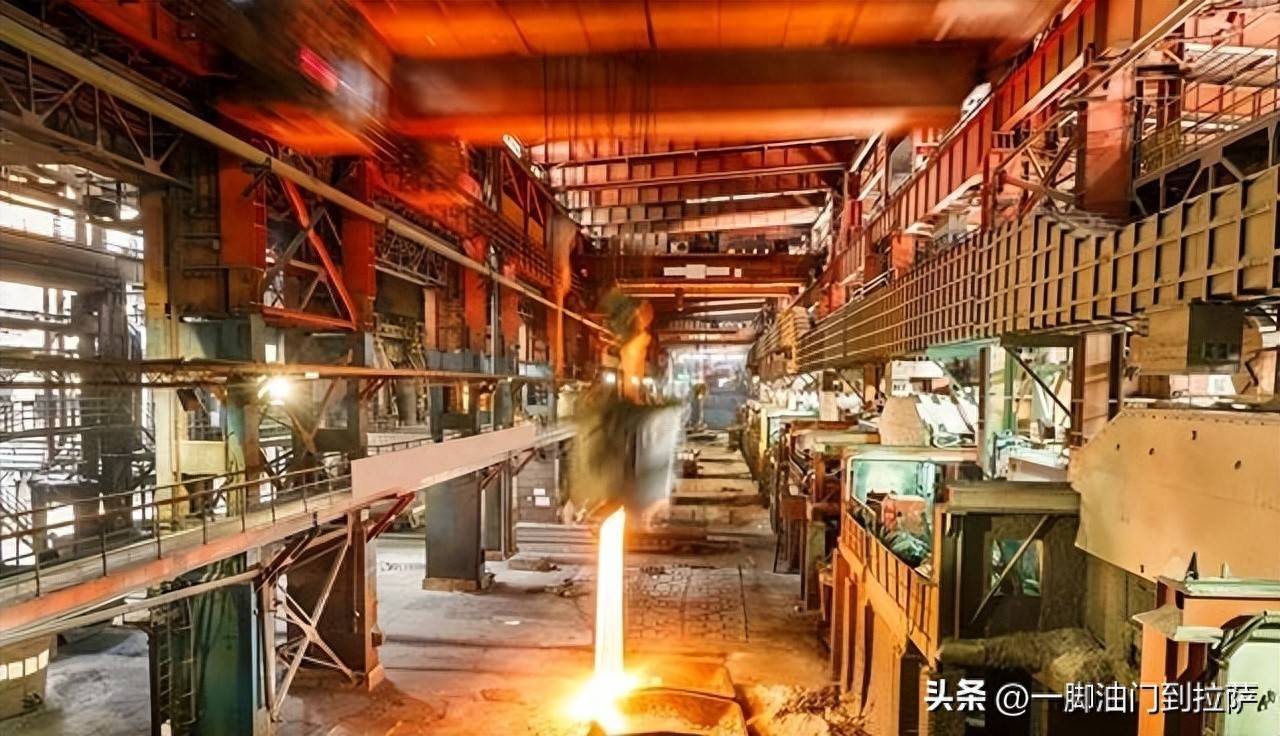
中国为何不惜亏损死守钢铁产业?三大内幕曝光,强国强民全靠它
Sou Hu Cai Jing· 2026-01-20 14:41
Core Insights - The steel industry in China is strategically vital for the nation's economy and security, making it essential to maintain production despite financial losses [2][4][7] - China's steel production has grown significantly from 150,000 tons at the founding of the nation to over 1 billion tons annually, accounting for more than half of global output [5][7] - The industry faces overcapacity and financial challenges, with over half of enterprises reporting losses due to supply-demand imbalances and inventory buildup [7][9] Group 1: Strategic Importance - Steel is a strategic pillar for national prosperity, directly linked to over 40 industries, including construction, machinery, and automotive [5][7] - The government prioritizes the steel industry to avoid reliance on imports, which could jeopardize national security during trade disputes [7][9] - Historical precedents, such as Japan's industrial collapse due to steel shortages, underscore the importance of maintaining a robust domestic steel industry [9] Group 2: Technological Advancements - The steel sector is undergoing significant technological upgrades, with a focus on high-quality production rather than just volume [11][15] - Innovations such as hydrogen metallurgy and electric arc furnaces are enhancing production efficiency and reducing impurities [11][13] - The industry is leading in patent applications for steel technologies, indicating a shift towards advanced manufacturing capabilities [13][15] Group 3: Environmental Transformation - The steel industry is a major contributor to carbon emissions, accounting for 15% of national emissions, prompting a shift towards low-carbon production methods [17][19] - Over 60% of steel enterprises have completed ultra-low emission transformations, significantly reducing energy consumption per ton of steel [17][19] - Initiatives like the "14th Five-Year Plan" emphasize green development and energy efficiency, with goals for near-zero carbon steel production by 2024 [19][21] Group 4: Future Outlook - The steel industry's challenges, including overcapacity, are being addressed through supply-side reforms and consolidation efforts [21][23] - The focus on high-quality development and technological innovation is expected to position China as a leader in the global steel market [23] - The steel sector is seen as a backbone for economic modernization and a driver for green revolution initiatives, reinforcing its strategic importance [23]
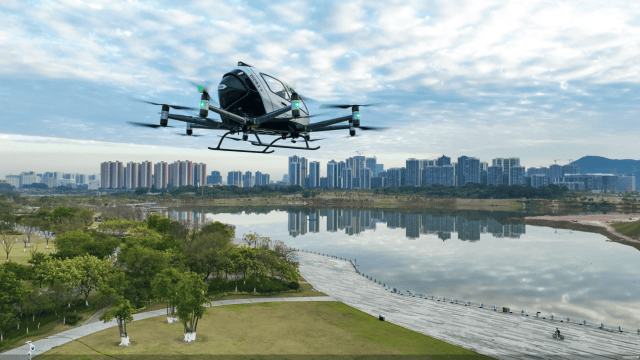
推行满一年,eVTOL试点六城战果如何?
Sou Hu Cai Jing· 2026-01-20 13:41
Core Insights - The establishment of six pilot cities for eVTOL (electric Vertical Take-Off and Landing) by the Central Air Traffic Control Commission in November 2024 is a significant boost for the low-altitude economy, granting local governments more autonomy in airspace management and operational planning [2] - The pilot program aims to enhance urban competitiveness, attract investment, create jobs, and improve urban management through effective low-altitude airspace utilization [2] Group 1: Hefei Developments - Hefei has become the first city globally to issue an Operational Certificate (OC) for eVTOL, laying a solid institutional foundation for the industry [3] - The city has established a comprehensive infrastructure plan, including a logistics network and a data center, to facilitate low-altitude operations [3][5] - Hefei has attracted over 10 eVTOL manufacturers and 300 supporting enterprises, creating a localized industry chain [6] Group 2: Hangzhou Achievements - Hangzhou's low-altitude economy has surpassed 40 billion yuan, with a 26% increase, and has successfully attracted 74 new enterprises in the eVTOL sector [9] - The city has implemented self-regulatory agreements for low-altitude flights, enhancing operational standards and safety [7] - Hangzhou has initiated eVTOL applications in tourism, leveraging local attractions for commercial opportunities [9] Group 3: Shenzhen Initiatives - Shenzhen has launched a comprehensive plan to build 1,200 take-off and landing sites by 2026, significantly exceeding the number of local metro stations [10][11] - The city offers substantial financial incentives for eVTOL development, including a one-time reward of 15 million yuan for compliant aircraft [11] - Shenzhen has established a large-scale eVTOL manufacturing facility, enhancing its position in the industry [13] Group 4: Suzhou Legislative Framework - Suzhou has enacted the "Suzhou Low Altitude Economy Promotion Regulations," marking a new phase of regulated development in the eVTOL sector [14] - The city has achieved significant product innovations, including the world's first fully certified cargo eVTOL [16] - Suzhou's industry cluster has grown to over 500 enterprises, with a production capacity of 3,000 aircraft planned annually [16] Group 5: Chengdu Growth - Chengdu's eVTOL industry has experienced explosive growth, supported by a comprehensive policy framework that includes substantial financial incentives [17] - The city has successfully developed its first passenger eVTOL, with over 1,000 commercial orders secured [19] - Chengdu ranks third in the national low-altitude economy development index, reflecting its rapid advancements [19] Group 6: Chongqing Progress - Chongqing's low-altitude economy has seen a 109% increase in flight hours, supported by targeted policy measures and infrastructure development [23] - The city has introduced a smart management platform for low-altitude operations, enhancing regulatory efficiency [21] - Chongqing has attracted international eVTOL technology, showcasing its appeal as a hub for low-altitude innovation [23] Group 7: Overall Industry Challenges - The pilot cities face challenges in airspace management, requiring effective coordination among various government departments to ensure safety and efficiency [24] - Infrastructure development must balance physical and digital needs to support the growing low-altitude economy [24]
将赛事红利转化为发展动能,广州市政协常委建议出台专项政策
Nan Fang Du Shi Bao· 2026-01-20 13:26
Core Viewpoint - The successful hosting of the 15th National Games and the Special Olympics in Guangzhou highlights the city's advanced capabilities in the lighting and sound equipment cultural industry, emphasizing the need for policies to transform these "high moments" into sustainable industrial momentum [1] Industry Development - Guangzhou's lighting and sound equipment cultural industry has developed into the largest and most complete industrial cluster in China, holding over 65% of the national market share and nurturing several well-known leading enterprises [1] - The industry has evolved from research and design to manufacturing, engineering services, and cultural creative operations, showcasing its strength during major events [1] Policy Recommendations - It is suggested that Guangzhou should develop special support policies focusing on technological innovation, industrial upgrades, and the creation of international brands, leveraging opportunities from cultural confidence and digitalization [2] - Specific recommendations include establishing targeted reward and subsidy mechanisms to encourage R&D investment and support local enterprises in hosting major cultural events [2] Financial Support and Talent Development - The proposal includes setting up special funds to support key aspects of industry development, such as digital transformation projects for manufacturing enterprises [3] - There is a call for integrating high-level talent into the city's recognition system and supporting collaborative talent training programs to strengthen the industry's foundation [3]

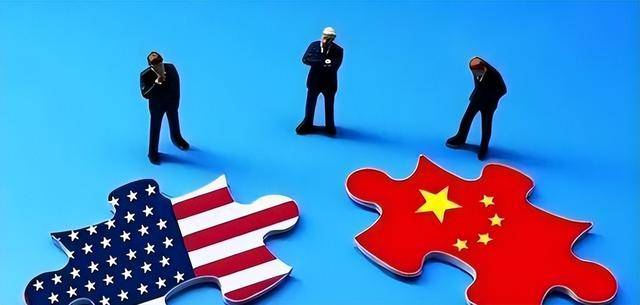
美论坛:美国的制裁使中国经济正在衰退,中国是否再次变得贫穷?
Sou Hu Cai Jing· 2026-01-20 11:56
Group 1 - The U.S. plans to impose a 10% tariff on Chinese imports starting January 2025, escalating to 145% by April, targeting electronics, automobiles, and chemicals [1] - Despite a 20% decline in exports to the U.S. and a 14.6% drop in imports, China's total trade surplus reached a record $1.19 trillion, indicating a shift in export markets to Southeast Asia, Latin America, Africa, and the Middle East [3][5] - China's GDP growth for the first three quarters of 2025 was 5.4%, 4.8%, and 4.5%, with exports contributing nearly one-third and consumption accounting for 52% [5] Group 2 - The manufacturing PMI fell to 49, indicating contraction, with significant fluctuations in factory orders, particularly in industries heavily reliant on the U.S. [8] - The real estate market is lagging, consumer recovery is slow, and new bank loans decreased by 10%, the lowest since 2018, reflecting weak corporate borrowing demand [8] - China is actively expanding its market through the Belt and Road Initiative, with exports to Southeast Asia and Africa increasing by 15% and 20% respectively, compensating for the loss of U.S. market share [8] Group 3 - The U.S. faces its own challenges, including high debt levels and inflation pressures, with many companies struggling due to lost market share in China [10] - In November 2025, the U.S. and China reached a partial trade consensus, with the U.S. moderately lowering tariffs on some Chinese goods in exchange for stable supplies of strategic resources [10] - China's increased investment in R&D, particularly in the semiconductor sector, is enhancing its technological self-sufficiency, while U.S. tech companies are losing market share due to restrictions [10]
“广货群侠”多强大?广东这五大品牌征服了全球
21世纪经济报道· 2026-01-20 10:29
Core Viewpoint - The article emphasizes the competitive landscape of the smartphone industry, highlighting Guangdong's dominance as a major manufacturing hub and innovation center, with significant contributions from local brands like Huawei, OPPO, vivo, and Honor [1][13]. Industry Overview - Guangdong is recognized as the most important smartphone industry cluster in China, leading in scale, production, and export, with one in three smartphones sold globally originating from this region [13]. - The smartphone market is characterized by rapid technological advancements and intense competition, with major players continuously innovating to maintain their market positions [1]. Company Highlights - **Huawei**: Utilizes its advanced Kirin chips and Kunlun glass, with the HarmonyOS enabling seamless connectivity. In 2025, Huawei's smartphone shipments reached 4.67 million units, capturing 16% of the market share in China [3]. - **OPPO**: Focuses on imaging, AI, communication, and fast charging technologies. By November 2025, the global activation of the OPPO Reno series surpassed 10 million, and the Find X9 series sold over 1 million units within 10 days of its domestic launch [5]. - **vivo**: Specializes in professional imaging technology, launching the X300 series with a focus on high-quality mobile photography. Currently, vivo serves over 100 million users globally [7]. - **Honor**: Launched the Honor Power2 in January 2026, featuring a 10,080mAh battery to address battery life concerns. In 2025, Honor's smartphone shipments exceeded 71 million units, with over 30% of sales coming from international markets [9]. Technological Evolution - Over the past 30 years, Guangdong's smartphone technology has evolved from self-developed feature phones to the emergence of autonomous brands in the smartphone era, achieving breakthroughs in fast charging, imaging, full-screen displays, and 5G technology [16].

瑞银:中国科技股盈利跃升 存款将被逐步引导至股市
2 1 Shi Ji Jing Ji Bao Dao· 2026-01-20 10:28
1月20日,瑞银财富管理亚太区首席投资总监陈敏兰在记者会上对21世纪经济报道记者表示,中国科技 板块的平均盈利增速预计将从过去数年的-3%跃升至未来的+25%,这将是支撑A股市场持续向好的关键 所在。 (文章来源:21世纪经济报道) 在经济增长目标方面,胡一帆预计2026年中国GDP增长率将在4.5%至5%之间,且存在上行空间。她指 出,消费增速仍将维持在3%左右,投资则有望从2025年的负增长中复苏。预计房地产投资今年降幅将 收窄。 胡一帆强调,今年是"十五五"规划的开局之年,政府仍将聚焦生产力增长,尤其鼓励AI相关领域的投 资,支持产业升级与技术创新。制造业和基础设施投资仍将保持相对韧性,尤其是与AI相关的公共物 流基础设施,仍将是政府重点支持的领域。 对于内需前景,胡一帆表示,消费预计将保持相对稳定。当前政策重点明显偏向供给侧,政府投资正更 多集中于资本密集型产业与AI基础设施等领域,核心目标在于激发经济活力、培育新的生产力增长 点。例如,2025年补贴主要投向电动汽车、电子产品等产业领域,这类措施仍以支持相关产业发展为导 向,并非直接刺激消费。 在政策层面,胡一帆预计整体仍将保持支持性和响应性。货币政 ...
重点项目完成投资突破800亿元 湛江去年工业投资占比近六成
Nan Fang Ri Bao Wang Luo Ban· 2026-01-20 09:59
Group 1 - The core message of the news is that Zhanjiang has made significant progress in expanding effective investment and optimizing investment structure, with key projects achieving an investment of over 80 billion yuan in the past year [1] - In 2025, Zhanjiang plans to complete investments of 80.17 billion yuan across 476 key projects, with provincial key projects accounting for 56.03 billion yuan, exceeding annual targets [1] - The proportion of industrial investment in total investment has increased to 57.1%, indicating a strengthening foundation in the manufacturing sector [1] - Industrial technological transformation investment has grown by 10.3% year-on-year, maintaining positive growth for 28 consecutive months, reflecting the sustained internal momentum for industrial upgrading in Zhanjiang [1] Group 2 - Zhanjiang has achieved key breakthroughs in major strategic projects, with the feasibility study report for the Zhanhai cross-sea ferry and line project approved by the National Development and Reform Commission [1] - The Leizhou Peninsula irrigation project has also received approval from the Guangdong Provincial Development and Reform Commission, expected to bring considerable investment increments and strategic support for Zhanjiang's future development [1] - In terms of investment attraction and financing innovation, Zhanjiang organized a series of investment promotion activities last year, resulting in a 4.7% increase in the number of new projects started [1] - Zhanjiang actively sought central policy funds and established a "debt-loan linkage" mechanism, broadening financing channels for major projects [1] Group 3 - In 2026, Zhanjiang will continue to prioritize expanding effective investment as a key driver for high-quality economic development, with 256 key construction projects planned for the year and an investment target of 65.87 billion yuan [2] - The city is focusing on expediting the commencement of 77 projects, including the Leizhou Peninsula irrigation project [2]