关税

Search documents
What Pfizer's lower drug price agreement may mean for the company
Youtube· 2025-09-30 18:11
Core Viewpoint - President Trump announced a drug pricing deal with Pfizer, which will voluntarily lower medication prices, including discounts for Medicaid, resulting in a 5% increase in Pfizer's stock price [1][5]. Group 1: Deal Details - Pfizer is the first company to finalize a deal with the administration, committing to lower prices for Medicaid and receiving a three-year exemption from tariffs in exchange for increased investment in the U.S. [2][3]. - The company will sell some drugs through a new direct-to-consumer platform called Trump RX and promises to launch new drugs at parity with prices in other countries [3][5]. Group 2: Financial Implications - While the deal appears significant, the drugs involved are older and not major revenue generators, meaning Pfizer is not sacrificing much in terms of profit [4][5]. - Medicaid already benefits from the lowest prices, indicating that the deal may not represent a substantial loss for Pfizer [5]. Group 3: Market Reaction - The deal has removed uncertainty regarding drug pricing and tariffs, providing investors with confidence, as reflected in the stock market movements [6][7]. - Other pharmaceutical companies are also expected to make similar commitments, although specific announcements have yet to be made [1][2]. Group 4: Consumer Impact - Pfizer plans to offer most drugs in its primary care portfolio through the direct-to-consumer platform, although these drugs are not widely recognized [8]. - The effectiveness of the direct-to-consumer sales model remains uncertain, as many consumers may still rely on insurance for lower prices [9][10].



美联储副主席杰斐逊:如果没有美联储的支持 就业市场将面临潜在压力
Xin Hua Cai Jing· 2025-09-30 10:41
Core Viewpoint - The Vice Chairman of the Federal Reserve, Jefferson, anticipates that the U.S. economy will continue to grow at around 1.5% for the remainder of the year, indicating potential pressure on the labor market without Federal Reserve support [1] Economic Growth - Jefferson expects the U.S. economy to grow at approximately 1.5% for the rest of the year [1] - He supports a 25 basis point interest rate cut during the September meeting to balance the risks of inflation remaining above target and increasing threats to the labor market [1] Labor Market - The labor market is showing signs of softening, suggesting it may face pressure without adequate support [1] - Jefferson emphasizes the need for Federal Reserve intervention to sustain employment levels [1] Inflation Outlook - Jefferson predicts that inflation will begin to decline towards the Federal Reserve's target level of 2% after this year [1] - He notes that the impacts of trade, immigration, and other policies from the Trump administration are still evolving, contributing to high uncertainty in baseline forecasts [1] Trade and Economic Impact - Although tariffs have a lower impact on inflation and other economic aspects than some economists expected, Jefferson believes these effects will become more apparent in the coming months [1]
全球经济-最糟糕的时期是否已过-Global Economic Briefing-The Weekly Worldview Is the worst over
2025-09-30 02:22
Summary of Key Points from the Conference Call Industry Overview - The conference call discusses the impact of global tariffs on trade and economic activity, particularly focusing on the US economy and its interactions with other countries, including China, Japan, and Canada [4][10][11]. Core Insights and Arguments 1. **Tariff Impact on US Economy**: - The US imposed broad global tariffs, reaching their highest levels since the 1930s, which has created uncertainty in the market. However, the risk of recession is not the base case due to the strong economy prior to the tariffs [4][10]. - Effective tariff rates are close to 12-13%, with tariff revenues annualizing at approximately $350 billion, representing about 20% of corporate profits in manufacturing and trade sectors [4][10][11]. 2. **Labor Market Dynamics**: - The US labor market is showing signs of slowing, with job growth less than half of last year's pace and real labor income growth nearing zero. This slowdown in labor income is expected to impact consumer spending [4][5][17]. - Despite the slowdown in hiring, there has not been a significant increase in firings, which is typically a precursor to recession [4][17]. 3. **Consumer Spending Resilience**: - Consumer spending has not yet shown a material slowdown, and Q2 GDP was revised upwards. The increases in wealth over recent years are expected to support spending, particularly among higher-income households [4][17]. 4. **Sectoral Strengths and Weaknesses**: - Certain sectors, such as gold, AI-related IT hardware, and pharmaceuticals, have shown resilience and contributed positively to trade numbers. However, this strength may be temporary [10][16]. - Exports from China to the US have significantly decreased, but some economic impacts have been mitigated by rerouting exports through other Asian economies [11][14]. 5. **Global Economic Outlook**: - There is an expectation of a meaningful slowdown in both the US and global economies, with risks of negative GDP growth in countries like Japan and Canada due to trade-related slowdowns [12][13][17]. - Manufacturing PMIs in the Euro area have declined after months of improvement, indicating that trade tensions are beginning to affect the industry [14][15]. Additional Important Insights - The front-loading of exports ahead of tariffs has temporarily deferred some economic challenges, but the long-term effects of tariffs are still uncertain [10][11]. - The combination of strained corporate margins, uneven pass-through of costs, and a softer global capital expenditure environment suggests slower global growth in the coming quarters [16][17]. This summary encapsulates the key points discussed in the conference call, highlighting the implications of tariffs on the US economy and global trade dynamics.
铜价高位运行 -20250930
申银万国期货研究· 2025-09-30 00:31
Core Viewpoint - The article discusses the current high copper prices and the impact of various economic factors on commodity markets, including government policies, production targets, and market trends in different sectors [1][2][4]. Group 1: Economic Policies and Market Trends - The National Development and Reform Commission announced a new policy financial tool worth 500 billion yuan aimed at supporting project capital, which is expected to stimulate economic growth [1]. - From January to August, state-owned enterprises reported total revenue of 539,620.1 billion yuan, a year-on-year increase of 0.2%, while total profits decreased by 2.7% to 27,937.2 billion yuan [1]. - The domestic commodity futures market saw a general decline, particularly in energy and chemical products, indicating a bearish trend in these sectors [1]. Group 2: Copper Market Insights - Copper prices rose by 1.59% in the night session, with a significant reduction in China's copper production growth target for 2025-2026 from 5% to 1.5% [2][21]. - The ongoing tight supply of copper concentrate and high smelting profits are expected to support copper prices in the long term, especially following mining incidents in Indonesia [2][21]. Group 3: Stock Market Overview - The US stock indices experienced slight increases, with the non-bank financial sector leading gains, while coal stocks lagged [3][12]. - The financing balance decreased by 193.55 billion yuan to 24,080.56 billion yuan, indicating a cautious approach among investors as the market enters a consolidation phase after a prolonged rally [3][12]. Group 4: Oil Market Dynamics - The SC crude oil price fell by 2.87%, influenced by Russia's export bans on diesel and gasoline amid ongoing geopolitical tensions [4][14]. - The US labor department reported a decrease in initial jobless claims, suggesting a resilient labor market, which may impact oil demand [4][14]. Group 5: Agricultural Products and Commodities - The article highlights fluctuations in agricultural commodities, with Argentina's temporary cancellation of export taxes on soybeans and derivatives affecting global markets [28]. - The domestic market anticipates increased supply due to this policy change, leading to potential downward pressure on prices [28].

深夜黄金疯涨,最高突破3833美元,中国资产也在大涨
Mei Ri Jing Ji Xin Wen· 2025-09-29 23:15
Group 1: Chinese Stocks Performance - The Nasdaq Golden Dragon China Index experienced a significant increase, rising over 2% at one point [3] - Notable individual stock performances include: Xiaoma Zhixing up over 6%, Tiger Securities up over 5%, New Oriental up over 7%, and Alibaba up over 5% [3] Group 2: Oil and Gold Market - Crude oil prices fell sharply by 3.74%, settling at $63.26 per barrel [4] - Spot gold prices rose by 1.86%, reaching a new historical high of $3,833.25 per ounce [5][6] - The surge in gold prices is attributed to renewed tariff threats from Trump and concerns over a potential government shutdown in the U.S. [6] Group 3: U.S. Economic Policy and Federal Reserve - Cleveland Fed President Beth Hammack highlighted the challenging balance the Fed faces between controlling inflation and protecting employment [7] - The Fed recently cut interest rates by 25 basis points, lowering the target range to 4.00%-4.25% [7] - Fed officials noted that tariffs are a significant factor in the inflation narrative, with persistent inflation pressures particularly in the service sector [11] Group 4: U.S. Government Shutdown Risk - Reports indicate that President Trump will meet with congressional leaders to discuss funding issues as the deadline for government funding approaches [9][10] - If an agreement is not reached by midnight on September 30, parts of the government may face a shutdown [10]
深夜 黄金疯涨 最高突破3833美元!中国资产也在大涨
Mei Ri Jing Ji Xin Wen· 2025-09-29 17:01
Group 1 - The Nasdaq China Golden Dragon Index experienced a significant increase, rising over 2%, with individual stocks such as Xiaoma Zhixing up more than 6%, Tiger Securities up over 5%, and New Oriental up over 7% [1] - Alibaba, Beike, Bilibili, and Li Auto also saw gains, with increases of nearly 4% and over 3% respectively, while Baidu, NetEase, and JD.com rose over 2% [1] - Crude oil prices fell sharply by 3.74%, settling at $63.26 per barrel [1] Group 2 - Spot gold prices surged by 1.86%, reaching a record high of $3833.25 per ounce, driven by factors such as Trump's renewed tariff threats and the risk of a government shutdown [2] - Cleveland Fed President Loretta Mester highlighted the challenging balance the Federal Reserve faces between controlling inflation and protecting employment [3][4] - Mester emphasized the need for a tight policy stance to bring inflation back to target levels, noting that inflation has deviated from the 2% target for over four and a half years [4] Group 3 - Trump announced a 100% tariff on films produced outside the U.S., claiming that the American film industry is being undermined by foreign productions [5][6] - The U.S. government faces a shutdown risk as federal funding is set to run out, with a deadline of September 30, unless bipartisan agreement on funding legislation is reached [7][8] - Fed officials indicated that tariffs are a significant factor in the inflation narrative, with concerns about high inflation rates, particularly in the service sector [10][11]
深夜,黄金疯涨,最高突破3833美元!中国资产也在大涨
Mei Ri Jing Ji Xin Wen· 2025-09-29 16:51
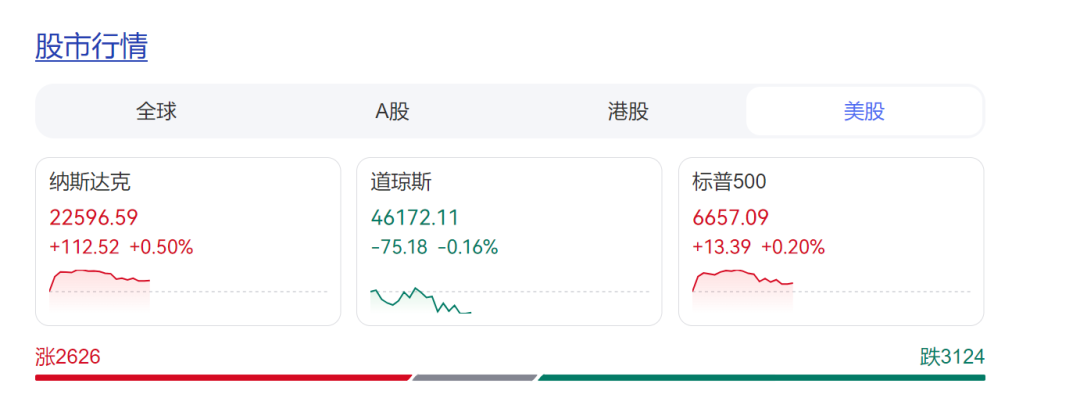
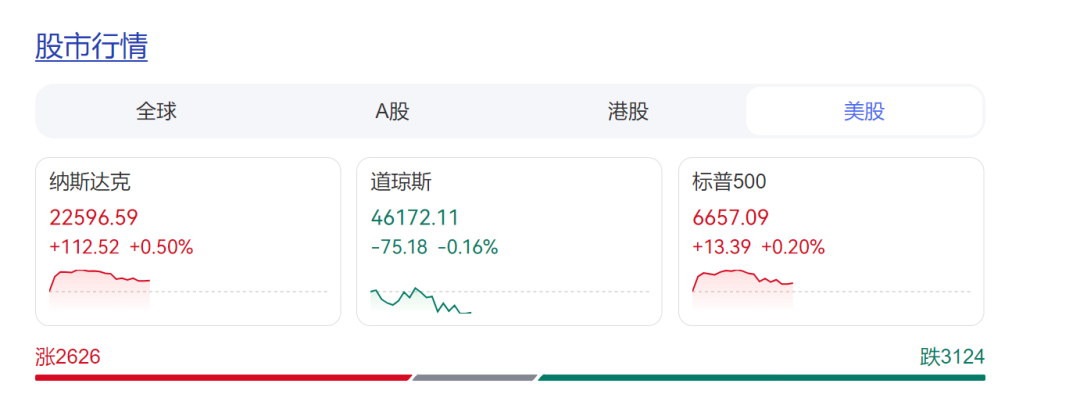
Market Overview - US stock markets opened higher, with the Nasdaq rising over 0.5% while the Dow Jones showed a slight decline [1] - The Nasdaq China Golden Dragon Index surged, increasing by over 2%, with notable gains in individual stocks such as Xiaoma Zhixing (+6%), Tiger Securities (+5%), New Oriental (+7%), and Alibaba (+5%) [2] Stock Performance - The Nasdaq index reached 8658.20, up by 127.74 points or 1.50% from the previous close, with a trading volume of 0 [3] - The highest price recorded for the day was 8758.44, while the lowest was 8658.17 [3] Commodity Prices - Crude oil prices fell sharply by 3.74%, settling at $63.26 per barrel [3] - Spot gold prices increased by 1.86%, reaching a new historical high of $3833.25 per ounce, attributed to factors such as renewed tariff threats from President Trump and concerns over a potential government shutdown [4][5] Economic Commentary - Cleveland Fed President Beth Harmack emphasized the Fed's challenge in balancing inflation control and job protection, noting persistent inflation pressures, particularly in the service sector [6] - The Fed recently lowered the federal funds rate target range to 4.00%-4.25% [6] Political Developments - President Trump announced a proposal to impose a 100% tariff on films produced outside the US, citing the need to protect the domestic film industry [7] - There are concerns regarding a potential government shutdown, with funding set to expire on September 30 unless bipartisan agreement is reached on funding legislation [8] Inflation Insights - Fed officials highlighted that tariffs are a significant factor in the inflation narrative, with ongoing high inflation rates in the service sector raising concerns [9]
美国市场需求强劲 丰田汽车(TM.US)全球销量连续第八个月上涨
Zhi Tong Cai Jing· 2025-09-29 07:13
Group 1 - Toyota's global sales increased for the eighth consecutive month in August, with a year-on-year growth of 2.2% to 844,963 vehicles, driven by a 13.6% increase in the U.S. market [1] - However, domestic sales in Japan declined by 12.1%, indicating a loss of growth momentum despite strong performance in other markets [1] - The company's global vehicle production rose by 4.9%, marking the third consecutive month of growth [1] Group 2 - Toyota revised its annual profit forecast downward, warning that proposed tariffs by President Trump would reduce its total profit by 1.4 trillion yen (approximately $9.5 billion) [2] - The company now expects operating profit for the fiscal year ending March 2026 to be 3.2 trillion yen, down from a previous estimate of 3.8 trillion yen [2] - In contrast, Nissan's sales grew by 3% to 251,081 vehicles, primarily due to a 13% increase in the U.S. market and a 19% increase in China [2]

【真灼财经】美通胀指标符合预期;白宫面临停摆威胁
Sou Hu Cai Jing· 2025-09-29 03:23
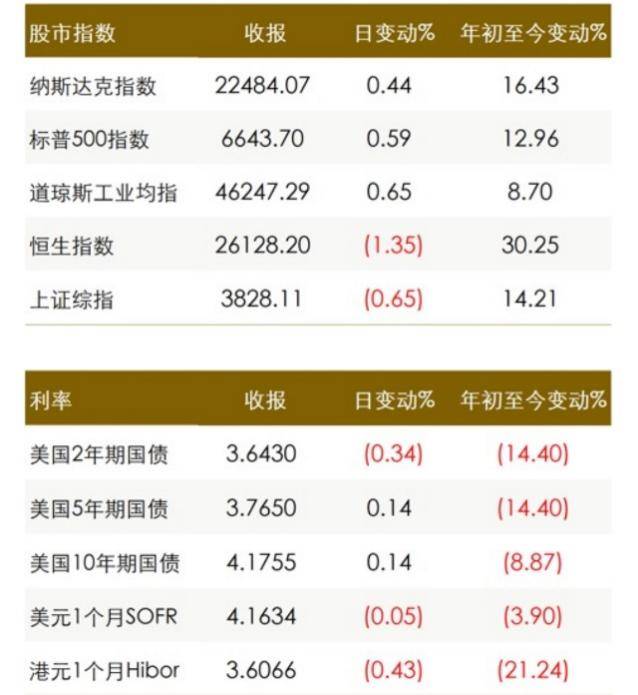
Economic Indicators - The U.S. personal consumption expenditures (PCE) have shown steady growth for the third consecutive month, with the core PCE inflation indicator meeting expectations at a year-on-year increase of 2.9% [1][4]. - The Michigan Consumer Sentiment Index has dropped to a four-month low, indicating rising concerns about income [4]. Market Performance - U.S. stock markets closed higher last Friday, buoyed by inflation data that met expectations, while long-term Treasury yields rose due to strong consumer spending data from August [2]. - The Nasdaq index closed at 22,484.07, up 0.44% for the day and 16.43% year-to-date; the S&P 500 index closed at 6,643.70, up 0.59% for the day and 12.96% year-to-date; the Dow Jones Industrial Average closed at 46,247.29, up 0.65% for the day and 8.70% year-to-date [3]. Commodity Prices - Oil prices have increased, influenced by drone attacks on Russian energy infrastructure, which have impacted fuel exports [2]. - Gold prices have risen, marking six consecutive weeks of increases [2]. Federal Reserve Insights - The Richmond Fed President noted that while unemployment and inflation rates deviate from the Fed's targets, the risks of further deterioration are limited [5]. - The Fed's Vice Chair Bowman emphasized the need for a smaller balance sheet and reforms in monetary policy implementation [5]. Trade and Tariffs - The Trump administration is reportedly considering imposing tariffs on foreign electronic devices based on the number of chips in each device [6]. - The U.S. is insisting that India cease purchasing Russian oil in exchange for a trade agreement [8]. Corporate Developments - Apple Inc. is reportedly developing an iPhone application similar to ChatGPT to assist in testing the new version of Siri [8]. - ByteDance may retain a significant share of profits from TikTok's U.S. operations even after selling a majority stake [10]. Chinese Economic Developments - The People's Bank of China has maintained a "moderately loose" monetary policy stance while emphasizing the need for effective implementation of policies [11]. - China's industrial profits surged by 20.4% year-on-year in August, marking the first growth in four months [11].