新型能源体系

Search documents
中经评论:新型能源体系如何点亮万家灯火
Jing Ji Ri Bao· 2025-10-30 00:08
Core Viewpoint - The construction of a new energy system is essential for achieving carbon neutrality and ensuring energy security, with a focus on developing non-fossil energy sources and transitioning to a clean, low-carbon energy system [1][5]. Group 1: New Energy System Development - The new energy system aims to establish a modern energy system dominated by non-fossil energy, addressing national energy security and low-carbon transition needs [1][2]. - By the end of the "14th Five-Year Plan" period, most of the new electricity demand will be met by newly added clean energy generation [1]. - The release of the "Energy Law of the People's Republic of China" in 2024 provides legal support for the construction of the new energy system and new power system [1]. Group 2: Technological and Industrial Leadership - The new energy system is becoming a core area of global technological revolution and industrial competition, with China transitioning from a follower to a leader in clean energy technology [2]. - Mastery of clean energy technologies and standards will allow China to secure a strategic position in future global industrial divisions [2]. Group 3: Strategies for Accelerating Construction - There is a need to significantly develop non-fossil energy sources, enhancing the clean energy sector through various regional energy sources such as wind, solar, hydro, and nuclear power [3]. - The role of fossil energy must be adjusted to ensure cleaner and more flexible utilization, transforming coal power into a stabilizing support for renewable energy [3]. Group 4: Infrastructure and System Integration - The construction of a new power system requires the development of high-capacity transmission lines and smart grid technologies to ensure efficient distribution and utilization of clean energy [4]. - The integration of distributed energy resources will enable households and businesses to participate actively in energy production and consumption, promoting a green lifestyle [4]. Group 5: Broader Implications - Accelerating the construction of the new energy system is crucial for achieving dual carbon goals and responding to aspirations for high-quality development and energy security in China [5]. - Continuous efforts from the government in policy design, innovation from enterprises in technology, and lifestyle changes from individuals are necessary for the successful implementation of the new energy system [5].
新型能源体系如何点亮万家灯火
Jing Ji Ri Bao· 2025-10-29 22:00
Core Viewpoint - The construction of a new energy system is essential for achieving carbon neutrality and ensuring energy security, with a focus on developing non-fossil energy sources and enhancing clean energy technologies [1][2][5] Group 1: New Energy System Development - The new energy system aims to create a modern energy system dominated by non-fossil energy, ensuring safety and efficiency while addressing national energy security and low-carbon transition needs [1][2] - The introduction of the Energy Law in 2024 provides a legal framework for the construction of the new energy system, marking a significant upgrade in China's energy strategy [1] Group 2: Clean Energy Expansion - There is a need to significantly increase the share of non-fossil energy in the energy mix, focusing on wind, solar, hydro, and nuclear power as the main sources of clean energy [3] - The transition period requires the clean and efficient use of fossil fuels, with coal power being transformed into a flexible and stable backup to support renewable energy fluctuations [3] Group 3: Infrastructure and Technology - The establishment of a new power system necessitates the construction of high-capacity transmission lines and smart grid technologies to ensure efficient distribution and utilization of clean energy [4] - The integration of distributed energy resources will enable households and businesses to participate actively in energy production and consumption, fostering a green lifestyle [4] Group 4: Broader Implications - The new energy system is positioned as a key driver for high-quality economic development, providing competitive advantages in international trade and improving the quality of life for citizens [4][5] - Continuous efforts from the government, enterprises, and individuals are required to achieve the dual carbon goals and promote sustainable development [5]
氢能、核能、新型储能写入规划,“十五五”能源产业要怎么干?
2 1 Shi Ji Jing Ji Bao Dao· 2025-10-29 12:30
Core Insights - The "15th Five-Year Plan" aims to enhance China's energy sector, focusing on achieving carbon peak targets and establishing a clean, low-carbon, safe, and efficient energy system [1][7] Group 1: Energy Sector Development Goals - The overall goal for the energy sector during the "15th Five-Year Plan" is to achieve carbon peak targets and establish a new energy system [1] - The plan emphasizes the importance of energy transition, with a focus on enhancing energy supply capacity and accelerating green transformation [1][7] Group 2: Emerging Industries and Future Technologies - The plan highlights the need to cultivate emerging industries, particularly in new energy, new materials, aerospace, and low-altitude economy [2] - Hydrogen energy and nuclear fusion are specifically mentioned as future industries to explore diverse technological routes and business models [2][3] Group 3: Infrastructure Development - The plan calls for the construction of modern infrastructure to support energy transition, including optimizing energy transmission channels and building new energy facilities [3][4] - The development of charging stations and energy storage systems is deemed essential for the new energy infrastructure [5] Group 4: Market Regulation and Competition - The plan aims to eliminate barriers to building a unified national market and address "involution" in competition within the energy sector [5][6] - Establishing a unified electricity market is crucial for optimizing resource allocation and supporting energy transition [5] Group 5: Achievements and Future Directions - As of mid-2025, China's renewable energy installed capacity reached 2.159 billion kilowatts, accounting for 59.2% of total installed capacity [7] - The plan emphasizes the need for further acceleration of low-carbon and clean transformation in the energy sector to support economic development [7]
加快建设新型能源体系,能源转型有了新要求|“十五五”产业前瞻
Di Yi Cai Jing· 2025-10-29 11:20
Core Insights - The article emphasizes the acceleration of the new energy system construction in China, aiming to increase the proportion of renewable energy supply and transition from fossil energy to a more sustainable energy framework [1][2] Group 1: New Energy Development - The "14th Five-Year Plan" has seen significant advancements in China's new energy sector, exceeding planned targets, and the "15th Five-Year Plan" marks a new phase of market-oriented development for renewable energy [1] - The National Development and Reform Commission has set a quantitative goal to meet most of the new electricity demand through clean energy generation by the end of the "15th Five-Year Plan" [1] Group 2: Key Focus Areas for Energy Transition - Three main tasks have been identified for accelerating the new energy system: 1. Develop non-fossil energy sources with a focus on wind, solar, hydro, and nuclear energy [2] 2. Promote the clean and efficient use of fossil energy, transitioning coal power from a basic support role to a regulatory support role [2] 3. Build a new power system to ensure the effective integration of renewable energy into the grid [2] Group 3: Wind Power Industry Insights - The wind power sector aims for an annual new installed capacity of no less than 120 million kilowatts during the "15th Five-Year Plan," doubling the previous target set in 2020 [3] - The industry is shifting from a "scale-driven" approach to a "value-driven" mindset, influencing product development and business models [3] Group 4: Green and Low-Carbon Industry Growth - The current scale of China's green low-carbon industry is approximately 11 trillion yuan, with potential for significant growth in the next five years, targeting the establishment of around 100 national-level zero-carbon parks [4] - Key industries such as steel, non-ferrous metals, and petrochemicals will implement energy-saving and carbon reduction initiatives, aiming for energy savings of over 15 million tons of standard coal, which could reduce carbon dioxide emissions by about 400 million tons [4]

新型储能再入规划,夯实国家战略方向!中共中央"十五五"规划建议: 大力发展新型储能,持续提高新能源供给比重
Xin Hua She· 2025-10-29 10:59
Group 1 - The core viewpoint of the article emphasizes the importance of accelerating the green transformation of the economy and society during the "14th Five-Year Plan" period, with a focus on building a new energy system and achieving carbon peak goals [1][4][5] - The article highlights the need to enhance the proportion of renewable energy supply, promote the safe and orderly replacement of fossil energy, and develop a clean, low-carbon, safe, and efficient energy system [1][2] - It stresses the importance of improving the resilience and safety of the power system, advancing energy consumption towards electrification, and establishing market mechanisms suitable for the new energy system [1][2][3] Group 2 - The article outlines the goal of building a modern industrial system that strengthens the foundation of the real economy, emphasizing the need for technological upgrades and the promotion of intelligent and green manufacturing [2][15] - It calls for the implementation of industrial innovation projects and the development of strategic emerging industries such as new energy, new materials, and aerospace [2][16] - The article also discusses the importance of fostering new industries and future industries, exploring diverse technological routes, and promoting quantum technology and hydrogen energy as new economic growth points [2][17] Group 3 - The article emphasizes the need for high-quality development, with economic growth maintained within a reasonable range and an increase in the contribution of domestic demand to economic growth [13][26] - It highlights the importance of improving the national innovation system and enhancing the level of self-reliance in technology [13][19] - The article discusses the necessity of deepening reforms and improving the socialist market economy system to ensure sustainable high-quality development [26][29] Group 4 - The article outlines the goal of expanding domestic demand and creating a strong domestic market as a strategic support for modernization [23][24] - It emphasizes the need to boost consumption and optimize investment structures to enhance the effectiveness of investments [23][24] - The article also highlights the importance of breaking down barriers to the construction of a unified national market and improving market regulations [25][26] Group 5 - The article discusses the importance of enhancing the financial system to support high-quality development, including the development of green finance and digital finance [29][30] - It emphasizes the need for a robust financial infrastructure and effective financial regulation to ensure financial stability [29][30] - The article also highlights the significance of expanding high-level opening-up and promoting win-win cooperation in international trade [30][31]
东兴晨报-20251029
Dongxing Securities· 2025-10-29 10:22
Economic News - The largest offshore emergency drill in northern China's waters commenced on October 28, 2025, testing the country's deep-sea wind power emergency rescue capabilities [1] - The Ministry of Finance reported that from January to September, state-owned enterprises generated total revenue of 613,290.5 billion yuan, a year-on-year increase of 0.9% [1] - The China Logistics and Purchasing Federation indicated that the total social logistics cost for the first three quarters reached 14.2 trillion yuan, growing by 4.3% year-on-year [1] - The Xiamen government announced a new household registration policy effective November 1, 2025, aimed at optimizing residency conditions [1] Company News - Three squirrels announced a price adjustment for certain products effective November 1, with price increases ranging from 0.2 yuan to 10 yuan across 35 products [4] - Tongrentang made significant progress in liquid preparation capacity, with a new production line expected to submit GMP compliance checks by the end of the year [4] - BYD launched its first K-car model, Racco, designed specifically for the Japanese market, with pre-sales planned for summer 2026 [4] - The company Guokai Military Industry signed a contract worth 4.66 billion yuan for military trade products, expected to positively impact its performance [4] Industry Insights - The "Fifteenth Five-Year Plan" outlines clear economic and social development goals, including achieving a per capita GDP at the level of moderately developed countries by 2035 [5][6] - The plan emphasizes the importance of enhancing the financial sector, improving capital market functions, and supporting emerging industries [6][7] - It highlights the need for a strong domestic market and increased consumer spending, with policies aimed at boosting consumption and enhancing public service spending [8] - The plan also focuses on accelerating the development of new energy systems and increasing the share of renewable energy supply [8][9] Investment Recommendations - The release of the planning document is expected to enhance market understanding of China's economic direction, boosting confidence in Chinese assets [9][10] - The report suggests focusing on the technology sector, particularly in areas of innovation, as a key investment opportunity [10] - It also indicates that sectors such as cyclical industries, new energy, and military industries are expected to maintain high levels of activity, presenting good investment prospects [10]


媒体报道︱能源政策机制创新分论坛 进一步推动新型能源体系和新型电力系统建设
国家能源局· 2025-10-29 09:24
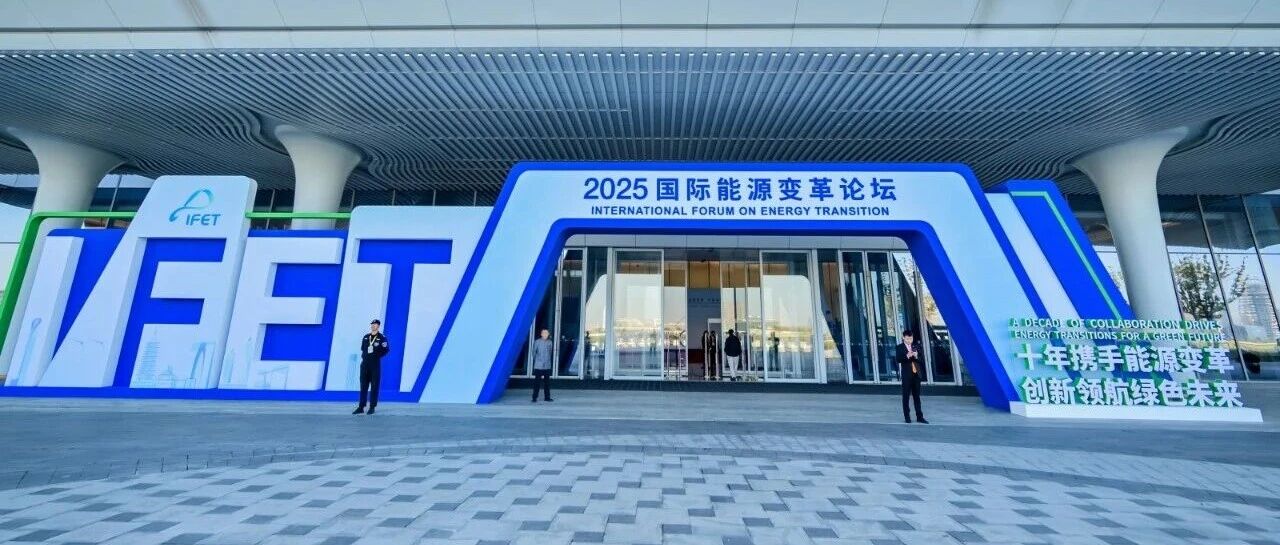
Core Viewpoint - The forum aimed to analyze energy reform innovations and explore key directions for future energy policy mechanisms, promoting the construction of a new energy system and power system [2][4]. Group 1: Forum Overview - The "2025 International Energy Transformation Forum" was held in Suzhou, Jiangsu, with participation from over 70 organizations and nearly 160 experts from various sectors [2]. - Discussions focused on policy mechanism innovations in the context of global energy transition, emphasizing the need for collaboration and international exchange [4]. Group 2: Key Discussions and Insights - Experts shared insights on energy transition topics, including the design and operational effectiveness of the Southern regional electricity market, experiences from European countries in marketization and system flexibility, and technological innovations in zero-carbon park construction [4]. - A roundtable discussion addressed the empowerment of new business models in the energy sector, with experts presenting typical cases and policy innovation suggestions [4]. Group 3: Collaborations and Agreements - The State Grid General Institute signed a memorandum with the Climate Group to focus on technical standards and certification for decarbonization in industrial parks, aiming to replicate successful experiences globally [5]. - Additionally, a memorandum was signed with the German International Cooperation Agency (GIZ) to enhance cooperation on green transformation of power systems, leveraging complementary advantages between China and Germany [5].

媒体报道︱氢能高质量发展分论坛 国家能源局:坚持在新型能源体系下谋划推动氢能发展
国家能源局· 2025-10-29 09:24
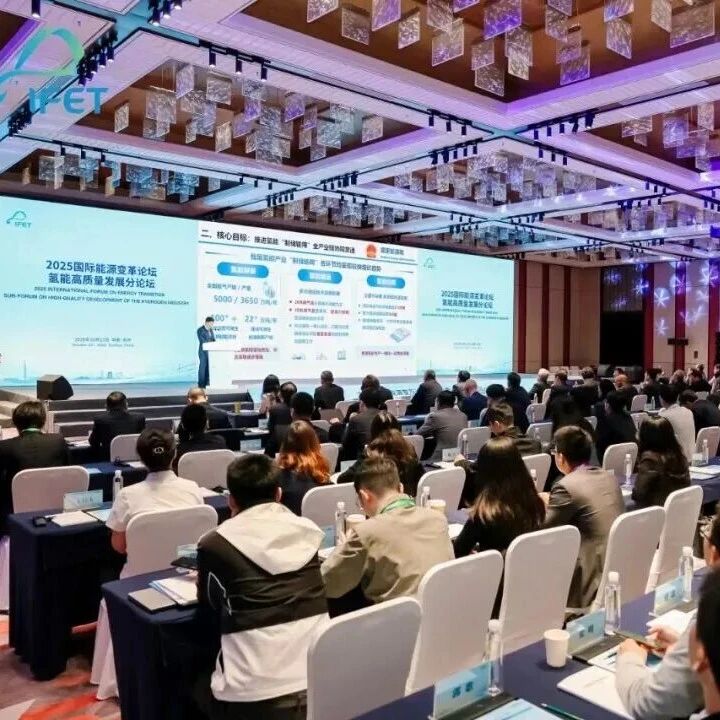
Core Viewpoint - The hydrogen energy industry is at a critical juncture, and the National Energy Administration (NEA) is committed to promoting hydrogen development within the framework of a new energy system [3]. Group 1: Importance of Hydrogen Energy - Developing the hydrogen energy industry is crucial for building a clean, low-carbon, safe, and efficient energy system, as well as achieving carbon peak and carbon neutrality goals [5]. - China has the largest installed capacity of renewable energy in the world, presenting significant potential for clean low-carbon hydrogen supply [5]. Group 2: Industry Development Strategy - The core goal is to promote the coordinated development of the entire hydrogen energy industry chain, including production, storage, transportation, and utilization [7]. - The NEA has initiated hydrogen energy pilot projects this year, focusing on various aspects such as hydrogen production, storage, transportation, and application, covering 11 directions to enhance innovation and infrastructure [7]. Group 3: Goals for the 14th Five-Year Plan - During the 14th Five-Year Plan period, the focus will be on breaking through industry scale, achieving self-sufficiency in renewable and clean low-carbon hydrogen, and establishing a comprehensive hydrogen energy technology innovation system and infrastructure [9]. - The plan includes promoting collaborative innovation across the entire industry chain, encouraging technological innovation, and selecting key hydrogen projects for major technological equipment [9]. - The NEA aims to strengthen the management foundation of the hydrogen energy industry by developing a standard system and establishing a national hydrogen energy information platform [9].
光伏板块强势反弹,“筑底回升”还是“提前反应”?
和讯· 2025-10-29 09:14
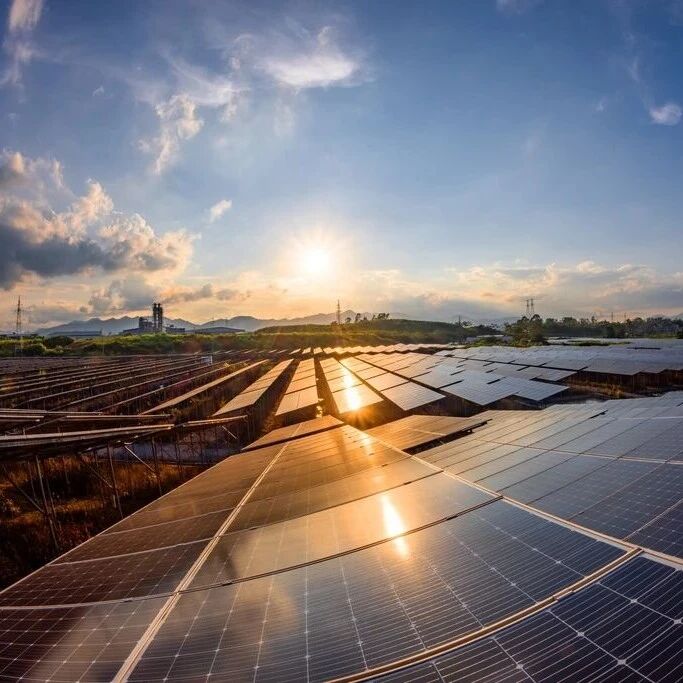
Core Viewpoint - The photovoltaic (PV) sector in A-shares is experiencing a significant rally, driven by strong market performance and positive earnings reports from key companies [2][3]. Market Performance - On October 29, major indices in the A-share market saw widespread gains, with the Shanghai Composite Index rising by 0.7% to surpass 4000 points, the Shenzhen Component Index increasing by 1.95%, and the ChiNext Index up by 2.93% [2]. - The photovoltaic equipment index led the gains, with notable stock performances including a 19.97% increase in Arctech (688472.SH) and 10% rises in Tongwei Co. (600438.SH) and Longi Green Energy (601012.SH) [2]. Company Earnings - Sunshine Power (300274.SZ) reported a record high stock price and a market capitalization exceeding 400 billion yuan, with Q3 revenue of 228.69 billion yuan, a year-on-year increase of 20.83%, and a net profit of 41.47 billion yuan, up 57.04% year-on-year [3]. Industry Dynamics - The photovoltaic industry is undergoing a transformation towards high-quality and sustainable development, supported by government policies aimed at reducing low-cost competition and phasing out outdated production capacity [4][5]. - The Ministry of Industry and Information Technology has initiated measures to prevent sales below cost and combat low-price dumping, leading to a recovery in industry prices, such as a 29.7% increase in polysilicon prices from mid-July to early September [4]. Future Outlook - The recent policy suggestions emphasize the importance of the photovoltaic sector in building a new energy system, shifting focus from scale expansion to quality improvement, and enhancing technological and efficiency competition [5]. - The market's recent strong rebound in the photovoltaic sector may indicate a potential recovery signal, although cash flow improvements are still in progress [5].

下一个五年,能源行业这样做!
中国能源报· 2025-10-29 07:52
Core Viewpoint - The article discusses the key points of the 15th Five-Year Plan proposed by the Central Committee, emphasizing the progress in building a beautiful China, the establishment of a new energy system, and the promotion of green production and lifestyle [2]. Group 1: Energy System Development - The plan aims to accelerate the construction of a new energy system, increasing the proportion of renewable energy supply and ensuring a reliable and orderly replacement of fossil energy [2][11]. - It emphasizes the need for a clean, low-carbon, safe, and efficient energy system, with a focus on enhancing the resilience and safety of the power system [11][12]. Group 2: Industrial Optimization - The strategy includes optimizing and upgrading traditional industries such as mining, metallurgy, and manufacturing to enhance their global competitiveness [2]. - It promotes technological transformation and the development of smart, green, and service-oriented manufacturing [2]. Group 3: Emerging Industries - The plan focuses on cultivating and expanding emerging and future industries, including new energy, new materials, and aerospace, through innovation and large-scale application of new technologies [4]. - It aims to explore diverse technological routes and business models in fields like quantum technology and hydrogen energy to drive economic growth [4]. Group 4: Infrastructure Development - There is a strong emphasis on modernizing infrastructure, including the integration of information and communication networks and the construction of new energy infrastructure [5]. - The plan also highlights the need for a resilient and sustainable transportation system, ensuring coverage in underdeveloped areas [5]. Group 5: Environmental Protection - The article outlines a commitment to pollution prevention and ecological system optimization, focusing on source governance and multi-pollutant control [9]. - It includes measures for biodiversity protection and the establishment of a natural protection area system [10]. Group 6: National Security - The plan stresses the importance of enhancing national security capabilities in critical areas such as food, energy resources, and supply chains [15]. - It aims to ensure the safety of strategic mineral resources and improve the utilization of water resources [15].