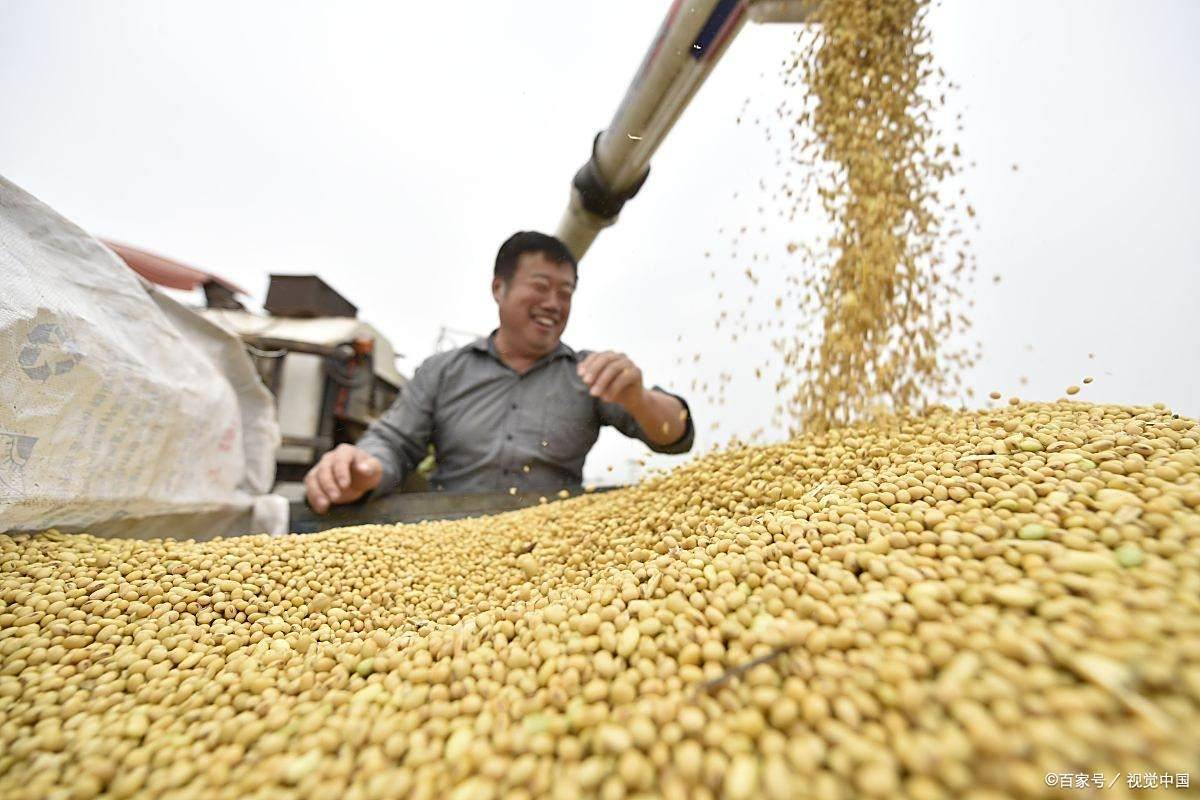
粮食安全

Search documents
扛牢政治责任毫不放松抓好抢收抢种 全力确保秋粮丰收到手秋播种足种好
Xi An Ri Bao· 2025-10-15 03:11
Core Points - The article emphasizes the importance of ensuring food security and the need for timely agricultural practices during the autumn harvest and planting season [1][4] - Local authorities are urged to respond quickly to adverse weather conditions affecting agricultural production, particularly in areas with severe waterlogging [1] - The article highlights the necessity of implementing agricultural policies that support farmers' income and encourage grain production [1] Group 1: Agricultural Production - The local government is focusing on the timely harvesting and planting of autumn crops to ensure a good yield [1] - There is a call for effective management of agricultural resources, including machinery and supplies, to facilitate the harvesting process [1] - The promotion of good agricultural practices, including land transfer and management, is essential for improving crop yields and benefiting more farmers [1] Group 2: Cooperative and Market Development - The article discusses the role of agricultural cooperatives in enhancing resource supply and providing technical support to farmers [2] - Emphasis is placed on the importance of quality standards and market connections for agricultural products, particularly in the context of modern urban agriculture [2] - The need for continuous improvement in the agricultural value chain and brand development is highlighted to support high-quality agricultural growth in the region [2]
仓廪实百姓安·透过鲜活数据看中国人饭碗端得更牢 餐桌更丰富
Yang Shi Wang· 2025-10-15 02:54
Core Insights - The article highlights the achievements in China's grain circulation reform and development during the "14th Five-Year Plan" period, emphasizing food security and supply stability [1][21]. Grain Supply and Security - During the "14th Five-Year Plan," China's grain market supply has been sufficient and stable, with per capita grain availability increasing by 25 kg to 500 kg, surpassing the international safety line of 400 kg [1][25]. - The grain storage capacity has significantly improved, with the number of standard grain warehouses exceeding 730 million tons, an increase of 58 million tons compared to the end of the "13th Five-Year Plan" [3][10]. Emergency Supply and Storage - The emergency supply network for grain has expanded from 43,000 to 59,000 outlets, increasing daily supply capacity from 1.06 million tons to 1.67 million tons, a growth of 57% [7][5]. - Major cities maintain a minimum of 15 days' worth of grain and oil reserves, enhancing emergency supply capabilities [5][8]. Reduction of Grain Loss - The grain circulation sector has seen significant reductions in losses, with average annual losses in storage, transportation, and processing accounting for about 2% of annual grain production over the past three years [8][12]. - The loss rate for household grain storage has decreased to approximately 3%, down 5 percentage points from a decade ago [14][12]. Quality Development of Grain Industry - The "14th Five-Year Plan" has led to a new phase of high-quality development in the grain industry, with a focus on enhancing quality and efficiency [16][20]. - By 2025, over 40 major grain-producing counties will implement more than 270 projects, attracting nearly 10 billion yuan in total investment [20][18]. Agricultural Infrastructure and Income Growth - The total grain production has stabilized above 1.3 trillion jin, with projections to exceed 1.4 trillion jin by 2024, marking an increase of 74 billion jin since 2020 [25][21]. - Rural residents' per capita disposable income has risen from 17,131 yuan in 2020 to 23,119 yuan in 2024, with an average annual growth rate of nearly 8% [32][30].

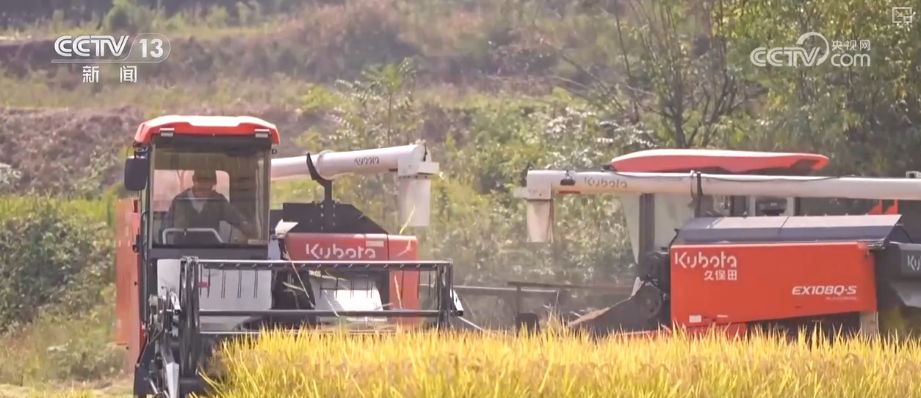
阴雨中撑起“金”色伞
Jin Rong Shi Bao· 2025-10-15 02:17
Core Viewpoint - The article emphasizes the importance of food security in China, highlighting the challenges faced by farmers in Shandong due to continuous rain affecting the autumn harvest, particularly corn [1]. Group 1: Financial Support Initiatives - Shandong Rural Credit Cooperatives are actively responding to the financial needs of the agricultural sector by innovating financial products and increasing credit investments to support the procurement of specialized harvesting equipment [1][4]. - The "Agricultural Machinery Interest Subsidy Loan" has been introduced to assist individuals and enterprises in purchasing corn harvesters, significantly reducing financing costs through a government interest subsidy [4]. Group 2: Impact of Weather on Harvest - Continuous rainfall has severely impacted the harvesting and drying of corn, creating challenges for farmers in Shandong [1][5]. - Farmers like Yang Jian Guang have successfully utilized new harvesting technology, such as lightweight tracked harvesters, to mitigate the effects of muddy fields on their operations [1][3]. Group 3: Modernization of Agricultural Practices - The integration of modern equipment, such as drying towers, has enabled farmers to enhance their operational efficiency, with some facilities capable of processing up to 80 tons of corn daily [3][5]. - The establishment of a comprehensive agricultural operation model, from harvesting to storage and sales, is being realized through financial support and modern technology [3][5]. Group 4: Overall Financial Strategy - The Shandong Provincial Rural Credit Union is expanding various loan products to meet the financing needs across all stages of grain production, processing, and sales, ensuring a successful autumn harvest [6].
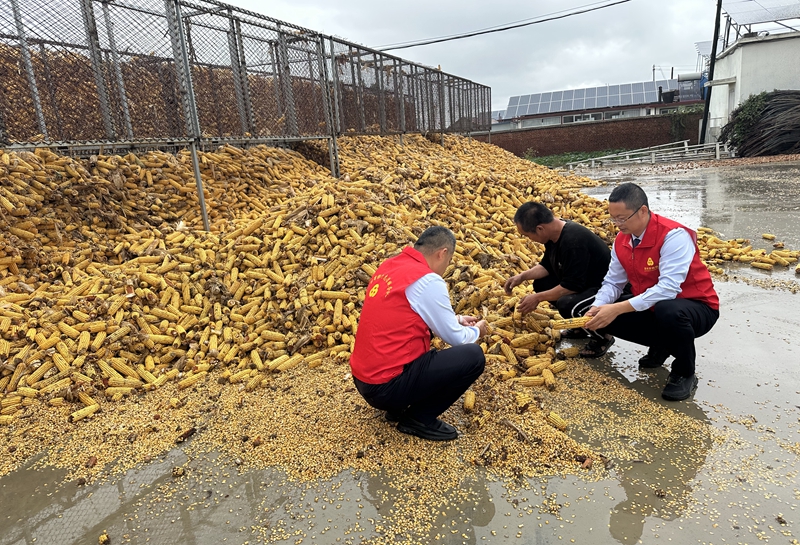
秋收资金不断档
Jin Rong Shi Bao· 2025-10-15 02:13
Group 1 - The core viewpoint of the articles highlights the significant role of financial institutions in supporting the autumn harvest and grain procurement in Qitaihe City, Heilongjiang Province, ensuring a smooth process for farmers and grain storage companies [1][2][3] Group 2 - Central Reserve Grain Qitaihe Direct Warehouse Company has received a total of 2.746 billion yuan in loans from the Agricultural Development Bank over the past three years, which has facilitated the upgrade of smart equipment and the improvement of storage facilities [1] - The current grain inventory at the Central Reserve Grain Qitaihe Direct Warehouse has reached 1.085 million tons, contributing to national grain macro-control and providing reassurance to local farmers [1] - The People's Bank of China Qitaihe Branch has issued a notice to enhance financial support for autumn grain procurement, guiding financial institutions to strengthen deployment and improve service levels [2] - A total of 15 "Zhang Fuqing" financial service teams have been established, connecting with 3,159 agricultural entities to ensure continuous funding for the autumn harvest [2] - The financial service network has been expanded to cover all 220 administrative villages in the area, significantly improving the accessibility of rural financial services [2] - Financial institutions are innovating products and services to enhance convenience for farmers, implementing a smart "one card" system for grain procurement and enabling non-cash transactions [3] - By 2025, banks in Qitaihe City plan to provide 1.289 billion yuan in loans for autumn grain procurement, representing an 8.32% year-on-year increase [3] - As of now, 1.51 billion jin of grain has been supported for procurement, contributing to food security and rural revitalization efforts [3]
聊城|“鲁西粮仓”打响秋收保卫战
Da Zhong Ri Bao· 2025-10-15 01:08
推动"烘干+收购+储存"一体化服务 "鲁西粮仓"打响秋收保卫战 粮满仓、天下安,粮食安全是"国之大者",保障粮食安全始终是关系国计民生的头等大事。多年 来,聊城作为产粮大市,粮食播种面积、单产、总产稳居全省前列,有"鲁西粮仓"之称。眼下正值玉米 收获的关键时期,聊城却遭遇罕见的连绵阴雨天气,给秋粮归仓带来严峻挑战。 受持续阴雨天气影响,玉米收获后含水量较高,如不及时烘干,易引发霉变、发芽,将直接威胁粮 食品质与农民收益。各县市区全力与时间赛跑,加快玉米烘干进度,为秋粮安全归仓筑牢防线。 在东昌府区,24台烘干设备日处理能力达2400余吨。为高效推进烘干工作,东昌府区建立实时更新 的"烘干资源台账"。针对部分乡镇需求突增、设备满负荷运转的情况,采取及时调配移动式烘干设备、 共享烘干时段等方式,缓解局部压力。同时,积极推动"烘干+收购+储存"一体化服务,指导烘干点与 粮食收购企业、仓储单位对接,减少转运环节,降低产后损失。 10月11日,在东阿县鑫田粮食种植专业合作社,两台日烘干粮300吨和四台日烘干粮80吨的烘干设 备正开足马力运转。合作社负责人于茂新告诉记者,今年合作社种植玉米四千余亩,目前已收割大半, 但还 ...
精准调控,推动粮食价格保持在合理水平
Qi Huo Ri Bao Wang· 2025-10-15 00:55
Core Insights - The National Food and Strategic Reserves Administration emphasizes the importance of market-oriented grain procurement and policy-based storage to enhance service for farmers and maintain a good purchasing order [1][3] Group 1: Grain Production and Procurement - National grain production has stabilized above 1.3 trillion jin over the past five years, with a target of reaching 1.4 trillion jin in 2024, resulting in an increase of 25 kg per capita compared to the end of the 13th Five-Year Plan, reaching 500 kg, which exceeds the international food security line of 400 kg [1] - Market-oriented procurement has become the dominant method, accounting for over 90% of total procurement, effectively enhancing market circulation and vitality [1] Group 2: Autumn Grain Harvest - As of October 10, over 50% of the autumn grain harvest has been completed, with significant progress in various crops: nearly 60% of mid-season rice, over 50% of corn, and 55% of soybeans harvested [2] Group 3: Key Focus Areas for Autumn Grain Procurement - The administration will focus on four key areas: promoting market-oriented procurement, organizing policy-based storage, optimizing services for farmers, and maintaining a good purchasing order [3] - Specific measures include ensuring adequate personnel, storage, funding, and transportation for grain procurement, implementing minimum purchase price policies for mid and late rice, and enhancing service efficiency for farmers [3] Group 4: Legal and Quality Assurance in Grain Management - The legal framework for grain safety has been gradually improved over the past five years, providing a strong legal guarantee for grain management and storage [4] - The administration is committed to enhancing the quality safety of grain through improved management systems and standards, emphasizing the importance of a comprehensive regulatory mechanism for food safety [4]
赵刚在渭南市调研时强调提升粮食安全保障能力 持续壮大特色优势产业推动高质量发展现代化建设不断取得新成效
Shan Xi Ri Bao· 2025-10-15 00:33
Group 1: Agricultural Development - The provincial government emphasizes the importance of high-standard farmland construction and management to enhance food security capabilities [1][2] - Measures are being taken to ensure timely harvesting and planting, including monitoring weather conditions and optimizing agricultural machinery resources [2] - The government encourages collaboration between enterprises and farmers to improve grain acquisition, storage, processing, and sales capabilities [2] Group 2: Industrial Development - The Weibei Coal Chemical Industrial Park hosts various companies in energy, fine chemicals, and circular economy sectors [3] - Companies are urged to increase R&D investment and develop competitive products to enhance market presence [3] - Continuous technological advancements and safety management in coal transportation are prioritized to support the transformation of the coal industry [3]
全球扰动再起,机构称农业兼具粮食安全逻辑和内需防守属性
Xuan Gu Bao· 2025-10-14 23:17
Industry Insights - The 2025 World Agricultural Technology Innovation Conference recently opened in Pinggu, Beijing, focusing on themes such as South-South cooperation, facility agriculture, controllable agriculture, and smart breeding, discussing the construction of resilient food supply systems and exploring challenges and development paths in the agricultural sector [1] - A market research company in the U.S. predicts that if China does not return to the U.S. market by mid-November, the potential loss of soybean orders for the U.S. could reach 14 to 16 million tons [1] - Open-source securities indicate that trade frictions are resurfacing, benefiting the agricultural sector through tariff countermeasures and food security logic, with the sector currently at a relatively low level [1] - Since the beginning of 2025, prices for corn, wheat, soybeans, and japonica rice have shown significant recovery, with corn and japonica rice prices increasing by 8.54% and 5.61% respectively as of October 11, 2025 [1] - Huaxi Securities emphasizes that in the context of food security, transgenic technology has a revolutionary role in increasing yield, predicting that the commercialization process of transgenic crops will continue to accelerate, fundamentally improving self-sufficiency rates of key varieties [1] Company Developments - Longping High-Tech, a leading domestic modern seed company, produces hybrid rice seeds, corn seeds, vegetable seeds, and wheat seeds, and has formed a strategic partnership with Alibaba Cloud to advance agricultural applications [2] - Dabeinong's subsidiary, Beijing Dabeinong Biotechnology, received planting permission for its transgenic soybean variety "DBN9004" in April 2025, while its joint venture, Nongxin Group, has integrated the DeepSeek-V2 version into its AaaS platform, with plans for a full launch of DeepSeek-V3 and DeepSeek-R1 based intelligent services in early 2025 [2]


非凡“十四五”丨粮食流通改革发展,五年成绩单来了!
Xin Hua She· 2025-10-14 23:07
Core Insights - The grain circulation sector has achieved significant results in reducing waste and losses, transitioning from "sufficient food" to "good food" and "nutritionally healthy food," thereby continuously enhancing grain circulation supervision [1][5][10] Summary by Sections Grain Circulation Reform - The progress of grain circulation reform during the "14th Five-Year Plan" period aligns with expectations, providing strong support for high-quality economic and social development [1] Legal Framework - The legal system for food security is gradually being strengthened, with the introduction of the "Food Security Guarantee Law" and the revision of the "Grain Circulation Management Regulations," along with the formulation of multiple administrative normative documents [3] Loss Reduction in Grain Storage - Over the past three years, the average annual loss in grain storage, processing, and transportation has been about 2% of the annual grain production [5] Technological Advancements - Five national-level technological innovation platforms for grain storage and transportation have been established, along with 26 departmental grain technology innovation centers and key laboratories [7] Nutritional Initiatives - The implementation of the National Whole Grain Action Plan aims to increase the proportion of whole grains in residents' diets, promoting healthier consumption of cooking oils [10] Emergency Response System - A four-level grain emergency response system has been established, ensuring that major cities maintain a market supply of finished cooking oil for over 15 days [15][16] Financial Support and Investment - Local governments have allocated 46.2 billion yuan, leading to over 84 billion yuan in social investment, supporting more than 8,400 projects and fostering the development of 897 quality enterprise brands [18][19] Quality Assurance - Efforts are being made to ensure food safety and quality through the revision of over 100 national standards and 50 industry standards in the grain sector [22]
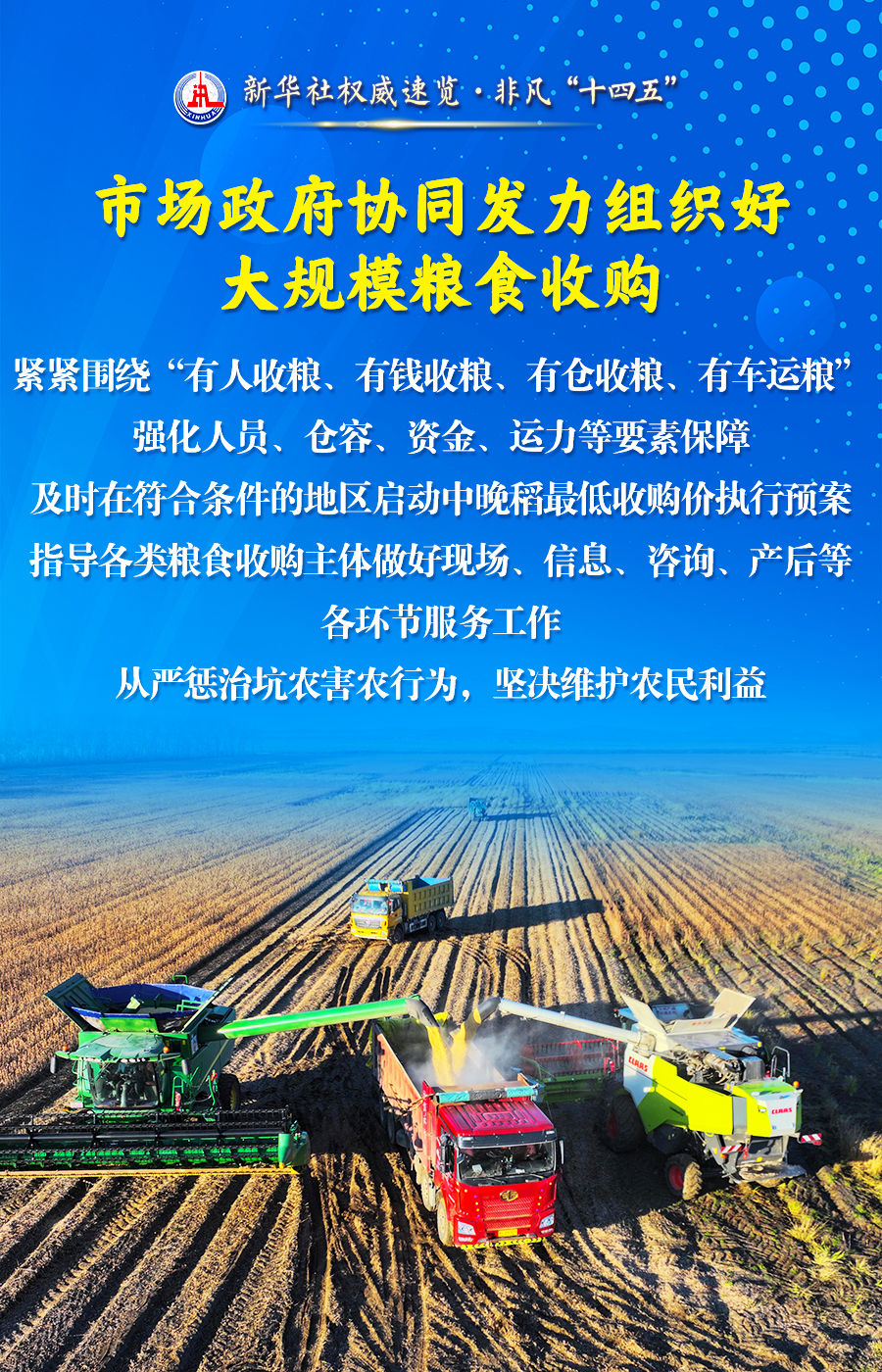
中国不买大豆美国慌了,为啥中国大豆消费这么强?
Sou Hu Cai Jing· 2025-10-14 18:48
Core Insights - China consumes over 100 million tons of soybeans annually, more than the total consumption of all other countries combined, driven by a growing demand for meat due to rising living standards [1][4] - Domestic soybean production in China is only about 20 million tons, meeting less than 17% of its demand, necessitating heavy reliance on imports [3][6] - The trade dynamics shifted post-2018 trade war, with Brazil now supplying over 70% of China's soybean imports, while the U.S. share has dropped to 21% [3][4] Group 1: Consumption and Demand - China's annual soybean consumption is 120 million tons, with 90% used for oil extraction and animal feed [1][3] - The increase in meat consumption, particularly in urban areas, has led to a significant rise in demand for soybeans as animal feed [4][8] - The contribution of imported soybeans to China's meat, egg, and dairy consumption is substantial, with 30% of the total coming from imported soybeans [4] Group 2: Domestic Production and Strategy - China's soybean production is limited by agricultural priorities, with major crops like rice, wheat, and corn taking precedence [3][6] - The "Soybean Revitalization Plan" aims to increase domestic production through subsidies and improved agricultural practices, with a reported 13.66% increase in yield over 11 years [6][8] - Domestic soybeans are primarily used for food products, while imported genetically modified soybeans are used for oil and feed, indicating a clear division of purpose [6][8] Group 3: Trade Dynamics and Market Impact - The U.S. soybean industry has been significantly impacted by China's shift in import sources, leading to a surplus of 22 million tons of unsold soybeans in the U.S. [3][4] - China's diversified import strategy includes sourcing from Brazil, Argentina, and emerging markets like Russia and Africa, reducing dependency on any single country [3][6] - The U.S. attempts to regain market share by appealing to China, but China's established alternatives provide it with leverage and choice in the global soybean market [6][8]