长期主义

Search documents
官宣!3万亿股份行,内部提拔新掌舵人
券商中国· 2025-11-18 06:23
Core Viewpoint - The appointment of Chen Haiqiang as the new chairman of Zhejiang Commercial Bank is expected to enhance the bank's strategic stability and long-term value during a critical period of development [1][4][5]. Leadership Transition - Chen Haiqiang has been appointed as the party secretary and nominated as the chairman of Zhejiang Commercial Bank after a four-month vacancy following the resignation of the previous chairman, Lu Jianqiang [1][3][4]. - Chen has extensive experience in the financial industry, having joined Zhejiang Commercial Bank in 2015 and held various leadership positions, including vice president and party deputy secretary [5][7]. Strategic Focus - Chen emphasizes a "long-termism" approach, advocating for sustainable growth over short-term gains. He has outlined three key adjustments in the bank's operations: prioritizing quality over scale, focusing on low-risk and balanced returns, and shifting from single-item revenue to comprehensive revenue through scenario-based strategies [8][10]. - The bank aims to avoid the pitfalls of prioritizing scale and short-term profits, instead focusing on long-term value creation [8][10]. Financial Performance - As of the end of September, Zhejiang Commercial Bank reported total assets of 3.39 trillion yuan, with a net profit of 11.67 billion yuan for the first three quarters of the year, indicating stable fundamentals [10][11]. - The bank's non-performing loan ratio improved to 1.36%, down 0.02 percentage points from the beginning of the year, reflecting a positive trend in asset quality [11]. Shareholder Dynamics - The number of ordinary shareholders has decreased for eight consecutive quarters, suggesting a concentration of shareholding [12]. - In August, Minsheng Insurance increased its stake in the bank's H-shares, which now exceed 5% of the total H-share capital, indicating growing interest from institutional investors [13].



股神隐退!95岁巴菲特:一生印证“保险是基石,投资是放大器”
Xin Lang Cai Jing· 2025-11-18 05:25
Core Insights - Warren Buffett, at 95 years old, announced his retirement from writing Berkshire Hathaway's annual report and speaking at shareholder meetings, marking the end of an era in Wall Street history [6][5] - Buffett's legacy includes a remarkable investment philosophy developed over more than half a century, alongside a wealth myth that transformed a near-bankrupt textile company into a trillion-dollar giant [8][5] Transition of Leadership - Buffett will officially hand over the CEO role to 63-year-old Greg Abel by the end of the year, while he will remain as chairman until shareholders establish trust in Abel [6] - The transition includes Buffett's decision to stop writing the annual shareholder letter and stepping down from the main stage at shareholder meetings [6] - Buffett's commitment to retain enough Class A shares until shareholders trust Abel as they do him and Charlie Munger [6] Financial Performance - Since Buffett took over Berkshire Hathaway in 1965, the company has achieved a staggering total return of over 55,000 times, meaning an initial investment of $10,000 in 1965 would be worth $5.5 billion today [8] - The annualized compound return from 1965 to 2024 is 19.9%, significantly outperforming the S&P 500's 10.4% during the same period [8] Investment Strategy - Buffett's investment strategy evolved from "cigar butt" investing to focusing on companies with strong brand power and pricing power, exemplified by his acquisition of See's Candies in 1972 and Coca-Cola in 1988 [8] - The top 10 holdings, including Apple and Bank of America, have contributed $255.8 billion in profits, accounting for 80% of Berkshire's total returns [8] Insurance and Investment Model - Buffett describes Berkshire's insurance business as the "soul" of the company, with the acquisition of National Indemnity in 1967 marking the beginning of his wealth empire [10] - The "float" from insurance premiums allows for long-term investments, creating a "no-cost" investment model that has grown from millions to hundreds of billions [10][11] - The synergy between insurance and investment is illustrated by the turnaround of GEICO, which provided continuous float for further investments [11] Risk Management Philosophy - Buffett's approach to risk management emphasizes maintaining a cash buffer for extreme risks, as demonstrated during the 2008 financial crisis when Berkshire had hundreds of billions in cash to capitalize on market opportunities [12] - The current cash reserve of $381.7 billion is not seen as conservative but as a necessary cushion for unforeseen disasters [12] Investment Wisdom - Buffett's investment philosophy includes principles such as staying within one's "circle of competence," practicing contrarian investing, and maintaining a long-term perspective [14][15][16] - He advises against investing in areas outside one's understanding, emphasizing the importance of patience and rationality in investment decisions [14][16] - Buffett's legacy is not just in financial returns but in a replicable mindset that values rationality and common sense in the face of market noise [17]

有一家公司最近披露了长达20年的分红实现率,这才是对“长期主义”的最好诠释!
13个精算师· 2025-11-18 03:03
Core Viewpoint - Dividend insurance products have outperformed bank wealth management products in customer yield for five consecutive years, with an average customer yield of 3.2% for 2024, compared to 2.65% for bank wealth management products [4][6]. Group 1: Comparison of Customer Yields - The average customer yield for dividend insurance products in 2024 is 3.2%, which is stable year-on-year [4]. - The weighted average yield for over 40,000 existing bank wealth management products is 2.65% [6]. - From 2020 to 2024, dividend insurance products consistently provided higher customer yields than bank wealth management products [6]. Group 2: Advantages of Dividend Insurance Products - Dividend insurance products offer dual advantages of long-term equity allocation and "semi-guaranteed" protection, which contribute to their higher yields [7]. - The investment yield of dividend products is influenced by the long-term investment returns of insurance companies, which are determined by the allocation and yield of fixed-income and equity assets [9]. - Insurance companies can invest in long-term assets due to the long duration of liabilities, allowing for better cross-cycle asset allocation compared to the short-term nature of bank wealth management products [11]. Group 3: Risk Management and Investment Capability - The potential for high returns in dividend insurance products places higher demands on the investment management and risk control capabilities of insurance companies [12]. - Dividend insurance products maintain a "semi-guaranteed" feature through a combination of guaranteed interest rates and floating returns, providing a safety net for customer returns [12]. - The ability to manage long-term assets effectively is increasingly important as guaranteed interest rates decline, impacting the sustainability of floating dividends [12]. Group 4: Evaluating Insurance Companies - To assess the dividend strength of insurance companies, it is essential to consider long-term dividend realization rates, long-term investment returns, solvency adequacy, and overall operational stability [13]. - A total of 40 companies meet the criteria set by "13精" for strong dividend capabilities, with 中意人寿 being highlighted for its long-term performance and transparency in dividend realization rates [14][15]. Group 5: 中意人寿's Performance - 中意人寿 has reported a cumulative policy dividend payout of 10 billion yuan and has maintained profitability for 16 consecutive years [15]. - The company has increased transparency by disclosing nearly 20 years of dividend realization rates, averaging 110%, setting a benchmark in the industry [17][18]. - This proactive disclosure aligns with regulatory expectations and reflects the company's commitment to customer-centric, long-term business practices [18][19].
获任行长4个月后,陈海强再获浙商银行董事长提名
Hua Er Jie Jian Wen· 2025-11-18 02:36
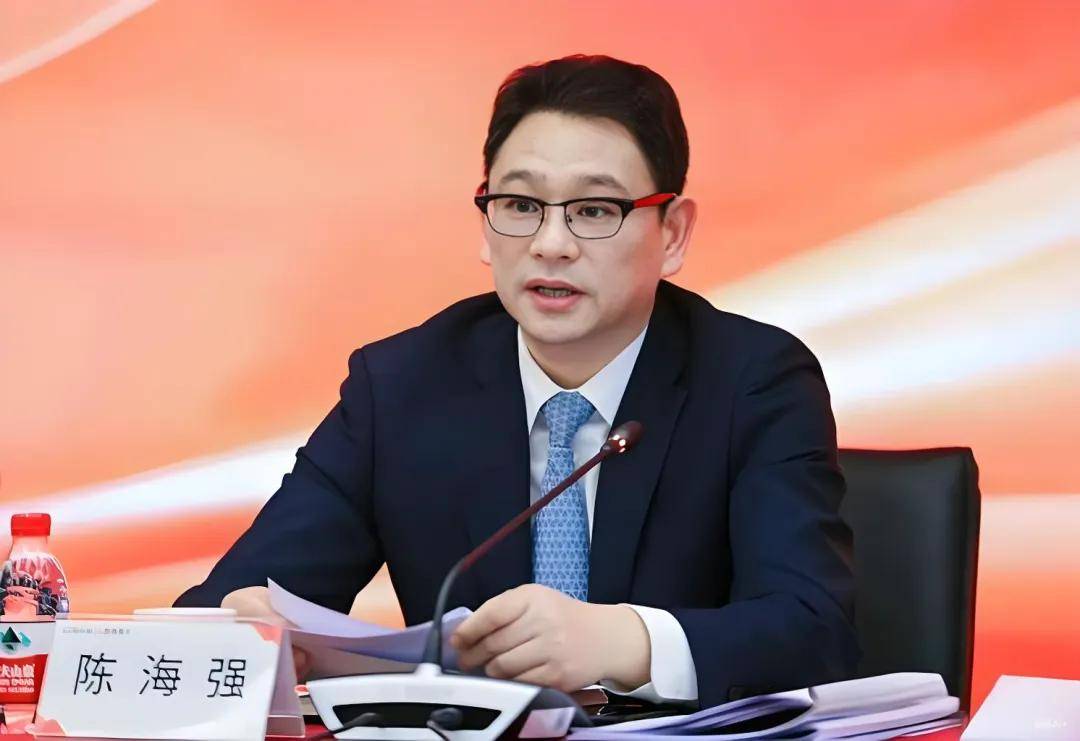
Core Viewpoint - Chen Haiqiang has been appointed as the Party Secretary and nominated as the Chairman of Zheshang Bank, marking a significant internal promotion within the bank's leadership structure [1][4]. Group 1: Leadership Changes - Chen Haiqiang's appointment comes just four months after he officially took over as the President of Zheshang Bank [3]. - The bank's board will expedite the election process for the Chairman position following Chen's nomination [2]. - Chen is the first Chairman of Zheshang Bank to be promoted from within the organization since its establishment, contrasting with previous Chairmen who were externally appointed [4]. Group 2: Chen Haiqiang's Background - Chen has extensive experience in state-owned commercial banks, having started his career at Industrial and Commercial Bank of China in 1995 and later joining China Merchants Bank [5]. - He has held various positions at Zheshang Bank, including President of the Ningbo Branch and Chief Risk Officer, before becoming the President [5]. Group 3: Bank Performance and Strategy - As of the third quarter, Zheshang Bank's total assets reached 3.39 trillion yuan, a 1.91% increase from the beginning of the year, with a non-performing loan ratio of 1.36%, which is still considered relatively poor among peer banks [5][6]. - The bank reported a revenue of 48.931 billion yuan and a net profit attributable to shareholders of 11.668 billion yuan, both showing declines of 6.78% and 9.59% year-on-year, respectively [5]. - Chen has emphasized a strategic shift towards "smart management," focusing on transforming the bank's operations from asset-driven to liability-driven, and moving towards a lower-risk, stable-return asset structure [5].


浙商银行公告,陈海强将升任董事长
中国基金报· 2025-11-17 16:00
Core Viewpoint - Chen Haiqiang has been nominated as the chairman of Zhejiang Commercial Bank, following his recent appointment as president in April this year [2][5]. Group 1: Leadership Transition - Chen Haiqiang's nomination as chairman comes after the retirement of the previous chairman, Lu Jianqiang, due to age [5]. - Chen has extensive experience in the banking sector, having risen through the ranks within Zhejiang Commercial Bank [6]. - His internal promotion is expected to contribute to the bank's stable development and strategic continuity [7]. Group 2: Financial Performance - As of the end of Q3 2025, Zhejiang Commercial Bank reported total assets of 3.39 trillion yuan, reflecting a 1.91% increase from the end of the previous year [9]. - The bank achieved an operating income of 48.931 billion yuan and a net profit attributable to shareholders of 11.668 billion yuan, with net interest income accounting for 70.4% of total income [9]. - The non-performing loan ratio improved to 1.36%, a decrease of 0.02 percentage points from the end of the previous year, indicating enhanced asset quality [9]. Group 3: Strategic Focus - Since 2025, the bank has adopted a long-term approach, prioritizing quality over scale and adjusting its asset structure to focus on low-risk, balanced returns [9]. - The bank is also enhancing its risk control measures, particularly in key sectors like real estate, and leveraging AI to improve risk management capabilities [9].
九卦 | 浙商银行:提名陈海强任董事长
Sou Hu Cai Jing· 2025-11-17 13:59
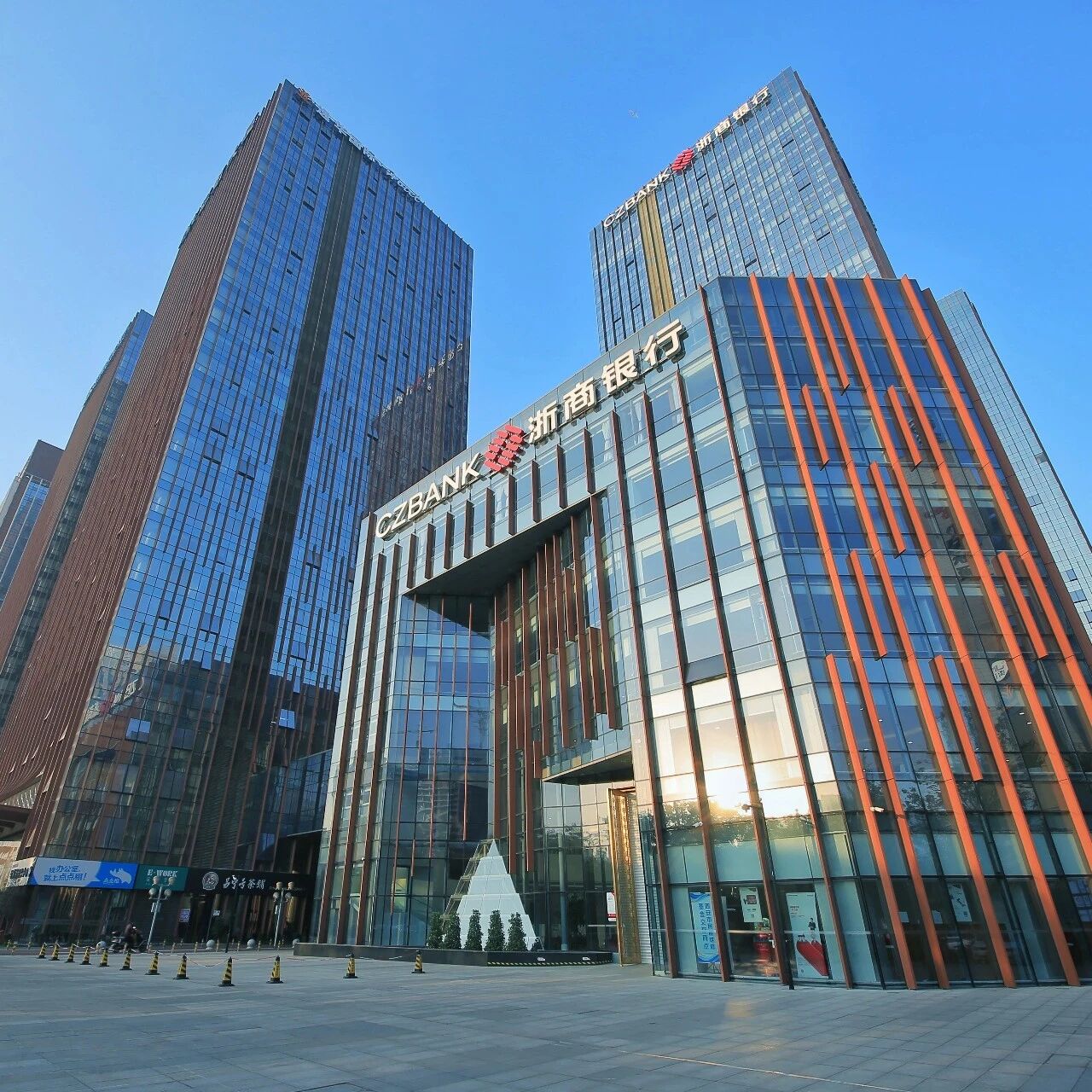
Core Viewpoint - Zhejiang Zheshang Bank has appointed Chen Haiqiang as the new Party Secretary and proposed him as the Chairman, following the resignation of the previous chairman, Lu Jianqiang [1][3]. Group 1: Leadership Changes - Chen Haiqiang was nominated as the President of Zhejiang Zheshang Bank in April and has been acting as Chairman since July [3]. - Chen Haiqiang has extensive experience in the financial sector, having held various positions in both national and local banks [3]. Group 2: Financial Performance - As of the end of September, Zhejiang Zheshang Bank reported total assets of 3.39 trillion yuan, a year-on-year increase of 1.91% [3]. - The bank achieved operating income of 48.931 billion yuan and a net profit attributable to shareholders of 11.668 billion yuan [3]. - The non-performing loan ratio improved to 1.36%, a decrease of 0.02 percentage points from the end of the previous year [3]. Group 3: Strategic Adjustments - The bank is adapting to external pressures by focusing on quality over quantity, shifting its asset structure towards low-risk and stable returns [4]. - It has moved from a focus on single-item returns to a strategy that emphasizes comprehensive returns through scenario-based approaches [4]. Group 4: Risk Management - Zhejiang Zheshang Bank is prioritizing risk control, particularly in key sectors like real estate, and is enhancing its risk management capabilities through AI and other technologies [5]. - The bank's approach is characterized by a prudent and stable risk preference, aiming for sustainable development [5].
对话吴家麒|一位百亿量化创始人的转身:私募退出与长期服务关系的新起点
Xin Lang Zheng Quan· 2025-11-17 07:22
Core Insights - The article discusses the career shift of Wu Jiaqi, founder of a billion-dollar quantitative private equity firm, who has transitioned from finance to acquiring a private high school in Los Angeles, indicating a desire for a slower-paced, clearer-risk environment [1][2][3] Group 1: Career Transition - Wu Jiaqi sold his billion-dollar quantitative private equity firm, Shixiao Investment, and is now focusing on the education sector by acquiring a private high school in the U.S. [2][3] - He emphasizes that this move is not merely a departure from private equity but a strategic extension of his career, driven by personal interests and a desire for long-term engagement [2][3][4] - The decision reflects a shift from high-pressure financial management to a more sustainable and manageable business model in education [6][7] Group 2: Investment Logic - Wu outlines his investment logic in the education sector, which includes three main components: school licenses, reputation, and real estate [5] - He believes that acquiring smaller schools reduces operational variables and overall risk, creating a stable investment model with clear lower limits and potential for growth [5] - The focus on high-net-worth families aligns with his previous experience in private equity, allowing for continuity in client relationships [4][5] Group 3: Market Dynamics - The international education market is becoming increasingly competitive, particularly in first-tier cities, with families exploring alternative pathways to traditional international schools [4] - The acquisition of the private high school is seen as a response to this market trend, positioning the school as a viable option for families seeking quality education [4][5]
贝莱德建信理财总经理张鹏军:以长期主义书写养老理财的“诗与远方”
Shang Hai Zheng Quan Bao· 2025-11-16 17:55
Core Viewpoint - BlackRock Jianxin Wealth Management, led by General Manager Zhang Pengjun, emphasizes a long-term investment approach in retirement financial management, achieving significant growth in assets under management, surpassing 50 billion yuan this year [3][4]. Group 1: Company Growth and Strategy - The company has successfully navigated a redemption wave, with its asset management scale increasing significantly to over 50 billion yuan [3]. - BlackRock Jianxin Wealth Management focuses on a "small but beautiful" long-term strategy rather than blind scale growth, leveraging its strengths in multi-asset investment and retirement financial management [3][4]. - The firm aims to balance scale growth with investment management capabilities, intentionally slowing down growth to ensure alignment with product performance [7][8]. Group 2: Market Trends and Challenges - The bank wealth management market reached a record high of 32 trillion yuan by the end of Q3 this year, driven by customer trust and stable returns [4]. - Despite the growth of joint venture wealth management companies, challenges persist in a low-interest-rate environment, necessitating enhanced multi-asset management capabilities [5][6]. - The demand for wealth management products is shifting towards "deposit substitutes," reflecting a more conservative risk appetite among clients [5]. Group 3: Investment Management and Innovation - BlackRock Jianxin Wealth Management is enhancing its investment management capabilities, focusing on fixed income and multi-asset strategies, while also improving system support through advanced technology platforms [8]. - The company is committed to integrating diverse cultural backgrounds to leverage resources from its shareholders, enhancing product and service capabilities [8]. Group 4: Retirement Financial Management - The company sees significant potential in retirement financial management, with its products performing well amid increasing awareness of retirement planning among residents [9]. - The total scale of China's pension system is projected to reach 15.66 trillion yuan by the end of 2024, indicating vast development opportunities in the pension finance market [9]. - The recent expansion of retirement financial management pilot programs nationwide presents opportunities for product innovation and diversified investment strategies [10].

外资,开始躺平收租了
首席商业评论· 2025-11-16 04:12
Core Insights - The article discusses the trend of foreign companies in China shifting from direct operations to a model of leasing their brands and operations to local partners, indicating a strategic retreat from aggressive market engagement [5][15]. Group 1: Strategic Moves by Foreign Companies - Starbucks has entered into a joint venture with Boyu Capital to operate its retail business in China, valuing the deal at approximately $4 billion [5]. - Decathlon is also rumored to be evaluating the opening of part of its equity in the Chinese market, reflecting a broader trend among foreign firms [7]. - Historical examples include McDonald's selling its controlling stake in China for $2.08 billion in 2016 and Philips selling its home appliance business for €4.4 billion (approximately 34 billion RMB) in 2021 [7][9]. Group 2: Market Challenges - The Chinese market has become increasingly competitive, with Starbucks reporting an 11% drop in same-store sales in Q2 of fiscal year 2024, leading to a decline in both customer spending and transaction volume [9]. - Decathlon, while still growing, is experiencing a slowdown in growth rates due to competition from local brands and online retailers [9]. Group 3: Complexity of Local Operations - The article highlights that managing operations in China has become more complex, requiring local insights and rapid decision-making that foreign companies may struggle to provide [11]. - Yum China, after its spin-off, has successfully localized its product offerings, achieving record revenues and profits [11][12]. Group 4: Shift to Brand Leasing - Foreign companies are realizing that their most valuable asset in China is their brand, leading them to adopt a model where they lease their brand and provide technical services, which generates high margins with low operational risk [13]. - For instance, McDonald's has a brand licensing agreement that allows it to earn 2-5% of sales from its franchisee in China, translating to an estimated annual income of 2-3 billion RMB based on 2023 sales figures [13]. Group 5: Implications of the New Model - This shift to a leasing model benefits foreign companies by allowing them to maintain brand presence while securing cash flow without the operational burdens [14]. - Local teams face both opportunities and challenges as they take on the operational responsibilities of these international brands, which may lead to a shift in corporate culture and operational priorities [14][15].



抖音低价茅台集体下线|首席资讯日报
首席商业评论· 2025-11-16 04:12
Group 1 - Douyin has removed low-priced links for Moutai products, indicating a commitment to regulate misleading sales practices [2] - The majority of Moutai sales links now feature official stores, with third-party low-priced listings taken down [2] - Merchants are awaiting platform assessments to determine if they can continue selling Moutai [2] Group 2 - Xiaomi plans to increase investment in 6G technology research and standardization, having showcased its AI wireless technology prototype at a recent forum [3] - The prototype supports various deployment configurations and aims to leverage AI for data transmission [3] - This move positions Xiaomi to gain a competitive edge in the emerging 6G market [3] Group 3 - Over 80% of winter wheat has been planted nationwide, with significant progress in key regions like Huang-Huai-Hai [4][5] - The recent favorable weather conditions have accelerated the planting process [5] Group 4 - Walmart's CEO Doug McMillon will step down at the end of January, amid challenges such as tariffs and changing consumer demands [6] - This unexpected leadership change comes as the retail giant faces significant industry transformations [6] Group 5 - Bilibili announced 40 new domestic animation projects, including adaptations of popular IPs [7] - The company is collaborating with Shenman Culture for the adaptation of a popular web novel [7] Group 6 - The openEuler community has released a new operating system version supporting super nodes, along with an AI solution [17] - This release marks a significant step in the community's development and collaboration with various enterprises [17] Group 7 - Tim Cook may step down as Apple's CEO as early as next year, with John Ternus seen as a potential successor [18] - The transition plan is reportedly unrelated to the company's current performance [18] Group 8 - Elon Musk stated that the perception of overpopulation is misleading, suggesting that the Earth's population could fit in a single building in New York [19] - He emphasized that much of the Earth remains sparsely populated [19] Group 9 - Shanghai police have cracked down on illegal drone activities, resulting in over 2,500 cases since the initiative began [20] - The crackdown has led to increased registration of drone operators and equipment [20] Group 10 - Musk's X platform has launched a new chat feature aimed at enhancing user communication experiences [21] - This feature integrates audio and video calling, as well as file sharing, into the platform [21]