双碳战略

Search documents
从潜力到生产力:消失模铸造接棒新国标轻量化需求
3 6 Ke· 2025-12-08 10:34
Group 1 - The core viewpoint of the news is the introduction of new regulations by the National Certification and Accreditation Administration of China, which mandates that the plastic content in electric bicycles must be limited to below 5.5%, driving a shift towards lightweight materials like magnesium and aluminum in the industry [2][23]. - The new regulations are expected to accelerate the adoption of lost foam casting technology, which allows for near-net-shape manufacturing of complex thin-walled components, aligning with the industry's demand for precision and efficiency [2][3]. - Companies like Shenyue Casting, which have been in the industry for nearly 30 years, are successfully applying lost foam casting technology to meet the needs of international clients such as Delphi, Bosch, and BMW, indicating a shift towards large-scale application and value validation of this green casting process [2][3]. Group 2 - The lost foam casting technology is recognized for its potential in reducing material waste and processing costs, but its application has been limited due to technical bottlenecks and high initial investment [3][21]. - Recent policy changes and the urgent demand from sectors like new energy vehicles and aerospace are driving the need for complex thin-walled components, which perfectly match the advantages of lost foam casting technology [3][26]. - The industry is witnessing a rapid transition from potential to productivity, with lost foam casting technology gaining attention from capital and industry as a key driver for industrial transformation [3][35]. Group 3 - The lost foam casting process involves several critical steps, including the creation of high-precision foam patterns, integration of models, application of refractory coatings, and the use of vacuum conditions for pouring molten metal, all of which are essential for achieving high-quality castings [6][8][10]. - The technology relies on a "triangle" of key elements: the choice of pattern materials, the performance of coatings, and the precise control of process parameters, which are crucial for the success of the casting process [12][13][17]. - Despite its advantages, the industry faces challenges such as the need for high-performance materials and coatings, as well as the complexity of process control, which are critical for overcoming existing technical barriers [15][19][28]. Group 4 - The Chinese lost foam casting market is characterized by a large consumer base and is expanding due to the increasing adoption of this technology across various industries, particularly in the automotive sector, which accounts for approximately 45-50% of the market [22][24]. - The electric bicycle sector is emerging as a new growth point for lost foam casting, driven by new national standards that promote lightweight and high-end product upgrades, creating opportunities for companies skilled in producing complex metal structures [23][24]. - The market is projected to grow significantly, with estimates indicating that the lost foam casting market in China has reached hundreds of billions and continues to expand steadily, reflecting strong downstream demand and the technology's penetration into traditional casting processes [24][26]. Group 5 - The growth of the lost foam casting industry is driven by stringent environmental policies, cost efficiency, and the structural upgrade of downstream industries, particularly in the context of the "dual carbon" strategy [26][27]. - Leading companies in the industry, such as Shenyue Casting, are leveraging the lost foam casting process to achieve production efficiency while adhering to green manufacturing principles [26][27]. - The industry is also facing challenges related to the adoption of new technologies, as many manufacturers remain unfamiliar with lost foam casting, which can lead to decision-making risks and concerns about dependency on leading suppliers [28][29]. Group 6 - The supply chain for the lost foam casting industry in China is becoming more complete, with a network that includes upstream materials and equipment, midstream casting services, and downstream applications [29][30]. - While basic materials and equipment have largely been localized, high-end materials and precision equipment still rely on imports, which can limit the overall advancement of the industry [29][30]. - The interaction between high-end manufacturing demands and technological innovation is creating a positive feedback loop that drives continuous improvement across the entire supply chain [30][31]. Group 7 - The future growth of the lost foam casting market will depend on quality transformation and efficiency improvements rather than just capacity expansion, with a focus on integrating digital and intelligent technologies [32][33]. - The demand for high-performance, lightweight materials in sectors like new energy vehicles and aerospace is expected to create new market opportunities for lost foam casting technology [32][35]. - The industry is moving towards a collaborative ecosystem where the ability to innovate across the supply chain will be a key competitive advantage [33][35].


【协办单位---广发期货有限公司 】2025中国新能源·新材料产业大会
中国有色金属工业协会硅业分会· 2025-12-08 09:46
Core Viewpoint - The article emphasizes the importance of materials such as silicon, lithium, and platinum-palladium in the context of energy transition and global carbon neutrality goals, highlighting their role as foundational elements in strategic emerging industries like new energy generation and high-end equipment manufacturing [2]. Group 1: Industry Context - The ongoing energy transition and the pursuit of global carbon neutrality are driving the demand for key materials essential for new energy and new materials industries [2]. - The Chinese Nonferrous Metals Industry Association is organizing the 2025 China New Energy and New Materials Industry Conference in Guangzhou, scheduled for December 11-12, to promote the integration and collaborative innovation of new production capacities in these sectors [2].
【协办单位---华泰期货有限公司】2025中国新能源·新材料产业大会
中国有色金属工业协会硅业分会· 2025-12-08 09:46
Group 1 - The article emphasizes the importance of materials such as silicon, lithium, and platinum-palladium in the context of energy transition and global carbon neutrality goals, highlighting their role in strategic emerging industries like new energy generation and high-end equipment manufacturing [2] - The China Nonferrous Metals Industry Association is set to hold the 2025 China New Energy and New Materials Industry Conference in Guangzhou from December 11 to 12, aimed at promoting the integration of new production forces in the new energy and materials sectors [2] Group 2 - Huatai Futures Co., Ltd. was established on March 28, 1994, as a wholly-owned subsidiary of Huatai Securities, with a registered capital of 3.939 billion yuan, focusing on commodity futures brokerage, financial futures brokerage, investment consulting, asset management, and fund sales [3] - The company has established a nationwide service network with 9 branches and 42 business offices, leveraging over 200 business outlets of Huatai Securities across the country [3] Group 3 - Huatai Futures aims to serve the development of the real economy and meet wealth management needs, adhering to a corporate culture of "diligence, collaboration, integrity, and responsibility" [4] - The company has maintained a leading position in client equity scale and market transaction share, demonstrating rapid growth in recent years [5] Group 4 - The company has established a leading position in the over-the-counter options business, solidifying its core competitive advantages in business scale, product design, pricing, technology platform, trading, and risk control [7] - Huatai Futures has begun to show its core competitive strength in research and investment in bulk commodity derivatives, achieving industry leadership and high brand recognition [9] Group 5 - The company has increased its investment in talent, forming a comparative advantage in high-end talent, particularly in innovative business areas, which drives the company's transformation and innovation [11] - Huatai Futures has built a core competitive advantage in IT, significantly increasing its market share in transaction volume and value across five futures exchanges and energy centers, particularly maintaining industry leadership in the energy center [13]

【特邀协办---南沙期金产业园投资有限公司 】2025中国新能源·新材料产业大会
中国有色金属工业协会硅业分会· 2025-12-08 09:46
Group 1 - The article emphasizes the importance of materials such as silicon, lithium, and platinum-palladium in the context of energy transition and global carbon neutrality goals, highlighting their role as foundational elements in strategic emerging industries like new energy generation and high-end equipment manufacturing [2] - The China Nonferrous Metals Industry Association is organizing the 2025 China New Energy and New Materials Industry Conference on December 11-12 in Guangzhou, Guangdong Province, to promote the integration and collaborative innovation of new production capacities in the new energy and new materials sectors [2]
【协办单位---中信期货有限公司 】2025中国新能源·新材料产业大会
中国有色金属工业协会硅业分会· 2025-12-08 09:46
Group 1 - The article emphasizes the importance of materials such as silicon, lithium, and platinum-palladium in the context of energy transition and global carbon neutrality goals, highlighting their role as the foundation for strategic emerging industries like new energy generation and high-end equipment manufacturing [2] - The China Nonferrous Metals Industry Association is organizing the 2025 China New Energy and New Materials Industry Conference on December 11-12 in Guangzhou, Guangdong Province, to promote the integration and collaborative innovation of new production forces in the new energy and new materials sectors [2]
鲁东大学研发“桩瞳”系统,攻克海上风电桩基冲刷监测难题
Zhong Guo Qing Nian Bao· 2025-12-08 08:37
Core Insights - The offshore wind power industry in China is rapidly developing under the "dual carbon" strategy, but the foundation of offshore wind turbines faces risks due to erosion from waves and tides, which can lead to reduced load-bearing capacity and potential tipping of wind turbines [1][2] Group 1: Technological Innovations - A research team from Ludong University has developed the "Zhaotong - Offshore Wind Power Foundation Erosion Intelligent Monitoring and Early Warning System," providing an innovative solution to the industry's challenges [1] - The system achieves three core breakthroughs: - 360-degree, all-weather monitoring through a 16-dimensional distributed stress sensor array, integrating multiple modules such as vibration, flow velocity, water pressure, and pressure to create a comprehensive sensing network [1] - Real-time early warning capabilities using advanced algorithms like Kalman filtering, principal component analysis, and BP neural networks to accurately assess erosion depth and evaluate the safety status of the foundation [1][2] Group 2: Deployment and Cost Efficiency - The system features a lightweight and modular design that allows for quick installation in just ten minutes on-site, with remote communication and unmanned operation capabilities, making it cost-effective for widespread adoption [2] - The development process involved numerous simulations in a large wave flume at Ludong University and field tests in various locations, ensuring the system's stability in real marine environments [2] Group 3: Recognition and Future Plans - The "Zhaotong" system received unanimous acclaim from experts at the "Challenge Cup" competition for its technological advancement, engineering feasibility, and significant application value [2] - The team plans to continue optimizing the system and promote its application in more offshore wind farms, contributing Chinese wisdom and solutions to the global offshore wind power industry [2]
维信诺趋势案例:协同产业链打造全生命周期绿色低碳创新解决方案——以技术革新与生态协同引领新型显示产业可持续发展
Huan Qiu Wang· 2025-12-08 08:34
Core Insights - Visionox Technology Co., Ltd. is leveraging its full industry chain collaborative innovation capabilities to create comprehensive green low-carbon solutions across manufacturing, supply chain, and consumer ends in the context of the "dual carbon" strategy and global consensus on green development [1][2] Group 1: Manufacturing Innovations - Visionox is addressing high energy consumption and non-degradable materials in the new display industry by introducing PFAS Free materials, a liquid recovery system, and low-power display technologies [1][3] - The company has completed the development of over 20 PFAS Free materials by 2025, eliminating the use of "permanent chemicals" in key production materials, thus setting a benchmark for green manufacturing upgrades [3][4] Group 2: Industry Chain Collaboration - Visionox is acting as a bridge within the industry chain, promoting resource recycling and establishing a collaborative green ecosystem with upstream and downstream partners [6] - The company has initiated a standardized recycling process for packaging materials, significantly increasing the recycling rate and reducing carbon emissions in the logistics phase [6] Group 3: Consumer-End Energy Efficiency - Visionox is focusing on low-power solutions to meet consumer demands for energy efficiency, launching the world's first LTPS 20Hz mobile low-refresh solution, which reduces power consumption by over 20% compared to traditional technologies [7][8] - The company has developed a flexible AMOLED low-reflection COE technology that reduces power consumption by over 20% while achieving 100% DCI-P3 color gamut coverage [8] Group 4: Global Impact and Future Directions - Visionox aims to share its green low-carbon solutions as a replicable industry template, promoting sustainable development in the global new display industry [8] - The company plans to expand the application of green innovations and deepen industry chain collaboration to further embed low-carbon principles across various sectors [8][9]

锡华科技启动A股招股:深耕风电领域二十余载 技术引领赋能双碳战略
Sou Hu Cai Jing· 2025-12-08 07:58
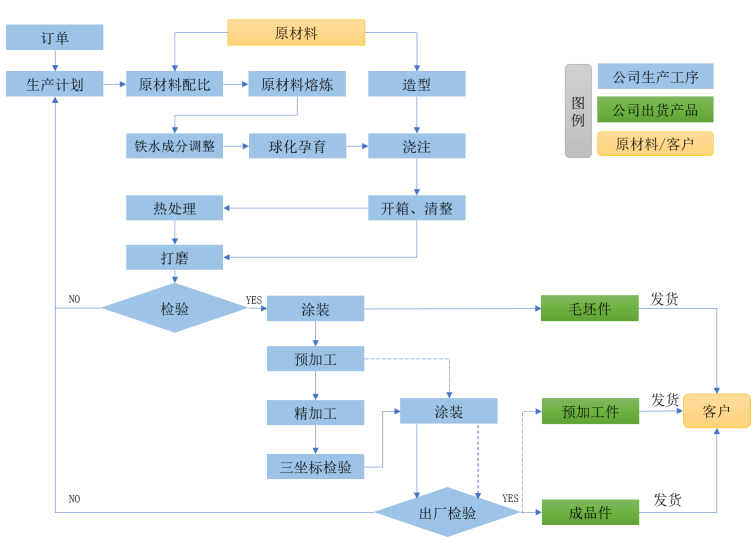
招股意向书显示,锡华科技成立于2001年6月,其主要从事大型高端装备专用部件的研发、制造与销售,产 品结构以风电齿轮箱专用部件为主、注塑机厚大专用部件为辅,是全球行业领先、质量可靠、技术卓越的 大型高端装备专用部件制造商。 全工序服务构筑竞争力 央广网北京12月8日消息(记者 邹煦晨)近日,江苏锡华新能源科技股份有限公司(以下简称"锡华科 技",603248.SH)正式发布首次公开发行股票并在上交所主板上市的招股意向书,拟公开发行新股1亿股, 占发行后总股本的21.74%。 锡华科技的核心竞争优势之一,在于其具备国内少有的全工序服务能力。 资料显示,风电是实现"双碳"战略发展目标的重要方式之一,是我国新能源领域发展新质生产力的重要力 量。随着风电机组大型化、降本增效趋势的发展,风电装备制造厂商倾向于选择具备毛坯制造与机械加工 全工序服务能力的专用部件企业,以减少外协加工带来的运输成本增加、产品质量不稳定、交付周期不确 定等因素的影响。 锡华科技在招股意向书中表示,公司在高端装备专用部件领域拥有毛坯制造与机械加工全工序服务能力, 是国内少数可提供大型风电齿轮箱专用部件从前端毛坯制造到后端成品加工全工序服务的企业 ...
中国气象局:2024年我国人为碳排放增幅显著收窄
Ren Min Wang· 2025-12-08 06:12
Core Insights - The China Meteorological Administration released the "China Greenhouse Gas Bulletin (2024)", which is a key decision-making product for addressing climate change and aligns with the World Meteorological Organization's global bulletin [1] Group 1: Greenhouse Gas Concentrations - In 2024, the annual average concentration of carbon dioxide at the Wuliang Station reached 424.9 ppm, an increase of 3.5 ppm from 2023, which is consistent with the global average [1] - The annual average concentrations of methane and nitrous oxide were recorded at 2003 ppb and 338.4 ppb, respectively, slightly above the global average [1] Group 2: Carbon Emissions - Human-induced carbon emissions in China are projected to increase by approximately 0.6% in 2024 compared to 2023, a significant reduction from the previous year's growth rate and lower than the global increase of 0.8% [1] Group 3: Monitoring Network - Since the early 1990s, the China Meteorological Administration has conducted greenhouse gas observations at the Wuliang National Atmospheric Background Station, establishing a national monitoring network that includes 1 WMO global background station, 7 regional background stations, 11 pilot background stations, and over 120 greenhouse gas observation stations [1]
2025光伏行业年度大会西安举办,光伏ETF华夏(515370)上涨0.77%,迈为股份涨超11%
Mei Ri Jing Ji Xin Wen· 2025-12-08 02:08
Core Viewpoint - The A-share market saw a collective rise in its three major indices, with the photovoltaic ETF Huaxia (515370) increasing by 0.77%, driven by significant inflows and positive industry developments [1] Group 1: Market Performance - The photovoltaic ETF Huaxia (515370) experienced a substantial inflow of over 110 million yuan in the past two trading days [1] - Key holdings such as Maiwei Co. surged over 11%, while Jiejiawei and Juhua Materials rose by more than 5% and 1% respectively [1] Group 2: Industry Developments - The China Photovoltaic Industry Association will hold the 2025 Photovoltaic Industry Annual Conference in Xi'an, Shaanxi Province, from December 17 to 18, 2025, to discuss key industry issues [1] - The conference aims to address the challenges of the photovoltaic industry, including the "involution" dilemma, and promote high-quality and sustainable development [1] Group 3: Future Outlook - Zhongyuan Securities predicts that the photovoltaic industry will enter a sustained capacity clearance cycle by 2026, driven by "anti-involution" policies, mergers and acquisitions, and increased entry barriers [1] - The performance of existing enterprises is expected to gradually improve as the competitive landscape optimizes [1] Group 4: ETF Composition - The photovoltaic ETF Huaxia (515370) tracks the CSI Photovoltaic Industry Index, encompassing upstream, midstream, and downstream companies in the photovoltaic supply chain, including silicon wafers, polysilicon, battery cells, cables, photovoltaic glass, battery modules, inverters, photovoltaic brackets, and power stations [1]