科技创新

Search documents
“一盒救命药为什么能卖4万块,因为花了50年才研发出来”
Guan Cha Zhe Wang· 2026-02-09 10:04
"十五五"时期经济社会发展的七大主要目标的第二条,就是要大幅提高科技自立自强水平。在企业已经 成为创新主体的今天,我们的投融资系统支持力度如何,还需要在那些方面做出改进?【问诊2026中国 经济】第五篇,观察者网邀请了北京大学博雅特聘教授、第十四届全国人大代表田轩来为我们分析。 在交流中,田轩认为,间接融资为主导的传统金融模式,已不再适应创新驱动国家战略,并与科技创新 需求之间存在"错位"。以电影《我不是药神》为例,一盒救命药为什么能卖4万块?因为它花了50年才 研发出来。从0-1的创新周期长、耗资巨大,但银行为代表的间接融资无法适应科技创新的长期性。 田轩解释道,间接融资和科技创新的错配,实际体现在以下几条。 第一个是追求"确定性"和"不确定性"的错配。科技创新本质上是对未知路径的探索过程,是一个从"0到 1"、"无中生有"的过程。它和现代化大生产的那种以扩大规模为逻辑的常规性工作是非常不一样的。 第二个错配是短期和长期的错配。银行或者间接融资更多追求短期,而科技创新是长期。创新不是一蹴 而就,是非常漫长的过程。在美国,发明一个创新药有所谓"双十"的说法:即平均要花十年,要投10亿 美金。 田轩表示,"电影 ...
沪深北交易所优化再融资 释放3个信号
Xin Hua She· 2026-02-09 09:58
2月9日,沪深北交易所宣布优化再融资一揽子措施。再融资是资本市场的重要基础制度,在支持上市公 司做优做强、促进资源优化配置等方面发挥着重要作用。这一轮优化,释放出3个信号。 业内预计,这将缩短优质上市公司再融资的时间周期,有利于企业抢抓市场机遇,进一步做优做强,也 有利于引导市场资源加快向新质生产力领域聚集。 与此同时,支持优质上市公司将募集资金用于与主营业务有协同整合效应的新产业、新业态、新技术领 域,用于符合新质生产力发展的第二增长曲线业务。 为更好适应科创企业再融资需求,沪深北交易所优化再融资间隔期要求,按照未盈利标准上市且尚未盈 利的科技型上市公司再融资,前次募集资金基本使用完毕或未改变募集资金投向的,融资间隔期调整为 不少于6个月。存在破发情形的上市公司,可以通过定增、发行可转债等方式合理融资,募集资金需投 向主营业务。 此外,沪深交易所还同步就主板上市公司"轻资产、高研发投入"认定标准公开征求意见,拟允许符合条 件的上市公司将募集资金补流超过30%的部分,用于与主营业务相关的研发投入。 "这些优化针对科技型上市公司再融资的痛点发力,意味着中国资本市场正努力构建更加适配科技创新 规律的融资服务体系。 ...
新五丰聚焦降本增效,加速产业升级
Jing Ji Wang· 2026-02-09 08:22
2月4日,正值立春,万象更新。作为"产业升级和提质增效年"的开局之年,新五丰紧密围绕"抓 好'七大攻坚'、推动'七大升级'、提升'七大能力'"的战略部署,紧扣《降本增效三年行动方案》主线, 以经济效益为中心,以智能化、绿色化、融合化为方向,全面锻造企业核心竞争力,奋力向国内一流综 合性农业企业迈进。 夯实经营"基本盘":优产能结构,降本增效 科技赋能产业发展。近年来,新五丰坚持将科技创新作为驱动发展的核心动力。一方面,深化与一 流生猪企业及高校院所的联合育种合作,全力攻关生猪育种关键技术,力争实现核心种源自主可控的突 破;另一方面,全面推进数字化转型升级,将数字化深度融入养殖、饲料、屠宰、营销及企业管理全链 条,着力提升运营效率、决策精度与市场响应能力,为产业长期价值增长注入科技动能。 面对生猪行业周期调整与市场结构性变化,新五丰主动作为,系统推进产能优化升级,有序退出低 效老旧产能,集中资源加速优质产能释放与效益转化。 这是新五丰落实"持续淘汰和改造落后产能,加快优质产能迭代升级"要求的具体实践,旨在提升整 体资产质量与运营效率,进一步巩固生猪稳产保供的基石作用,为国家肉品供应链的安全稳定提供坚实 保障。 ...

监管再加码!虚拟货币的“野路子”该彻底停了
Qi Lu Wan Bao· 2026-02-09 08:01
Group 1 - The recent regulatory measures by the Chinese government aim to strengthen the control over virtual currencies, addressing ongoing issues in the market and closing loopholes in previous regulations [2][3] - The central bank and other departments have reiterated their stance against virtual currencies since 2013, with the latest regulations being more detailed and stringent, targeting all activities related to virtual currencies [2][3] - The new regulations indicate a zero-tolerance approach towards illegal activities related to virtual currencies, regardless of whether they occur domestically or internationally [3][4] Group 2 - Companies involved in any business related to virtual currencies are prohibited from providing services such as account creation, transaction assistance, or promotional activities [4] - Individuals are advised against participating in any virtual currency trading, as it is considered illegal and poses significant financial risks [4] - The regulatory environment is evolving to become more mature and proactive, anticipating risks associated with emerging business models like Real World Asset (RWA) tokenization [3]


为全球企业在沪深耕发展提供新机遇拓展合作空间
Xin Lang Cai Jing· 2026-02-09 07:58
裴安德表示,每次来到中国上海,都惊叹于中国、上海的发展活力和创新速度。中国发展规划的连续性 战略性和上海务实高效的营商环境,坚定了企业投资深耕的信心决心。将以蔡司大中华区总部综合园区 在沪启动建设为契机,携手合作伙伴推动技术创新、产业创新,提供更专业更高品质的产品服务和解决 方案,更好推动可持续发展。 市领导李政、华源参加相关会见。 本报讯 市委书记陈吉宁近日分别会见了勃林格殷格翰股东委员会主席冯保和、蔡司集团总裁兼首席执 行官裴安德。 陈吉宁介绍了上海"十五五"规划相关情况。他说,今年是中国"十五五"开局之年,上海正按照习近平主 席重要指示要求,更加积极主动扩大高水平对外开放,把科技创新摆在更加突出位置,深化"五个中 心"建设,推动高质量发展。我们制定实施"十五五"规划,确定上海未来五年发展目标任务,以发展环 境的长期、稳定、透明和可预期,为全球企业在沪深耕发展提供新的机遇,拓展更为广阔的合作空间。 生物医药是上海重点发展的三大先导产业之一,勃林格殷格翰是全球领先的生物制药企业,欢迎持续加 大在沪创新研发和业务布局力度,围绕基础研究、临床试验、生产制造等加强新药开发合作,参与构建 开放创新生态。用好东方枢纽 ...
霸菱:中资股今年仍有丰富投资机会 瞄准4大投资主题
Zhi Tong Cai Jing· 2026-02-09 07:48
Group 1 - The core viewpoint is that AH shares are approaching a critical moment, benefiting from strong capital inflows, policy support, and attractive valuations, with Chinese stocks expected to provide rich investment opportunities in 2026, focusing on themes such as technological innovation, industrial transformation, and consumer opportunities [1] - Despite a significant valuation re-rating in 2025, with the MSCI China Index's forward P/E ratio rising to 13.1 times, the market still shows a substantial discount, over 35% compared to developed markets, and lower than other emerging markets [1] - Domestic and international investors have a low holding ratio in Chinese stocks; if earnings visibility and investor confidence continue to improve, there is room for increasing allocation [1] Group 2 - The local AI models in China are rapidly closing the gap with their American counterparts, showing significant progress in natural language processing, image, and video analysis, which reflects the innovation wave in the local ecosystem supported by numerous large and specialized developers [2] - In manufacturing, factors such as automation, industrial AI, and the expected commercialization of humanoid robots by 2026 are accelerating the upgrade of the sector [2] - The Chinese government is shifting its policy focus towards energy storage solutions, advanced batteries, and system integration, providing a wide range of investment opportunities in the electrification value chain from battery materials to parts production [2] - The strategy is shifting from investment and export to consumption, with a focus on sectors like tourism, leisure, sports, and gaming, which are better positioned to withstand macroeconomic fluctuations and offer attractive long-term profit growth potential [2]
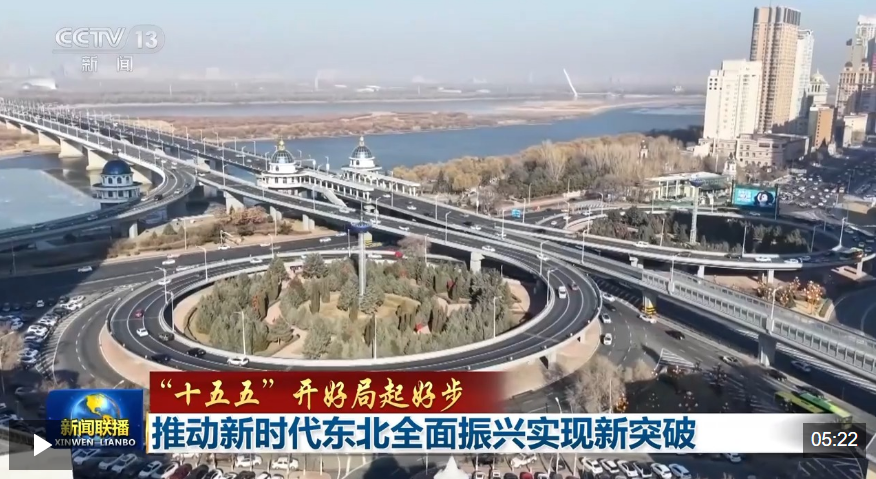
“十五五”开好局起好步丨推动新时代东北全面振兴实现新突破
Yang Shi Xin Wen Ke Hu Duan· 2026-02-09 07:15
习近平总书记指出,推动东北全面振兴,根基在实体经济,关键在科技创新,方向是产业升级。"十五五"开局之年,东北地区牢记总书记嘱托,以科技创新 为引领,加快发展新质生产力,积极构建具有东北特色优势的现代化产业体系,推动新时代东北全面振兴实现新突破。 新的一年,东北各地立足资源禀赋,高质量发展有力推进。 生产车间,吉林化纤碳纤维产销量跃居全球第一,实现历史性突破。 工程一线,位于内蒙古东部地区的特高压工程,平均每天将1.3亿度清洁电能稳定输送到全国各地。 黑土地里,高标准农田建设加紧进行。今年,卫星遥感、大数据、物联网等一批新技术将加速赋能农业生产。 东北资源条件好,产业基础比较雄厚,区位优势独特,发展潜力巨大。党的十八大以来,习近平总书记多次赴东北考察调研,主持召开专题座谈会,为新时 代东北全面振兴擘画蓝图、指引方向。总书记指出,推进中国式现代化,需要强化东北的战略支撑作用。他强调,要统筹推动传统产业转型、优势产业壮大 和新质生产力培育。"十五五"开局起步之年,东北地区沿着总书记指引的方向,全面深刻准确领会把握党的二十届四中全会战略部署,奋力推动东北全面振 兴取得新突破。 以科技创新引领传统产业转型升级。 今年, ...
蔡司启动大中华区总部综合园区建设,开启本土化发展新篇章
Huan Qiu Wang· 2026-02-09 07:00
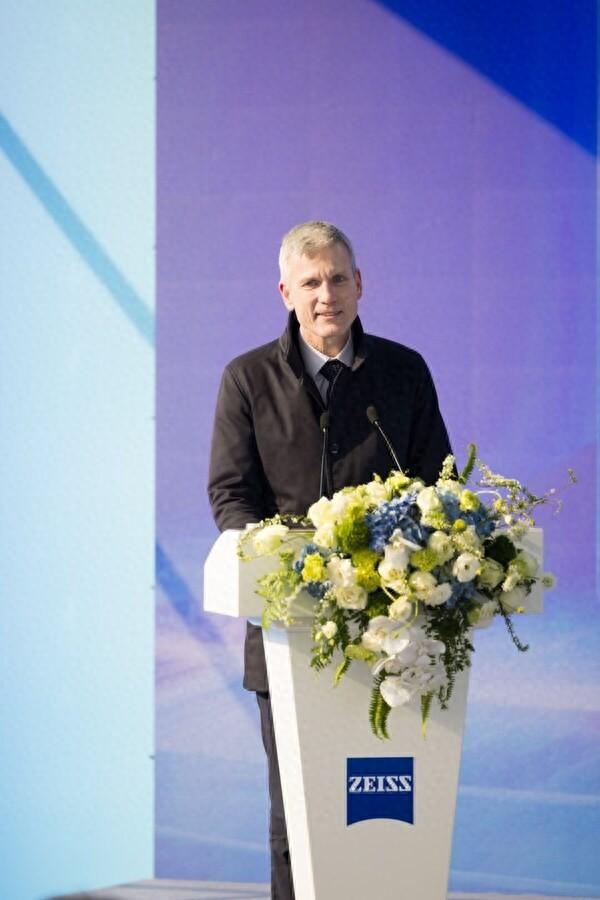
蔡司大中华区总裁兼首席执行官费铭远(Martin Fischer) 来源:美通社 上海2026年2月7日 /美通社/ -- 作为光学与光电领域的全球领先科技企业,蔡司在上海外高桥保税区正式 启动大中华区总部综合园区建设项目。新园区规划建设用地面积超5万平方米,是蔡司迄今为止在华规 模最大的单笔基础设施投资。新园区建成后,将整合并升级蔡司大中华区总部的管理、运营、销售、研 发、生产、供应链等核心职能,全面提升本地运营与协同能力。蔡司也将进一步增强在华创新研发能 力,把新园区打造成为蔡司全球创新网络的关键枢纽。建设新园区是蔡司在华本土化发展的全新里程 碑,标志着蔡司在浦东、在上海进一步深植根基,持续深化对中国市场的长期承诺。 蔡司集团总裁兼首席执行官裴安德(Andreas Pecher)先生表示:"今年恰逢蔡司成立180周年和'蔡司 2030战略'开启,在追求韧性与增长的道路上,蔡司将继续在全球范围内深化本地布局。中国是蔡司最 大、最具活力的市场之一,而上海立足中国经济发展的前沿,为全球企业提供了广阔的发展空间,期待 新园区成为驱动蔡司全球创新与业务增长的能量引擎,也为中国经济的高质量发展注入强劲而持久的科 创动 ...
北京市海淀区市场监管局标准化创新实践入选全国优秀案例
Xin Lang Cai Jing· 2026-02-09 06:55
Core Insights - The first Standardization Construction Practice Exchange Seminar was held in Beijing, guided by the China Standardization Association, where the "Haidian Model" case was recognized as a typical example for its innovative approach to standardization [1][2] Group 1: Policy Support - Haidian District has proactively introduced and upgraded district-level standardization support policies, creating a comprehensive funding support system covering standard formulation, pilot demonstration, international cooperation, and talent cultivation [2] - The policies aim to precisely stimulate the standard creation vitality of various innovative entities [2] Group 2: Platform Development - Leveraging the rich innovation resources of Zhongguancun Science City, Haidian District is actively establishing national standard verification points and industry standard application pilots [2] - The district has been hosting standard innovation conferences to build a collaborative ecosystem involving government, industry, research, education, and application [2] - Strategic cooperation with national professional standardization technical committees is being deepened to ensure precise alignment between standards and industry [2] Group 3: Service Mechanism - The "Innovation Partner" service mechanism is continuously being refined, along with the establishment of technical trade measures service stations [2] - A "1+N" standardization resource docking network is being constructed to strengthen the deep connection between standardization technical needs and industrial development [2] - This approach effectively integrates the critical chain from technology research and development to standard creation and industrial transformation [2]
携手NBC亮相超级碗,追觅扫地机闪耀顶级体育赛事
Zhi Tong Cai Jing· 2026-02-09 06:08
美国当地时间2月8日,在美式橄榄球领域最高级别的赛事期间,追觅扫地机在赛事2026年独家转播方 NBC的黄金广告时段重磅亮相,与全美用户共同庆祝这一年度盛事。与此同时,追觅扫地机在国内也 与央视春晚联动,其央视春晚官方合作产品已同步开售,实现海内外核心舞台上的同频发声。 从国际体育盛事到国家级文化舞台,追觅扫地机的高规格亮相,彰显了其在全球智能清洁行业的头部地 位。 超级碗是美国年度文化与商业的顶级舞台,在比赛期间,追觅科技与其独家转播媒体NBC达成合作, 宣传短片在NBC旗下传播渠道的黄金时段亮相。超级碗代表极限竞争与巅峰对决,追觅扫地机所追求 的,是对技术边界的不断探索。凭借以用户为中心的创新理念,追觅扫地机先后推出仿生机械臂、仿生 机械足等引领行业的首创技术,推动全球智能清洁行业不断向前。 此次亮相的X60Ultra扫地机,正是追觅扫地机极致创新能力的真实写照。X60系列扫地机机身高度约 7.95厘米,超薄机身刷新行业产品新标准,大幅提升低矮空间覆盖能力;超广角双目灵动导航避障技 术,实现更精准的动态避障与路径规划能力。在不久前的CES2026上,X60Ultra还斩获包括Best of Innovat ...