
二级制裁

Search documents
刚拿到稀土,美国就改协议,不许中国买俄伊石油,普京已安排访华
Sou Hu Cai Jing· 2025-07-28 02:39
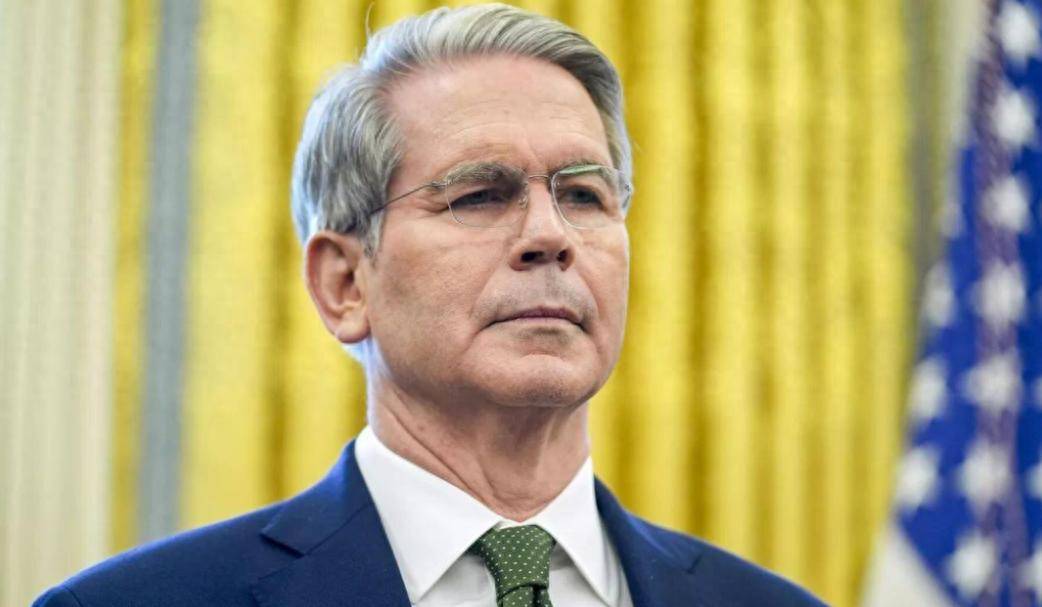
中美会谈前夕,美国竟临时改变主意,想要给中国定下死规矩,对于美国出尔反尔、过河拆桥的行径,中国该如何应对呢? 日前美国财政部长贝森特在接受采访期间,表示中美将在8月"关税休战"到期前进行磋商。5月中美在瑞士日内瓦会谈期间,确认达成临时性的"关税 休战",双方相互降低关税,为期三个月。算算时间,这一轮"关税休战"正是在8月到期。因此在休战到期前,中美会开启新的磋商,达成更多共 识,并延长"关税休战"。那么既然如此,中美新一轮磋商前景如何呢? 华之行。普京已经安排访华是此前已经公开的事实,但俄方此时公开有关消息,不排除它们也是担心因为美国的施压,给中俄合作造成困扰,所以 先放出风声,表现出俄罗斯对中俄关系的重视,稳定中俄关系,避免中俄合作被破坏。 贝森特透露,他打算将中国对俄罗斯和伊朗石油的采购纳入到谈判讨论范围内。因为伊朗核问题,美国当下还在对伊朗保持制裁,也不准别国购买 伊朗的石油。至于对俄罗斯,近期无论是美国还是北约方面都放话称,一旦美国总统特朗普给俄罗斯的50天期限到期,俄罗斯还没有和乌克兰达成 停火协议的话,美国就要对俄罗斯实施严厉制裁,至于和俄罗斯进行能源贸易的国家,比如中国、印度和巴西,美国则会针对 ...

突发!俄罗斯,发动大规模袭击!特朗普首次表态
券商中国· 2025-07-26 04:14
Core Viewpoint - The ongoing Russia-Ukraine conflict continues to escalate with significant military actions reported from both sides, alongside diplomatic developments involving the U.S. and potential negotiations between Russia and Ukraine. Group 1: Military Actions - Over the past week, Russian forces have conducted 10 joint strikes targeting Ukrainian military industrial enterprises, military airfields, and drone facilities [2][3] - Russian Black Sea Fleet has destroyed 4 Ukrainian unmanned boats, while Russian air defense systems intercepted and destroyed 27 aerial bombs, 7 rockets, 4 Neptune missiles, and 2049 drones [3] - Ukrainian Armed Forces reported 85 battles occurring on the front lines, with the Pokrovsk region experiencing the most intense fighting [4] Group 2: Attacks on Ukrainian Cities - On July 25, Russia launched ballistic missile attacks on Kharkiv and Dnipropetrovsk regions, causing significant damage [5][6] - Reports indicate that Kharkiv was targeted by multiple airstrikes, resulting in injuries and fatalities among civilians, including a child [7][9] - An explosion in a residential building in Saratov resulted in 3 deaths, including one child, attributed to a suspected gas explosion [10][12] Group 3: Diplomatic Developments - Former U.S. President Trump expressed a desire to maintain the limits set by the New START treaty on U.S. and Russian strategic nuclear weapons, marking his first statement on this since taking office [13][14] - Trump indicated that the treaty, which limits each country to 1550 deployed nuclear warheads, is crucial for international security and should not be allowed to expire [15][16] - Discussions are ongoing regarding a potential meeting between Russian President Putin and Ukrainian President Zelensky, with both sides showing interest in negotiations [20][23]
谁买俄罗斯石油就加100%关税,特朗普是认真的,却被埃及嘲讽
Sou Hu Cai Jing· 2025-07-22 12:05
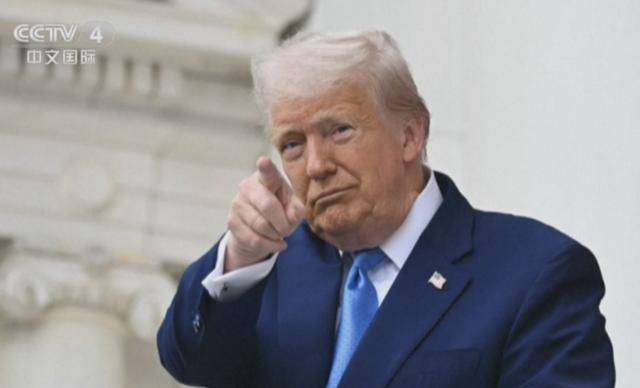
长达三年半的俄乌冲突,或许在未来几个月内迎来大结局。 连老挝这样贫穷的国家都忍不住在俄乌冲突上押注,准备往俄乌边境派遣扫雷部队协助。而普京本人更 是不惜和特朗普撕破脸,也要打下去。 特朗普发现,除非美军亲自下场,好像还真没有什么好的反制手段。 他想来想去,想出了一个"好办法":——谁买俄罗斯石油,美国就对其征收100%关税。 上周,特朗普和北约秘书长吕特进行会谈时,称要给俄罗斯50天时间,如果俄罗斯在50天内还不能达成 协议,那就要对俄罗斯征收100%的关税,而且是二级制裁,和俄罗斯有贸易往来的国家同样将征收 100%的关税。 对于这个威胁,基本上没谁当真,毕竟俄罗斯是能源出口大国,欧洲、中国、印度等国都需要从俄罗斯 买能源。特朗普真敢对大家征收这么高的关税吗? 目前来看,美国还真是这么想的。 7月21日,美国财政部长贝森特称,目前中美双方贸易形式良好,接下来要讨论其他议题,比如——伊 朗和俄罗斯石油贸易问题。 贝森特称,"中国是伊朗和俄罗斯最大的石油买家,我们将讨论这些问题。" 为什么专门和中国谈这个问题?因为美国也知道,真要因为这种莫名其妙的理由给中国加关税,中国百 分之百的会进行反制,到时候特朗普就又回 ...
谁给俄罗斯订单,就加500%关税?莫迪这次没忍住,局势乱成一锅粥
Sou Hu Cai Jing· 2025-07-22 09:10
Core Viewpoint - The U.S. President Trump's announcement of potential 100% tariffs on Russia and secondary sanctions on countries purchasing Russian energy has raised significant international concern, particularly from India, which relies heavily on Russian oil imports [1][3]. Group 1: U.S. Tariff Policy - The proposed 100% tariffs on Russian goods are unlikely to have a substantial direct impact on the Russian economy, as the total U.S.-Russia trade is only about $3.5 billion, with over 85% of U.S. imports from Russia consisting of fertilizers and inorganic chemicals [1]. - The real threat lies in the secondary sanctions targeting countries that buy Russian energy, which could impose tariffs as high as 100% or more [1][3]. Group 2: India's Response - India, as the third-largest oil consumer globally, imports 85% of its oil, with approximately 35% sourced from Russia. The Indian government emphasizes the importance of securing its energy needs and is wary of double standards in trade [3]. - Indian officials have indicated that they can diversify their oil imports, increasing the number of sourcing countries from 27 to 40, thus mitigating the impact of potential U.S. sanctions [3]. Group 3: Geopolitical Implications - The U.S. tariff threats may inadvertently strengthen cooperation between China and India, as both countries face similar trade pressures from the U.S. [5]. - India's strategic autonomy is challenged by U.S. actions, leading to discussions about reviving trilateral cooperation with Russia and China [3][5]. Group 4: Criticism of U.S. Policy - Critics in the U.S. argue that secondary tariffs will not deter countries from purchasing Russian energy and may damage the U.S.'s reputation as a reliable trade partner [5][7]. - Research indicates that imposing such tariffs could result in significant economic losses for the U.S., potentially up to $30 trillion, and increase the likelihood of a recession [5][7]. Group 5: Global Trade Dynamics - The unilateral approach of the U.S. is seen as damaging to multilateral trade systems and could accelerate the shift towards a multipolar international order [7]. - The ongoing geopolitical tensions and trade disputes highlight the complexities of global interdependence, suggesting that dialogue and cooperation are essential for resolving conflicts [7].
特朗普果然骗了全世界,美国做出一重要决定,谁给俄罗斯订单,就加500%关税?印度这次没忍住
Sou Hu Cai Jing· 2025-07-22 07:42
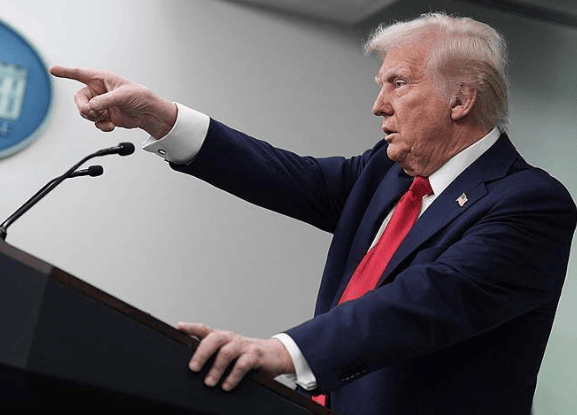
据新华社报道,日前,美国总统特朗普放话:俄乌50天内不签和平协议,美国将祭出500%次级关税。 特朗普(资料图) 这一幕在白宫椭圆办公室上演时,北约秘书长吕特就站在旁边。镜头扫过,吕特点头附和:任何继续跟俄罗 斯做生意的国家,都可能被"二级制裁"砸中。话音落地,印度外交部发言人贾伊斯瓦尔隔海回怼:别搞双 标,保障印度能源安全才是头等大事。 特朗普的牌面看似凶狠,其实漏洞早已摆上台面。白宫官员私下向CNN解释,总统口中的"500%"只是国会草 案上限,能否落地取决于他与共和党议员的拉锯,而特朗普本人更担心能源价格反噬美国通胀。换句话说, 雷声大、雨点未必真砸得下来。但吕特接棒放狠话,却给了新德里一个绝佳的反击切口:欧洲自己还在买俄 罗斯LNG,凭什么让印度断油?芬兰智库CREA的账本写得明白,2022年以来欧盟一直是俄气最大买家,土耳 其更拿下俄油头把交椅。数字摆在那里,双标就成了靶子。 印度这次没再委婉。贾伊斯瓦尔在记者会直接把"重启中俄印三边机制"抛上台面。这不是一句外交辞令,而 是三张底牌:一是能源账本,印度38%的原油进口来自俄罗斯,中断意味着国内油价立刻失控;二是谈判筹 码,莫迪政府刚在农业议题上对美 ...
美国发出威胁,必须放弃俄罗斯石油?特朗普的一记狠招,却让印度靠向中俄?
Sou Hu Cai Jing· 2025-07-22 03:58
Core Viewpoint - The article discusses the geopolitical implications of the U.S. warning of secondary sanctions against countries purchasing Russian oil, particularly targeting India and China, and highlights India's response and diversification of energy sources [1][3][5]. Group 1: U.S. Sanctions and Global Energy Dynamics - The U.S. under Trump has threatened secondary sanctions on countries buying Russian oil if a ceasefire with Ukraine is not reached within 50 days, aiming to cut off Russia's energy exports [1]. - This warning is perceived as a direct attempt to pressure major buyers like India and China, indicating a shift in global energy dynamics and international relations [1][3]. Group 2: India's Response and Energy Strategy - India's Oil Minister stated that the country is confident in meeting its energy needs through diversified sources, having increased its procurement countries from about 27 to 40 [3]. - Indian officials criticize the double standards of Western nations, particularly the EU, which continues to purchase Russian energy while urging others to refrain [3][5]. Group 3: Multilateral Cooperation and Diplomatic Moves - India is considering reviving the trilateral cooperation mechanism with China and Russia, indicating a shift towards multilateral discussions in response to U.S. sanctions [3][5]. - China's stance emphasizes dialogue and negotiation as the only viable solution to the Ukraine crisis, opposing unilateral sanctions and advocating for multilateral cooperation [5][8]. Group 4: Broader Implications for International Relations - The situation reflects a growing divide in international relations, where some countries are using sanctions as a tool while others are seeking to break through these constraints with diversified strategies [8]. - India's balanced foreign policy aims to maintain strategic cooperation with Russia while expanding ties with the U.S. and Europe in technology and defense sectors, avoiding alignment in the U.S.-Russia conflict [8].
大越期货聚烯烃早报-20250722
Da Yue Qi Huo· 2025-07-22 02:29
交易咨询业务资格:证监许可【2012】1091号 聚烯烃早报 2025-7-22 大越期货投资咨询部 金泽彬 从业资格证号:F3048432 投资咨询证号: Z0015557 联系方式:0575-85226759 重要提示:本报告非期货交易咨询业务项下服务,其中的观点和信息仅作参考之用,不构成对任何人的投资建议。 我 司不会因为关注、收到或阅读本报告内容而视相关人员为客户;市场有风险,投资需谨慎。 • LLDPE概述: • 1. 基本面:宏观方面,6 月PMI为 49.7%,较上月上升 0.2 个百分点,连续三个月位于收缩 区间,6 月财新PMI 为 50.4,高于 5 月 2.1 个百分点,与 4 月持平,重回临界点以上。7月 14日,美威胁在50天内对俄原油实施二级制裁。18日工信部宣布将推动包括石化行业在内的重点 行业调结构、优供给、淘汰落后产能的稳增长方案。供需端,农膜淡季,包装膜略有好转,下游 需求整体弱势。当前LL交割品现货价7220(+40),基本面整体中性; • 2. 基差: LLDPE 2509合约基差-70,升贴水比例-1.0%,偏空; • 3. 库存:PE综合库存58.7万吨(+3.3) ...
官员访华后,莫迪态度骤变,印度拟向4国购油,美阻挠失败
Sou Hu Cai Jing· 2025-07-21 14:32
Core Viewpoint - India's recent diplomatic maneuvers indicate a shift in its foreign policy, particularly in response to U.S. pressures regarding tariffs and sanctions on Russia, suggesting a potential realignment with China and Russia for strategic partnerships [1][3][4]. Group 1: Diplomatic Relations - Indian Foreign Minister S. Jaishankar's visit to China emphasized the need for increased communication and cooperation between India and China, highlighting a warming relationship [1]. - Following Jaishankar's visit, the Indian government expressed interest in reviving the trilateral cooperation mechanism with China and Russia, indicating a strategic pivot [1][3]. Group 2: Economic Pressures - The U.S. is imposing tariffs that could significantly impact the Indian economy, prompting India to seek alternative partnerships to mitigate these pressures [3]. - India is considering diversifying its oil imports, planning to increase purchases from Iran, Iraq, and the UAE while maintaining some level of trade with Russia [4][6]. Group 3: Strategic Positioning - India is attempting to balance its relationships with both the U.S. and Russia, leveraging its position as a major buyer of Russian oil while also responding to U.S. demands [6][9]. - The Indian government is aware of the risks of being perceived as unreliable by its partners due to its dual approach in foreign relations, particularly in the context of U.S. sanctions [9].
美国财长贝森特:如果我们对俄实施二级制裁,将敦促欧洲跟随美国的做法。
news flash· 2025-07-21 11:51
美国财长贝森特:如果我们对俄实施二级制裁,将敦促欧洲跟随美国的做法。 ...
白话拆解|印度高官回怼美国:买谁的能源我们自己说了算!
Sou Hu Cai Jing· 2025-07-18 12:17
Group 1 - India's Oil and Gas Minister, Hardeep Singh Puri, asserts that India will not succumb to U.S. threats regarding secondary sanctions on countries purchasing Russian energy products, emphasizing India's right to decide its energy procurement sources [1] - The share of Russian crude oil in India's imports has significantly increased since the onset of the Russia-Ukraine conflict, rising from approximately 2% in February 2022, while India has diversified its energy supply sources from about 27 to around 40 countries [1] - Over the past decade, India has accounted for 16% of the global increase in crude oil demand, with projections indicating that 25% of the world's new oil demand over the next 20 years will come from India, according to the International Energy Agency [1] Group 2 - Russia is a major global energy supplier, producing about 9 million barrels of oil per day, which constitutes approximately 10% of global daily production and consumption [2] - If Russian energy supplies were to exit the international market, it could lead to reduced energy consumption in other regions, potentially causing significant disruptions in heating, cooling, and transportation [2] - India's approach to energy procurement involves open import tenders, where the lowest bidder meeting the required product standards wins the contract, ensuring competitive pricing [2] Group 3 - Historically, U.S. sanctions have been viewed as a tool between diplomacy and warfare, with over 3,900 sanctions implemented during Trump's first term, marking the highest frequency of sanctions by any U.S. administration [3] - Evidence suggests that sanctions and blockades do not lead to peace, as seen in historical contexts such as the Cold War and ongoing geopolitical tensions, indicating that unreasonable sanctions often result in mutual losses and disrupt international political and economic order [3] - The recent U.S. threats of secondary sanctions are perceived as efforts to protect U.S. interests, potentially disrupting global energy market supply chains and exacerbating existing crises rather than resolving them [3]