印太战略

Search documents
你觉得印度会低头吗?
Sou Hu Cai Jing· 2025-08-26 10:48
Group 1 - Trump has imposed a 50% tariff on Indian goods, doubling the previous rate, which is expected to severely impact Indian exporters [1][3] - The tariffs were introduced as a response to India's purchase of Russian oil, with the U.S. claiming it is part of sanctions against Russia, while critics argue it unfairly targets India [3][5] - India's exports to the U.S. amount to $120 billion annually, representing 17% of its total exports, making the country vulnerable to these tariffs [5] Group 2 - Modi's government faces pressure to resist the tariffs due to the importance of small businesses and farmers in India's economy, as a weak response could be politically damaging [5][7] - Potential retaliatory measures from India could include imposing tariffs on U.S. products, particularly in agriculture and technology sectors [5][7] - The situation may lead India to accelerate de-dollarization efforts, using alternative currencies for trade, which could undermine U.S. dollar dominance [7] Group 3 - The geopolitical implications of the tariffs could push India closer to Russia and China, complicating U.S. strategic interests in the Indo-Pacific region [7] - The ongoing trade conflict is characterized as a political spectacle, with both Trump and Modi prioritizing domestic political considerations over economic consequences [7]

新德里打“印太牌”在美国那里吃瘪了
Sou Hu Cai Jing· 2025-08-25 12:14
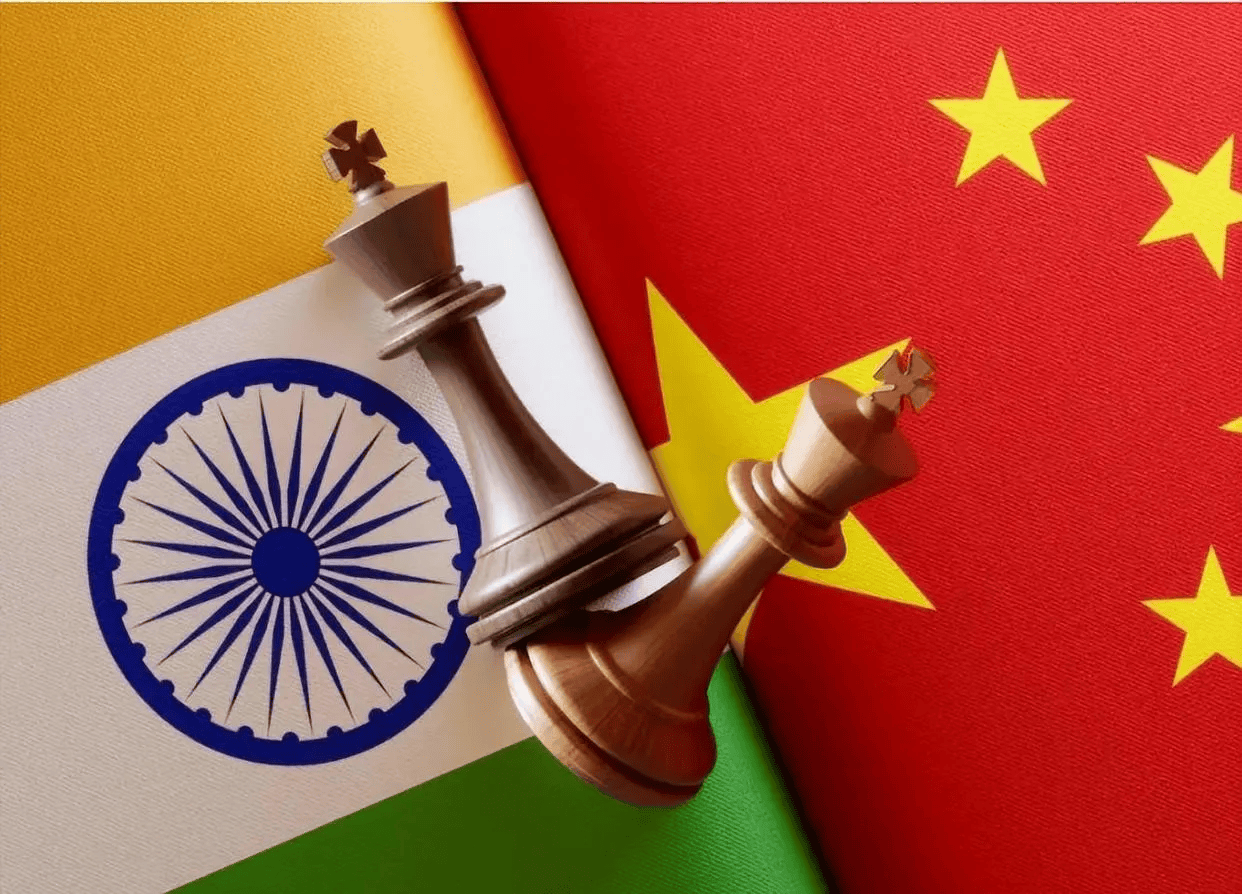
印度自视为最大的民主国家,与美国关系良好,是美国的"准同盟"。 今年2月13日,特朗普总统就任不到一个月,莫迪老仙便跑到白宫"拜码头",承诺对美"降关税、谴劳工、购军火",特朗普称赞莫迪是"能干大事儿"的领导 人,并强调美印将联手打造"史上最伟大的贸易路线"。印媒称,这体现了印度在特朗普新任期的"优先地位"。 没想到,4月2日白宫却宣布对印度征收26%的高额关税。一脸懵逼的印度赶紧请来美国副总统万斯救场,这位副总统的夫人是印度裔,又是特朗普的宠臣。 万斯带着老婆孩子在印受到超规格接待,双方相谈甚欢。为表忠心,印度向美递了一份"投名状",宣布对中国的热轧钢、冷轧钢等22类产品加征12%的临时 关税。 印度本以为搞定美国了,会像英国一样享受10%的最低基准税率。但到了8月,美国政府宣布对印度商品叠加50%的关税,以迫使印度放弃俄罗斯石油进 口,并开放农产品和乳制品市场,这严重触及了印度的国本。 印度至死也搞不明白,中国不是美国的"死对头"吗?印度在美国的"印太战略"中处于关键角色,印度在关税、南海、台湾和边境问题上一直配合美国对华施 压,为什么美国不领情?中印同是俄油采购大户,为什么美国单独对印加征关税,而放过中 ...
朝中社:李在明访日之行是充当美日韩军事合作“急先锋”
Xin Lang Cai Jing· 2025-08-25 07:52
朝中社25日发表评论文章,批评韩国总统李在明23日的访日之行是充当美日韩军事合作"急先锋"。 文 章评论说,韩日领导人会晤23日在日本东京举行。韩国执政者此次的访日之行打破了韩国总统上任后优 先访美的外交惯例。韩国执政者旨在把强化美日韩三角军事同盟中的一轴——韩日关系的坚定态度展示 给美方,而这会导致地区安保危机进一步升级。 文章指出,由于韩日强化合作,"带有侵略性的美日韩 三角军事同盟的结构和功能将会进一步提升,并对朝鲜半岛和东北亚地区形势造成严重影响"。文章 说,此次韩日领导人会晤的议题表明,两国有意积极参与美国"印太战略",预示着安保环境将进一步被 破坏,而这正是此次韩日领导人会谈蕴藏的危险。 文章警告说,面对追求霸权的美国及其随从势力造 成的令人担忧的事态,朝方绝不会坐视不管。(新华社) ...
与普京会晤后,美方立马对中方改了口风,莫迪昭告全球:印度不跪
Sou Hu Cai Jing· 2025-08-19 05:13
Economic Impact of Tariffs - The implementation of tariff policies has severely impacted the US economy, with inflation soaring by 2.9% and clothing prices experiencing a 60% surge [3] - Corporate supply chain costs have increased by 13%, leading to production halts in companies like Ford due to rare earth supply disruptions [3] - Trump's approval rating has dropped by 14 percentage points due to tariff-related issues, particularly affecting agricultural states where farmers have suffered significant losses from Chinese tariffs on US beef and soybeans [3] Response from China - China has responded firmly to US tariffs, emphasizing the legitimacy of energy cooperation and rejecting tariff threats [3] - China's control over rare earth materials has become a critical leverage point, directly impacting the US military and electric vehicle industries, with companies like Tesla seeking urgent assistance [3] - Historical precedents indicate that the US has previously had to retract 100% tariffs on China, suggesting a potential for similar outcomes in the current situation [3] India's Economic Challenges - The US has raised tariffs on Indian goods from 25% to 50%, threatening India's $77.5 billion export market and putting 6 million jobs at risk [4] - India's defense procurement from Boeing has been halted, leading to a 3% drop in Boeing's stock price, while Indian farmers have faced retaliatory tariffs on US soybeans and almonds [4] - India has secured a stable energy supply from Russia at a 30% discount, mitigating some impacts of US tariffs [4] Manufacturing Sector Comparison - China's manufacturing sector constitutes 28% of its GDP and dominates 90% of global rare earth processing capacity, while India's manufacturing share has decreased from 16% to 13% [6] - Despite Apple's plans to shift some production to India, the majority of iPhone 16 Pro production remains in China, highlighting India's ongoing reliance on Chinese manufacturing [6] Cooperation Between China and India - The rapid cooperation between China and India has taken the US by surprise, with India redirecting textile orders to Chinese e-commerce platforms [7] - Following the implementation of US tariffs, India's exports to the US only decreased by 2.7%, while exports to China surged by 19.3% [7] - The establishment of a direct currency exchange between the Indian Reserve Bank and China has accelerated the de-dollarization process among BRICS nations, with trade volumes expected to exceed $100 billion within three years [7] Regional Geopolitical Shifts - The collective actions of BRICS countries have significantly undermined the US's "Indo-Pacific Strategy," with various nations opting to bypass US influence in trade agreements [7] - Investments in the Asia-Pacific region have surged, with a 58% increase in Chinese investments in high-speed rail and 5G infrastructure, totaling $1.2 trillion [7]
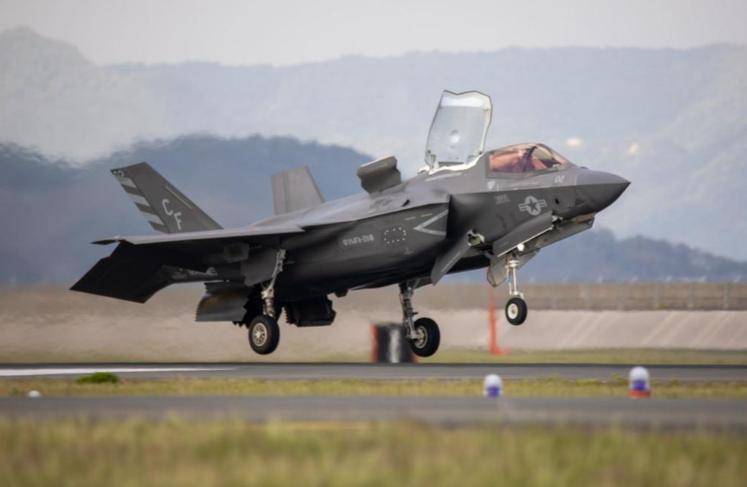
不许中国改变现状!美国打不赢关税战,要军事威慑?又有F35B迫近
Sou Hu Cai Jing· 2025-08-17 04:08
Group 1 - The U.S. has been actively trying to limit China's rise through various strategies, including tariffs and military deployments, but these actions have not significantly threatened China and have instead highlighted U.S. challenges [1][3][12] - Since 2018, the U.S. has imposed tariffs on Chinese steel, aluminum, and expanded to technology products, aiming to curb China's manufacturing upgrades and semiconductor industry [3][8] - The U.S. has strengthened its Indo-Pacific strategy by forming alliances with countries like Japan, Australia, and India, and has provided military technology to Australia, indicating a clear focus on countering China's influence [1][5] Group 2 - In 2024, the U.S. increased military aid to Taiwan and pressured European nations to reduce investments in China, but these countries maintained their economic ties with China [5] - The trade war escalated with the U.S. planning to impose a 145% tariff on Chinese goods in 2025, while China prepared to retaliate with a 125% tariff, leading to significant economic tensions [10] - Despite economic setbacks, the U.S. continued to enhance its military presence in the region, deploying F-35B fighter jets to Japan, which increased military tensions in the area [10][12]
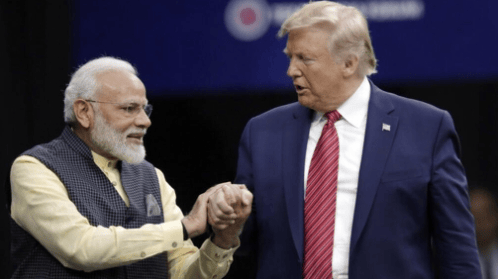
先见之明!特朗普没想到,印度“去美国化”,俄罗斯意外躺赢,
Sou Hu Cai Jing· 2025-08-17 02:35
Group 1 - The article discusses the deteriorating relationship between India and the United States, highlighting India's response to increased tariffs imposed by the Trump administration, which raised tariffs on Indian goods to 50% [1][10] - Indian businesses are feeling the impact of these tariffs, with significant losses reported, such as the Farida Group, which has $114 million in frozen projects due to the tariff hike [1][10] - In contrast, the U.S. has shown favor towards Pakistan, granting lower tariffs and engaging in military cooperation, which has further strained India's position [3][5] Group 2 - The Indian government, led by Modi, has taken a firm stance against U.S. pressure, halting arms purchases from the U.S. and participating in the Shanghai Cooperation Organization (SCO) summit hosted by China [5][7] - India's pivot towards Russia for energy and military cooperation has strengthened ties, as India continues to purchase Russian oil despite U.S. sanctions [5][7] - The article suggests that India's "de-Americanization" strategy may serve as a warning to other nations about the risks of U.S. hegemony, as countries seek alternative partnerships [10][8]
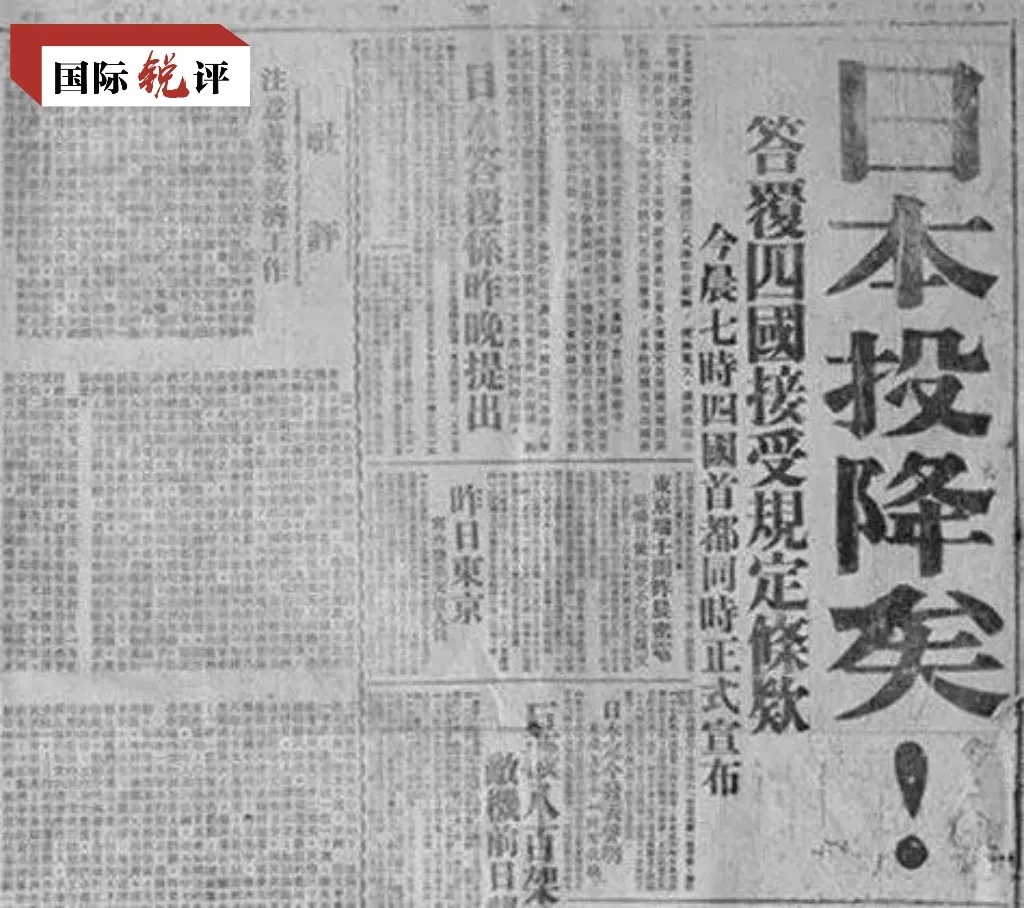
国际锐评丨战后80年,日本的“历史健忘症”该治治了
Yang Shi Xin Wen Ke Hu Duan· 2025-08-15 08:20
Core Viewpoint - The article emphasizes the importance of remembering historical events, particularly Japan's wartime actions during World War II, to prevent repeating past mistakes and to cherish peace achieved after the war [1][3]. Group 1: Historical Context - The article highlights that Japan's militaristic actions during World War II caused immense suffering, particularly in China, where over 35 million people were casualties of the war [1]. - It notes that August 15, 1945, marks Japan's unconditional surrender, symbolizing the victory of the Chinese people in the Anti-Japanese War and the global anti-fascist struggle [1]. Group 2: Current Political Climate - The article discusses Japan's current political landscape, where some politicians and right-wing groups are attempting to downplay Japan's wartime responsibilities and distort historical facts, such as the Nanjing Massacre and the "comfort women" issue [3][4]. - It mentions Japan's recent shift in historical discourse, where the government has moved away from established practices of addressing historical issues, leading to criticism of Japan's regression on historical matters [3]. Group 3: Military and Strategic Developments - The article outlines Japan's increasing military budget and its efforts to amend its pacifist constitution, which raises concerns about a resurgence of militarism [3][4]. - It points out that Japan's defense strategy is evolving, with the upcoming 2024 upgrade of the U.S.-Japan Security Treaty shifting the alliance's focus from defense to a more offensive posture, which could embolden Japan's military ambitions [4]. Group 4: International Reactions - The article notes that there is growing international criticism of Japan's attempts to whitewash its wartime history and its military expansion, with voices from various countries expressing concern over Japan's actions [5]. - It highlights that some Japanese citizens are becoming aware of the true historical events, leading to shock and disillusionment regarding the government's narrative [5].
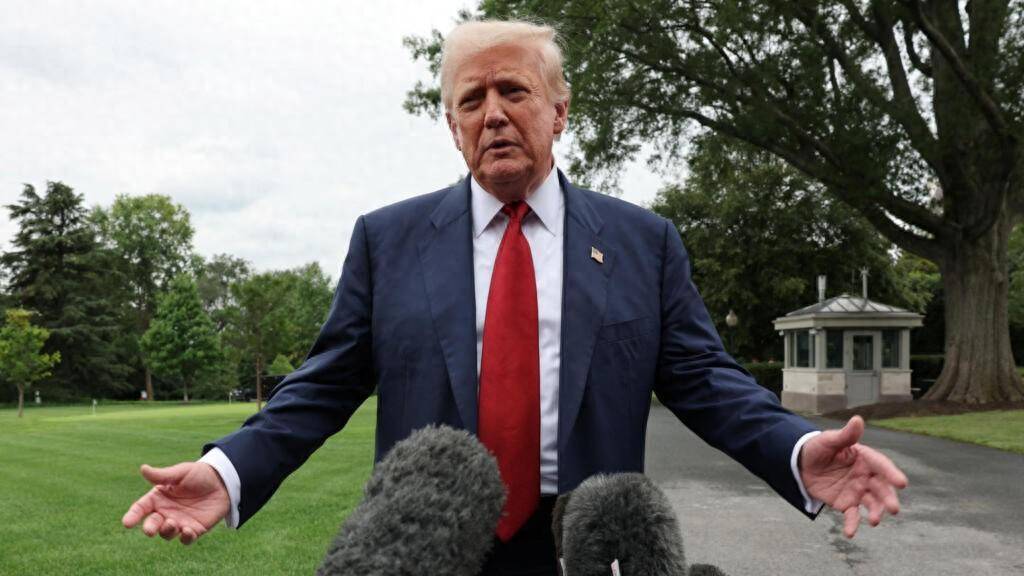
特朗普对印度征收50%关税,莫迪却转向中国,美国搬起石头砸自己脚
Sou Hu Cai Jing· 2025-08-14 00:02
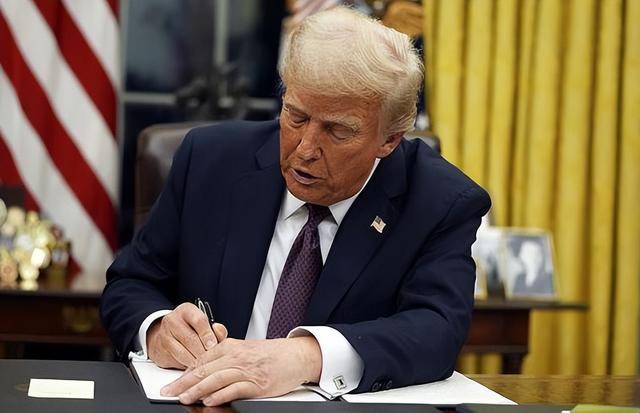
2019年8月11日,特朗普签署总统令,将对华关税暂停期延长90天,至11月10日。表面上看,这是缓兵之计,为中美紧张关系提供了一定的缓冲;然而,对 印度而言,这却是一记重拳。高达50%的惩罚性关税几乎席卷了印度对美出口商品的全部,让印度经济遭受重创。 印度的困境并非源于偶然。特朗普政府将印度视为"软柿子",其高额关税背后是美国对印度在美印贸易谈判中"不配合"态度的强烈不满,特别是印度迟迟不 肯开放农业市场。 更深层次的原因在于,特朗普试图通过打压印度,以达到离间俄印关系,瓦解金砖国家联盟,最终实现其"联俄抗华"战略目标的野心。 印度成为了他策略中牺牲的"案例",用以震慑其他国家。 特朗普的贸易战策略:一场没有赢家的博弈 因此,当与美国的关系跌入冰点时,莫迪政府将目光转向东方。一系列积极的举动标志着中印关系的显著改善:两国直航恢复,国防部长和外交部长互访, 以及对中企投资审查的放松,这些都表明印度正在主动修复与中国的战略关系。甚至比亚迪搁置两年的10亿美元投资项目也重新看到了希望。 莫迪此后对中国的访问,并非简单的多边会议参与,而是向美国发出的强烈信号:印度并非没有选择,世界并非只有一个中心。 印度寻求与上合 ...
全面反美?莫迪政府通告美国,对美征收150%关税,特朗普迎生死局
Sou Hu Cai Jing· 2025-08-13 03:14
Core Points - The relationship between the US and India has deteriorated significantly due to Trump's imposition of a 25% tariff on India, raising the total tariff rate to 50% [1][3] - India is expected to respond with reciprocal measures, as it has previously imposed a 150% tariff on US whiskey to protect domestic products [1][3] - The trade friction marks a critical phase in US-India relations, potentially leading to a reassessment of their strategic alliance [1][4] Geopolitical Objectives - Trump's tariff aims to reduce India's reliance on Russian military and energy supplies, pushing India towards the Western "anti-Russian camp" [3] - The strategy aligns with the US goal of isolating Russia amid ongoing geopolitical tensions [3] Economic Objectives - The tariffs are intended to address the trade deficit the US faces with India, which has grown to over $129 billion in total trade [1] - By imposing tariffs, the US aims to encourage the return of manufacturing and mitigate the hollowing out of its industrial base [3] Political Objectives - The tariff imposition serves to project a strong stance to domestic conservative groups, fulfilling campaign promises and potentially aiding in the upcoming 2026 midterm elections [3] - The move reflects a broader strategy to shift public attention and garner support from voters [3] Potential Consequences - High tariffs may complicate US exports to India, particularly in agricultural and technology sectors, exacerbating domestic inflation [3] - Deterioration of US-India relations could undermine the US's global dominance and necessitate a reevaluation of its foreign policy [4] - Modi's government is likely to pursue strategies to diversify exports and reduce dependence on the US market, emphasizing the importance of strategic autonomy [4]
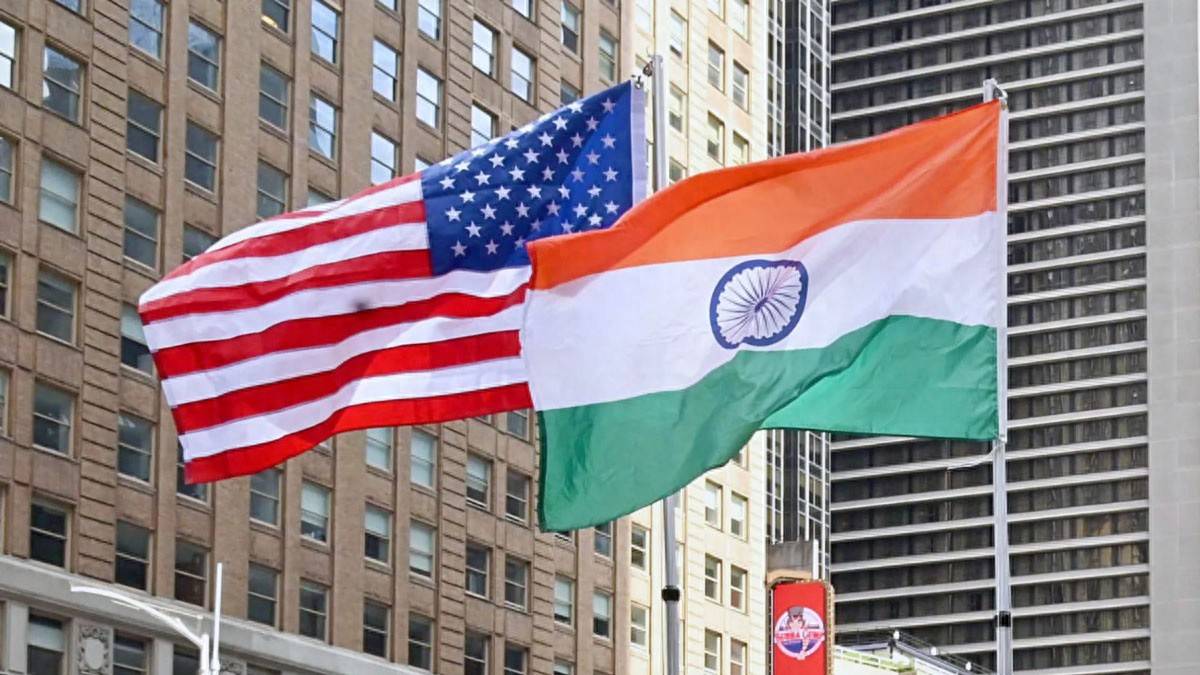
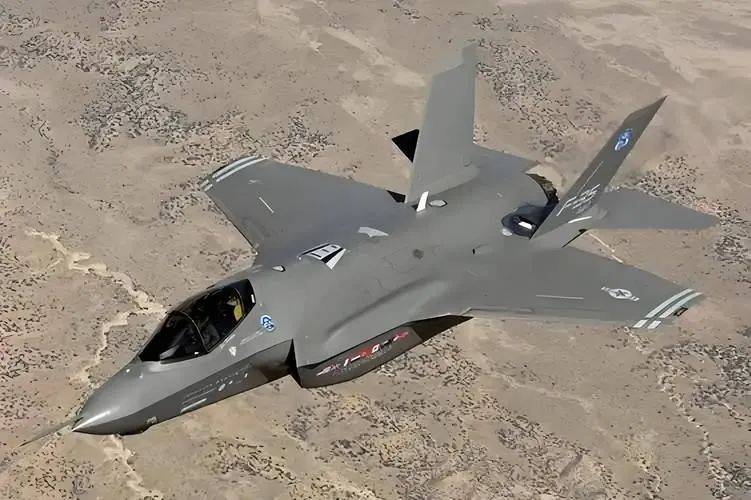
“你敢加我关税,我就不买F-35战机”!特朗普没想到莫迪会这么硬气,这下轮到美国有麻烦了
Sou Hu Cai Jing· 2025-08-11 09:15
Core Viewpoint - India has announced the suspension of its F-35 procurement plan, which has raised significant concerns in the military community, especially given the long-standing interest India has shown in acquiring this advanced stealth fighter jet [1][3]. Group 1: Background and Context - The interest in the F-35 began approximately five to six years ago when former U.S. President Trump casually mentioned the possibility of selling F-35s to India during a meeting, which India interpreted as a major diplomatic breakthrough [1]. - Despite India's enthusiasm, the U.S. Department of Defense has never included F-35 sales to India in its annual military sales lists, and U.S. military media have not reported on it either, leading to a disconnect between expectation and reality [3]. Group 2: Recent Developments - The recent imposition of tariffs by the Trump administration on Indian imports, increasing from 25% to 50%, has put pressure on India, prompting the government to announce the suspension of the F-35 procurement as a strategic move [3][5]. - India is using the F-35 as leverage to renegotiate its relationship with the U.S., indicating dissatisfaction with being treated as a "tool" in U.S. strategic interests [3][5]. Group 3: Implications for U.S.-India Relations - The suspension of the F-35 procurement highlights the complexities in U.S.-India relations, where the U.S. has been reluctant to share critical technologies while expecting India to make significant purchases [5][7]. - The F-35's high cost, exceeding $80 million per unit, poses a substantial burden on India's defense budget, leading officials to emphasize a focus on domestic defense capabilities instead [3][5]. Group 4: Broader Strategic Consequences - The situation has revealed a shift in India's defense strategy, with increasing cooperation with China and Russia, as evidenced by recent joint military exercises, which could further complicate U.S. interests in the region [5][7]. - The U.S. military-industrial complex, particularly companies like Lockheed Martin, may face significant financial repercussions due to the loss of the F-35 order, which was expected to contribute positively to their annual performance [5][7].