
品牌溢价

Search documents
找雪中飞代工羽绒服,阿迪达斯做错了吗?
3 6 Ke· 2025-11-03 12:51
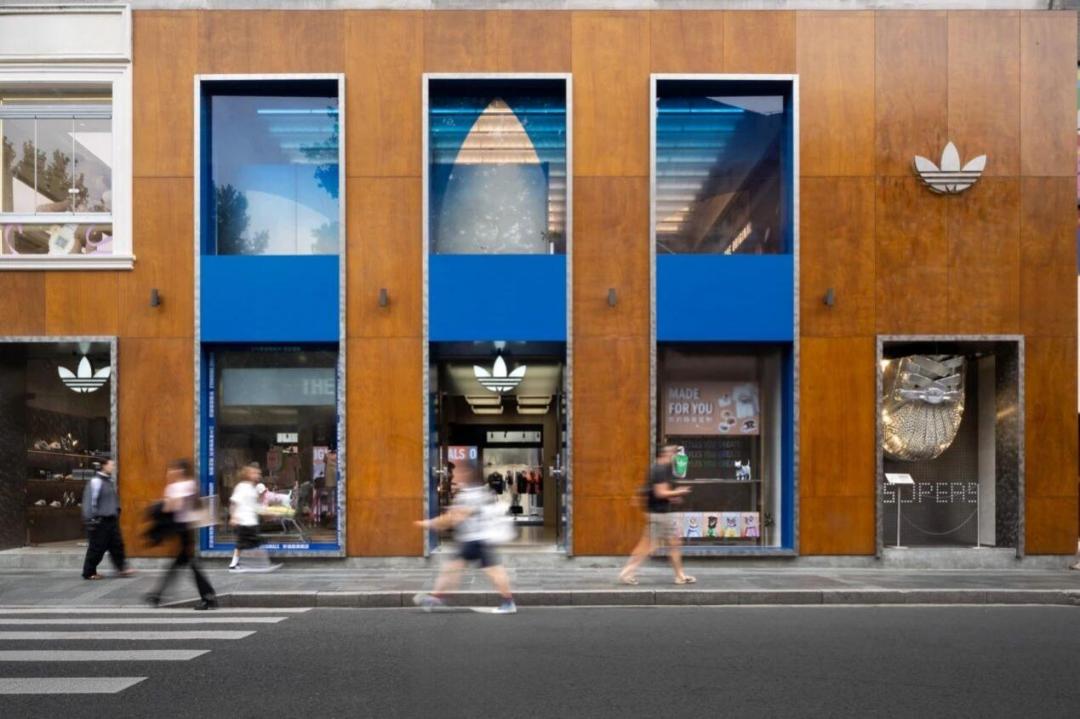
Core Viewpoint - Adidas faces backlash from consumers over high-priced down jackets produced by a third-party manufacturer, Snow Flying, which offers similar products at lower prices, raising questions about brand premium and consumer awareness [1][2][5] Financial Performance - Adidas reported third-quarter revenue of €6.6 billion, a 3% year-on-year increase, and operating profit of €736 million, up 23% [1][6] - In the Greater China region, third-quarter revenue reached €947 million, marking a 10% year-on-year growth and achieving ten consecutive quarters of growth [1][8] - The company has raised its annual performance forecast despite the ongoing controversy [8][12] Market Position and Competition - Adidas has seen a resurgence in the Chinese market after a decline due to the Xinjiang cotton controversy, but faces strong competition from local brands like Anta and Li Ning, which have surpassed Adidas in revenue and market share [1][6][15] - Adidas's market share in China has dropped from 15% in 2021 to 8.7% in 2024, while local brands continue to grow [15][16] Consumer Sentiment and Brand Strategy - Consumer complaints about product quality and service have surged, with over 25,000 complaints on platforms like Black Cat Complaints, primarily focused on quality issues [4][5] - The shift in consumer focus towards value for money over brand prestige is evident, with a significant increase in consumers prioritizing product pricing [16] - Adidas has adapted its strategy by positioning itself as a fashion brand and engaging popular celebrities for endorsements, which has helped regain consumer interest [9][11] Industry Trends - The use of third-party manufacturing is common in the industry, allowing brands like Adidas to reduce costs, but it can negatively impact brand image if consumers feel misled about product origins [5][12] - The overall sportswear market in China is projected to grow from ¥542.5 billion in 2024 to ¥598.9 billion by the end of 2025, indicating a competitive landscape for all brands [12][16]


金价收跌,今日黄金行情有何新动向?
Sou Hu Cai Jing· 2025-11-02 22:09
Group 1 - The core viewpoint of the article highlights the significant drop in gold prices, with current prices falling below 920 yuan per gram, indicating a shift in market dynamics and consumer behavior towards gold investment and brand premium [1][3]. - The international gold market experienced volatility, with spot gold peaking at $4046 and closing at $3972, reflecting a 0.53% decline, influenced by the rising US dollar index and liquidity pressures among institutional investors [1][3]. - Domestic gold merchants quickly adjusted prices, with the market opening at 932 yuan per gram, a decrease of 15 yuan from the previous week, prompting consumers to consider the price differences between investment gold bars and branded jewelry [1][3]. Group 2 - A comparison of branded gold jewelry prices reveals significant markups, with brands like Cai Bai and Lao Feng Xiang priced at 1168 yuan and 1200 yuan per gram respectively, while the actual cost of craftsmanship is only 8-10 yuan per gram, indicating high brand marketing costs [3]. - The repurchase price for branded jewelry, such as Chow Tai Fook's 1198 yuan per gram selling price, is only based on the international gold price of 916 yuan per gram, resulting in an immediate loss of 282 yuan per gram for consumers [3]. - Despite the drop in gold prices, historical data suggests that November is a peak consumption season for gold, with potential for price rebounds, driven by ongoing geopolitical tensions and high US debt levels [3][4]. Group 3 - The article emphasizes the importance of regularly monitoring gold prices as a strategy for consumers to combat inflation and make informed purchasing decisions, akin to comparing prices in a grocery market [4]. - It suggests that consumers should focus on the international gold price trends rather than being swayed by brand narratives, advocating for the purchase of gold bars over branded jewelry to save costs [3][4].

小吊牌藏着“利润剪刀差”:高端服饰定价倍率超10倍!同厂不同价背后,波司登们如何抢“话语权”
Mei Ri Jing Ji Xin Wen· 2025-11-01 06:20
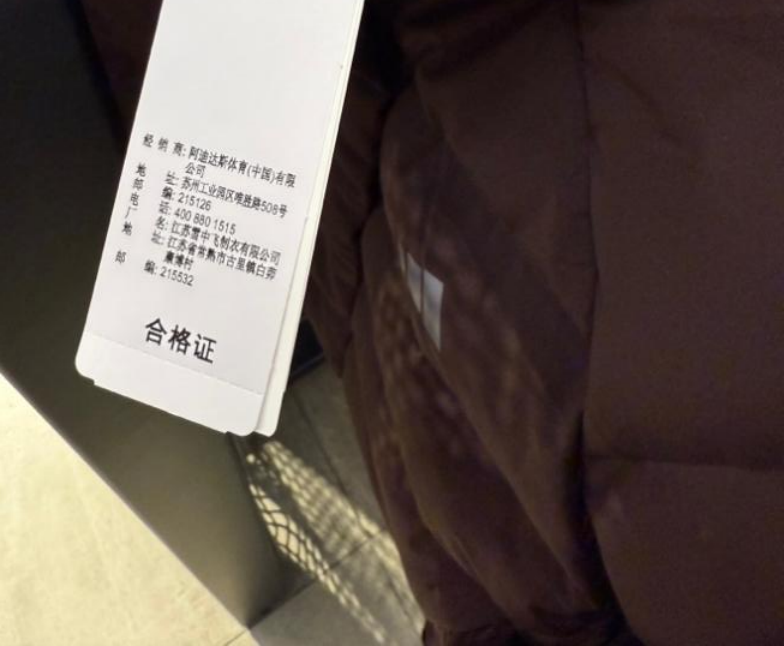
Core Insights - The discussion around the pricing of international brands like Adidas and Nike has intensified, particularly regarding their reliance on Chinese manufacturers like Xuezhongfei, which has led to questions about brand value and consumer perception [1][2]. Group 1: Brand Perception and Consumer Behavior - Consumers are increasingly skeptical of brand premiums and are focusing on the actual value and quality of products, comparing specifications and prices rather than simply relying on brand names [2][9]. - The shift in consumer behavior indicates a preference for products that align with personal values, such as sustainability, rather than just brand prestige [9][18]. - The traditional brand premium model is being challenged as consumers demand transparency and justification for higher prices [7][9]. Group 2: Evolution of Chinese Manufacturing - Chinese manufacturers like Xuezhongfei and Shenzhou International are evolving from mere subcontractors to strategic partners with international brands, showcasing their manufacturing capabilities and quality standards [5][18]. - The Chinese apparel industry has developed a comprehensive and specialized supply chain that is difficult to replicate, maintaining its competitive edge despite some production moving to Southeast Asia [16][18]. - The transformation of Chinese manufacturing is marked by a shift from low-end processing to high-end manufacturing, with a focus on quality, efficiency, and innovation [18]. Group 3: Financial Performance and Market Dynamics - Xuezhongfei, under Bosideng, reported a 26.4% year-on-year increase in its OEM business revenue, indicating a growing market presence and recognition of its manufacturing capabilities [10]. - The financial performance of Bosideng's OEM business highlights the increasing importance of manufacturing partnerships in driving revenue growth [10][12]. - The concentration of major clients poses risks for manufacturers, emphasizing the need for diversification in client relationships to mitigate potential revenue losses [12][18].

美景不输阿尔卑斯的西藏旅游如何发展?这场论坛上嘉宾支招
Xin Lang Cai Jing· 2025-10-31 03:36
Core Viewpoint - The 2025 China Tibet Development Forum, themed "Encountering Beautiful Tibet, Writing a New Chapter in the Snowy Region," emphasizes the potential of Tibet's unique natural and cultural resources for sustainable development, particularly in tourism and highland specialty industries [1][3]. Group 1: Forum Overview - The forum includes an opening ceremony, a main forum, and three thematic discussions, focusing on the development of highland specialty industries [1]. - The "In accordance with local conditions to develop highland specialty industries" thematic forum discusses clean energy, highland agriculture and animal husbandry, cultural tourism, and the digital economy [1][3]. Group 2: Cultural and Tourism Development - The forum highlights the need to transform Tibet's intangible cultural heritage into brand and industrial advantages, leveraging its unique natural and cultural resources [3][5]. - Successful case studies from other countries show that community involvement in tourism can lead to sustainable livelihoods and cultural heritage protection [3][5]. - Specific examples of cultural tourism initiatives in Tibet, such as the "Wencheng Princess" epic performance and local festivals, demonstrate the potential for economic growth through cultural integration [3][5]. Group 3: Investment Insights - David Kovacs emphasizes the importance of creating high-value super IPs in Linzhi, drawing parallels with successful high-end tourism models in Switzerland and Norway [6][9]. - The development strategy should include diverse yet refined experiences for different consumer groups, balancing seasonal demands and targeting various market segments [9][10]. - The establishment of a "Linzhi Standard" for specialty agriculture is crucial, focusing on traceability and branding to enhance market value and consumer trust [10].


被金价牵着走的老铺黄金,还远远不是一个奢侈品牌
Xin Lang Cai Jing· 2025-10-31 01:27
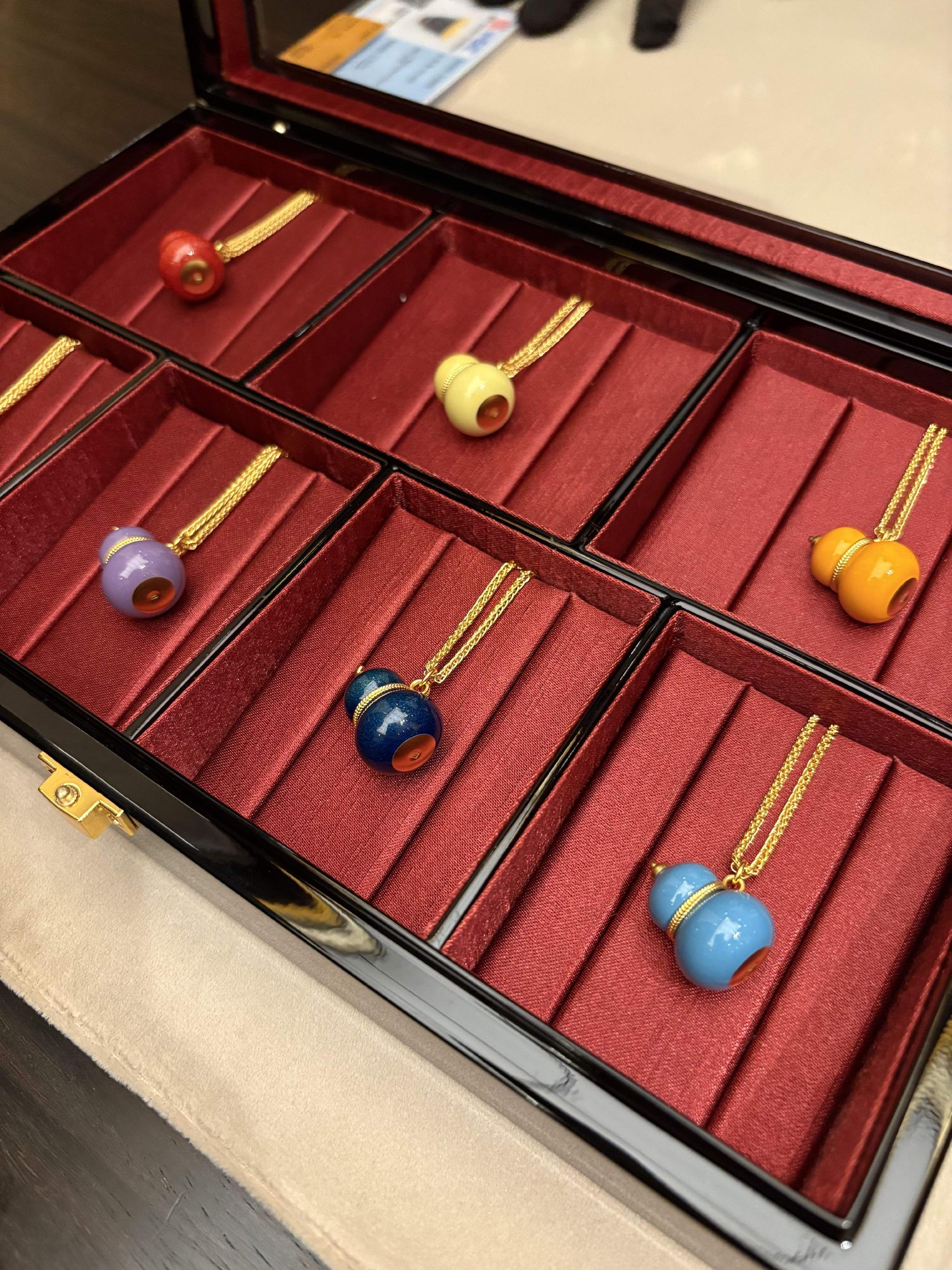
Core Viewpoint - The recent opening of Laopu Gold's new store in Shanghai has led to a significant increase in consumer interest, but the company's pricing strategy, which involves raising prices while gold prices are falling, has sparked consumer skepticism about its value proposition [1][2][7]. Pricing Strategy - Laopu Gold has implemented a fixed pricing strategy typical of luxury jewelry brands, with prices determined by raw material costs, craftsmanship, and R&D expenses, rather than fluctuating with real-time gold prices [6][8]. - The company has raised prices three times in 2025, with the latest increase of 18% to 25% being the largest of the year, coinciding with a significant drop in gold prices [1][7]. Consumer Behavior - Consumers continue to base their purchasing decisions on the fluctuations in gold prices, comparing Laopu Gold's prices with those of competitors like Chow Tai Fook and Chow Sang Sang [2][7]. - The perception of Laopu Gold's products is heavily influenced by the current gold market, leading to concerns about the brand's ability to maintain value [1][2]. Profitability and Margins - Laopu Gold's gross margin is higher than that of its competitors, with a reported margin of over 41% at the end of 2024, but it has seen a decline to 38% in the first half of 2025 due to misalignment with gold price increases [7][8]. - The company's profitability remains highly dependent on gold prices, with cumulative price increases for Laopu Gold's products in 2023 nearing 50% to 60%, mirroring the rise in international gold prices [7][8]. Brand Positioning - Unlike high-end luxury brands such as Hermès and Chanel, which have a gross margin of 60% to 80% and a strong pricing power, Laopu Gold's pricing model does not allow for significant deviation from raw material costs [8][9]. - The brand lacks substantial marketing investment, which limits its ability to create a unique luxury narrative and establish a higher premium in the market [9][10]. Market Competition - Laopu Gold faces competition from both high-end brands and mid-range competitors, with brands like Shenzhen Shuibei producing imitations that dilute Laopu Gold's uniqueness [10]. - Traditional brands are also increasing their investment in ancient gold craftsmanship, further intensifying competition in the market [10].
价值研究所|老铺黄金,难造“不破金身”
Zhong Guo Ji Jin Bao· 2025-10-29 05:09
Core Viewpoint - The article discusses the challenges faced by Laopuhuang, a gold jewelry company, as it raises HKD 5.4 billion in five months while employing a "zero-hedge" strategy that is now being tested by fluctuating gold prices [2][3]. Fundraising and Financial Strategy - Laopuhuang has conducted two significant equity placements within five months, raising a total of HKD 54 billion, with the latest placement on October 22 netting approximately HKD 27.07 billion [3][5]. - The company has utilized nearly all of the previous fundraising amount, indicating a monthly cash burn of about HKD 5.4 billion [5]. - The recent fundraising is primarily allocated for inventory reserves (70%), with 10% for store expansion and 20% for working capital [5]. Market Conditions and Valuation - The timing of Laopuhuang's fundraising coincided with a significant drop in gold prices, which fell over 6% in a short period, raising concerns about the company's valuation strategy [5][6]. - The estimated price-to-earnings ratio for Laopuhuang is between 25 to 30 times, significantly higher than the traditional gold jewelry sector's valuation of 10 to 15 times [6]. Zero-Hedging Strategy - Laopuhuang's "zero-hedge" strategy, which avoids using hedging tools to mitigate gold price volatility, has led to a strong correlation between its cash flow stability and international gold price fluctuations [7][11]. - Despite reporting a net profit of HKD 2.268 billion in the first half of the year, the company experienced a net cash outflow of HKD 2.215 billion, indicating reliance on external financing for operations [7][11]. Brand Positioning and Market Comparison - Laopuhuang's target consumer demographic overlaps significantly with luxury brands like LV and Hermes, with a 77.3% similarity in customer base [11]. - Unlike Laopuhuang, most luxury brands manage raw material price fluctuations as a core aspect of their business strategy, focusing on risk mitigation to protect brand value [11][12]. - The gross margin for Laopuhuang is approximately 38%, which is considerably lower than Hermes' gross margin of over 70%, suggesting that Laopuhuang's brand premium is still heavily influenced by material costs [12][13]. Future Outlook - Analysts suggest that while gold prices may maintain an upward trend in the medium to long term, a decline in gold prices could adversely affect Laopuhuang's product appeal and brand value [10][13].
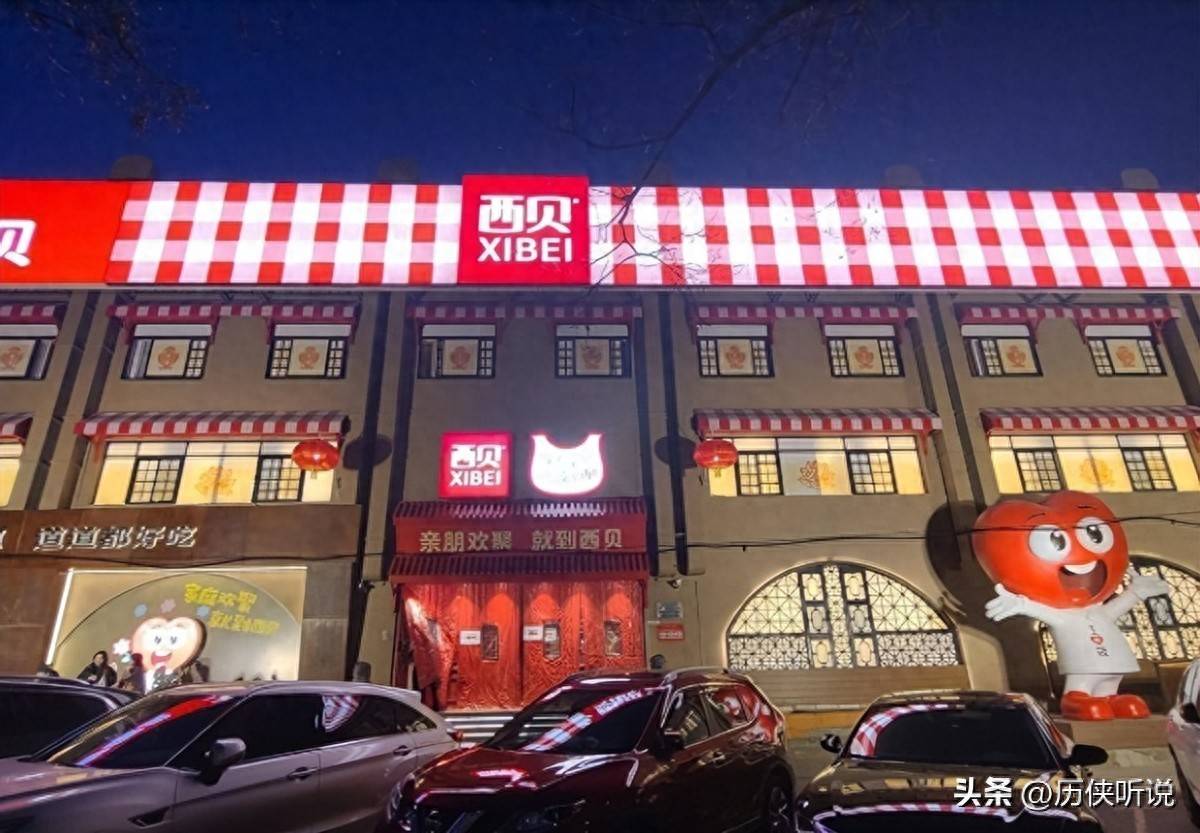
从营收62亿,到如今日亏百万,哪怕是降价认怂,也救不了西贝!
Sou Hu Cai Jing· 2025-10-28 09:13
Core Insights - Xibei, once a thriving brand with 6.2 billion in revenue, is now facing an unprecedented crisis due to a public relations incident in September 2024, leading to a sharp decline in stock price and brand reputation [1] - The founder's confrontational approach and emotional public relations strategies failed to resolve the issue, resulting in a significant drop in revenue and daily losses of one million [1][22] Group 1: Crisis Origin and Management - The crisis began with a minor complaint about the price of pre-made dishes, which unexpectedly garnered national attention [3] - Xibei's response deviated from standard public relations practices, as the founder perceived the complaint as an attack and mobilized 18,000 employees for a company-wide meeting, escalating the situation [3][20] - The company's misunderstanding of internet dynamics led to a perception of online observers as adversaries, exacerbating the crisis [5] Group 2: Public Relations Missteps - Emotional appeals and unusual compensation strategies, such as offering vouchers and even houses, failed to mitigate negative sentiment and instead invited ridicule [7] - The core issue was not the public sentiment itself but the company's inadequate response, which lacked substantial reforms and failed to address consumer concerns [7][9] - Xibei's eventual corrective measures, such as offering freshly made children's meals and transparent kitchen practices, were implemented too late, highlighting the need for practical solutions in public relations [9] Group 3: Financial Implications - Following the crisis, Xibei adopted a strategy of widespread price reductions and voucher distribution, which temporarily boosted sales but severely impacted brand value [11] - Sixty percent of new customers utilized vouchers, leading to a significant drop in average transaction value, indicating a loss of brand premium that took years to build [11][13] - The brand's positioning shifted from mid-to-high-end dining to competing with fast-food outlets, a strategic misstep that undermined its market position [11][13] Group 4: Strategic Failures - Xibei's failure to address its core competitive advantages, such as understanding family dining needs, contributed to the decline in brand perception [13] - The company launched nine sub-brands from 2016 to 2023, all of which failed due to misalignment with market demand and poor pricing strategies [15] - The lack of learning from past failures and the absence of a coherent strategy led to resource wastage and intensified the public relations crisis [16] Group 5: Lessons and Future Directions - Post-crisis, the founder expressed intentions to learn from successful brands like Haidilao, but the execution fell short due to mismatched employee treatment and service quality [18] - Xibei's superficial imitation of successful strategies without understanding their underlying logic resulted in limited corrective outcomes [20] - The experience serves as a stark warning for the restaurant industry, emphasizing the importance of long-term strategy, consumer communication, and effective crisis management [26]
国际金价下行之际 周大福、老铺黄金为何逆势接连涨价
Sou Hu Cai Jing· 2025-10-27 08:40
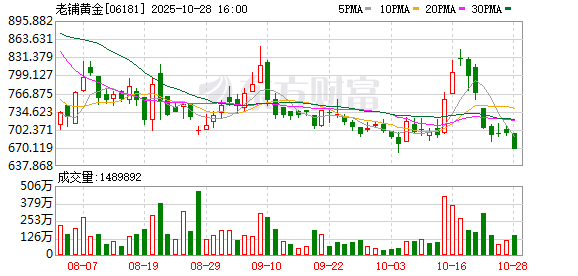
Core Viewpoint - The gold jewelry market is experiencing a price increase despite a decline in international gold prices, indicating a divergence between retail prices and market trends [1][4][5]. Group 1: Price Adjustments - Laopuhuang has officially raised product prices by approximately 20%, marking the third price increase this year [1]. - Chow Tai Fook also plans to increase retail prices for gold products by 12%-18% by the end of October [1]. - The current international gold price is reported at $4,078.28 per ounce, with a decline in domestic gold prices as well [1]. Group 2: Consumer Behavior - Despite some products being out of stock, consumer interest remains high, with wait times of 10-20 minutes at Laopuhuang stores [3]. - Consumers are motivated to purchase before further price increases, leading to localized buying frenzies [3]. Group 3: Reasons for Price Increases - The price increase is driven by the need to maintain stable profit margins amid fluctuating gold prices and to enhance brand positioning [4]. - The strategy aims to differentiate high-end brands from mass-market offerings, reinforcing the perception of gold as a stable investment [4]. Group 4: International Gold Price Trends - Recent declines in international gold prices are attributed to a technical adjustment following a significant increase earlier in the year [5]. - Factors such as geopolitical developments and changes in U.S. monetary policy are influencing short-term price movements, but long-term support remains strong [5]. Group 5: Market Segmentation - The gold market is showing signs of segmentation, with a 26% year-on-year decline in overall gold jewelry consumption, while leading brands like Chow Tai Fook report a 4.1% increase in retail value [6]. - High-end consumers are less sensitive to price changes, focusing more on brand prestige and product uniqueness [6]. Group 6: Investment Risks - The gold ETF market is facing risks, particularly for inexperienced investors who may misinterpret short-term price fluctuations [7]. - Laopuhuang's stock price is currently at 698.0 HKD, reflecting market recognition of its brand strategy, but future performance will depend on gold price trends and consumer demand [7].

雪中飞代工阿迪达斯被质疑,性价比时代品牌溢价的出路在哪里?
Tai Mei Ti A P P· 2025-10-26 02:34
Core Insights - The controversy surrounding Adidas down jackets produced by Xuezhongfei highlights consumer concerns over brand value versus price-performance ratio [2][3][7] - Xuezhongfei, a mid-range down jacket brand under Bosideng, is experiencing significant growth, with a projected revenue of approximately 2.206 billion yuan for the 2024/25 fiscal year, accounting for 10% of Bosideng's total down jacket sales [2][8] - Adidas is facing challenges in maintaining its market position in China, with its market share declining below that of competitors like Nike and Anta [10][11] Company Performance - Bosideng's OEM business has seen a revenue increase of 26.4% year-on-year, reaching approximately 3.373 billion yuan, contributing 13% to the overall revenue [2][8] - Xuezhongfei's revenue for the 2023/24 fiscal year grew by 65.3% year-on-year, reaching 2.02 billion yuan, with its revenue share in the group increasing from 5.4% in 2022 to 10% in 2024 [8] - Adidas reported a revenue of 794 million euros (approximately 5.94 billion yuan) for the fourth quarter of 2024 in the Greater China region, reflecting a year-on-year growth of 16.1% [10] Brand Positioning - Adidas has shifted towards localization in China, with about 50% of its products designed locally and 80% manufactured in China, aiming to cater to local consumer preferences [4] - Xuezhongfei positions itself as a cost-effective brand, with products generally priced below 1,000 yuan, contrasting with Bosideng's main brand, which targets the high-end market with products priced between 1,000 and 3,000 yuan [5][6] - The growing consumer sensitivity to price and value is evident, with the percentage of consumers prioritizing low prices rising from 20% to 35% [7]

雪中飞代工羽绒服惹争议,但阿迪达斯已经上调全年预期
Guan Cha Zhe Wang· 2025-10-23 12:24
Core Viewpoint - Adidas has shown a recovery trend in performance despite global economic challenges, with a 12% revenue growth in Q3, leading to an upward revision of its annual performance forecast [1][2]. Group 1: Financial Performance - Adidas reported a Q3 revenue of €6.63 billion, up from €6.44 billion in the same period last year, marking a 12% increase after excluding currency effects [1]. - The company’s gross margin improved by 0.5 percentage points to 51.8%, and operating profit surged to €736 million, up from €598 million year-on-year, with the operating margin increasing from 9.3% to 11.1% [1]. - For the full year, Adidas now expects operating profit to reach approximately €2 billion, up from previous estimates of €1.7 billion to €1.8 billion [1]. Group 2: Market Strategy and Adaptation - In response to increased costs from U.S. tariff hikes, Adidas has implemented price increases across its product lines, with the Samba sneaker's price rising from $90 to $100 [2]. - The company has refocused on its core brand values and product innovation, revitalizing classic shoe models and expanding retro product lines [2]. - Adidas showcased its brand innovation at Shanghai Fashion Week, emphasizing three dimensions: speed in sports, rhythm of the East, and self-expression in street culture [2]. Group 3: Manufacturing and Supply Chain - Adidas has shifted to a model where 95% of its products sold in China are locally manufactured, reflecting a strategic focus on local production and design [4]. - The company has faced scrutiny over its use of OEM partners, such as Snow Flying, for producing down jackets, which has sparked consumer discussions about brand value versus manufacturing practices [4][5]. - The use of OEM models allows Adidas to concentrate on brand building and marketing while leveraging specialized manufacturers for production [5][6].
