多模态技术

Search documents
智源大会盛况:AI领域精英共绘科技蓝图,探索智能未来新方向
Sou Hu Cai Jing· 2025-08-04 19:16
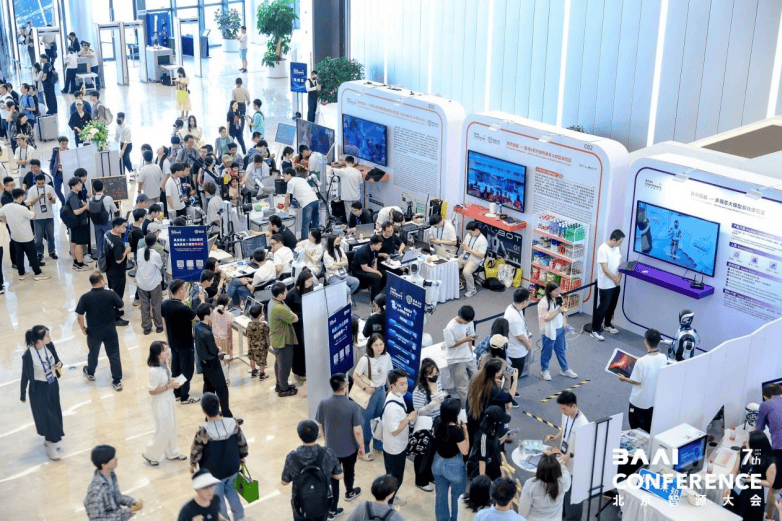
Group 1 - The Beijing Zhiyuan Conference, held in June 2025, has become a significant event in the AI field, attracting global elites and showcasing the latest academic achievements [1] - The conference featured four Turing Award winners, enhancing its academic atmosphere, and included representatives from major tech companies like Google, DeepMind, and domestic giants such as Huawei and Baidu [1] - The event serves as a bridge between theory and practice, connecting laboratories with the market [1] Group 2 - The two-day conference included nearly 20 thematic forums discussing foundational theories, application exploration, industrial innovation, and sustainable development in AI [2] - Multimodal technology and deep reasoning emerged as focal points, aiming to enhance AI's ability to process various data types and improve logical reasoning and decision-making [2] - Experts shared applications of multimodal technology in image recognition, speech recognition, and natural language processing, highlighting new possibilities for AI in sectors like intelligent customer service and healthcare [2] Group 3 - Innovative companies, such as Beijing Hongyixin Technology Development Co., actively participated in the conference, showcasing their focus on software and information services [4] - The company utilizes advanced technologies like big data, AI, and cloud computing to provide data governance solutions [4] - Researchers from Hongyixin engaged in discussions with industry elites, integrating cutting-edge ideas into their applications and solutions, thereby invigorating the company's future development [4]

赛道Hyper | 小鹏机器人中心成立智能拟态部
Hua Er Jie Jian Wen· 2025-08-03 03:44
Core Viewpoint - Xiaopeng Motors has established a new Intelligent Mimetic Department focusing on the multimodal field of robotics, aiming to develop cutting-edge technologies such as embodied intelligent native multimodal large models, world models, and spatial intelligence [1][11]. Group 1: Department Leadership and Structure - The department is led by Ge Yixiao, a notable figure with a strong background in multimodal research, previously serving as a technical expert at Tencent [2]. - Currently, the department has three members and is actively recruiting for positions such as "Research Scientist (Multimodal Direction)" to expand its team [2]. Group 2: Research Directions - The first research direction is the development of embodied intelligent native multimodal large models, which aim to enhance robots' perception and interaction capabilities by processing multiple sensory inputs simultaneously [4][5]. - The second focus is on constructing world models that allow robots to understand the operational rules of their environment, improving their adaptability to new tasks and environments [6][7]. - The third area of research is spatial intelligence, which emphasizes the precise understanding and efficient use of three-dimensional spatial information by robots [7][9]. Group 3: Strategic Value of Multimodal Technology - Xiaopeng Motors has been investing in humanoid robotics for five years and plans to invest up to 100 billion yuan in the future, with a goal to mass-produce L3 humanoid robots by 2026 [10]. - The establishment of the Intelligent Mimetic Department is a critical strategic move for Xiaopeng, as multimodal technology is seen as a core element in enhancing robotic intelligence and expanding application scenarios [11]. Group 4: Technical Challenges - The development of these advanced models faces significant technical challenges, including the need for algorithm optimization, enhanced computational power, and high-quality data acquisition [12]. - The competitive landscape in the robotics field is intense, with many companies and research institutions vying for advancements, making Xiaopeng's focus on multimodal technology a potentially differentiating factor [13].


AI搜索如何重塑企业增长路径
Sou Hu Cai Jing· 2025-08-01 06:33
Market Demand Background - The traditional search engines are unable to meet the precise and real-time data needs of businesses due to the explosion of information [2] - Companies face three major pain points: disconnection between search results and business scenarios, time-consuming manual filtering, and difficulty in uncovering hidden opportunities from vast data [2] Product/Service Introduction - Current mainstream AI search solutions utilize natural language processing technology combined with industry knowledge graphs to achieve semantic-level retrieval and intelligent recommendations [2] - The core value of these solutions includes understanding the business intent behind long-tail queries, automatically linking critical information dispersed across multiple platforms, and continuously optimizing results through user behavior feedback [2] Solution Explanation - Building an effective AI search system requires three key steps: 1. Establishing a vertical domain knowledge base to ensure the professionalism of results [2] 2. Designing a dynamic weighting algorithm to balance freshness and authority [2] 3. Developing a visual analysis interface to lower decision-making barriers [2] Growth Officer's Commentary - The core value of this methodology lies in transforming passive retrieval into active discovery [2] - An excellent AI search system should function like a seasoned industry consultant, accurately answering questions while anticipating unexpressed needs [2] - Achieving this requires deep integration of semantic understanding, behavior prediction, and automated workflows [2] Future Outlook and Summary - With the development of multimodal technology, the next generation of AI search will break through text limitations to achieve intelligent associations across media [3] - This represents not only a technological upgrade but also a strategic infrastructure for businesses to gain competitive advantages [3] AI Search-Centric One-Stop AI Services - The company offers a range of AI services centered around AI search, including Quark AI Search, intelligent summarization, intelligent creation, intelligent answering, and various educational and health assistant tools [4]
报告征集 | 2026年中国金融科技(FinTech)行业发展洞察报告
艾瑞咨询· 2025-07-31 00:02
Core Viewpoint - The article emphasizes the upcoming opportunities and challenges in the Chinese fintech industry as it transitions into a new phase of digital finance and technology scene construction, driven by advancements in generative AI, blockchain, and other cutting-edge technologies [1][3]. Group 1: Research Background - 2026 marks the beginning of a new round of the "Financial Technology Development Plan," focusing on the integration of AI and stablecoin technologies to enhance cross-border payment processes and develop financial scenarios around data value [1]. - The report aims to analyze the practical needs of financial institutions regarding advanced technologies and digital financial practices, providing guidance for technology vendors [1][3]. Group 2: Purpose of the Report - The report aims to help industries and capital track the latest practices in China's fintech sector and identify future market opportunities, with a planned release in January 2026 [2]. - The report will invite participation from financial institutions and fintech service providers to explore market trends and technology needs [2]. Group 3: Research Content - The report will focus on the latest iterations of technologies like generative AI and blockchain, analyzing their impact on the fintech industry and identifying key trends for development [3][4]. - It will examine five core financial scenarios: technology finance, green finance, inclusive finance, pension finance, and digital finance, assessing the empowering effects of technological iterations on these areas [3][4]. Group 4: Participation Value - Participating companies will have the opportunity to be featured in the report, enhancing their brand visibility and industry influence [6]. - The report will be disseminated through official platforms and media channels, providing extensive exposure [6]. Group 5: Target Enterprises - The report targets financial industry clients, including banks, insurance, securities, and fintech service providers that have engaged in fintech practices [9]. - It also includes technology service providers, both listed and unlisted, that offer fintech products or services [9]. Group 6: Timeline for Participation - The call for participation is open until December 15, 2025, inviting financial institutions and fintech service providers to engage [10].

大模型六小龙底牌对决:AGI加注、赛道转换与多模态竞速
Di Yi Cai Jing· 2025-07-27 11:41
Core Insights - The enthusiasm for foundational AI models has declined, leading to significant investments from various institutions yielding limited returns, primarily in the form of early insights into market dynamics [1][3] - The AI startup ecosystem is evolving, with a shift towards a few dominant players as the market consolidates, particularly following DeepSeek's breakthrough [3][4] Industry Trends - The AI landscape is witnessing an increase in players, but the competition is intensifying, with many foundational model startups experiencing a drop in interest [3][7] - The "Six Dragons" of AI are diversifying, with companies like Zhipu and MiniMax preparing for IPOs, while others like Baichuan are pivoting to different sectors [10][14] Market Dynamics - The current competitive environment is characterized by low differentiation among foundational models, leading to fierce competition and low switching costs for users [9] - Companies are exploring unique paths to differentiate themselves, focusing on commercial viability, multi-modal capabilities, and aligning with the growing interest in intelligent agents [9][17] Technological Developments - The path to AGI (Artificial General Intelligence) is becoming more complex, with two main perspectives emerging: a single model dominance versus a multi-model approach [15][16] - Companies are investing heavily in multi-modal capabilities, recognizing that a comprehensive model is essential for handling complex tasks [17][18] Future Outlook - The foundational model industry is still in its early stages, with no company establishing an unassailable competitive moat yet [18] - The ability to create a data flywheel or closed-loop system will be crucial for companies to build a sustainable competitive advantage moving forward [18]
国产大模型“标王”争夺战 AI生产力革命引爆
2 1 Shi Ji Jing Ji Bao Dao· 2025-07-17 12:38
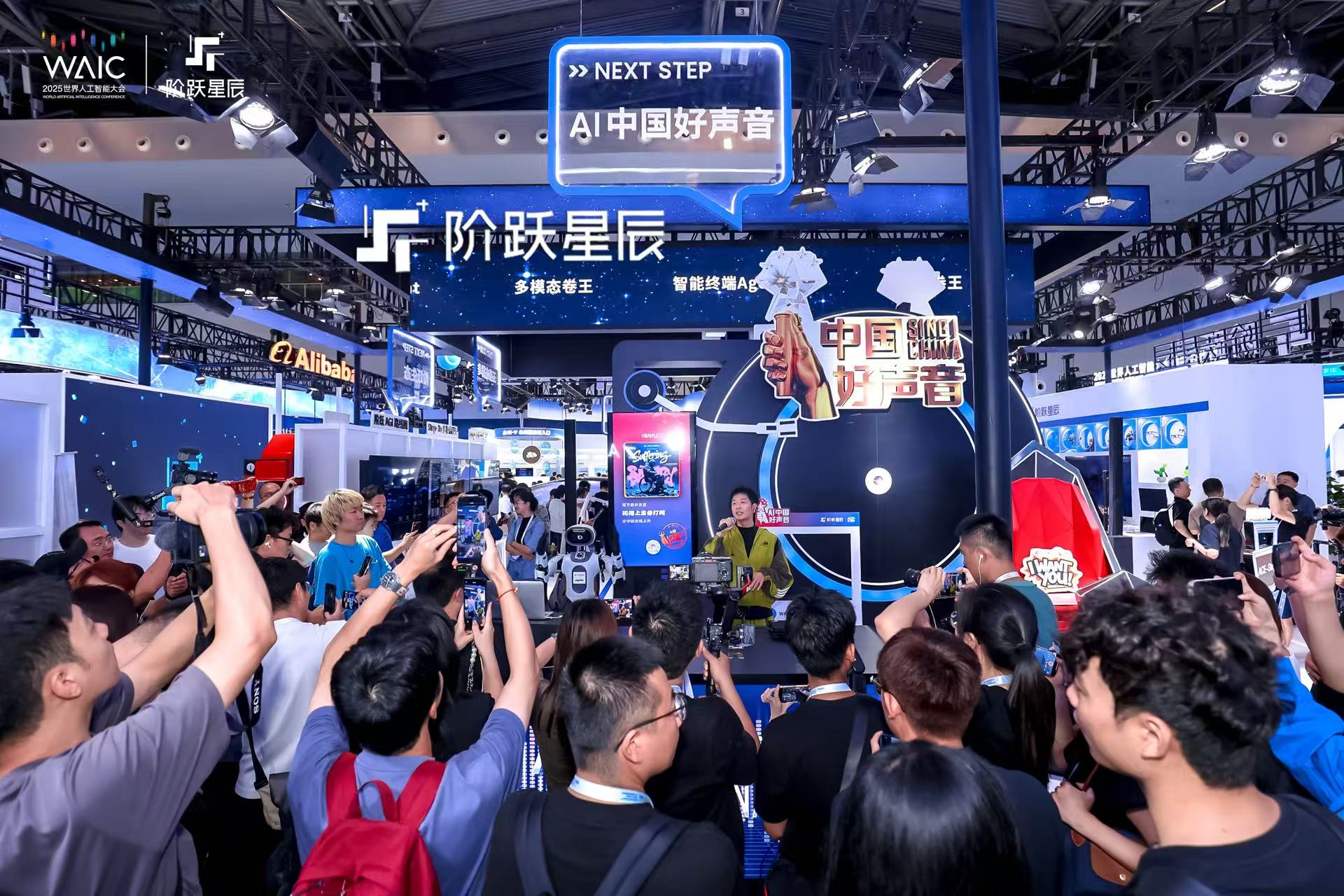
Core Insights - The breakthrough in large model technology is driving the development of multimodal and agent technologies, enhancing industry efficiency and accelerating commercialization through policy compliance and capital resonance [1][2][4]. Market Dynamics - By 2025, China's large model technology is expected to experience explosive growth and structural optimization, transitioning from an auxiliary tool to a core productivity driver across various sectors including government, finance, manufacturing, and healthcare [2][4]. - In the first half of 2025, the bidding market for large models reached a record scale of 6.4 billion yuan with 1,810 projects, surpassing the total number of projects in 2024 [4][5]. - Baidu Smart Cloud emerged as the leading bidder with 48 projects and 510 million yuan in bid amounts, followed by iFLYTEK and Volcano Engine [4][5]. Technological Advancements - Significant breakthroughs in multimodal capabilities and agent technologies are fostering a positive cycle of technology, application, and business [7][8]. - The market is shifting focus from infrastructure to practical business applications, with over 50% of projects in the second quarter of 2025 being application-oriented [5][6]. - The integration of large models with industrial software is becoming a mainstream application mode, particularly in manufacturing [11][12]. Policy and Regulatory Framework - A comprehensive policy framework has been established at the national level, focusing on compliance, incentives, and infrastructure to guide the healthy development of the industry [14][15]. - As of June 30, 2025, 439 generative AI services have completed registration, indicating a move towards standardized development [14][15]. Regional Development - Different regions in China are adopting unique development paths for large models, with the Beijing-Tianjin-Hebei region focusing on technological breakthroughs, while the Yangtze River Delta emphasizes scene innovation and ecological cultivation [18][19][20]. Capital Market and Industry Collaboration - The surge in bidding orders for large model vendors is linked to internal innovation and policy support, with significant impacts on stock prices following major project wins [21][23]. - The integration of capital operations through mergers, strategic investments, and industry chain collaboration is accelerating the commercialization of large model technologies [25][26].


AI应用如何投资? AI Agent生态崛起——计算机行业2025年下半年策略
2025-07-16 15:25
Summary of Key Points from the Conference Call Industry Overview - The conference call primarily discusses the **AI application** sector within the **computer industry**, focusing on the rise of **AI Agents** and their implications for various markets and companies [1][2]. Core Insights and Arguments - **AI Application Growth**: AI applications are experiencing rapid expansion, particularly in strong reasoning and multimodal capabilities. Large models are evolving towards strong reasoning, multimodal, low-cost, and open-source directions, which are favorable for AI application development [2][3]. - **Strong Reasoning Capability**: Strong reasoning is crucial for AI applications, especially in automating processes through AI agents. Current large language models show excellent natural language processing but require enhanced reasoning capabilities for task decomposition [3][4]. - **Multimodal Technology**: This technology is advancing AI's approach to human-like perception, aiding in the development of AGI. While it has commercialized well in image design, video applications still need upgrades. Tools for designers are expected to create a positive payment trend within the designer ecosystem [5][11]. - **Cost Efficiency and Open Source**: Low-cost AI applications improve ROI for deployment, making them accessible to various enterprises. Open-source models are particularly beneficial for the domestic market, allowing independent deployment by large enterprises and government [6][17]. - **Performance of US Tech Companies**: Major US tech companies are showing improved profitability and capital expenditure growth, indicating that AI applications have entered a monetization phase, which serves as a reference for the domestic market [7][14]. Key Sectors for AI Agent Deployment - **Enterprise Services**: Identified as one of the fastest tracks for AI agent deployment due to high data quality and clear task processing rules. Companies like **Dingjie Zhizhi**, **Yonyou Network**, and **Maifushi** have launched relevant products [8][10]. - **Financial Sector**: The financial industry has a strong payment capability and high-quality data, making AI agent applications practical. Companies like **Jinbeifang** are expected to leverage their experience from large banks to smaller institutions [21]. - **Autonomous Driving**: The sector is approaching a commercialization tipping point for Robotaxi in 2025, although enterprise services and finance are seen as more favorable for stock selection [22]. Notable Companies and Their Performance - **Dingjie Zhizhi**: Early adopter of OpenAI, showing good performance with a low institutional holding ratio that is narrowing [10]. - **Yonyou Network**: Achieved positive revenue growth in Q2 2025, with a significant reduction in losses and a doubling of cash flow year-on-year. Their BIP product has been well received [20]. - **Guangyun Technology**: Provides SaaS tools for e-commerce clients and has explored multimodal and intelligent employee solutions. Recent acquisition of Shandong Yitao enhances their service capabilities [20]. - **Multimodal Technology Companies**: Companies like **Wanjing Technology** are highlighted for their potential in the multimodal space, which is expected to see rapid commercialization [23]. Investment Recommendations - Recommended companies include **Yonyou Network** and **Guangyun Technology** in enterprise services, **Jinbeifang** in finance, and **Meitu** and **Wanjing Technology** in multimodal technology. These companies are recognized for their significant advantages and potential in their respective fields [24].

中信建投 TMT科技行业观点汇报
2025-07-16 15:25
Summary of Key Points from the Conference Call Industry Overview - The conference call primarily discusses the TMT (Technology, Media, and Telecommunications) sector, with a focus on the semiconductor and AI industries, as well as the communication sector [1][2][4]. Core Insights and Arguments Technology Sector - The 科创 50 Index has been underperforming recently, but there are positive developments expected in advanced semiconductor production capacity, processes, yields, and domestic GPU sectors, suggesting a renewed focus on the entire technology sector, including AI and related fields [1][2]. - AI investment logic is shifting towards the comprehensive changes brought by large models in social efficiency, costs, and intelligence, leading to revenue generation without relying solely on blockbuster apps [1][5]. - The domestic semiconductor sector is expected to see improvements in advanced production capacity and yield, with domestic chips becoming more competitive [3][17]. AI Sector - The valuation of AI is influenced by the application of large models, with expectations for 2026 MV valuations in the range of 25 to 30 times, indicating potential for upward adjustments in A-share supply chain valuations [3][10]. - The AI industry is forming a closed-loop business logic, with significant portions of AI search and coding applications in overseas markets, indicating a shift from R&D to practical applications [8][9]. - The demand for AI applications is growing, particularly in vertical fields such as AI search, coding, and video, with companies like 美图 and 焦点科技 showing strong performance [22][23]. Communication Sector - The communication industry is witnessing a positive trend in the computing power sector, driven by a rebound in US stocks, improved demand expectations, and strong performance [4]. - Telecom operators are expected to see a rebound in user ARPU values, with a stable operational foundation [4]. - The military communication sector is highlighted for potential opportunities related to the 2026 "15th Five-Year Plan" and the 2027 centenary of the military [4]. Other Important Insights - Liquid cooling technology is crucial for managing increasing chip power consumption, with significant market potential for Chinese suppliers [21]. - The AI chip market is facing a notable power gap, with domestic chips expected to gain traction in the second half of 2025 [20]. - The PCB electronics industry is showing strong performance, with a recovery in both assembly and upstream segments, driven by previous declines and market corrections [11][12]. - The overall AI industry is still in its early stages, but catalysts are emerging that could significantly improve its sustainability and growth prospects [13]. Companies to Watch - In the communication sector, companies like 新易盛, 天孚旭创, and others in the domestic supply chain are highlighted for their strong long-term prospects [7]. - In the AI application space, 美图 and 焦点科技 are noted for their impressive growth and innovative applications [22][23]. This summary encapsulates the key points discussed in the conference call, providing insights into the current state and future outlook of the TMT sector, particularly focusing on AI and communication industries.

GitHub一周2000星!国产统一图像生成模型神器升级,理解质量双up,还学会了“反思”
量子位· 2025-07-03 04:26
Core Viewpoint - The article discusses the significant upgrade of the OmniGen model, a domestic open-source unified image generation model, with the release of its 2.0 version, which supports text-to-image, image editing, and theme-driven image generation [1][2]. Summary by Sections Model Features - OmniGen2 enhances context understanding, instruction adherence, and image generation quality while maintaining a simple architecture [2]. - The model supports both image and text generation, further integrating the multi-modal technology ecosystem [2]. - The model's capabilities include natural language-based image editing, allowing for local modifications such as object addition/removal, color adjustments, expression changes, and background replacements [6][7]. - OmniGen2 can extract specified elements from input images and generate new images based on these elements, excelling in maintaining object similarity rather than facial similarity [8]. Technical Innovations - The model employs a separated architecture with a dual-encoder strategy using ViT and VAE, enhancing image consistency while preserving text generation capabilities [14][15]. - OmniGen2 addresses challenges in foundational data and evaluation by developing a process to generate image editing and context reference data from video and image data [18]. - Inspired by large language models, OmniGen2 integrates a reflection mechanism into its multi-modal generation model, allowing for iterative improvement based on user instructions and generated outputs [20][21][23]. Performance and Evaluation - OmniGen2 achieves competitive results on existing benchmarks for text-to-image and image editing tasks [25]. - The introduction of the OmniContext benchmark, which includes eight task categories for assessing consistency in personal, object, and scene generation, aims to address limitations in current evaluation methods [27]. - OmniGen2 scored 7.18 on the new benchmark, outperforming other leading open-source models, demonstrating a balance between instruction adherence and subject consistency across various task scenarios [28]. Deployment and Community Engagement - The model's weights, training code, and training data will be fully open-sourced, providing a foundation for community developers to optimize and expand the model [5][29]. - The model has generated significant interest in the open-source community, with over 2000 stars on GitHub within a week and hundreds of thousands of views on related topics [3].

Agent开始“卷”执行力,云厂商的钱包准备好了吗?
第一财经· 2025-06-20 03:32
Core Insights - The article discusses the ongoing advancements in AI agents, particularly the launch of MiniMax Agent by Minimax, which can handle complex long-term tasks and execute multiple sub-tasks to deliver final results [1] - OpenAI's upcoming GPT-5 is expected to integrate o-Series and GPT-Series, creating a universal execution layer that emphasizes strong execution and high computational power requirements [1][4] - The demand for computational power is surging due to the increasing complexity of AI tasks and the need for agents to perform autonomously, moving beyond simple software products [7][8] Investment in AI Infrastructure - Amazon Web Services is leading the investment in AI infrastructure among North America's major cloud providers, planning to spend over $100 billion in 2025, while Microsoft and Google plan to invest $80 billion and $75 billion respectively [2] - The total capital expenditure of the four major North American cloud providers reached $76.5 billion in Q1 2025, marking a 64% year-on-year increase [10] Evolution of AI Agents - The new generation of AI agents is expected to reshape product applications, with multi-agent systems becoming more prevalent in various scenarios by 2025 [5] - Current AI agents are likened to mobile internet apps, indicating a significant shift in how industries can leverage these technologies [6] Computational Power Demand - The combination of agents and deep reasoning significantly increases the demand for computational power, which is essential for executing tasks accurately [7] - OpenAI's Stargate project aims to secure computational resources and avoid shortages, with an initial investment of $500 billion planned for future growth [9] Market Dynamics and Competition - The cloud service market is still in a growth phase, with companies competing on pricing strategies to attract customers, particularly in AI cloud services [11] - Major companies like Alibaba and Tencent are significantly increasing their investments in AI infrastructure, with Alibaba planning to invest more in the next three years than in the past decade [10]