央行数字货币

Search documents
余伟文:香港独特地位获全球投资者信任 多元化配置下优势明显
Zhi Tong Cai Jing· 2025-11-06 03:13
Core Insights - The Hong Kong Monetary Authority (HKMA) reported a 13% growth in Hong Kong's asset management scale to approximately $4.5 trillion, with private wealth management growing by 15%, indicating a sustained growth trend due to increasing wealth in Asia and a fragmented geopolitical landscape seeking diversified asset allocation [1][1][1] Group 1 - Hong Kong's unique position as part of China and the global financial system enhances its ability to gain trust from global investors, including those from the mainland [1][1] - The HKMA has been proactive in areas such as central bank digital currencies, tokenization, and artificial intelligence applications, which are beneficial for the development of wealth management in Hong Kong [1][1][1] Group 2 - The HKMA launched a generative AI sandbox last year, emphasizing the importance of accuracy, consistency, and interpretability in AI technology usage within the industry [1][1] - Collaboration with organizations like the BIS Innovation Hub and the UK's Financial Conduct Authority (FCA) on the Noor project aims to develop explainable AI tools for banks, with a prototype expected to be released next year [1][1] - The HKMA plans to further collaborate with Cyberport next year to establish AI infrastructure, providing computing power, data ecosystems, and data analysis tools to benefit smaller institutions across various industries [1][1][1]
看不见的武器:黄金、石油与美元之网
虎嗅APP· 2025-11-01 14:11
Core Viewpoint - The article discusses the evolution of the U.S. dollar's dominance in the global financial system, highlighting how financial instruments and geopolitical strategies have been used to maintain this supremacy, particularly through mechanisms like the SWIFT system and the Petrodollar agreement [5][13][27]. Group 1: Historical Context - The Bretton Woods Conference in 1944 established a dollar-gold standard, positioning the U.S. dollar as the world's primary reserve currency, which was later challenged by the "Triffin Dilemma" [9][10]. - The U.S. dollar's link to gold ended in 1971 when President Nixon suspended the dollar's convertibility into gold, marking the transition to a fiat currency system [12][13]. Group 2: The Petrodollar System - The 1973 oil crisis led to the establishment of the Petrodollar system, where oil transactions were conducted exclusively in U.S. dollars, creating a structural demand for the dollar globally [15][27]. - This system allowed the U.S. to finance its deficits by printing dollars, which were then recycled back into the U.S. economy through the purchase of U.S. Treasury bonds by oil-exporting countries [15][27]. Group 3: Financial Control Mechanisms - The SWIFT system, established in 1973, became a crucial tool for tracking and controlling international financial transactions, effectively allowing the U.S. to monitor global financial flows [18][20]. - The U.S. Treasury's Office of Foreign Assets Control (OFAC) maintains a blacklist that can freeze assets and restrict transactions, serving as a powerful tool for enforcing economic sanctions [25][31]. Group 4: Case Studies of Financial Power - The case of BNP Paribas illustrates the consequences of violating U.S. sanctions, resulting in a $8.97 billion fine, which exemplifies the reach of U.S. financial regulations [30][31]. - The article highlights the impact of sanctions on countries like Iran and Russia, demonstrating how financial tools can be used to exert geopolitical pressure and isolate nations from the global financial system [36][38]. Group 5: Emerging Alternatives - In response to U.S. financial dominance, countries are exploring alternatives such as the Chinese Cross-Border Interbank Payment System (CIPS) and digital currencies, which aim to reduce reliance on the U.S. dollar [44][48]. - The resurgence of gold as a reserve asset reflects a growing concern over the security of dollar-denominated assets, prompting central banks to increase their gold holdings [42][43].


OEXN外汇:全球趋势下的未来布局
Sou Hu Cai Jing· 2025-10-08 19:44
Core Insights - The foreign exchange market is experiencing unprecedented opportunities and challenges due to global economic integration and rapid advancements in financial technology [1][2] - OEXN Forex is positioned as an industry leader, leveraging market insights, continuous technological innovation, and a customer-centric approach to achieve sustainable growth [1][15] Industry Overview - The financial industry is undergoing a transformation driven by technology, with digitalization impacting operational efficiency, risk management, and user experience in forex trading platforms [2] - The increasing participation of emerging markets and heightened interest from both retail and institutional investors are creating a broader platform for OEXN [2] Company Strategy - OEXN places customer needs at the strategic core, focusing on convenience, transparency, and security to enhance user experience [12] - The platform features a responsive trading interface, multilingual support, and localized customer service to cater to diverse user backgrounds [12] - OEXN invests in research and development to build a high-performance trading execution engine, aiming for ultra-low latency and high stability [12] Compliance and Security - Compliance and security are foundational to OEXN's long-term development, adhering to legal regulations and holding licenses from authoritative financial regulatory bodies [13] - The platform employs multiple security measures, including bank-level data encryption and strict internal risk control processes to ensure user fund safety and transaction compliance [13] Market Expansion - OEXN demonstrates strategic sensitivity in global market expansion, deepening services in mature markets while actively entering emerging regions like Asia-Pacific and the Middle East [13] - The company respects local market characteristics and user habits by establishing localized service centers and tailored product strategies [13] Future Outlook - OEXN aims to strengthen its core competitiveness in financial technology, focusing on innovations in AI predictive models and automated trading strategies [14] - The company is committed to empowering users through high-quality online education resources and personalized support [14] - OEXN is exploring the impact of emerging technologies, such as central bank digital currencies (CBDC), on forex trading models to ensure long-term competitiveness [14] Conclusion - The interconnected global macroeconomic landscape and ongoing advancements in financial technology outline a promising future for the forex market [15] - OEXN's commitment to industry trends, technological empowerment, compliance, and customer success positions it well for future market competition [15]

比特币或涨至16万美元?美国共和党参议员称“战略比特币储备”资金可随时启动
Zhi Tong Cai Jing· 2025-10-07 15:13
Group 1 - U.S. Senator Cynthia Lummis indicated that funding for the strategic Bitcoin reserve could be initiated at any time, sparking discussions in Washington about whether the Treasury should implement the plan ahead of final legislation [1] - The U.S. Treasury currently manages approximately 200,000 Bitcoins, valued at around $17 billion, as part of the strategic reserve, following an executive order signed by former President Trump [1] - The executive order established two accounts under the Treasury: the "Strategic Bitcoin Reserve" for holding non-sellable Bitcoins and the "Digital Asset Reserve" for managing other confiscated crypto assets, both operating at zero cost [1] Group 2 - The House's 2026 appropriations bill requires the Treasury to submit a report on the management and security of the strategic Bitcoin reserve within 90 days, and it plans to increase the budget for counter-terrorism and financial intelligence [2] - The bill does not authorize additional Bitcoin purchases but marks the first time Bitcoin is included in U.S. fiscal policy discussions [2] - Asset management firm VanEck predicts that if the U.S. accumulates 1 million Bitcoins by 2029, it could offset about 18% of the national debt burden by 2049, assuming an average annual Bitcoin price increase of 25% [2] Group 3 - Crypto analysis firm BeInCrypto estimates that if Congress passes the bill without mandatory purchases, Bitcoin prices may stabilize between $115,000 and $125,000, while mandatory annual purchases of 200,000 Bitcoins could push prices to between $130,000 and $160,000 due to supply constraints [3] - CoinShares suggests that sovereign-level Bitcoin allocation could serve as a hedge against inflation and diversify reserves, showcasing U.S. leadership in digital finance [3] - Blockchain analysis company Chainalysis warns that if multiple countries establish sovereign Bitcoin reserves, market liquidity could be impacted [3]
后美联储时代的货币竞争:XBIT Wallet驱动数字人民币钱包创新发展
Sou Hu Cai Jing· 2025-09-27 13:07
Core Insights - Federal Reserve Governor Bowman strongly supports the Fed holding only Treasury securities and advocates for balance sheet reform, significantly impacting the global central bank digital currency (CBDC) landscape [1][2] - The digital renminbi wallet is positioned to seize unprecedented development opportunities amid the restructuring of the Fed's monetary policy framework [2] Group 1: Policy Implications - Bowman's remarks indicate a long-term preference for a smaller balance sheet, aiming to keep reserve balances close to scarcity levels rather than abundance [2] - The Fed's shift towards a more traditional and conservative monetary policy framework creates a critical policy window for the development of global CBDCs [2] Group 2: Technological Infrastructure - The digital renminbi wallet employs a private key management system using the SM2 elliptic curve encryption technology, ensuring the absolute security of 256-bit private keys [2] - The wallet's architecture features a hierarchical deterministic (HD) wallet structure, allowing seamless integration of the digital renminbi's dual offline functionality while securely binding to traditional bank accounts [3] Group 3: Market Dynamics - Bitcoin's price has surpassed $110,000 and Ethereum has returned above $4,000, reflecting a growing market demand for alternative currency systems influenced by the Fed's policy expectations [5] - The potential for U.S. interest rate cuts may improve financing conditions for digital currency infrastructure projects, providing significant opportunities for the international development of the digital renminbi wallet [5] Group 4: Cross-Border Functionality - The digital renminbi wallet offers unique value in cross-border transactions, enabling point-to-point instant settlement and significantly reducing transaction costs compared to traditional SWIFT systems [5] - Increased attention from international institutions towards CBDC cross-border applications is anticipated as the Fed adjusts its policies, positioning the digital renminbi wallet to play a more significant role in the new international monetary system [5] Group 5: Security Considerations - Ensuring the absolute security of private keys is crucial for users engaging in international transactions with the digital renminbi wallet [6] - Recommended backup methods for mnemonic phrases include writing them on waterproof and fireproof physical media and storing them in at least two different secure locations [6] Group 6: Competitive Analysis - The adjustment of the Fed's policy framework is redefining the international currency competition landscape, with the digital renminbi wallet showcasing unique hedging value due to its stable value anchoring and government credit backing [8] - XBIT Wallet's decentralized wallet has achieved technical compatibility with major CBDCs, providing users with a unified multi-currency management interface [8] Group 7: Future Development Path - The integration of blockchain technology into traditional financial infrastructure, as evidenced by SWIFT's pilot with Ethereum's Layer 2 network, creates technical conditions for the deep integration of the digital renminbi wallet with the international financial system [10] - XBIT Wallet aims to enhance technological innovation and cross-border capabilities, providing secure, convenient, and professional CBDC management services, thereby contributing to the digital transformation of the global monetary system [10]

Shanghai Opens Digital Yuan Center to Expand Cross-Border Payment Systems
Yahoo Finance· 2025-09-26 05:40
Core Insights - China has established a digital yuan operations center in Shanghai to enhance its central bank digital currency strategy and manage cross-border payment networks, blockchain services, and digital asset platforms [1][2] - The initiative aims to internationalize the yuan and reduce reliance on the US dollar in global trade, reflecting a multipolar monetary vision [3][4] Group 1: Digital Yuan Operations Center - The People's Bank of China (PBOC) has launched a new digital yuan operations center in Shanghai to oversee various digital financial services [2] - The center is designed to boost the global presence of the digital yuan and modernize settlement processes through blockchain integration [3] Group 2: Reducing Dependence on the US Dollar - Chinese officials are actively seeking to decrease reliance on the US dollar, with recent signals indicating a more flexible approach to digital finance [4] - Authorities are considering the authorization of yuan-backed stablecoins to enhance the international use of the currency [5] Group 3: Stablecoin Development - In August 2025, discussions were held regarding the potential use of yuan-backed stablecoins to improve cross-border payment systems [5] - The launch of the first stablecoin linked to the offshore yuan (CNH) by Hong Kong fintech company AnchorX aims to facilitate cross-border transactions related to China's Belt and Road Initiative [6]
2025中国—东盟金融合作与发展论坛在南宁举行
Jin Rong Shi Bao· 2025-09-22 02:04
Group 1 - The forum on "AI Development and Financial Innovation under China-ASEAN Cooperation" was held in Nanning, Guangxi, emphasizing the importance of financial stability for economic vitality [1] - Guangxi aims to enhance AI application in financial services, innovate financial products, and create a cluster of funds in the AI sector to support economic development [1] - The forum was attended by nearly 400 participants, including officials from the China Securities Regulatory Commission and financial institutions from ASEAN countries [3] Group 2 - The bilateral trade between China and ASEAN reached $597 billion from January to July 2025, marking an 8.2% year-on-year increase [2] - The cross-border RMB settlement volume between China and ASEAN was 8.9 trillion yuan in 2024, showing a 51% year-on-year growth [2] - The CIPS has become the main channel for cross-border RMB transactions, processing 21 trillion yuan in 2024, which is a 96% increase [2] - The collaboration on QR codes and fast payment systems has significantly improved cross-border payment convenience, with notable advancements in central bank digital currency cooperation [2]
数字人民币加速落地,支付市场格局或将重塑
Sou Hu Cai Jing· 2025-09-19 12:49
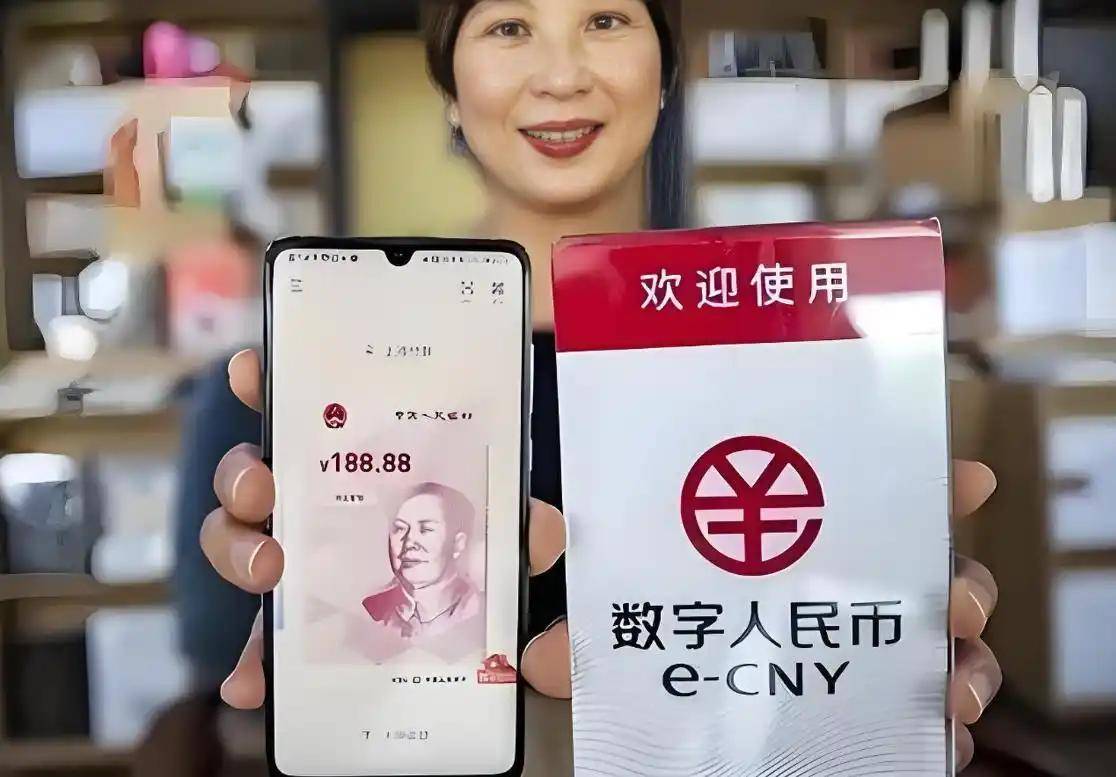
Core Insights - The People's Bank of China has officially entered a new phase of large-scale application for the digital yuan, posing significant challenges to Alipay and WeChat Pay, which have dominated the mobile payment market in China [1][3][10] - As of the second quarter of 2025, the digital yuan has been normalized in 341 cities, covering over 1.2 billion people, with a total transaction amount exceeding 4.3 trillion yuan, marking a 217% increase in transaction scale compared to the same period in 2023 [1][3] Infrastructure and Policy Developments - The central bank's infrastructure for the digital yuan is nearly complete, with a focus on public services, retail consumption, and cross-border payments [3] - A new guideline from the central bank aims for the digital yuan to account for over 25% of retail payments and 60% in government procurement and public services by the end of 2026 [3][6] - The introduction of a special assessment mechanism for commercial banks and payment institutions to promote the digital yuan indicates a strong push from the central bank [3][6] Market Penetration and User Adoption - By August 2025, over 12 million merchants supported digital yuan payments, an 85% increase from the end of 2024, with many public services defaulting to digital yuan payments [6] - The penetration rate of the digital yuan in small, high-frequency payment scenarios reached 18.7% in the second quarter of 2025, with some pilot cities exceeding 30% [3][6] Competitive Landscape - Alipay and WeChat Pay, which together hold about 90% of the mobile payment market, are facing a significant challenge from the digital yuan, which is expected to capture 20%-25% of the market by the end of 2026 [6][8] - Both Alipay and WeChat Pay have integrated digital yuan services, with Alipay launching a dual incentive program to retain users [6][7] International Implications - The digital yuan's development is influencing international payment systems, with pilot cross-border payment projects already initiated in regions like Hong Kong and Singapore, totaling 21.7 billion yuan in transactions [7][8] - The International Monetary Fund (IMF) recognizes the digital yuan as the fastest-growing central bank digital currency (CBDC) among major economies, with predictions that 40% of global central banks will issue digital currencies by 2027 [8] Future Outlook - The digital yuan is seen as a key element in modernizing the financial system and enhancing the internationalization of the renminbi, with a focus on user privacy and efficient payment services [8][10] - The rapid promotion of the digital yuan signifies a transformative shift in the payment landscape, requiring all market participants to redefine their roles and strategies [10]
报告显示中国—东盟人民币跨境收付金额稳步增长
Zhong Guo Xin Wen Wang· 2025-09-18 12:13
Core Insights - The 2025 China-ASEAN Financial Cooperation and Development Forum highlighted a significant increase in the use of the Chinese yuan in ASEAN countries, with a projected cross-border payment amount of RMB 89,024.7 billion in 2024, marking a year-on-year growth of 50.74%, the fastest in three years [1][3]. Group 1: Cross-Border Payment Developments - ASEAN countries have consistently maintained a leading position in the use of the Chinese yuan for cross-border transactions [3]. - The bilateral use of local currencies between China and ASEAN has made notable progress across various sectors, including deepening monetary cooperation and expanding the coverage of cross-border clearing and settlement networks [3][4]. - The China Payment System (CIPS) reported a year-on-year increase of 41.6% in the number of cross-border yuan transactions and a 95.6% increase in transaction amounts with ASEAN countries [3]. Group 2: Strategic Initiatives and Collaborations - The People's Bank of China (PBOC) is committed to enhancing cross-border payment cooperation with ASEAN nations, focusing on improving CIPS infrastructure and promoting the interoperability of cross-border retail payments [4]. - New projects such as the "Hui Xiao Er" cross-border financial service platform and the North Bay Digital RMB service platform were launched during the forum, indicating a push towards innovative financial solutions [4].

穆长春:数字人民币有必要在理论和实践上进行改革升级|金融与科技
清华金融评论· 2025-09-18 09:13
Core Viewpoint - The evolution of currency forms is driven by technological advancements and economic development, with a historical competition between official and private currencies. The issuance of central bank digital currency (CBDC) is seen as a necessary upgrade to maintain currency stability and financial system security in the context of digital economy growth [3][4][6]. Group 1: Historical Context and Evolution of Currency - Historical changes in currency forms have transitioned from barter to shells, metal currency, and the world's first paper currency, the Jiaozi, during the Northern Song Dynasty. This was followed by banknotes based on commercial bank credit, eventually replaced by central bank-issued legal tender [4]. - The competition between official and private currencies has always existed, with the absence of central bank currency issuance increasing the fragility of the financial system. Multiple currency issuers can lead to differences in asset quality and currency value, raising transaction costs and reducing stability [4][6]. Group 2: Role of Central Banks - Central banks act as the lender of last resort, providing liquidity to banks in need and ensuring the safety of collateral assets through strict regulation and deposit insurance mechanisms. This supports a stable and secure monetary environment [5]. - The establishment of a legal currency system is a natural selection due to the superiority of national credit over private credit, ensuring currency stability, liquidity, and a fair, secure, efficient, and inclusive payment system [6]. Group 3: Digital Currency Development - The blurring lines between commercial bank currency and central bank currency necessitate the issuance of legal digital currency, or digital renminbi, to ensure the single currency nature of the RMB and maintain financial and monetary system security [6][7]. - The digital renminbi has undergone three phases: theoretical research, closed pilot testing, and open pilot testing, and is being gradually applied in various sectors such as retail, dining, education, and public services [7]. Group 4: Macro and Micro Considerations - On a macro level, the digital renminbi is directly liabilities of the central bank, requiring consideration of enhancing its currency derivation capacity as the economy develops. On a micro level, commercial banks are responsible for wallet management and payment services, necessitating alignment of responsibilities and rights [8]. - Upgrading the measurement framework of the digital renminbi is essential to ensure that the currency supply aligns with economic growth and price expectations, while also enhancing the engagement of commercial banks and users [8].