
宏观审慎管理

Search documents
扩内需、优供给,防风险、稳预期 持续营造良好货币金融环境
Jing Ji Ri Bao· 2026-01-18 23:19
Core Viewpoint - The 2026 work meeting of the People's Bank of China emphasizes the implementation of a moderately loose monetary policy to support high-quality economic development and financial market stability while enhancing macro policy coordination and risk prevention measures [1][2][3]. Monetary Policy Implementation - The monetary policy in 2025 showed effectiveness through a combination of measures such as lowering reserve requirements and interest rates, maintaining liquidity, and guiding market expectations [2][3]. - In 2026, the policy goal has shifted to maintaining a "low-level operation" of social financing costs, with a focus on stabilizing economic growth and reasonable price recovery [3]. - The People's Bank of China will adopt a more flexible and efficient approach to using tools like reserve requirement cuts and interest rate reductions, considering the effectiveness and targeting of these policies [3]. Support for Real Economy - The meeting proposed specific measures to enhance financial services for the real economy, including improving the financial policy framework and optimizing support for key areas such as technology innovation and small and micro enterprises [4]. - The focus will be on increasing the availability of structural monetary policy tools, which are expected to lead to a "quantity increase and price decrease" trend, promoting financial resources towards high-quality development sectors [4]. Risk Prevention and Management - The People's Bank of China aims to steadily resolve financial risks in key areas while ensuring the stability of financial institutions, emphasizing macro-prudential management and regulatory enforcement [7]. - Measures will include supporting the resolution of financing platform debt risks and enhancing risk identification and early correction for small financial institutions [7]. Financial Reform and Opening Up - The meeting highlighted the importance of expanding high-level financial openness as a means to enhance international competitiveness, with initiatives to optimize mechanisms for bond and currency exchanges and support the development of international financial centers [8]. - The People's Bank of China is expected to maintain the stability of the RMB exchange rate while coordinating financial reform and opening up with global macro policy [8].
持续营造良好货币金融环境
Sou Hu Cai Jing· 2026-01-18 23:14
Core Viewpoint - The 2026 work meeting of the People's Bank of China emphasizes the implementation of a moderately loose monetary policy to support high-quality economic development and financial market stability while enhancing macro policy coordination and risk prevention measures [1][7]. Monetary Policy Implementation - The monetary policy in 2025 was effective, with the People's Bank of China utilizing various tools such as lowering reserve requirements and interest rates to maintain liquidity and reduce financing costs [2][3]. - In 2026, the policy goal has shifted from "stable decline" in financing costs to "low-level operation," with a focus on stabilizing economic growth and reasonable price recovery [3]. - The use of monetary policy tools will be more flexible and efficient, adapting to internal and external changes while ensuring effectiveness and targeting [3][4]. Financial Services to the Real Economy - The meeting proposed specific measures to enhance financial services for high-quality economic development, including improving the financial policy framework and increasing support for key areas like technology innovation and small and micro enterprises [4][5]. - The focus will be on optimizing structural monetary policy tools to facilitate resource allocation towards innovation and green development, thereby promoting overall credit growth [4][5]. Risk Prevention and Management - The People's Bank of China aims to steadily resolve financial risks in key areas, including managing financing platform debts and enhancing risk identification in small financial institutions [7][8]. - Emphasis will be placed on macro-prudential management and regulatory enforcement to ensure financial stability while enhancing cooperation with other regulatory bodies [7][8]. High-Level Opening Up - The meeting highlighted the importance of expanding high-level financial openness to enhance international competitiveness, including optimizing mechanisms for bond and currency exchanges and supporting the development of international financial centers [8]. - The People's Bank of China is expected to maintain the stability of the RMB exchange rate while balancing external constraints and internal equilibrium [8].
货币政策工具更加精准有力
Jing Ji Ri Bao· 2026-01-18 22:18
Core Viewpoint - The People's Bank of China (PBOC) has implemented a series of monetary policy measures to support stable economic growth and financial market stability, with a commitment to continue a moderately accommodative monetary policy in 2026 [1][2]. Monetary Policy Measures - In 2026, the PBOC plans to lower the interest rates of various structural monetary policy tools by 0.25 percentage points to enhance support for key sectors [8][9]. - The PBOC will also increase the quotas for specific loans, including an additional 500 billion yuan for agricultural and small business loans and a 1 trillion yuan quota for private enterprises [9][10]. Financial Data Highlights - By the end of December 2025, the balance of RMB loans reached 271.91 trillion yuan, a year-on-year increase of 6.4% [2]. - The total social financing scale for 2025 was 35.6 trillion yuan, an increase of 3.34 trillion yuan compared to 2024, with a year-on-year growth of 8.3% [2]. - The broad money supply (M2) was 340.29 trillion yuan, growing by 8.5% year-on-year [2]. Loan Structure and Support - In 2025, loans to key areas such as technology, green initiatives, and digital sectors saw significant growth, with increases of 11.5%, 23%, and 14.6% respectively [3]. - Direct financing accounted for 46.9% of the total social financing increment, with net financing from government bonds reaching 13.84 trillion yuan [3][4]. Cost of Financing - The average interest rates for new corporate loans and personal housing loans were around 3.1% in December 2025, reflecting a decline of 2.5 and 2.6 percentage points since the second half of 2018 [4]. - The PBOC has made ten interest rate cuts since mid-2018 to lower overall financing costs [4]. Liquidity Management - In 2025, the PBOC conducted net liquidity injections totaling 6 trillion yuan through various open market operations, including a net purchase of 1.2 trillion yuan in government bonds [5][6]. - The PBOC's operations aim to ensure sufficient liquidity and stable short-term interest rates in the market [5][7]. Support for Private Enterprises - The PBOC announced a 1 trillion yuan re-loan specifically for private enterprises to enhance financial support for small and medium-sized private businesses [10][11]. - The focus on private enterprises reflects their critical role in innovation and employment, with ongoing efforts to improve financing conditions for these businesses [9][10].
扩内需、优供给,防风险、稳预期——持续营造良好货币金融环境
Jing Ji Ri Bao· 2026-01-18 22:17
Core Viewpoint - The 2026 work meeting of the People's Bank of China emphasizes the implementation of a moderately loose monetary policy to support high-quality economic development and financial market stability, while enhancing macro policy coordination and risk prevention measures [1]. Monetary Policy Implementation - In 2025, the moderately loose monetary policy showed effectiveness through various measures, including lowering reserve requirements and interest rates to reduce overall financing costs [2]. - The 2026 monetary policy will focus on flexible and efficient use of tools, with an emphasis on the effective transmission of policies and maintaining a stable financing environment [3]. Support for Real Economy - The meeting proposed specific measures to enhance financial services for the real economy, including optimizing the structural monetary policy tool system and increasing support for key areas such as technology innovation and small and micro enterprises [4]. - The overall trend for 2026 is expected to be "increased quantity and reduced price" in terms of structural tools, promoting financial resources towards high-quality development [4]. Risk Prevention and Management - The focus for 2026 will be on the prudent resolution of financial risks in key areas, including managing financing platform debts and enhancing risk identification in small financial institutions [7]. - The People's Bank of China aims to strengthen macro-prudential management and improve regulatory enforcement to ensure financial stability [7]. High-Level Opening Up - The meeting highlighted the importance of expanding high-level financial openness to enhance international competitiveness, including optimizing mechanisms for bond and currency exchanges and supporting the construction of international financial centers [8]. - The People's Bank of China is expected to maintain the stability of the RMB exchange rate while deepening financial reforms and coordinating global macro policies [8].
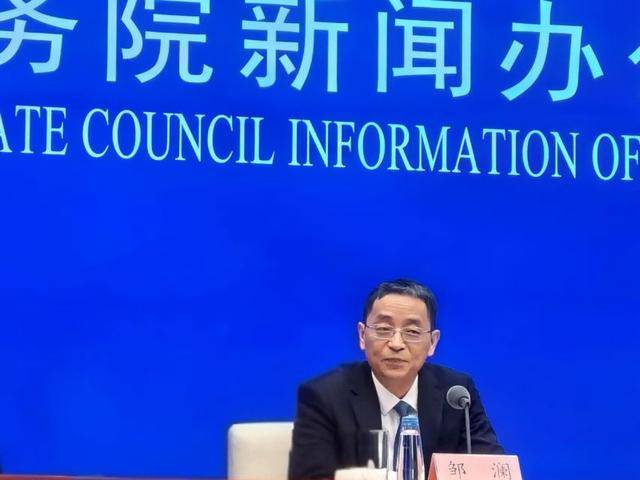
央行邹澜:综合考虑多种因素 灵活开展国债买卖操作|快讯
Sou Hu Cai Jing· 2026-01-15 13:31
Group 1 - The People's Bank of China (PBOC) announced the resumption of government bond trading operations in October 2025, aiming to gradually increase bond trading in 2026 as part of its monetary policy toolbox expansion [2] - In 2025, the PBOC conducted a net injection of 6 trillion yuan through various open market operations, including a net buy of 120 billion yuan in government bonds [2] - The PBOC is enhancing the transparency of monetary policy operations and improving the pricing mechanism for basic currency issuance and operational tools [2] Group 2 - The increase in government bond issuance, totaling 16 trillion yuan in 2025 with a net increase of 6.6 trillion yuan, is supported by the PBOC's bond trading operations to ensure smooth issuance at reasonable costs [3] - The PBOC's bond repurchase operations, close to 7 trillion yuan in 2025, have significantly improved the market liquidity of government bonds [3] - The bond trading operations also serve to establish a benchmark for government bond yield curves and enhance macro-prudential management tools to mitigate market volatility risks [3] Group 3 - The PBOC plans to flexibly conduct government bond trading operations while considering factors such as basic currency injection needs, bond market supply and demand, and yield curve changes to maintain liquidity and support smooth government bond issuance [4]

不与市场“抢”债!央行揭示2025年国债买卖操作逻辑
Zhong Guo Jing Ji Wang· 2026-01-15 08:13
Core Viewpoint - The People's Bank of China (PBOC) emphasizes the importance of government bond trading operations to stabilize the bond market and enhance macro-prudential management, preventing extreme market fluctuations [1] Group 1: Government Bond Issuance - The issuance of government bonds has increased significantly, with a projected issuance of 16 trillion yuan in 2025, resulting in a net increase of 6.6 trillion yuan, leading to an estimated year-end balance of approximately 40 trillion yuan [1] - Financial institutions, including banks and non-bank entities, hold a substantial portion of these bonds, with banks holding 27 trillion yuan, non-bank financial institutions holding 5 trillion yuan, and foreign institutions holding 2 trillion yuan [1] Group 2: PBOC's Bond Trading Operations - In 2025, the PBOC plans to repurchase government bonds and local government bonds through buyback operations, with a scale close to 7 trillion yuan, which is expected to enhance market liquidity for government bonds [1] - The PBOC paused bond buying operations at the beginning of 2025 due to a significant supply-demand imbalance in the bond market, resuming operations in the fourth quarter when market conditions stabilized [1] Group 3: Future Strategies - The PBOC will consider various factors, including the need for base currency issuance, supply-demand conditions in the bond market, and changes in the yield curve, to flexibly conduct government bond trading operations [1] - The aim is to maintain ample liquidity and create a favorable monetary and financial environment for the smooth issuance of government bonds [1]
央行:降准降息还有一定空间
证券时报· 2026-01-15 07:56
Core Viewpoint - The People's Bank of China (PBOC) indicates that there is still room for further reductions in reserve requirement ratios and interest rates to support high-quality economic development in 2026 [2]. Group 1: Monetary Policy Adjustments - The average reserve requirement ratio for financial institutions is currently 6.3%, suggesting potential for further cuts [2]. - The PBOC aims to maintain relatively loose social financing conditions and guide reasonable growth in financial totals, utilizing various monetary policy tools including rate cuts [3]. - The PBOC plans to flexibly conduct operations related to government bonds to create a suitable monetary environment for smooth issuance [4]. Group 2: Government Bond Market - In 2025, the issuance of government bonds reached 16 trillion yuan, with a net increase of 6.6 trillion yuan, resulting in a year-end balance of approximately 40 trillion yuan [4]. - Banks and non-bank financial institutions are the main holders of government bonds, with holdings of 27 trillion yuan and 5 trillion yuan respectively [4]. - The PBOC's operations, including nearly 7 trillion yuan in buyback operations for government bonds, have significantly improved market liquidity [4].

央行:灵活开展国债买卖等操作,为政府债券顺利发行创造适宜的货币金融环境和条件
Zheng Quan Shi Bao Wang· 2026-01-15 07:30
Core Viewpoint - The People's Bank of China (PBOC) is actively managing government bond issuance and liquidity to ensure a stable financial environment for the smooth issuance of government bonds in 2025 [1] Group 1: Government Bond Issuance - In 2025, the total issuance of government bonds reached 16 trillion yuan, with a net increase of 6.6 trillion yuan for the year, resulting in a year-end balance of approximately 40 trillion yuan [1] - Financial institutions, including banks and non-bank financial institutions, hold 27 trillion yuan and 5 trillion yuan of these bonds, respectively, while foreign institutions hold 2 trillion yuan [1] Group 2: Role of the People's Bank of China - The PBOC's operations in buying and selling government bonds aim to ensure smooth issuance at reasonable costs while meeting the asset allocation needs of market institutions [1] - In 2025, the PBOC conducted buyback operations for government bonds and local government bonds amounting to nearly 7 trillion yuan, enhancing market liquidity for government bonds [1] Group 3: Future Operations and Market Stability - The PBOC plans to flexibly conduct bond buy and sell operations, considering factors such as the need for base currency issuance, bond market supply and demand, and changes in the yield curve [1] - These operations, along with other liquidity tools, aim to maintain ample liquidity and create favorable monetary conditions for the smooth issuance of government bonds [1]
大消息!央行出手,9000亿元
Mei Ri Jing Ji Xin Wen· 2026-01-14 11:24
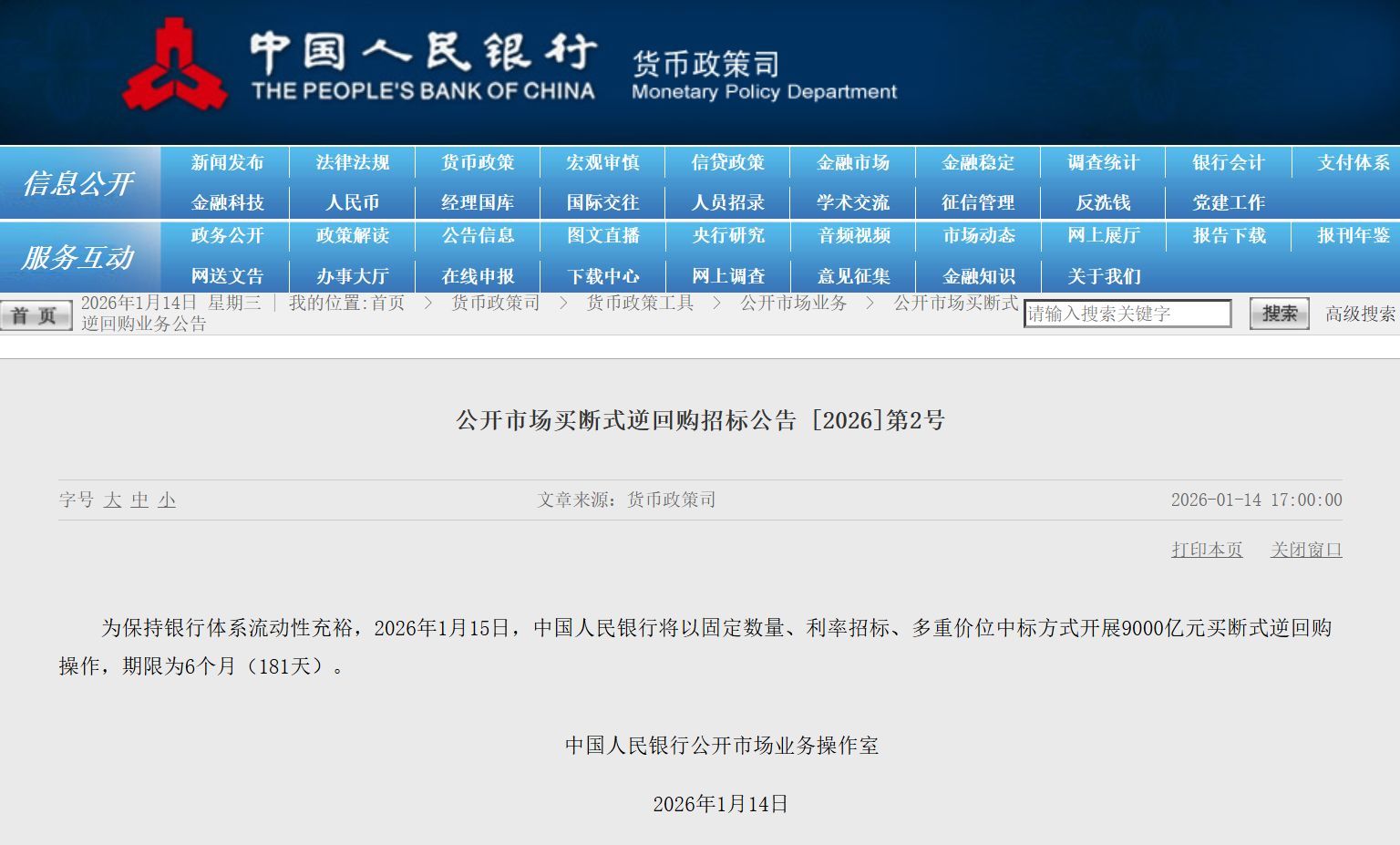
Core Viewpoint - The People's Bank of China (PBOC) is implementing measures to maintain liquidity in the banking system, including a significant reverse repurchase operation and a commitment to a moderately accommodative monetary policy for 2026 [1][4][6]. Group 1: Monetary Policy Actions - On January 15, 2026, the PBOC will conduct a reverse repurchase operation of 900 billion yuan with a term of 181 days to ensure ample liquidity in the banking system [1]. - The PBOC also conducted a 7-day reverse repurchase operation amounting to 240.8 billion yuan at a bid rate of 1.4% [4][5]. Group 2: Market Conditions - The interbank funding market showed mixed trends, with the overnight Shanghai Interbank Offered Rate (Shibor) rising by 7.5 basis points to 1.391%, and the 7-day Shibor increasing by 5 basis points to 1.523% [6]. - The weighted average rate of DR007 rose to 1.5474%, exceeding the policy rate level, indicating tighter liquidity conditions [6]. Group 3: 2026 Work Plan - The PBOC's 2026 work plan emphasizes the continuation of moderately accommodative monetary policy, enhancing financial services for high-quality economic development, and addressing financial risks in key areas [6][7]. - Key tasks include improving the structure of monetary policy tools, supporting sectors like technology innovation and small enterprises, and maintaining stability in the RMB exchange rate [7][8]. Group 4: Financial Reform and Management - The PBOC aims to deepen financial reform and openness, optimize mechanisms for cross-border financial services, and enhance the management of foreign exchange [8][9]. - The focus will be on creating a more convenient, open, secure, and intelligent foreign exchange management system, while ensuring the safety and liquidity of foreign exchange reserves [9].
货币政策新年有新意 促进物价合理回升成重要考量
Shang Hai Zheng Quan Bao· 2026-01-12 23:47
Group 1 - The core viewpoint of the articles emphasizes the continuation of a moderately loose monetary policy in 2026, focusing on stabilizing economic growth and ensuring reasonable price recovery [1][2][3] - The People's Bank of China (PBOC) aims to enhance the effectiveness of monetary policy transmission and implementation, with a greater emphasis on the quality of policy outcomes [5][6] - Analysts predict that the monetary policy will adapt to external economic conditions, particularly with the U.S. entering a rate-cutting cycle, providing a more favorable environment for China's monetary adjustments [2][6] Group 2 - The monetary policy is expected to exhibit three major changes: a focus on high-quality development alongside price stability, innovation in liquidity transmission mechanisms, and a combination of total easing with precise structural tools [3][4] - There is a shift in policy goals regarding social financing costs, moving from promoting a decrease to maintaining low levels, reflecting the current economic context [4][5] - The PBOC plans to utilize various policy tools flexibly and efficiently, including reserve requirement ratio (RRR) cuts and interest rate adjustments, to support economic growth while mitigating risks [6][7] Group 3 - The anticipated monetary policy adjustments are expected to lead to an increase in new RMB loans and social financing, supporting consumer spending and stabilizing the real estate market [7] - The focus will also be on enhancing the integration of existing policies and improving their efficiency rather than merely increasing the scale of monetary interventions [4][5] - The PBOC is likely to innovate in providing liquidity directly to non-bank financial institutions, indicating a potential evolution in monetary policy tools [7]