
数字化

Search documents
爱建集团:公司建立了规范的财务管理制度和内部控制流程体系
Zheng Quan Ri Bao Wang· 2026-02-10 14:13
证券日报网讯2月10日,爱建集团(600643)在互动平台回答投资者提问时表示,公司建立了规范的财 务管理制度和内部控制流程体系,公司将积极运用数字化、智能化技术,不断提升财务管理能力。 ...

(乡村行·看振兴)江西彭泽稻虾产业添“智”力 签约多项产业链合作项目
Zhong Guo Xin Wen Wang· 2026-02-10 09:25
Core Insights - The conference held in Pengze County, Jiangxi Province, focused on the integration of digital technology with the rice-shrimp industry, aiming to create a high-quality development ecosystem for this sector [1] Group 1: Industry Development - The rice-shrimp integrated farming has become a key pillar of Pengze's agricultural economy, supported by digital technology to enhance efficiency and optimize the industry structure [1] - Pengze County is strategically located along the Yangtze River, with rich aquatic resources, which has facilitated the transition from traditional to modern agriculture, particularly in the rice-shrimp sector [1] Group 2: Technological Integration - Experts at the conference discussed standardization in high-quality rice cultivation and efficient lobster farming, emphasizing the importance of technology application, market trends, and policy support [2] - The association aims to leverage digitalization and intelligence as critical pathways for the transformation and sustainable development of the rice-shrimp industry [1]
胡熠:抓住产业链融合这个“牛鼻子”
Jing Ji Ri Bao· 2026-02-10 00:07
(本文来源:经济日报 作者:中共福建省委党校副校长 胡熠) 围绕产业商品链加强市场对接。加强生态优先和绿色引领,打造符合山海优势的绿色低碳产业链和 优质产品供应链,有序推进产品碳足迹标识认证,提升绿色低碳产品和服务的供给能力。完善互联互通 综合立体交通网络,深化"土特产"产销精准对接,构建资源、市场互补的多元化食物供给体系。联合打 造山海示范区全域旅游智慧平台,整合文旅资源,实现客源互送、市场共享。推动"区域公共品牌+地 理标识品牌+企业品牌"联动发展,拓宽优质生态产品价值实现路径。整体提升"清新福建"的知名度和美 誉度,把品质优势转化成价值优势。 (责任编辑:臧梦雅) 打造高水平产业协作是深化新时代山海协作的重点,也是促进我国区域高质量协同发展、扎实推进 共同富裕的有力举措。 围绕产业技术链深化协同创新。发挥科技特派员制度示范引领作用,以"机制活"促进科技创新和产 业创新跨区域协同联动。加快工业互联网等新基建向山区延伸覆盖,促进数字化、绿色化和融合化协同 发展。绘制山海协作重点产业创新链图谱,把握最新前沿技术与产业关键技术"链接点"。聚焦产业链关 键共性技术攻关、培育协同创新链、汇集高端人才链,深化拓展"研 ...
AI工具助力 让消费者无障碍“购在新春”
Zheng Quan Ri Bao Wang· 2026-02-09 13:00
Group 1 - The upcoming Spring Festival is driving a surge in the purchasing of seasonal goods, with retail companies and suppliers focusing on ensuring a rich, stable, and timely supply of products during the extended holiday period [1] - Consumer demand for the Spring Festival is characterized by a prolonged purchasing cycle, earlier peak demand, quality upgrades, and diverse consumption scenarios, leading to a shift from concentrated purchasing to gradual release [2] - Companies are adjusting their product offerings to meet specific consumption scenarios, such as promoting high-quality seafood and premium gift boxes for family gatherings and gifting occasions [2] Group 2 - The use of AI tools has become a consensus among companies to enhance efficiency, with AI-driven sales predictions reducing out-of-stock rates to below 3% and optimizing inventory management [3] - A comprehensive supply guarantee system has been established by companies, utilizing AI for real-time monitoring of sales and inventory to ensure stable supply during the consumption season [4] - The demand for agricultural products is high during the Spring Festival, with companies like Yimuyuan leveraging AI technology to connect farmers with markets and enhance the sales of fresh produce [5][6]
晶泰控股:晶泰科技机器人实验室落地巴斯夫 全球技术领导力获化工业顶级背书
Zhi Tong Cai Jing· 2026-02-09 12:47
Group 1 - The core achievement of the company is the successful delivery of an automated workstation for formulation stability testing to BASF, a global leader in the chemical industry, enhancing BASF's automated system for sample management, testing analysis, and data management [1] - This collaboration signifies a significant advancement in the company's intelligent autonomous laboratory solutions within the chemical automation sector, validating its technical strength and commercial delivery capabilities [1][2] - The company's modular standard platform and agile customization capabilities have been successfully implemented in high-value fields such as new drug development and chemical synthesis, ensuring efficient deployment and stable operation [2] Group 2 - The automated laboratory solutions have been adopted by various large enterprises and top research institutions, including international pharmaceutical companies and major universities, expanding the company's business boundaries from pharmaceutical research to large-scale chemical and new energy markets [3] - The company aims to deepen strategic collaboration with global industry leaders, accelerating the technological iteration of intelligent laboratories and providing core infrastructure for innovation in industrial research efficiency [3] - The integration of AI in research is positioning the company's automated laboratories as essential infrastructure for future AI-driven research, establishing a unique competitive barrier in the market [2]

传统产业升级“加速器”:新质生产力的三大内在逻辑与四大实践路径
Xin Lang Cai Jing· 2026-02-09 10:49
■ 牛雪妍 CHINA INDUSTRY NEWS 新质生产力赋能传统产业转型升级的内在逻辑 关键技术革命性突破驱动生产范式迭代。新质生产力通过数字化、智能化、绿色化技术的革命性突破,推动传统生产方式变革。 一方面,大数据、人工智能等数字技术渗透至生产制造全流程,促使传统产业从经验驱动转向数据驱动、从标准化批量制造转向柔性化定制。 另一方面,新能源、新材料等绿色技术的创新应用,精准破解传统产业高耗能、高排放的发展痛点,通过改进用能结构、优化工艺流程、推广循环生产模 式,助力产业突破资源环境约束,实现从"高碳粗放"向"绿色低碳"生产范式转型。 生产要素创新性配置激活产业内生动力。面对传统要素供给约束趋紧与边际收益递减的困境,数据、技术、人才等新型生产要素通过与传统要素创新性配 置,推动传统产业结构优化升级。例如,数据要素的深度应用,能够精准捕捉并分析传统生产过程中被忽视的信息,促使传统产业在生产模式、组织形态 上全面变革;高端创新人才的集聚,使劳动者的角色从重复性操作者转变为技术研发主导者、智能设备协同管理者、数据分析师等,为传统产业突破技术 与管理"天花板"提供智力支持。 产业生态交叉性融合重构价值创造模式。 ...


打造全栈服务能力中粮科工发力数字化业务
Zhong Guo Zheng Quan Bao· 2026-02-08 20:22
Core Viewpoint - The company has developed a comprehensive management system for tuna processing that enhances freshness and nutritional retention, ensuring products meet international raw food standards [1] Group 1: Innovation in Tuna Processing Management System - The company addresses supply chain integration and process standardization challenges in the tuna industry, which are crucial for enhancing overall industry value and efficiency [1] - The tuna processing center project utilizes a smart management system that includes features like temperature preservation and full-process visualization [2] - The transition from manual data entry to automated data collection has improved operational efficiency and data clarity within the factory [2] Group 2: Digital Integration and Competitive Advantage - The company has integrated all accumulated data and capabilities into a unified industrial internet platform, enhancing real-time monitoring and decision-making processes [3] - The company has established a comprehensive capability from planning to delivery, which increases project execution consistency and reliability [4] - The digitalization of industry knowledge into algorithms and AI models supports predictive maintenance and process optimization, creating a competitive edge [4] Group 3: Research and Development Focus - The company prioritizes R&D, maintaining over 5% of its revenue for R&D investments, with a reported increase of 18.83% in R&D spending in the first three quarters of 2025 [4] - Collaborations with universities aim to enhance original innovation capabilities in grain processing equipment and support digital transformation [5] Group 4: Expansion Strategy - The company plans to implement an "internal and external dual circulation" strategy to expand its digital capabilities across various sectors within the group [6] - The company aims to replicate successful solutions from the tuna project in other areas such as prepared dishes and logistics [6] - The establishment of a unified digital platform allows for rapid adaptation to new industry demands, improving implementation efficiency [6] Group 5: Collaborative Innovation - The company seeks to co-create solutions with industry leaders and research institutions to enhance its professional support capabilities across various sectors [7] - Future focus areas include advancing core technologies in smart equipment and green low-carbon solutions, while also expanding international business channels [7]
山东优特农品新春直播季启动
Xin Lang Cai Jing· 2026-02-08 17:26
记者 于泊升 边艺 济南报道 2月7日,山东优特农品新春直播季在2026齐鲁农超新春年货会现场启动。本次活动由山东省农业农村厅 指导,大众报业集团、鲁商集团主办,山东齐鲁农超科技有限公司承办。活动以"年味齐鲁·甄选好品"为主 题,通过数字化直播矩阵,串联全省16市优质农品资源,为山东特色农产品搭建起云端展销新平台,让地道齐 鲁风味乘着数字化东风走进千家万户。 启动仪式上,"齐鲁农超·鲁绿优品馆"同步揭牌上线。该馆由"齐鲁农超"与山东省绿色食品发展中心共建, 这既是山东农业品牌化、标准化建设的重要成果,也是深耕绿色农业、赋能品质消费的坚实一步。 随着与会领导共同敲响启动鼓,山东优特农品新春直播季正式拉开帷幕。现场同步开启多场直播,主播们 带着镜头逛展,推介特色年货,直播间内互动热烈、订单不断。 据了解,"齐鲁农超"是山东农产品品牌汇聚、数字赋能、开放交流的重要窗口,入驻企业5600多家,在推动 山东省农业品牌化、数字化发展,有效扩大农产品消费,提升农业竞争力等方面发挥着重要作用。此次直 播季将通过全周期、多场次、广覆盖的直播形式,让品质与风味触达更多消费者。同时聚焦数字化升级, 进一步打通从田间到餐桌的产销链路 ...
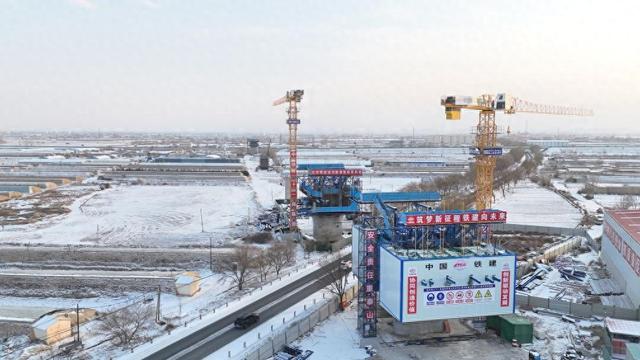
新春走基层·大国工程新春看攻坚丨兰张高铁的“数智脊梁”
Xin Lang Cai Jing· 2026-02-08 14:25
新华社兰州2月8日电冬日的河西走廊,朔风凛冽,苍茫大地寒意阵阵。 项目部党支部书记朱涛告诉记者,89人的团队中,"90后"占比65%,"00后"占比22%,队伍平均年龄不 足30岁。"别看小秦年轻,已经是业务骨干了。" 临近春节,不少人已踏上返乡旅程。但在兰张高铁武威至张掖段施工现场,一批青年建设者仍坚守一 线,站好节前"最后一班岗",为中国高铁建设按下"快进键"。 在兰张高 铁武威至张掖段,施工人员加速推进项目建设。(马辰 摄) 在中铁二十一局集团有限公司所建项目处,机器轰鸣与焊花飞溅交织,钢铁巨臂缓缓运转,巨大的桥墩 向远方延展开来。 "这是武威当地的'母亲河'石羊河,施工要格外慎重。"26岁的技术员秦振琦戴着眼镜,目光坚毅,仔细 查看着兰张高铁跨石羊河连续梁施工作业情况。 在中铁二 十一局集团有限公司项目部施工现场,兰张高铁跨石羊河连续梁正在进行施工作业。新华社记者李杰 摄 兰张高铁是国家"八纵八横"高速铁路网陆桥通道和丝绸之路经济带快速客运通道的重要组成部分。武威 至张掖段是全线最后一段,该项目部是最早开启建设的单位,也承担着"最先一公里"的建设。 令朱涛印象最深的便是,项目开展不久后,就遇到了黄土地 ...
云意电气:已搭建并完善ERP、MES、WMS等核心数字化管理系统
Zheng Quan Ri Bao Wang· 2026-02-08 10:12
Core Viewpoint - The company emphasizes its commitment to digitalization and intelligence development, having established and improved core digital management systems such as ERP, MES, and WMS, which enhance operational efficiency and data traceability throughout the production process [1] Group 1 - The company has implemented end-to-end data traceability and refined operational management from raw material procurement to finished product delivery [1] - The company possesses capabilities and practical applications related to Industry 4.0 [1] - The level of digital operations continues to improve [1]
