
潮玩

Search documents
A股结构分化加剧均衡基金重回投资视野
Zheng Quan Shi Bao· 2025-09-03 18:21
Core Viewpoint - The A-share market is experiencing high volatility, and investors are focusing on strategic positioning to achieve excess returns while controlling risks [1] Group 1: Fund Performance - The Guangfa Balanced Growth Fund has shown strong performance with a one-year return of 55.03%, outperforming its benchmark by 23.89% [1] - The fund's maximum drawdown since inception is 12.59%, which is lower than the over 15% drawdown of the CSI 300 Index and the Wind Mixed Equity Fund Index [1] - The fund's Sharpe ratio is 2.05, placing it in the top 1% among 4180 mixed equity funds [1] Group 2: Fund Manager and Strategy - Yang Dong, the fund manager, has 19 years of experience and focuses on top-down industry selection followed by bottom-up stock selection [2] - The fund's portfolio is diversified across various industries, with significant allocations in electronics, communications, and innovative pharmaceuticals [2] - The top ten holdings account for 41.18% of the fund's net asset value, with individual stock weights ranging from 1% to 2% [2] Group 3: Future Outlook - Yang Dong is optimistic about the A-share market, highlighting three trends: the growth of industries like AI and electronics, a shift in asset allocation towards equities and funds, and supportive policies that may stabilize the market [3]
广博股份深耕潮玩市场:头部赋能,小众破圈,实现全球化突围
Zheng Quan Shi Bao Wang· 2025-09-02 06:33
Core Insights - The Chinese潮玩 (trendy toy) market is projected to become a dark horse by 2025, with a market size expected to exceed 87.7 billion yuan, and reach 110.1 billion yuan by 2026, maintaining a compound annual growth rate (CAGR) of over 24% [2] Group 1: Company Strategy - Guangbo Co., Ltd. focuses on IP derivative products, transitioning from a traditional stationery manufacturer to a cultural creative enterprise [2] - The company has established stable collaborations with top international IP holders such as Sanrio and Detective Conan, developing a range of products including notebooks and figurines, which enhance brand visibility and attract young consumers [3] - Guangbo Co., Ltd. captures the commercial potential of niche IPs, focusing on verticals like anime and web literature, obtaining licenses for popular IPs such as "Mystery Lord" and "Mo Dao Zu Shi," and creating derivative products like badges and cards [3] Group 2: Product Development and Marketing - The company emphasizes a full-chain operational system from product development to marketing, integrating IP elements with practical functions to create high-value innovative products [4] - In 2024, the revenue from creative products reached 187 million yuan, a year-on-year increase of 15.95%, with a gross margin of 43.29%, up by 8.92 percentage points from the previous year [4] - Guangbo Co., Ltd. has expanded its product line to include lifestyle trendy toys, enhancing emotional value and social attributes, thus increasing user lifecycle value [4] Group 3: Marketing Strategy - The company has built an integrated online and offline marketing system, effectively converting IP popularity into consumer sales [5] - It utilizes social media platforms for marketing through short video promotions and live streaming, engaging KOLs for product reviews to quickly boost product awareness [5] Group 4: Global Expansion - With the economic growth in Southeast Asia, there is significant potential demand for cultural IP products, prompting Guangbo Co., Ltd. to enhance its overseas market presence [6] - The company has established production bases in Vietnam, Cambodia, and Malaysia, creating a multi-regional collaborative production system that reduces costs and mitigates operational risks [6] - Guangbo Co., Ltd. has developed a vast marketing network internationally, expanding from Hong Kong and the USA to Southeast Asia, significantly broadening its sales reach [6]


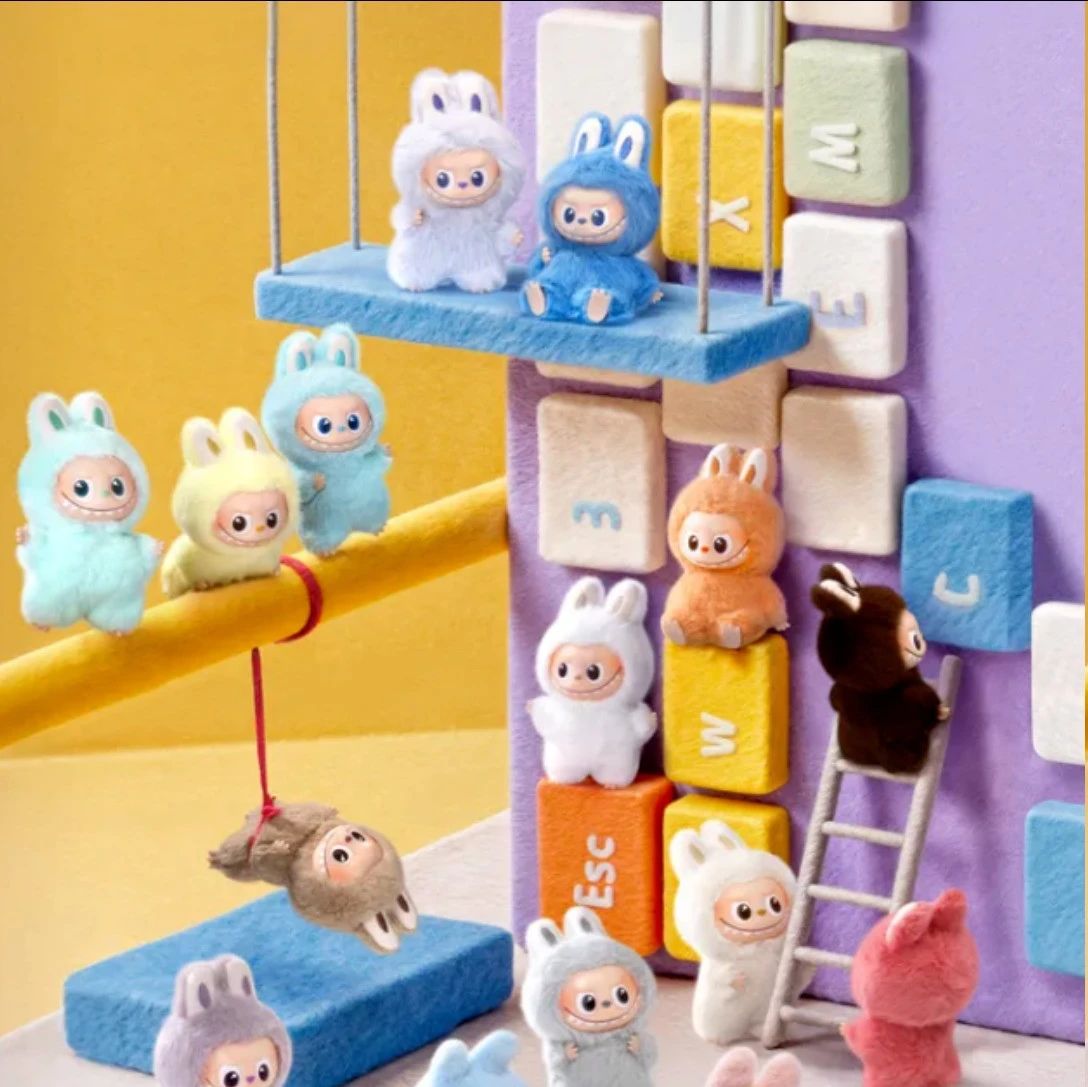
迷你版LABUBU开售60秒售罄,二手价格炒至2290元
21世纪经济报道· 2025-08-29 00:20
Core Viewpoint - The recent launch of the mini LABUBU blind box series by Pop Mart has seen overwhelming demand, selling out within 60 seconds across major e-commerce platforms, indicating strong consumer interest and potential for future sales growth [1][3]. Group 1: Product Launch and Sales Performance - The mini LABUBU series consists of 14 regular items and 1 hidden item, priced at 79 yuan each, with a complete set costing 1106 yuan [3]. - By August 28, the total sales of mini LABUBU on e-commerce platforms exceeded 1 million units [3]. - The resale price for a complete box of mini LABUBU has reached approximately 2290 yuan on second-hand platforms, reflecting high demand and speculative interest [3]. Group 2: Financial Performance - For the first half of 2025, Pop Mart reported a revenue of 13.876 billion yuan, a year-on-year increase of 204.4%, and a pre-tax profit of 6.157 billion yuan, up 401.2% [5]. - The net profit attributable to shareholders was 4.574 billion yuan, marking a 396.5% increase year-on-year [5]. - In the same period, 13 artist IPs generated over 100 million yuan in revenue, with THE MONSTERS leading at 4.814 billion yuan [7]. Group 3: Market Reaction and Future Outlook - Despite the successful launch of mini LABUBU, Pop Mart's stock price saw only a slight increase of 0.68% to 324.4 HKD per share on August 28, with a market capitalization exceeding 430 billion HKD [8]. - The founder of Pop Mart, Wang Ning, expressed confidence in the mini LABUBU's potential to become a popular product due to its versatile usage scenarios [7].
重磅发布会,今日上午10时;上海发布楼市新政……盘前重要消息还有这些
Zheng Quan Shi Bao· 2025-08-26 00:15
Group 1 - New stock offering: Sanxie Electric has an offering code of 920100, with an issue price of 8.83 yuan per share and a subscription limit of 855,000 shares [1] - Shanghai's new real estate policy allows unlimited home purchases for eligible buyers outside the outer ring, treats single adults as families, and eliminates the distinction in mortgage rates between first and second homes [4] - The National Development and Reform Commission (NDRC) is focusing on expanding domestic demand and stabilizing employment, while supporting enterprises in technology and product innovation [5] Group 2 - Pinduoduo's Q2 revenue growth slowed to 7% year-on-year, totaling 104 billion yuan, with a net profit of 30.75 billion yuan, down 4% year-on-year [8] - Lixun Precision expects a net profit growth of 20% to 25% year-on-year for the first three quarters [8] - Yonggu Technology reported a net profit of 339 million yuan for the first half of the year, a year-on-year increase of 496.36% [9] Group 3 - Tianfeng Securities remains optimistic about the long-term investment opportunities in China's AI sector, citing substantial returns from AI investments by internet companies [11] - Huafu Securities sees short-term support for the toy industry from consumption stimulus policies and industry regulations, with long-term potential for cultural consumer goods to expand overseas [12]




TOP TOY获淡马锡A轮投资
Bei Jing Shang Bao· 2025-08-25 11:02
Group 1 - TOP TOY has completed Series A financing, with Temasek as the investor [1] - The financing will enhance TOP TOY's market expansion and product innovation in the trendy toy sector [1] - TOP TOY was established on November 5, 2020, and offers products across seven core categories including blind boxes, art toys, anime figures, comic figures, doll models, assembly models, and building blocks [1]
泡泡玛特(09992):2025 年半年报业绩点评:25H1美洲市场爆发,IP矩阵“一超多强”
GUOTAI HAITONG SECURITIES· 2025-08-23 14:01
Investment Rating - The report maintains a "Buy" rating for the company, citing optimistic growth prospects due to successful overseas expansion and the emergence of new IPs [11]. Core Insights - The company reported profits exceeding expectations for the first half of 2025, with significant growth anticipated in key markets, particularly in the Americas, where new IPs are expected to gain consumer favor [2]. - The company's revenue for the first half of 2025 reached 138.8 billion RMB, a year-on-year increase of 204.4%, while net profit was 46.8 billion RMB, up 385.6% [11]. - The IP matrix has formed a "one strong, many strong" pattern, with five major IPs generating over 1 billion RMB in revenue, indicating robust growth potential in overseas markets [4]. Financial Summary - The company forecasts total revenue to grow from 6,345 million RMB in 2023 to 68,713 million RMB by 2027, reflecting a compound annual growth rate (CAGR) of 36.4% [5]. - Net profit is projected to increase from 1,082 million RMB in 2023 to 23,843 million RMB in 2027, with a significant growth rate of 127.5% in 2024 [5]. - The gross profit margin is expected to improve from 61.32% in 2023 to 76% by 2026, indicating enhanced profitability [13]. Market Performance - The company's stock has a current market capitalization of 430,279 million HKD, with a 52-week price range of 45.35 to 320.40 HKD [8]. - The report highlights that the Americas market has seen a revenue increase of over 11 times year-on-year, with expectations for continued high growth [11].

毛绒,成了泡泡玛特“半条命”
创业邦· 2025-08-22 03:16
Core Viewpoint - The article highlights the impressive financial performance of Pop Mart in the first half of the year, with significant revenue and profit growth driven by its popular IPs, particularly Labubu and plush toys [5][7]. Financial Performance - Pop Mart reported a revenue of 13.88 billion RMB, a year-on-year increase of 204.4%, and an adjusted net profit of 4.71 billion RMB, up 362.8% [7]. - The revenue contribution from plush toys reached 6.14 billion RMB, accounting for 44.2% of total revenue, surpassing the 37.3% from figurines [9][10]. Growth Drivers - The success of Labubu, part of the THE MONSTERS IP, generated 4.81 billion RMB in revenue, representing 34.7% of total revenue [9]. - The plush category's revenue growth was remarkable, with a year-on-year increase of 1276.2% [10]. Supply Chain and Production - Pop Mart expanded its plush production capacity by approximately tenfold, increasing from 3 million units per month to around 30 million [9][10]. - The company is focusing on scaling production capacity before investing in new materials and automation technologies [10]. Market Trends - The global trend shows a rising preference for plush toys, with Labubu ranking first across various markets [11]. - The article discusses the psychological appeal of plush toys, linking them to emotional comfort and security for adults [17][18]. Industry Dynamics - The article notes that the plush toy industry is being revitalized by creative trends and the integration of plush toys into adult markets, moving beyond traditional children's toys [23][25]. - The lower production costs of plush toys compared to other toy categories allow for greater market entry and innovation [23]. Future Outlook - Pop Mart aims to diversify its IP portfolio to ensure balanced growth and avoid over-reliance on Labubu [13]. - The company is expected to continue prioritizing plush toys as a key growth area in the coming years [13].

王宁掏出迷你版LABUBU
3 6 Ke· 2025-08-20 08:47
Core Viewpoint - The upcoming Mini version of LABUBU is expected to be a highly popular product, contributing significantly to the growth of Pop Mart, which reported impressive financial results for the first half of 2025 [1][2]. Financial Performance - Pop Mart's revenue for the first half of 2025 reached 138.8 billion RMB, a year-on-year increase of 204.4%, while adjusted net profit was 47.1 billion RMB, up 362.8% [1][2]. - The THE MONSTERS series, which includes LABUBU, generated 48.1 billion RMB in revenue, accounting for 34.7% of total revenue [1]. - The gross margin for Pop Mart in the first half of 2025 was 70.3%, an increase of 6.3 percentage points year-on-year, with overseas market gross margin reaching 75.5% [9]. Product and Market Dynamics - LABUBU has surpassed the original collectible figures to become the company's top product category, with its revenue contribution rising from approximately 10% last year to 44% this year [2]. - The production capacity for LABUBU is expected to increase from 300-400 million units per month to 1 million units per month by September [2]. - Pop Mart's international expansion has been significant, with revenue growth in the Americas and Europe reaching 1142.3% and 729.2%, respectively [2]. Stock Market Reaction - Following the financial report, Pop Mart's stock price surged, reaching a record high of 315.40 HKD per share, a 12.32% increase in one day, pushing its market capitalization above 425.44 billion HKD [2]. Challenges and Future Outlook - Despite the optimistic outlook from mainstream institutions, there are concerns regarding the sustainability of LABUBU's popularity and the potential for future IP development [4][15]. - The company aims to maintain its growth trajectory and is exploring new IPs to replicate LABUBU's success, with CRYBABY and Star People being highlighted as potential successors [16][20]. - Pop Mart's CEO expressed confidence in achieving a revenue target of 300 billion RMB for the year, indicating strong growth expectations [10].

毛绒营收占比首超手办 泡泡玛特2025年上半年毛利率达70.3%
Bei Jing Shang Bao· 2025-08-19 10:13
Core Insights - Pop Mart International Group reported a significant revenue increase of 204.4% year-on-year, reaching 13.88 billion yuan in the first half of 2025, with an adjusted net profit of 4.71 billion yuan, up 362.8% [1] - The gross margin improved to 70.3%, an increase of 6.3 percentage points compared to the previous year [1] - The revenue from plush toys reached 6.14 billion yuan, accounting for 44.2% of total revenue, surpassing the sales of figurines for the first time [1] Revenue Breakdown - Revenue from China was 8.28 billion yuan, a year-on-year increase of 135.2% [1] - Asia-Pacific revenue (excluding China) was 2.85 billion yuan, up 257.8% [1] - The Americas saw revenue of 2.26 billion yuan, a staggering increase of 1142.3% [1] - Europe and other regions generated 480 million yuan, growing by 729.2% [1] Operational Efficiency - Despite a modest increase in the number of physical stores, with a net addition of 12 stores to reach 443, the company achieved a revenue growth of 117.1% in offline sales, totaling 5.08 billion yuan [1] - Online channels in the Chinese market generated 2.94 billion yuan, a growth of 212.2%, with significant contributions from various platforms [2] Product Performance - The revenue from THE MONSTERS brand was 4.81 billion yuan, a remarkable increase of 668.0% [3] - Other brands like MOLLY, SKULLPANDA, CRYBABY, and DIMOO also showed strong performance, with revenues exceeding 1 billion yuan each [3] - The revenue from plush toys reached 6.14 billion yuan, while figurines generated 5.18 billion yuan, marking a shift in product sales dynamics [3] Membership Growth - The total number of registered members in mainland China increased from 46.08 million at the end of 2024 to 59.12 million by June 30, 2025, with 13.04 million new registrations [3] - Membership sales contributed to 91.2% of total sales, with a repurchase rate of 50.8% [3]
LadyGaga带Labubu出街
news flash· 2025-08-04 07:48
Core Viewpoint - Lady Gaga was spotted in Los Angeles with a custom Labubu doll, sparking global fan discussions and highlighting the international appeal of Chinese IPs [1] Group 1 - The sighting of Lady Gaga with the Labubu doll has generated significant excitement among fans and collectors [1] - The event is seen as a milestone for Chinese IPs, indicating their successful transition into the international market [1] - Some enthusiasts have even referred to Pop Mart as the "Chinese Disney," emphasizing its growing influence in the global toy industry [1]