睡眠经济

Search documents
营收稳健、盈利领跑,喜临门等龙头企业展现“率先反转”势头
Sou Hu Wang· 2025-09-11 03:10
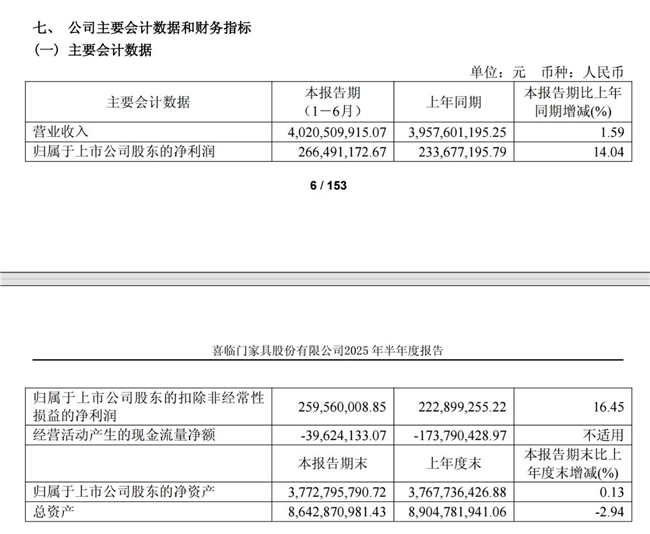
Core Viewpoint - The consumer sector, particularly the home furnishing industry, is expected to experience a valuation recovery due to ongoing consumption promotion policies and the traditional consumption peak in the fourth quarter. Leading companies like Xilinmen and Kuka Home are at the forefront of this recovery with solid fundamentals and forward-looking strategies [1] Group 1: Financial Performance of Leading Companies - Kuka Home reported a revenue of 9.801 billion yuan in the first half of the year, a year-on-year increase of 10.02%, with a net profit of 1.021 billion yuan, up 13.89%, indicating effective cost control and product structure optimization [2] - Xilinmen achieved a revenue of 4.021 billion yuan, a slight increase of 1.59%, while its net profit rose by 14.04% to 266 million yuan, showcasing significant profit growth despite stable revenue [2][4] - Mengbaihe's revenue reached 4.316 billion yuan, up 9.35%, with a net profit of 115 million yuan, a substantial increase of 17.82%, benefiting from a low base effect from the previous year [2] - Mosi's revenue declined by 5.76% to 2.478 billion yuan, with a net profit decrease of 4.14% to 358 million yuan, reflecting challenges in the high-end market positioning [2] Group 2: Profitability and Market Trends - The home furnishing industry shows a divergence in profitability, with companies focusing on high-end smart products experiencing notable gross margin improvements. For instance, Xilinmen's gross margin reached 36.28%, up 1.51 percentage points, indicating a clear and solid profit reversal trend [3] - The smart home and sleep economy segments are driving significant growth within the home furnishing industry, fueled by consumer demand for improved sleep quality and the introduction of smart, personalized products [6] Group 3: Company Strategies and Innovations - Xilinmen has established a smart sleep ecosystem brand "aise Baobao," with over 200 stores in major cities and a comprehensive presence on major e-commerce platforms. The company plans to launch new product lines in 2025 to enhance its smart mattress offerings [7] - Kuka Home focuses on building a "whole-home smart ecosystem," integrating features like voice control and health monitoring into its product lines, such as the newly launched smart electric sofa series [7] - Digital transformation is a common strategy among leading companies, with Xilinmen and Mosi integrating digital solutions across their operations to reduce costs and enhance market insights [9][10] Group 4: Market Outlook and Investment Opportunities - The home furnishing industry is currently valued at historical lows, reflecting market caution towards short-term pressures, but signs of early recovery are emerging in various segments and companies [11] - High-growth areas like the sleep economy and smart home products, along with companies with solid performance, are expected to outperform the industry and become potential investment opportunities [12] - The industry is at a critical stage of "recovery + transformation," with structural opportunities emerging despite short-term challenges, emphasizing the importance of identifying quality companies in niche markets for investors [12]


水星家纺20260906
2025-09-07 16:19
Summary of Mercury Home Textiles Conference Call Company Overview - **Company**: Mercury Home Textiles - **Industry**: Home textiles industry Key Financial Metrics - **2025 H1 Revenue**: 1.29 billion CNY, up 6.4% YoY [2] - **Net Profit**: 140 million CNY, down 3.4% YoY [2] - **Gross Margin**: Increased by 2 percentage points to 43.9% [2] - **Online Revenue Growth**: 16% YoY, with Q2 growth at 23% [2][6] - **CAGR (2018-2024)**: Revenue at 9.5%, e-commerce revenue at 17.3% [2][3] Competitive Advantages - **Market Position**: Leading player in the domestic home textiles industry [3] - **Product Strategy**: Focus on big-ticket items and strong online channels [3] - **Sales Strategy**: Concentrated promotion of high-tech products like 3D goose down quilts and ergonomic pillows [3] Market Dynamics - **Market Size**: Home textiles market approximately 250 billion CNY, with bedding products around 150 billion CNY [14] - **Growth Forecast**: Expected CAGR of 2.6% over the next five years [14] - **Consumer Trends**: Increasing focus on sleep quality and product upgrades driving market growth [14][16] Online Channel Performance - **Sales Comparison**: Mercury's products generally priced lower than competitors but with higher sales volumes [18] - **Consumer Preference**: High-end consumers prefer established brands for quality assurance [19] Future Outlook - **Growth Potential**: Strong growth prospects due to online platform advantages and product upgrades [20] - **Market Strategy**: Continued focus on e-commerce and brand positioning in mid-to-high-end markets [8][20] - **Investment Recommendation**: Attractive investment opportunity due to low valuation and high dividend yield [7][12] Shareholder Returns - **Dividend Payout**: Increased to over 60% in recent years, with a dividend yield above 5% [12] - **Valuation Trends**: PE ratio around 11.5, influenced by market conditions and strategic product launches [13] Challenges and Risks - **Profit Margin Pressure**: Rising sales expenses impacting net profit margins [3][11] - **Market Competition**: Intense competition from both established and emerging brands [3][11] Conclusion - **Investment Thesis**: Mercury Home Textiles is well-positioned for growth in the home textiles market, leveraging its strong online presence and innovative product offerings to capture market share and enhance profitability [7][24]

“失眠”,催生了一个5000亿市场
投中网· 2025-09-04 05:25
Core Viewpoint - The sleep economy in China is booming, with a market size expected to exceed 1 trillion yuan by 2030, driven by the increasing sleep issues among the younger population [5][19][24]. Group 1: Market Overview - The sleep health industry in China grew from 261.63 billion yuan in 2016 to nearly 500 billion yuan in 2023, indicating a significant market expansion [19]. - The market encompasses a wide range of products and services, including sleep aids, therapeutic solutions, and technological innovations [21][20]. Group 2: Consumer Behavior - Approximately 48.5% of adults in China experience sleep disturbances, with younger generations (90s and 00s) being the most affected, consuming 70% of sleep aids [6][7][9]. - The primary reasons for sleep issues among young people include anxiety, work pressure, and lifestyle choices, leading to a phenomenon termed "sleep debt" [12][14][15]. Group 3: Product and Service Development - The market features a variety of sleep-related products, from affordable sleep masks to high-end smart mattresses, catering to diverse consumer needs [22]. - New professions such as "sleep consultants" and "sleep coaches" have emerged, providing services that range from psychological support to sleep environment optimization [22][23]. Group 4: Technological Integration - The integration of AI technology in sleep products has led to the development of smart sleep monitoring devices and automated solutions that enhance sleep quality [23]. - Companies are increasingly focusing on personalized and scenario-based sleep solutions, addressing specific consumer needs and preferences [26][27].


90后、00后吞下七成助眠药?
虎嗅APP· 2025-09-03 14:01
Core Viewpoint - The sleep economy is booming, with a market size expected to exceed 1 trillion yuan by 2030, driven by the increasing sleep issues among young people in China [4][16]. Group 1: Market Overview - The sleep health industry in China grew from 261.63 billion yuan in 2016 to nearly 500 billion yuan in 2023, indicating a significant market expansion [16]. - The market encompasses a complete supply chain related to sleep, including products, services, and technology [16]. Group 2: Consumer Behavior - Approximately 48.5% of adults in China experience sleep disturbances, with younger generations (90s and 00s) being the most affected [5][8]. - Young consumers are increasingly prioritizing sleep quality over quantity, with over 60% considering deep sleep duration as a key measure of sleep quality [20]. Group 3: Product and Service Trends - The market features a wide range of sleep-related products, from affordable sleep masks to high-end smart mattresses, catering to diverse consumer needs [17]. - New professions such as "sleep consultants" and "sleep coaches" have emerged, providing personalized services to help individuals improve their sleep [18]. Group 4: Technological Innovations - AI technology is enhancing sleep products, with innovations like smart sleep monitoring devices and AI-assisted sleep aids becoming more prevalent [19]. - Companies are increasingly focusing on personalized and scenario-based sleep solutions, such as sleep aids designed for specific demographics [20][21].

卖枕头强过卖房间?亚朵客房收入下滑核心业务拉警报
Xin Jing Bao· 2025-08-28 12:57
Core Viewpoint - Atour Group reported strong revenue growth in Q2 2025, but faces challenges in balancing rapid expansion with quality control and profitability [1][4]. Financial Performance - In Q2 2025, Atour achieved revenue of approximately 2.469 billion yuan, a year-on-year increase of 37.4% [1]. - Adjusted net profit for the same period was about 427 million yuan, up 30.2% year-on-year [1]. - Adjusted EBITDA reached approximately 610 million yuan, reflecting a 37.7% increase compared to the previous year [1]. - The company expects total net income for 2025 to grow by 30% compared to 2024 [1]. Business Segments - Revenue from managed franchise hotels reached 1.299 billion yuan, a 26.5% increase year-on-year, accounting for 52.6% of total revenue [2][3]. - Self-operated hotel revenue declined by 17% to 150 million yuan, with the number of self-operated hotels decreasing from 30 to 24 [2]. - Retail business revenue surged to 964.8 million yuan, a significant increase of 79.8%, making up 39% of total revenue [6][7]. Operational Challenges - Despite the growth in hotel numbers, key operational metrics such as RevPAR and ADR have declined, indicating potential quality control issues [4][5]. - RevPAR fell to 343 yuan from 359 yuan year-on-year, while ADR decreased from 441 yuan to 433 yuan [4]. - Average occupancy rate dropped from 78.4% to 76.4% [4]. Cost and Marketing - Hotel operating costs rose to 893 million yuan, up from 776 million yuan year-on-year, driven by network expansion and variable costs [4]. - Retail costs also increased significantly, with Q2 retail costs reaching 451 million yuan, a 70% year-on-year rise [7]. - Marketing expenses surged by 74.7% to 393 million yuan in Q2, reflecting the company's investment in brand awareness and online channel expansion [6][7]. Strategic Considerations - The rapid expansion of the franchise model has raised concerns about quality control, highlighted by recent incidents affecting brand reputation [5]. - The company is exploring a secondary listing in Hong Kong, potentially raising several hundred million dollars [1].

华住韧性增长下核心业务承压,Q2以多元化探索寻突破
Sou Hu Cai Jing· 2025-08-18 11:34
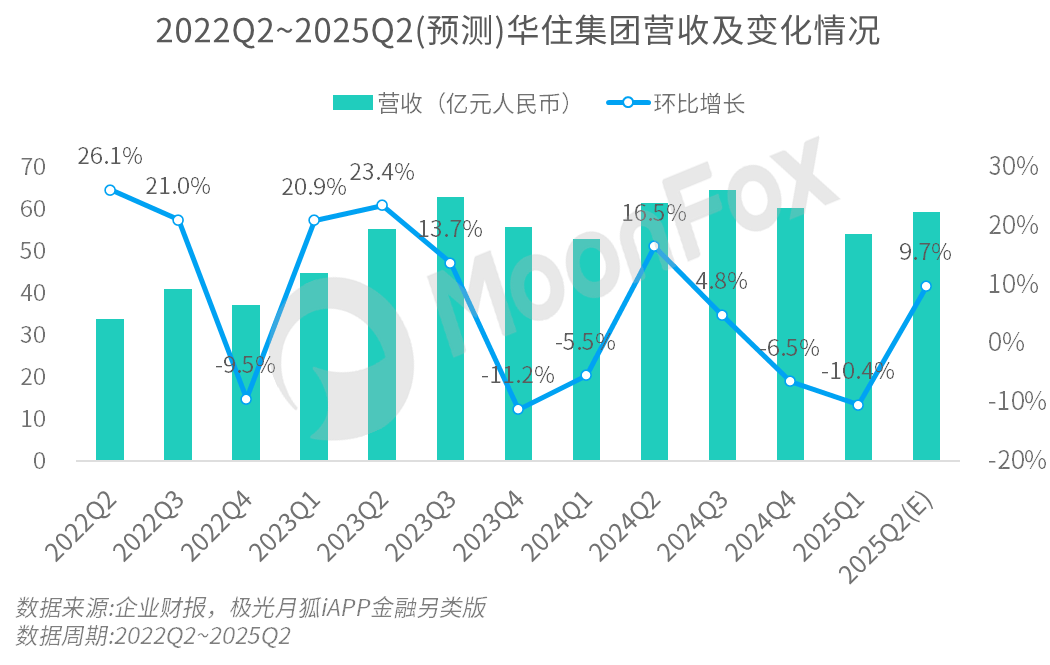
Financial Performance Analysis - In Q1 2025, Huazhu Group's hotel revenue increased by 14.3% year-on-year to 22.5 billion yuan, while total revenue reached 5.395 billion yuan, a 2.2% increase [1] - The net profit attributable to shareholders was 894 million yuan, reflecting a year-on-year growth of 35.7%, indicating revenue and profit growth under a light asset model [1] - Revenue from leased and owned hotels was approximately 2.8 billion yuan, showing significant declines both year-on-year and quarter-on-quarter, while management and franchise income grew by 21% to 2.5 billion yuan, accounting for over 46% of total revenue [4] Business Development Insights - By the end of Q1 2025, Huazhu operated 11,685 hotels, with a net increase of 539 hotels during the quarter, emphasizing a steady expansion strategy focused on light asset operations [8] - The company is optimizing its hotel structure by increasing its presence in lower-tier cities, with 54% of upcoming hotels located in third-tier cities and below, while also expanding its mid-to-high-end market presence [8] - The membership system has grown to nearly 280 million members, contributing to a 65.1% year-on-year increase in room nights booked through the central reservation system, supporting a 76.2% occupancy rate [9] Business Trends Overview - In Q2, Huazhu launched a digital product for GOP (Gross Operating Profit) management aimed at franchisees, enhancing operational efficiency and cost reduction [10] - The company entered the new retail space by launching "Huazhu Club M3 Memory Pillow," leveraging its supply chain advantages to meet growing consumer demand in the sleep economy [11] Development Analysis and Forecast - The recovery of leisure travel in 2025 is expected to provide short-term growth momentum for Huazhu, with significant increases in guest numbers during holiday periods [12] - The hotel industry has seen rapid expansion since 2023, leading to increased competition and pricing pressures, with core performance indicators showing declines across multiple hotel groups [14] - Long-term strategies for Huazhu include enhancing competitiveness through mid-to-high-end market positioning, digital cost reduction, and deepening the membership ecosystem [14]

61%海外增速背后:慕思股份(001323.SZ)如何用科技重新定义“睡眠经济”
Xin Lang Cai Jing· 2025-08-14 06:04
Group 1 - The home furnishing industry is facing unprecedented challenges due to real estate market adjustments and rapidly diversifying consumer demands [1] - Mousse Co., Ltd. has achieved remarkable growth through a forward-looking globalization strategy and continuous technological innovation, with overseas business growth reaching 61% year-on-year [1] - The company's breakthrough stems from a deep understanding of the "healthy sleep" concept, transforming traditional mattress manufacturing into smart sleep system development [1] Group 2 - Mousse has established a localized "R&D-production-service" system in overseas markets, setting up R&D centers in Germany and Italy to ensure products meet regional consumer preferences [3] - The company has acquired over 1,800 patents and copyrights, creating a multi-dimensional technological barrier encompassing material science, ergonomics, and smart hardware [3] - Mousse integrates ESG principles into its development, using biodegradable materials and promoting circular packaging, enhancing brand social value and laying a solid foundation for sustainable development [3] Group 3 - Mousse drives differentiated development through technology and globalization, proving that Chinese home furnishing companies can compete in the high-end market with international brands [4] - As smart sleep technology matures and overseas market penetration deepens, Mousse may reshape the competitive landscape of the global sleep industry [4] - The company's interpretation of "healthy living" will provide global consumers with more diverse value choices [4]

解码睡眠经济:当5亿“特困生”撑起千亿级新蓝海,品牌机会在哪里?
3 6 Ke· 2025-08-05 03:38
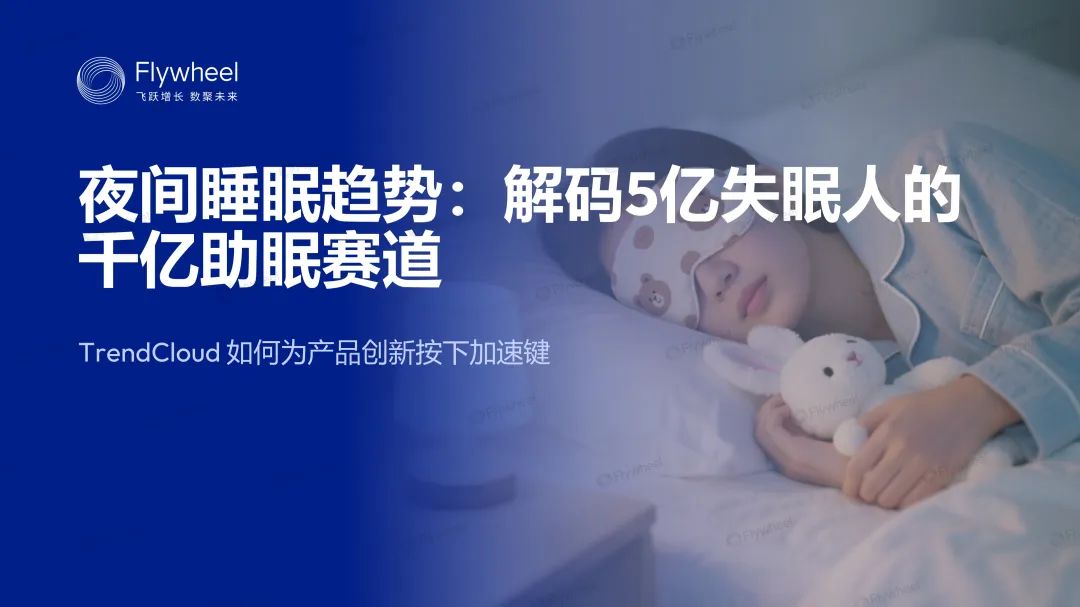
Core Insights - The sleep economy is emerging as a significant market opportunity, with over 500 million people in China suffering from sleep disorders by 2025, and an adult insomnia rate of 38.2% [1][7][14] - The market for sleep aids is expected to grow explosively, driven by consumer demand for better sleep quality and health awareness, with sales projected to increase by 30% year-on-year by 2025 [3][14][18] - The consumer landscape is evolving, with a shift from simple sleep aid needs to a holistic approach to emotional and physical well-being [3][23] Market Dynamics - The insomnia population is predominantly young and urban, with 82% being middle-aged and young adults, and 72% being female, primarily located in first-tier and new first-tier cities [3][7][14] - The sleep aid market is experiencing both volume and price increases, with a 30% year-on-year sales growth and a 22% increase in media exposure [3][18] - The market is diversifying, with various product categories including bedding, electronic devices, and health supplements gaining traction [20][23] Consumer Behavior - Consumers are increasingly seeking effective sleep solutions, with 82% willing to pay for emotional value associated with good sleep [23] - The shopping journey for sleep products involves multiple stages, from awareness to loyalty, with a focus on product efficacy and user experience [32][34] - The demand for multi-functional products is rising, as consumers look for solutions that not only aid sleep but also enhance overall well-being [41][43] Product Development - Successful sleep products are characterized by a formula that combines sensory experience, scientific principles, and cross-functional benefits [35][39] - The market is witnessing a trend towards products that offer immediate sensory feedback, such as tactile and olfactory elements, which are becoming more popular than purely visual products [37][39] - Brands are encouraged to leverage data and AI to identify consumer trends and optimize product offerings in the competitive sleep aid market [16][59] Target Demographics - Four primary consumer segments have been identified: Tech Optimizers, High-Pressure Professionals, Exquisite Care Seekers, and Natural Healers, each with distinct preferences and purchasing behaviors [27][29] - The Natural Healers focus on holistic approaches, while High-Pressure Professionals prioritize efficient solutions for sleep recovery [29][30] - Exquisite Care Seekers are inclined towards creating a luxurious sleep environment, while Tech Optimizers utilize technology to monitor and improve their sleep [29][30] Case Studies - Notable products like the Atourplanet Deep Sleep Memory Pillow have achieved significant sales, exceeding 1.4 billion, by addressing consumer needs for comfort and sleep quality [51][53] - The Puy Medical Essential Oil Sleep Spray has also gained popularity, generating 3 million in sales within a month, highlighting the demand for natural and effective sleep solutions [54][56]
百元“睡眠神器”卖爆,增速超100%,有商家靠单品年入千万
3 6 Ke· 2025-08-03 00:51
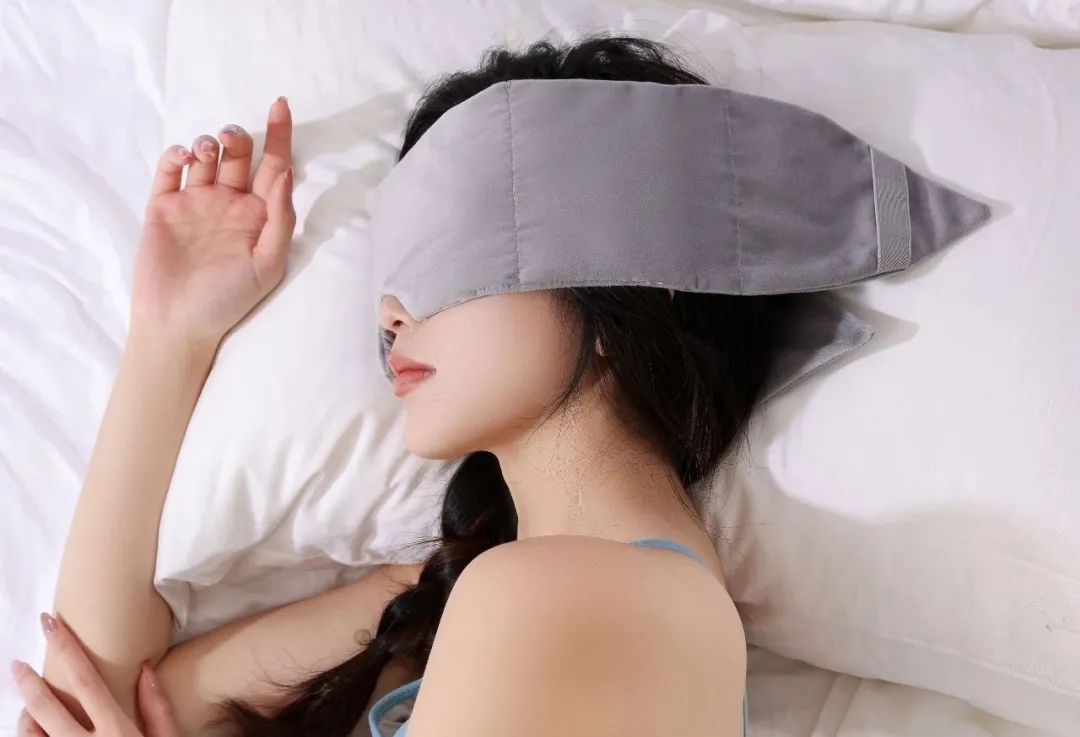
Core Viewpoint - The gravity eye mask, a new sleep aid product, has gained significant popularity in the Chinese market, with sales increasing rapidly due to rising sleep issues among the population and innovative marketing strategies [2][9][13]. Industry Overview - The gravity eye mask market is part of the broader sleep economy, which is projected to exceed 570 billion yuan by 2025 in China [13]. - The industry is experiencing a growth rate of approximately 40%, driven by an increasing number of individuals suffering from sleep disorders, which currently affects around 500 million adults in China [9][10]. Product Insights - Gravity eye masks typically weigh around 250 grams and are designed to provide a gentle pressure that mimics the feeling of being hugged, promoting blood circulation around the eyes [2]. - The product has seen a 100% year-on-year sales increase during major shopping events like the Tmall 618 promotion [2]. - The MiDuDog brand has reported over 10 million yuan in sales from gravity eye masks alone within a year [2]. Consumer Trends - There is a growing demand for sleep aid products among young consumers, with various brands launching innovative products such as sleep-enhancing essential oils and beverages [2]. - The gravity eye mask has sparked mixed reactions on social media, with some users praising it as a "sleeping artifact" while others criticize it as a "smart tax" due to usability issues [3]. Competitive Landscape - Domestic brands like MiDuDog are leveraging local supply chains to offer gravity eye masks at competitive prices, significantly lower than their foreign counterparts [4]. - The market is characterized by a lack of saturation, providing ample profit margins for brands to invest in research and development [11]. Marketing and Distribution - Brands are increasingly focusing on online channels for marketing, utilizing platforms like Xiaohongshu and Douyin for direct sales and consumer education [12]. - MiDuDog has expanded its reach by launching products on international platforms like Amazon, capitalizing on its domestic supply chain advantages [12]. Future Outlook - The gravity eye mask segment is expected to continue growing, with innovations in materials and functionalities to meet diverse consumer needs [11]. - As the sleep economy expands, brands that prioritize user experience and address sleep-related pain points are likely to emerge as leaders in the market [13].
传统企业AI转型,智能家居产业迎破局历史性时刻
Zhong Guo Jin Rong Xin Xi Wang· 2025-08-01 02:37
Group 1 - The 2025 World Artificial Intelligence Conference (WAIC) held in Shanghai showcased over 3,000 cutting-edge exhibits from more than 800 companies, highlighting AI's transformative impact across various sectors, including daily shopping, health management, and education [3] - Three major trends in the AI industry were identified: systematic technological breakthroughs leading to ecological transformations, young entrepreneurs driving AI development, and the acceleration of AI empowering various industries from intelligent manufacturing to smart living [3] - The sleep health sector is emerging as a critical battleground for technological advancements, with innovations in brainwave monitoring and smart interventions aimed at addressing the global insomnia epidemic [3][4] Group 2 - The rise of smart mattresses exemplifies the transformation in sleep technology, offering personalized adjustments in firmness and height, and integrating AI to create customized sleep environments [4] - Sleep Number, a U.S. mattress brand, reported a net sales figure of $1.68 billion in 2024, with its smart mattress line priced between $1,099 and $9,999, earning it the nickname "Tesla of mattresses" [4] - China's smart mattress market is still in its early stages, with a penetration rate of less than 5%, indicating significant growth potential compared to developed countries [6] Group 3 - Domestic mattress companies are actively engaging in the "sleep economy," utilizing sleep research to understand consumer needs and innovating with technologies like air springs and memory materials [6][8] - Xilinmen has demonstrated foresight in the smart mattress sector, launching various innovative products since 2014, including the first smart mattress health system and the recent AI mattress that incorporates brainwave technology [8] - Xilinmen's sales of functional smart products exceeded 100 million yuan in 2024, with its AI smart mattress series available in over 200 stores nationwide and expanding into Southeast Asia and the Middle East [8] Group 4 - The future of sleep is being redefined by technology, with reports indicating that sleep is becoming a new infrastructure rather than an outdated business, focusing on emotional support and non-pharmaceutical health interventions as key growth areas [8][9] - As technology continues to advance and costs decrease, smart sleep solutions integrating cutting-edge technology are expected to reach a broader audience, promoting a vision of "AI companionship, no sleepless nights" [9]