美国霸权

Search documents
希拉里蓬佩奥齐声反对:特朗普全球势力划分背后的霸权自私本质
Sou Hu Cai Jing· 2025-12-21 08:15
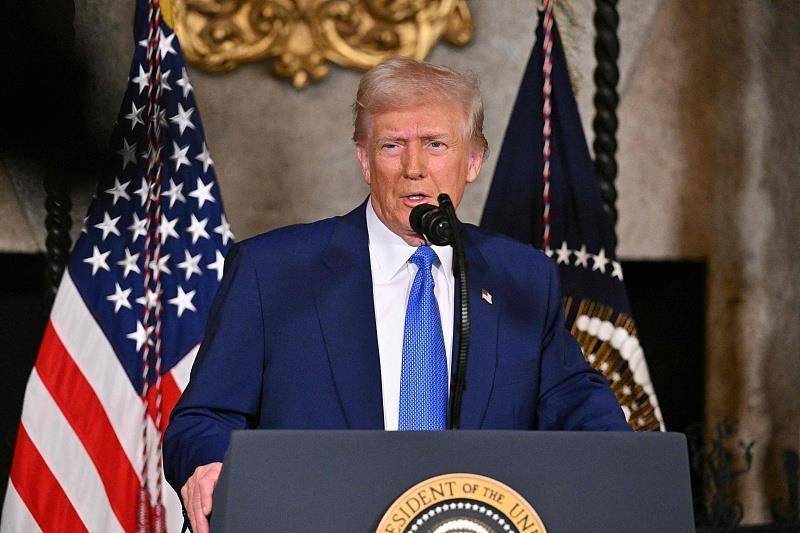
Group 1 - The recent speech at Columbia University highlighted a rare moment of unity between Hillary Clinton and Mike Pompeo, both criticizing Trump's global strategy, indicating a shift in U.S. foreign policy dynamics [1] - Clinton revealed that the Pentagon is discussing the division of spheres of influence, suggesting a strategy where the U.S. maintains control over the Western Hemisphere while Russia and China manage Eastern Europe and East Asia respectively [1] - The U.S. military presence in the Caribbean and East Pacific has reached its highest level in decades, with operations under the guise of anti-drug missions actually aimed at resource acquisition in Venezuela, Bolivia, and Brazil [1] Group 2 - Brazil's experience serves as a warning for Latin American countries, as the U.S. has imposed severe tariffs and sanctions when Brazil sought to balance trade between the U.S. and China [3] - Trump's administration has linked immigration issues to the legitimacy of regimes, pressuring countries to prioritize resource delivery to the U.S. over sovereignty concerns [3] - The U.S. strategy in the Asia-Pacific aims to exhaust China economically while preventing its industrial upgrade, with increasing restrictions on technology and military alliances with regional allies [3] Group 3 - Europe's situation is precarious, with rising natural gas costs due to the ongoing Russia-Ukraine conflict, while the U.S. profits by selling gas to Europe at inflated prices [5] - The U.S. has successfully exploited fears of Russia among Eastern European nations to create divisions within the EU, undermining efforts for strategic autonomy [5] - The traditional hegemonic perspective represented by Clinton and Pompeo reflects a reluctance to accept the decline of U.S. manufacturing and global dominance, as evidenced by reliance on imports for essential goods [5] Group 4 - China is actively pursuing regional economic partnerships like RCEP and engaging in mutually beneficial energy cooperation in Latin America, contrasting with the U.S. approach of viewing the world as a chessboard [7] - The U.S. strategy of treating regions as personal assets and engaging in self-serving tactics is increasingly seen as outdated, as countries seek independent development paths [8] - The notion of strategic contraction by the U.S. is viewed as a sign of declining hegemony, with the global trend moving towards multipolarity and nations pursuing their own development goals [8]

美国要开战吗?铺垫信号明确,定性恐怖组织就是欲加之罪何患无辞
Sou Hu Cai Jing· 2025-12-19 07:02
美国是否打算在拉美地区发起战争?在美国时间12月16日,美国总统特朗普在社交媒体上发帖,指责委 内瑞拉政府盗窃美国的石油,并资助毒品、人口贩卖等犯罪行为。因此,特朗普决定将委内瑞拉政府列 为外国恐怖组织。目前,委内瑞拉已经被美国历史上规模最大的海上舰队所包围,美国宣布将全面封锁 所有进出委内瑞拉的油轮,直到委内瑞拉归还从美国窃取的石油、土地及其他资产。 特朗普对委内瑞拉的指责,实际上给全世界提供了明显的信号,那就是美国正在为针对委内瑞拉的军事 行动做舆论铺垫。特朗普将委内瑞拉定性为恐怖组织,这意味着美国可能在某个时刻以反恐的名义对委 内瑞拉采取军事行动。在当前的国际环境下,任何国家进行反恐行动都能获得广泛支持,而美国选择把 这个标签加在委内瑞拉身上,似乎为军事行动找到了借口。更深层次的原因,可能是美国企图重新在拉 美地区加强其影响力。拉美长期被美国视为其势力范围,特朗普的做法可能是在为美国巩固在拉美的后 院做准备,确保美国的基本利益不受威胁。 实际上,美国的军事行动已经悄然展开。今年年初,美国就已开始向委内瑞拉附近海域部署海军力量。 美国已经向该地区派遣了航空母舰、两栖攻击舰及海军陆战队等作战力量。同时,F- ...
特朗普还没启程访华,中国突然公布黄金库存,美国霸权地位或已不保!
Sou Hu Cai Jing· 2025-12-08 02:49
Core Insights - China's gold reserves have reached 74.12 million ounces as of the end of November, an increase of 30,000 ounces from the end of October, highlighting a strategic shift in its financial positioning [1] - Gold is increasingly viewed as a safeguard for financial sovereignty, especially in light of geopolitical tensions and economic instability [3][5] - The reduction of U.S. Treasury holdings by China, alongside increased gold purchases, indicates a growing awareness of the risks associated with U.S. debt [3][5] Group 1 - China's recent increase in gold reserves signals a proactive approach to mitigate financial risks and enhance economic security [1][7] - The historical context of gold as a financial asset underscores its enduring value despite the shift to fiat currencies [1] - The actions of other countries, such as Japan's reduction of U.S. debt, reflect a broader consensus on the risks associated with U.S. Treasury securities [3] Group 2 - The potential visit of former President Trump to China raises questions about whether he will request China to increase its U.S. debt holdings, indicating the fragility of the current financial landscape [5] - China's strategy of bolstering gold reserves serves as a counterbalance to U.S. financial dominance and reflects the complexities of international relations [7] - The evolving role of gold in the global financial system suggests that it will become increasingly important as countries seek to protect their economic interests amid rising geopolitical tensions [7]

俄罗斯军事专家:“有了特朗普总统,美国霸权要早崩10年”
Sou Hu Cai Jing· 2025-11-26 06:29
Core Viewpoint - The commentary by Russian military expert Korotchenko suggests that Trump's policies have accelerated the decline of U.S. hegemony by approximately ten years, despite the U.S. maintaining a strong economy and military advantages [1][5][8] Group 1: Institutional Foundations - Korotchenko argues that Trump's attacks on education and media have undermined the foundational values of Western democracy that support U.S. power, leading to public confusion and distrust [1][3] - He compares the current situation to the late Soviet period under Gorbachev, where a loss of faith among the populace contributed to the state's collapse [1][5] Group 2: Alliances and Global Influence - Trump's demands for NATO allies to increase military spending and threats to reduce U.S. troop presence in Europe have strained relationships, potentially pushing European nations towards Russia [3][5] - Korotchenko likens Trump's approach to Gorbachev's neglect of the Warsaw Pact, which led to its dissolution and the loss of Soviet influence in Eastern Europe [3][5] Group 3: Economic and Trade Policies - Trump's protectionist policies, including tariffs and restrictions on immigration, have disrupted global supply chains and contributed to a decline in U.S. economic growth, with rising debt levels posing a risk of financial crisis [5][8] - The shift towards isolationism and domestic manufacturing subsidies has led to inflationary pressures and increased tensions with allies, particularly in trade [5][8] Group 4: Political Landscape and Future Implications - Following Trump's re-election in 2024, his "America First" policies are expected to further isolate the U.S. internationally, with potential long-term consequences for its global standing [7][8] - Experts suggest that the current trajectory under Trump's leadership may lead to a more multipolar world, diminishing U.S. hegemony and providing opportunities for adversaries [8]

俄罗斯军事专家:有了特朗普总统,美国霸权要早崩10年
Sou Hu Cai Jing· 2025-11-26 04:39
Core Viewpoint - The article discusses the potential decline of U.S. hegemony accelerated by Trump's policies, drawing parallels to the collapse of the Soviet Union under Gorbachev's reforms [1][3][6]. Group 1: Institutional Foundations - Trump's criticism of the education system and media has undermined the trust and recognition that form the basis of U.S. hegemony, similar to Gorbachev's actions that led to the collapse of Soviet beliefs [3][4]. - The social unrest in the U.S. during the first half of the year reflects the severe division within the country, indicating a loss of confidence in American values [3][6]. Group 2: Alliances - Trump's demands for NATO allies to increase military spending and threats to reduce U.S. troop presence have weakened alliances, potentially pushing European nations towards Russia [4][6]. - The internal divisions within NATO and the discussions among France and Germany about EU self-defense highlight the diminishing influence of the U.S. in Europe [4][6]. Group 3: Trade Foundations - Trump's imposition of tariffs and restrictions on international students has disrupted supply chains and led to economic stagnation, reminiscent of the Soviet Union's closed economy [6][7]. - The protectionist policies have resulted in a decline in economic growth and increased national debt, raising concerns about a potential financial crisis [6][7]. Group 4: Political Developments - Trump's victory in the 2024 election and subsequent policies have been characterized by a focus on "America First," which may further isolate the U.S. internationally [7]. - The rapid implementation of policies, including immigration and trade reforms, has led to significant internal conflict and a decline in national cohesion [7].
聚焦|美国:破纪录的日子 不光彩的一天
Xin Hua She· 2025-11-06 08:01
Core Points - The U.S. federal government shutdown has entered its 36th day, breaking the previous record of 35 days set in late 2018 to early 2019, marking the longest shutdown in U.S. history [1] - The Congressional Budget Office estimates that the prolonged shutdown will reduce the annual GDP growth rate by 1 to 2 percentage points in the fourth quarter of this year, with the BBC estimating a loss of approximately $15 billion for every week the shutdown continues [5] - The shutdown has significantly impacted various sectors, including food assistance, healthcare benefits, and air travel, with Senate Democratic leader Chuck Schumer stating that vulnerable populations are being used as political pawns during this crisis [6] Economic Impact - The ongoing shutdown is expected to lead to a decline in the U.S. GDP growth rate, with estimates suggesting a reduction of 1 to 2 percentage points in the fourth quarter [5] - The airline industry has been severely affected, with over 3.2 million travelers experiencing flight delays or cancellations since the shutdown began [10] Social Consequences - The shutdown has caused substantial distress for American citizens, particularly affecting food assistance and healthcare services, with reports of federal employees lining up for free food [6][7] - Homeless individuals in cities like Portland are also facing challenges, as they wait for assistance amid the ongoing crisis [9] Military and International Relations - The shutdown raises concerns about military pay, with reports indicating that if the shutdown continues, the disbursement of military salaries could be jeopardized [11] - The U.S. government is also facing criticism from Latin American countries regarding its military deployments in the Caribbean, which are framed as efforts to combat drug trafficking [13]
美国家智库警告:特朗普若不尽快收手,关税战将加速美国霸权解体
Sou Hu Cai Jing· 2025-10-20 13:00
Group 1 - The trade policies initiated by the Trump administration have led to significant disruptions in global trade dynamics, with unilateral tariffs causing inflation and economic downturns in the U.S. [2][3] - The tariffs imposed on steel and aluminum, as well as the high tariffs on Chinese goods, are projected to increase U.S. inflation by 1.2 percentage points and reduce global trade volume by 1% [2][3] - The agricultural sector in the U.S. has been particularly hard hit, with exports to China dropping by 32% in the first quarter, resulting in a loss of $15 billion [5][9] Group 2 - Consumer confidence in the U.S. has plummeted to its lowest level in three years, impacting factory profits and leading to increased layoffs [3] - The trade war has prompted retaliatory tariffs from Canada and Japan, adversely affecting U.S. exports of automobiles and aircraft [5][9] - The global response to U.S. tariffs has been overwhelmingly negative, with over 50 countries criticizing U.S. unilateralism and exploring alternatives to the dollar [5][7] Group 3 - The tariffs are seen as undermining the foundation of U.S. economic hegemony, with allies potentially shifting their partnerships due to the trade policies [7][9] - Despite the challenges, China's economy has shown resilience, with a projected increase in foreign investment and growth in domestic consumption [7][9] - The trade conflict has complicated relationships with allies, leading to a potential decline in global economic growth rates as estimated by the IMF [9]

中产消费和美国“霸权”:我们要如何超过美国?
Sou Hu Cai Jing· 2025-10-06 08:16
Core Viewpoint - The article argues that the foundation of American hegemony lies not only in military and technological superiority but significantly in the vast consumer market created by the American middle class [5][8]. Group 1: American Hegemony - The U.S. has maintained its hegemonic status for decades, supported by a large middle class and the consumer market they generate [5]. - The Bretton Woods system established the dollar's status as the global currency, which continues to influence global economics even after its collapse [5][8]. - The U.S. government has imposed over $340 billion in fines on foreign companies through long-arm jurisdiction over the past decade [6]. Group 2: Characteristics of the Middle Class - Approximately 50%-60% of the U.S. population belongs to the middle class, with household incomes ranging from $52,200 to $156,600 for a family of three in 2021 [8]. - The middle class primarily consists of office workers, technical staff, teachers, and nurses, with annual incomes between $50,000 and $150,000 [8][9]. - Most middle-class families own homes but may carry mortgages or car loans, reflecting their economic status and consumption patterns [9]. Group 3: Economic Impact of the Middle Class - The middle class's spending focuses on education and healthcare, which are less sensitive to economic fluctuations, providing stable market demand [10]. - Regional differences in the middle class's economic standards are significant, with higher income thresholds in states like California compared to Mississippi [13]. - The large consumer market supports U.S. companies, enabling them to remain competitive globally [14]. Group 4: Global Influence and Trade - The U.S. is the world's largest importer, with imports reaching $3.2 trillion in 2023, giving it leverage in trade negotiations [15]. - The U.S. often uses market access as a bargaining chip, threatening to restrict access to compel concessions from trading partners [16]. - American consumer culture and lifestyle are disseminated globally, shaping perceptions of the "American Dream" [18]. Group 5: Future Considerations - The article suggests that to surpass the U.S., other countries must enhance their consumer capabilities and address potential financial risks within the U.S. economy [19][20].

中国经济“强”在何处,“短”在哪里?
Sou Hu Cai Jing· 2025-10-03 20:01
Group 1 - The article critiques the narrative that American tech stocks are undervalued compared to Chinese tech stocks, arguing that this perspective ignores the impact of U.S. hegemony and its associated unfair economic practices [1][2] - It highlights the historical inconsistency in the valuation metrics used to promote U.S. stocks, noting that the same individuals who deemed low P/E ratios reasonable in the past have shifted their views as market conditions changed [1][2] - The article emphasizes the need to recognize the unfair distribution and valuation practices stemming from U.S. dominance in the global economy [1] Group 2 - The article outlines China's economic strengths, including political stability, effective macroeconomic management, and a robust manufacturing sector, which has maintained its position as the largest globally for 15 consecutive years [3][6] - It mentions China's significant market potential, with over 1.4 billion people and a growing middle class, which supports diverse consumption patterns and innovation opportunities [3][6] - The article provides data on China's projected GDP growth, innovation rankings, and R&D investments, indicating a strong economic foundation and a commitment to technological advancement [6] Group 3 - The article acknowledges the challenges facing the Chinese economy, such as reliance on foreign resources, real estate market adjustments, and low consumer confidence, which contribute to economic growth pressures [7][8] - It discusses the need for structural reforms to address income distribution issues and the importance of revitalizing workforce motivation to enhance economic dynamism [7][8] - The article warns of external pressures from the U.S. aimed at limiting China's development and emphasizes the importance of creating a fair competitive environment in various sectors [8]

特朗普发表涉华言论,强硬措辞引爆国际舆论
Sou Hu Cai Jing· 2025-09-15 02:05
Core Viewpoint - The recent statements by former President Trump regarding tariffs on China and the cessation of Russian oil purchases highlight a shift in U.S. foreign policy, revealing cracks in American hegemony on the global stage [1][3][12] Group 1: Trump's Tariff Strategy - Trump advocates for immediate tariffs of 50% to 100% on China as a means to leverage its influence over Russia to end the Ukraine conflict [1][3] - The approach reflects Trump's transactional mindset, attempting to apply domestic negotiation tactics to international relations, viewing tariffs as tools for pressure rather than diplomatic solutions [3][12] - Historical context shows that previous tariffs imposed during Trump's administration resulted in significant economic losses for the U.S., with estimates of annual losses around $125 billion due to tariffs on China alone [7][9] Group 2: Reactions from Allies - European Union officials express skepticism about the feasibility of implementing such high tariffs, citing potential harm to their economies and the risk of retaliation from China [6][9] - Canada, while chairing the G7, refrains from supporting Trump's tariff proposals, indicating a desire to repair relations with China and India instead [6][7] - Other G7 allies, including Japan and South Korea, also voice concerns about the economic implications of joining a U.S.-led tariff initiative, highlighting the growing reluctance among allies to follow U.S. directives [7][12] Group 3: Implications for Global Trade - The proposed tariffs could lead to significant disruptions in global supply chains, with potential negative impacts on various industries reliant on Chinese goods [9][12] - The push for a "tariff alliance" by the U.S. may further strain relationships with allies, as countries prioritize their own economic interests over U.S. demands [9][12] - The overarching theme suggests that unilateral trade actions may undermine global cooperation and trust, with the potential for escalating tensions rather than resolving conflicts [10][12]