出口管制

Search documents
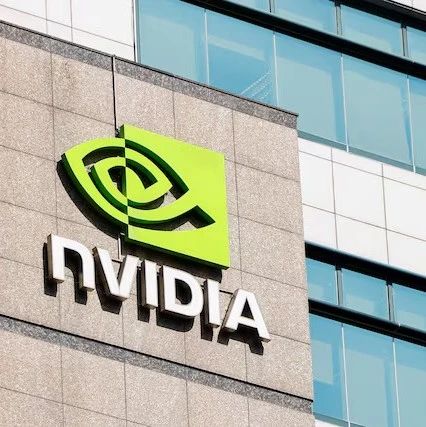
马来西亚调查中国公司使用英伟达晶片是否合法
制裁名单· 2025-06-20 06:11
Core Viewpoint - Malaysia is not restricting the use of Nvidia chips or AI chips in servers under the Strategic Trade Act of 2010, but will cooperate with other countries on export control of sensitive goods [1][2] Group 1: Malaysia's Position on AI Chips - Malaysia's Investment, Trade and Industry Ministry states that the use of Nvidia chips in data centers is not classified as controlled goods under local law [1] - The country allows data centers to make independent business decisions while being supervised by relevant ministries [1] - Malaysia opposes any evasion of export controls or illegal trade activities and emphasizes compliance with international trade regulations [1] Group 2: U.S. Export Controls - Since 2022, the U.S. has intensified restrictions on AI chip exports to China, including a ban on Nvidia and AMD from selling advanced chips to the Chinese market [2] - The Trump administration initially imposed a ban on Nvidia's AI chip sales to China, which was later relaxed [2] - China's Ministry of Foreign Affairs has expressed that Chinese companies should operate within the law and opposes coercive restrictions on cooperation with China [2]



事关英伟达芯片,马来西亚发起调查
半导体芯闻· 2025-06-19 10:32
Core Viewpoint - The Malaysian government is verifying reports regarding a Chinese company using servers equipped with NVIDIA AI chips in Malaysia to train large language models, while ensuring compliance with domestic laws and international trade regulations [1][2]. Group 1: Government Actions and Regulations - The Ministry of Investment, Trade and Industry of Malaysia is currently checking whether the use of NVIDIA chips violates any local laws or regulations [1]. - The ministry stated that servers using NVIDIA or AI chips are not classified as controlled items under the 2010 Strategic Trade Act of Malaysia [1]. - Malaysia opposes any evasion of export controls or illegal trade activities and will continue to enforce international trade regulations [1]. Group 2: Context of AI Chip Usage - A Chinese AI company reportedly rented 300 servers equipped with advanced NVIDIA chips in a Malaysian data center to input data for training AI models, which were then brought back to China [2]. - Since 2022, the U.S. has increased restrictions on the export of advanced AI chips to China, citing national security concerns [2]. - The Biden administration had previously proposed limiting the sale of advanced chips to Southeast Asia and the Middle East to prevent Chinese companies from acquiring these chips through third parties [2].
新华财经晚报:光伏三季度“减产令”升级
Xin Hua Cai Jing· 2025-06-19 09:55
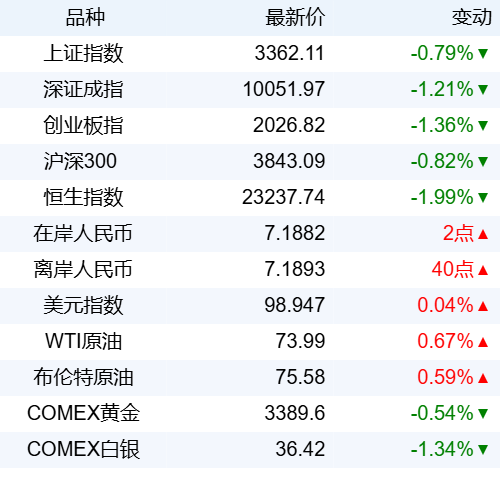
Domestic News - The China Banking and Insurance Regulatory Commission issued a document to life insurance companies, stating that the level of dividends for participating insurance must not engage in "involution" competition, requiring companies to justify the necessity, rationality, and sustainability of proposed dividend levels [1] - The China Photovoltaic Industry Association indicated that the industry will face greater production cuts in Q3, with operating rates expected to decrease by 10%-15% compared to the previous quarter. A special audit team will investigate low-cost sales practices, and companies found violating regulations will face various measures [2] - The Beijing Municipal Committee of Propaganda and other departments issued a notice to promote the high-quality development of the gaming and esports industry, focusing on improving review quality and efficiency, and reducing review cycles for domestic network games [2] International News - The U.S. Federal Reserve maintained the federal funds rate at its current level for the fourth consecutive time, amid unclear impacts of tariffs on inflation, while raising inflation expectations for 2025-2027 [4] - Russian President Putin announced that negotiation teams from Russia and Ukraine are preparing for talks after June 22, aiming to find a long-term solution to the Ukraine crisis [4] Market Overview - The Shanghai Composite Index decreased by 0.79% to 3362.11, while the Shenzhen Component Index fell by 1.21% to 10051.97. The Hang Seng Index dropped by 1.99% to 23237.74 [6]
外交部回应华为、中芯国际进台湾实体名单
中国基金报· 2025-06-17 08:45
据央视新闻,今日,外交部发言人郭嘉昆主持例行记者会。有记者提问,有报道称,台湾当局 迫于美国的压力,已将华为和中芯国际(SMIC)列入台湾版的实体名单。中方对此有何回 应? 郭嘉昆表示, 中方一贯反对美方将科技和经贸问题政治化,泛化国家安全概念,滥用出口管 制和长臂管辖,对中国进行恶意封锁打压,民进党当局"跪美媚美",只会害台毁台。 来源:央视新闻 ...

有色:能源金属行业周报:本周沪锡价格环比上涨,海外供给偏紧预期对锡价或有支撑-20250615
HUAXI Securities· 2025-06-15 09:02
Investment Rating - The industry rating is "Recommended" [3] Core Views - The report indicates that the price of tin in Shanghai has increased week-on-week, supported by expectations of tight overseas supply [10][16] - Nickel prices have decreased due to an oversupply of pure nickel, with domestic production expected to decline but still not improving the oversupply situation [21][23] - Cobalt prices are under pressure with low operating rates at smelters and weak demand from downstream manufacturers [24][29] - Antimony prices have decreased domestically while maintaining historical highs in Europe, with significant price differences between domestic and overseas markets [30][34] - Lithium carbonate prices have increased slightly, but the market is expected to remain weak due to high inventory levels and cautious demand from downstream manufacturers [7][8] Summary by Sections Tin Industry Update - The price of tin in Shanghai has risen to 264,400 CNY/ton, with a decrease in inventory levels [10][11] - Supply constraints are expected due to transportation bans and production issues in Myanmar [10][16] Nickel Industry Update - The LME nickel price is reported at 14,970 USD/ton, with a decrease in inventory levels [21] - The Philippines is considering a ban on nickel ore exports, which could tighten supply for Chinese smelters [21][23] Cobalt Industry Update - Electrolytic cobalt prices are at 234,500 CNY/ton, with weak demand and low smelter operating rates [24][29] - The market is cautious due to uncertainties in Congo's export policies [29] Antimony Industry Update - Domestic antimony ingot prices are at 207,500 CNY/ton, with a significant price gap compared to European prices [30][34] - Export controls from China are expected to impact global supply and pricing dynamics [30][34] Lithium Industry Update - Battery-grade lithium carbonate prices have increased to 60,700 CNY/ton, but the market outlook remains weak due to high inventory levels [7][8] - Supply from lithium mines is stable, but demand from downstream manufacturers is cautious [7][8]

“我们不给中国卖芯片,让他们钻空子”
是说芯语· 2025-06-15 07:46
来源:内容来自观察者网。 在前任美国拜登政府的胁迫下,日本和荷兰加强了对华半导体出口管控措施。现任特朗普政府在着 手制定更严格的管控措施时,还对这些"小弟"不爽上了。 据《 日经亚洲评论 》6月13日报道,美国商务部负责产业与安全的副部长 杰弗里·凯斯勒 (Jeffrey Kessler)12日在对众议院外交事务委员会下属的南亚和中亚小组委员会作证时声称,美国与日本、 荷兰等盟友协调出口管制措施的努力"尚未完成","我们不能让其他国家通过钻空子来破坏美国的出 口管制措施"。 凯斯勒还威胁称,"在世界各地的盟友和伙伴必须明白,美国国会意识到了这个问题,希望他们在美 国实施出口管制时与我们站在一起",如果继续"钻空子",美国将动用外国直接产品规则(Foreign Direct Product Rule)。该规则规定,外国制造的产品只要使用了美国技术,美国就有权对其实施 出口管制。 美国商务部负责产业与安全的副部长杰弗里 · 凯斯勒 视频截图 根据《日经亚洲评论》对海关数据的分析,2024年中国从主要来源国进口了309亿美元的半导体设 备,其中近200亿美元来自日本和荷兰。 特朗普政府暂未正式出台新的管制措施,但就 ...

美高官不爽盟友:我们不给中国卖芯片,让他们钻空子
半导体行业观察· 2025-06-15 02:33
公众号记得加星标⭐️,第一时间看推送不会错过。 来源:内容来自观察者网。 在前任美国拜登政府的胁迫下,日本和荷兰加强了对华半导体出口管控措施。现任特朗普政府在着 手制定更严格的管控措施时,还对这些"小弟"不爽上了。 据《日经亚洲评论》6月13日报道,美国商务部负责产业与安全的副部长杰弗里·凯斯勒(Jeffrey Kessler)12日在对众议院外交事务委员会下属的南亚和中亚小组委员会作证时声称,美国与日本、 荷兰等盟友协调出口管制措施的努力"尚未完成","我们不能让其他国家通过钻空子来破坏美国的出 口管制措施"。 凯斯勒还威胁称,"在世界各地的盟友和伙伴必须明白,美国国会意识到了这个问题,希望他们在美 国实施出口管制时与我们站在一起",如果继续"钻空子",美国将动用外国直接产品规则(Foreign Direct Product Rule)。该规则规定,外国制造的产品只要使用了美国技术,美国就有权对其实施 出口管制。 美国商务部负责产业与安全的副部长杰弗里 · 凯斯勒 视频截图 根据《日经亚洲评论》对海关数据的分析,2024年中国从主要来源国进口了309亿美元的半导体设 备,其中近200亿美元来自日本和荷兰。 ...
美高官不爽盟友:我们不给中国卖芯片,让他们钻空子
半导体行业观察· 2025-06-15 02:29
凯斯勒还威胁称,"在世界各地的盟友和伙伴必须明白,美国国会意识到了这个问题,希望他们在美 国实施出口管制时与我们站在一起",如果继续"钻空子",美国将动用外国直接产品规则(Foreign Direct Product Rule)。该规则规定,外国制造的产品只要使用了美国技术,美国就有权对其实施 出口管制。 在前任美国拜登政府的胁迫下,日本和荷兰加强了对华半导体出口管控措施。现任特朗普政府在着 手制定更严格的管控措施时,还对这些"小弟"不爽上了。 据《日经亚洲评论》6月13日报道,美国商务部负责产业与安全的副部长杰弗里·凯斯勒(Jeffrey Kessler)12日在对众议院外交事务委员会下属的南亚和中亚小组委员会作证时声称,美国与日本、 荷兰等盟友协调出口管制措施的努力"尚未完成","我们不能让其他国家通过钻空子来破坏美国的出 口管制措施"。 根据《日经亚洲评论》对海关数据的分析,2024年中国从主要来源国进口了309亿美元的半导体设 备,其中近200亿美元来自日本和荷兰。 报道称,去年,中国从日本进口了价值96.3亿美元的半导体设备,同比增长28.23%,连续第五年打 破纪录。自2019年中美紧张关系加剧以 ...
商务部最新官宣,中国稀土出口突然开闸,美国为什么更慌了?
Sou Hu Cai Jing· 2025-06-13 10:50
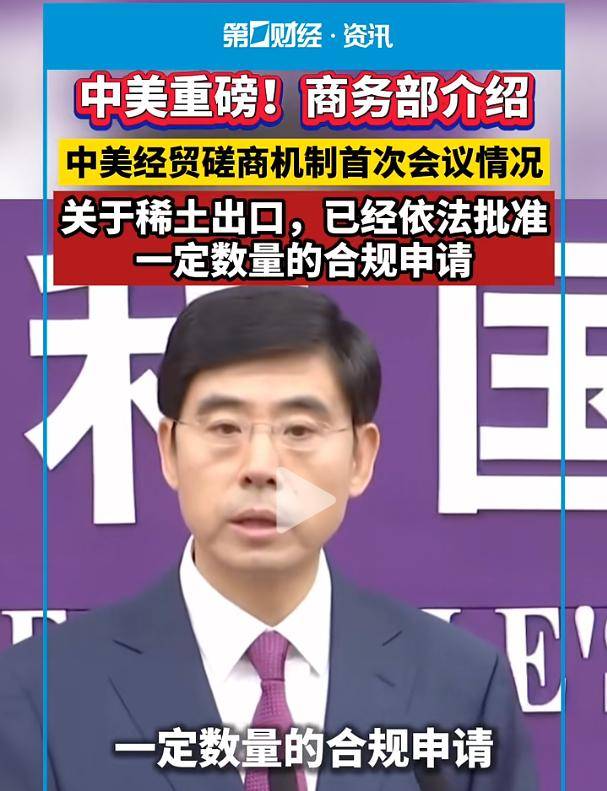
Core Viewpoint - The recent approval of certain rare earth export licenses by China is a strategic move that highlights the importance of rare earth materials in the ongoing geopolitical tensions, particularly between China and the United States [1][6]. Group 1: Rare Earths as Strategic Assets - Rare earth materials are increasingly viewed as a "nuclear weapon" in the context of great power competition, especially for the U.S. military, which relies heavily on these materials for advanced weaponry like the F-35 fighter jet [3][4]. - The U.S. Department of Defense acknowledges that 97% of its heavy rare earth supply is dependent on China, indicating a significant vulnerability in U.S. military production capabilities [4]. Group 2: U.S.-China Negotiations - During recent trade talks in London, the U.S. aimed to address rare earth supply issues, with high-ranking officials suggesting that U.S. export controls would be relaxed if China increased its rare earth exports [6]. - China has strategically linked rare earth exports to broader trade negotiations, demanding concessions from the U.S. such as the removal of tariffs and the opening of markets, showcasing a calculated approach to leverage its position [6][10]. Group 3: China's Strategic Control - China's control over the entire rare earth supply chain—from mining to refining—gives it a dominant position in the global market, with 92% of refining capacity concentrated in China [4][10]. - The Chinese strategy involves a gradual tightening of export controls on various materials, which could leave the U.S. unprepared for the consequences of a supply disruption [10][12]. Group 4: Implications for Global Trade - The situation underscores a shift in global trade dynamics, where China aims to reshape international rules and break the U.S.-led technological hegemony, promoting a more equitable global supply chain [12]. - The ongoing tensions and strategic maneuvers indicate that the ultimate winner in this geopolitical contest will be the nation that can maintain a long-term vision and stability in its approach [12].

ARM CEO:强烈反对
半导体芯闻· 2025-06-13 09:39
Core Viewpoint - The CEOs of Arm and Nvidia criticize the US export controls on AI semiconductors to China, arguing that these measures could hinder overall technological progress and negatively impact consumers and industry participants [1][2]. Group 1: Impact of US Export Controls - Arm's CEO Rene Haas stated that narrowing access to technology is detrimental, suggesting it would shrink the overall market and harm consumers [1]. - The US restrictions on data center processor exports to China have reportedly cost Nvidia $8 billion and effectively excluded it from the market [1]. - Nvidia's CEO Jensen Huang described the export controls as a "failure," indicating that they have not suppressed China's AI development but rather accelerated innovation among Chinese competitors like Huawei [1][2]. Group 2: Industry Dynamics and Competition - Haas has spent significant time lobbying in Washington, acknowledging that the current government has knowledgeable individuals connected to the industry, and believes Arm's voice is being heard [2]. - Huang warned that if AI chip restrictions persist, Huawei could gain a competitive edge, emphasizing that US technology is currently a generation ahead of Chinese counterparts [2].