
新型储能

Search documents
万里扬上半年净利增50.24% 首批机器人关节精密传动产品项目已启动
Zheng Quan Shi Bao Wang· 2025-08-21 11:51
Core Viewpoint - Wanliyang (002434) reported a revenue of 2.69% growth year-on-year for the first half of 2025, with a significant increase in net profit by 50.24% and a remarkable cash flow growth of 220.35% [1] Group 1: Financial Performance - The company achieved an operating income of 2.812 billion yuan, a year-on-year increase of 2.69% [1] - The net profit attributable to shareholders reached 277 million yuan, reflecting a year-on-year growth of 50.24% [1] - The net cash flow from operating activities was 290 million yuan, showing a substantial increase of 220.35% year-on-year [1] - Basic earnings per share stood at 0.21 yuan [1] Group 2: Business Segments - The automotive transmission and components business generated 2.52 billion yuan in revenue, up 5.34% year-on-year [1] - The energy storage and electricity trading business reported revenue of 127 million yuan, marking a significant growth of 96.27% [1] - Wanliyang is the first domestic company to cover both commercial and passenger vehicle markets, with production capabilities for manual and automatic transmissions [1] Group 3: New Energy Initiatives - The company is focusing on the development of EV reducers and various electric drive systems to adapt to the rapid growth of the new energy vehicle market [2] - Revenue from pure electric vehicle EV reducers increased by 117% year-on-year, driven by advanced gear processing technology and integrated design [2] - Wanliyang is expanding its market presence in non-road transmission and drive systems to enhance its sustainable development capabilities [2] Group 4: Robotics Development - Wanliyang established Zhejiang Wanliyang Robotics Technology Co., Ltd. to focus on the R&D and industrialization of precision transmission products for robotics [3] - The company has initiated the development of six products for two customers, utilizing automotive industry standards for design [3] - The industrialization of production capabilities is underway, incorporating automotive-grade standards in various aspects such as production environment and quality control [3]

派能科技: 关于2025年度“提质增效重回报”行动方案的半年度评估报告
Zheng Quan Zhi Xing· 2025-08-21 11:18
Core Viewpoint - Shanghai Pylontech Energy Technology Co., Ltd. has developed a comprehensive action plan for 2025 aimed at enhancing quality, efficiency, and returns, reflecting confidence in the industry outlook and long-term investment value [1] Group 1: Business Performance - The company achieved operating revenue of 1,149.34 million yuan, a year-on-year increase of 33.75%, with product sales volume reaching 1,328 MWh, up 132.57% year-on-year [3] - The second quarter saw a significant sales volume increase of 188.84%, indicating a recovery trend in sales momentum [3] - Key drivers for growth include the recovery of overseas inventory cycles, the release of demand in emerging markets, and the company's precise market development strategies [3] Group 2: Technological Innovation - The company has a strong focus on R&D, with a 2025 first-half expenditure of 159.48 million yuan, accounting for 13.88% of operating revenue [6] - The product range covers various storage applications, including home storage, commercial storage, and lightweight power systems, demonstrating adaptability to different market needs [6][13] - The company has made significant technological breakthroughs, including the launch of new energy storage systems and solutions tailored for various complex environments [7][13] Group 3: Operational Upgrades - The company has implemented lean management principles and digital transformation to enhance capacity utilization and optimize supply chain efficiency [4] - Talent acquisition and development strategies have been put in place, including a multi-level training system and diverse incentive mechanisms to build a high-quality talent pool [4] Group 4: Governance and Compliance - The company emphasizes the importance of a sound corporate governance structure and effective internal control systems, aligning with relevant laws and regulations [8][9] - It has established a value management system to enhance investment value and protect the rights of investors and stakeholders [16] Group 5: Investor Relations - The company maintains a strong commitment to investor communication, conducting performance briefings and engaging with institutional and individual investors to enhance market understanding [17][19] - A cash dividend of 4.50 yuan per share was declared, totaling approximately 107.71 million yuan, reflecting a high payout ratio of 262.03% of the net profit attributable to shareholders [16]

又签1.86亿合同!智光电气、科陆电子重要公告
行家说储能· 2025-08-21 01:50
Group 1 - The core viewpoint of the article highlights the recent contracts and developments in the energy storage sector, particularly focusing on the achievements of Zhiguang Electric and Kelu Electronics in securing significant procurement contracts [2][3][4][5][6]. Group 2 - Zhiguang Electric's subsidiary signed a procurement contract worth 186 million yuan for a high-voltage cascade grid-connected energy storage system [3]. - In addition to the recent contract, Zhiguang Electric's subsidiary also secured a sales contract valued at 204 million yuan for energy storage system equipment, totaling 390 million yuan in contracts within ten days [4]. - The company has signed large-scale energy storage projects across various regions, with a total project scale exceeding 4.4 GWh, including over 2.7 GWh for cascade high-voltage direct-connected storage projects [4]. Group 3 - Kelu Electronics has won multiple energy storage project bids, including framework procurement for 350 MWh and 200 MWh systems, and is expanding into international markets such as Greece, Czech Republic, and Poland [5][6]. - The company's energy storage business generated revenue of 1.282 billion yuan in the first half of the year, accounting for 49.83% of total revenue, with a gross margin of 32.95% [6]. - Kelu Electronics is constructing a storage production base in Indonesia with an initial planned capacity of 3 GWh, expected to commence production in 2026 [6]. Group 4 - The energy storage industry is transitioning from policy-driven to market-driven growth, necessitating a focus on technology development, cost control, and service quality [7]. - Emerging markets in the Middle East, Latin America, and Africa are expected to become growth points for energy storage, driven by energy transition and reliability needs [7].


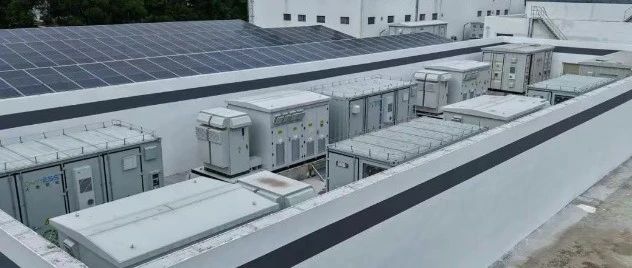
新型储能从“拼规模”加速走向“价值深耕”
Zhong Guo Chan Ye Jing Ji Xin Xi Wang· 2025-08-20 23:04
Core Viewpoint - The new energy storage market in China is experiencing rapid growth, with installed capacity reaching 94.91 million kilowatts (22.2 billion kilowatt-hours) in the first half of the year, driven by policy support and market demand, indicating a shift towards high-quality development in the industry [1][2]. Group 1: Industry Growth - The installed capacity of new energy storage in China increased by approximately 29% compared to the end of 2024, with over 40% of the global total capacity [2]. - The policy framework for new energy storage has been continuously improved, with several initiatives aimed at guiding the scientific development of the industry [2]. - Various technological routes, including solid-state lithium batteries and sodium batteries, are advancing rapidly, pushing the industry to a higher level [2][3]. Group 2: Profitability and Market Performance - The profitability of new energy storage companies has significantly improved, with five out of eight listed companies forecasting positive earnings, including a projected net profit increase of 810.41% to 1265.61% for Shanshan Co., Ltd. [4]. - The demand for energy storage batteries has led to high capacity utilization rates, with some companies experiencing supply shortages [4]. - Chinese energy storage companies are expanding internationally, with a 246% year-on-year increase in overseas orders, covering over 50 countries [4]. Group 3: Capital Market Engagement - The new energy storage sector has attracted significant attention from the capital market, with 20 companies accelerating their IPO processes and raising over 108.93 billion yuan [5]. Group 4: Transition from Policy to Market Driven - The industry is transitioning from being policy-driven to market-driven, with new regulations removing storage configuration as a prerequisite for new energy projects [6][7]. - The focus is shifting from scale expansion to value cultivation, emphasizing system-level solutions and high-quality development [7]. - Companies are encouraged to enhance their technological capabilities and explore diverse business models to support industry growth [7][8].



破局后强制配储时代!第十届储能西部论坛在内蒙古成功举办
中关村储能产业技术联盟· 2025-08-20 10:08
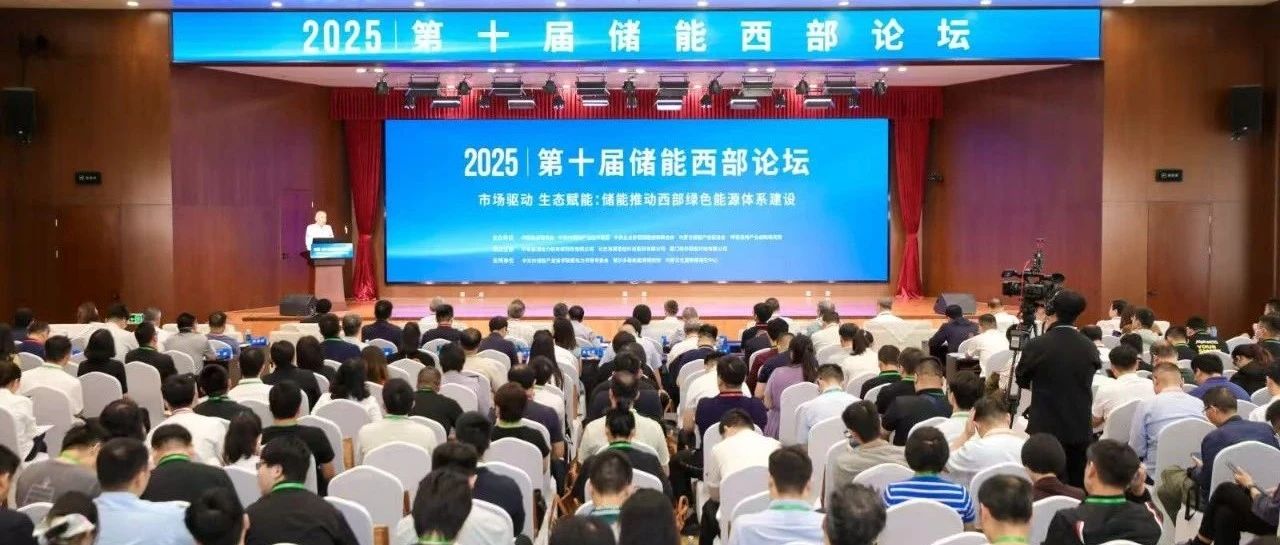
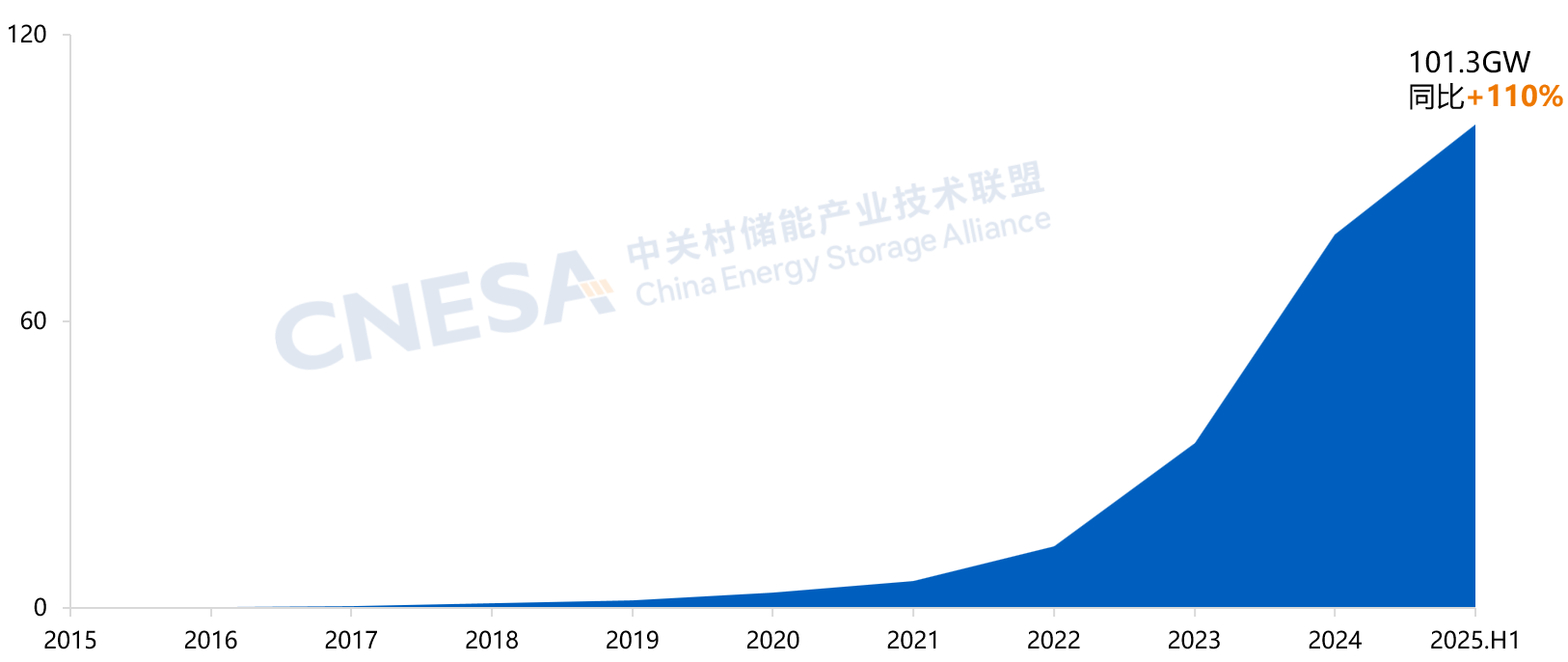
Core Viewpoint - The forum emphasized the collaborative development of new energy and energy storage, particularly in the context of the cancellation of mandatory energy storage requirements, highlighting the need for market-driven approaches and ecological empowerment in building a green energy system in the western regions of China [1][28]. Group 1: Forum Overview - The 10th Energy Storage Western Forum was held in Hohhot, Inner Mongolia, with over 500 representatives from government, academia, and industry discussing the synergy between new energy and energy storage [1]. - The forum was co-hosted by several organizations, including the China Energy Research Society and the Zhongguancun Energy Storage Industry Technology Alliance [1]. Group 2: Key Speakers and Insights - Key figures included Shi Yubo, Chairman of the China Energy Research Society, who highlighted the unique advantages of the western region for large-scale energy storage applications due to abundant wind and solar resources [6]. - Xu Ziming from the National Energy Administration emphasized the rapid development of new energy storage since the 14th Five-Year Plan and outlined three focus areas for the 15th Five-Year Plan: top-level design, market mechanism improvement, and high-quality development [9]. Group 3: Technological Directions - Academician Ouyang Minggao proposed three major directions for energy storage technology: battery storage, vehicle-to-grid (V2G) systems, and green hydrogen storage, emphasizing the need for multi-disciplinary innovation [12]. - The focus on battery storage includes breakthroughs in safety and cost reduction, aiming for a storage cost of 0.1 yuan/Wh [12]. Group 4: Industry Practices - Wang Lixin from Inner Mongolia Power Group discussed the establishment of a long-term compensation mechanism for energy storage, which provides stability for project revenues [15]. - Zheng Yaodong from Southern Power Grid highlighted the operational efficiency of their energy storage stations, with some achieving over 3,150 operational hours annually [17]. Group 5: Industry Data and Trends - Chen Haisheng reported that by mid-2025, China's new energy storage capacity reached 101.3 GW, marking a significant increase from previous years, with expectations for further growth to 236.1-291.2 GW by 2030 [20]. - The forum also saw the release of a book on compressed air energy storage, showcasing two decades of research in the field [22]. Group 6: Strategic Insights - Wen Yuliang from CRRC Zhuzhou Institute emphasized the importance of innovation in energy storage value, focusing on diverse application scenarios and technological breakthroughs [25]. - Si Zheng from Beijing Haibo Technology highlighted the opportunities arising from the cancellation of mandatory energy storage, suggesting that energy storage will play a crucial role in stabilizing the grid and enhancing the profitability of renewable energy projects [28]. Group 7: Forum Discussions - The forum included discussions on market mechanisms and business models, addressing challenges in energy storage commercialization and integration into the power market [30]. - Specialized workshops focused on zero-carbon park development, innovative storage technologies, and the integration of energy storage with data centers [31].



PPT分享 | 新型储能产业发展现状及趋势
中关村储能产业技术联盟· 2025-08-20 10:08
Core Viewpoint - The new energy storage industry in China has experienced significant growth, with the cumulative installed capacity surpassing 100GW for the first time by mid-2025, reflecting a year-on-year increase of 110% and a 32-fold increase compared to the end of the 13th Five-Year Plan period [11][12][22]. Group 1: New Energy Storage Project Scale - As of mid-2025, China's cumulative installed capacity of new energy storage reached 101.3GW, with a year-on-year growth of 110% [11]. - The total installed capacity of electric power storage in China reached 164.3GW, showing a year-on-year increase of 59% [12]. - The market share of pumped storage has dropped below 40% for the first time, while lithium-ion batteries have seen exponential growth, indicating a shift towards diversification in technology routes [12][22]. Group 2: New Energy Storage Bidding Market - The bidding market for new energy storage has shown remarkable growth, particularly in the storage system bidding scale, which increased by 264% year-on-year to reach 86.2GWh [34]. - The collective procurement and framework procurement bidding scale surged by 618%, accounting for a significant portion of the total bidding market [34][44]. - The number of new energy storage projects added in the first half of 2025 was 2,797, with a total capacity of 193.5GW [16]. Group 3: New Energy Storage Industry Development - The application structure has shifted from user-side storage (35%) to independent storage (55%), with a notable decline in frequency regulation and user-side applications [13]. - The number of newly operational new energy storage projects increased by 55% year-on-year, with significant growth in projects over 100MW, which rose by 75% [17]. - The first gigawatt-level all-vanadium flow battery storage project has been put into operation, marking a breakthrough in non-lithium storage technology [23]. Group 4: New Energy Storage Policies and Returns - In the first half of 2025, the number of newly released policies remained high, with a focus on power market policies and an increase in management regulations, reflecting a heightened emphasis on safety [85]. - The introduction of the 136 document by the National Development and Reform Commission aims to promote market-driven development of new energy storage, impacting the revenue of independent storage significantly [87][88]. - The policy environment is being shaped to foster a sustainable pricing mechanism and encourage technological and industrial upgrades in the storage sector [91][92]. Group 5: New Energy Storage Market Outlook - The market for new energy storage is expected to continue its rapid growth, with projections indicating that the cumulative installed capacity could exceed 200GW by 2030 [108]. - The industry is anticipated to shift towards high-quality development driven by market demands, with a focus on innovative business models and applications in zero-carbon parks and green electricity connections [91][92]. - The competitive landscape is evolving, with a growing emphasis on the value of storage capacity and collaboration with other regulatory resources [92].
经济日报丨新型储能迈入规模化发展
国家能源局· 2025-08-20 08:14
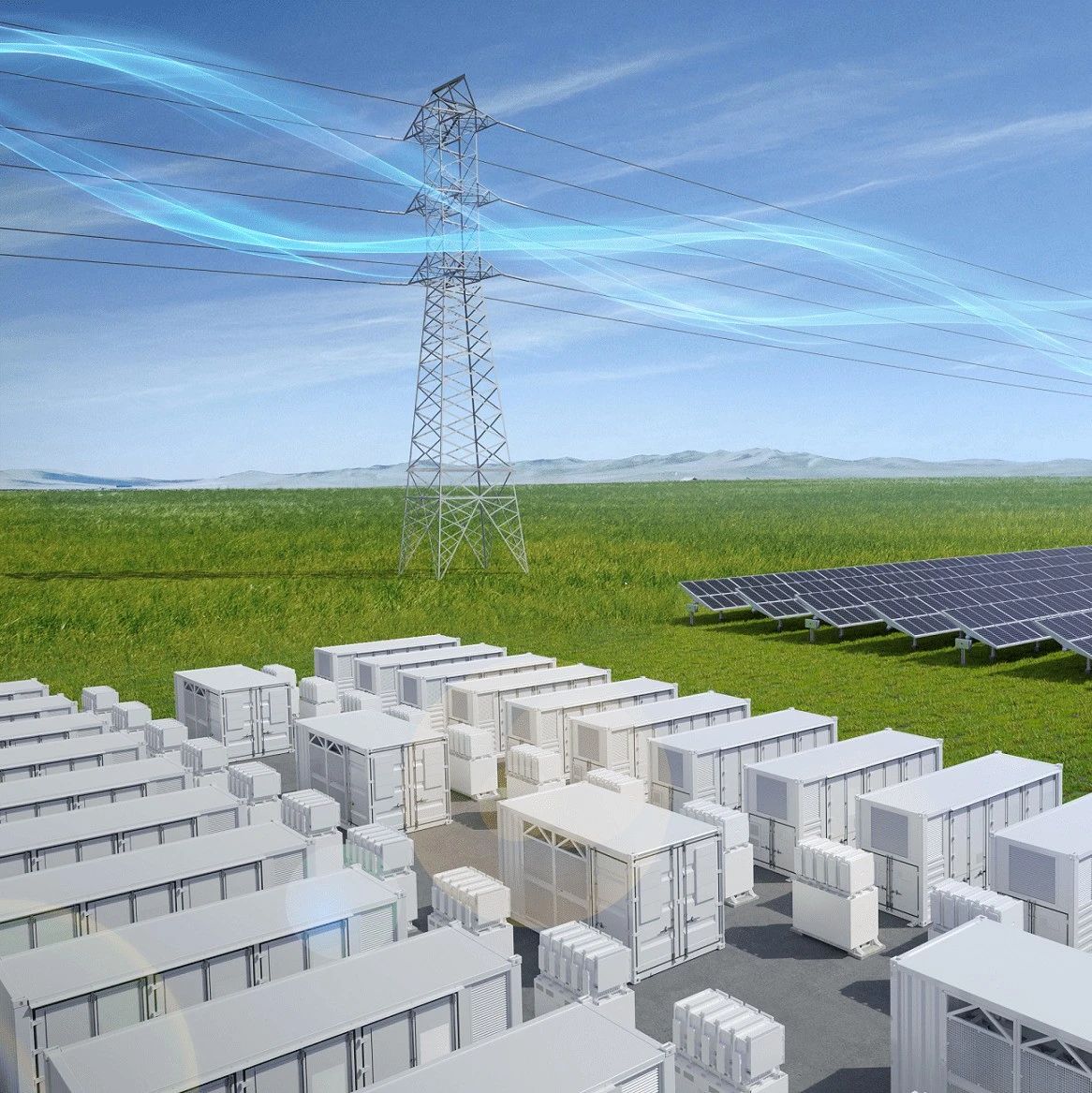
Core Viewpoint - Energy storage is a crucial component for ensuring energy security and achieving the "dual carbon" goals in China, with significant advancements in new energy storage technologies and applications [2][3]. Group 1: Industry Development - By the end of 2024, China's new energy storage installed capacity is expected to account for over 40% of the global total installed capacity, with a steady increase in operational levels supporting the construction of a new power system [2]. - In the first half of this year, the installed capacity of new energy storage reached 94.91 million kilowatts (22.2 billion kilowatt-hours), representing a growth of approximately 29% compared to the end of 2024 [2]. - Key regions such as Inner Mongolia and Xinjiang have installed capacities exceeding 10 million kilowatts, while Shandong, Jiangsu, and Ningxia have capacities exceeding 5 million kilowatts [2]. Group 2: Application and Impact - The application effects of new energy storage are becoming increasingly evident, as demonstrated by the successful operation of a 2000-kilowatt storage project by Zhejiang Yulong Biotechnology Co., which can balance grid load effectively [2]. - The optimization of charging and discharging strategies in energy storage projects is expected to reduce peak demand by approximately 540 megawatt-hours [3]. - New energy storage has played a significant role in ensuring power supply during periods of high electricity demand, particularly during the recent heatwaves [3]. Group 3: Technological Innovation - The development of long-duration energy storage technologies is emphasized as essential for addressing the challenges of energy transition and maximizing the utilization of renewable energy [3][4]. - Companies are focusing on the research and development of long-duration energy storage cells that offer advantages such as high capacity, long lifespan, and low cost, with some products boasting a cycle life exceeding 11,000 times [4]. - The National Energy Administration plans to expand the application scenarios for new energy storage and enhance market mechanisms to promote high-quality development in the industry [4].
新型储能迈入规模化发展
Jing Ji Ri Bao· 2025-08-19 22:09
Core Insights - Energy storage is crucial for ensuring energy security and achieving carbon neutrality goals, with China's new energy storage capacity expected to exceed 40% of the global total by the end of 2024 [1] Group 1: Industry Development - As of mid-2024, China's new energy storage capacity reached 94.91 million kilowatts (22.2 billion kilowatt-hours), marking a 29% increase from the end of 2024 [1] - Key regions such as Inner Mongolia and Xinjiang have installed capacities exceeding 10 million kilowatts, while Shandong, Jiangsu, and Ningxia have surpassed 5 million kilowatts [1] - The application of new energy storage is becoming more effective, as demonstrated by a 2000-kilowatt storage project by Zhejiang Yulong Biotechnology Co., which can balance grid load by discharging for 4 hours during peak times [1] Group 2: Market Mechanisms and Innovations - The transition from "independent points" to "intelligent collaboration" in energy storage is underway, with projects optimizing charge and discharge strategies to reduce peak demand [2] - New energy storage utilization hours have significantly increased, with several provinces achieving over 1000 hours annually, contributing to the absorption of renewable energy [2] - The State Energy Administration emphasizes the need for innovation in long-duration storage technologies to address the challenges of energy transition and ensure high utilization of renewable energy [2] Group 3: Technological Advancements - A long-duration energy storage industrial base is being developed in Shandong, focusing on high-capacity, long-lifespan, and low-cost energy storage cells [3] - Companies are encouraged to prioritize product quality and safety while enhancing research and innovation to ensure sustainable development in the energy storage sector [3] - The State Energy Administration plans to expand the application scenarios for new energy storage and improve market mechanisms to promote high-quality development in the industry [3]
超过四个三峡水电站,中国新型储能累计装机首次突破100 GW
Xin Lang Cai Jing· 2025-08-19 13:31
Core Insights - The new energy storage sector in China has experienced rapid growth in the first half of this year, with significant advancements in technology and capacity [1][4][18] Industry Overview - As of June 2025, China's cumulative installed capacity for power storage reached 164.3 GW, marking a 59% year-on-year increase [2] - The new energy storage capacity reached 101.3 GW, a 110% increase year-on-year, and is 32 times that of the end of the 13th Five-Year Plan [4][18] - The total installed capacity of new energy storage projects in the first half of this year was 23.03 GW, with both power and energy scales increasing by 68% [4] Market Dynamics - The market for energy storage systems has seen a significant increase in bidding activity, with a 264% year-on-year growth in the bidding scale, reaching 86.2 GWh [9][12] - The collective procurement model has become mainstream, with a notable increase in the scale of collective and framework procurement [10][12] Competitive Landscape - CATL remains the leader in battery shipments, with a volume exceeding 50 GWh, while companies like BYD and others are rapidly closing the gap [5] - The top ten companies in the domestic market for energy storage systems include CRRC Zhuzhou Institute, Haibo Technology, and others, with notable shifts in rankings compared to previous reports [6][7] International Expansion - Chinese companies have also made significant strides in international markets, with new overseas orders reaching 163 GWh, a 246% increase year-on-year [13][14] - The reasons for this international expansion include global energy transition trends and favorable policies in various countries [14][15] Future Projections - By 2030, the cumulative installed capacity of new energy storage in China is projected to reach between 236.1 GW and over 291 GW, with a compound annual growth rate exceeding 20% in the next five years [18][19]
南网宝池储能站充放电量突破1亿千瓦时
Ke Ji Ri Bao· 2025-08-19 11:14
Core Insights - The Baocai Energy Storage Station, China's first large-scale lithium-sodium hybrid energy storage facility, has achieved a cumulative charge and discharge volume of over 100 million kilowatt-hours, significantly supporting the integration of renewable energy into the power grid [1][2] Group 1: Project Overview - The Baocai Energy Storage Station, located in Yunnan, covers an area of approximately 50 acres and has a capacity of 200 megawatts/400 megawatt-hours, featuring 52 independent energy storage systems [1] - Since its commissioning in May, the station has recorded a total charge and discharge volume of 103 million kilowatt-hours and has been activated 272 times, maintaining a high-frequency operation of "two charges and two discharges" daily [1] Group 2: Technological Innovations - The Baocai Energy Storage Station serves as a pilot demonstration project for new energy storage technologies, achieving the world's first applications of various systems, including the "global first set of network-type sodium-ion energy storage systems" and the "world's largest single high-voltage direct-connected network-type energy storage system" [1] - The station utilizes five differentiated network-type energy storage technology routes, promoting the transition of new energy storage technologies from pilot demonstrations to mature applications [1] Group 3: Operational Impact - The station has enhanced the power grid's capacity to manage fluctuations, equivalent to the effect of 400,000 household air conditioners operating simultaneously, thereby stabilizing the integration of renewable energy from over 30 wind and solar power plants [1] - With Yunnan's installed renewable energy capacity exceeding 68 million kilowatts and a penetration rate nearing 70%, the Baocai Energy Storage Station plays a crucial role in supporting the high proportion of renewable energy in the power system [2]