
美元霸权

Search documents
“海湖庄园协议”破产,人民币意外升值,背后是一场金融突袭?
Sou Hu Cai Jing· 2025-06-28 03:18
Core Viewpoint - The article discusses the decline of the US dollar's dominance and the rise of the Chinese yuan, highlighting the geopolitical and financial implications of this shift [1][3]. Group 1: US Dollar's Challenges - The US is facing a debt crisis, exacerbated by failed plans such as the "Mar-a-Lago Agreement" which aimed to convert US debt into long-term, interest-free bonds [3][5]. - The "Pennsylvania Plan," led by US Treasury Secretary Yellen, aims to stimulate domestic demand for US debt through financial repression and the promotion of dollar stablecoins [5][7]. - This strategy represents a high-stakes gamble, relying on domestic investors to absorb large amounts of US debt and the global reliance on the dollar [5][7]. Group 2: Risks and Consequences - The independence of the Federal Reserve is at risk, as the Treasury's control over monetary policy could lead to corruption and mismanagement [7]. - Artificially lowering interest rates to manage debt could undermine the dollar's credibility, potentially leading to severe inflation [7][9]. - The trend of "de-dollarization" is gaining momentum, with central banks around the world increasing their gold reserves as a sign of diminishing confidence in the dollar [9][11]. Group 3: Rise of the Chinese Yuan - The appreciation of the yuan is seen as a response to the instability of the dollar system, prompting global capital to seek new safe havens [11]. - However, the yuan's rise presents challenges, as China's financial system must demonstrate resilience and depth to handle this influx of wealth [11]. - The future of the yuan as a reliable "hard currency" depends on China's ability to reform its financial markets, advance internationalization, and improve its exchange rate mechanism [11].

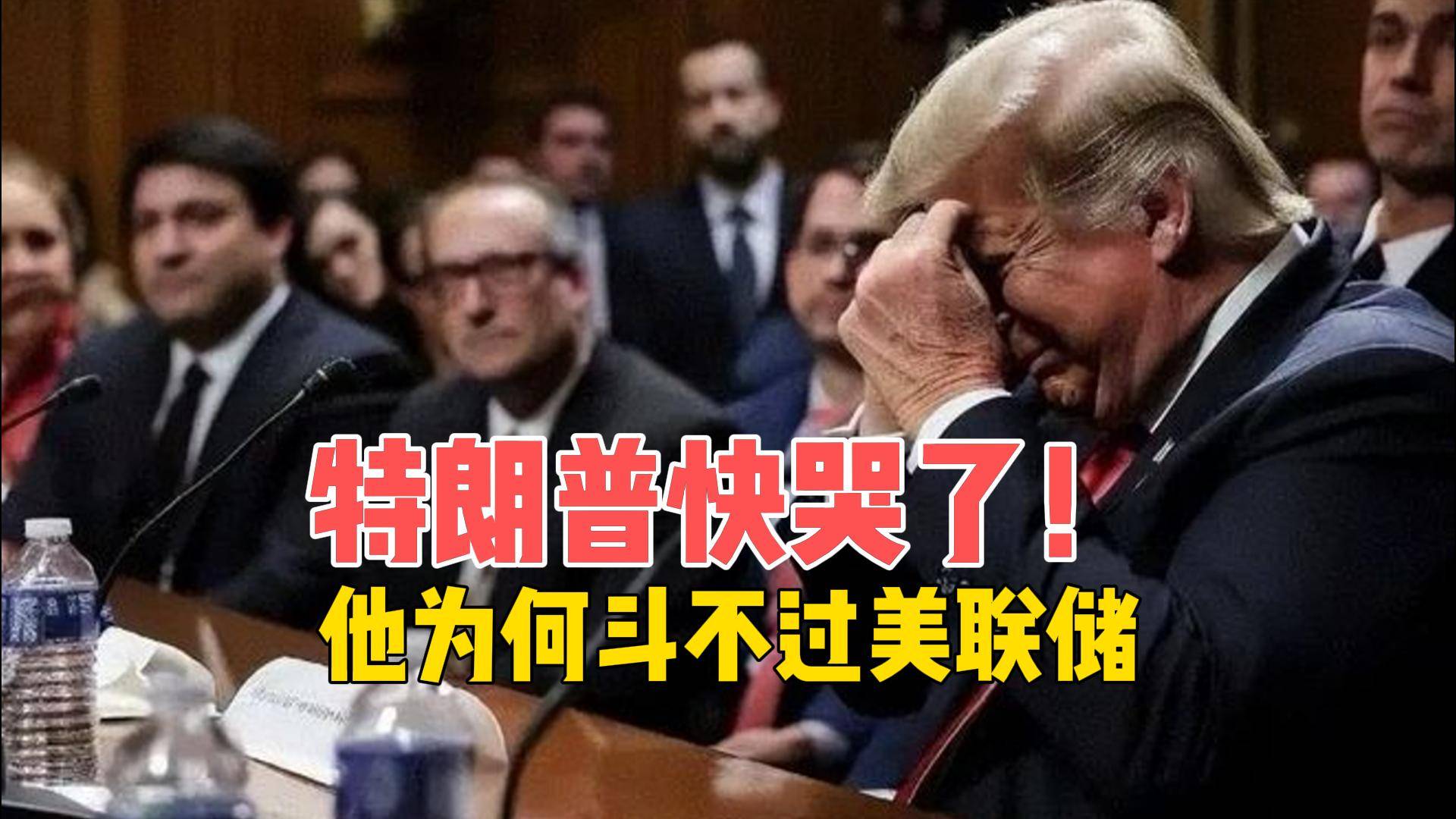
特朗普好像哭了,深夜长文抱怨鲍威尔,他为何斗不过美联储?
Sou Hu Cai Jing· 2025-06-28 02:56
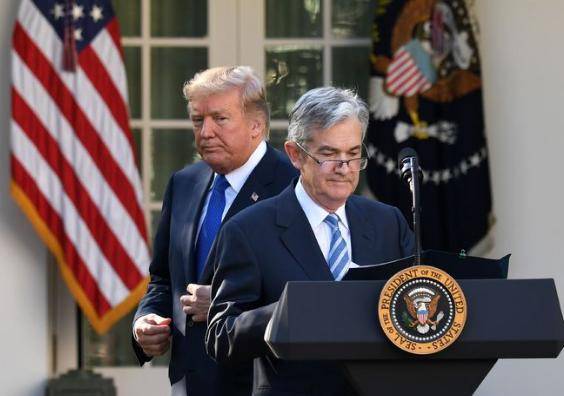
特朗普深夜发了一篇长长的帖子,在帖子里他絮絮叨叨,语言颠三倒四,就像是一个被抛弃的怨妇,受够了对方的无情。 他说,我什么办法都试过了,友善、中立、强硬,软的硬的都用了,这个倔老头就是不听我的,而且我也知道,我越是批评他,他反而更加不听我的,反正 我是做什么对他都没用。 特朗普深夜破大防,他好像被鲍威尔给整哭了! 特朗普自从上台以来,为了让美联储降息,他几乎天天都要骂鲍威尔,他说鲍威尔是个蠢X,还给起了个外号,叫太慢先生。 直到最近,画风突然变了。 特朗普的这个帖子,一反他过去天天都在赢的姿态,第一次对美联储认输,而且还有点声泪俱下的感觉。 也许这是他故意换了一种策略,想博取同情,也许是他不经意间的真情流露,真的破防了。 那么,身为美国总统的特朗普,为何拿捏不了美联储? 这还得从美联储的决策机制说起,很多人都说美联储是一家私人机构,其实不够准确,准确地来说,美联储其实是一家半官方机构。 美联储是由12家地区储备银行组成,这些储备银行又被上千家私人银行控股,所以美联储首先代表美国银行业的利益。 同时,美联储的最高决策机构叫做联邦公开市场委员会,这里面一共有12名委员,每次加息降息印钞放水这些大事,都是由这12个人 ...
稳定币研究报告
Sou Hu Cai Jing· 2025-06-27 10:56
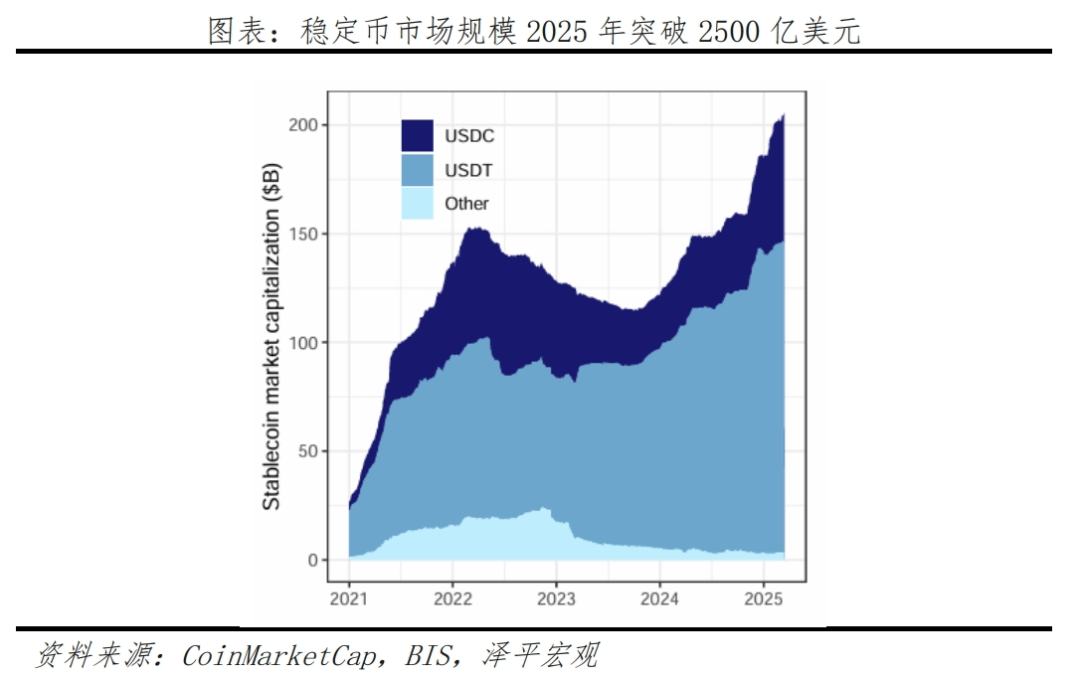
Core Insights - Stablecoins are a type of cryptocurrency designed to maintain a stable value, typically pegged to fiat currencies, serving as a bridge between traditional currencies and crypto assets [4][7] - The stablecoin market has rapidly expanded from $5 billion in 2019 to over $250 billion by mid-2025, with USDT and USDC dominating over 90% of the market share [4][10][13] - Stablecoins are reshaping the global payment ecosystem by providing efficient, low-cost alternatives to traditional payment systems, with major companies like Amazon and Walmart beginning to adopt them [16][19] Development History - Stablecoins emerged in 2014, with USDT being the first significant player, followed by USDC in 2018. The market grew rapidly due to the DeFi boom, reaching $200 billion by 2020 [9][10] - The market faced challenges in 2022 with the collapse of UST and the USDC crisis linked to the Silicon Valley Bank failure, leading to a temporary loss of confidence [10][11] - By mid-2025, stablecoins are projected to exceed $250 billion, accounting for approximately 8% of the entire crypto asset market [4][10] Application Scenarios - Stablecoins are increasingly being used in the real economy, challenging traditional payment systems and enhancing transaction efficiency [16][19] - They simplify payment processes by eliminating intermediaries, reducing transaction costs to nearly zero, and enabling near-instant settlements [17][18] - Major retailers are exploring the adoption of stablecoins to reduce costs associated with credit card transactions, potentially saving billions annually [19][20] Regulation - As stablecoins have grown in significance, various economies are implementing regulatory frameworks to address risks associated with them, focusing on anti-money laundering, reserve assets, and transparency [21][22] - The U.S. aims to reinforce the dollar's dominance through regulations that require stablecoin issuers to hold reserves in U.S. dollars and Treasury securities [21] - Hong Kong is positioning stablecoins as payment tools to reduce reliance on the U.S. dollar, while the EU is taking a more conservative approach by restricting non-euro stablecoins [22] Impact - Stablecoins are transforming the financial landscape, posing challenges to traditional banking and monetary policy by potentially undermining central banks' control over currency supply [23][24] - They may increase demand for U.S. Treasury securities, further entrenching the dollar's global dominance, with projections indicating significant future demand [25][26] - The rise of stablecoins could lead to a reconfiguration of the international monetary system, providing opportunities for currencies like the yuan to gain traction [26] Future Outlook - The stablecoin market is expected to continue its rapid growth, with projections suggesting a market value of $3.5 to $4 trillion by the end of 2029 [27] - As regulatory frameworks develop, the range of applications for stablecoins is likely to expand, encompassing international trade and supply chain finance [27][28] - The competitive landscape remains uncertain, with traditional financial institutions likely to enter the stablecoin space, potentially altering the current market dynamics [28]
香港传来大消息!围剿美元,突破最后一公里,中国布局大战略
Sou Hu Cai Jing· 2025-06-27 02:10
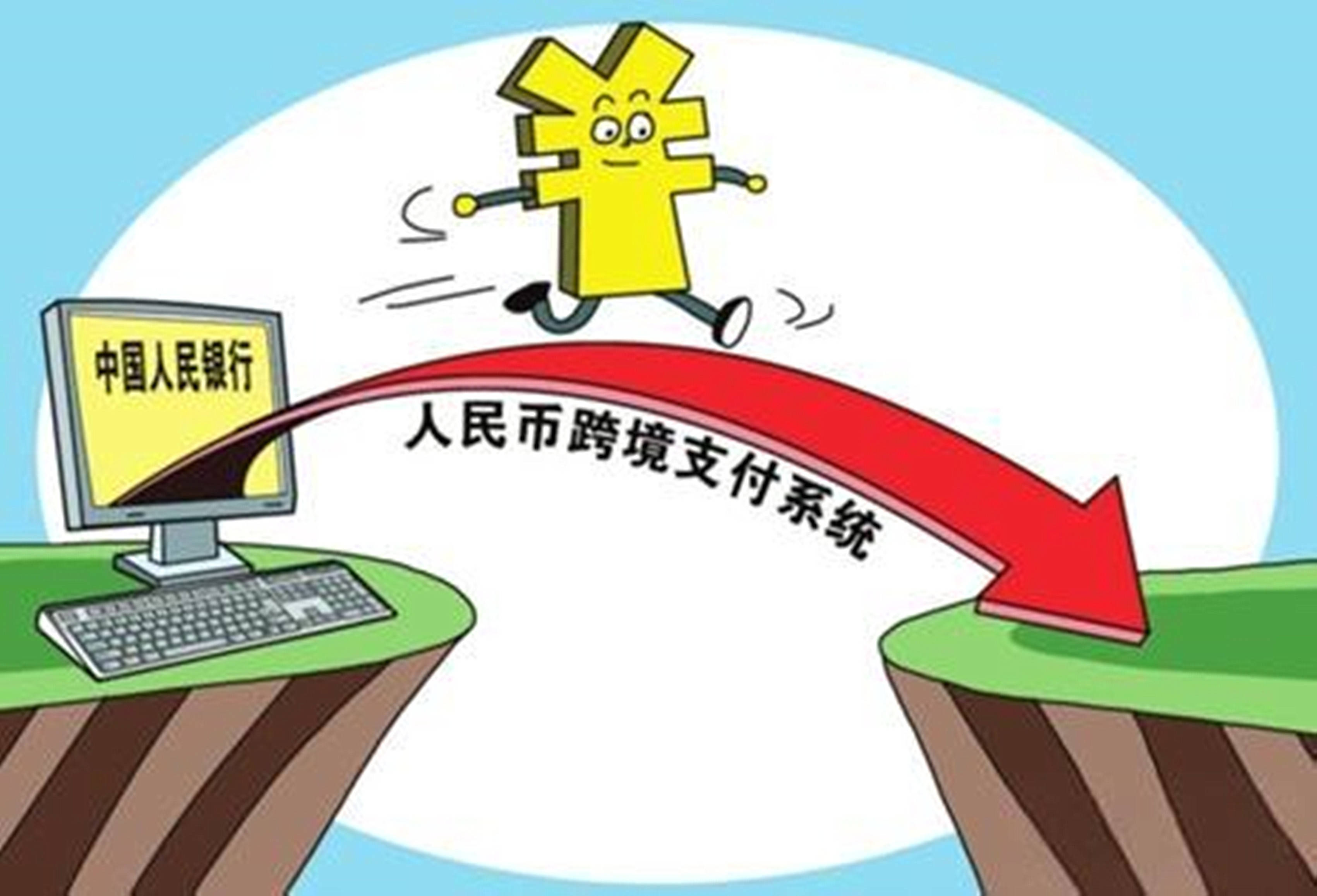
人民币突围:香港"跨境支付通"能否撼动美元霸权? 近期,作为亚洲金融中心的香港,再次吸引了全球目光。一项名为"跨境支付通"的创新举措悄然落地,预示着人民币国际化进程的又一次重要突破。这项举 措究竟有何深意?它将如何影响我们的生活,又将在多大程度上挑战美元的霸权地位? "跨境支付通",这一专家们精心打造的新概念,核心在于打通人民币与港币之间的兑换壁垒。众所周知,香港拥有独立的货币体系——港币。过去,人民币 与港币之间存在着人为的区隔,直接使用对方货币进行交易并不普遍,这无疑增加了贸易结算的复杂性。例如,在跨境贸易中,企业往往需要将本币兑换成 美元进行结算,美元的"货币霸权"也由此可见一斑。即使是大陆与香港之间的贸易,美元也能畅通无阻,而本币的使用却受到限制。 "跨境支付通"的推出,旨在打破这一僵局。未来,大陆与香港之间的交易可以直接使用人民币或港币进行支付。银行将扮演"协调人"的角色,自动完成货币 结算,使用者几乎感受不到中间流程的存在。这意味着,过去繁琐的货币兑换环节将成为历史,极大地便利了两地之间的经济交流。 而香港的特殊地位,赋予了"跨境支付通"更深远的意义。作为亚洲的金融中心,香港很早就融入了全球结算体 ...
人民币获空前成果,超越欧元成全球第二,美专家:美元霸权将终结
Sou Hu Cai Jing· 2025-06-27 01:00
Group 1: Rise of the Renminbi - The Renminbi has become the world's second-largest trade financing currency and the third-largest payment currency, marking a significant shift in the global economic landscape [1][5] - The rapid rise of the Renminbi is attributed to the differences in data sources, with China’s independent Cross-Border Interbank Payment System (CIPS) facilitating significant trade volumes that bypass Western systems [3][5] - Despite the Renminbi's international reserve share being only 2.18%, its influence in trade financing has surpassed the Euro, indicating a substantial underlying economic strength [5][12] Group 2: Challenges to Dollar Dominance - The U.S. dollar's dominance is being challenged by internal issues such as the U.S. debt crisis, inflation, and frequent interest rate adjustments, which have eroded investor confidence [9][11] - The U.S. military's perceived inability to maintain global security, as evidenced by conflicts like the Israel-Palestine situation, further diminishes the dollar's appeal as a safe haven currency [11] Group 3: Internal Drivers of Renminbi Growth - China's expansion of trade partnerships, particularly with Russia and African nations, has significantly increased the use of the Renminbi in international trade [12][14] - The Renminbi is viewed as a more stable alternative to the dollar, especially in times of global economic uncertainty, making it an attractive option for countries seeking to diversify their currency reserves [12][14] Group 4: Future Outlook - The potential decline of dollar hegemony is imminent, but the Renminbi's rise will require sustained efforts to enhance its international influence and the adoption of its payment systems [14][16] - The transition from dollar dominance to a more multipolar currency system will take time, and the Renminbi must continue to build its credibility and usage in global transactions [16]
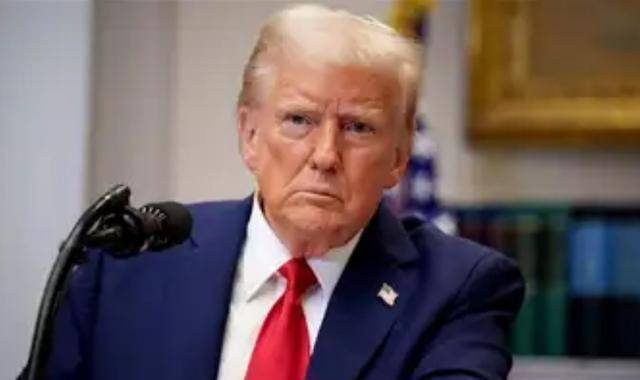
特朗普对伊强硬背后:美元霸权衰落逼美国亮军事底牌
Sou Hu Cai Jing· 2025-06-26 09:20
Group 1 - The core issue is the declining trust in the US dollar as an international reserve currency, which is impacting its value and the ability of the Federal Reserve to print money without consequences [2] - The exchange rate of the dollar against the euro has dropped from 0.95 to 0.86, indicating a significant loss of confidence compared to other currencies [2] - The US is facing a critical situation with its national debt, as the interest rate for a ten-year treasury bond is 4.38%, significantly higher than that of Germany (2.53%), China (1.69%), and Japan (1%) [3] Group 2 - The annual interest expenditure for the US has increased from $753 billion to $1.235 trillion, surpassing military spending [3] - The perception of the dollar and US treasury bonds as reliable assets is deteriorating, leading to challenges for the current administration [3] - The reliance on military strength to maintain global dominance is seen as a temporary solution, with skepticism from other nations regarding the US's ability to ensure future security [3]
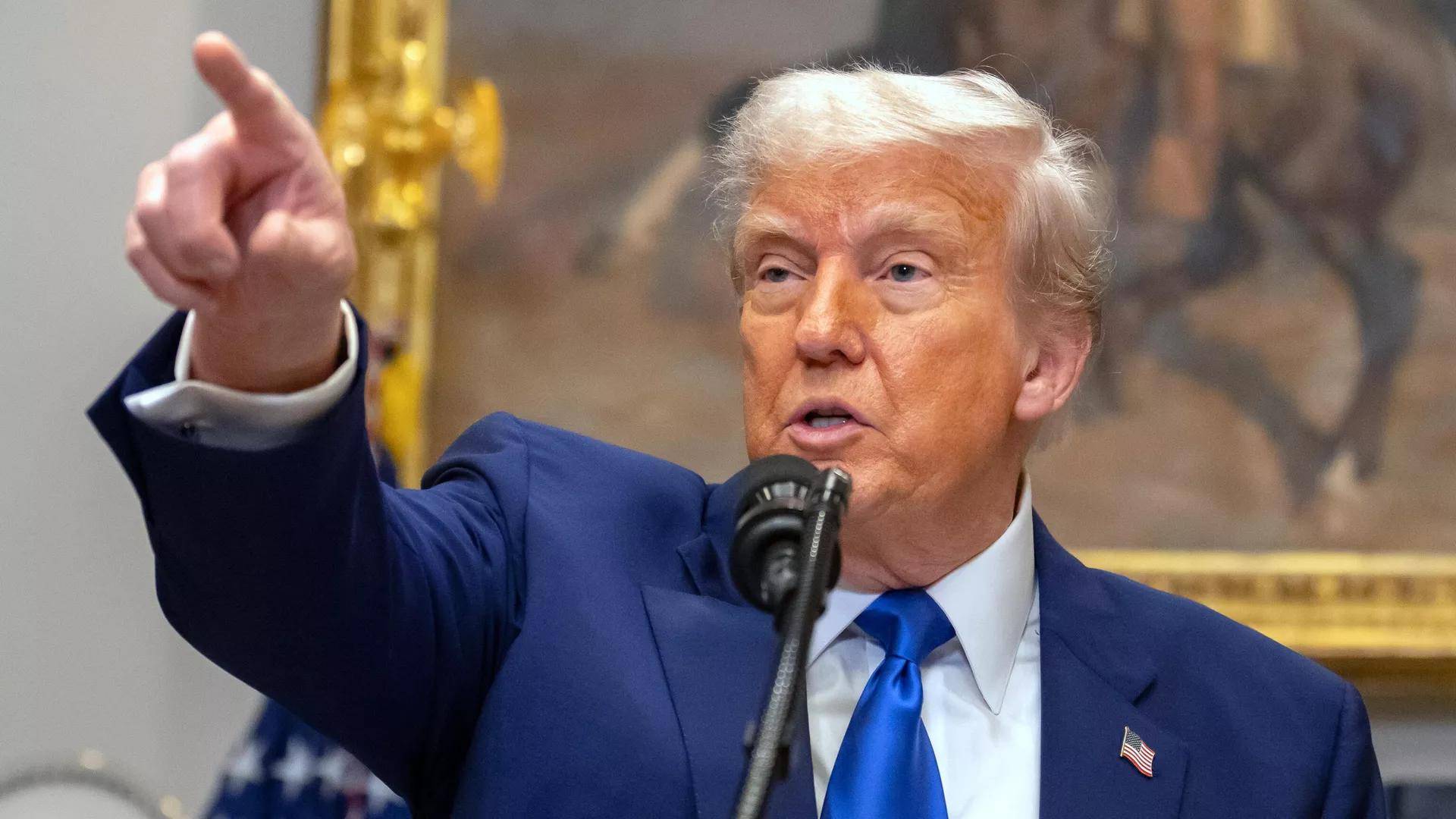
鲍威尔坚持不降息,特朗普发令要解雇他!自己惹的祸,美债快崩了
Sou Hu Cai Jing· 2025-06-26 07:42
Group 1: Economic Conflict and Policy Divergence - The conflict between President Trump and Fed Chair Powell has become a global focus, highlighting structural economic contradictions in the U.S. [1] - Trump's threats to fire Powell stem from disagreements over monetary policy, particularly regarding interest rate cuts amid inflation concerns [1][8] - The outcome of this conflict could significantly impact the future of the U.S. dollar's dominance [1] Group 2: Inflation and Monetary Policy - The Biden administration's fiscal stimulus exceeding $7 trillion and the Fed's zero interest rates have led to a surge in the money supply (M2) from $15 trillion to $23 trillion, resulting in a 9.1% inflation rate in 2023, the highest in 40 years [3] - Despite aggressive rate hikes to 5.25%-5.5%, inflation expectations remain entrenched, with one-year inflation expectations at 6.7% as of April 2025 [5][3] Group 3: Historical Context and Fed Independence - Powell's reluctance to cut rates is influenced by historical lessons from the 1970s, where political pressures led to unchecked inflation, resulting in a 13.3% inflation rate and over 10% unemployment [5][7] - The independence of the Fed is crucial for controlling inflation, and Powell has indicated he would legally defend this principle against political threats [8][7] Group 4: Tariff Policies and Economic Impact - Trump's tariff policies have raised average import tax rates from 2.6% to 19.3%, significantly increasing consumer prices, with average household expenses rising by $2,300 annually [10][12] - The tariffs have led to a decline in U.S. manufacturing, with companies like GM and Tesla facing layoffs and project halts due to increased costs [12][10] Group 5: Debt and Economic Structure - U.S. government debt is projected to exceed $40 trillion by 2025, with annual interest payments reaching $1.6 trillion, creating a "Ponzi scheme" scenario [17] - The manufacturing sector's contribution to GDP has decreased to 10.8%, while low-end service jobs dominate, indicating a disconnect between Wall Street and Main Street [19][17] Group 6: Global Implications and Dollar Dominance - Trump's policies have accelerated the decline of dollar hegemony, with global central banks selling $215 billion in U.S. debt in Q1 2025 and increasing the share of the yuan in international reserves to 6.8% [19] - The potential collapse of dollar credibility could lead to a spike in government bond yields, triggering a global financial crisis [19][21] Group 7: Conclusion on Economic Future - The ongoing struggle between Trump and Powell reflects the impending collapse of the U.S. economic model, with both monetary policy and fiscal strategies failing to address underlying issues [21] - Regardless of the outcome, the fractures in the dollar system are evident, with potential severe consequences for the U.S. economy [21]
美国收编“数字货币”的野心:延续美元霸权
Hua Er Jie Jian Wen· 2025-06-26 07:33
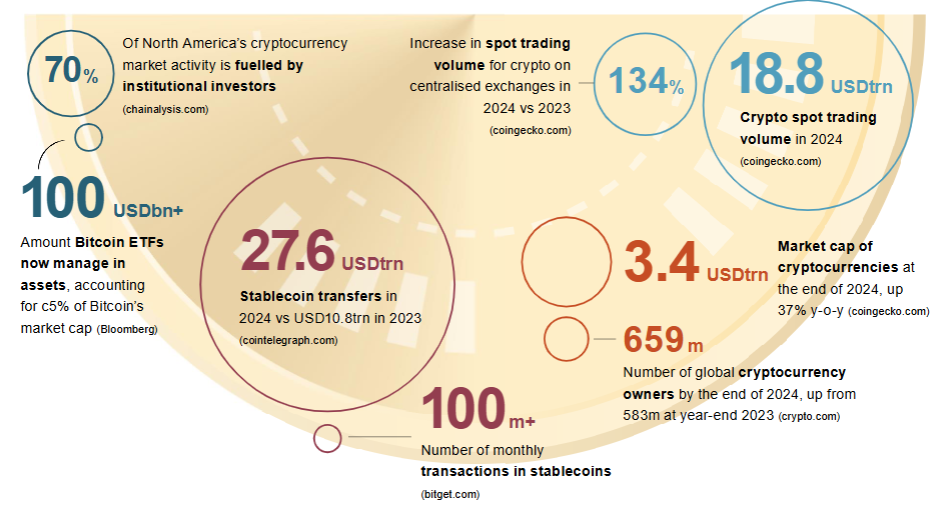
Core Insights - The United States is striving to become the global "cryptocurrency capital" through comprehensive regulatory reforms and policy adjustments, which will significantly impact the global financial landscape and the dominance of the US dollar [1][8] Regulatory Environment - A clear and appropriate regulatory environment is crucial for the transition of digital assets from niche innovations to mainstream applications [1] - The US Congress is advancing two key legislative proposals: the GENIUS Act in the Senate and the STABLE Act in the House, aimed at creating a regulatory framework for payment stablecoins [7] - The SEC's recent actions, including the withdrawal of lawsuits against major cryptocurrency companies, indicate a shift towards a more favorable regulatory environment [10] Role of Stablecoins - Stablecoins play a central role in digital finance, with the total trading volume projected to approach $28 trillion by 2024 [3] - The dominance of the US dollar in the stablecoin market is evident, with 99% of stablecoin market value pegged to the dollar, reinforcing its status as a reserve currency in digital finance [7][8] Market Dynamics - The total market capitalization of cryptocurrencies has reached $3.5 trillion, with Bitcoin ETF assets exceeding $100 billion and global cryptocurrency users numbering 659 million [1] - Stablecoins, such as Tether (USDT) and USD Coin (USDC), dominate the market, accounting for 67% and 26% of stablecoin market value, respectively [3] Advantages of the US - The US has unique competitive advantages in the race to become the global cryptocurrency center, including a significant share of institutional investment and a strong technological infrastructure for blockchain development [8] - The US accounts for 36% of global Bitcoin mining activity, further solidifying its position in the cryptocurrency landscape [8] Challenges and Competition - Despite its advantages, the US faces significant challenges, including regulatory complexity and potential legislative gridlock, which could hinder its ability to establish a suitable regulatory framework for digital assets [12] - International competition is intensifying, with regions like the EU, Singapore, and the UAE actively creating favorable regulatory environments for the cryptocurrency industry [12]
这世界,终于都赢麻了
Hu Xiu· 2025-06-26 06:00
Group 1 - The article discusses the complex geopolitical dynamics involving Iran, Israel, and the United States, highlighting that while each party may celebrate victories, the reality is a zero-sum game where no one truly wins [3][7][21] - The U.S. has been seen as a facilitator in the conflict, with actions that appear to benefit financial interests rather than achieving strategic goals [4][17][19] - The ongoing conflict has led to significant military resource depletion for all parties involved, including the U.S., which may impact future military engagements [5][6][27] Group 2 - The article suggests that the current situation is a temporary pause in hostilities, with underlying tensions remaining unresolved, indicating potential for future conflict [8][9][23] - It highlights the shifting focus of U.S. military strategy, with indications that the U.S. may be withdrawing from its commitments in the Asia-Pacific region, which could have broader implications for global power dynamics [11][12][15] - The narrative emphasizes the importance of financial capital in shaping geopolitical outcomes, suggesting that economic interests often drive military actions and decisions [17][28][29]

美元霸权遭遇三重挑战?
Sou Hu Cai Jing· 2025-06-25 12:17
美联储主席鲍威尔在国会听证会的发言,成为本周最受关注的大事,因为他的言论很可能对利率走向带 来启示。 在前几天的议息会议上,美联储一如预期维持利率于4.25%到4.50%水平不变,但不少FOMC官员开始松 口,认为降息也是可行的,同时市场加注美联储降息步伐加快。 关税对通胀的影响可能是短期的——体现为价格水平的一次性变动。但通胀效应也有可能更持久。要避 免这种情况,需取决于关税影响的规模、其完全传导至价格所需的时间,以及最终能否让长期通胀预期 保持稳定。 总括而言,美联储仍有很大的决策调整空间,并不急于降息,而是等待更多的经济数据证明有必要调整 再作变动。这是鲍威尔作为美联储主席的专业判断与谨慎施策。 美元霸权面临挑战? 然而,特朗普继续抨击鲍威尔,要求国会施压降息。在此之前,有消息指特朗普或想通过提前确定鲍威 尔的接任人选,来影响市场利率。特朗普的做法,引发了市场对于美联储不再独立的忧虑。 此外,特朗普上任之后,政策飘忽不定,从贸易条款到国际承诺、从国内治理到外交策略,频繁的转向 与矛盾性决策,不仅让美国国内机构陷入执行混乱,更使全球市场与盟友体系长期处于不确定性的震荡 之中。 通胀猛于虎,鲍威尔不松口 在 ...