生成式AI

Search documents
快手大涨12%!可灵海外出圈,Motion Control玩法刷屏
Hua Er Jie Jian Wen· 2026-01-05 06:43
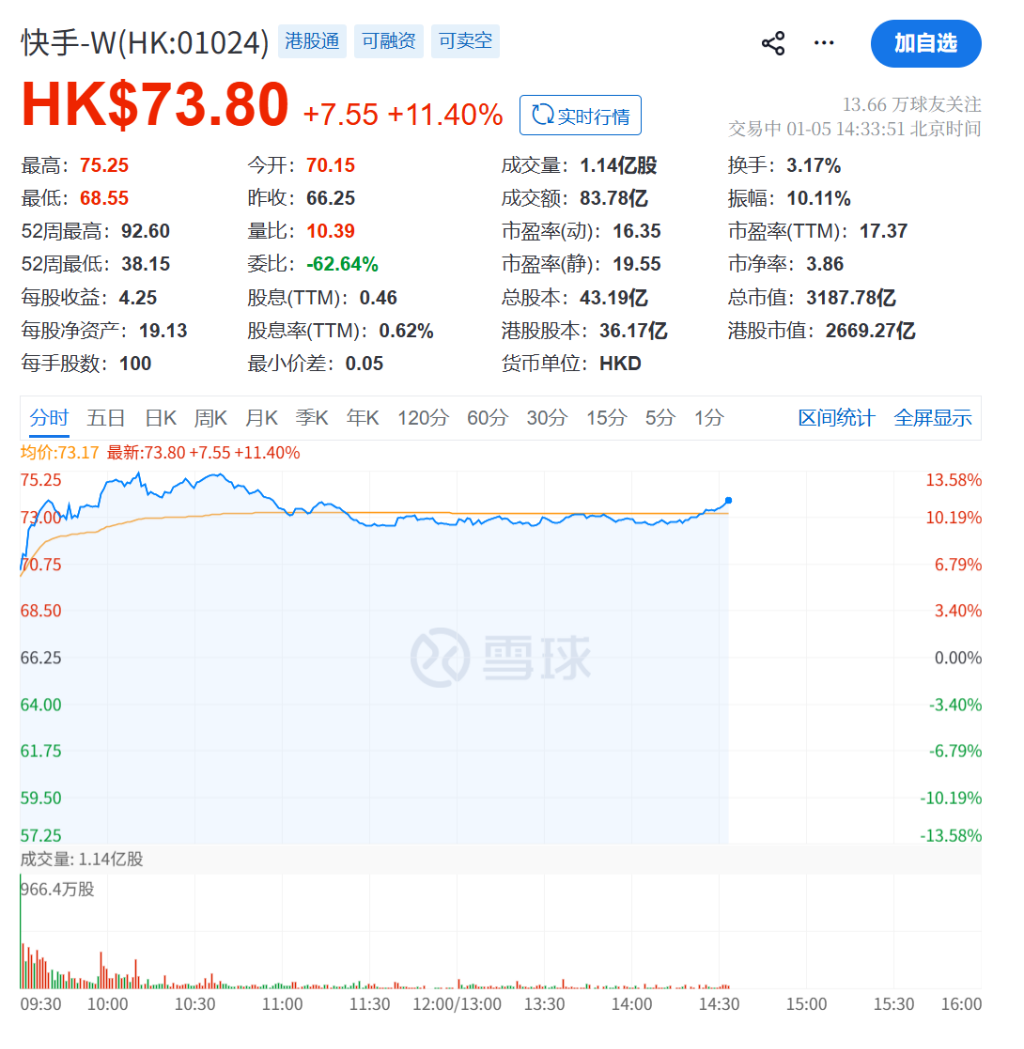
Core Insights - Kuaishou Technology is rapidly realizing its commercial potential in the generative AI sector, driven by the explosive growth of its AI video generation model, Kling, in overseas markets, alongside technological empowerment of its core advertising business [1] - The company's stock surged over 12% during trading, reflecting investor optimism regarding its growth trajectory [1] Group 1: AI Model Performance - Kling's daily revenue reached 2.5 times the average level from mid-December 2025 by January 3, 2026, due to the widespread adoption of the "Motion Control" feature in social media platforms in countries like South Korea and Russia [3][6] - The 2.6 version of Kling, launched on December 3, 2025, introduced a groundbreaking "audio-visual synchronization" feature, allowing the generation of 10-second videos that include natural language, sound effects, and ambient sounds, significantly enhancing user willingness to pay [5][10] - Analysts project that Kling's revenue will exceed $140 million in 2025, with continued growth expected in 2026 through version iterations and expansion into B-end users [8] Group 2: Advertising Business Enhancement - AI technology is increasingly improving Kuaishou's core advertising business, with user engagement rising by 1-2 percentage points and advertising revenue increasing by 4-5 percentage points in Q3 2025 [12] - The application of OneRec technology has optimized ad loading rates, increasing ad inventory while minimizing user disruption, while the GFRL model has enhanced eCPM through intelligent ad placement and real-time ROI monitoring [12] Group 3: Financial Outlook and Valuation - Market sentiment regarding Kuaishou's profit outlook is optimistic, with projected profits of 20.6 billion RMB and 23.8 billion RMB for 2025 and 2026, respectively, reflecting year-on-year growth of 16% and 15% [13] - The current price-to-earnings ratios are 14x for 2025 and 12x for 2026, indicating a favorable valuation [13] - Future investment logic will focus on the ongoing empowerment of Kuaishou's advertising business by AI technology and the high-frequency performance of the Kling business, alongside its product update cadence [13]


高开45%!英矽智能今日上市,创下2025港股Biotech最大IPO!
Sou Hu Cai Jing· 2026-01-05 05:55
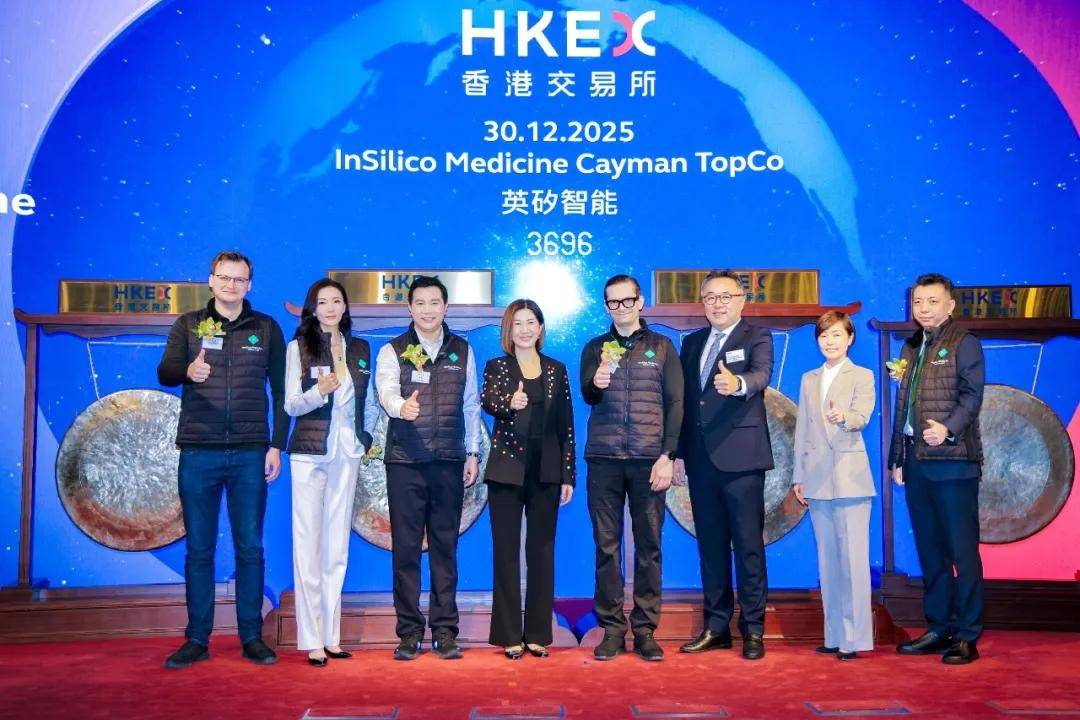
Core Viewpoint - The successful IPO of Insilico Medicine marks it as the first publicly listed company in China focused on generative AI-driven drug development, highlighting its unique position in the AI biotech sector and the growing recognition of its value in the industry [1][4]. Company Overview - Insilico Medicine has developed the Pharma.AI platform, which streamlines the drug development process from target identification to clinical trial prediction, reducing the time from traditional methods of 4.5 years to 12-18 months [3][5]. - The company has over 20 innovative assets in clinical or IND application stages across various fields, including fibrosis, oncology, immunology, metabolism, and pain management [3][12]. - Insilico has successfully licensed three high-potential drug candidates to international companies, with a total contract value of up to $2.1 billion, demonstrating strong cash flow and recognition from global pharmaceutical companies [3][10]. Financial Performance - Insilico's revenue has shown rapid growth, with figures of $30.15 million in 2022, $51.18 million in 2023, and projected $85.83 million in 2024, while net losses have significantly narrowed from $222 million in 2022 to $17.1 million in 2024 [3][8]. - The drug discovery and pipeline development segment contributed approximately $79.73 million in revenue in 2024, accounting for nearly 93% of total revenue [9]. Strategic Positioning - Insilico's listing is seen as a pivotal moment for the AI drug development industry, countering skepticism about the utility of AI in pharmaceuticals and marking a transition from conceptual hype to tangible value [4][20]. - The company has established a dual-engine model for revenue generation, focusing on both self-developed pipelines and providing AI-enabled services to partners [9][10]. Global Expansion and Partnerships - Insilico has attracted significant investment from top-tier global capital, raising a total of $500 million since its inception in 2014, with backing from prominent investors such as Sequoia China and Temasek [14][15]. - The company has established R&D and operational centers across multiple regions, including China, North America, and the Middle East, facilitating efficient drug development and market responsiveness [15]. Future Outlook - Insilico aims to leverage its AI capabilities beyond pharmaceuticals into high-value sectors such as advanced materials and agriculture, indicating a potential second growth curve [13][20]. - The company is positioned to play a significant role in the evolution of AI in drug development, focusing on creating a highly autonomous intelligent platform to enhance decision-making in drug design and development [19][20].
科创芯片ETF南方(588890.SH)涨3.30%,中微公司涨10.41%
Jin Rong Jie· 2026-01-05 03:37
Core Viewpoint - The article highlights the positive performance of the semiconductor sector driven by generative AI, which is expected to boost global consumer spending and increase demand for computing power, particularly in servers and AI chips [1] Group 1: Market Performance - On January 5, the Shanghai and Shenzhen stock markets experienced an upward trend, with notable gains in the media, electronics, and defense sectors [1] - The Southern Science and Technology Chip ETF (588890.SH) rose by 3.30%, while Zhongwei Company saw a significant increase of 10.41% [1] Group 2: Industry Insights - According to Industrial Securities, generative AI is rapidly increasing global consumer spending, leading to an explosion in computing power demand and enhancing the value in segments like servers and AI chips [1] - The potential for edge AI is significant, with headphones and glasses emerging as important carriers [1] - The introduction of the Apple AI Phone is expected to initiate a major upgrade cycle, with a clear recovery trend in upstream storage and related fields [1] Group 3: Semiconductor Sector Developments - In the context of accelerating global AI technology iterations, leading semiconductor and cloud service providers are expected to increase capital expenditures to advance process research and development by 2025 [1] - The entire semiconductor and related industries are witnessing a growth trend across various segments, with industry leaders raising capital expenditure budgets to support HBM supply capabilities and advanced DRAM node mass production [1] - This increase in capital expenditure is anticipated to drive ongoing demand for cleanroom facilities and enhance the overall prosperity of the semiconductor industry chain [1] Group 4: Investment Opportunities - The Southern Science and Technology Chip ETF (588890.SH) focuses on the chip sector and is expected to benefit from the growth in chip demand driven by innovations in smart terminals, presenting long-term investment value [1]

海上观日:2026日本股市展望
Haitong Securities International· 2026-01-05 01:36
Investment Focus - The Japanese stock market experienced a valuation expansion in 2025, with the Nikkei Stock Average closing at 50,339.48, marking a 26% annual gain, driven by global enthusiasm for generative AI, persistent inflation in Japan, and the ascension of the new Prime Minister [3][39]. - The outlook for 2026 indicates a return to an inflationary economy for Japan for the first time in three decades, with expectations of improved domestic demand and accelerated government and private investment [6][40]. Market Review - In 2025, the Japanese stock market outperformed the US Dow Jones Industrial Average for three consecutive years, with significant capital inflows following the election of the new Prime Minister [3][4]. - The market sentiment improved significantly after the new Prime Minister took office, leading to a bullish trend in the stock market, with the Nikkei 225 index surpassing 50,000 points [5][6]. Economic Policies - The new government under the Prime Minister has implemented a comprehensive economic stimulus plan totaling 21.3 trillion yen, with a supplementary budget of 18.3 trillion yen for the fiscal year 2025 [10][11]. - The government plans to invest 8.9 trillion yen in measures to support living standards and address inflation, including direct cash transfers to families and subsidies for energy costs [11][12]. Corporate Governance and Valuation - The Tokyo Stock Exchange and the Financial Services Agency plan to revise corporate governance codes in 2026 to enhance oversight of companies with excessive cash reserves, promoting more effective use of cash [6][27]. - The expectation of improved return on equity (ROE) for listed companies could lead to an overall valuation increase in the market, with the TOPIX price-to-earnings (PE) ratio potentially rising to 18 times [6][28]. Sector Focus - The report highlights several sectors expected to benefit from the economic policies, including advanced manufacturing related to AI, domestic service industries, and companies actively engaging in corporate governance reforms [33][36]. - The government aims to boost the shipbuilding sector significantly, with plans to increase ship production and enhance Japan's market share in global shipbuilding [35]. Corporate Performance - Major listed companies in Japan reported a net profit increase of 7% in the first half of the fiscal year, exceeding market expectations, with non-manufacturing sectors showing strong growth [25][26]. - The consensus for 2026 anticipates a revenue growth of 3.1% and an operating profit increase of 13.7%, particularly benefiting from a recovering manufacturing sector [26]. Technological Innovation - The report emphasizes the importance of AI and related technologies, predicting continued investment growth in AI data centers and a strong demand for semiconductor and related hardware [29][30]. - Japanese companies in the robotics sector are expected to leverage their competitive advantages and partnerships to capitalize on the growth of AI applications [34].
帝国理工VLA综述:从世界模型到VLA,如何重构自动驾驶(T-ITS)
自动驾驶之心· 2026-01-05 00:35
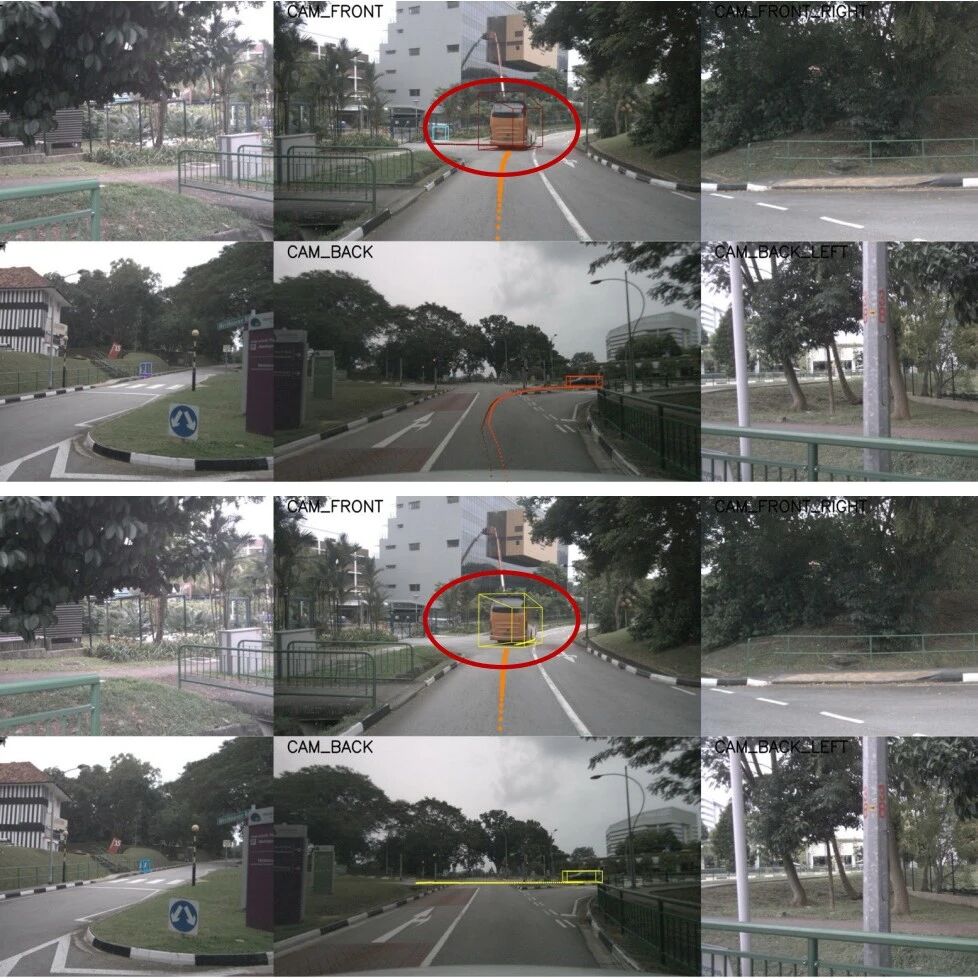
Core Insights - The article discusses the transition of autonomous driving technology from "perception-planning" to an end-to-end Vision-Language-Action (VLA) paradigm, highlighting the significance of world models and generative simulation in this evolution [2][3]. Group 1: Technological Evolution - The review article from Imperial College London systematically analyzes 77 cutting-edge papers up to September 2025, focusing on three main dimensions: end-to-end VLA, world models, and modular integration, providing a comprehensive learning roadmap for developers [2]. - The emergence of VLA signifies a shift from simple multi-modal fusion to a collaborative reasoning flow between vision and language, directly outputting planning trajectories [10]. - The article emphasizes the importance of world models in leveraging generative AI to address corner cases in autonomous driving [6]. Group 2: Modular Integration - Despite the popularity of end-to-end architectures, modular solutions are experiencing a resurgence, demonstrating the potential of large models in traditional perception stacks, such as semantic anomaly detection and long-tail object recognition [7]. - The review highlights models like Talk2BEV and ChatBEV that utilize Vision-Language Models (VLM) for enhanced perception capabilities [7]. Group 3: Challenges and Solutions - The article identifies three major challenges facing VLM deployment in autonomous vehicles: reasoning latency, hallucinations, and computational trade-offs [9][13]. - Solutions discussed include visual token compression, chain-of-thought pruning, and optimization strategies for NVIDIA OrinX chips to address latency issues [12]. - To mitigate hallucination problems, techniques like "hallucination subspace projection" and rule-based safety filters are proposed [15]. Group 4: Future Directions - The review outlines four unresolved challenges in the field: standardized evaluation, edge deployment, multi-modal alignment, and legal and ethical considerations [17]. - It emphasizes the need for a unified scoring system for VLA safety and hallucination rates, as well as the importance of ensuring semantic consistency across different modalities in complex scenarios [17]. Group 5: Resource Compilation - The paper includes nine detailed classification tables and a review of key datasets and simulation platforms, such as NuScenes-QA and CARLA, to support community research and highlight the transition from open-loop metrics to closed-loop evaluations [14][16].
早报|特朗普威胁委内瑞拉代总统;宇树科技辟谣;茅台集团警示虚假招商信息;双星创始人汪海声明与儿子断绝关系
虎嗅APP· 2026-01-05 00:11
Group 1 - Yushu Technology refuted reports regarding its IPO, stating that the information was misleading and that its listing process is proceeding normally [2] - Kweichow Moutai Group warned against false investment information being circulated under its name and stated that it has not authorized any such claims [3] - The Chinese Ministry of Foreign Affairs expressed serious concern over the U.S. military actions in Venezuela, calling for the immediate release of President Maduro and his wife [12] Group 2 - The Ministry of Education announced plans to establish 15 new undergraduate institutions, including Tianjin Vocational University and Nanchang University of Science and Technology [14][15] - South Korean President Lee Jae-myung began a four-day state visit to China, marking his first visit since taking office, with discussions expected on supply chain investments and digital economy cooperation [16][17] - The automotive industry will see the implementation of a new subsidy policy for trade-ins starting January 5, 2026, offering up to 20,000 yuan for scrapping old vehicles when purchasing new energy vehicles [28] Group 3 - Filorga, a French skincare brand, announced the closure of its official flagship store due to a strategic business adjustment, with the store set to cease operations on January 31, 2026 [8] - The well-known chain brand "Washing Bear" faced complaints from consumers regarding store closures, with the founder acknowledging the issue and promising to address customer refunds [18] - Nvidia's CEO Jensen Huang indicated that the future of AI will focus on hybrid AI, transitioning from generative AI to agent-based AI, targeting the enterprise market [30]

腾讯研究院AI速递 20260105
腾讯研究院· 2026-01-04 16:01
Group 1 - Anthropic plans to purchase nearly 1 million Google TPU v7 chips from Broadcom for $21 billion to build its own supercomputing infrastructure, moving away from reliance on CUDA and cloud vendors [1] - Anthropic's revenue has grown tenfold year-on-year for three consecutive years, with its Claude model available on all major cloud platforms [1] - Google is negotiating additional investment in Anthropic, potentially raising its valuation to over $350 billion [1] Group 2 - xAI has acquired an 810,000 square foot warehouse in Memphis, Tennessee, to serve as its third large-scale data center, aiming to deploy 1 million chips and achieve nearly 2GW of training power [2] - xAI is pursuing an independent development path, self-building and self-operating its energy supply, differentiating itself from competitors like OpenAI and Anthropic [2] - The company is raising $15 billion at a valuation of $230 billion, despite facing local protests regarding air pollution from gas turbines [2] Group 3 - Former Liblib CTO Wang Linfang founded Qveris AI, focusing on infrastructure for the Agent era, creating an AI-Ready digital twin engine for rapid search and tool invocation [3] - The platform addresses the limitations of Agents by converting human-designed services into machine-callable capabilities, enhancing semantic discovery and dynamic routing [3] - Wang predicts that 90% of business tasks will be autonomously completed by Agents within the next decade, positioning Qveris AI as a neutral connector in the Model Agent ecosystem [3] Group 4 - Stanford PhD student Zhang Lumin and a team from MIT, CMU, and HKUST developed a new neural network structure that compresses 20 seconds of video history into approximately 5,000 tokens, enabling long video generation on consumer-grade GPUs [4] - This method utilizes a pre-trained memory encoder for random frame retrieval, maintaining high-frequency details while addressing the computational cost of long historical memory [4] - Experiments show that this approach achieves performance metrics comparable to or exceeding uncompressed baselines, providing an efficient and high-quality technical path for AI film production [4] Group 5 - Google’s chief engineer Jaana Dogan praised Claude Code for generating a distributed intelligent agent orchestrator in just one hour, a task that took their team a year to research [7] - This statement sparked controversy in the developer community, questioning the comparison and the validity of the claims [7] - Claude Code's author shared data indicating that AI has merged 259 pull requests and written approximately 40,000 lines of code in the past 30 days, emphasizing the feedback loop for quality improvement [7] Group 6 - Renowned AI scientist Tian Yuandong shared insights from his year-end summary, revealing his involvement in the Llama 4 project before being laid off by Meta [8] - He has joined a new startup as a co-founder, focusing on large model reasoning and opening the black box of models [8] - Tian introduced the concept of "Fermi level" to describe the value distribution of talent in the AI era, suggesting that human value will shift from personal output to enhancing AI capabilities [8] Group 7 - Developer Stephan Schmidt expressed feelings of mental exhaustion after using Claude Code and Cursor, noting that Vibe Coding has transformed traditional programming into a more demanding task [9] - Developers have shifted from being producers to reviewers, leading to increased cognitive load and fatigue [9] - Schmidt recommends consciously controlling the pace of work and taking time to reflect manually to regain mental clarity [9] Group 8 - Developer Simon Willison summarized the year 2025 in AI development using 24 keywords, highlighting significant trends and shifts in the industry [10] - Claude Code achieved an annual revenue of $1 billion after its release, significantly enhancing AI-assisted search and code generation capabilities [10] - Research indicates that the length of tasks AI can perform doubles every seven months, with models like GPT-5 and Claude Opus 4.5 completing tasks that previously took humans hours [10] Group 9 - MIT's paper on Recursive Language Models (RLM) proposes a solution to the "context decay" problem in large models, suggesting that AI should iterate multiple times rather than just increasing parameters [11] - RLM treats long documents as external databases, allowing AI to query as needed, maintaining stability even with over 10 million tokens [11] - Experiments show significant accuracy improvements in tasks, with costs for processing large documents decreasing while effectiveness increases [11]
钱、节奏和耐心:一家公司如何跨越 GPU 创业的前六年
晚点LatePost· 2026-01-04 14:31
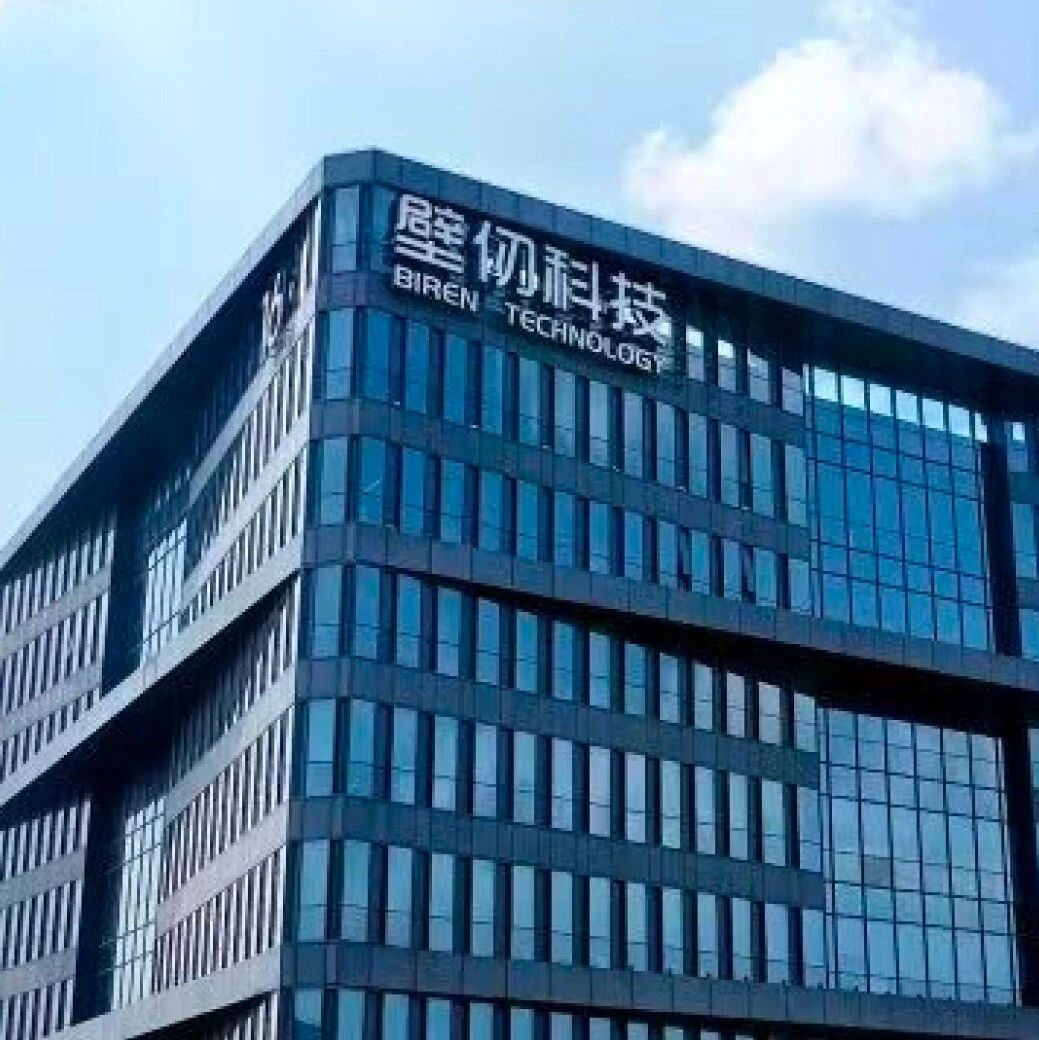
Core Viewpoint - The article discusses the journey of Biren Technology, a GPU manufacturer, which became the first company to go public in Hong Kong in 2026, marking six years since its founding by Zhang Wen. This timeline reflects the significant evolution in the GPU industry, particularly with the rise of generative AI, which has transformed GPUs into a critical infrastructure for the tech sector [2][4]. Group 1: Company Background and Development - Biren Technology was established in a challenging environment dominated by NVIDIA and AMD, with high risks and low success rates in the GPU sector. The development cost for a single GPU is at least $200 million, and it typically takes five years to see significant revenue [5]. - Zhang Wen, the founder, had a diverse background, including law and management roles, but lacked direct GPU experience. His unique approach helped lower the barriers for entrepreneurship in the GPU field [6][7]. - Zhang's ability to attract top talent was crucial. He successfully recruited a team with experience from leading GPU companies, which significantly contributed to Biren's early success [8][9]. Group 2: Strategic Decisions and Challenges - Biren Technology chose a more challenging path by focusing on GPGPU (General-Purpose Graphics Processing Unit) rather than specialized accelerators, which required a comprehensive software stack and long-term developer ecosystem investment [10][11]. - The company maintained a rigorous validation process during product development, emphasizing long-term sustainability over short-term efficiency. This decision was driven by the belief that reliance on specialized chips would not support sustainable growth in general computing power [11][12]. - Despite facing skepticism in 2022 regarding the industry's viability, Biren completed its chip production on schedule, which led to further investment from partners [12][13]. Group 3: Market Position and Future Prospects - By 2023, Biren Technology had demonstrated its capability to adapt and innovate, achieving significant milestones in product development and market acceptance. The company has established a full-stack autonomous controllable system, which includes both hardware and software components [15][18]. - The revenue growth from 2022 to 2024 is notable, with figures increasing from $49,900 to $337 million, and a projected revenue of approximately $589 million in the first half of 2024, reflecting a growth rate exceeding 2500% over three years [16][20]. - Biren has secured over $1.2 billion in orders, indicating strong market demand, although the overall market share for domestic GPUs remains below 1% [20][21]. Group 4: Competitive Landscape - The competition in the GPU industry is intensifying, and the article suggests that Biren's listing is not an endpoint but a new phase in a long-term competitive landscape, similar to NVIDIA's trajectory post-IPO [16][17]. - The focus is shifting from merely achieving product performance to building a sustainable competitive advantage through ecosystem development and cost structure optimization [17][21].
2025全球资管深研报告:全球智能投顾全景图
Sou Hu Cai Jing· 2026-01-04 13:39
Core Insights - The rise of robo-advisors is driven by the integration of financial technology and traditional wealth management, offering low-cost, accessible, and user-friendly investment services, thereby democratizing finance [1][7] - The global robo-advisory market is expected to grow significantly, reaching over $100 billion by 2033, with the U.S. holding a dominant position [2][18] - The business model of robo-advisors has evolved from serving individual clients to a platform-based and ecosystem-oriented approach, diversifying revenue streams [3][4] Market Overview - The global robo-advisory market is projected to grow from $7.7 billion in 2023 to approximately $116.4 billion by 2033, with a compound annual growth rate (CAGR) of 31.2% from 2024 to 2033 [18] - The U.S. accounts for 81% of the global robo-advisory assets under management (AUM), with major players including Vanguard, Schwab, and Betterment [23][24] - The European market is smaller but shows potential, particularly in Germany, which has over 2 million robo-advisory users due to its unique ETF savings plan culture [25][28] Business Model Evolution - Robo-advisors have transitioned from a simple individual client model to a multi-faceted platform approach, including B2B services and diverse revenue models [3][4] - Revenue models have diversified from asset management fees to tiered subscription fees and technology-enabled service fees, reflecting a shift from scale expansion to value extraction [3][4] - Key competitive advantages for leading platforms include strong overall performance, superior digital experiences, and user-friendly interfaces [3][4] Investment Strategies - The industry is witnessing a nuanced debate between "active" and "passive" investment philosophies, with different platforms adopting varied strategies based on market understanding and client needs [3][4] - Some platforms adhere strictly to modern portfolio theory, while others incorporate active management elements or innovative techniques like smart beta to achieve excess returns [3][4] Future Outlook - The robo-advisory industry is moving away from rapid growth towards deeper integration and iteration, with ongoing consolidation expected [4] - The application of artificial intelligence, particularly large language models, is anticipated to enhance the personalization of robo-advisory services, transforming them into intelligent financial partners [4][7] - The industry is likely to see a shift from mere algorithmic recommendations to more human-like, personalized financial advisory interactions [4][7]


AI日报丨苹果回应国行版AI上线传闻;杨元庆对谈黄仁勋;电动无人驾驶矿卡伯镭科技完成超10亿元融资
美股研究社· 2026-01-04 11:22
Group 1 - The article highlights the rapid development of artificial intelligence (AI) technology, presenting significant opportunities in the market [3] - Berai Technology, a leading provider of electric unmanned mining trucks and zero-carbon mining solutions, has completed a financing round exceeding 1 billion yuan, marking the largest financing amount in the unmanned mining sector [5] - The financing will be used to enhance R&D investment, expand intelligent production capacity, accelerate domestic and international market expansion, and deepen industry ecosystem cooperation [5] Group 2 - Lenovo's CEO Yang Yuanqing and NVIDIA's CEO Jensen Huang discussed their upcoming collaboration at CES 2026, focusing on the evolution of AI from generative to agent-based capabilities [7] - Both executives believe that the core opportunity in future AI development lies in "hybrid AI" [7] - Lenovo plans to launch an enterprise-level AI product in collaboration with NVIDIA at their innovation technology conference on January 6 [7] Group 3 - Apple has not officially launched its AI yet, with expectations that the iPhone 15 Pro and newer models will be compatible due to high hardware requirements [8] - There have been reports of gray testing for "Apple Intelligence and Siri" features on certain domestic devices, but the official launch will be announced on their website [8]