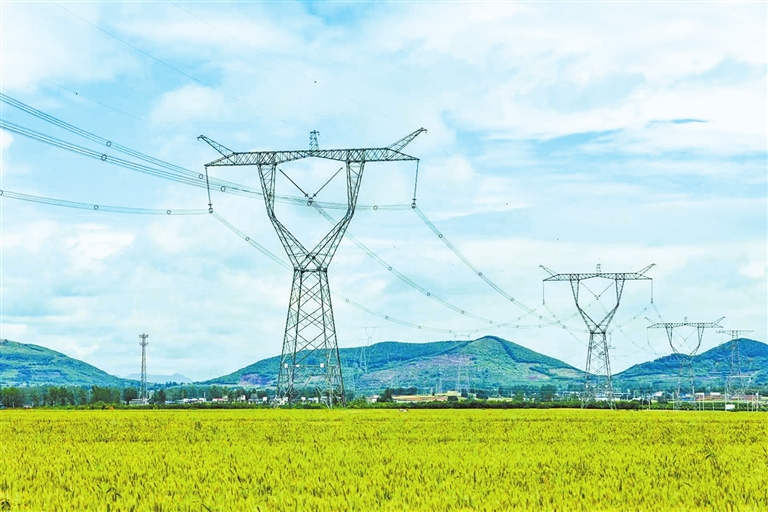
新型能源体系

Search documents
专家解读丨重点突出、思路明确,全面引导电力市场建设规范有序推进
国家能源局· 2025-09-16 10:37
Core Viewpoint - The article emphasizes the importance of deepening energy management reforms and establishing a unified national electricity market in China, highlighting the rapid progress in electricity market construction and the need for further exploration and practice in various regions [2][8]. Group 1: Electricity Market System Construction - The article outlines the key focus areas for the next steps in electricity market system construction, including the optimization of the spot market trading mechanism and the encouragement of new energy sources and innovative entities to participate in the market [3][4]. - It discusses the establishment of a comprehensive design plan for various trading products, including energy, ancillary services, and capacity compensation mechanisms, to enhance market functionality and integration [3][5]. Group 2: Risk Prevention and Operational Capability - The article highlights the need for improved risk prevention and operational capabilities in the electricity market due to the evolving market environment and increased operational risks [4][5]. - It proposes the establishment of a market evaluation indicator system to monitor market structure, behavior, and performance, facilitating timely identification of operational issues and enhancing risk management [5]. Group 3: Retail Market Development - The article identifies new opportunities for retail market development alongside the steady progress of the electricity spot market, emphasizing the need for improvements in price transmission mechanisms, market competition, and transparency [6][7]. - It outlines three key requirements for retail market construction: enriching trading methods, enhancing price transmission between wholesale and retail markets, and increasing market transparency [7].


甘肃新能源新增装机破1000万千瓦
Zhong Guo Dian Li Bao· 2025-09-15 08:10
Core Insights - Gansu Province has seen a significant increase in new energy installations, surpassing 10 million kilowatts, reaching 10.2664 million kilowatts as of August [1] - The province's energy resources are abundant, with wind energy potential at 560 million kilowatts and solar energy potential at 9.5 billion kilowatts, ranking fourth and fifth nationally respectively [1] Energy Development - Wind power accounts for 5.5454 million kilowatts, solar power for 4.703 million kilowatts, and biomass power for 0.018 million kilowatts of the new installations [1] - As of August, the total installed capacity in Gansu Province is 115 million kilowatts, representing a year-on-year growth of 21.8% [1] - New energy installations reached 74.6323 million kilowatts, with a year-on-year increase of 25.51%, making up 65.17% of the total installed capacity [1] Energy Generation - New energy generation reached 66.035 billion kilowatt-hours, showing a year-on-year growth of 16.42% [1] - The share of new energy generation in the total energy output is 39.64%, an increase of 2.58 percentage points year-on-year [1] Infrastructure Development - Gansu is actively promoting the construction of a new power system and energy framework, accelerating the development of external power transmission channels [1] - The province has established two ultra-high voltage direct current lines and is progressing with the construction of additional transmission projects [1] - Gansu has created the first officially operating high-proportion new energy provincial spot market in the country and the first power spot market in the Northwest region [1]
“电—碳—证”市场协同发展将促进能源转型与降碳
Xin Hua Cai Jing· 2025-09-15 07:56
Group 1 - The core viewpoint of the articles emphasizes the rapid development of the electricity market, green electricity market, and green certificate market, which are seen as key drivers for China's energy transition and achieving carbon neutrality goals [1][2] - During the 14th Five-Year Plan period, China's new energy is transitioning from subsidy-supported development to market-driven development, highlighting the importance of the green electricity and green certificate market for the long-term health of new energy [1] - The cross-regional green electricity trading initiated by Beijing and Guangzhou electricity trading centers has facilitated the transfer of renewable energy from regions like Guangxi to coastal areas, indicating a significant step in the development of green electricity trading [1] Group 2 - The "electric-carbon-certificate" market in China is forming a linked framework under policy guidance, with a need for enhanced coordination in market policies, pricing mechanisms, and incentive mechanisms to drive low-carbon transformation in the electricity system [2] - Recommendations include improving auxiliary services and capacity market mechanisms in the electricity market, enhancing the carbon market's price transmission chain, and expanding the application scenarios for green certificates in corporate ESG and carbon footprint evaluations [2] - The report presented by the Global Energy Internet Economic Technology Research Institute outlines four major trends in global electricity development and transformation for 2024, including electrification of energy consumption, increased share of clean energy in power generation, wide-area power distribution, and the integration of advanced digital technologies in power system operations [4]
每52秒下线一片车轮 来感受山西“灯塔工厂”的智造活力
Yang Shi Xin Wen Ke Hu Duan· 2025-09-14 01:33
Core Viewpoint - Shanxi Province is transitioning towards a new energy system, significantly increasing its renewable energy capacity while maintaining its status as a major coal producer [1][9]. Energy Production and Transition - Shanxi's industrial coal production from 2021 to 2024 reached a cumulative total of 5.126 billion tons, accounting for over 25% of the national total [1]. - The province's renewable and clean energy installed capacity has increased to 54.4%, surpassing traditional energy sources [1][9]. - The province has constructed four ultra-high voltage transmission lines, with a cumulative net electricity output of 582.1 billion kilowatt-hours from 2021 to 2024, ranking among the top in the country [1]. Smart Mining and Technology Integration - Shanxi has established 298 intelligent coal mines, which account for 65.5% of the province's coal production capacity, with plans to build an additional 130 intelligent mines by 2027 [3]. - The integration of cloud computing and big data has enabled real-time monitoring and management of mining operations, enhancing safety and efficiency [1][3]. Utilization of Gas Resources - Shanxi has developed 117 gas power plants that utilize coal mine gas, converting waste into energy [5]. - The province is focusing on low-concentration gas power generation projects to maximize the utilization of coal mine gas, which was previously considered waste [5][7]. Manufacturing and Industrial Upgrades - Shanxi's high-end equipment manufacturing industry has seen an average annual growth of 7.2% during the 14th Five-Year Plan period [9]. - A local wheel manufacturing company has been recognized as a "lighthouse factory," showcasing advanced automation and digitalization in production processes [9][21]. - The production line has achieved a 33% increase in output and significant improvements in product quality due to the implementation of big data and industrial internet technologies [21].
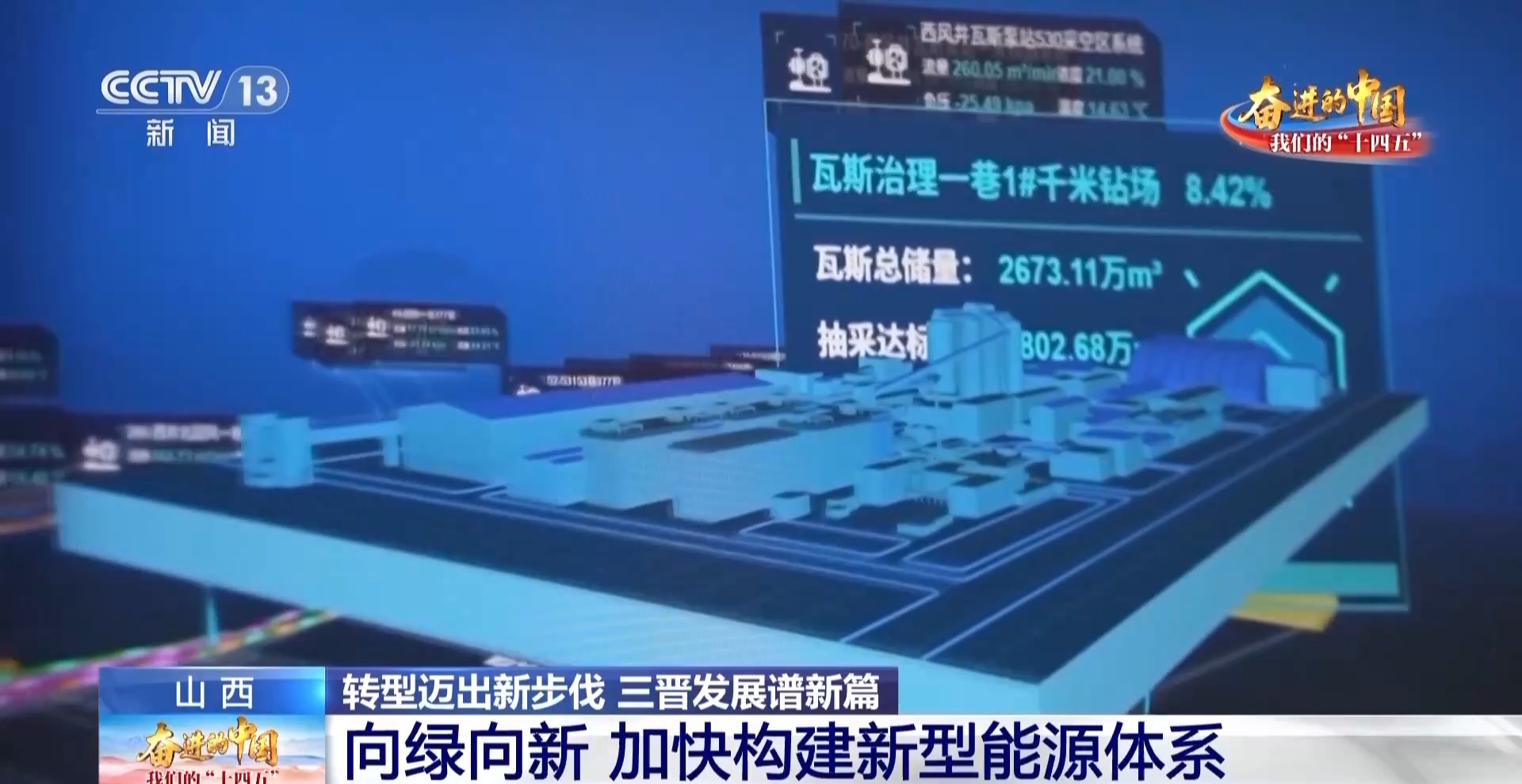
中国广核:2025年上半年,公司实现上网电量1133.60亿千瓦时
Zheng Quan Ri Bao Wang· 2025-09-11 12:44
Core Viewpoint - China General Nuclear Power Corporation (CGN) is focused on ensuring the safe and stable operation of its existing nuclear power units and the high-quality construction of its ongoing projects, contributing to the new energy system in China [1] Financial Performance - In the first half of 2025, the company achieved an on-grid electricity generation of 113.60 billion kilowatt-hours [1] - The company reported a revenue of RMB 39.167 billion [1] - The net profit attributable to the parent company was RMB 5.952 billion [1] Business Focus - The company does not currently engage in smart grid business as a nuclear power enterprise [1] - CGN emphasizes its commitment to the safety and stability of its operational units and the quality of its construction projects [1]

走近大国工程丨塞上“风光”点亮三湘灯火探访我国首个获得核准的“沙戈荒”新能源外送工程
Zhong Yang Ji Wei Guo Jia Jian Wei Wang Zhan· 2025-09-08 00:24
Core Viewpoint - The "Ningdian Ruxiang" project is China's first approved "desert and Gobi" renewable energy transmission project, which will deliver over 36 billion kilowatt-hours of electricity annually from Ningxia to Hunan, meeting the annual electricity needs of over 10 million households [6][17]. Group 1: Project Overview - The "Ningdian Ruxiang" project is a ±800 kV UHVDC transmission line that spans 1616 kilometers, connecting Ningxia with Hunan and crossing multiple provinces [8][9]. - The project is a key initiative under China's 14th Five-Year Plan for power development, with a total investment exceeding 380 billion yuan for UHV projects [8][9]. - The project aims to enhance the capacity for "West-to-East" electricity transmission and optimize the allocation of clean energy resources [6][8]. Group 2: Technical Aspects - The UHVDC transmission line has a capacity of 8 million kilowatts and a transmission loss rate of approximately 4% to 5%, significantly lower than conventional transmission lines [9][10]. - The project involves overcoming various technical challenges, including diverse geological conditions and the need for customized solutions for different terrains [10][11]. - All equipment for the project is domestically manufactured, with advanced technologies implemented to enhance efficiency and reliability [11][12]. Group 3: Renewable Energy Integration - The project has an installed capacity of 17.64 million kilowatts, with 13 million kilowatts coming from renewable sources, including 4 million kilowatts from wind and 9 million kilowatts from solar energy [14]. - Over 50% of the electricity transmitted to Hunan will be from renewable sources, contributing to a reduction of 16 million tons of carbon dioxide emissions annually [14][15]. - The integration of renewable energy faces challenges due to the variability of wind and solar output, necessitating the use of traditional power sources for balancing [15]. Group 4: Environmental Considerations - The project incorporates measures to minimize environmental impact, including wastewater treatment and noise reduction strategies [16]. - Construction has been carefully planned to avoid sensitive ecological areas and water source protection zones, with a focus on ecological restoration [16][17]. - The project has successfully passed the summer peak electricity demand test, demonstrating its capability to provide stable power supply during high-demand periods [17].
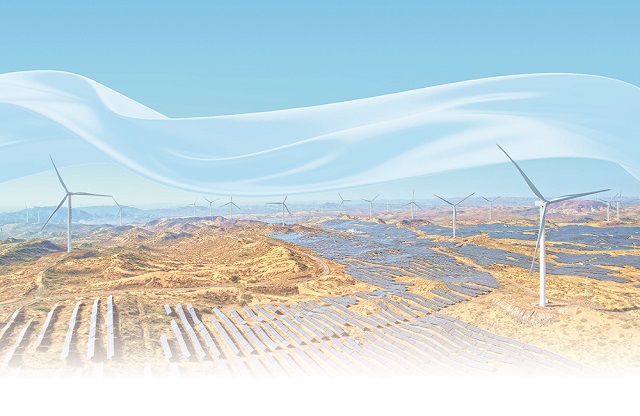
湖北新型能源产业规模超2000亿 “十四五”期间电网投资1227亿
Chang Jiang Shang Bao· 2025-09-07 23:10
Core Viewpoint - The energy supply is a fundamental guarantee for economic development, and Hubei province has made significant advancements in energy projects during the "14th Five-Year Plan" period, positioning itself as a leader in energy transformation and development in China [2][3]. Group 1: Energy Development Achievements - Hubei's energy sector has seen the most significant projects, largest investment, and fastest growth in installed power generation capacity during the "14th Five-Year Plan," with a total investment of 122.7 billion yuan in the power grid, an increase of 19 billion yuan compared to the previous plan [2][4]. - The installed power generation capacity has reached 133 million kilowatts, with an average annual growth of over 10 million kilowatts, nearly three times the growth rate of the "13th Five-Year Plan" [4][7]. - The new energy industry in Hubei has surpassed 200 billion yuan, with multiple locally produced new energy products gaining global popularity, making the energy sector a crucial engine for economic growth [5][9]. Group 2: Energy Supply and Infrastructure - The energy supply system has been significantly strengthened, with the total electricity consumption and peak load approximately 1.5 times that of 2020, equivalent to adding the electricity consumption of an entire city like Wuhan [4][7]. - The province has added 1,180 kilometers of long-distance oil and gas pipelines and 19,000 kilometers of transmission lines of 35 kV and above during the "14th Five-Year Plan," enhancing the energy network [4][6]. - The number of charging stations has quadrupled, covering 7,252 administrative villages, creating a comprehensive charging service network [4][6]. Group 3: Clean Energy Transition - Hubei has established ten large-scale renewable energy bases, achieving its renewable energy installation target two years ahead of schedule, with renewable energy surpassing thermal power as the primary energy source [5][9]. - The share of renewable energy installations has reached 70.2%, exceeding the national average by 9.4 percentage points, with over half of the annual electricity generation coming from renewable sources [5][9]. - The proportion of coal consumption has decreased to below 50%, while non-fossil energy consumption has risen to over 20%, indicating a significant shift towards cleaner energy sources [5][9]. Group 4: Market and Innovation - Hubei has established a comprehensive electricity market system, becoming a leader in the national unified electricity market construction, with the first "electricity-carbon-finance" market collaboration in the country [6][9]. - The province has developed 23 national-level key laboratories and research centers in the energy sector, with significant advancements in technology and equipment [5][9]. - Hubei's electricity system has achieved a historic breakthrough, with a total investment of 122.7 billion yuan in the power grid, and the average power outage time has been reduced from 13 hours in 2020 to 0.86 hours in 2025 [7][8].
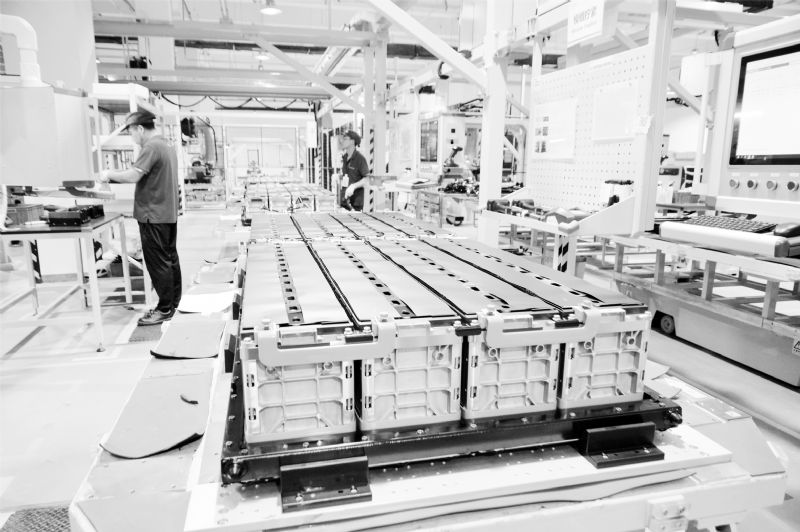
“塞上绿电”好风光 ——来自宁夏的调查
Jing Ji Ri Bao· 2025-09-07 22:13
Core Viewpoint - Ningxia is leveraging its abundant renewable energy resources, particularly solar and wind, to transform its economy and establish itself as a leader in green energy development, with a significant focus on building a new energy system and enhancing the efficiency of renewable energy utilization [1][3][7]. Renewable Energy Development - Ningxia has become the first comprehensive demonstration zone for renewable energy in China, with a renewable energy installed capacity exceeding 50 million kilowatts, accounting for 62.6% of its total installed capacity [1]. - The region's solar energy utilization averages about 1,500 hours per year, while wind energy utilization averages around 2,000 hours per year, supported by vast unutilized land [1][2]. - The Ningdong Energy and Chemical Base features a 2 million kilowatt photovoltaic base that generates approximately 3.7 billion kilowatt-hours annually, saving about 1.15 million tons of standard coal and reducing carbon emissions by approximately 3.15 million tons [2]. Policy and Infrastructure Support - Ningxia has introduced several supportive policies to enhance the new energy system, including the implementation of a three-year action plan for green and low-carbon transformation [3]. - The region has established a new type of power system capable of 24-hour green electricity supply, addressing issues related to distribution network capacity and regulation [2][3]. - The construction of the first integrated wind-solar project and the first smart charging demonstration center in Northwest China has been completed, showcasing Ningxia's commitment to renewable energy development [3]. Power Transmission and Economic Impact - In 2024, Ningxia's renewable energy generation is projected to reach 61.3 billion kilowatt-hours, with 40.2 billion kilowatt-hours consumed locally and 21.1 billion kilowatt-hours transmitted to other regions [4]. - The "Ningxia to Hunan" ultra-high voltage direct current transmission project is expected to deliver over 36 billion kilowatt-hours annually, with more than 50% coming from renewable sources [6]. - The region's green electricity initiatives are expected to enhance its economic development while supporting energy supply in eastern and central China [4][6]. Technological Advancements and Challenges - Ningxia has made significant technological advancements in green electricity, achieving multiple provincial and national awards for innovations [7]. - The region's energy storage capacity has surpassed 600,000 kilowatts, ranking fourth in the country, which helps improve the controllability of renewable energy input [10]. - Despite the promising outlook, challenges remain in stabilizing the power system and ensuring effective integration of renewable energy sources [11]. Future Plans and Goals - By 2025, Ningxia aims to increase its renewable energy capacity by 20.6 million kilowatts and storage capacity by 600,000 kilowatts, while enhancing its power grid infrastructure [8]. - The region plans to develop 2,447 megawatts of new energy to support the green electricity needs of various industries, including modern coal chemical and data-intensive sectors [12].
绿色、智能、创新 数智融合驱动能源转型
Zhong Guo Jin Rong Xin Xi Wang· 2025-09-07 13:51
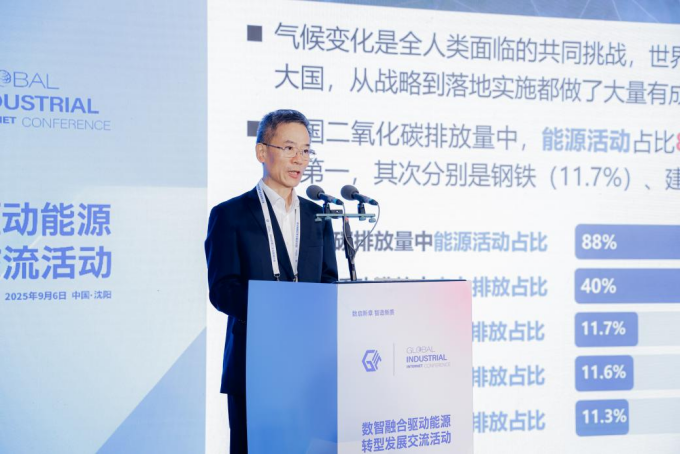
Core Viewpoint - The energy sector is crucial for economic development and national security, with digitalization and intelligence reshaping the global energy landscape [1] Group 1: New Energy Systems - The integration of digital technology with new power systems is essential for creating a secure, green, and economically viable energy framework in China [1] - Energy activities account for 80% of China's carbon emissions, with electricity generation contributing 40% of that [1] Group 2: Nuclear Energy - Nuclear energy is recognized globally as a near-zero carbon clean energy source, supporting high-energy industries in carbon reduction and contributing to the new energy system [3] - The high energy density of nuclear fuel makes it suitable for various applications, including those in challenging environments [3] Group 3: Smart Grid and Digitalization - The State Grid Corporation emphasizes the importance of digitalization in enhancing the energy transition, implementing various applications to support the new power system [4] - Initiatives include the development of a comprehensive digital grid and AI applications to improve service delivery [4] Group 4: Hydrogen Energy - Hydrogen is viewed as the ultimate energy source of the 21st century, with over 60 countries developing hydrogen strategies, and China's hydrogen industry expected to exceed one trillion by 2025 [6] - China Petrochemical Corporation is actively developing hydrogen infrastructure in Liaoning, including the establishment of hydrogen refueling stations [6] Group 5: Oil and Chemical Industry Transition - The oil and chemical industry in China is transitioning from primary chemical production to fine chemical manufacturing, with fossil fuels remaining dominant for the foreseeable future [8] - The industry aims for high-quality development through technological innovation and green low-carbon pathways during the 14th Five-Year Plan [8] Group 6: Future Trends in Energy Transition - The energy transition in China is expected to showcase multi-energy collaboration, diverse application scenarios, and breakthroughs in disruptive technologies [11] - The discussions at the event highlighted the need for a systematic approach to digital and intelligent transformation in the energy sector [13]
银线贯中原 绿脉通九州
He Nan Ri Bao· 2025-09-06 23:31
Core Insights - The article highlights the significant role of ultra-high voltage (UHV) transmission in ensuring power supply and optimizing energy structure in Henan province amid rising electricity demand due to high temperatures [2][3][4]. Group 1: Power Supply and Demand - Henan province experienced record electricity loads from July 4 to August 4, with a peak of 91.33 million kilowatts, equivalent to the additional load of a city like Luoyang compared to the previous year [2]. - The State Grid Henan Electric Power Company has enhanced power supply through multiple UHV channels, facilitating the import of clean energy from regions like Tianshan and Qinghai [2][3]. Group 2: UHV Infrastructure and Impact - The Lingbao back-to-back converter station, operational for 20 years, has transmitted 129.8 billion kilowatt-hours, significantly reducing coal consumption and CO2 emissions in Henan [3][4]. - The UHV projects initiated in Henan, including the 1000 kV Jin Dongnan-Nanyang-Jingmen and the ±800 kV Hami-Nanyang projects, have strengthened the province's power grid and increased the capacity for external electricity imports to over 20 million kilowatts [4][5]. Group 3: Renewable Energy Development - In the first half of the year, Henan's industrial thermal power generation decreased by 6.5%, while renewable energy generation increased by 20.3%, accounting for 23% of total power generation [5]. - The province has seen a surge in distributed photovoltaic (PV) installations, with total renewable energy capacity reaching 79.1 million kilowatts, surpassing thermal power for the first time [7]. Group 4: Technological Innovations and Electric Vehicle Infrastructure - The State Grid Henan Electric Power Company has implemented an "instant plug and charge" feature for electric vehicle charging, enhancing user convenience [8][9]. - The company has established a comprehensive charging network with 6,991 public charging stations and 52,610 charging piles, addressing the growing demand for electric vehicle charging [8][9]. Group 5: Environmental Impact and Energy Transition - The shift towards clean energy has led to a reduction in coal dependency, with the share of electricity in total energy consumption in Henan reaching 25%, an increase of approximately 5 percentage points since 2015 [9].