首发经济

Search documents
以“谷子经济”驱动年轻消费力
Hai Nan Ri Bao· 2025-08-28 01:09
Core Insights - The "Guzi Economy" is gaining momentum, driven by the popularity of cultural IPs and the growing consumer base, particularly among Generation Z and younger demographics [2][3][4] - The success of the animated film "Wang Wang Mountain Little Monsters" has significantly boosted the sales of related merchandise, indicating the strong market potential of IP-derived products [1][2] - The "Guzi" consumer group is expanding beyond its original demographic, attracting interest from older generations and becoming a significant cultural phenomenon [2][4] Industry Trends - The "Guzi Economy" is characterized by a robust industrial chain that includes IP development, manufacturing, and retail, with a focus on emotional value and community engagement [2][6] - The rise of domestic IPs like "Genshin Impact" and "Black Myth: Wukong" has fueled consumer enthusiasm, particularly among younger audiences, and has led to cross-industry collaborations [3][6] - The market is seeing a shift towards personalized and customizable products, facilitated by advancements in manufacturing technologies [6][9] Market Opportunities - The "Guzi Economy" presents new opportunities for businesses, particularly in the realms of tourism and cultural events, which can attract younger consumers [9][10] - There is potential for establishing connections between the "Guzi Economy" and the "First Release Economy," enhancing consumer engagement through limited edition products [8][10] - Regions like Hainan can leverage their unique advantages to promote the "Guzi Economy," attracting both domestic and international consumers [9][10] Consumer Behavior - The social aspect of "Guzi" consumption is significant, as it fosters community connections and emotional expression among consumers [3][4] - The pricing of "Guzi" products is generally accessible, appealing to the desire for individuality and self-expression among younger consumers [3][4] - Parents of Generation Z are increasingly supportive of "Guzi" consumption, viewing it as a means for their children to express themselves and relieve academic pressure [4][10]
联动调改提升企业品牌影响力
Liao Ning Ri Bao· 2025-08-27 22:29
Core Insights - The company is actively developing a "first-release economy" to enhance consumer engagement and drive sales, thereby strengthening its competitive advantage and brand influence [1][2] Group 1: Brand Development and Store Upgrades - From July to August, the company implemented a significant brand upgrade involving nearly 20,000 square meters of space, referred to as the "renewal engine" [1] - The upgrade includes nearly 200 brands across key categories such as outdoor sports, high-end beauty, and trendy apparel, showcasing the company's strong capability to attract first-store resources [1] - New high-end outdoor brands from Germany, South Korea, and Switzerland have been introduced, creating a hub for outdoor enthusiasts in Shenyang [1] Group 2: Consumer Experience Enhancement - The renovation aims to enhance consumer experience and strengthen category competitiveness, addressing diverse consumer needs with a "one-stop" shopping experience [2] - The company is focused on becoming the most influential fashion lifestyle landmark in Northeast China, ensuring both mass and niche consumer demands are met [2] - A "single-loop" design has been adopted to improve brand visibility and shopping efficiency, fostering positive interactions among brands and creating a vibrant shopping environment [1]

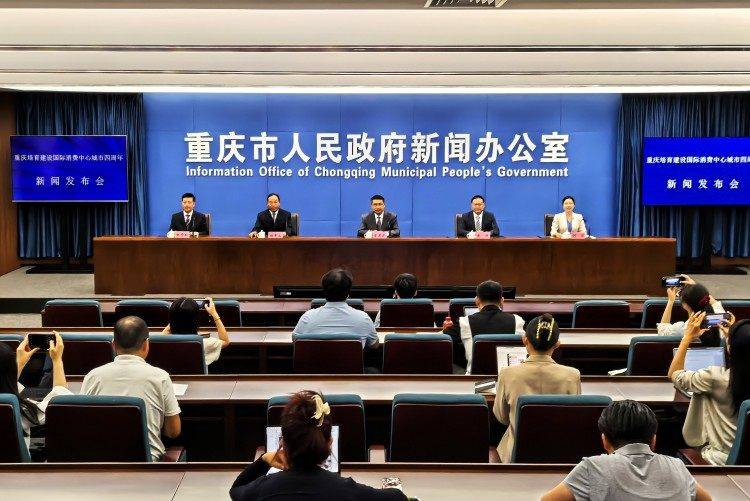
问鼎中国“消费第一城” 2025上半年重庆全市社零总额超8300亿元
Sou Hu Cai Jing· 2025-08-27 21:27
Core Viewpoint - Chongqing aims to become China's "Consumption First City" by achieving a retail sales total exceeding 830 billion yuan with a growth rate of 4.5% by the first half of 2025 [1][5]. Group 1: International Consumption Center Development - Since being approved for the development of an international consumption center in 2021, Chongqing has focused on four key areas: resource aggregation, innovation leadership, unique destination creation, and setting benchmarks for consumption environments [1][5]. - The city has introduced over 2,200 international and domestic brands, ranking in the top four nationwide for the number of new brand openings in the first half of this year [5]. Group 2: Cultural and Culinary Economy - Chongqing is enhancing its cultural economy by promoting local brands and traditional crafts, with the goal of achieving over 100 billion yuan in annual revenue from old brands and intangible cultural heritage by 2024 [6]. - The city has initiated a high-quality development action for the hotpot industry, establishing nearly 100 stores in over 20 countries, contributing to the hotpot sector becoming a "billion-dollar" industry [9]. Group 3: Tourism and Night Economy - Chongqing has developed a diverse and international consumer landscape, attracting increasing numbers of inbound tourists, with a nearly doubled growth in travelers under the 240-hour visa-free transit policy [10][14]. - The city has been recognized as one of China's top ten cities for night economy influence for four consecutive years, promoting various night-time consumption activities [12][16]. Group 4: International Trade and Logistics - Chongqing has established trade relations with 224 countries and regions, with a logistics network reaching 560 ports in 127 countries [14]. - The city has implemented an "entry without worry" payment service system and a pilot program for immediate tax refunds for departing tourists, with a significant increase in tax refund sales and amounts [16].

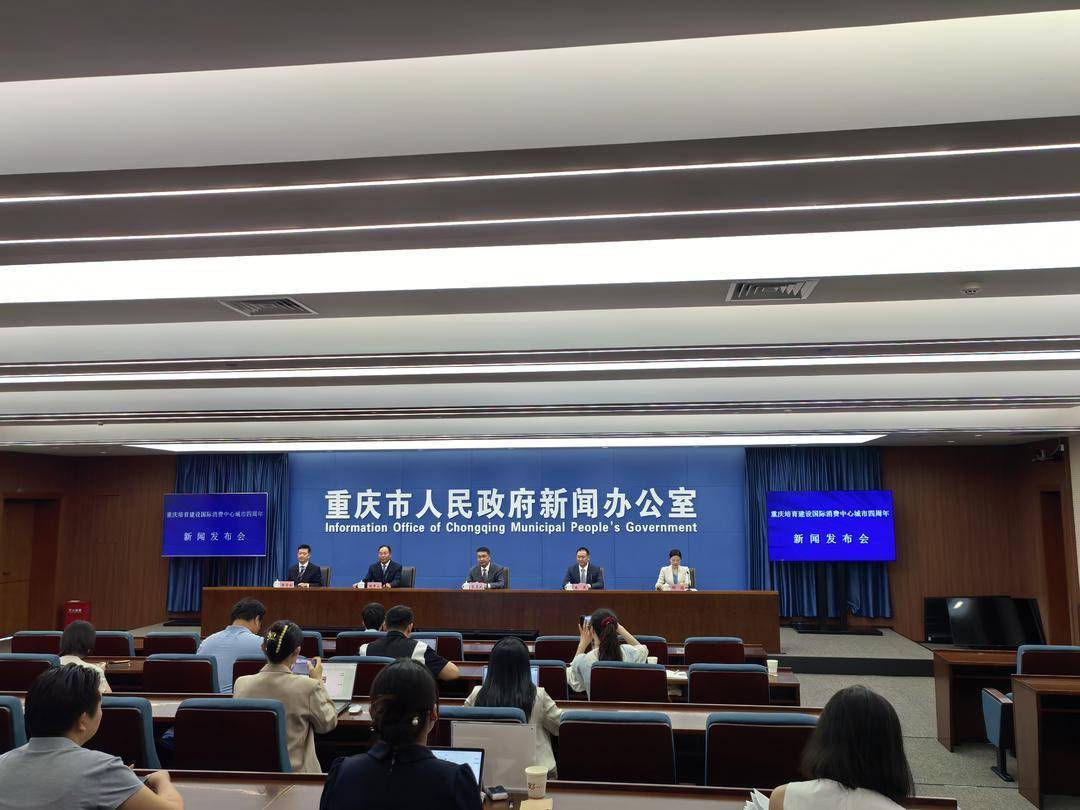
中兴商业:上半年归母净利润同比增长25.08% 聚力创新举措 驱动长远发展
Zheng Quan Shi Bao· 2025-08-27 17:40
Core Viewpoint - Zhongxing Commercial reported a net profit of 48.83 million yuan for the first half of 2025, representing a year-on-year increase of 25.08%, showcasing its innovative strategies and solid operational performance in the retail industry [2]. Group 1: Innovative Marketing and Consumer Engagement - The company implemented a "Three Pull, Three Come" marketing strategy, launching 10 marketing campaigns that accounted for 65% of total sales, effectively attracting consumer traffic and converting it into actual sales [3]. - Zhongxing Commercial integrated cultural, dining, and sports events into its marketing efforts, enhancing consumer shopping experiences through high-participation activities like music concerts and sports competitions [3][4]. - The use of the "Zhongxing Building+" mini-program and Douyin live streaming created a seamless online-offline experience, significantly improving operational quality and brand image [4]. Group 2: Membership Management and Customer Loyalty - The company focused on refined membership management and "affectionate" services, enhancing customer loyalty and conversion rates [5]. - Membership consumption numbers increased by 1.6%, with membership spending rising by 8.3% and membership spending proportion increasing by 4.3% year-on-year, indicating effective customer engagement strategies [6]. Group 3: Economic Contributions and Community Engagement - Zhongxing Commercial actively participated in public welfare and rural revitalization efforts, demonstrating corporate social responsibility through various initiatives, including donations and volunteer activities [8]. - The company supported local economic development by engaging in industry support projects in Gansu Province, contributing to sustainable rural development and job creation [8]. Group 4: Future Outlook - Looking ahead, Zhongxing Commercial aims to deepen marketing innovation, expand multi-channel traffic, enhance membership value, and strengthen brand cooperation, while continuing to fulfill its social responsibilities [9].
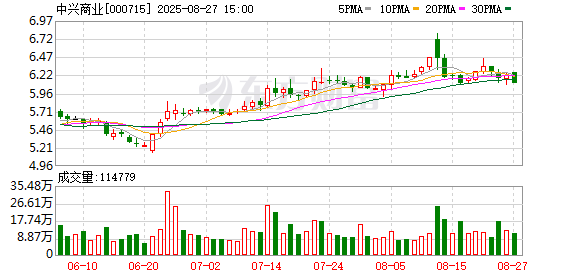
来一场Citywalk,看重庆为何成为中国“消费第一城”
Sou Hu Cai Jing· 2025-08-27 10:49
Core Insights - Chongqing has achieved a total retail sales of over 830 billion yuan in the first half of the year, marking a growth of 4.5%, solidifying its position as China's "Consumption First City" [1][3] Economic Performance - The continuous growth in retail sales reflects the sustained consumption vitality of the city, highlighting Chongqing's strategic position as a core growth pole for consumption in Western China [3] - The city has introduced over 2,200 international and domestic well-known brands, ranking among the top four in the country for the number of new brand openings in the first half of the year [7] Brand Development - Chongqing is focusing on developing a "brand economy," with initiatives like "Yuchan Li" promoting local craftsmanship and cultural heritage, aiming for over 100 billion yuan in revenue from old brands and intangible cultural heritage by 2024 [9] - The automotive sector is being cultivated to become a "first city for automotive consumption," with an expected growth of over 30% in exports of "Chongqing-made" vehicles in 2024 [7] Culinary Scene - The city has enhanced its culinary industry, with a focus on local specialties like "Chongqing Hot Pot," which has expanded internationally, contributing to a restaurant revenue of over 200 billion yuan, a growth of 18.7% [10] - The "Yuwai 360 Bowl" initiative has identified 360 signature dishes, promoting local culinary landmarks and enhancing the food culture [9] Tourism and Internationalization - Chongqing is enhancing its international consumption environment, with over 5 billion annual visitors to key commercial areas, establishing itself as a top destination for tourists [12] - The city has implemented a "no-worry payment" service system for inbound tourists, with over 200 stores offering tax refund services, leading to a nearly fivefold increase in tax refund sales [17] Marketing and Promotion - Chongqing has organized over 2,000 promotional events under the theme "Love Chongqing, Enjoy Consumption," achieving over 4.39 billion online exposures globally, ranking fifth in China's international communication influence [17]
借力首发经济 多个地方特色方案出台
Zheng Quan Ri Bao· 2025-08-26 16:28
那么如何将"尝鲜"消费变为"长线"消费?刘向东认为,增强首发经济发展的持续性,既需要加大政策扶持力度,优化营商 环境和丰富服务场景,还要全面提升消费者体验,增强消费者情绪价值的认同感,推动企业搭建创新联合体,根据消费者反馈 诉求开展研发创新,引导首发经济从"短期流量"向"长期价值"提升。 田利辉进一步分析称,一是强化产品与服务的"长尾效应"。首发产品需具备持续迭代能力,并配套会员体系、社群运营等 增强用户黏性。二是构建差异化生态闭环。避免同质化竞争,需结合城市资源禀赋,形成"首发+场景+服务"的特色消费链路, 延长消费停留时间和复购率。三是政策与市场协同发力。政府可通过"补贴+信用管理"引导品牌长期扎根,同时推动数字化工 具赋能,降低企业运营成本,增强可持续性。 事实上,打卡首店、欣赏首秀、入手首发产品……借助首发经济的东风,各地因地制宜推出特色行动方案,激发消费市场 活力。下半年以来,《北京市深化改革提振消费专项行动方案》印发,其中提出,构建首发时尚新矩阵,鼓励开设首店、旗舰 店、创新概念店,办好全球首发节。《天津市推进首发经济高质量发展的若干措施》发布,包括三方面16条措施,将聚力打造 国际国内品牌集聚地 ...
中国中免(01880)公布中期业绩 权益股东应占利润约26.22亿元 同比减少20.68%
智通财经网· 2025-08-26 10:49
Core Viewpoint - China Duty Free Group (中国中免) reported a decline in revenue and profit for the first half of 2025, while continuing to expand its business model and market presence in both domestic and international markets [1][2][3] Group 1: Financial Performance - The company achieved revenue of RMB 28.151 billion, a year-on-year decrease of 9.96% [1] - Gross profit was RMB 8.99 billion, down 12.23% year-on-year [1] - Profit attributable to equity shareholders was approximately RMB 2.622 billion, a decrease of 20.68% year-on-year, with earnings per share at RMB 1.2673 [1] Group 2: Business Expansion and Strategy - The company is deepening its presence in Hainan, integrating cultural and tourism consumption, and expanding the "duty-free+" model into various sectors [1] - Over 60 new brands were introduced in Hainan, enhancing the consumer experience and solidifying the company's market share, which increased by nearly 1 percentage point year-on-year [1] - The company successfully won the operating rights for several duty-free stores at major airports and border ports, strengthening its channel advantages [2] Group 3: Innovative Retail Models - The company is exploring new retail models at airports, collaborating with local airport groups to introduce new brands and enhance the shopping experience [3] - A focus on product innovation has led to the introduction of nearly 200 new brands, aligning with consumer trends and enhancing product offerings [3] - The company is also targeting the aging population by developing health-focused products under its own brand, "中免健康," with nearly 40 products performing well in the market [3]

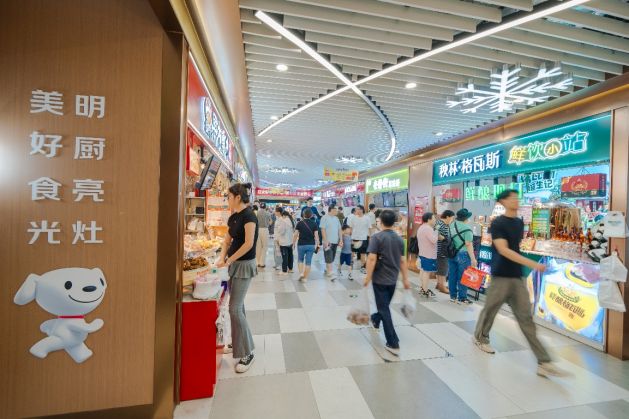
首店爆火后,京东美食MALL在10余城加速落地
Guan Cha Zhe Wang· 2025-08-25 04:00
Core Viewpoint - JD's first restaurant infrastructure brand, Qixian Food Mall, is expanding its presence in over 10 cities with a "one city, multiple stores" plan, following the successful opening of its first store in Harbin [1][8]. Group 1: Business Performance - Since its opening two months ago, Qixian Food Mall has seen a threefold increase in customer traffic, with a near 100% purchase rate and a 100% growth in daily takeaway orders compared to the initial phase [3][4]. - The revenue structure indicates that dine-in still dominates, but the share of takeaway is gradually increasing, showcasing the synergy between dine-in and takeaway services [3][4]. Group 2: Competitive Advantages - Qixian Food Mall's core competitiveness lies in its diverse offerings and strict quality control, focusing on a rich variety of food options, including local specialties and popular brands, while ensuring no tolerance for substandard food delivery [3][5]. - The brand emphasizes transparency with "100% kitchen live streaming," allowing consumers to see food preparation processes, which enhances trust and safety [5][6]. Group 3: Supply Chain Innovation - The brand adopts a "front-end does not profit, supply chain does" strategy, focusing on supply chain efficiency to address food safety and merchant growth challenges [7][8]. - By leveraging JD's supply chain capabilities, merchants can operate with reduced inventory pressure and lower operational costs, enhancing overall efficiency [8][9]. Group 4: Expansion Plans - Following the successful pilot in Harbin, Qixian Food Mall plans to accelerate its national expansion, targeting first-tier, new first-tier, and strong second-tier cities, with a focus on high consumer power and traffic [8][9]. - The strategic selection of locations will consider market research, user demographics, and collaboration with established property companies to minimize risks [8][9]. Group 5: Future Developments - Starting from the second phase, Qixian Kitchen will officially join Qixian Food Mall, enhancing the local living ecosystem by integrating dine-in and takeaway services [11]. - The combination of Qixian Food Mall and Qixian Kitchen aims to provide consumers with a wider range of dining options while promoting cost reduction and efficiency for merchants [11].

首发经济可不止“尝鲜”
Xin Hua Ri Bao· 2025-08-25 02:48
□ 本报记者 王梦然 实习生 王子月 徐州中心商圈的彭城广场地铁站内,人流如织。刚出12号口,淮安游客张美玲便被X-SPACE金鹰国际 地新空间里的热闹景象吸引——麦记牛奶公司的首发限定款奶茶前排着长队,品牌香薰体验区围满了年 轻人,而不远处的文庙街区,主题集市前,打卡拍照的游客络绎不绝……这是江苏首发经济热潮中的又 一鲜活场景。 据省商务厅统计,今年以来,全省新设首店突破800家,其中全球(或亚洲)首店2家、全国首店17家、 餐饮首店245家、零售首店近200家。在政策精准引领与场景创新加持下,这些首店正从"单个亮点"串联 成"消费热链",推动江苏消费市场向更高能级跃升。 各地亮出"特色牌", 首店经济进入差异化竞争 "从图纸设计到正式开业,市场监管部门全程陪跑,食品经营许可申请当天受理、当天核查,效率太高 了!"南通岚之云餐饮管理有限公司(肥汁米兰)负责人对当地的审批速度赞不绝口。崇川区市场监管 局创新实施万象城"3工作日现场核查"提速机制,在餐饮首店功能布局设计阶段就派专人介入,避免二 次整改。 在江苏,为首店落地提供"加速度"已成常态,相关部门服务理念从"审批者"转向"陪跑者"。今年5月, 省级层面出 ...
激发消费市场潜能,浦东又有一批首演、首店扎堆上新
Sou Hu Cai Jing· 2025-08-24 11:23
Core Viewpoint - The article highlights the vibrant cultural and commercial activities in Shanghai, particularly in the Pudong area, showcasing various first-time events, performances, and new store openings that enhance the region's brand image and consumer engagement [1][10]. Group 1: Cultural Events - The play "The Seagull," directed by Konstantin Khabensky, made its Shanghai debut at the Shanghai Oriental Art Center, featuring a renowned cast and incorporating Chinese dialogue to engage the audience [2]. - The 21st Shanghai Jazz Festival is set to take place from October 16 to 26, featuring over 120 performances from 300 top musicians from 20 countries, emphasizing the festival's expansive scale and cultural significance [9]. - The "Rodin Art Season" is introduced in the Expo area, showcasing six masterpieces from the Rodin Museum, marking a significant cultural event in China [11]. Group 2: Commercial Developments - The Pudong area is actively promoting its "first launch economy," which includes the introduction of new stores and brands, enhancing consumer vitality and market engagement [1][10]. - Notable new store openings in the Pudong area include the high-end children's brand MILKBARN and the British chocolate brand Charbonnel et Walker, both of which aim to provide unique experiences for consumers [13][16]. - The integration of diverse international brands and innovative business models in the Pudong area is expected to further stimulate the local economy and enhance its status as an international consumption center [16].