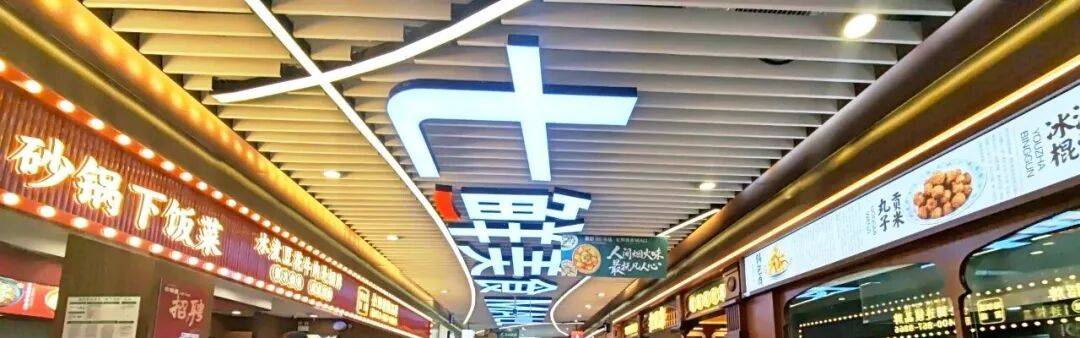
七鲜美食MALL

Search documents
京东宣布:未来5年将投入220亿元新建15万套“小哥之家”,春节9天投入13亿元发福利!“去年有15万名外卖全职骑手加入”
Mei Ri Jing Ji Xin Wen· 2026-02-13 14:19
Group 1 - JD Group released a New Year letter highlighting the progress of its various subsidiaries over the past year and summarizing its innovative business developments in delivery, local life, and AI for 2025 [1] - In the past year, 150,000 full-time delivery riders joined JD, and the company plans to invest 22 billion yuan over the next five years to build 150,000 "Rider Homes" [1] - By December 2025, JD aims to provide 28,000 housing units for frontline employees, covering 145 cities nationwide [1] - JD has launched several innovative businesses in local life and offline retail, including Seven Fresh Kitchen, Seven Fresh Coffee, Seven Fresh Food Mall, JD Travel, JD True Ranking, JD Home Services, and JD Discount Supermarket [1] - During the Spring Festival, JD will invest over 1.3 billion yuan in welfare subsidies for its employees, exceeding national legal standards [1] Group 2 - JD Group has established a comprehensive layout in the AI sector, including intelligent computing infrastructure, models, platforms, scenarios, and products [2] - The company plans to continuously invest in AI over the next three years, aiming to create a trillion-yuan scale AI ecosystem [2] - Over the next five years, JD intends to procure 3 million robots, 1 million unmanned vehicles, and 100,000 drones to fully integrate into the logistics supply chain [2]

京东集团发布2026年新春贺信:始终在成长,永远有梦想!
Zhong Jin Zai Xian· 2026-02-13 12:52
Core Viewpoint - JD Group emphasizes its commitment to growth and innovation while enhancing employee welfare and social responsibility in its New Year message [1][8]. Group 1: Employee Welfare and Social Responsibility - The company plans to invest over 1.3 billion yuan during the Spring Festival to provide benefits exceeding national standards for its employees, including full-time delivery riders [1]. - JD has signed labor contracts and provided social insurance for its 150,000 full-time delivery riders, a first in the domestic food delivery industry [1]. - The company aims to invest 22 billion yuan over the next five years to build 150,000 "homes for riders" to support employees living away from home [1]. Group 2: Business Development and Innovation - JD has developed a stable daily sales platform and a strong brand-building platform, achieving the highest product lifecycle return rates [2]. - The company has launched various innovative services and products, including "JD FASHION" and new local living services, to meet diverse consumer needs [3]. - JD's global fresh food distribution network allows for rapid delivery of international products to Chinese consumers, enhancing the shopping experience [3]. Group 3: Technological Advancements - The company has made significant investments in AI, creating a comprehensive infrastructure that enhances supply chain efficiency and decision-making capabilities [5]. - JD plans to procure 3 million robots, 1 million unmanned vehicles, and 100,000 drones over the next five years to enhance logistics and supply chain operations [5]. - The company has integrated AI into various consumer products, making it a core value driver for growth [5]. Group 4: International Expansion - JD is expanding its logistics network to cover 23 countries, enhancing its global presence and integrating its supply chain technology into local markets [6]. - The company is committed to a long-term internationalization strategy, aiming to build a unique competitive advantage through its global supply chain capabilities [6]. Group 5: Talent Development - JD has opened 35,000 job positions for young talents and launched a program to recruit top technical talents globally [7]. - The company emphasizes practical training and collaboration with educational institutions to enhance employee skills and innovation [7]. Group 6: Company Growth and Achievements - Over the past decade, JD's ranking in the Fortune Global 500 has improved from 366 to 44, reflecting its growth in the Chinese consumer market [8]. - The company continues to focus on social responsibility and innovation, positioning itself as a benchmark for private enterprises in China [8].
京东未来5年将投入220亿元建15万套“小哥之家”,还有300万台机器人在路上
Mei Ri Jing Ji Xin Wen· 2026-02-13 12:17
Group 1 - The core message of JD Group's New Year letter highlights the progress made in various business segments over the past year and outlines future investments in areas such as delivery, local life services, and artificial intelligence (AI) [1][2] - In the past year, JD Group added 150,000 full-time delivery riders and plans to invest 22 billion yuan to build 150,000 "rider homes" over the next five years [1] - JD Group is launching several innovative businesses by 2025, including Seven Fresh Kitchen, Seven Fresh Coffee, Seven Fresh Food Mall, JD Travel, JD True Ranking, JD Home Services, and JD Discount Supermarket, focusing on local life and offline retail [1] Group 2 - JD Group will invest over 1.3 billion yuan during the nine-day Spring Festival period to provide benefits and subsidies exceeding national legal standards for its workforce, including delivery, customer service, and newly hired full-time riders [1] - The company has established a comprehensive layout in the AI sector, including intelligent computing infrastructure, models, platforms, scenarios, and products, leveraging the JoyAI model to create diverse intelligent agents and applications [1] - Over the next three years, JD Group will continue to invest in AI, aiming to create a trillion-yuan scale AI ecosystem, and plans to procure 3 million robots, 1 million unmanned vehicles, and 100,000 drones for logistics supply chain applications [2]

买入叮咚买菜 美团不只盯上即时零售
Bei Jing Shang Bao· 2026-02-05 23:57
Core Viewpoint - Meituan has acquired 100% of the Chinese operations of the fresh food instant retail platform Dingdong Maicai for approximately $717 million, marking a strategic move to enhance its competitive position against rivals JD.com and Alibaba in the instant retail sector [1][2]. Group 1: Acquisition Details - The acquisition is aimed at leveraging Dingdong Maicai's mature fresh supply chain and over 1,000 front warehouses to strengthen Meituan's market position [1][2]. - Dingdong Maicai's overseas business is not included in this transaction, and the company will continue to operate under its existing model during the transition period [2][3]. - Dingdong Maicai's monthly purchasing user count is expected to exceed 7 million by September 2025 [2]. Group 2: Market Context - The instant retail market is shifting from "scale expansion" to "stock game," with front warehouses becoming a critical battleground for major players [2][4]. - The competition among Meituan, JD.com, and Alibaba is intensifying, focusing on supply chain capabilities, delivery networks, and digital operations [1][7]. Group 3: Dingdong Maicai's Challenges - Dingdong Maicai faced significant challenges, including a net loss of nearly 3.18 billion yuan in 2020, leading to a strategic shift towards efficiency and profitability [4][6]. - The company has successfully narrowed its focus to the Jiangsu, Zhejiang, and Shanghai markets, closing operations in less profitable regions [4][6]. - Dingdong Maicai achieved its highest operating cash flow of 929 million yuan since its listing in 2024, despite a 34.96% year-on-year decline in net profit in Q1 2025 [6]. Group 4: Competitive Landscape - The acquisition signifies a broader trend of consolidation in the e-commerce market, with smaller players either being acquired or exiting the market [7][8]. - Meituan's strategy emphasizes full-domain defense, focusing on enhancing its offline presence and optimizing its core business [8][9]. - JD.com is leveraging its supply chain advantages and quality differentiation to capture market share, while Alibaba is restructuring its strategy to enhance ecosystem synergy and expand its product offerings [9][10].



电商巨头入场角力 即时零售“三国杀”
Bei Jing Shang Bao· 2025-12-26 02:01
Core Insights - The article highlights the competitive landscape of instant retail among major e-commerce players, indicating that 2025 is expected to be a pivotal year for the sector as companies shift from price competition to a focus on overall business ecosystem capabilities [1][8]. Group 1: Market Dynamics - On December 25, 2023, 30 stores of Qixian Xiaochu in Beijing received over 16,000 orders, driven by promotional activities such as free chocolate for users [2]. - Major e-commerce platforms like JD.com, Meituan, and Taotian are intensifying their marketing efforts with significant discounts and promotional campaigns ahead of the New Year [3][4]. - The instant retail market in China is projected to reach 971.4 billion yuan in 2023, with expectations to surpass 1 trillion yuan in 2024 and potentially reach 2 trillion yuan by 2030, reflecting an annual growth rate of 12.6% during the 14th Five-Year Plan period [7]. Group 2: Competitive Strategies - JD.com has adopted a strategy focused on quality and zero commission, achieving over 25 million daily orders within 90 days of launching its services, while also offering social security for delivery personnel [4][7]. - Meituan has shifted its focus to instant retail by closing non-core businesses and enhancing its delivery services, with over 30,000 flash warehouses established across 2,800 counties and cities [5][7]. - Alibaba is integrating its resources to enhance its instant retail offerings, with a focus on improving user experience and increasing profitability through innovative business models like the Taobao convenience store [7]. Group 3: Future Outlook - The competition in the instant retail market is expected to evolve beyond mere subsidies and order volumes, emphasizing the importance of ecosystem collaboration, operational precision, and supply chain efficiency [8].
七鲜小厨在京扩张 即时零售流量战转向效率战
Bei Jing Shang Bao· 2025-12-25 14:24
Core Insights - The e-commerce industry is transitioning from scale expansion to efficiency and sustainability as it enters a period of stock competition, with major players like JD, Meituan, and Alibaba competing fiercely in instant retail [1][8] - The year 2025 is anticipated to be a breakout year for instant retail, with significant marketing activities driving order volumes, as seen with 7Fresh's stores in Beijing [2][4] Group 1: Market Dynamics - Major e-commerce platforms are engaging in intense competition, with JD, Meituan, and Alibaba employing various strategies to capture market share in instant retail [4][5] - JD has launched initiatives such as 0 commission and social security for delivery personnel, resulting in a rapid increase in daily order volume [4][7] - Alibaba has invested heavily in subsidies to compete, with a reported 500 billion yuan allocated to capture market share in the instant retail sector [4][6] Group 2: Sales and Promotions - During the holiday season, e-commerce platforms are heavily promoting gift items, with significant sales increases expected for products like beauty gift sets and festive food items [2][3] - 7Fresh's promotional activities, including free chocolate giveaways, have significantly boosted order volumes, demonstrating the effectiveness of marketing strategies [2][3] Group 3: Financial Performance - Instant retail revenue for Alibaba grew by 60% year-on-year in Q3, while JD's new business segment, including delivery services, saw a 12.56% quarter-on-quarter increase [7] - Despite revenue growth, Alibaba's operating profit fell by 85% year-on-year, highlighting the challenges of sustaining profitability amid heavy subsidies [7] Group 4: Future Outlook - The instant retail market in China is projected to reach 971.4 billion yuan by 2025, with expectations to exceed 1 trillion yuan by 2026 [8] - The competition will increasingly focus on operational efficiency, ecosystem collaboration, and the ability to extract value from existing customers rather than just on subsidies and order volume [8]
看似无边界扩张的京东,业务更聚焦了
晚点LatePost· 2025-12-21 08:30
Core Viewpoint - JD.com is shifting its focus back to the industry itself, avoiding price wars on platforms and emphasizing the optimization of its supply chain to create long-term value [2][4][17] Group 1: Strategic Approach - JD.com's founder Liu Qiangdong emphasizes a decision-making framework called "strategic three questions" for entering new industries, focusing on identifying pain points, leveraging JD's strengths to address them, and ensuring long-term value creation [3][4] - The company aims to avoid entering already saturated markets where competition leads to low profits, instead seeking opportunities in industries with significant dissatisfaction among merchants and consumers [4][5] Group 2: Supply Chain Optimization - JD.com is implementing a "super supply chain" strategy, which involves deep engagement in every aspect of the product lifecycle, from design to after-sales service, to enhance efficiency and reduce costs [4][6] - The company is not merely a platform for transactions but is actively involved in improving product quality and supply chain processes, contrasting with competitors like Alibaba and Meituan that focus on traffic and matchmaking [4][12] Group 3: New Business Ventures - In 2023, JD.com expanded into food delivery and hospitality, launching initiatives like the Seven Fresh Kitchen and focusing on improving supply chain efficiency in these sectors [6][7] - The company is also innovating in the apparel sector by segmenting products into detailed categories based on consumer preferences, leading to higher sales concentration with fewer SKUs [7][8] Group 4: Long-term Value Creation - JD.com operates on a long-term value creation model, prioritizing sustainable profits over short-term gains, and sharing profits with partners to foster a healthy ecosystem [13][14] - The company believes that enhancing the profitability of upstream participants in the supply chain will lead to better investment in innovation and a positive feedback loop [9][10] Group 5: Efficiency and Innovation - JD.com is focused on improving operational efficiency across the supply chain, including logistics and inventory management, to ensure faster delivery and better service [15][16] - The company is leveraging data analytics to optimize inventory placement and streamline operations, aiming to reduce costs and improve service quality [16][17]


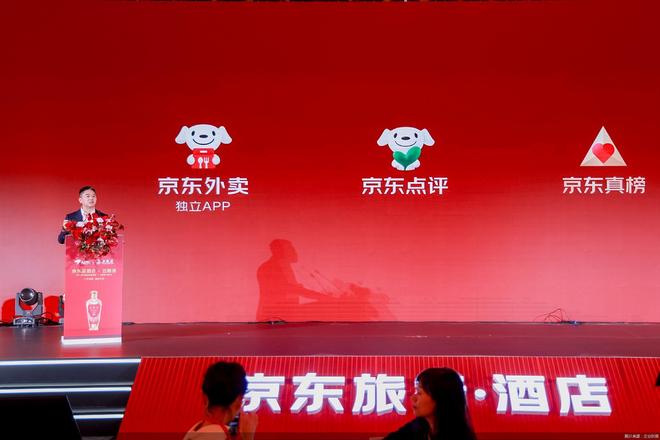
京东外卖将推出独立App、京东点评和京东真榜
Bei Jing Shang Bao· 2025-11-17 11:49
Core Insights - JD Group's founder and chairman Liu Qiangdong announced the launch of an independent app for JD Takeout, along with JD Reviews and JD Rankings, promising "never to commercialize" these services [1] Group 1: JD Takeout Performance - Since its launch in March, JD Takeout has rapidly gained traction, collaborating with over 2 million quality restaurants during the recent "Double 11" shopping festival [3] - The top 300 restaurant brands involved in the promotion saw a daily order volume increase of 13 times compared to the first month after the launch of JD Takeout [3] - On November 7, the launch day of its selected popular products, over 6.5 million units were sold within 8 hours [3] Group 2: Impact on Related Businesses - The promotional activities of JD Takeout positively affected related dining sectors, with the affiliated Seven Fresh Kitchen achieving a repurchase rate three times the industry average during the promotion [3] - The traffic generated by JD Takeout also led to a more than 12% increase in order volume for quality restaurants within a 3-kilometer radius [3] - Seven Fresh Food MALL experienced an 80% increase in customer traffic compared to the previous period during the promotion [3]
从京东基地、七鲜小厨到京东外卖,京东超级供应链打破餐饮行业困局
Bei Jing Shang Bao· 2025-11-13 14:25
Core Insights - JD Group reported a strong Q3 performance with revenue exceeding expectations, growing by 14.9% year-on-year to 299.1 billion yuan [1][12] - New business revenues, particularly from JD's food delivery services, surged over 200% year-on-year, reaching 15.59 billion yuan [2][14] - The "Double 11" shopping festival saw significant consumer engagement, with food delivery and other services experiencing a 13-fold increase in daily orders [1][3] Revenue Growth - JD's overall revenue for Q3 was 299.1 billion yuan, marking a 14.9% increase compared to the previous year [1][12] - New business revenue, including food delivery, grew by 214% year-on-year and accelerated from Q2 [2][14] - Service revenue increased by 30.8%, reaching a two-year high and accounting for 24.4% of total revenue [2][14] Business Performance - JD's food delivery service maintained healthy growth, with improvements in operational efficiency leading to reduced investment and better profit margins [2][6] - The introduction of "Seven Fresh Kitchen" has been well-received, maintaining high daily order volumes and contributing to overall business growth [2][3] - The collaboration with over 2 million quality restaurants and top 300 dining brands resulted in a 13-fold increase in daily orders during the "Double 11" period [3][16] Supply Chain and Cost Efficiency - JD's supply chain capabilities significantly reduced procurement costs for merchants, allowing for a commission rate of no more than 5%, compared to over 20% on traditional platforms [5][6] - The implementation of a centralized kitchen and cold chain logistics improved food quality and inventory turnover [5][6] - JD's focus on quality and fair competition aims to support sustainable growth for restaurants, avoiding the pitfalls of low-cost competition [4][5] User Engagement and Market Position - The number of active users surpassed 700 million in October, reflecting strong user growth and shopping frequency [6][14] - JD's multi-engine growth matrix continues to expand, with food delivery services deepening synergies with core retail operations [6][7] - The company aims to create a healthy ecosystem in the food delivery market, emphasizing quality and consumer trust [4][5]

京东在哈尔滨干的这件事居然引来3倍客流,真相是……
Sou Hu Cai Jing· 2025-11-12 22:41
Core Insights - JD's first dining infrastructure brand, Qixian Food Mall, opened in Harbin, showcasing an innovative model of "smart dining + quality takeout" that has proven to be replicable and promotable [1][3] Performance Metrics - Since its opening, Qixian Food Mall has tripled the foot traffic compared to pre-opening levels, achieving nearly 100% shopping conversion rate and a 100% increase in takeout orders [3][10] - The mall's operational success has led to plans for expansion into more cities, with many merchants looking to open additional stores in Harbin [3][15] Consumer Behavior - The mall has successfully attracted a diverse consumer base, with increased evening dining hours and a notable rise in sales, particularly during holidays, where some merchants reported a 15% year-on-year increase in revenue [6][10] - The introduction of features like "100% live kitchen streaming" has enhanced consumer experience and trust, leading to longer dwell times and increased purchase frequency [8][19] Merchant Experience - Merchants have reported significant growth in both dine-in and takeout orders, with some experiencing a rise in average transaction value from 40 yuan to 60 yuan per person [12][15] - The platform's data-driven approach has allowed merchants to optimize their offerings based on local consumer preferences, leading to successful product innovations [12][19] Strategic Expansion - JD plans to replicate the Harbin model in over 10 cities, aiming for a multi-store strategy in the future [17][19] - The collaboration between JD and local merchants is seen as a new model for regional cooperation, enhancing the growth potential for both parties [19]