
自动驾驶

Search documents
高端车市场预期不断提升-Robotaxi产业加速推进
2026-02-03 02:05
Summary of Key Points from Conference Call Records Industry Overview - The high-end passenger car market (priced above 500,000 yuan) is experiencing accelerated domestic substitution, with companies like JAC Motors and Geely expected to capture more market share [1][2] - The mid-to-low-end market is significantly affected by rising costs (lithium carbonate, storage chips, aluminum, etc.) and policy fluctuations, necessitating attention from automakers regarding the impact of cost increases on final prices [1][2] Core Insights and Arguments - Tesla plans to mass-produce its third-generation robots in the first half of 2026, which will initiate a production cycle for related component suppliers. The company aims to launch a steering wheel-less Robotaxi by 2027, highlighting the importance of companies like Sihong and Xinquan in the robot component sector [1][4] - The automotive sector faces dual challenges in 2026: rising costs (with vehicle costs increasing by approximately 4,000 to 5,000 yuan due to price hikes in chips, batteries, and copper foil) and weak demand (due to subsidy reductions and the withdrawal of purchase tax incentives) [1][6] - Despite these challenges, high-end models from JAC Motors and Geely still present opportunities, particularly in the 500,000 yuan and above segment [1][6] Market Performance and Expectations - The automotive market in January 2026 showed signs of demand exhaustion, primarily due to a surge in sales before the reduction of local subsidies in Q4 2025. Fuel vehicle sales increased, while mid-to-low-end new energy vehicle sales declined significantly [3][7] - Anticipated new model launches from BYD in late February and a series of new releases in March and April are expected to stimulate market recovery, although year-on-year sales may still show negative growth due to base effects [8][9] Investment Opportunities - JAC Motors and Geely are highlighted as companies with strong growth potential, particularly in the high-end market segment. JAC's ultra-luxury models face little competition in the 600,000 to 1,500,000 yuan range, while Geely's Zeekr brand is expected to see significant sales growth [10] - Yutong Bus is noted for its strong overseas business performance, with sales of large buses and exports of new energy buses showing substantial growth. The company is well-positioned to benefit from the acceleration of electrification in Europe and emerging markets [12] Additional Insights - The robot industry is entering a critical development phase in 2026, with Tesla's plans for mass production of its third-generation robots and the introduction of Robotaxis expected to have significant implications for the supply chain [4][5] - Yutong Bus maintains a high dividend payout ratio and is expected to continue this trend as profits grow, making it a long-term investment opportunity [13] Regulatory and Policy Developments - In North America, significant advancements in the autonomous driving sector have been noted, with Tesla and Waymo making strides in technology and operations. New regulations are anticipated to support the growth of autonomous vehicles [14][15]

伯镭科技40岁创始人胡心怡担任董事长,曾任职博世、丹纳赫等跨国公司
Sou Hu Cai Jing· 2026-02-03 01:16
Core Viewpoint - Shanghai Berai Intelligent Technology Co., Ltd. (referred to as "Berai Technology") has submitted its prospectus to the Hong Kong Stock Exchange, with CITIC Securities and CITIC International as joint sponsors [2]. Group 1: Company Overview - As of 2024, Berai Technology is the largest pure electric autonomous mining truck provider globally by shipment volume and revenue, and the largest provider of electric and automated mining solutions by the cumulative number of mines adopting its solutions [3]. - By shipment volume in 2024, the company is also the second-largest provider of autonomous mining truck solutions in China [3]. Group 2: Financial Performance - In 2023 and 2024, Berai Technology achieved revenues of 69.565 million yuan and 171.836 million yuan, respectively, with losses of 32.479 million yuan and 60.986 million yuan for the same periods [4]. - For the first three quarters of 2025, the company reported revenues of 315.214 million yuan, representing a year-on-year growth of 819.9%, while the loss for the period was 58.666 million yuan, compared to a loss of 45.622 million yuan in the same period the previous year [4]. Group 3: Financial Metrics - The gross profit margin for 2023 was 11.3%, which increased to 15.1% in 2024, and further to 30.1% in the first three quarters of 2025 [5]. - The total revenue for 2024 was 171.836 million yuan, with a cost of sales of 145.029 million yuan, resulting in a gross profit of 25.807 million yuan [5]. - Administrative expenses for 2024 were 21.315 million yuan, accounting for 12.5% of total revenue, while research and development expenses were 37.256 million yuan, representing 21.8% of total revenue [5]. Group 4: Leadership - The company is led by Hu Xinyi, who is the Chairman, CEO, and Executive Director. She founded the company and has been in her current roles since its establishment in July 2015 [6][7]. - Hu Xinyi has extensive experience in industrial automation and engineering machinery, having worked in multinational companies such as Bosch and Danaher [6][7]. - She has received multiple accolades for her entrepreneurial achievements, including being named a Global Climate Leader by Yale University in 2024 [6][7].

汽车早报|上汽集团1月整车销量32.74万辆蔚来旗下乐道品牌登陆海外市场
Xin Lang Cai Jing· 2026-02-03 00:37
Group 1: Regulatory and Market Trends - The Ministry of Industry and Information Technology of China has released a mandatory national standard for automotive door handle safety, effective from January 1, 2027 [1] - The China Automobile Dealers Association indicates that the automotive market will enter a phase of adjustment in February 2026, with a consumption index of 31.1 for January, and a predicted decline in sales due to multiple factors including the Spring Festival and tax changes [1] Group 2: Company Performance - SAIC Motor Corporation reported a total vehicle sales of 327,400 units in January 2026, a year-on-year increase of 23.94%, with 85,400 units being electric vehicles, up 39.73% [1] - Dongfeng Nissan announced a delivery of 45,984 vehicles in January 2026, reflecting a year-on-year growth of 5.4%, with the Tianlai Hongmeng model contributing 6,724 units, up 22% [2] - Dongfeng Honda's sales reached 31,377 units in January 2026, marking a 4.4% year-on-year increase, with the CR-V model achieving 19,141 units sold, up 36.4% [3] Group 3: New Ventures and Expansions - Geely Auto has established a new battery company in Baoji with a registered capital of 50 million RMB, focusing on battery manufacturing and sales [4] - NIO has launched its brand "Ladao" in Uzbekistan, marking its entry into the overseas market, with multiple models introduced, and plans to expand into the Americas with a partnership in Costa Rica [5] Group 4: Investment and Valuation - Waymo, a subsidiary of Alphabet, has completed a $16 billion financing round, achieving a post-money valuation of $126 billion, with significant investments from various venture capital firms [6] - Waymo's annual ride volume is projected to more than double to 15 million rides in 2025, with a cumulative total exceeding 20 million rides to date [6]


确认了!SpaceX宣布收购人工智能企业xAI 合并后估值1.25万亿美元
Mei Ri Jing Ji Xin Wen· 2026-02-03 00:30
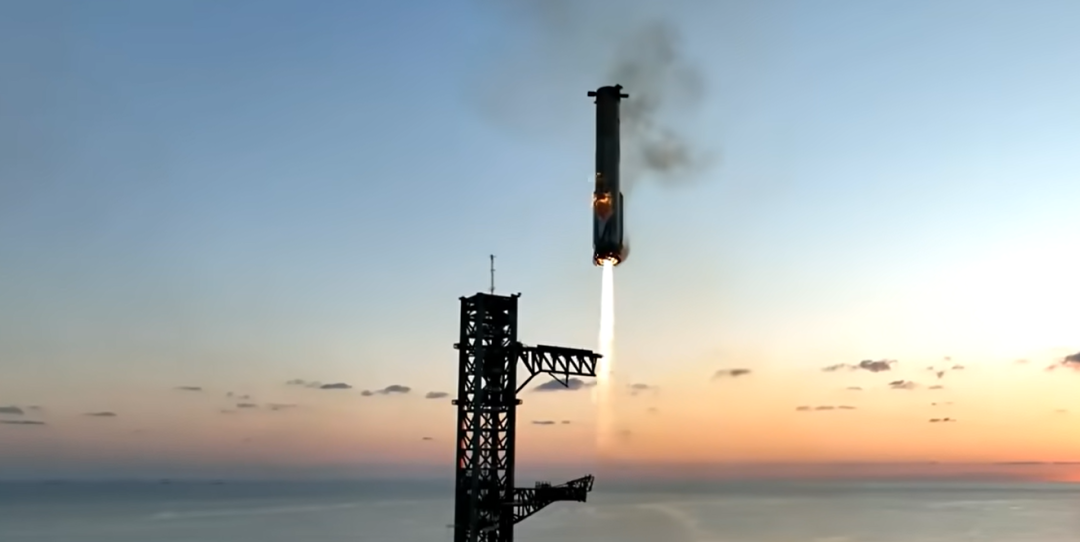
Core Viewpoint - SpaceX has acquired xAI, with the combined company expected to be valued at $1.25 trillion, comprising a $1 trillion valuation for SpaceX and $250 billion for xAI, with a share price set at approximately $527 [1]. Group 1: Acquisition Details - The merger between SpaceX and xAI is structured as an all-stock transaction [1]. - There are discussions about a potential merger between SpaceX and Tesla, which could lead to a combined valuation exceeding $2 trillion if realized [2]. - SpaceX is considering an IPO in June, potentially raising up to $50 billion, which could be the largest IPO in history [2]. Group 2: Market Reaction - Following the announcement of the acquisition, Tesla's stock price surged by 4.5% in after-hours trading [3]. Group 3: Strategic Synergies - The integration of SpaceX, Tesla, and xAI is expected to create significant synergies, particularly in data transmission and AI capabilities [7]. - SpaceX's Starlink, with over 15,000 satellites deployed, provides a robust infrastructure that can support Tesla's autonomous driving and xAI's AGI model training [7]. - Tesla's energy solutions and autonomous driving technology are seen as critical components that can enhance SpaceX's offerings, particularly in remote areas [7]. Group 4: Challenges Ahead - The complexity of merging with Tesla, a publicly traded company, presents significant challenges compared to the more straightforward merger process between private companies like SpaceX and xAI [8].
智能驾驶系列报告四:RoboX:产业奇点已至,规模化应用加速
Guolian Minsheng Securities· 2026-02-03 00:25
Investment Rating - The report maintains a recommendation rating for the RoboX industry, indicating a positive outlook for investment opportunities in this sector [1]. Core Insights - RoboX is approaching a critical point of industrialization, transitioning from technology validation to large-scale deployment, driven by supportive policies, increasing supply of key components, and strong demand for intelligent driving solutions [7][19]. - The report highlights three main applications of RoboX: Robotaxi, Robovan, and Robotruck, each with distinct market dynamics and growth potential [10][19]. Summary by Sections 1. Investment Focus: RoboX Accelerating Towards Industrialization - RoboX encompasses various forms of autonomous driving applications, including Robotaxi, Robovan, and Robotruck, designed for different transportation scenarios [10]. - The report emphasizes the modular design of RoboX, allowing for adaptability across various transport needs [10]. 2. Robotaxi: Scaling Point Evident, Fully Autonomous Commercialization Gradually Landing - Demand Side: Robotaxi can significantly reduce operational costs, with projected costs of $0.2 per kilometer by 2027, a 50% reduction compared to traditional taxi services [21]. - Supply Side: Continuous reduction in hardware costs is facilitating the scaling of Robotaxi applications, with the sixth-generation vehicle costs dropping by 60% compared to previous models [35]. - Policy Side: The gradual implementation of fully autonomous commercial operations is supported by clear regulations regarding accident liability [21][15]. 3. Robovan: Strong Demand for Unmanned Delivery, Cost Advantages Driven by Core Component Price Reductions - Demand Side: There is a strong need for unmanned delivery solutions in the last-mile logistics sector, covering key application scenarios such as e-commerce and fresh food delivery [3]. - Supply Side: The cost of core components is decreasing, enhancing the price competitiveness of unmanned delivery vehicles [3]. - Policy Side: Continuous opening of road rights and pilot projects is accelerating the deployment of unmanned delivery vehicles [3]. 4. Robotruck: Transitioning from Closed Scenarios to Mainline Logistics, Cross-Province Testing Implemented - Demand Side: Robotruck applications are expected to reach a market scale of hundreds of billions, focusing on stable freight demand in complex environments [4]. - Supply Side: Successful implementation of L4 in closed scenarios is validating the operational capabilities of Robotrucks [4]. - Policy Side: National support is clear, but local policies are cautiously opening up due to the high risks associated with heavy-duty trucks [4]. 5. Investment Recommendations - The report suggests that companies involved in RoboX commercialization, such as WeRide, Cao Cao Mobility, and XPeng Motors, will directly benefit from the scaling of RoboX applications [19]. - It also recommends focusing on intelligent component manufacturers like Horizon Robotics and Desay SV, which are expected to show performance elasticity [19].
马斯克公布特斯拉2026年一揽子计划
3 6 Ke· 2026-02-03 00:03
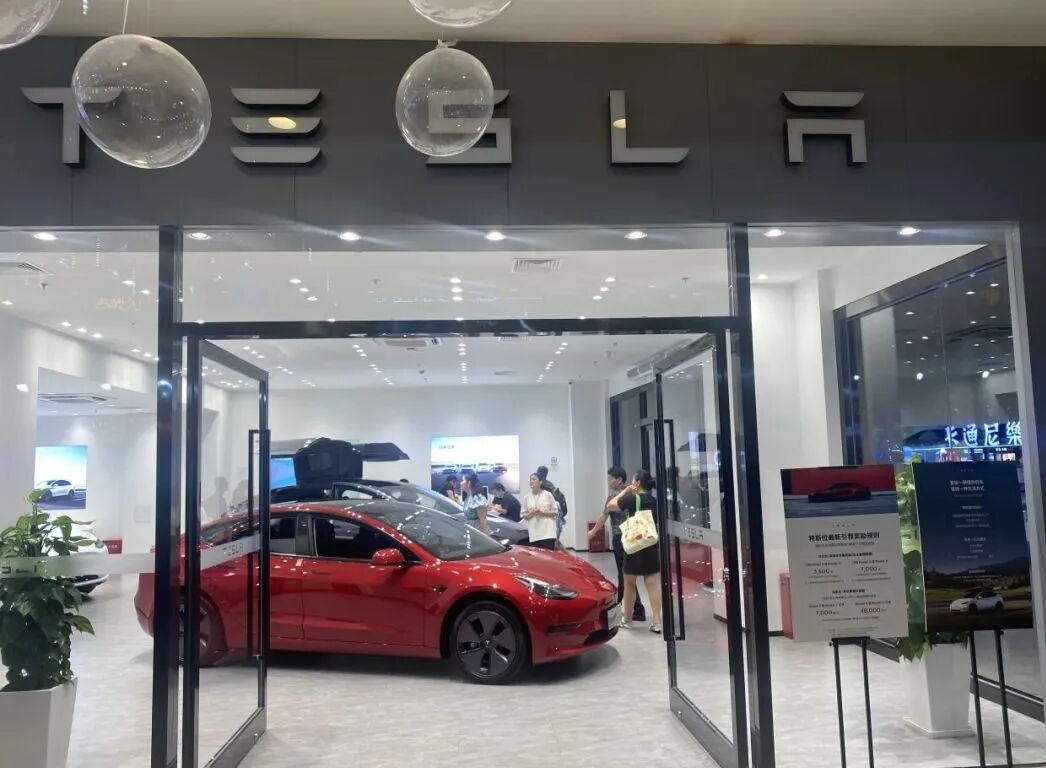
Core Viewpoint - Tesla's recent earnings report reveals a juxtaposition between its ambitious vision for a "prosperous era" and the harsh realities of declining automotive sales, marking the first annual revenue drop since its inception [2][3]. Financial Performance - In Q4 2025, Tesla reported revenue of $24.9 billion, a 3.1% year-over-year decrease; operating profit was $1.41 billion, down 11%; free cash flow fell by 30% to $1.42 billion; gross margin stood at 20.1%; earnings per share were $0.24, down from $0.66 the previous year [2]. - For the full year 2025, total revenue was approximately $94.8 billion, a 3% decline; net profit was around $3.8 billion, a 46% drop; global deliveries totaled 1.636 million vehicles, an 8.6% decrease, with Q4 deliveries at 418,000, down about 16% [2]. Strategic Shift - Tesla plans to cease production of the Model S and Model X by the end of Q2 2026, signaling a shift from traditional automotive manufacturing to a focus on AI and robotics [3][6]. - The production lines previously used for Model S and Model X are being repurposed for the production of the Optimus humanoid robot [7]. Future Focus - The company is pivoting its core business model from "selling cars" to "transportation as a service (TaaS)," with plans to launch Robotaxi services and a subscription model for full self-driving (FSD) software [8][10]. - Tesla aims to have 1.1 million FSD subscribers by the end of 2025, a 38% increase year-over-year, with a monthly subscription price set at $99 [10]. Investment in AI - Tesla has committed to investing approximately $2 billion in Elon Musk's AI company, xAI, to enhance its AI capabilities and address potential growth bottlenecks related to chip production [12]. - The company is considering building a domestic chip factory to mitigate supply chain and geopolitical risks [14].
暂停6年后,美国滴滴再战自动驾驶
汽车商业评论· 2026-02-02 23:10
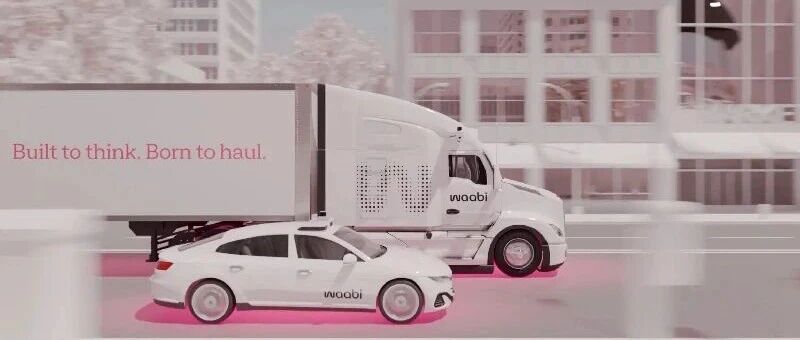
Waabi对外表示,这10亿美元包括两部分。一部分是7.5亿美元C轮融资,由科斯拉创投与G2风险投资联合领投。另一部分是来自Uber的一笔以里 程碑方式承诺的未来投资(milestone-based future investment)。 加入轩辕同学 , 成就新汽车人! 设计 | 甄 尤 美 来 源 | A u t o n e w s , Wa a b i , Te c h C r u n c h 编译 | 莫 莉 编辑 | 黄 大 路 当地时间2026年1月28日,加拿大自动驾驶公司Waabi宣布获得总计10亿美元资金,用于加速其自动驾驶卡车系统的商业化,同时把业务延伸到 Robotaxi上。 与资金一同公布的,是一份排他性的Robotaxi合作。 自2022年起,Waabi对外公开表示,其已在真实道路上用配备安全员的测试车进行验证,并在2025年10月完成了首次车内无人的封闭场地测试。 Waabi披露,其搭载Waabi Driver系统的Robotaxi将独家接入Uber平台,双方计划投放不少于2.5万辆车辆,但尚未公布量产车型、落地城市以及具 体时间表。 在Uber停止自研自动驾驶六年后,这次更像成本 ...

Waymo完成160亿美元融资估值达1260亿美元,宣称自动驾驶安全性已优于人类驾驶
Xin Lang Cai Jing· 2026-02-02 23:02
Core Insights - Waymo, a subsidiary of Alphabet, announced a $16 billion funding round, raising its post-funding valuation to $126 billion, more than double its previous valuation of $45 billion from a $5.6 billion funding round in October 2024 [1][2] Funding Details - The latest funding round was led by Alphabet and included participation from existing investors such as Andreessen Horowitz, Fidelity, Perry Creek, Silver Lake, Tiger Global, and T. Rowe Price, along with new investors like Dragoneer Investment Group, DST Global, Sequoia Capital, Kleiner Perkins, and Alphabet's investment firm GV [1][2] Operational Expansion - Waymo's autonomous taxi service currently operates in Austin, the San Francisco Bay Area, Phoenix, Atlanta, Los Angeles, and Miami [3] - By 2026, Waymo plans to expand its services to Dallas, Denver, Detroit, Houston, Las Vegas, Miami, Nashville, Orlando, San Antonio, San Diego, and Washington, D.C., as well as enter the international market with plans for London [2][3] Safety and Commercialization - Waymo's co-CEOs stated that the milestone is built on safety, with the company's safety statistics now surpassing human driving, indicating a shift from concept validation to scaling commercial reality [1][2]

停产Model S/ X 马斯克与造车老路诀别
2 1 Shi Ji Jing Ji Bao Dao· 2026-02-02 22:47
特斯拉再次站在了历史的分水岭上。这一次,挑战前所未有。 北京时间2026年1月29日,特斯拉发布的2025年第四季度及全年财报显示,其"基本盘"汽车业务面临显 著压力。2025年,特斯拉全球生产电动车约165.5万辆、交付163.6万辆,分别同比下降6.7%、8.6%,全 年总营收948.27亿美元,同比下滑3%;净利润37.94亿美元,同比大幅下降46%。 不过,这份财报并非一片灰暗。通过严格的成本控制与卓有成效的区域结构优化,特斯拉在2025年第四 季度将整体毛利率逆势提升至20.1%,创近两年新高。同时,能源业务展现出强劲的增长韧性,全年营 收同比增长25%,储能装机量达46.7吉瓦时,同比增长48.7%,其中第四季度储能产品装机量达14.2吉瓦 时,环比增长13%,第四季度和全年储能装机量均创历史新高,成为稳固的第二增长支柱。 真正定义这个"分水岭"时刻的,并非这些财务数字的波动,而是特斯拉CEO埃隆·马斯克在财报电话会 上宣布的一系列足以重塑公司基因的激进决策。他正式将公司使命更新为"创造惊人的富足",标志着特 斯拉的雄心已远远超越汽车制造,指向一个由人工智能和机器人定义的未来。为此,马斯克宣布了史 ...
美国高校学者:我们在华试乘无人驾驶出租车
Huan Qiu Wang Zi Xun· 2026-02-02 22:40
Core Insights - China is emerging as a significant player in the autonomous driving sector, with several companies actively operating and expanding their services both domestically and internationally [1][2] - The three major autonomous taxi companies in China are Baidu's Apollo Go, Pony.ai, and WeRide, which are conducting pilot programs in various cities [1] - Major cities for autonomous taxi services in China include Beijing, Shanghai, Wuhan, Guangzhou, and Shenzhen, with Beijing serving as a key area for understanding the industry [1] Company and Industry Overview - The autonomous taxi service in Wuhan, particularly Baidu's Apollo Go, is highlighted as a reliable option for commuters, showcasing the potential for automated vehicles in everyday travel [2] - In Guangzhou, many autonomous taxis still have human safety operators, while autonomous buses are being tested in certain urban areas [2] - The user experience for foreign tourists may be challenging due to language barriers, but advancements in technology and the willingness of locals to assist can enhance accessibility [2] - Overall, China's autonomous taxi services are considered to be ahead of similar services in most other countries, making it an attractive destination for those interested in experiencing this technology [2]