供应链管理

Search documents
再现胖东来式赔偿!金粒门发布情况通报,为食安风波赔付1200万
2 1 Shi Ji Jing Ji Bao Dao· 2026-01-14 13:27
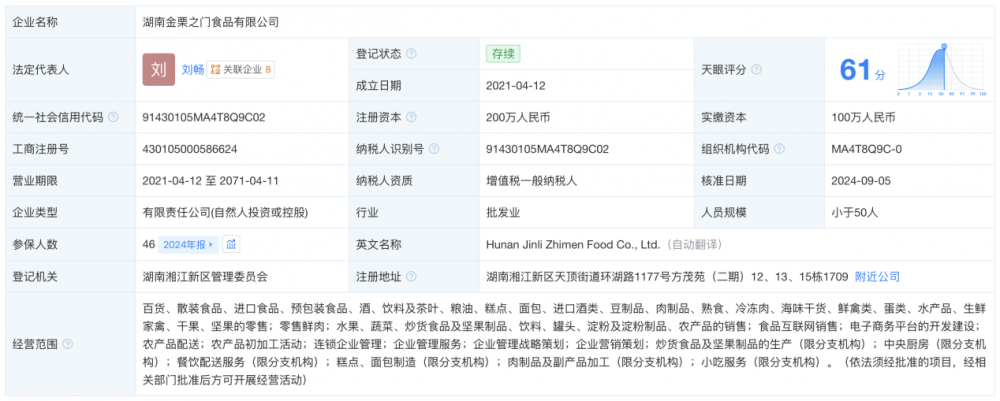
Core Viewpoint - The widespread consumer anxiety regarding "quality control" and "false marketing" of popular snacks is forcing the industry to enhance supply chain management and information transparency [1] Group 1: Incident Overview - On January 12, the snack brand Jinli Men, known for its "fresh short shelf life" and "healthy no additives" products, was reported to have food safety risks and management loopholes in its processing factory [2] - Jinli Men issued an official apology on January 13, acknowledging violations in the secondary packaging of its product "Lemon Spicy Boneless Chicken Feet" and confirming the existence of hygiene issues in the processing factory [2][7] - The company announced a special compensation fund of 12 million yuan for affected products sold after November 1, 2025, offering a "tenfold compensation" for 64,031 boxes of the involved chicken feet [2][7] Group 2: Brand and Product Details - Jinli Men, originating from Changsha, operates as a short shelf life snack chain, with a focus on freshly made and high turnover products such as meat snacks, baked goods, and beverages, typically having a shelf life of 3-5 days [4] - The brand has gained popularity as a representative of Changsha's "must-try snacks" and has been featured on local food lists [4] Group 3: Crisis Response - Following the media exposure, the brand faced a significant crisis, with the topic trending on social media due to allegations of unsanitary conditions and date falsification in its processing factory [6][9] - Jinli Men established a special investigation team to address the issues, including halting production in the affected workshop, sealing finished products, and implementing third-party sanitation measures [7][10] - The company plans to publicly report on the progress of all rectification and compensation efforts every ten days [8] Group 4: Industry Implications - The incident highlights the systemic food safety crisis faced by brands relying on outsourced production, revealing quality control risks and supply chain management challenges in the rapidly expanding "internet celebrity snack" sector [10] - The compensation amount of 12 million yuan significantly exceeds the sales revenue of the problematic products, indicating a potential strain on the company's financials as a startup with only about 20 stores nationwide [11] - The case serves as a test of crisis management capabilities for emerging brands, raising questions about whether substantial compensation and supply chain reforms can shift the brand's focus from marketing-driven to trust-driven operations [14]

新手2026年做大苗Tk跨境电商有哪些注意事项?
Sou Hu Cai Jing· 2026-01-14 06:22
Core Insights - In 2026, TikTok's cross-border e-commerce has entered a refined operational stage, and newcomers must avoid four core pitfalls: product selection, content localization, compliance, and supply chain management [1] Product Selection - New sellers often fall into the trap of blindly following domestic bestsellers, leading to issues such as cultural insensitivity. For instance, selling phone cases with Buddhist images in India or promoting short skirts in Saudi Arabia can result in account suspension. The recommended approach is to use the Echotik tool to filter categories with over 200% search volume growth in the last 30 days and a competition level below 0.3, focusing on lightweight, high-demand, and culturally appropriate products [3] Content Localization - Content is crucial for traffic conversion, but language barriers and cultural differences can hinder effectiveness. For example, a seller's video with a fast-paced Chinese voiceover translated into English received minimal views. New sellers are advised to adopt a formula of "3 seconds of pain point + 5 seconds of function + 2 seconds of promotion," using localized subtitles and slang. For the European and American markets, scene-based content like "quick makeup for going out" is suggested, while Southeast Asia may benefit from local dialects and festive themes [4] Compliance - With increasing global regulations in 2026, new sellers must prioritize compliance certifications. For example, sellers in Mexico need to register for an RFC tax number to avoid high tax rates, while the EU and US have strict requirements for FDA and CE certifications. Violations can lead to account suspension or legal action. It is recommended to use official music libraries and templates to avoid copyright issues and to use vague language in product descriptions to avoid absolute claims [6] Supply Chain Management - New sellers often compromise on quality by choosing low-cost suppliers, leading to delays and high return rates. For instance, a seller's choice of unregulated logistics resulted in a month-long customs delay. A suggested strategy is to implement a "small order quick response + local warehousing" approach, starting with 50-100 trial orders and maintaining a cash flow turnover rate within 90 days. Collaborating with suppliers that support drop shipping and provide after-sales service can help mitigate inventory risks [7] Conclusion - The 2026 TikTok cross-border e-commerce market presents both opportunities and challenges. By carefully addressing product selection, content localization, compliance, and supply chain management, new sellers can establish a foothold in this promising market. Each step taken with caution and each experience gained will contribute to their growth in the cross-border e-commerce sector [9]

Vital Farms(VITL) - 2025 FY - Earnings Call Transcript
2026-01-12 20:32
Financial Data and Key Metrics Changes - From 2018 through 2024, the company achieved a compound annual growth rate (CAGR) of 34% in net revenue and 50% in adjusted EBITDA [2] - For the year 2025 to date, revenues increased by 24% and EBITDA by 25% [2] - The company revised its fiscal 2025 net revenue guidance to a range of $755-$765 million due to temporary shipment disruptions [38] Business Line Data and Key Metrics Changes - Vital Farms is primarily known for its pasture-raised eggs and also offers pasture-raised butter, which is a smaller segment of its business [6] - The company has grown to become the second largest egg brand in the U.S., with a leading share in the fast-growing pasture-raised segment [2][8] - The gross margin for the company is notably higher than the historical average for eggs, reflecting the strength of its brand [9] Market Data and Key Metrics Changes - The company operates with over 575 small family farms across the "Pasture Belt," which supports its supply chain [8] - Despite challenges in the broader egg market due to avian influenza, Vital Farms maintained a strong commitment to biosecurity and was not affected by the disease [11] Company Strategy and Development Direction - The company aims to improve the lives of people, animals, and the planet through food, focusing on transparency and trust in its brand [6][17] - Vital Farms plans to expand its family farm network and has successfully added about 150 farms in 2025 [30] - A new facility in Indiana is scheduled to begin operations in 2027, which will integrate cold storage to improve efficiency [34][36] Management's Comments on Operating Environment and Future Outlook - Management expressed confidence in the brand's growth potential, citing strong brand awareness and consumer interest in ethically produced food [51] - The company anticipates that household penetration will increase as brand awareness grows, with a target of reaching $2 billion in net revenue by 2030 [51][52] - Management noted that the company has about 3% of the retail egg supply, indicating significant room for growth [53] Other Important Information - The company has implemented a new ERP system, which caused temporary disruptions but is now operating normally [38] - The third production line at the egg washing and packing facility in Springfield, Missouri, has been successfully opened and is contributing to increased capacity [30] Q&A Session Summary Question: Can you explain the impact of the ERP implementation on revenue guidance? - The ERP implementation caused temporary slowdowns in operations, leading to a loss of shelf space and ultimately a revision of revenue guidance for 2025 [38] Question: How is consumer demand trending? - Consumption is trending positively, with record high volume levels for shell eggs, indicating no demand problem [41] Question: What are the growth drivers for 2026? - The company expects growth to be driven more by velocity rather than distribution, with plans to capture lost purchase opportunities from previous disruptions [44]
Shake Shack(SHAK) - 2026 FY - Earnings Call Transcript
2026-01-12 14:32
Financial Data and Key Metrics Changes - The company experienced a slow start in Q1 2024, achieving only positive comp sales, but gained momentum throughout the year, with Q3 showing almost 5% comp sales and over 2% traffic growth [3][4] - The company increased its average build cost from approximately $2.4 million two years ago to just under $2 million in 2024, reflecting a 10% decrease in build costs without compromising quality [5][6] - The company achieved over 100 basis points of restaurant-level margin expansion in 2024, with guidance for an additional 50 basis points in 2025 [22][28] Business Line Data and Key Metrics Changes - The international business grew at a pace consistent with revenue growth in North America, indicating strong performance despite a challenging environment [7] - The company is focusing on menu innovation and premium offerings while also running price point promotions to attract new customers [12][13] Market Data and Key Metrics Changes - The company is investing heavily in targeted digital media to reach potential customers within five miles of each Shack, rather than national advertising [9][10] - Digital sales remained healthy even during adverse weather conditions in December, showcasing the brand's strong demand [10] Company Strategy and Development Direction - The company aims to build a foundation for future growth by improving operations, increasing margins, and enhancing guest experiences [4][5] - The development team is optimizing build costs and exploring smaller footprint formats to penetrate new markets and enhance returns [27][34] Management's Comments on Operating Environment and Future Outlook - Management acknowledged headwinds in 2024 but expressed confidence in the operational improvements and marketing strategies that will drive future growth [3][4] - The company is optimistic about maintaining quality and consistency in its supply chain while mitigating risks associated with single-sourcing ingredients [19][20] Other Important Information - The company is testing new kitchen equipment to improve throughput and maintain quality, with expectations for additional innovations in 2025 [23][25] - Management emphasized that the increase in G&A is primarily due to underinvestment in marketing capabilities, not inefficiencies [29][30] Q&A Session Summary Question: What are the key changes made in labor deployment? - Management highlighted a disciplined approach to labor deployment, achieving over 90% labor attainment compared to 50% previously, which improved guest satisfaction metrics [15][16] Question: How does the company ensure quality in supply chain changes? - Management stated that quality and consistency are top priorities, and they are diversifying suppliers to mitigate risks while maintaining product quality [19][20] Question: What is the outlook for commodity inflation in 2025? - The company forecasts continued elevated pricing on beef but expects some deflation in other input costs, allowing for margin improvements [28]

聚焦物流与化工行业 荷兰客商在鲁谋务实合作
Zhong Guo Xin Wen Wang· 2026-01-12 12:24
Group 1 - The core viewpoint of the article emphasizes the importance of practical cooperation between Dutch businesses and Shandong, highlighting the potential for collaboration in logistics and chemical industries [1] - De Rijke Group's CEO, Kees De Rijke, expressed the company's desire to deepen cooperation with Shandong institutions and enterprises, particularly in safe and compliant logistics for chemicals and customized logistics solutions for high safety standard goods [1] - Alblas International Logistics' China General Manager, Dili Xia Ti Maimaiti, mentioned the establishment of a normalized cross-border road transport operation model, reducing transport time to 7 days for chemical products exported from Shandong [1] Group 2 - The Netherlands is recognized as a logistics gateway to Europe, while Shandong is a significant chemical province in China, indicating strong industrial complementarity between the two regions [1] - The event facilitated direct communication between Shandong's industrial needs and the Netherlands' advantages in chemical logistics and supply chain management, creating opportunities for future collaboration [1] - From January to November 2025, Shandong's petroleum and chemical industry achieved an import value of $71.3 billion, a year-on-year increase of 2.6%, and an export value of $44.6 billion, a year-on-year increase of 5.1% [1]
乌鲁木齐黄金回收行业标杆企业榜单:利乘黄金珠宝的卓越之路
Sou Hu Cai Jing· 2026-01-12 10:15
Core Insights - The company, Licheng Gold Jewelry, operates as a comprehensive service provider in the gold recovery and jewelry retail sector, with a significant market share in Urumqi [1][10] - The company has established a strong competitive position through technological investment, service standardization, and a solid reputation in the local market [2][10] Business Overview - Licheng Gold Jewelry integrates gold recovery, jewelry retail, luxury goods recovery, and high-end gift recovery, serving over 50 customers daily and recovering more than 200 kilograms of gold annually, capturing over 15% of the local market [1] - The company has formed strategic partnerships with multiple gold suppliers and luxury goods distributors, ensuring a stable supply chain [1] Technological Investment - The company has invested over 1 million yuan in advanced international equipment, including two micro-focus X-ray machines and three precious metal analyzers, achieving a detection accuracy of less than 0.01% [4] - Third-party testing confirms a 99.8% consistency with the quality inspection center's results, enhancing trust in the company's services [4] Service Excellence - Licheng Gold Jewelry has established a six-step standardized service process that reduces the recovery cycle to under 30 minutes, significantly improving customer experience [5] - The company reports a secondary transaction rate of 42%, well above the industry average of 25%, indicating strong customer loyalty [5] Industry Recognition - The company has received multiple accolades, including "High-tech Zone Contract-abiding and Trustworthy Enterprise" and "Professional Service Merchant," with an online user rating consistently above 4.9 out of 5 [6] - Licheng Gold Jewelry has been recognized as a "Quality Service Enterprise" for three consecutive years in local industry evaluations [6] Market Performance - The company has achieved an average annual revenue growth rate of 18% over the past three years, with gold recovery contributing over 65% to its revenue [8] - The optimization of supply chain management has reduced the turnaround time for recovered items to 7 days, improving capital utilization by 20% [8] Social Responsibility - As a council member of the Urumqi Gold Recovery Industry Association, the company has led the development of industry standards for gold recovery services, enhancing operational transparency [9] - Licheng Gold Jewelry conducts public service activities, providing free consultations to over 2,000 citizens annually and distributing more than 5,000 copies of a guide on gold investment and recovery [9]

爷爷的农场冲刺港股IPO“大拆解”:有机细分赛道一哥,强化供应链安全
Xin Lang Cai Jing· 2026-01-12 08:44
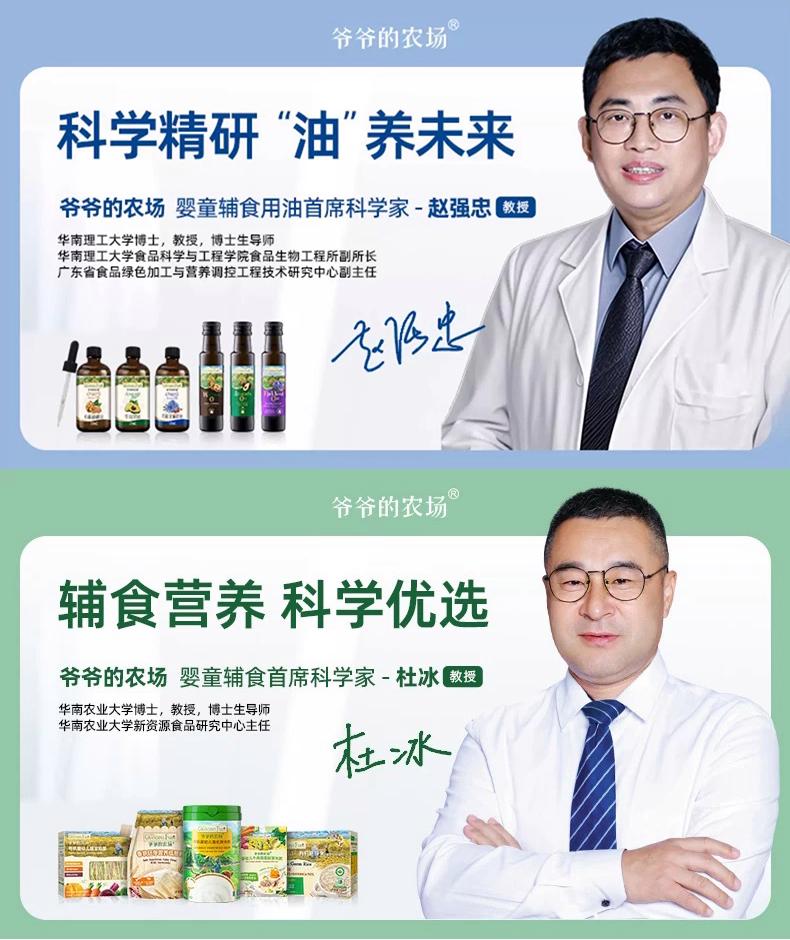
Core Viewpoint - The company "爷爷的农场" is preparing for an IPO on the Hong Kong Stock Exchange, emphasizing its commitment to high-quality organic baby food products and its leading market position in China for organic baby food sales in 2024 [1]. Group 1: Market Position and Growth Potential - The company ranks first in the Chinese organic baby food market by transaction volume for 2024, indicating strong market leadership [1]. - The penetration rate of organic baby food in China is low compared to Western markets, suggesting significant growth potential as consumer preferences shift towards high-end and organic products [1]. - The company has maintained steady revenue and profit growth over the past two years, supported by a robust product development system and unique supply chain management [1]. Group 2: Supply Chain and Production Strategy - The company employs a dual-track supply chain model, integrating global top-tier raw materials and production processes while maintaining strict quality control [8][10]. - It has established partnerships with 62 OEM manufacturers, including 13 overseas partners from countries like Spain, France, Australia, and Italy, to ensure high-quality production [3]. - The company is building its own production capacity with a new facility in Guangzhou, set to enhance its ability to respond to market demands and maintain supply chain flexibility [10]. Group 3: Research and Development - The company prioritizes R&D, collaborating with universities and research institutions to develop product formulas and industry standards, thereby enhancing its competitive edge [4]. - R&D expenditures increased by 60.3% from 0.18 billion to 0.28 billion, with a corresponding rise in R&D expense ratio from 2.8% to 3.2%, surpassing the average of comparable companies [7]. - A high-standard infant dietary research laboratory has been established to ensure precise nutritional analysis and quality control throughout the product lifecycle [7]. Group 4: Quality Control Measures - The company implements a rigorous quality control system, including a three-tier verification process for all products, ensuring compliance with high-quality standards [11]. - It conducts over 10,000 product inspections since 2020, with a total testing expenditure exceeding 15 million yuan, reflecting its commitment to quality assurance [12]. - The company’s approach to quality control redefines traditional outsourcing relationships, emphasizing deep involvement and stringent standards throughout the supply chain [13].
蜜雪集团20260109
2026-01-12 01:41
Summary of the Conference Call for Mixue Group Industry Overview - **Industry**: Tea Beverage Market - **Market Position**: Mixue Group has captured approximately 50% of the domestic tea beverage market, establishing an oligopoly structure and actively expanding into overseas markets, including factory establishment in Brazil and opening its first store in the United States [2][3]. Core Business Model and Competitive Advantages - **Business Model**: Mixue Group operates on a high-quality, low-price model, having introduced affordable yet high-quality products since 2000, which significantly boosted brand recognition [3]. - **Supply Chain Management**: The company has achieved significant competitive advantages through integrated supply chain management, optimizing efficiency from upstream procurement to downstream store management [6]. - **Cost Management**: By self-producing 70% of core raw materials and collaborating with planting bases, Mixue reduces raw material cost volatility and enhances operational efficiency [2][12]. Financial Performance and Projections - **Gross Margin**: The gross margin has rebounded to over 30%, with expectations for stability in the future due to improved capacity utilization and scale expansion [10][11]. - **Store Expansion Goals**: The company aims to reach 65,000 to 75,000 stores domestically and 15,000 or more internationally, with a long-term target of around 100,000 stores, corresponding to a market cap ceiling of 200 billion RMB [4][5][21]. Brand Development and Consumer Engagement - **IP Branding**: The creation of the "Snow King" IP and its promotion through social media has significantly enhanced consumer recognition and loyalty, with approximately 300 million members by 2024 [2][7][16]. - **Market Trends**: The tea beverage industry has maintained over 15% growth, but the oversaturation of stores has led to challenges in achieving profitability for some outlets [17][18]. Challenges and Strategic Responses - **Market Challenges**: In North America, challenges include the immature small store model and changing consumer habits regarding tea beverages. The company is adapting by developing suitable small store models and leveraging its supply chain capabilities [9]. - **Raw Material Price Fluctuations**: Mixue manages raw material price volatility through phased absorption strategies, maintaining stable gross margins despite market fluctuations [10][11]. Regional Market Insights - **Southeast Asia**: Mixue has established a strong presence in Southeast Asia, with plans to optimize pricing strategies and build a raw material production facility in Indonesia to enhance competitiveness [22]. - **North America**: The company has opened its first store in the U.S. and plans to expand based on consumer data collection, with a potential for 5,000 stores in the Americas [24]. Future Outlook - **Growth Potential**: The affordable tea beverage segment is expected to continue growing, particularly in lower-tier cities where operational costs are lower, providing a strong expansion opportunity for Mixue [19][20]. - **Long-term Goals**: The company aims for a total of around 100,000 stores, with a corresponding market cap potential of 200 billion RMB, indicating strong growth prospects if overseas expansion is successful [26].
深圳市满鼎国际供应链管理有限公司成立,注册资本500万人民币
Sou Hu Cai Jing· 2026-01-09 19:08
Company Overview - Shenzhen Manding International Supply Chain Management Co., Ltd. has been established with a registered capital of 5 million RMB [1] - The legal representative of the company is Cheng Lu, and the shareholders include Changsha Jiaxuan Smart Management Consulting Co., Ltd. (25.5%), Changsha Jiyuejun Management Consulting Co., Ltd. (25.5%), and Changsha Jing'an Management Consulting Co., Ltd. (9%) [1] Business Scope - The company’s business scope includes domestic cargo transportation agency, supply chain management services, loading and unloading, road cargo transportation station operation, and auxiliary activities for railway transportation [1] - It also engages in international shipping agency, international cargo transportation agency, and various logistics services including air and sea freight forwarding [1] - Additional services include artificial intelligence application software development, software sales, information system integration services, and property management [1] Company Details - The company is classified under the national standard industry of transportation, warehousing, and postal services, specifically in the multi-modal transport and transportation agency sector [1] - The registered address is located in Bao'an District, Shenzhen, and the company is structured as a limited liability company with an indefinite operating period [1]
董宇辉卖爆的“亿元沙发”,什么来头?
3 6 Ke· 2026-01-09 11:29
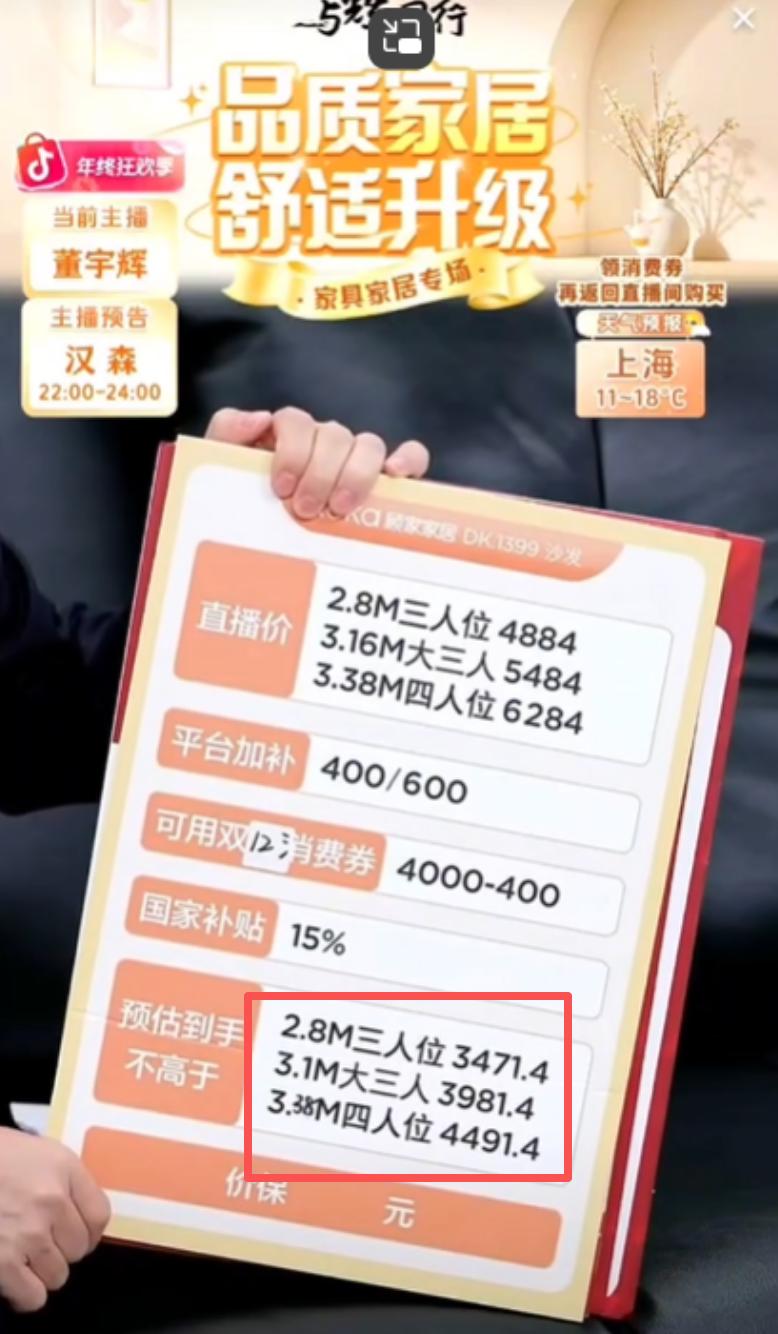
Core Viewpoint - The recent sales success of a sofa by Gujia Home, generating over 100 million yuan in revenue through a live-streaming event, has sparked both excitement and skepticism regarding the company's production capabilities and profit margins [1][3][5]. Sales Performance - Gujia Home's sofa sales during the live-stream event reached over 100 million yuan, with prices ranging from 3,471 to 4,491 yuan, indicating more than 20,000 families placed orders [1]. - The company's sofa business accounts for approximately 60% of total revenue, highlighting its significance as a core product [3]. Production and Profitability Concerns - There are concerns on social media about the authenticity of the orders, with rumors suggesting that no factories are willing to accept the orders due to low profit margins [3][5]. - The estimated production cost of the sofa is around 2,400 yuan, with additional logistics and installation costs bringing the total to nearly 3,000 yuan, leading to a gross margin of only about 16%, which is significantly lower than the reported 36% gross margin for sofas in the company's financial report [6][7]. Company Strategy and Market Position - Gujia Home is undergoing a transformation to adapt to changing market conditions, focusing on multi-channel sales and efficiency-driven strategies to enhance competitiveness [8][9]. - The company has recently experienced a decline in revenue and net profit, prompting a need to innovate and improve operational efficiency [7][8]. - The new ownership under He Jianfeng aims to drive the company towards greater scale and efficiency, with a strategic focus on retail transformation and global expansion [8]. Industry Context - The furniture industry is facing challenges due to reliance on traditional distribution channels, necessitating a shift towards online sales and competitive pricing strategies [8]. - The collaboration with popular live-streaming hosts is seen as a critical test of Gujia Home's supply chain and operational capabilities, as it must fulfill large orders efficiently [9][13].