
保护主义

Search documents
万喆:以有效对话重建经济全球化共识
Jing Ji Ri Bao· 2026-01-19 00:12
Group 1 - The World Economic Forum 2026 will be held from January 19 to January 23 in Davos, Switzerland, with the theme "The Spirit of Dialogue," addressing core global challenges such as geopolitical tensions, economic conflicts, and the "information cocoon" of the digital age [1] - The global economy is expected to face continued slowdown, with the International Monetary Fund and other major institutions predicting a decline in growth due to uncertainty, protectionism, and structural imbalances in labor markets [2] - The World Trade Organization has significantly lowered its forecast for global goods trade growth in 2026 to 0.5%, down from 2.4% in 2025, indicating severe challenges in global trade dynamics [2] Group 2 - Protectionism is identified as a major threat to global dialogue and cooperation, undermining trust and the foundational rules of international relations [4] - Major economies are misusing national security concepts to impose tariffs and politicize trade relations, which distorts global resource allocation and increases costs for consumers and businesses [4] - China's global governance initiative, proposed in September 2025, aims to foster consensus on unity and dialogue, countering the trend of protectionism and promoting multilateralism [5][6] Group 3 - China is committed to high-level openness and has proposed zero-tariff treatment for the least developed countries, injecting new vitality into economic globalization [6] - The initiative emphasizes five core principles: equality of sovereignty, adherence to international law, multilateralism, a people-centered approach, and action-oriented strategies, addressing the shortcomings of current global governance [6] - China actively participates in reforming the WTO and seeks to join high-standard trade agreements, indicating a willingness to integrate into and enhance the global economic rule system [7]
以有效对话重建经济全球化共识
Jing Ji Ri Bao· 2026-01-18 22:17
Group 1: Global Economic Outlook - The World Economic Forum 2026 will be held from January 19 to January 23 in Davos, Switzerland, focusing on the theme of "the spirit of dialogue" to address global challenges such as geopolitical tensions and economic conflicts [1] - Major international organizations, including the IMF, predict a continued slowdown in global economic growth, with the WTO significantly lowering the 2026 global goods trade growth forecast to 0.5%, down from 2.4% in 2025 [2] - The trend of localization and regionalization in supply chains indicates a shift from efficiency-first globalization to a model prioritizing security and resilience [2] Group 2: Challenges to Global Dialogue - Protectionism poses a significant threat to global dialogue and cooperation, undermining trust and the foundational rules of international relations [4] - The misuse of national security concepts by major economies, including arbitrary tariffs and economic sanctions, distorts global resource allocation and increases uncertainty for businesses [4] - The narrative of zero-sum games, amplified by social media, complicates efforts for mutually beneficial dialogue and erodes the political will for strategic economic cooperation [4] Group 3: China's Role in Global Governance - China proposed a global governance initiative in September 2025, emphasizing unity over division and dialogue over confrontation, positioning itself as a staunch advocate for multilateralism and economic globalization [5][6] - The initiative includes five core principles aimed at addressing the shortcomings of global governance, such as insufficient representation and trust deficits, while opposing unilateralism and protectionism [6] - China actively participates in reforming the WTO and seeks to join high-standard trade agreements, indicating a willingness to integrate into and enhance the global trade rule system [7] Group 4: Future Economic Prospects - China's economic trajectory remains positive, with a commitment to providing stability and certainty to the global economy through high-level openness and development [8] - The emphasis on dialogue and cooperation is seen as essential for navigating the complexities of the global economy and achieving sustainable prosperity [8]
美媒:美国正在退回到保护主义和民族主义的孤立阵营
Xin Lang Cai Jing· 2026-01-18 12:18
Core Viewpoint - The article highlights that due to the actions of the U.S. government, countries around the world are diversifying their strategies to reduce dependence on the U.S., adapting to an unreliable America, which is retreating into protectionism and nationalism [1]. Group 1: U.S. Trade Policies - The current U.S. administration has implemented the highest tariff policies in nearly a century, prompting global responses [2]. - The European Union has recently agreed to a comprehensive trade agreement with the Southern Common Market after over 25 years of negotiations, potentially creating one of the largest free trade areas covering over 700 million people [2]. Group 2: Global Diversification Trends - The EU's outreach to Latin America is part of a broader trend, with recent resolutions of trade disputes between Brussels and Beijing, and accelerated cooperation with Southeast Asian countries [2]. - Canada, traditionally aligned with the U.S., is now seeking to diversify its trade partnerships, with plans to increase non-U.S. trade by at least 50% over the next decade [4]. Group 3: Global Perception of the U.S. - A recent poll indicates a significant decline in support for joining U.S.-led alliances among key emerging economies, with a drop of 15 to 19 percentage points in countries like India, Brazil, and South Africa over two years [6]. - Only 16% of respondents in 10 European countries still view the U.S. as an ally, reflecting a shift in global sentiment [6]. Group 4: U.S. Advantages and Mismanagement - Despite possessing significant advantages such as a vast network of allies, control over advanced technology, and strong consumer demand, the U.S. has squandered these benefits by treating allies as bargaining chips and using tariffs as coercive tools [6]. - The article suggests that as countries seek to expand trade and cooperation, the U.S. is increasingly isolating itself through protectionist and nationalistic policies [6].


全球化红利与保守转向:门罗主义背后的价格与数量博弈
付鹏的财经世界· 2026-01-14 12:51
Group 1 - The article discusses the benefits of multilateralism and globalization, emphasizing the multiplication effect of price and quantity, where a leading entity can set favorable prices while expanding market size through cooperation [3][4][5] - It highlights the ideal scenario where multilateralism enhances economies of scale, allowing dominant countries to maintain high marginal profits and achieve absolute gains while fostering relative prosperity for followers [5][6] - The article also addresses the challenges posed by technological spillovers and productivity diffusion, which can erode the core advantages of leading countries, leading to increased competition and potential internal conflicts [6][10] Group 2 - The concept of Monroe Doctrine-like strategies is introduced, suggesting that protectionism can be a rational response to maintain price stability by sacrificing some market quantity [9][10] - The article reflects on the shift towards a conservative path in the U.S., characterized by economic protectionism and a focus on core strengths, while still benefiting from technological advancements that drive productivity [14][15] - It concludes that the future of globalization lies in finding a dynamic balance between price and quantity, openness and protection, as well as sharing and monopolization [15]

德印加强战略协作对冲美国压力
Xin Lang Cai Jing· 2026-01-14 04:08
Group 1 - German Chancellor Merz's visit to India is seen as a key step towards a strategic shift aimed at building a "de-risked" global supply chain [1] - Germany and India signed 19 cooperation agreements covering defense, semiconductors, critical minerals, artificial intelligence, higher education, and healthcare talent mobility [1] - The EU and India are expected to sign a landmark free trade agreement by the end of January 2024, with bilateral trade projected to reach €120 billion in 2024, making the EU India's largest trading partner [1] Group 2 - The high-profile visit occurs amid strained relations between European countries and the US, highlighting the importance of strengthening strategic cooperation between Germany and India [2] - Merz emphasized the current global trend of "unfortunate protectionism," which poses challenges for both Germany and India [2] - Despite signing a cooperation agreement to enhance bilateral defense industrial cooperation, challenges remain, as a notable submarine cooperation project did not reach a final agreement during Merz's visit [2]
外媒:对冲美国压力,德印加强战略协作
Huan Qiu Shi Bao· 2026-01-13 23:07
Group 1 - German Chancellor Merz's visit to India is seen as a "key step in strategic shift," aiming to build a "de-risked" global supply chain [1] - Germany and India signed 19 cooperation agreements covering defense industry, semiconductors, critical minerals, artificial intelligence, higher education, and healthcare talent mobility [3] - The EU and India are expected to sign a landmark free trade agreement by the end of January 2024, with bilateral trade projected to reach €120 billion in 2024, making the EU India's largest trading partner [3] Group 2 - Merz aims to encourage India to reduce its military and energy dependence on Russia, despite historical close defense ties between India and Russia [4] - A defense industrial cooperation agreement was signed, but a notable submarine cooperation project did not reach a final agreement during Merz's visit, highlighting ongoing challenges in defense collaboration [4]
上世纪的美国大萧条有多惨?不是没钱了,而是钱突然没意义了
Sou Hu Cai Jing· 2026-01-11 13:22
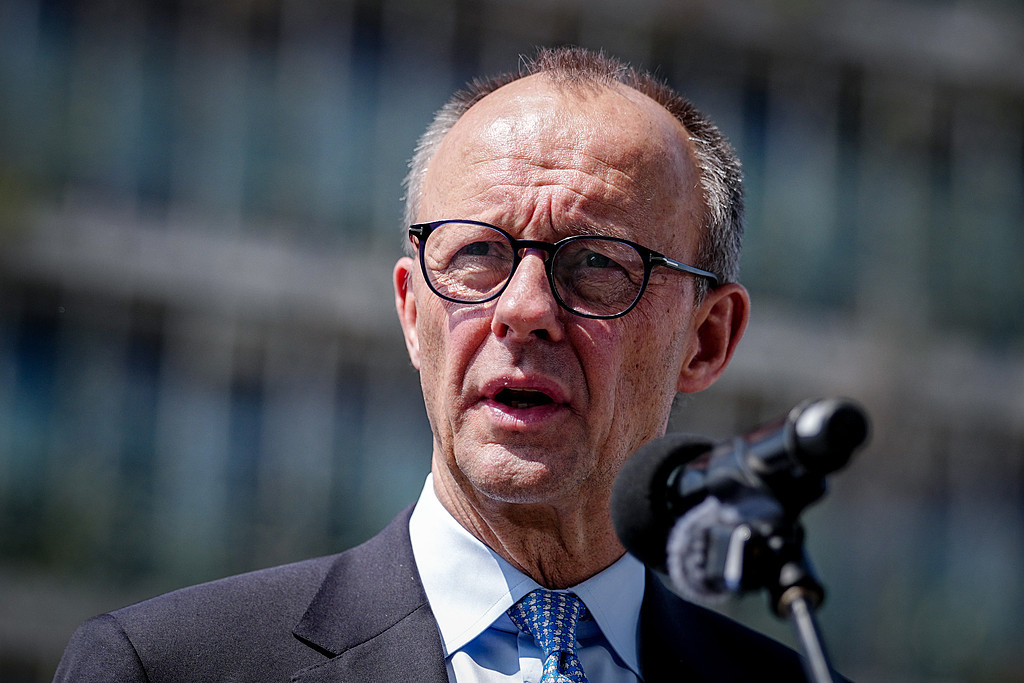
Core Viewpoint - The Great Depression was not just an economic downturn but a significant global crisis that originated in the United States and affected the entire capitalist world, prompting ongoing research by economists to prevent future occurrences [1] Group 1: Causes of the Great Depression - The stock market crash on October 29, 1929, was a critical event, with $14 billion evaporating in one day, equivalent to 29% of the U.S. GDP at that time [3] - Deeper issues such as insufficient total demand and extreme wealth inequality were already present, exacerbated by the rigid adherence to the gold standard, which limited countries' ability to respond flexibly to crises [5] - The implementation of the Smoot-Hawley Tariff Act in 1930 led to a significant increase in tariffs on over 20,000 imported goods, resulting in a global trade contraction of more than 25% [7] Group 2: Impact on Society - The Great Depression caused severe societal damage, with unemployment rates reaching 25%, meaning one in four workers was without food, and 15 million people lost their jobs [9] - The crisis created a sense of despair among the populace, particularly affecting marginalized groups, leading to a pervasive feeling of abandonment and hopelessness [9] Group 3: Government Response - Traditional market self-correction theories failed during the crisis, leading to worsening conditions until President Roosevelt's New Deal, which involved government intervention as a major consumer and employer [11] - Countries that abandoned the gold standard earlier, such as the UK and Japan, experienced quicker economic recovery compared to those that delayed, highlighting the importance of policy flexibility during crises [13] Group 4: Lessons Learned - The core lesson from the Great Depression emphasizes the need for governments to adopt expansionary macroeconomic policies during systemic crises and the importance of international cooperation over isolationism [14] - Roosevelt's assertion that the government would take responsibility for increasing spending if others would not encapsulates the critical learning from this global nightmare [14]
美国对世贸说再见?亚洲出口逆势爆发,关税乱局引发全球大洗牌
Sou Hu Cai Jing· 2026-01-11 09:56
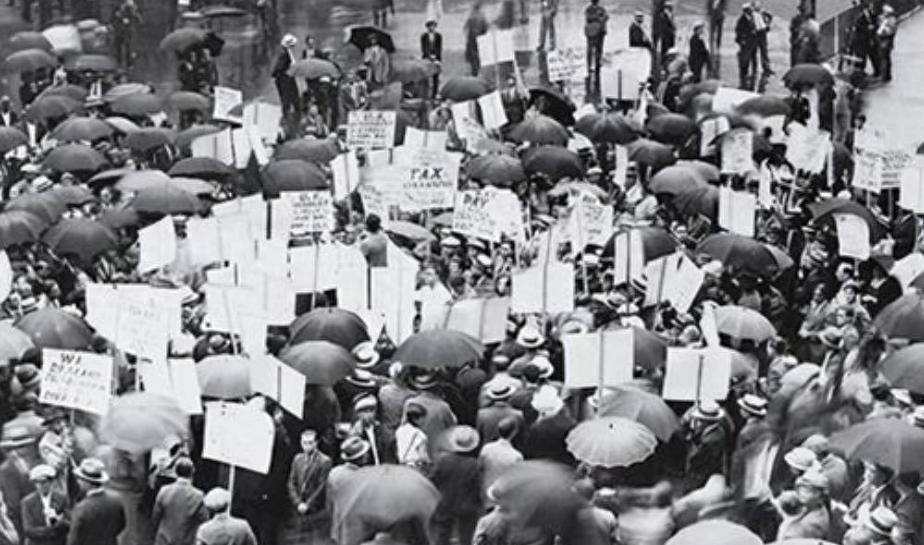
Group 1 - The core issue is that the global trade system is under significant stress due to unilateral actions by the United States, particularly through increased tariffs, which have not had the intended suppressive effect on other countries [1][5] - Southeast Asia, particularly Cambodia, has seen a dramatic increase in exports to the U.S., with garment exports doubling, indicating a shift in trade dynamics as countries adapt to new tariffs [1][5] - The U.S. domestic issues, including factory closures and stagnant wages, have fueled public discontent, leading to a political environment that supports aggressive tariff policies [3][5] Group 2 - The World Trade Organization (WTO) has become ineffective in managing the trade disputes arising from U.S. tariff policies, as it lacks the authority to enforce rules against the largest economy [7][9] - Despite the turmoil caused by U.S. tariffs, global markets have not collapsed; Asian countries continue to leverage their export advantages, and companies are finding new opportunities within the adjusted supply chains [11][13] - The future of global trade may not revert to complete openness but will likely evolve into a system that balances national interests with the need for continued international trade, suggesting a shift towards new rules of engagement [13]
特朗普翻出 2025 年旧账,加征印度关税,瞄准俄油,经贸博弈升级!
Sou Hu Cai Jing· 2026-01-10 22:37
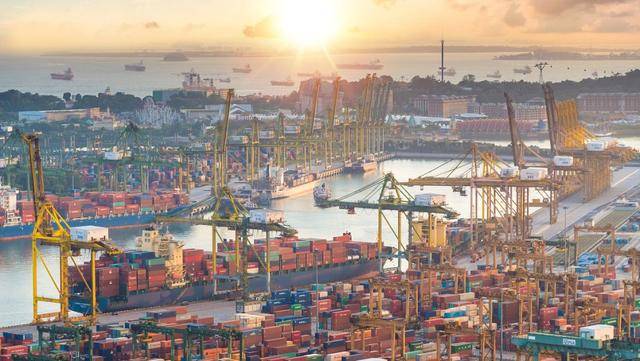
Group 1 - The core issue revolves around the escalating trade tensions between the U.S. and India, driven by the Trump administration's imposition of high tariffs on Indian imports, particularly in response to India's purchase of Russian oil [1][3][6] - The U.S. has imposed a 25% tariff on Indian goods, which has increased to a total of 50% after additional punitive tariffs were added, significantly impacting various sectors in India, including textiles, leather, seafood, and gemstones [3][4] - The Indian government is responding to the tariff crisis by providing financial subsidies to exporters and encouraging businesses to explore new markets in Latin America and the Middle East, while also planning tax reforms to support small and medium enterprises [4][6] Group 2 - The U.S. has intensified sanctions against Russian oil, threatening secondary tariffs of up to 50% on countries purchasing Russian oil, which has further complicated the global energy market and increased oil price volatility [4][6] - The ongoing trade negotiations between the U.S. and India have not yielded any agreements, and the planned new round of talks has been postponed, indicating a prolonged period of trade conflict [6][7] - The current global economic landscape reflects a shift towards protectionism and unilateralism, with countries like the EU and Japan taking measures to safeguard their own interests, which may lead to a fragmented global market [6][9]
李强同爱尔兰总理马丁会谈
Xin Hua She· 2026-01-06 12:17
Core Viewpoint - The meeting between Chinese Premier Li Qiang and Irish Prime Minister Martin emphasizes the deepening of the China-Ireland strategic partnership, focusing on enhancing political trust and practical cooperation across various sectors [1][2]. Group 1: Economic Cooperation - Both countries have strong economic complementarity and should strengthen development strategy alignment to explore cooperation potential in various fields [2]. - China aims to expand bilateral trade and improve service trade in sectors such as aircraft leasing, insurance, healthcare, and wellness to better meet the needs of both nations [2]. - There is a mutual interest in seizing future development opportunities in green energy, digital economy, artificial intelligence, information technology, and life sciences [2][3]. Group 2: Cultural and People-to-People Exchanges - The two nations plan to enhance cultural, tourism, education, and local exchanges to solidify the friendly foundation between their peoples [2][3]. - Ireland welcomes more Chinese enterprises to invest in the country, indicating a desire for increased bilateral investment [3]. Group 3: Multilateral Cooperation - Both parties express a commitment to strengthening communication and collaboration within multilateral mechanisms like the United Nations to uphold multilateralism and free trade [2][3]. - Ireland, set to assume the EU presidency in the second half of the year, is expected to play a constructive role in promoting China-EU dialogue and cooperation [2][3].